Silica for Cats

How Silica Influences Collagen, Mobility, Bone Resilience, and Coat Texture

Essential Summary

Why is silica for cats important?

Silica for cats is often discussed for coat, skin, and nail presentation, but it’s best approached with restraint. Silica can influence mineral balance, and feline-specific safety and dosing guidance is limited, so vet input matters. For most owners, the most satisfying results come from consistent, whole-routine support that shows in everyday shine and softness.

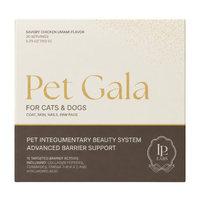
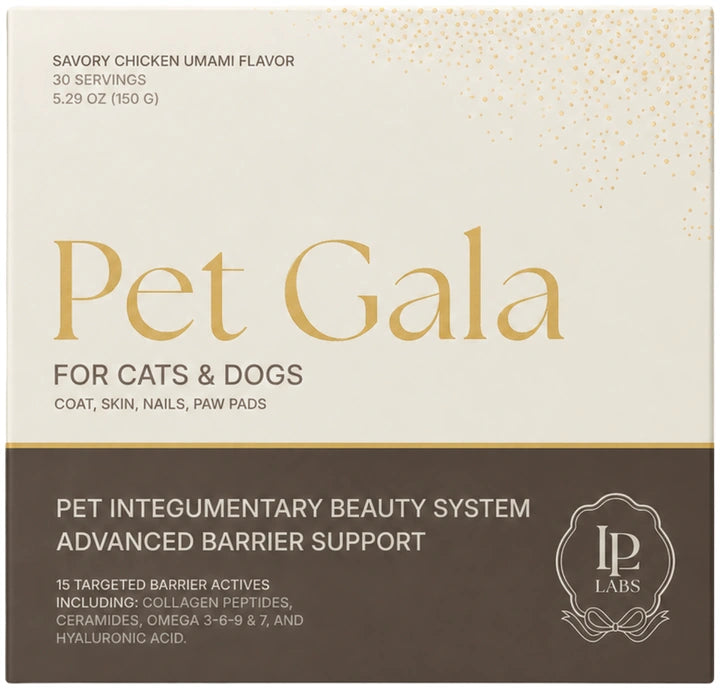
Pet Gala™ is designed for visible care—supporting the skin, coat, and nails as a connected system—so your cat’s everyday look feels polished, comfortable, and well-kept. Instead of treating silica as a solo fix, Pet Gala™ fits into a simple routine that owners can maintain and actually notice.

There’s a particular satisfaction in a cat that looks unmistakably well-kept: fur that catches the light, skin that seems comfortable, and nails that trim cleanly without splitting. That’s the real intent behind searches for silica for cats. Owners aren’t trying to micromanage biology—they’re trying to protect a daily standard of care that shows up in the mirror, on the couch, and in every photo.

Silica enters the conversation because it exists in multiple forms and appears across foods and supplements, and it’s discussed in relation to mineral balance. But the most honest takeaway is also the most useful: silica is not a shortcut. In cats, safety and dosing guidance are limited, so any silica supplement for cats should be considered carefully and with veterinary input when appropriate.

So why would a careful, science-minded owner still choose a beauty-focused supplement? Because visible condition is rarely a single-nutrient outcome. Coat shine, skin comfort, and nail strength reflect a whole routine—diet consistency, grooming, hydration, and supportive ingredients working together. A comprehensive formula like Pet Gala™ is built for that reality: care that begins beneath the surface and shows where it matters, without asking you to gamble on one isolated mineral.

By La Petite Labs Editorial, ~15 min read

Featured Product:

  • Silica for cats is mainly a “visible condition” conversation: coat luster, comfortable skin, and tidy nails.
  • Silica appears in different forms, and form matters for how it behaves in products (Unknown, 2019).
  • Silica can influence mineral balance, so “best” should mean measured and appropriate, not maximal.
  • Cats may already encounter silica through ingredients in commercial foods, and mineral levels vary by diet.
  • Safety and dosing guidance for silica in cats is limited; vet guidance is the right default.
  • Watch visible signals to judge your routine: smoother coat lay, less flaking, and easier nail trims.
  • A comprehensive beauty supplement stays relevant because coat and skin results are rarely one-ingredient outcomes.

Silica in Cat Care: a Polished Look You Can Actually Notice

When people search silica for cats, they’re usually not chasing a lab number—they’re chasing a look: a coat that lies flat and glossy, skin that seems comfortable, and nails that feel clean and strong when you trim them. Silica shows up in pet nutrition conversations because it’s present in many ingredients and can influence overall mineral balance, which is one reason it’s discussed alongside coat and skin presentation (Fahey, 2024).

Still, silica isn’t a “more is better” story. Safety and dosing guidance for cats are not well established, and the research base is limited—so any silica supplement for cats should be approached as a careful, vet-guided choice rather than a casual add-on (Unknown, 2019).

Where a beauty-forward product earns its place is in the full routine: supporting the skin, coat, and nails as a system that shows your care every day, not as a single-nutrient fix. That’s the practical reason science-minded owners still choose a comprehensive option like Pet Gala™—because visible condition rarely depends on one ingredient alone.

A useful next step is understanding cat nail nutrients, because it changes what good progress actually looks like.

This is also where cat shedding and fur loss becomes relevant, particularly if the underlying mechanism has been active for a while.

Visualization of beauty nutrition illustrating support pathways for organic silica for cats.

What Silica Is, and Why Form and Context Matter

Silica is a compound that can appear in more than one form, and those forms have different properties (Unknown, 2019). In pet products, silica may be present as part of ingredient processing, as a naturally occurring component of certain raw materials, or as a deliberate addition in a supplement. That variety is one reason online advice can feel inconsistent.

For cat owners, the useful question is: what role is silica playing in the overall plan for visible condition? The coat and skin are “front page” signals of wellbeing. A thoughtful routine aims for a clean, even look—less dullness, less rough texture, and a finish that reads as cared-for—without chasing extremes or miracle claims.

Close-up collagen structure tied to skin support from best silica for cats.

Mineral Balance and Visible Condition: Where Silica Enters the Conversation

You’ll sometimes see silica discussed as part of mineral balance. That’s not just theory: silica can influence mineral balance in cats, and mineral tolerances matter for overall wellbeing. This is exactly why “best silica for cats” should mean “best considered,” not “highest dose.”

A cat’s visible condition can shift when the diet changes, when stress rises, or when grooming habits change. Minerals are only one piece. The most satisfying results usually come from a steady routine that supports the whole integumentary picture—skin comfort, coat luster, and nail integrity—so the signs you see match the care you’re giving.

Molecular structure graphic reflecting research-driven beauty design behind best silica for cats.

Diet Baselines: Silica in Foods and Why One Cat Differs from Another

Many cats already consume silica incidentally because it can be present in various pet food ingredients (RVA, 2021). Commercial diets also vary in their mineral concentrations, which can influence nutritional status (Summers S, 2022). That means two cats eating different foods may start from different baselines before any supplement is added.

This is where a careful owner’s logic becomes simple: don’t supplement in a vacuum. If you’re considering a silica supplement for cats, treat it as a refinement to an already solid foundation. The goal is not to “fix” your cat with one mineral; it’s to support the visible signals you care about—shine, softness, and a well-kept look—without creating imbalance.

Dog portrait showing healthy coat and skin with beauty support from silica supplements for cats.

Coat Luster: the Everyday Signal Owners Care About Most

Coat quality is one of the fastest ways owners judge whether a routine is working. When the fur looks vibrant, it reads as health and attentive care. While silica is sometimes mentioned in coat conversations, it’s best understood as one part of a broader mineral context rather than a standalone “shine ingredient”.

If you’re choosing between silica supplements for cats, prioritize formulas that support the whole coat story: skin comfort (less itchiness and flaking), a smoother feel when you pet, and a finish that photographs well in everyday light. Those are the signals that reassure you quickly and keep the routine worth doing.

The scratching is completely gone, his coat looks healthy and shiny!

— Lena

He was struggling with itching, now he's glowing.

— Grace

“The goal isn’t more silica. The goal is a cat who looks comfortable, glossy, and unmistakably cared for.”

Nails as a Beauty Signal: Strong, Clean Trims Without Drama

Nails are an overlooked beauty signal. When nails are strong and clean, trimming is easier, scratching is less splintery, and play looks more confident. People sometimes connect silica for cats with nail strength, but it’s smarter to treat nails as a whole-body output: diet quality, hydration, grooming, and overall mineral balance all contribute.

If your cat’s nails seem brittle or peel, don’t jump straight to a single mineral. Consider whether the food has recently changed, whether your cat is over-grooming, or whether there’s an underlying issue that needs veterinary attention. Supplements should refine a routine, not replace diagnosis.

Dog portrait reflecting beauty and wellness support tied to natural silica for cats.

Comfortable Skin: the Quiet Foundation Behind a Glossy Coat

Skin comfort is often the hidden driver behind coat appearance. When skin feels calm, the coat tends to lie better, shed more predictably, and look less dusty. Because silica can be discussed in relation to mineral balance, it sometimes enters skin conversations as well.

But the most reliable improvements in visible skin-and-coat condition usually come from a consistent, cat-appropriate plan: stable diet, gentle grooming, and a supplement that supports the integumentary system broadly. That’s why many owners look beyond a single “best silica for cats” pick and choose a formula designed for daily presentation.

Side-profile dog portrait highlighting coat shine and beauty supported by silica supplements for cats.

Detox Claims and Reality: Staying Grounded and Cat-safe

You may see claims that silica can “detox” or bind unwanted substances. Some discussion suggests silica can be used to manage certain conditions by aiding removal of toxins, but the safety of silica for cats has not been extensively studied, so this is not a DIY lane.

If your cat has a specific medical concern, the right move is veterinary guidance and a product plan that doesn’t overpromise. For beauty goals—coat shine, comfortable skin, strong nails—choose support that’s meant for everyday use and doesn’t rely on dramatic “cleansing” narratives.

Ingredient showcase image explaining core beauty components and support from best silica for cats.

Dosing Uncertainty: How to Think About “Best” with Restraint

The phrase “best silica for cats” often hides a more practical question: what’s the safest way to try it? Because dosing guidelines are not well established, and safety data in cats is limited, your veterinarian should help you decide whether silica belongs in your cat’s plan at all.

If you do proceed, keep the routine simple: introduce one change at a time, watch for appetite or stool shifts, and avoid stacking multiple mineral products. Cats thrive on consistency, and the best visible results come from a calm routine you can keep—one that supports the whole look, not a single number.

Choosing the Best Silica for Cats Without Overcomplicating Meals

If you’re comparing the best silica for cats, the first question is not “Which brand is strongest?” It’s “What form is it, and why is it there?” Silica exists in different forms with different properties, and that matters for how it behaves in products and in the body (Unknown, 2019). For cats, the goal should be gentle, predictable support that fits into a broader skin-and-coat plan.

Quality signals to look for: clear labeling of the silica source, conservative positioning (no aggressive dosing promises), and a formula that doesn’t force you to stack multiple powders and pills. Many owners ultimately prefer a “best silica supplement for cats” approach that’s really a best overall coat-and-skin supplement—because shine, softness, and tidy nails are multi-factor outcomes.

“When the routine is right, the coat tells on you—in the best way.”

Professional uniform showing commitment to quality in support of silica supplements for cats.

Natural and Organic Silica for Cats: What “Clean” Really Signals

Natural silica for cats is often discussed in the context of whole-food ingredients—plants and minerals that contain silica alongside other compounds. In practical terms, cats already encounter silica through typical pet food ingredients, but the safety levels and implications in cats aren’t thoroughly mapped (RVA, 2021). That’s why “natural” should never be treated as automatically risk-free.

If you’re drawn to organic silica for cats, focus on transparency and restraint: sourcing, testing, and a reasoned role in the formula. The best results for appearance usually come from steady basics—hydration, grooming, and a consistent supplement routine that supports skin comfort and coat luster without pushing extremes.

Shop Now
Pet Gala in food tableau emphasizing purity aligned with natural silica for cats.

When Silica Supplements for Cats Make Sense in Real Life

Silica supplements for cats are sometimes marketed with sweeping claims. A more grounded way to think about them is as one possible piece in a mineral-and-skin presentation puzzle. Mineral balance in cats is complex, and silica can influence that balance—one reason to keep the conversation conservative and individualized (Fahey, 2024).

If your cat already eats a complete commercial diet, mineral levels can vary by product and formulation (Summers S, 2022). That doesn’t mean you should avoid supplements; it means you should avoid guessing. The best silica supplements for cats are the ones used intentionally: chosen for quality, used consistently, and checked against the rest of the diet so the visible payoff (coat, skin, nails) feels clean and uncomplicated.

Shop Now
Pet owner presenting supplement, highlighting home beauty support from best silica supplements for cats.

Joints, Bones, and Visible Comfort: Keeping Claims Appropriately Modest

Owners often ask whether silica for cats can support joints and bones. It’s reasonable to be curious, but it’s also where marketing can get ahead of certainty. The more responsible framing is that silica is discussed among minerals that may relate to overall mineral handling, and mineral tolerances matter for feline wellbeing (Fahey, 2024).

For a beauty-focused routine, the joint-and-bone conversation matters mainly because comfort shows. A cat that moves easily tends to groom more normally, hold posture with confidence, and look more polished day to day. If you want that “well-kept” look, choose support that respects feline-specific needs and doesn’t rely on bold disease claims.

Shop Now

Safety First: When a Silica Supplement for Cats Needs Vet Input

Safety is the deciding factor for any silica supplement for cats. Published discussion notes that silica’s safety in cats has not been extensively studied, and dosing guidelines are not well established—so veterinary input is the right default, especially if your cat has kidney concerns, is on medications, or is medically fragile (Unknown, 2019).

Also consider that silica can appear in pet foods and ingredients, and excessive levels of certain elements can pose risks; the broader impact on feline health still needs more investigation (RVA, 2021). In other words: keep it measured, choose reputable products, and prioritize formulas designed for everyday visible care rather than high-dose experimentation.

Side Effects and Interactions: Keeping Your Routine Calm and Simple

Side effects are usually discussed in terms of tolerance: appetite changes, stool changes, or a cat simply refusing a new powder mixed into food. Because dosing is not standardized for silica for cats, any unexpected change should be treated as a signal to pause and consult your veterinarian rather than “push through” (Unknown, 2019).

Interactions are another reason to avoid stacking multiple mineral products. Commercial cat foods already contain varying mineral profiles (Summers S, 2022). If you add a separate silica product plus other supplements, you can lose the simplicity that makes a routine sustainable. The best outcomes for coat and skin usually come from a calm, consistent plan you can maintain.

Visual breakdown contrasting competitors and quality standards in best silica supplement for cats.

What Results Look Like: Tracking Shine, Softness, and Nail Quality

When should you expect visible changes? For many cats, coat and skin signals respond to routine: grooming, hydration, and consistent nutrition. With silica supplements for cats, it’s especially important not to promise a timeline, because the research base and dosing standards are limited.

A better way to track progress is by noticing small, reassuring details: less static, a smoother lay of the coat, fewer flaky “snow” moments on dark fur, and nails that feel less brittle at trim time. Those are the kinds of everyday confirmations that tell you your care ritual is working.

Shop Now
Unboxing visual symbolizing thoughtful design aligned with organic silica for cats.

Cats Versus Dogs: Why Cat-specific Formulas Matter for Appearance

Cats are not small dogs, and that matters when you’re evaluating the best silica supplement for cats. Feline nutrition is shaped by their carnivorous design and distinct dietary requirements, which is why “pet” supplements that aren’t cat-specific can miss the mark (Sun M, 2024).

If a product leans heavily on plant-forward positioning without acknowledging feline needs, be cautious. The most elegant approach is cat-appropriate support that complements a meat-based diet and shows up where owners notice it: a fresher coat, comfortable skin, and tidy nails—without turning supplementation into a complicated project.

Shop Now

A Clean Decision Framework for Owners Who Want Visible Confidence

A simple decision framework: if your cat’s coat looks dull, skin seems touchy, or nails feel fragile, start with basics (diet consistency, grooming, hydration) and then consider targeted support. If you’re still interested in silica for cats, choose conservative, transparent products and involve your veterinarian because safety and dosing are not firmly established.

Finally, remember why a comprehensive beauty supplement remains relevant even when single nutrients are debated: visible condition is rarely one-variable. The best routines support the whole presentation—skin, coat, nails—so the results feel cohesive, not piecemeal.

“A polished look comes from consistency, not from chasing a single ingredient.”

Educational content only. This material is not a substitute for veterinary advice. Always consult your veterinarian about your dog’s specific needs. These statements have not been evaluated by the Food and Drug Administration. Products mentioned are not intended to diagnose, treat, cure, or prevent any disease.

Glossary

  • Silica: A compound containing silicon and oxygen that can appear in different forms in foods and supplements.
  • Amorphous Silica: A non-crystalline form of silica commonly referenced in consumer products; properties differ from crystalline forms.
  • Crystalline Silica: A structured form of silica with different physical properties than amorphous silica; often discussed in safety contexts.
  • Mineral Balance: The overall relationship among minerals in the diet; shifting one mineral can affect the broader mix.
  • Integumentary System: The skin, coat (hair), and nails considered together as the body’s outer presentation.
  • Coat Luster: The visible shine and smooth “lay” of fur under everyday light, often used as a quick signal of condition.
  • Skin Barrier: The skin’s protective outer function; when supported, skin often looks calmer and feels less reactive.
  • Supplement Tolerance: How comfortably a cat handles a new product, often judged by appetite, stool quality, and behavior.
  • Single-Ingredient Supplement: A product focused on one nutrient (such as silica) rather than a multi-ingredient formula.

Related Reading

References

Sun M. Considerations on amino acid patterns in the natural felid diet: a review.. PubMed Central. 2024. https://pmc.ncbi.nlm.nih.gov/articles/PMC11603590/

Summers SC. Evaluation of nutrient content and caloric density in commercially available foods formulated for senior cats.. PubMed Central. 2020. https://pmc.ncbi.nlm.nih.gov/articles/PMC7517497/

Kim HT. Evaluation of selected ultra-trace minerals in commercially available dry dog foods.. PubMed Central. 2018. https://pmc.ncbi.nlm.nih.gov/articles/PMC6042527/

Wedekind KJ. The feline iodine requirement is lower than the 2006 NRC recommended allowance.. PubMed. 2010. https://pubmed.ncbi.nlm.nih.gov/19906136/

Fahey. The art of establishing mineral tolerances of dogs and cats.. PubMed Central. 2024. https://pmc.ncbi.nlm.nih.gov/articles/PMC11161897/

Summers S. Evaluation of iron, copper and zinc concentrations in commercial foods formulated for healthy cats.. PubMed Central. 2022. https://pmc.ncbi.nlm.nih.gov/articles/PMC10812249/

Unknown. USER’S GUIDE. 2019. https://www.ncbi.nlm.nih.gov/books/n/tpsilica/appc

RVA. Toxic element levels in ingredients and commercial pet foods.. PubMed Central. 2021. https://pmc.ncbi.nlm.nih.gov/articles/PMC8546090/

Unknown. ADEQUACY OF THE DATABASE. 2019. https://www.ncbi.nlm.nih.gov/books/NBK592820

Unknown. ATSDR MINIMAL RISK LEVEL WORKSHEETS. 2019. https://www.ncbi.nlm.nih.gov/books/NBK592823

Zheng. Arsenic and Chronic Kidney Disease: A Systematic Review.. Nature. 2014. https://www.nature.com/articles/s41598-017-17159-7

FAQ

What is silica for cats, in simple everyday terms?

Silica for cats usually refers to silica present in foods or added in supplements, discussed for how it may relate to overall mineral handling and visible condition. Silica exists in different forms, which can behave differently in products.

Because cats are sensitive to dietary changes, it’s best viewed as one small piece of a broader skin-and-coat routine rather than a standalone “magic” ingredient. For daily visible support, many owners choose a comprehensive option like Pet Gala™.

Why do owners consider silica for cats for coat shine?

Owners look at coat shine as proof their cat feels good and is well cared for. Silica is sometimes mentioned because it can influence mineral balance, and mineral balance can affect overall wellbeing and presentation.

That said, coat luster is rarely one-ingredient. Grooming, hydration, and a consistent diet matter just as much as any single nutrient. A broad, beauty-forward formula can support the whole picture, including with Pet Gala™.

How does silica for cats fit into mineral balance?

Silica can influence mineral balance in cats, which is one reason it’s discussed cautiously rather than enthusiastically. Mineral balance is not just about adding more; it’s about keeping the overall mix appropriate for the individual cat.

If you’re already feeding a complete diet, adding multiple mineral products can make the routine harder to manage. Many owners prefer a single, cohesive supplement that supports visible condition without turning meals into a chemistry set, such as Pet Gala™.

Is silica for cats safe for everyday use?

Safety is the key question. Discussion in the literature notes silica safety in cats has not been extensively studied, and dosing guidance is not well established, so everyday use should be veterinarian-guided rather than assumed.

If your goal is coat and skin presentation, you don’t need to chase aggressive dosing to see a difference—consistency and overall formula design matter. For a routine built around visible care, consider Pet Gala™.

What cats should avoid a silica supplement for cats?

Cats with kidney disease, complex medical histories, or multiple medications should not start a silica supplement without veterinary direction. Because dosing guidelines aren’t well established, risk-benefit decisions should be individualized.

Kittens, seniors, and pregnant or nursing cats also deserve extra caution with any new supplement. If your priority is a polished, well-kept look, choose gentle, comprehensive support and confirm fit with your vet, including Pet Gala™.

How do vets think about dosage for silica for cats?

Veterinarians tend to be conservative because dosing guidelines for silica in cats are not well established and the safety base is limited. Rather than relying on internet dosing charts, they’ll consider diet, health status, and what other supplements or medications are in play.

If your goal is visible coat and skin improvement, ask your vet about a simple, consistent routine that doesn’t require stacking multiple products. A comprehensive beauty supplement that fits this approach is Pet Gala™.

What side effects might occur with silica supplements for cats?

The most common issues owners notice with new supplements are tolerance-related: appetite changes, mild stomach upset, or stool changes. Because silica dosing in cats isn’t standardized, any unexpected change is a reason to pause and check in with your veterinarian.

To keep the routine clean, introduce only one new product at a time and avoid combining multiple mineral supplements. For a simpler approach focused on visible condition, many owners use Pet Gala™.

Can silica for cats interact with other supplements or foods?

It can, mainly because minerals don’t exist in isolation. Mineral concentrations vary across commercial cat foods, and adding extra mineral products can complicate the overall balance. That’s why it’s smart to avoid stacking multiple “single nutrient” powders unless your vet is coordinating the plan.

If your goal is coat shine and comfortable skin, a cohesive formula can be easier to manage than mixing separate add-ons. For a streamlined routine that supports visible care, consider Pet Gala™.

Is silica for cats appropriate for kittens or seniors?

Life stage matters. Kittens and seniors can be more sensitive to dietary changes, and silica safety and dosing guidance in cats is limited, so a veterinarian should guide any decision. The goal is to support a comfortable, well-kept look without introducing avoidable variables.

If you want gentle, visible support, prioritize consistency: stable food, regular grooming, and a supplement designed for everyday presentation. Many owners discuss options like Pet Gala™ with their vet.

Does breed or coat type change silica supplement choices?

Breed and coat type change what you notice. Long-haired cats may show tangling and dullness sooner, while short-haired cats may show flaking or “dusty” fur more clearly. Silica is sometimes discussed within mineral balance, which can influence overall presentation.

Rather than chasing a breed-specific mineral, choose a routine that supports skin comfort and coat finish across coat types. A comprehensive beauty supplement that fits many households is Pet Gala™.

Is silica for cats the same as silica for dogs?

Not necessarily. Cats have distinct dietary needs shaped by their carnivorous design, so supplements formulated for “pets” may not match feline priorities(Sun M, 2024). Even when an ingredient is shared, the overall formula context and safety assumptions should be cat-appropriate.

If you’re considering silica for cats, choose products that respect feline needs and avoid bold dosing promises. For a cat-focused routine aimed at visible coat and skin support, considerPet Gala™.

How quickly can silica for cats change coat appearance?

Timelines vary because coat appearance depends on grooming, diet consistency, hydration, and individual skin sensitivity. With silica, it’s especially important not to promise a set timeline because feline dosing and safety guidance is limited.

Instead, track small visible signals: smoother fur texture, less flaking, and a more even sheen in natural light. For steady, routine-friendly support that targets the whole presentation, many owners use Pet Gala™.

What should I look for in the best silica for cats?

Look for clarity and restraint: the silica form should be identified, the product should avoid aggressive claims, and the brand should be transparent about quality controls. Different forms of silica have different properties, so vague labeling is a red flag.

Also consider whether you actually want a single-ingredient product or a formula designed for visible condition overall. Many owners prefer a comprehensive approach that supports skin, coat, and nails together, such as Pet Gala™.

Are natural silica for cats sources better than synthetic?

“Natural” can mean silica coming along with other ingredients, but it doesn’t automatically mean safer or more effective. Silica is present in various pet food ingredients, and the safety levels in cats aren’t thoroughly established. What matters more is the full product context and how it fits your cat.

If you’re drawn to natural positioning, prioritize transparency, conservative use, and a routine that supports visible condition without extremes. A balanced, beauty-forward option many owners consider is Pet Gala™.

Can I give silica supplement for cats with wet food?

Many supplements are easiest to mix into wet food because it hides texture and helps with consistent intake. The bigger issue is not the food format, but keeping the routine stable and watching for tolerance changes when you add anything new.

Because silica dosing guidance in cats is limited, it’s wise to confirm the plan with your veterinarian and introduce changes slowly. For a supplement designed to blend into daily routines, considerPet Gala™.

Should silica for cats be used daily or occasionally?

For appearance goals, consistency usually beats intensity. However, with silica, daily use should be a veterinarian-guided decision because feline safety and dosing guidance is limited. Occasional use can still introduce variables, so the key is having a clear reason and a stable plan.

If your aim is a reliably polished coat and comfortable skin, a steady, well-designed supplement routine can be easier than cycling products. Many owners build that kind of routine with Pet Gala™.

Does silica for cats replace a balanced commercial diet?

No. A complete diet is the foundation, and commercial foods already contain varying mineral concentrations. Supplements are best used to refine visible condition—coat finish, skin comfort, nail strength—rather than to “make up” for an inconsistent base.

If you’re feeding a solid diet and still want extra support for everyday presentation, choose a product designed to complement, not compete with, the diet. A comprehensive option many owners use for visible care is Pet Gala™.

What does research say about silica supplements for cats?

The main takeaway is caution: silica safety in cats has not been extensively studied, and dosing guidelines are not well established. There’s also discussion that silica appears in pet food ingredients, but the implications and safe levels in cats need more investigation.

That doesn’t mean “never,” it means “be deliberate.” For owners focused on visible condition, a comprehensive supplement designed for everyday use can feel more sensible than experimenting with single minerals, such as Pet Gala™.

When should I call my vet about silica for cats?

Call your vet before starting if your cat has kidney issues, chronic disease, is on medications, or has a history of sensitivity to supplements. Also call if you notice vomiting, diarrhea, appetite changes, or unusual lethargy after introducing a new product, since dosing guidance is limited.

If your goal is coat and skin presentation, your vet can help you choose a routine that’s gentle and realistic. Many owners discuss comprehensive options like Pet Gala™ as part of that plan.

How do I choose between best silica supplements for cats?

Start with the role you want it to play. If you’re chasing a single mineral, you may end up stacking products and creating an inconsistent routine. Since mineral balance is interconnected, silica is best considered in context, not in isolation.

Choose transparent labeling, conservative claims, and a formula that supports visible condition as a whole. For owners who want a polished coat-and-skin routine without overcomplication, consider Pet Gala™.

Does silica for cats support joints and bones too?

You’ll see that claim online, but it’s best to keep expectations measured. Silica is discussed as a mineral that can influence mineral balance, and mineral tolerances matter for cats, but that’s not the same as a guaranteed joint outcome.

For beauty goals, comfort still matters because it shows in posture, movement, and grooming habits. If you want support that prioritizes visible condition without bold promises, a comprehensive option to consider is Pet Gala™.

5K+ Happy Pet Parents

Excellent 4.8

Silica for Cats | Why Thousands of Pet Parents Trust Pet Gala™

"Magical. He was struggling with itching and shedding. Now he's literally glowing."

Grace & Ducky

"Improves her skin, fur, nails, and eyes. We're loving it!"

Cat & Miso

"It's so good for his coat, and so easy to mix into food."

Alex & Cashew

"The scratching is completely gone, his coat looks healthy and shiny."

Lena & Bear

"Magical. He was struggling with itching and shedding. Now he's literally glowing."

Grace & Ducky

"Improves her skin, fur, nails, and eyes. We're loving it!"

Cat & Miso

"It's so good for his coat, and so easy to mix into food."

Alex & Cashew

"The scratching is completely gone, his coat looks healthy and shiny."

Lena & Bear

"Magical. He was struggling with itching and shedding. Now he's literally glowing."

Grace & Ducky

"Improves her skin, fur, nails, and eyes. We're loving it!"

Cat & Miso

"It's so good for his coat, and so easy to mix into food."

Alex & Cashew

"The scratching is completely gone, his coat looks healthy and shiny."

Lena & Bear

"Magical. He was struggling with itching and shedding. Now he's literally glowing."

Grace & Ducky

"Improves her skin, fur, nails, and eyes. We're loving it!"

Cat & Miso

"It's so good for his coat, and so easy to mix into food."

Alex & Cashew

"The scratching is completely gone, his coat looks healthy and shiny."

Lena & Bear

SHOP NOW