
Marine Collagen Peptides for Cats

Link Coat Dullness and Stiffness to Collagen Loss—and Choose Practical Interventions

Essential Summary

Why are marine collagen peptides for cats important?

Marine collagen peptides can be a simple way to support the visible signals cat owners care about: a softer coat, a healthier-looking sheen, and comfortable skin that invites grooming. Choose a hydrolyzed, cat-friendly formula, introduce it gradually, and watch appetite and stool. For medical concerns, involve your veterinarian first.

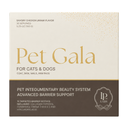
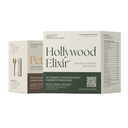
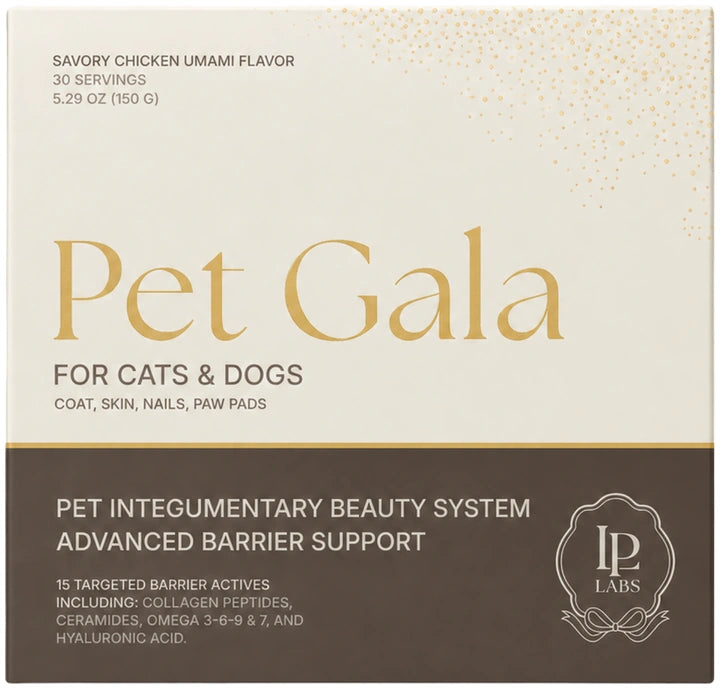
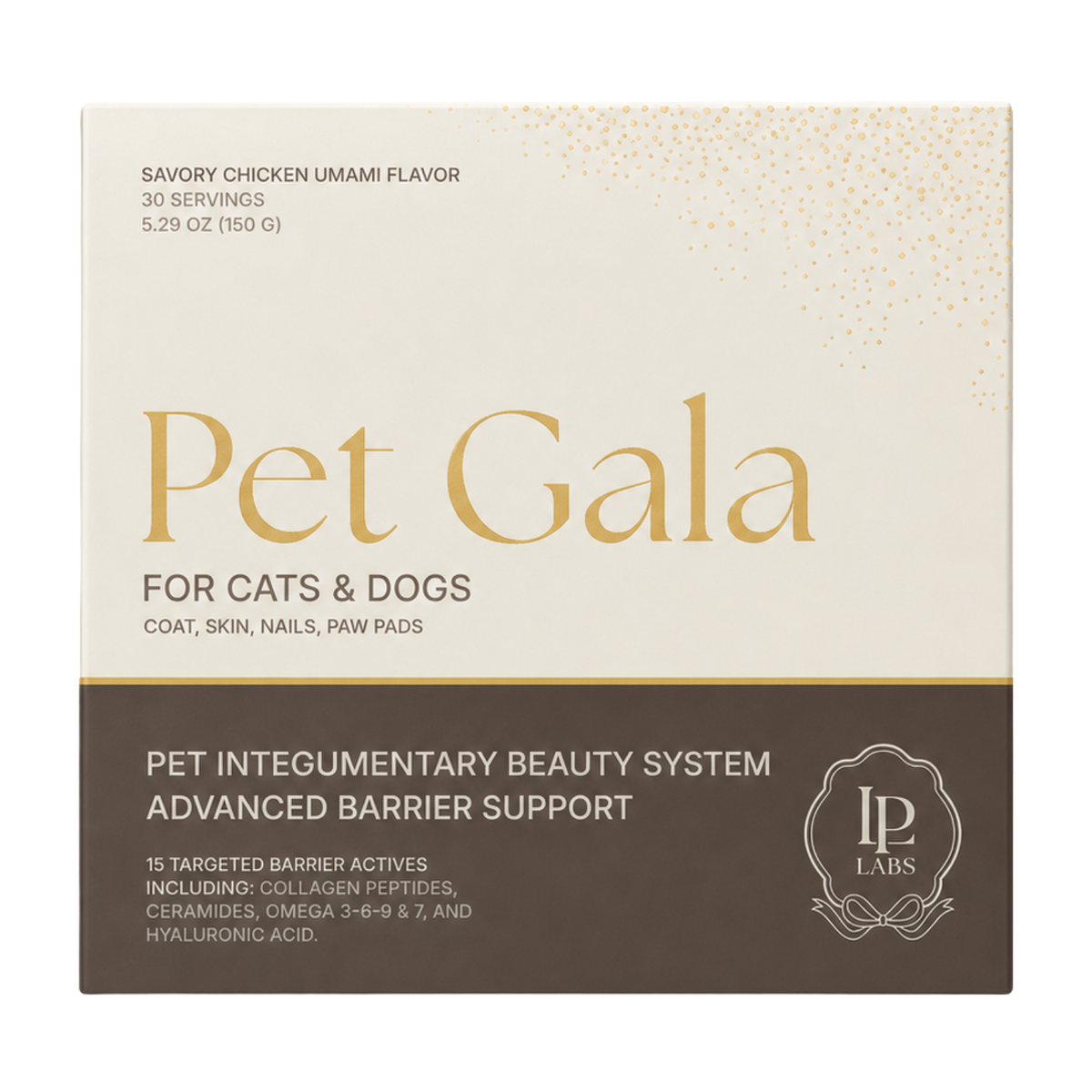
Pet Gala™ is designed for owners who want everyday coat-and-skin polish without turning mealtime into a project. It fits neatly alongside a complete diet and regular brushing, supporting the kind of visible care you can feel when you pet your cat and see when light hits the coat.

A cat’s coat is a kind of receipt. It reflects grooming habits, comfort, hydration, and the quiet stability of a routine that works. When fur looks dull or feels rough, owners don’t just see “a cosmetic issue”—they feel a small worry: Is the skin irritated? Is my cat uncomfortable? Is something changing? Marine collagen peptides for cats have become popular because they speak directly to those visible signals: softness you can feel when you pet along the spine, a healthier-looking sheen in window light, and nails that seem less prone to splitting.

Collagen is a structural protein, and “peptides” means it’s been broken down into smaller fragments that are easier to incorporate into food routines. In other contexts, collagen peptides are described as being absorbed and reaching the skin, supporting skin-related outcomes like hydration and elasticity. For cats, the most honest promise is modest and practical: a well-tolerated supplement can help your everyday care show up more clearly on the outside.

A science-minded owner might ask: if my cat already eats a complete diet, why add anything? Because beauty routines aren’t only about “meeting requirements.” They’re about consistency, presentation, and the confidence of seeing your cat look comfortable and well-kept between brushes. The best marine collagen peptides for cats are the ones that disappear into meals, don’t disrupt digestion, and support the visible finish you’re trying to maintain—especially during seasonal shedding, indoor dryness, or aging. That’s also why many owners prefer a purpose-built option like Pet Gala™: it’s designed to fit the daily ritual, not compete with it.

By La Petite Labs Editorial, ~15 min read

Featured Product:

  • Marine collagen peptides for cats are best framed as a coat-and-skin finishing touch, not a replacement for a complete diet.
  • Owners usually judge success by visible signals: smoother hand-feel, brighter sheen, and less flaky-looking skin.
  • Peptides are smaller fragments that tend to mix easily into wet food, helping consistency in picky cats.
  • Comfort matters for appearance: easier movement can support confident posture and calmer grooming habits.
  • Introduce any marine collagen peptides supplement for cats gradually and monitor stool, appetite, and food acceptance.
  • Skip “kitchen sink” formulas; simple, transparent sourcing and minimal extras are often the most cat-friendly choice.
  • A science-minded owner still chooses a product when it’s easy to use daily and reliably supports visible, well-kept presentation.

Why Coat Shine and Comfort Matter More Than You Think

Marine collagen peptides for cats sit at the intersection of beauty and comfort: the coat that looks freshly brushed, the skin that seems less reactive, and the easy movement that keeps play looking effortless. Collagen is a structural protein found throughout the body, and “peptides” simply means it has been broken into smaller pieces that are easier to mix and digest (see: Collagen for Cats). In cats, the goal isn’t a dramatic transformation—it’s a steady, noticeable polish that shows up in everyday handling: less “crispy” fur texture, fewer dry flakes on dark furniture, and nails that feel cleaner and stronger at trim time.

Because cats are meticulous groomers, their coat is also a mood signal. When skin feels comfortable, grooming looks calmer and more consistent. Diets that include bioactive peptides have been associated with changes in digestibility and gut-related outcomes in adult cats, which matters because what’s absorbed tends to show on the outside (Oba PM, 2024). A marine collagen peptides supplement for cats is best viewed as a finishing layer of care—support that complements good food, hydration, and brushing, rather than trying to replace them.

Scientific beauty render emphasizing skin and coat support from marine collagen peptides for cats.

What Makes Marine Collagen Peptides Different for Daily Use

The “marine” part matters mostly for sourcing and texture. Marine collagen peptides are typically derived from fish skin or scales and processed into small peptides that dissolve easily. For many cats, that means you can mix it into wet food without changing the meal’s personality. Owners tend to choose marine collagen peptides for cats when they want a coat that looks freshly conditioned—more luster, less dryness—and nails that don’t seem to splinter as easily.

Collagen peptides are absorbed through the gastrointestinal tract, and research in other contexts suggests they can reach skin and influence skin-related outcomes (Pei XR, 2008). In a beauty-first routine, you don’t need to obsess over the biology; you watch the signals: how the fur lies, how the skin looks along the back, and whether petting feels smoother. The supplement is only “best” if it fits your cat’s preferences and your daily rhythm.

Beauty structure illustration representing support pathways in marine collagen peptides for cats.

Marine Collagen Peptides for Cats Benefits You Can Actually Notice

Coat shine is partly about the hair shaft and partly about the skin underneath. When skin is comfortable and well-hydrated, the coat tends to look more even and reflective. Marine collagen peptides for cats benefits are usually described in this “surface-level” way: a softer hand-feel, a more polished look in sunlight, and less visible dandruff on dark coats.

In human and animal nutrition discussions, marine collagen peptides are often linked with skin elasticity and hydration outcomes (Pei XR, 2008). For cats, it’s reasonable to treat that as supportive context rather than a promise. Your cat’s coat is also influenced by grooming behavior, stress, parasites, and diet quality. Collagen peptides can be a steady addition that helps your routine show up more clearly on the outside.

Beauty ingredient image emphasizing scientific formulation standards in marine collagen peptides for cats benefits.

Silky Fur Meets Easy Movement: the Joint-comfort Connection

Joints are part of “beauty,” too—because comfort changes posture, movement, and even willingness to groom. A cat that moves easily tends to look more self-possessed: higher tail carriage, cleaner landings, and more playful confidence. Research in cats with osteoarthritis has evaluated diets including hydrolysed collagen in controlled trial designs, alongside other supportive ingredients (Lefort-Holguin, 2024).

That evidence doesn’t mean a collagen supplement replaces veterinary care, weight management, or pain control. It does support why some owners include collagen peptides as part of a broader comfort-and-presentation plan. If your cat is aging, less willing to jump, or looks “tight” after naps, talk with your veterinarian. Then, if appropriate, choose a marine collagen peptides supplement for cats that’s simple enough to use consistently.

Dog portrait symbolizing beauty and wellness supported by marine collagen peptides for cats reviews.

Digestive Tolerance: the Make-or-break Factor for Consistency

Digestion is where many supplement stories succeed or fail. If a product disrupts the litter box, it won’t last in your routine—no matter how promising the label looks. In adult cats, diets enriched with bioactive peptides have been associated with changes in nutrient digestibility and fecal characteristics, and even shifts in microbiota composition (Oba PM, 2024).

That’s not a guarantee that every peptide product will “improve digestion,” but it’s a reminder that peptides are not inert. Start conservatively, watch stool quality, and keep the rest of the diet stable while you evaluate. When marine collagen peptides supplements for cats are well tolerated, owners often describe a smoother overall routine: steady appetite, normal stool, and a coat that looks more cared-for because the whole system feels settled.

The scratching is completely gone, his coat looks healthy and shiny!

— Lena

He was struggling with itching, now he's glowing.

— Grace

“The best supplement is the one your cat accepts quietly—and your eyes can confirm.”

Safety and Sensitivities: What to Watch for with Marine Sources

Safety is a reasonable concern, especially with marine-sourced ingredients. Marine collagen peptides derived from fish skin have been evaluated in chronic oral toxicity research in an animal model, with no significant adverse effects reported under the study conditions (Liang J, 2012). That’s supportive background, but cats are individuals, and real-world tolerance depends on the full formula and your cat’s health status.

The most common practical issues are mild gastrointestinal upset (soft stool, gassiness) or refusal if the smell changes the food. If your cat has a history of pancreatitis, food allergy, or is on medication, check with your veterinarian before adding any marine collagen peptides for cats. Safety also includes sourcing: choose products with clear labeling and conservative ingredient lists.

Dog photo highlighting coat health and expression supported by best marine collagen peptides supplements for cats.

How to Introduce a Marine Collagen Peptides Supplement for Cats

There’s no single “right” dose that fits every cat, and it’s not appropriate to treat collagen like a drug. Instead, follow the product label, start with a smaller amount, and increase only if your cat’s stool and appetite stay normal. This slow approach is especially important for cats that are sensitive to diet changes.

If your veterinarian is managing a medical condition, let them guide you on whether a marine collagen peptides supplement for cats fits the plan. Your best feedback loop is visible and immediate: meal acceptance, litter box consistency, and coat feel when you pet along the back. A supplement earns its place when it’s easy to give and your cat looks quietly better kept.

Profile shot of a dog showing coat health supported by marine collagen peptides supplements for cats.

Timeline: When the Coat Starts Looking More Polished

How fast will you see changes? With beauty-focused supplements, owners often notice the earliest signals in grooming: fur that detangles more easily, less static, and a softer feel at the shoulders and hips. For many cats, that’s a weeks-not-months observation, but it depends on baseline diet, coat length, and how much brushing you already do.

Skin and coat are constantly renewing, so consistency matters more than intensity. Take a simple “before” photo in the same spot and lighting, and compare weekly. If you see no change after a fair trial, the issue may be elsewhere (parasites, allergy, low humidity, or an unbalanced diet). Marine collagen peptides for cats benefits are most visible when the basics are already solid (see: The Science Behind the Best Skin and Coat Supplements for Cats).

Supplement breakdown graphic emphasizing no fillers approach within marine collagen peptides for cats benefits.

Peptides Versus Gelatin: Why Format Changes the Experience

Not all “collagen” is the same. Collagen peptides are hydrolyzed into smaller fragments, which generally mix better and are easier to incorporate into food routines than gelatin-like products. When you see “peptides,” you’re usually looking at a format designed for daily use—less clumping, less texture change, and fewer mealtime objections.

Marine sources can be appealing for owners who want a clean, light powder and prefer fish-derived ingredients. Still, the best marine collagen peptides for cats are the ones your cat will reliably eat. A perfect label doesn’t matter if the bowl is untouched. Choose a product that disappears into food, so the routine feels like care—not persuasion.

How to Read Marine Collagen Peptides for Cats Reviews Wisely

If you’re scanning marine collagen peptides for cats reviews, look for owners describing specific, visible details rather than vague praise. The most useful reviews mention coat feel (silky vs. Wiry), shine in natural light, dandruff-like flakes, and whether grooming becomes easier. For mobility-adjacent goals, the best reviews describe “how the cat moves” in normal moments—jumping onto a chair, turning quickly, or playing longer—without claiming a medical outcome.

Also watch for review patterns that suggest quality: consistent mixing, no strong odor, and no digestive drama. If multiple reviewers mention loose stool, that can be a sign the dose is too aggressive for some cats or the formula includes extras that don’t agree with them. A trustworthy “best marine collagen peptides for cats” story usually reads like quiet maintenance: small improvements that keep showing up week after week, not a sudden overnight change.

“Coat shine is a visible signal of comfort, grooming, and steady routine.”

Lab coat with La Petite Labs logo symbolizing science-backed standards for best marine collagen peptides supplement for cats.

When Collagen Isn’t the Right Fit for Your Cat

Some cats do beautifully with marine collagen peptides supplements for cats, while others need a different approach. If your cat has a known fish allergy or has reacted to fish-based foods, marine sources may not be the right match—ask your veterinarian before trialing. If your cat has chronic vomiting, inflammatory bowel disease, or is on a tightly controlled prescription diet, any supplement should be cleared first to avoid disrupting a plan that’s working.

For cats with osteoarthritis, research has explored diets that include hydrolysed collagen alongside other ingredients, with potential benefits reported in controlled settings (Lefort-Holguin, 2024). That doesn’t mean collagen is a stand-alone solution, and it shouldn’t replace pain management or veterinary guidance. Think of collagen peptides as a comfort-and-presentation add-on: supporting the way your cat looks and moves day to day, while your vet directs the medical side.

Shop Now
Premium ingredient tableau framing Pet Gala aligned with best marine collagen peptides supplements for cats.

Quality Signals in the Best Marine Collagen Peptides Supplements for Cats

Quality matters because “collagen” on a label can mean very different things. The best marine collagen peptides supplement for cats is typically hydrolyzed (peptides), has clear sourcing, and avoids unnecessary sweeteners or strong flavors that can turn picky cats away. Look for straightforward ingredient lists and manufacturing transparency—especially if your cat is sensitive.

A practical quality signal is how the powder behaves: it should disperse easily into wet food without clumping into a paste. Another is consistency across tubs—same smell, same texture, same scoop size. If a brand can’t tell you where the marine collagen comes from or how it’s processed, it’s hard to evaluate purity and reliability. When you’re choosing among marine collagen peptides for cats options, “boring and consistent” is often the premium experience.

Shop Now
Lifestyle image showing supplement use in real homes supported by marine collagen peptides for cats reviews.

Smart Pairings: Collagen with Omega-3s Without Overcomplicating Meals

Collagen peptides are often paired with other coat-friendly nutrients, and that can be a good thing—if the formula stays cat-appropriate. Omega-3s, for example, are commonly used to support skin and coat presentation, and many owners notice a more hydrated look to the coat when the overall plan is balanced (Lefort-Holguin M, 2024). The key is avoiding “kitchen sink” blends that add botanicals or high-odor ingredients that cats refuse.

If you’re already using fish oil, keep the rest of the stack simple. Too many add-ons make it harder to tell what’s helping and what’s irritating the stomach. A marine collagen peptides supplement for cats can be the quiet backbone of a routine: easy to mix, easy to repeat, and designed to support the visible signals you care about—softness, sheen, and a coat that looks well-kept between brushes.

Shop Now

Shedding, Dullness, and the Basics That Still Come First

It’s tempting to treat supplements like a quick fix for shedding, but shedding is also seasonal, hormonal, and environmental. If your cat’s coat looks dull, start with basics: hydration, grooming frequency, and whether the diet is complete and appropriate for life stage. Then, if you add marine collagen peptides for cats, you’re giving the coat a consistent “finish” that can make grooming results more visible.

If shedding is sudden, patchy, or paired with itching, scabs, ear debris, or hair loss, treat that as a veterinary question rather than a supplement project. Food sensitivities and allergies can also present as coat and skin issues, and changing multiple variables at once can blur the picture (Ahmed, 2019). The most elegant routine is the one that stays calm: address medical causes first, then use supplements for refinement.

Multi-cat Homes: Keeping the Routine Clean and Consistent

For multi-cat homes, consistency is the challenge. If one cat needs support and another doesn’t, you’ll want a supplement that can be portioned cleanly and mixed into individual meals without drama. Marine collagen peptides supplements for cats are easiest when they’re nearly tasteless and don’t change food texture too much—cats notice.

If you free-feed dry food, consider offering a small daily wet-food “ritual” portion where supplements can be reliably delivered. This also creates a daily check-in: you see appetite, hydration behavior, and coat condition up close. Beauty routines work because they’re repeatable. The best marine collagen peptides for cats are the ones you can actually give every day without turning meals into negotiations.

Visual breakdown contrasting competitors and quality standards in best marine collagen peptides for cats.

Cats Versus Dogs: Why Feline-friendly Formulas Matter

Cats and dogs share some supplement trends, but they don’t share the same tolerance for flavors, textures, or “extras.” A product that works for a dog may be too smelly, too large in serving size, or too complex for a cat’s preferences. When you’re shopping for the best marine collagen peptides supplements for cats, prioritize feline-friendly simplicity over broad “all pets” positioning.

Also remember that cats are obligate carnivores with specific dietary needs; any supplement should fit around a complete cat diet, not compete with it. If you’re using a marine collagen peptides supplement for cats, the goal is to support presentation—coat, skin comfort, and nails—without displacing essential nutrients from their regular food (related: The Best Cat Nail Supplements for Stronger, Healthier Claws).

Shop Now
Pet Gala in protective wrap, emphasizing quality behind best marine collagen peptides supplements for cats.

A Calm Decision Framework for Visible, Repeatable Results

A thoughtful decision framework keeps you from chasing hype. First, name the visible signal you want to improve: shine, softness, flaking, nail brittleness, or “stiff-looking” movement. Second, confirm basics are covered: a complete diet, parasite control, and a grooming routine that matches coat type. Third, choose one change at a time so you can actually see what’s working.

Then set a simple evaluation window: take a photo in the same light weekly, note brushing ease, and watch litter box consistency. Diets containing hydrolyzed collagen have been studied in cats in controlled contexts, including safety monitoring, which supports the idea that collagen can be part of a well-managed plan (Lefort-Holguin M, 2024). Your goal is not perfection—it’s a cat that looks comfortable in their own skin.

Shop Now

When to Call the Vet Before Continuing Any Supplement

When to call the vet: any rapid coat change, bald patches, persistent itching, sores, repeated vomiting, refusal to eat, or lethargy deserves medical attention. Supplements should never delay diagnosis. If your cat is pregnant, nursing, very young, or managing kidney, liver, or endocrine disease, ask your veterinarian before adding marine collagen peptides for cats, even if the ingredient sounds gentle.

For general safety context, marine collagen peptides have been evaluated in chronic oral toxicity research in animals, with no significant adverse effects reported in the tested model at the studied conditions (Liang J, 2012). That’s reassuring, but it’s not a substitute for cat-specific oversight and sensible use. The best outcomes come from calm consistency: a stable diet, a simple supplement, and close attention to the visible signals your cat gives you every day.

“Choose simple formulas, introduce slowly, and let the litter box be your truth.”

Educational content only. This material is not a substitute for veterinary advice. Always consult your veterinarian about your dog’s specific needs. These statements have not been evaluated by the Food and Drug Administration. Products mentioned are not intended to diagnose, treat, cure, or prevent any disease.

Glossary

  • Collagen: A structural protein found in skin, connective tissues, and cartilage that contributes to firmness and integrity.
  • Collagen Peptides: Collagen that has been hydrolyzed into smaller fragments to improve mixing and digestibility.
  • Marine Collagen: Collagen sourced from fish (often skin or scales), typically processed into a fine powder.
  • Hydrolyzed: A processing step that breaks proteins into smaller pieces; often improves solubility in wet food.
  • Integumentary System: The skin, coat (hair), and nails—where “beauty signals” show up most clearly.
  • Coat Sheen: The reflective, glossy appearance of fur influenced by hair texture, oils, and skin condition.
  • Skin Barrier: The outer layer of skin that helps retain moisture and reduce irritation from the environment.
  • Palatability: How appealing a food or supplement is to a cat, including smell, taste, and texture.
  • Food Sensitivity: A non-allergic adverse reaction to a food ingredient that may affect digestion or skin appearance.

Related Reading

References

Oba PM. Effects of diets supplemented with bioactive peptides on nutrient digestibility, immune cell responsiveness, and fecal characteristics, microbiota, and metabolites of adult cats.. PubMed Central. 2024. https://pmc.ncbi.nlm.nih.gov/articles/PMC11067789/

Liang J. A chronic oral toxicity study of marine collagen peptides preparation from chum salmon (Oncorhynchus keta) skin using Sprague-Dawley rat.. PubMed Central. 2012. https://pmc.ncbi.nlm.nih.gov/articles/PMC3280540/

Lefort-Holguin. Efficacy and Safety of a Diet Enriched with EPA and DHA, Turmeric Extract and Hydrolysed Collagen in Management of Naturally Occurring Osteoarthritis in Cats: A Prospective, Randomised, Blinded, Placebo- and Time-Controlled Study. 2024. https://www.mdpi.com/2076-2615/14/22/3298

Pei XR. [Effects of marine collagen peptide on delaying the skin aging].. PubMed. 2008. https://pubmed.ncbi.nlm.nih.gov/18763632/

Seo HS. Toxicity of a 90-day repeated oral dose of a collagen peptide derived from skate (Raja kenojei) skin: a rat model study.. PubMed. 2023. https://pubmed.ncbi.nlm.nih.gov/37398561/

Ahmed. Bioaccumulation of heavy metals in some commercially important fishes from a tropical river estuary suggests higher potential health risk in children than adults.. Nature. 2019. https://www.nature.com/articles/s41598-021-00467-4

Bilgiç B. Investigation of Trace and Macro Element Contents in Commercial Cat Foods.. PubMed Central. 2025. https://pmc.ncbi.nlm.nih.gov/articles/PMC11633335/

DeBeer. A Review of Pet Food Recalls from 2003 Through 2022. 2024. https://www.sciencedirect.com/science/article/pii/S0362028X23068837

Cammilleri G. Toxic metals and metalloids in collagen supplements of fish and jellyfish origin: Risk assessment for daily intake.. PubMed. 2025. https://pubmed.ncbi.nlm.nih.gov/40292256/

Lin B. Marine collagen peptides protect against early alcoholic liver injury in rats.. PubMed. 2012. https://pubmed.ncbi.nlm.nih.gov/21899801/

FAQ

What are marine collagen peptides for cats, exactly?

Marine collagen peptides for cats are collagen proteins from fish sources that have been hydrolyzed into smaller pieces. That “peptide” format usually mixes more smoothly into wet food and is easier to use consistently in a daily routine.

Most owners use them to support visible coat and skin presentation—softness, sheen, and a well-kept look—rather than as a stand-alone fix for a medical issue. For a simple, cat-friendly option, many owners choose Pet Gala™.

Why do owners add collagen peptides to a cat’s routine?

Owners usually add collagen peptides for the everyday signals they can see and feel: a smoother coat, less dry-looking skin, and nails that seem to hold up better between trims. It’s less about chasing perfection and more about keeping a cat looking freshly cared for.

If your cat has itching, bald patches, or sudden coat changes, a vet visit comes first. For routine polish that fits alongside good food and brushing, consider Pet Gala™.

How do collagen peptides support coat shine in cats?

Coat shine is a mix of hair texture and the skin underneath. Collagen peptides are often used to support skin presentation, which can make the coat look more even and reflective in natural light. Research discussions note collagen peptides can be absorbed and reach skin tissues, supporting skin-related outcomes(Pei XR, 2008).

You’ll usually judge results by touch and appearance: softer fur, less “static,” and a more polished look after brushing. For a daily option designed for visible care, choosePet Gala™.

Are marine collagen peptides safe for most cats?

For most healthy adult cats, collagen peptides are generally considered a low-drama addition when introduced gradually. Marine collagen peptides have been evaluated in chronic oral toxicity research in an animal model, with no significant adverse effects reported under the study conditions(Liang J, 2012).

Still, individual cats vary. If your cat has a fish allergy, chronic GI disease, or is on a prescription diet, ask your veterinarian before starting. For a simple routine that prioritizes daily use, considerPet Gala™.

What side effects can collagen peptides cause in cats?

The most common issues are mild digestive changes: softer stool, gassiness, or occasional food refusal if the smell or texture shifts. These effects are usually tied to introducing too much too quickly or using a formula with extra ingredients that don’t suit a sensitive cat.

Stop the supplement and contact your veterinarian if you see repeated vomiting, lethargy, or persistent diarrhea. For a cat-friendly approach that’s meant to blend into meals, many owners use Pet Gala™.

Can kittens take collagen peptides, or is it adult-only?

Kittens have different nutritional priorities, and their growth diet should do most of the heavy lifting. If you’re considering collagen peptides for a kitten, it’s best to ask your veterinarian first—especially if the kitten is small, recently adopted, or has had any digestive instability.

For most households, collagen is a better fit as a “finishing” routine once the cat is stable on a complete life-stage diet. If your vet approves and you want a gentle daily option, consider Pet Gala™.

Do senior cats benefit from collagen peptides day to day?

Senior cats are often where owners notice the biggest “presentation” payoff: a coat that stays softer with less grooming effort, and movement that looks more comfortable in everyday moments. In cats with osteoarthritis, diets including hydrolyzed collagen have been studied in controlled settings, alongside other ingredients(Lefort-Holguin M, 2024).

That doesn’t replace veterinary management, but it supports why collagen can be part of a broader comfort-and-coat routine. For a simple daily addition that fits a senior schedule, considerPet Gala™.

How long until I notice changes in coat or skin?

Many owners look for early, visible signals within a few weeks: fur that feels smoother when you pet along the back, less static, and a slightly brighter sheen after brushing. The timeline depends on baseline diet quality, coat length, and how consistent the routine is.

Take a simple photo in the same lighting weekly so you’re not relying on memory. If nothing changes, the issue may be environmental or medical. For a routine built around consistency, consider Pet Gala™.

Should I choose marine collagen peptides or bovine collagen?

For cats, the “best” source is the one they’ll reliably eat and tolerate. Marine collagen peptides often dissolve easily and can be lighter in odor, which matters for picky cats. Bovine collagen can also work, but some cats object to taste or texture depending on processing.

If your cat has known sensitivities, choose a simple formula with transparent sourcing and minimal extras. For a marine-forward routine designed for daily coat-and-skin polish, consider Pet Gala™.

Can collagen peptides replace a balanced diet for coat health?

No. A complete, life-stage-appropriate diet is the foundation for coat, skin, and nail condition. Collagen peptides are best used as an add-on that helps your existing care show up more clearly—especially when you’re already doing the basics like hydration and brushing.

If you’re seeing major coat problems, treat it as a health question first. For everyday refinement that complements a good diet rather than competing with it, consider Pet Gala™.

Can collagen peptides help with my cat’s stiff-looking movement?

If your cat looks stiff, the first step is a veterinary assessment—especially for older cats. Research in cats with osteoarthritis has evaluated diets that included hydrolysed collagen in randomized, blinded, controlled designs, alongside other supportive ingredients(Lefort-Holguin, 2024).

That doesn’t mean collagen is a treatment on its own, but it helps explain why some owners include it as part of a comfort-and-presentation routine. For a daily option that fits a broader plan, considerPet Gala™.

Will collagen peptides affect my cat’s digestion or litter box?

Any new supplement can change stool quality, especially if introduced quickly. In adult cats, diets enriched with bioactive peptides have been associated with changes in digestibility and fecal characteristics(Oba PM, 2024). That’s a reminder to introduce peptides gradually and keep the rest of the diet stable while you evaluate.

If stool becomes persistently loose or your cat stops eating, pause and check in with your veterinarian. For a routine designed to be easy on daily feeding habits, considerPet Gala™.

Can I use collagen peptides with fish oil or omega-3s?

Often, yes—many owners pair collagen peptides with omega-3s as part of a coat-focused routine. Omega-3s are commonly used to support skin and coat presentation, and some owners notice a more hydrated look when the overall plan is balanced(Lefort-Holguin M, 2024). The key is keeping the rest of the stack simple so you can tell what’s working.

If your cat is on medications or has a history of pancreatitis, ask your veterinarian before combining supplements. For a straightforward daily collagen option, considerPet Gala™.

What ingredients should I avoid in collagen supplements for cats?

Avoid formulas with lots of added flavors, sweeteners, or botanicals that aren’t clearly cat-appropriate. “More” isn’t always better for feline routines; it can increase the chance of food refusal or stomach upset. Also be cautious with products that don’t clearly state sourcing or processing.

If your cat has allergies or a prescription diet, choose the simplest option and confirm fit with your veterinarian. For a minimal, routine-friendly approach, consider Pet Gala™.

How do I mix collagen peptides into my cat’s food?

Mix collagen peptides into a small portion of wet food first, so you know your cat consumed the full amount. Stir thoroughly to avoid clumps, then offer the rest of the meal. If your cat is suspicious, start with a tiny amount and build slowly over several days.

Try to keep the rest of the diet unchanged while you assess tolerance and visible coat signals. For a powder designed to blend smoothly into daily meals, consider Pet Gala™.

Are there interactions with medications I should worry about?

Collagen peptides are generally used as a nutritional add-on, but interactions depend on your cat’s full situation: prescription diets, appetite stimulants, thyroid medication, or GI medications can all change what “tolerated” looks like. If your cat takes daily meds, it’s smart to ask your veterinarian before adding any supplement.

Also avoid adding multiple new products at once; it makes side effects hard to trace. For a simple routine that’s easy to discuss with your vet, consider Pet Gala™.

Do cats and dogs respond differently to collagen supplements?

Yes, mostly because cats are more sensitive to smell, texture, and routine disruption. A dog may tolerate a strongly flavored chew, while a cat may refuse the entire meal if the scent changes. That’s why cat-specific simplicity and mixability matter more than flashy formats.

If you’re choosing a collagen product, prioritize one intended to disappear into food without drama. For a feline-friendly daily option, consider Pet Gala™.

What makes a collagen product “high quality” for cats?

High quality usually looks like: hydrolyzed peptides (not gelatin), clear sourcing, minimal extra ingredients, and consistent texture and smell from batch to batch. Practical quality also shows up in how it mixes—smoothly into wet food without clumping or changing the meal’s feel.

If a brand can’t explain where the collagen comes from or how it’s processed, it’s hard to evaluate reliability. For a routine-friendly option built around simplicity, consider Pet Gala™.

Can collagen peptides help with dry, flaky-looking cat skin?

Dry, flaky-looking skin can come from low humidity, grooming changes, parasites, or diet issues, so it’s worth checking basics first. Collagen peptides are often used to support skin presentation, and marine collagen peptides have been associated with skin hydration and elasticity discussions in other contexts.

If flakes are heavy, paired with itching, or sudden, involve your veterinarian. For gentle daily support aimed at visible coat-and-skin polish, consider Pet Gala™.

What does research say about collagen in cat joint diets?

Research in cats with osteoarthritis has evaluated diets that included hydrolysed collagen in prospective, randomized, blinded, placebo-controlled designs, often alongside other ingredients like EPA and DHA. These studies support the idea that collagen can be part of a broader dietary approach under veterinary oversight.

It’s not a substitute for diagnosis or pain management, but it helps explain why owners include collagen for comfort that shows up in everyday movement. For a daily routine that also supports coat presentation, consider Pet Gala™.

When should I stop collagen and call my veterinarian?

Stop and call your veterinarian if you see repeated vomiting, persistent diarrhea, refusal to eat, facial swelling, hives, or sudden lethargy. Also seek care for rapid coat changes, bald patches, sores, or intense itching—those are often bigger than a supplement problem.

If your cat has chronic disease or is on a prescription diet, get approval before starting anything new. For a simple product you can discuss with your vet as part of a visible-care routine, consider Pet Gala™.

5K+ Happy Pet Parents

Excellent 4.8

Marine Collagen Peptides for Cats | Why Thousands of Pet Parents Trust Pet Gala™

"Magical. He was struggling with itching and shedding. Now he's literally glowing."

Grace & Ducky

"Improves her skin, fur, nails, and eyes. We're loving it!"

Cat & Miso

"It's so good for his coat, and so easy to mix into food."

Alex & Cashew

"The scratching is completely gone, his coat looks healthy and shiny."

Lena & Bear

"Magical. He was struggling with itching and shedding. Now he's literally glowing."

Grace & Ducky

"Improves her skin, fur, nails, and eyes. We're loving it!"

Cat & Miso

"It's so good for his coat, and so easy to mix into food."

Alex & Cashew

"The scratching is completely gone, his coat looks healthy and shiny."

Lena & Bear

"Magical. He was struggling with itching and shedding. Now he's literally glowing."

Grace & Ducky

"Improves her skin, fur, nails, and eyes. We're loving it!"

Cat & Miso

"It's so good for his coat, and so easy to mix into food."

Alex & Cashew

"The scratching is completely gone, his coat looks healthy and shiny."

Lena & Bear

"Magical. He was struggling with itching and shedding. Now he's literally glowing."

Grace & Ducky

"Improves her skin, fur, nails, and eyes. We're loving it!"

Cat & Miso

"It's so good for his coat, and so easy to mix into food."

Alex & Cashew

"The scratching is completely gone, his coat looks healthy and shiny."

Lena & Bear

SHOP NOW