Itchy Skin Relief for Cats

Pinpoint the Trigger Behind Scratching and Rebuild the Skin Barrier Safely

Essential Summary

Why is itchy skin relief for cats important?

Itchy skin relief for cats starts with reading the visible signals: where your cat scratches, how the coat looks, and whether ears or paws are involved. Because itch can come from allergies, parasites, or infection, the best results come from pairing vet-guided answers with consistent daily care that supports comfortable skin and a polished, well-kept coat.

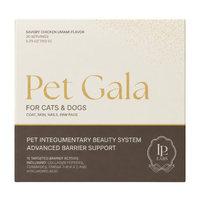
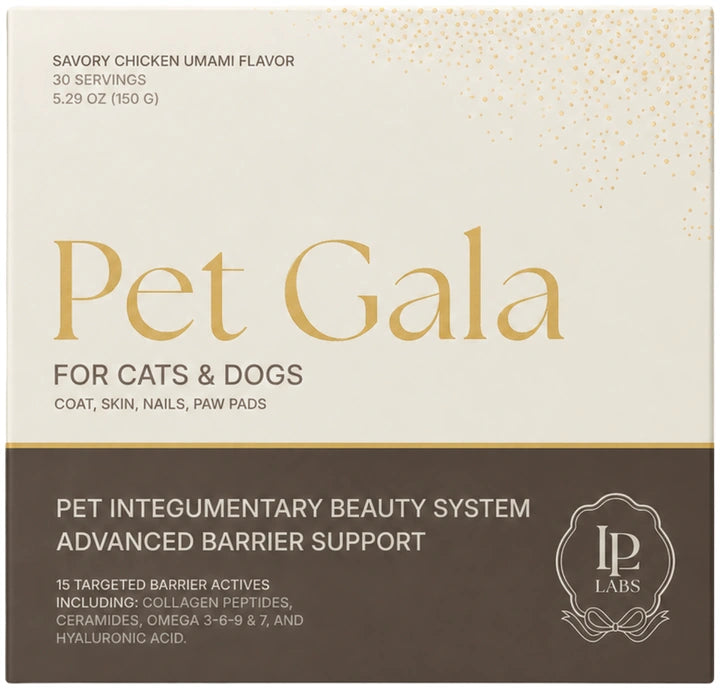
Pet Gala™ is designed for owners who want skin and coat care that shows: a smoother feel, a healthier-looking sheen, and everyday comfort that supports a calmer grooming routine. It fits alongside veterinary care by focusing on visible condition—skin, coat, and nails—so your cat’s “well cared for” look stays consistent, even when life gets a little itchy.

You don’t need a microscope to know when your cat’s skin is unhappy. You see it in the quick, sharp scratch breaks that interrupt play, the sudden focus on one ear, the little scabs that appear along the neck, or the way the coat stops lying smoothly. For many owners, the real worry isn’t only discomfort—it’s the feeling that your cat no longer looks like themselves: less polished, less relaxed, less touchable.

The challenge with itchy skin relief for cats is that itch is a shared symptom with different causes. Allergies, parasites, and infections are all common contributors, and the most effective management usually comes from identifying and addressing what’s actually driving the reaction. That’s why two cats can scratch the same way and need completely different solutions.

This page is built around the signals you can see: where the itch shows up, what the fur and skin look like, and which changes suggest it’s time for veterinary help. And it also answers the question a careful, science-minded owner naturally asks: if I’m already doing the “right” things—good food, parasite prevention, vet care—why would I still choose a daily beauty-forward product? Because visible condition is its own goal. A calm coat, comfortable skin, and strong-looking nails are the everyday proof of care, and consistent support can help keep that look steady while you work through the underlying cause.

By La Petite Labs Editorial, ~15 min read

Featured Product:

  • Itch is a signal with common roots—parasites, allergies, and infections—so the best relief starts with identifying the category, not guessing.
  • Watch for visible patterns: scabs at the neck, thinning fur from overgrooming, dandruff on dark surfaces, or a coat that loses its smooth lay.
  • Ear-focused itching deserves fast attention; repeated scratching can damage delicate skin and quickly complicate comfort and appearance.
  • Topicals and medications can relieve itch, but effectiveness varies by cause; safety matters because cats groom what you apply.
  • Nutrition shows up on the outside; mineral balance supports overall health and can influence skin condition and coat quality (Summers S, 2022).
  • Non-traditional diets can miss essential nutrients; nutritional gaps may contribute to skin problems, so diet choices should be made carefully (RVA, 2020).
  • A beauty-forward daily product still makes sense: it supports the visible condition you’re trying to keep steady—comfortable skin, a softer coat, and a well-kept look—alongside vet-guided care.

The Visible Signs of Itch, and Why They Deserve Attention

When you’re looking for itchy skin relief for cats, the most reassuring progress is often visible: fewer frantic scratch sessions, calmer grooming, and a coat that lies flatter and looks more polished. The tricky part is that itch can come from several directions at once—parasites, allergies, and infections are common contributors—so “one quick fix” rarely fits every cat (Sauvé F, 2023).

A science-minded plan starts with noticing patterns (where the itch shows up, when it flares, what the skin looks like) and pairing that with vet-guided checks when needed. Relief can include topical support and systemic options, but results vary depending on the cause (Sauvé F, 2023).

Where a beauty-forward daily product still earns its place: it supports the visible condition you’re trying to protect—comfortable skin, a smoother coat, and the “well-kept” look that tells you your care is landing—without pretending to replace diagnosis or targeted treatment.

Close-up of La Petite Labs emblem on a lab coat, reflecting trust in cat itching ears a lot.

Common Causes Behind Cat Itch Relief Needs at Home

Itch is a signal, not a personality trait. When a cat is itching a lot, it usually means the skin is reacting to something—often allergies, parasites, or infection—and the fastest path to relief is figuring out which category you’re dealing with.

Owners often notice the “presentation” changes first: tufts of fur on the couch, a rougher feel along the spine, tiny scabs at the neck, or a cat that can’t settle. Those visible cues matter because they help you act early, before scratching turns into broken skin. If you see open sores, swelling, discharge, or your cat seems painful, treat it as urgent and contact your veterinarian.

Still life of Pet Gala and foods, reflecting premium cat is itching a lot cues.

Parasites: the Overlooked Trigger That Can Drive Intense Scratching

Parasites are a common, fixable reason for itch relief for cats to suddenly become a priority. Fleas can trigger intense itching even if you rarely see them, and mites can concentrate around ears and the face.

If you’re seeing frequent scratching at the neck, base of the tail, or along the back, ask your vet about modern parasite prevention and whether your cat’s environment needs attention too. The visible goal is simple: fewer scabs, less overgrooming, and a coat that looks even again. When parasite control is dialed in, many cats look noticeably more comfortable within a short window.

Cat owner presenting supplement at home, reflecting beauty routine supported by itch relief for cats.

Infections: When Odor, Redness, or Greasy Fur Changes the Story

Infections can mimic “just allergies,” especially early. Yeast or bacterial overgrowth may show up as odor, greasy fur, redness, or areas your cat won’t let you touch. Because itchy skin in cats can come from infections as well as allergies and parasites, it’s worth checking rather than guessing.

The beauty-forward perspective: infection control isn’t only about comfort; it’s about restoring a clean, fresh coat and reducing the cycle of irritation that makes fur look dull or patchy. If you notice discharge, crusting, or a sudden change in smell, schedule a veterinary exam so the right treatment can be chosen.

Competitor comparison card emphasizing clean-label approach for cat itching ear a lot.

Overgrooming and Hair Loss: the Quiet Version of Itching

Overgrooming is one of the most common “silent” signs of itch. Instead of obvious scratching, you may see thinning fur on the belly, inner legs, or along the sides. This can still be driven by the same big causes—parasites, allergies, or infection—and management is most effective when the underlying trigger is addressed.

If the coat looks uneven, frayed, or shorter in specific zones, take photos in consistent lighting once a week. It’s a simple way to measure whether your cat’s appearance is trending toward “well-kept” again. Pair those observations with a gentle grooming routine that doesn’t inflame already-sensitive skin.

The scratching is completely gone, his coat looks healthy and shiny!

— Lena

He was struggling with itching, now he's glowing.

— Grace

“The best progress is visible: fewer scratch bursts, calmer grooming, and a coat that looks even again.”

Ears as a Hotspot: Debris, Sensitivity, and Fast-moving Irritation

Ears deserve their own spotlight because they’re a frequent itch hotspot. If you’re noticing cat itching ear a lot, the ear canal may be inflamed, or there may be debris that keeps the cycle going. Parasites, infections, and allergies can all play a role, and the right approach depends on identifying the cause.

Avoid cotton swabs inside the canal and avoid home mixtures that can irritate tissue. Instead, note what you see—wax color, smell, redness, sensitivity—and bring that to your vet. The visible goal is a clean-looking ear, less head shaking, and a cat who lets you touch the ear flap without flinching.

Protective packaging revealing Pet Gala, emphasizing quality for cat itching ear a lot.

Nutrition and Skin Presentation: Why Balance Still Matters

Diet is part of the picture, but it’s not a magic eraser. Mineral balance supports overall health and can influence skin condition, and deficiencies can contribute to problems that show up on the outside (Summers S, 2022).

If you’re considering a vegan diet for a cat, proceed carefully: cats have specific nutrient requirements, and nutritional gaps can contribute to health issues including skin problems (RVA, 2020). Even with a complete diet, many owners still want an extra layer of visible-care support—something that complements good feeding by helping the coat look shinier and the skin look calmer in everyday life.

Outdoor shot of a cat, symbolizing beauty support from cat scratching ears a lot.

Stress, Routine, and Skin: When Behavior Amplifies Discomfort

Stress and routine changes can amplify grooming and scratching behaviors, especially in sensitive cats. That doesn’t mean the itch is “all in their head”—it means the skin and the nervous system can team up to make discomfort look louder. If you’re also seeing dandruff, scabs, or redness, consider that a clue to look for a physical trigger as well.

Build a calming care ritual that supports appearance: predictable brushing, a quiet resting spot, and consistent parasite prevention. When your cat looks more settled—less frantic grooming, more relaxed posture—you’ll often see the coat follow: fewer broken hairs and a more even sheen.

Professional lab coat image highlighting evidence-driven approach for cat scratching ears a lot.

When to Call the Vet: Red Flags You Shouldn’t Watch at Home

Not every itch needs an emergency visit, but some do. Seek veterinary care quickly if you see open wounds, swelling, pus, fever, sudden hair loss, or if your cat seems lethargic or painful. Because itch can be driven by allergies, parasites, or infection, a professional exam can prevent a small issue from becoming a larger skin event.

If symptoms are mild, you can still prepare for a productive appointment: note where the itch is concentrated, what products you’ve used, diet details, and whether other pets are itchy. This turns your observations into a clear, actionable picture.

When Your Cat Is Itching a Lot, Build a Clear Plan

If your cat is itching a lot, the goal isn’t to chase every scratch—it’s to reduce the overall “itch load” so the skin can look and feel settled. That can mean tightening flea control, simplifying grooming products, and making sure any ear or skin infection is addressed promptly (Sauvé F, 2023).

At home, focus on signals you can see: less dandruff, fewer scabs, a coat that regains luster, and a cat that returns to normal routines. If the itch is intense, persistent, or paired with hair loss, odor, or oozing, it’s time for a veterinary exam because infections and parasites can look deceptively similar early on.

“Treat itch like a signal—then support the look you love while you find the cause.”

Premium ingredient scene around the supplement, supporting positioning of cat itching ears a lot.

Diet Quality and Mineral Balance That Show on the Coat

Nutrition can quietly show up on the outside. While many complete diets cover basics, mineral balance still matters for skin and coat presentation, and deficiencies can contribute to broader health issues that may affect skin quality (Summers S, 2022).

If you’re feeding a non-traditional diet, be especially careful: diets that miss essential nutrients can lead to problems that include skin changes (RVA, 2020). The practical takeaway isn’t fear—it’s consistency. Choose a complete, species-appropriate diet, then layer in visible-care support that helps your cat look freshly groomed and feel comfortable day to day.

Shop Now
Woman with Pet Gala and cat, highlighting beauty routine supported by cat is itching a lot.

Topical Options: Comfort, Safety, and a Cat’s Grooming Reality

Topicals can be helpful for cat itch relief, but they’re also where well-meaning owners can accidentally irritate skin further. Cats groom, so anything applied to the coat should be vet-approved and cat-safe. Some topical and systemic options can relieve itching, yet effectiveness depends on what’s driving the itch in the first place.

A good rule: if the skin looks inflamed, smells unusual, or your cat reacts as if it stings, stop and get guidance. The best “beauty logic” here is restraint with products on the skin, and consistency with gentle routines that keep the coat clean-looking and touchably soft.

Shop Now
Competitive comparison visual emphasizing clean-label design aligned with cat itch relief.

Ear Scratching: Small Area, Big Impact on Comfort and Looks

When cat scratching ears a lot becomes the headline symptom, think in categories: parasites, infection, allergy, or irritation. These can overlap, and ears can worsen quickly because scratching damages delicate skin and invites secondary problems.

Look for visible clues: head shaking, dark debris, redness, odor, or sensitivity when you touch the ear flap. If you see any of these, skip home “ear cleaning hacks” and book a vet visit—ear issues are one of the places where the right diagnosis makes relief feel almost immediate. Meanwhile, keep nails trimmed to reduce self-trauma and protect that clean, cared-for look.

Shop Now

Allergy Patterns: Keeping Skin Calm and Fur Even-looking

Allergy-driven itch often shows up as a pattern: recurring flares, seasonal changes, or itch that persists even when fleas are controlled. Because itchy skin in cats has multiple common causes, it’s normal to need a stepwise approach to narrow down what’s most likely for your cat.

For owners, the “win” is visible steadiness: fewer hot spots, less overgrooming, and a coat that stops looking moth-eaten. If you’re trialing diet changes, do it with veterinary guidance and realistic expectations—skin and coat signals can take time to normalize, even when you’ve chosen the right direction.

Dryness and Irritation: Gentle Routines That Look and Feel Better

Some cats itch because their skin barrier is simply stressed—dry indoor air, frequent bathing, harsh shampoos, or a grooming routine that’s more enthusiastic than gentle. Even when there’s an underlying trigger, supporting the skin’s everyday comfort can reduce the intensity of scratching and help the coat look smoother between flare-ups.

Aim for small, visible upgrades: a softer brush, shorter sessions, and a calm post-grooming ritual that your cat actually enjoys. When your cat looks freshly kept—less dander, fewer broken hairs, a more even sheen—it’s not vanity; it’s a clear signal that the skin is less reactive and your routine is working.

Pet Gala in tidy unboxing shot, reinforcing refinement in cat itch relief.

When Ear Itch Escalates, Protect Skin While You Seek Care

If cat itching ears a lot is paired with repeated head shaking or one ear looking worse than the other, treat it as a “don’t wait” moment. Parasites, infections, and allergies can all be involved, and management works best when the underlying cause is identified rather than guessed.

While you’re waiting for an appointment, keep the area protected: trim nails, discourage vigorous scratching, and avoid putting oils or household products into the ear canal. The goal is to preserve the clean, comfortable look of the ear and prevent additional irritation that can complicate treatment.

Shop Now
Product info graphic highlighting standards and testing behind cat itch relief.

Tracking Progress with Visible Metrics You Can Actually Use

A practical way to judge progress is to track “scratch minutes” and “coat minutes.” Scratch minutes are how often you notice scratching, licking, or head shaking. Coat minutes are how often you notice the good signs: a smoother lay of fur, less dandruff on dark furniture, and fewer rough patches when you pet along the back.

Because topical and systemic itch-relief options can vary in effectiveness, visible tracking helps you and your veterinarian decide whether a change is meaningful or just a good day. Bring notes and photos to appointments; it turns your everyday observations into a clearer story.

Shop Now

A Calm Coat and Comfortable Skin: the Outcome You Can See

The most satisfying outcome isn’t “never scratches again.” It’s a cat who looks comfortable in their own skin: relaxed grooming, fewer irritated spots, and a coat that reads as cared-for. When you combine vet-guided problem-solving with consistent visible-care support, you’re not choosing between science and aesthetics—you’re letting science protect the look you love.

“Daily care isn’t a substitute for answers; it’s how comfort shows up consistently.”

Educational content only. This material is not a substitute for veterinary advice. Always consult your veterinarian about your dog’s specific needs. These statements have not been evaluated by the Food and Drug Administration. Products mentioned are not intended to diagnose, treat, cure, or prevent any disease.

Glossary

  • Pruritus: The medical term for itching; can be mild, moderate, or intense.
  • Overgrooming: Excess licking or chewing of fur that can cause thinning, breakage, or bald patches.
  • Hot Spot: A localized, inflamed skin area that can worsen quickly with licking or scratching.
  • Flea Allergy Dermatitis: An allergic reaction to flea saliva that can cause disproportionate itching.
  • Mites: Tiny parasites (including ear mites) that can trigger itching, debris, and irritation.
  • Otitis Externa: Inflammation of the outer ear canal; often associated with itching and head shaking.
  • Skin Barrier: The protective outer layer of skin that helps retain moisture and block irritants.
  • Dander: Tiny flakes of skin that can be more noticeable when skin is dry or irritated.
  • Secondary Infection: An infection that develops after scratching damages skin, allowing microbes to overgrow.

Related Reading

References

Sauvé F. Itch in dogs and cats.. PubMed Central. 2023. https://pmc.ncbi.nlm.nih.gov/articles/PMC10286147/

Summers S. Evaluation of iron, copper and zinc concentrations in commercial foods formulated for healthy cats.. PubMed Central. 2022. https://pmc.ncbi.nlm.nih.gov/articles/PMC10812249/

Members. WSAVA nutritional assessment guidelines.. PubMed Central. 2011. https://pmc.ncbi.nlm.nih.gov/articles/PMC11107980/

RVA. Nutritional inadequacies in commercial vegan foods for dogs and cats.. PubMed Central. 2020. https://pmc.ncbi.nlm.nih.gov/articles/PMC6968870/

FAQ

What counts as itchy skin relief for cats, day to day?

Day-to-day relief looks like fewer scratch bursts, less frantic grooming, and skin that appears calmer rather than red or scabby. Because itch can come from allergies, parasites, or infections, true improvement usually matches the cause you’re addressing, not just a temporary distraction.

A helpful benchmark is whether your cat settles more easily and the coat starts to look smoother and more even. For ongoing visible care that complements vet guidance, consider Pet Gala™.

Why is my cat itching so much all of a sudden?

A sudden flare often points to a new trigger: fleas or mites, a seasonal allergy shift, a new grooming product, or an infection that’s starting to brew. Cats can itch intensely even when you don’t see obvious parasites, and different causes can overlap.

If you notice odor, discharge, open sores, or rapid hair loss, book a veterinary exam promptly. For steady, appearance-forward support alongside that workup, many owners add Pet Gala™.

Is cat itch relief different when ears are the main issue?

Yes. When ears are the focus, the cause is often localized—mites, infection, allergy irritation, or debris that keeps the canal inflamed. Because scratching can damage delicate tissue quickly, ear problems benefit from fast, accurate diagnosis rather than trial-and-error.

Avoid putting household products into the ear canal, and ask your vet what cleaning (if any) is appropriate. For broader skin-and-coat presentation support while you address the ear trigger, consider Pet Gala™.

When should I worry about cat scratching ears a lot?

Worry when it’s frequent, intense, or paired with head shaking, odor, redness, swelling, or dark debris. Those signs can indicate mites or infection, and early treatment can prevent the ear from becoming painful and harder to manage.

While you arrange care, trim nails to reduce self-trauma and keep the ear area protected. For everyday support that helps your cat look and feel more comfortably cared-for, consider Pet Gala™.

Can allergies cause itchy skin relief for cats to be harder?

They can. Allergy-related itch may wax and wane, show seasonal patterns, or persist even with good flea control. Because itchy skin can come from multiple causes, allergies are often diagnosed after ruling out parasites and infection, not by appearance alone.

The goal becomes steadiness: fewer flare days and a coat that stays even-looking between them. For consistent visible-care support alongside your vet’s plan, consider Pet Gala™.

Do fleas always show up before a cat is itching?

Not always. Some cats react strongly to flea bites, and you may see scratching, scabs, or overgrooming before you ever spot a flea. Parasites are a common cause of itch, so it’s worth discussing prevention even for indoor cats.

If flea control is already in place, your vet can help you look for other triggers like infection or allergy. For daily skin-and-coat support that complements those steps, consider Pet Gala™.

Are topical sprays or wipes safe for cat itch relief?

Some are, but cats groom what you apply, so safety and ingredient choice matter. Topical and systemic options can reduce itching, yet their effectiveness depends on the underlying cause, and the wrong product can irritate already-sensitive skin.

If your cat seems stung, the skin reddens, or licking increases, stop and ask your veterinarian. For a daily approach focused on visible condition rather than harsh topicals, consider Pet Gala™.

What side effects should I watch for with itch medications?

Side effects depend on the medication, so the safest approach is to follow your veterinarian’s instructions and report changes quickly. Because itch can be treated with topical or systemic options, your vet will choose based on cause, severity, and your cat’s overall health.

Call your clinic if you see vomiting, diarrhea, lethargy, appetite changes, or worsening skin irritation after starting something new. For supportive daily care that keeps skin and coat looking well-kept during treatment, consider Pet Gala™.

Can supplements replace a vet visit for itchy skin relief?

Supplements can support overall skin and coat presentation, but they can’t identify whether the itch is from parasites, infection, or allergy. Effective management often involves addressing the underlying cause, especially when symptoms are persistent or severe.

If you’re seeing open sores, odor, ear debris, or rapid hair loss, prioritize an exam. For daily, appearance-forward support that fits alongside veterinary care, consider Pet Gala™.

How long does it take to see cat itch relief?

Timing depends on the cause. Parasite-related itch may improve quickly once prevention is effective, while allergy patterns can take longer to stabilize. Treatments can relieve itching, but results vary and are most reliable when the trigger is correctly identified.

Track visible changes weekly: fewer scabs, less dandruff, and a coat that looks more even. For steady skin-and-coat support while you evaluate progress, consider Pet Gala™.

Is itchy skin relief for cats different for kittens or seniors?

It can be. Age affects what’s most likely and what’s safest, so it’s important to involve your veterinarian before using medications or topical products. Since itch can stem from parasites, infection, or allergy, age-appropriate evaluation helps you avoid missing a treatable cause.

For kittens, prevention and gentle routines matter; for seniors, comfort and skin integrity are key. For daily support aimed at visible condition across life stages, consider Pet Gala™.

Can diet changes improve a cat’s itchy, dull coat?

Sometimes, especially if a food sensitivity is involved or the current diet isn’t fully meeting needs. Mineral balance supports overall health and may influence skin condition, and deficiencies can contribute to problems that show up on the coat.

Make changes with veterinary guidance and give them time to reflect in the coat’s look and feel. For an added layer of visible-care support alongside a complete diet, consider Pet Gala™.

Are vegan diets linked to skin issues in cats?

They can be if the diet is not carefully formulated and complete. Cats have specific nutrient requirements, and nutritional deficiencies may contribute to health issues, including skin problems.

If you’re considering a vegan option, discuss it with your veterinarian and choose a diet that meets feline needs. For daily support that keeps skin and coat looking well-kept alongside a sound diet, consider Pet Gala™.

What interactions should I mention to my vet for itch care?

Bring a list of everything: flea preventives, ear products, shampoos, supplements, and any human medications your cat could access. Because itch relief may involve topical and systemic options, your vet needs the full picture to choose compatible care and avoid compounding irritation.

Also mention diet changes and any recent environmental shifts. For a simple daily addition that supports visible skin-and-coat condition, consider Pet Gala™.

How can I tell if my cat’s itch is infection-related?

Look for odor, greasy fur, redness, crusting, discharge, or areas that seem tender. Infections can be one of the common causes of itch, and they often need targeted treatment rather than general soothing products.

Because infection and allergy can look similar at home, a veterinary exam is the safest way to confirm. For supportive daily care that helps maintain a polished coat while you address the cause, consider Pet Gala™.

Does grooming help or worsen cat itch relief efforts?

Gentle grooming can help by removing loose hair and distributing natural oils, but aggressive brushing or frequent bathing can irritate sensitive skin. If the itch is driven by parasites, allergy, or infection, grooming alone won’t solve it and may inflame already-reactive areas.

Choose soft tools, keep sessions short, and stop if the skin reddens. For daily support that complements a calm grooming ritual and visible coat quality, consider Pet Gala™.

Is itchy skin relief for cats the same as for dogs?

No. Cats groom more, have different sensitivities, and can react differently to topical products. Also, the most likely causes and the safest treatments can differ, so it’s important to use cat-specific recommendations and veterinary guidance when symptoms persist.

Avoid using dog products on cats unless your veterinarian explicitly approves. For feline-focused daily skin-and-coat support that fits a beauty-forward routine, consider Pet Gala™.

What are quality signals of a good skin-and-coat supplement?

Look for clear labeling, cat-appropriate formulation, consistent manufacturing standards, and a purpose aligned with visible outcomes like coat sheen and comfortable skin. Supplements should complement, not replace, addressing common itch causes such as parasites, allergies, or infections.

If your cat eats a complete diet, the supplement’s role is often about supporting presentation and routine consistency, not “fixing” a single nutrient. For a premium option aligned with visible care, consider Pet Gala™.

How do I choose between vet treatment and daily support?

Choose vet treatment when there are red flags: ear debris and odor, open sores, swelling, discharge, or rapid hair loss. Since itch can be caused by parasites, infection, or allergies, targeted care is often what stops the cycle rather than just softening symptoms.

Daily support is what keeps the visible condition steady between appointments: coat softness, sheen, and skin comfort that looks consistent week to week. For that ongoing layer, consider Pet Gala™.

What research-backed causes should I rule out first for itching?

Start with the common buckets: parasites, allergies, and infections. These are frequently implicated in feline itch, and effective management often depends on identifying and addressing the underlying cause rather than relying on a single soothing product.

Your vet may recommend skin/ear exams, parasite checks, or a structured diet trial depending on the pattern. For daily support that keeps coat and skin looking cared-for while you work through answers, consider Pet Gala™.

When should I call the vet for cat itching ears a lot?

Call when ear itching is frequent or intense, or when you see head shaking, redness, swelling, discharge, odor, or dark debris. Ear issues can escalate quickly, and the most effective relief comes from identifying whether parasites, infection, or allergy is involved.

Until you’re seen, avoid inserting anything into the canal and keep nails trimmed to reduce damage. For supportive daily skin-and-coat care that complements veterinary treatment, consider Pet Gala™.

5K+ Happy Pet Parents

Excellent 4.8

Itchy Skin Relief for Cats | Why Thousands of Pet Parents Trust Pet Gala™

"Magical. He was struggling with itching and shedding. Now he's literally glowing."

Grace & Ducky

"Improves her skin, fur, nails, and eyes. We're loving it!"

Cat & Miso

"It's so good for his coat, and so easy to mix into food."

Alex & Cashew

"The scratching is completely gone, his coat looks healthy and shiny."

Lena & Bear

"Magical. He was struggling with itching and shedding. Now he's literally glowing."

Grace & Ducky

"Improves her skin, fur, nails, and eyes. We're loving it!"

Cat & Miso

"It's so good for his coat, and so easy to mix into food."

Alex & Cashew

"The scratching is completely gone, his coat looks healthy and shiny."

Lena & Bear

"Magical. He was struggling with itching and shedding. Now he's literally glowing."

Grace & Ducky

"Improves her skin, fur, nails, and eyes. We're loving it!"

Cat & Miso

"It's so good for his coat, and so easy to mix into food."

Alex & Cashew

"The scratching is completely gone, his coat looks healthy and shiny."

Lena & Bear

"Magical. He was struggling with itching and shedding. Now he's literally glowing."

Grace & Ducky

"Improves her skin, fur, nails, and eyes. We're loving it!"

Cat & Miso

"It's so good for his coat, and so easy to mix into food."

Alex & Cashew

"The scratching is completely gone, his coat looks healthy and shiny."

Lena & Bear

SHOP NOW