Cat Nail Health

Identify Claw Care Habits That Support Skin, Paw Pads, Mobility, and Infection Prevention

Essential Summary

Why is strengthening cat claws inside out important?

Claws reflect living nail-matrix biology, not just grooming. A steady plan—predictable trimming, stable scratching surfaces, and nutrition that supports normal keratin formation—can make claw edges look more controlled over time. Track snagging and growth patterns so changes are clear between vet visits.

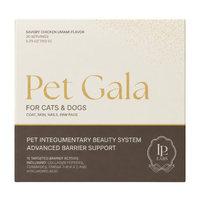
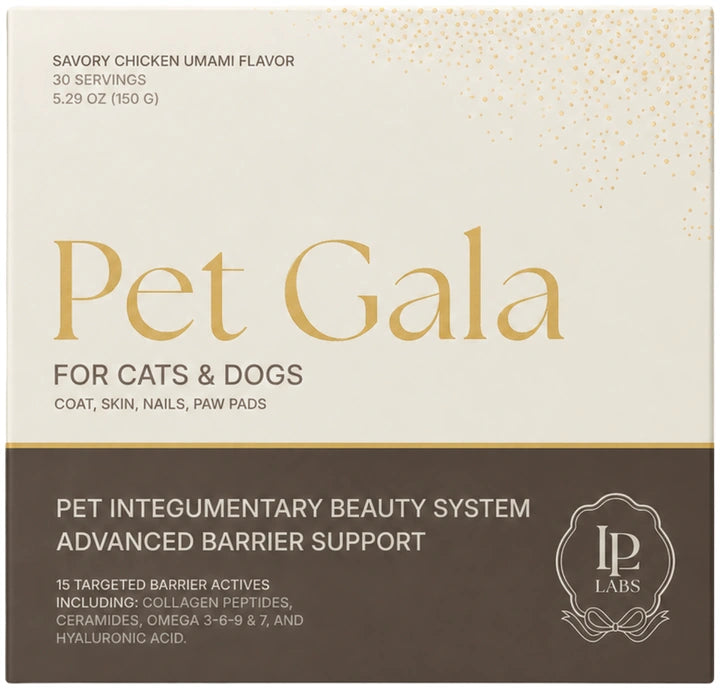
For owners building a daily routine, Pet Gala™ is designed to support whole-body wellness that contributes to skin and claw integrity as part of a complete plan. It fits best alongside consistent trimming, stable scratching options, and tracking shift indicators over several growth cycles.

Splitting claws are often blamed on “dryness,” but that explanation misses what owners can actually change. Most claw problems start with the nail matrix—the living tissue that builds keratin layers—and with daily friction: snagging, scratching surfaces, and trimming technique. When those inputs are off, the claw edge can look choppy, peel in sheets, or hook early, even in cats eating a complete diet.

This page follows a myth bust + checklist approach: first, it corrects the idea that brittle claws are inevitable, then it explains what “normal” shedding looks like, and finally it turns observations into a plan. The most useful home strategy is to treat claws like a trackable body system. Owners can compare trim intervals, snag frequency, paw-to-paw differences, and scratching behavior shifts over time. Those shift indicators clarify whether the issue is mostly mechanical, pain-related, or something that needs testing.

The goal is not perfection; it is a more controlled growth cycle and a clearer handoff to the veterinarian when needed. Along the way, the page covers what not to do (like peeling layers or trimming too short), how to prepare for a nail-focused appointment, and how cat nail growth support and a cat claw health supplement can fit into a daily routine without replacing veterinary care.

By La Petite Labs Editorial, ~15 min read

Featured Product:

  • Cat nail growth support works best when the nail matrix is protected and nutrition stays steady.
  • Claws are keratin skin appendages; splitting often reflects disrupted growth, not “dryness.”
  • Normal sheath shedding leaves hollow shells; true breakage looks frayed and snags fabric.
  • Track trim interval, snag frequency, paw-to-paw differences, and scratching behavior shifts.
  • Avoid peeling layers, trimming too short, or applying human nail products to claws.
  • Discoloration, thickening, swelling, odor, or limping warrants a veterinary exam and possible testing.
  • A cat claw health supplement can be part of a daily plan when the environment and trimming are consistent.

The Myth: Brittle Claws Are Just Aging

A common misconception is that a cat’s claws “just get brittle” with age and nothing can be done. In reality, claws are living skin appendages made of hard keratin, produced by specialized cells that respond to nutrition, grooming friction, and inflammation in the surrounding nail unit (Elizabeth A Mauldin, 2015). When the nail matrix is stressed, the result can look like splitting, peeling layers, or a rough, choppy edge—signals that the growth process is less controlled, not simply cosmetic.

At home, the first step is separating normal shedding from true breakage. Many cats slough the outer claw “sheath,” leaving a hollow, curved shell near scratching posts; that can be normal. Worry rises when the new claw underneath looks frayed, catches on fabric, or the cat avoids scratching. Those clues point toward a nail matrix that may need cat nail growth support, not just a sharper clip.

Close-up skin health render visualizing beauty support from strengthen cat claws inside out.

How Fast Claws Grow and Why Timing Matters

Claw growth is continuous, and the pace matters for decision-making. A measured baseline for adult indoor cats helps set expectations: claws grow steadily enough that trimming is usually a repeating routine, not a one-time fix (Contreras, 2025). When growth outpaces wear, tips hook; when wear outpaces growth or the matrix is disrupted, claws can look thin, ragged, or uneven between toes.

Owners can use that reality to build a calmer plan: match trimming intervals to the cat’s actual growth and scratching habits rather than the calendar. If one paw consistently looks more choppy than the others, that asymmetry is useful information. It can indicate favored scratching angles, a sore toe, or a single nail that is repeatedly traumatized—details that help a veterinarian interpret whether the issue is mechanical or medical.

Beauty structure illustration representing support pathways in strengthen cat claws inside out.

Nail Matrix Biology: Strength Starts under the Skin

To strengthen cat claws inside out, it helps to think beyond the visible tip. The nail matrix sits under the skin at the base of the claw and lays down keratin in layers; when keratinization is coordinated, the claw grows with a smoother surface and better endurance (Elizabeth A Mauldin, 2015). When that coordination is disrupted—by inflammation, repeated micro-trauma, or nutrient imbalance—the claw may split along the grain or peel in sheets.

Household routines can either protect or irritate that matrix. Overly abrasive scratchers, frequent snagging on carpet loops, or rough restraint during trims can keep the nail unit in a constant “catch-up” mode. A practical goal is to reduce repeated small injuries so the claw has a more controlled runway to grow. That is where cat nail growth support becomes a daily pattern, not a single intervention.

Beauty ingredient image emphasizing scientific formulation standards in strengthen cat claws inside out.

A Real-world Scenario: When Snags Signal Discomfort

Case vignette: A 9-year-old indoor cat starts leaving tiny claw shards near the sofa and occasionally yelps when jumping down. The owner assumes the claws are “dry” and trims shorter, but the cat becomes more resistant and begins scratching less. The pattern—less scratching, more snagging, and uneven wear—often points to discomfort at the toe or nail bed rather than a simple grooming issue.

In a scenario like this, the most helpful home move is to slow down and observe: which paw is affected, whether the cat licks a specific toe, and whether the claw looks thickened at the base. Switching to a stable scratching surface and trimming only the sharp hook (not “as short as possible”) can reduce repeated trauma. If the cat’s behavior shifts back toward normal scratching, that change is a meaningful indicator to compare between vet visits.

Dog portrait capturing coat health and beauty supported through strengthen cat claws inside out.

Owner Checklist: Signs That Point Beyond Simple Length

Owner checklist: several at-home observations can clarify whether a claw concern is routine or escalating. Look for (1) repeated snagging on blankets, (2) a single claw that grows sideways or hooks early, (3) visible splitting that extends toward the base, (4) toe licking focused on one digit, and (5) reluctance to use a scratching post. These signs are specific to nail unit stress, not just “long nails.”

Add one action item: check the scratching environment. A post that wobbles can make a cat grip harder and twist claws, while a surface that is too soft may not provide enough friction for normal sheath shedding. Owners trying a cat claw health supplement often get better clarity when the environment is consistent—otherwise it is hard to tell whether changes come from nutrition, trimming technique, or the scratcher itself.

The scratching is completely gone, his coat looks healthy and shiny!

— Lena

He was struggling with itching, now he's glowing.

— Grace

“A snagging claw is often a mechanics problem before it’s a nutrient problem.”

What to Track over Time Between Vet Visits

What to track rubric: nail concerns become easier to interpret when tracked like a small project. Useful markers include (1) trim interval needed before hooking returns, (2) number of snags per week, (3) whether claw sheaths are found intact or as crumbled fragments, (4) scratching frequency and preferred surface, (5) any toe redness or swelling, and (6) whether one paw is consistently worse. These shift indicators help separate growth-rate issues from pain-driven behavior.

Because claw growth has a measurable pace in indoor cats, changes should be judged over weeks, not days (Contreras, 2025). A single “bad nail day” can follow an awkward jump or a rough play session. A trend—shorter time to snagging, more choppy edges, or new avoidance of scratching—suggests the nail matrix is not keeping up with wear and may benefit from a more consistent cat nail growth support plan.

Dog portrait tied to beauty and care supported by strengthen cat claws inside out.

Misconception: It’s Always a Calcium Problem

A unique misconception is that brittle claws always mean calcium is needed. Claws are primarily keratin, and the nail unit behaves like a specialized part of the skin with its own differentiation process (Elizabeth A Mauldin, 2015). That means the most relevant questions are often about overall skin and coat quality, inflammation, and repeated micro-trauma—not mineral supplementation by default.

At home, this misconception can lead to scattershot products and missed signals. If the coat is dull, dandruff is present, or the cat is overgrooming, the claws may be part of a broader skin picture. If everything else looks normal and only one claw is splitting, the driver is more likely mechanical. Either way, the goal is to strengthen cat claws inside out by matching the plan to the pattern, not to a single nutrient guess.

Side-profile dog portrait highlighting coat shine and beauty supported by cat claw health supplement.

When Discoloration Suggests Testing, Not Guessing

Fungal nail disease is uncommon compared with simple trauma, but it matters because it changes the next step. Onychomycosis can cause discoloration, thickening, and dystrophy of the nail unit, and diagnosis typically relies on lab confirmation rather than appearance alone (AKC, 2020). When a claw looks unusually thick, crumbly, or discolored at the base, a veterinarian may recommend microscopy or culture before any long course of therapy is considered.

Owners can support the diagnostic process by avoiding “cover-up” grooming. Painting, heavy oils, or aggressive buffing can make the claw look temporarily smoother while obscuring color changes and texture that help the exam. Keep a short photo log of the same claw from the same angle each week. That record can be more useful than memory when the vet is deciding whether the pattern fits infection, inflammation, or repeated snagging.

Product breakdown image highlighting beauty actives and benefits supported by cat nail growth support.

What Not to Do When Claws Are Splitting

What not to do: common mistakes can turn a minor claw issue into a persistent one. Avoid (1) trimming so short that the quick is pressured, (2) peeling off loose claw layers by hand, (3) using human nail hardeners or essential oils on claws, and (4) forcing long restraint sessions that make the cat fight and twist toes. These actions increase micro-trauma and can slow restoration pace at the nail matrix.

Instead, aim for low-friction handling and small wins: one or two nails at a time, paired with a predictable routine. If a claw is already split, the safest home goal is to prevent snagging by rounding the sharp edge, not to “fix” the split. Owners seeking a cat claw health supplement get the clearest read when trimming technique is gentle and consistent, so the claw’s surface changes are easier to interpret.

Nutrition Foundations That Influence Keratin Quality

Nutrition matters most when it is steady and complete. Keratin production depends on coordinated skin-cell differentiation, and disruptions can show up in multiple appendages—coat, paw pads, and claws. For cats already on a balanced diet, the practical question becomes whether the overall plan supports a calmer nail matrix over time, especially in cats with frequent shedding of claw layers or a history of choppy regrowth.

Owners can watch for “paired improvements” that suggest the plan is coherent: less dandruff plus fewer claw snags, or more consistent scratching plus smoother claw edges. If only the claws are worsening while everything else is stable, mechanical factors deserve a second look. Cat nail growth support works best when diet, hydration, and scratching surfaces are treated as one routine rather than separate experiments.

“Track trim intervals and scratching behavior; they reveal the pattern.”

Close-up clinical uniform showing research-driven formulation behind cat claw health supplement.

How Sulfur-linked Nutrients Relate to Claw Structure

Some owners explore sulfur-containing compounds because keratin is rich in sulfur bonds. In kittens, dietary methylsulfonylmethane (MSM) has been studied with outcomes that included hair quality and broader physiologic signals, suggesting it can have systemic effects beyond the coat (Guo, 2022). That does not translate into a guaranteed claw outcome, but it supports the idea that “inside out” strategies can influence keratinized tissues over time.

The practical takeaway is patience and specificity. If a cat starts a new nutrition plan or cat claw health supplement, the claw tip seen today was formed weeks earlier. Owners should compare photos at consistent intervals and avoid changing multiple variables at once. When the plan is stable, it becomes easier to see whether the claw surface looks more controlled and whether snagging frequency drops as new growth reaches the tip.

Shop Now
Pet Gala in food tableau emphasizing purity aligned with cat nail growth support.

Supplement Safety: Why More Is Not Better

Supplement safety is part of nail care because cats are sensitive to excesses. Chronic vitamin A oversupplementation in cats has been associated with serious skeletal and hepatic changes, underscoring that “more” is not a harmless strategy (Corbee, 2014). Nail concerns can tempt owners toward high-dose, single-nutrient products, but that approach can create new problems while the original claw issue remains.

A safer mindset is to choose support that fits into a complete diet and to involve a veterinarian when combining products. Bring labels to appointments and note how long each product has been used. If the cat is on a liver diet, has arthritis medications, or has a history of constipation, those details can change what is appropriate. Cat nail growth support should never come at the expense of overall health priorities.

Shop Now
Owner showcasing product beside her pet, reflecting beauty care through cat nail growth support.

Fatty Acids, Skin Comfort, and Procedure Planning

Fatty acids are often discussed for skin comfort, but they also come with tradeoffs. In cats, n-3 fatty acid supplementation has been shown to affect bleeding time and platelet-related measures, which matters for cats with upcoming dental work, surgery, or clotting concerns (Bright, 1994). This is not a reason to avoid all fatty acids; it is a reason to coordinate timing and dosing decisions with a veterinarian.

For nail-focused goals, owners can use a simple decision rule: if the cat bruises easily, has a planned procedure, or is on medications that affect bleeding, ask the vet before adding concentrated oils. If the cat is otherwise healthy, the more useful home metric is whether skin and coat look less choppy and whether claw snagging decreases over a few trim cycles. That is a more meaningful signal than chasing a single ingredient.

Shop Now

Vet Visit Prep for Persistent Splitting or Pain

Vet visit prep: nail problems are easier to solve when the appointment includes specific observations. Bring (1) photos of the worst claw over 3–4 weeks, (2) the trimming interval and whether hooking returns early, (3) notes on scratching behavior changes, and (4) any toe licking or limping. These details help the veterinarian decide whether the pattern fits trauma, infection, or an inflammatory nail unit issue.

Useful questions to ask include: “Does this look like normal sheath shedding or true dystrophy?” “Should any nail be sampled or cultured?” and “Is pain control needed to restore normal scratching?” If a cat claw health supplement is being considered, ask how it fits with the cat’s diet and medical history. The goal is a plan with endurance, not a rapid cycle of product changes.

Trimming for Comfort Without Triggering More Breakage

Trimming technique influences the nail matrix indirectly by changing how the cat uses the claw. A trim that removes only the sharp hook can reduce snagging while preserving enough length for normal scratching mechanics. When claws are cut too short, some cats alter paw placement or avoid scratching, which reduces natural sheath shedding and can make the next growth cycle look more choppy.

A household routine that supports cat nail growth support includes predictable handling and the right tools: sharp cat nail trimmers, good lighting, and a pause if the cat’s body stiffens. If the cat resists, spreading trims across days is often more effective than a single long session. The aim is to keep the toe and nail unit calm so new keratin can form under less mechanical stress.

Supplement comparison highlighting clean formulation advantages for cat claw health supplement.

Scratching Surfaces That Support Normal Sheath Shedding

Scratching is not misbehavior; it is claw maintenance. The right surface helps remove old sheaths and keeps the tip shaped without forcing the cat to over-grip. Vertical sisal, horizontal cardboard, and stable wood options each create different friction patterns, and many cats rotate between them. When the environment supports normal scratching, owners often see fewer random snags and a more controlled claw edge between trims.

Placement matters as much as material. Put a stable scratcher near sleep spots and near the area where snagging is noticed (like a couch corner) to redirect behavior without conflict. If the cat avoids scratching entirely, that is a pain clue worth escalating. Strengthen cat claws inside out, but keep the “outside” mechanics friendly—good friction, good stability, and no wobble that twists toes.

Shop Now
Pet Gala box in open packaging, showing premium presentation for cat nail growth support.

Red Flags That Should Not Wait

When should a veterinarian be contacted quickly? Seek care if a claw is bleeding, the toe is swollen, there is pus or a strong odor, the cat is limping, or a claw appears discolored and thickened at the base. Nail infections and nail unit diseases often require confirmation testing and can involve prolonged treatment decisions, so delays can extend discomfort and complicate the plan (AKC, 2020).

For less urgent concerns—mild splitting or frequent snagging—schedule a visit if the pattern persists across two trimming cycles or spreads to multiple claws. Bring the tracking notes and photos so the veterinarian can see whether the issue is localized or systemic. Cat nail growth support is most effective when the underlying driver is identified early, before the cat changes behavior and stops using claws normally.

Shop Now

Owner Action Checklist for More Controlled Claw Growth

A practical, myth-busting summary is simple: claws are not dead material, and they are not “supposed” to split. They are keratin structures produced by living tissue, and their quality reflects how controlled the nail matrix environment has been over time. The most reliable approach combines mechanical protection (good scratching surfaces and gentle trims) with steady nutrition and careful monitoring of shift indicators.

Owner action checklist to close: keep one stable scratcher per main room, trim only the hook, photograph one “reference claw” weekly, track snagging frequency, and escalate early if swelling or discoloration appears. If adding a cat claw health supplement, keep everything else consistent for several weeks so the signal is readable. This is how owners build endurance in the plan and hand off clearer information at the next vet visit.

“Avoid quick fixes that add trauma to an already stressed nail unit.”

Educational content only. This material is not a substitute for veterinary advice. Always consult your veterinarian about your dog’s specific needs. These statements have not been evaluated by the Food and Drug Administration. Products mentioned are not intended to diagnose, treat, cure, or prevent any disease.

Glossary

  • Nail matrix - The living tissue that produces the claw’s keratin layers.
  • Keratin - A tough structural protein that forms claws, hair, and the outer skin layer.
  • Claw sheath - The outer layer that can slough off during normal scratching.
  • Hooking - A curved, overgrown tip that catches on fabric and increases snagging.
  • Onychodystrophy - Abnormal claw shape, texture, or growth pattern.
  • Onychomycosis - Fungal infection of the nail unit that can cause thickening and discoloration.
  • Quick - The vascular, sensitive tissue inside the claw that can bleed if cut.
  • Shift indicators - Trackable changes (snagging, trim interval, scratching behavior) used to compare between vet visits.
  • Micro-trauma - Repeated small mechanical injuries (snags, twisting) that stress the nail unit over time.

Related Reading

References

AKC. Onychomycosis: An Updated Review.. PubMed. 2020. https://pubmed.ncbi.nlm.nih.gov/31738146/

Contreras. Claw growth rates in a subset of adult, indoor, domestic cats (Felis catus).. PubMed. 2025. https://pubmed.ncbi.nlm.nih.gov/40069836/

Elizabeth A Mauldin. Integumentary System. PubMed Central. 2015. https://pmc.ncbi.nlm.nih.gov/articles/PMC7810815/

Guo. Effect of Dietary Methylsulfonylmethane Supplementation on Growth Performance, Hair Quality, Fecal Microbiota, and Metabolome in Ragdoll Kittens.. PubMed Central. 2022. https://pmc.ncbi.nlm.nih.gov/articles/PMC9292726/

Corbee. Skeletal and hepatic changes induced by chronic vitamin A supplementation in cats. 2014. https://www.sciencedirect.com/science/article/abs/pii/S1090023314003980

Bright. The effects of n-3 fatty acid supplementation on bleeding time, plasma fatty acid composition, and in vitro platelet aggregation in cats.. PubMed. 1994. https://pubmed.ncbi.nlm.nih.gov/7983618/

FAQ

What does normal claw shedding look like in cats?

Normal shedding often leaves a thin, hollow “shell” near a scratching post. The new claw underneath should look smooth and solid, not crumbly or split toward the base.

Concern rises when the exposed claw catches on fabric, looks frayed, or the cat avoids scratching. Those patterns suggest the nail unit is under stress rather than simply cycling normally.

Why do my cat’s claws keep snagging on blankets?

Snagging usually comes from a hooked tip, layered peeling, or a rough edge after minor trauma. It can also happen when claw growth outpaces wear, especially in indoor cats with limited scratching variety.

Trim only the sharp hook and provide a stable scratcher with good friction. If snagging returns quickly or affects one paw more than the others, track that asymmetry and share it with a veterinarian.

Is splitting a sign of poor cat nail health?

Splitting can be a sign the nail matrix is producing keratin in a less controlled way, but it is not always a nutrition problem. Repeated snagging, rough scratching surfaces, or over-trimming can create ongoing micro-trauma that keeps the claw choppy.

If splitting extends toward the base, spreads to multiple claws, or comes with toe licking or limping, a veterinary exam is appropriate. Photos over several weeks help clarify whether the pattern is improving or escalating.

How often should indoor cats have their nails trimmed?

There is no single schedule that fits every cat because claw growth and wear differ by activity and scratching habits. Many indoor cats need trims on a repeating interval to prevent hooking and snagging.

A practical approach is to track when snagging returns and trim just before that point. If the interval suddenly shortens, it can be a useful shift indicator to discuss with a veterinarian.

Can scratching posts really affect claw condition?

Yes. Scratching provides friction that helps remove old claw layers and shapes the tip. A post that wobbles can make a cat grip harder and twist claws, while a surface that is too soft may not help normal shedding.

Offer at least two textures (such as sisal and cardboard) and keep them stable. If a cat stops scratching, treat that as a possible discomfort signal rather than a behavior problem.

What are the most useful at-home signs to check weekly?

A simple weekly check can include: snagging frequency, whether one paw looks worse, the presence of intact shed sheaths, and any toe licking focused on one digit. Also note whether the cat is scratching normally or avoiding it.

These observations make cat nail growth support more targeted because they show whether the driver is mechanical wear, discomfort, or a broader skin issue. Photos of one “reference claw” can make trends easier to see.

What should owners avoid doing to damaged claws?

Avoid peeling loose layers, trimming into the quick, or trying to sand claws smooth. Also avoid applying human nail products, essential oils, or adhesives to a claw, since they can irritate the nail unit and hide important changes.

The safer home goal is to prevent snagging by rounding only the sharp edge and keeping scratching surfaces stable. If swelling, odor, discharge, or limping appears, contact a veterinarian promptly.

When does a claw problem require a vet visit?

Prompt veterinary care is warranted for bleeding that won’t stop, toe swelling, pus, strong odor, limping, or a claw that looks discolored and thickened at the base. Those signs can indicate infection, injury, or nail unit disease.

For milder splitting or frequent snagging, schedule a visit if the pattern persists across two trimming cycles or spreads to multiple claws. Bring photos and notes on scratching behavior to improve the handoff.

Could a fungal infection cause claw discoloration or thickening?

Yes. Onychomycosis can cause discoloration, thickening, and dystrophy of the nail unit, but it cannot be confirmed by appearance alone(AKC, 2020). Testing such as microscopy or culture is often needed before treatment decisions are made.

If a claw looks crumbly at the base or multiple claws change color, avoid covering it with oils or grooming products before the appointment. Clear photos and a timeline help the veterinarian decide what to test.

How long does it take to see changes in claw quality?

Claw tips visible today were formed weeks earlier, so meaningful changes usually show up over several growth cycles. That is why tracking trim interval and snagging frequency is more informative than judging day-to-day appearance.

Keep the environment consistent while evaluating changes: stable scratchers, the same trimming approach, and minimal product switching. This makes it easier to tell whether the claw edge is becoming more controlled over time.

Do supplements replace trimming and scratching routines?

No. Supplements can be part of a plan, but they do not replace the mechanical needs of claws: friction for shedding and appropriate trimming to prevent hooking. Without those basics, it is hard to interpret whether any internal support is helping.

A better framework is “inside out plus outside mechanics.” Strengthen cat claws inside out with steady nutrition, while keeping scratching surfaces stable and trims gentle so the nail matrix is not repeatedly stressed.

Is Pet Gala™ appropriate for daily claw support routines?

For owners who want a consistent routine, Pet Gala™ can be considered as part of a daily plan that supports whole-body wellness, which contributes to skin and claw integrity. It fits best when trimming and scratching routines are already stable.

Discuss any supplement with a veterinarian if the cat has chronic disease, is on multiple medications, or has an upcoming procedure. Track snagging frequency and trim interval over several weeks to judge whether the routine is becoming more controlled.

What ingredients matter most in a cat claw health supplement?

Look for a formula that supports skin appendage biology broadly rather than chasing a single “nail vitamin.” Claws are keratin structures produced by living tissue, so overall skin integrity and inflammation balance often matter as much as any one nutrient.

Quality signals include clear labeling, species-appropriate guidance, and compatibility with a complete diet. If a product relies on high-dose single nutrients, ask a veterinarian whether it fits the cat’s life stage and health history.

Can too much vitamin A be risky for cats?

Yes. Chronic vitamin A oversupplementation in cats has been linked with serious skeletal and hepatic changes(Corbee, 2014). This risk is one reason “more for stronger nails” is not a safe strategy.

If multiple supplements are being used, bring all labels to the veterinarian to check for overlap. A safer approach to cat nail growth support is steady, balanced nutrition and a consistent environment that reduces repeated claw trauma.

Do omega-3 oils affect bleeding risk in cats?

They can. In cats, n-3 fatty acid supplementation has been shown to affect bleeding time and platelet-related measures(Bright, 1994). This matters most for cats with planned surgery or dental procedures, or those with clotting concerns.

Owners should coordinate concentrated oils with a veterinarian, especially around procedures. For claw goals, track practical outcomes like snagging frequency and scratching behavior rather than relying on a single ingredient theory.

How should owners prepare for a nail-focused vet appointment?

Bring photos of the same claw over several weeks, the typical trimming interval, and notes on scratching behavior changes. Also note whether one paw is consistently worse and whether toe licking or limping is present.

Ask whether the appearance fits normal shedding, trauma, or nail unit disease, and whether any testing is recommended. This preparation helps the veterinarian make a more targeted plan and reduces trial-and-error at home.

Are claw issues different in kittens versus adult cats?

Kittens often have sharp, fast-growing claws and may snag more simply because their coordination and scratching habits are still developing. Adult cats more commonly show patterns tied to routine, environment, and any underlying discomfort.

For kittens, focus on stable scratchers and gentle handling practice. For adults, track shift indicators like shortening trim intervals, paw-to-paw differences, and changes in scratching frequency to guide whether cat nail growth support should be adjusted.

Is it normal for one claw to look worse than others?

A single “problem claw” is common and often points to mechanics: a favored scratching angle, repeated snagging on one surface, or a toe that is slightly sore. That asymmetry is useful information rather than a mystery.

Track which claw it is, how quickly it hooks, and whether the cat licks that toe. If the same claw repeatedly splits toward the base or becomes discolored, a veterinary exam can rule out nail unit disease.

How can Pet Gala™ fit into a broader nail plan?

A supplement works best when it supports a stable routine rather than trying to replace basics. Pet Gala™ is positioned to support whole-body wellness that contributes to skin and claw integrity as part of a daily plan.

For clearer results, keep trimming technique and scratching surfaces consistent while evaluating changes. Compare snagging frequency and trim interval over several weeks, and involve a veterinarian if the cat has medical conditions or is on multiple products.

Why do my cat’s nails look thick, flaky, or layered, and what should I do?

Cats naturally shed the outer nail sheath, which can make nails look flaky or layered, especially if they don’t scratch enough to remove the old layers. Provide sturdy scratching surfaces and trim the tips regularly; if nails become very thick, painful, discolored, or the paw is swollen, see a veterinarian to rule out infection, trauma, or nail-bed disease.

5K+ Happy Pet Parents

Excellent 4.8

Cat Nail Health | Why Thousands of Pet Parents Trust Pet Gala™

"Magical. He was struggling with itching and shedding. Now he's literally glowing."

Grace & Ducky

"Improves her skin, fur, nails, and eyes. We're loving it!"

Cat & Miso

"It's so good for his coat, and so easy to mix into food."

Alex & Cashew

"The scratching is completely gone, his coat looks healthy and shiny."

Lena & Bear

"Magical. He was struggling with itching and shedding. Now he's literally glowing."

Grace & Ducky

"Improves her skin, fur, nails, and eyes. We're loving it!"

Cat & Miso

"It's so good for his coat, and so easy to mix into food."

Alex & Cashew

"The scratching is completely gone, his coat looks healthy and shiny."

Lena & Bear

"Magical. He was struggling with itching and shedding. Now he's literally glowing."

Grace & Ducky

"Improves her skin, fur, nails, and eyes. We're loving it!"

Cat & Miso

"It's so good for his coat, and so easy to mix into food."

Alex & Cashew

"The scratching is completely gone, his coat looks healthy and shiny."

Lena & Bear

"Magical. He was struggling with itching and shedding. Now he's literally glowing."

Grace & Ducky

"Improves her skin, fur, nails, and eyes. We're loving it!"

Cat & Miso

"It's so good for his coat, and so easy to mix into food."

Alex & Cashew

"The scratching is completely gone, his coat looks healthy and shiny."

Lena & Bear

SHOP NOW