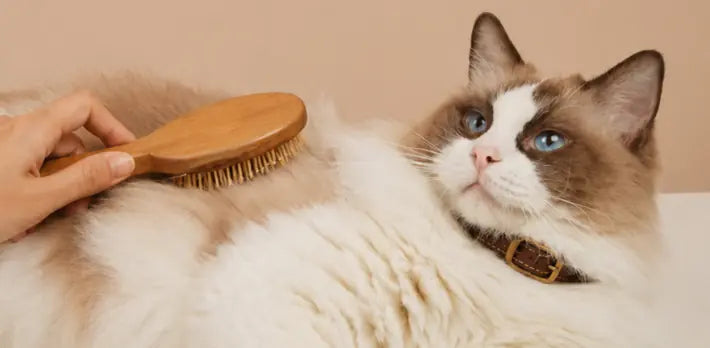
Why Is My Cat Shedding so Much

Identify Shedding Triggers and Steps That Reduce Hair Loss Safely

Essential Summary

Why is it important to understand why my cat is shedding so much?

Heavy shedding is often a mix of normal coat cycling, indoor lifestyle, and skin comfort. Look for visible clues—dandruff, uneven thinning, over-grooming, or scabs—to decide whether you’re managing presentation or investigating a medical cause. With consistent brushing, a calm routine, and targeted skin-and-coat support, many cats look smoother, softer, and more polished.

Pet Gala™ is designed for owners who want shedding to feel more controlled and the coat to look unmistakably well-kept—supporting skin, coat, and nails as a single visible story. It complements a complete diet by focusing on the “finish”: softness, shine, and a calmer-looking coat that brushes out cleanly.

When you find fur on every black sweater and your vacuum fills up too fast, the question isn’t abstract—it’s intimate: why is my cat shedding so much, and is something wrong? For many cats, heavy shedding is a normal coat cycle made more noticeable by indoor living, dry air, and the simple fact that we share couches, beds, and clothing. Still, shedding can also be the first visible sign that skin doesn’t feel right—itch, parasites, allergy flares, infection, or stress can all change how the coat behaves.

This page is built around what owners can actually see and feel: coat texture, shine, dandruff, grooming patterns, and whether hair loss is even or patchy. You’ll learn when shedding is a presentation problem you can manage at home, and when it’s a medical clue worth checking. And if you’re the kind of careful, science-minded owner who already buys a quality diet, you’ll also see why a targeted skin-and-coat product can still be relevant: it’s not about replacing nutrition, it’s about enhancing the visible finish—softness, sheen, and a coat that brushes out cleanly—so your cat looks as cared-for as they are.

By La Petite Labs Editorial, ~15 min read

Featured Product:

  • Most heavy shedding is normal coat turnover amplified by indoor living and seasonal light shifts.
  • Texture changes—dryness, static, dullness—often matter more than the raw amount of hair.
  • Uneven thinning, scabs, or intense grooming suggests itch, parasites, allergy, or infection.
  • Brushing is the fastest visible lever: it moves loose hair from your home to the brush.
  • Hydration and gentle routines support a calmer-looking skin surface and smoother coat lay.
  • Supplements work best when they aim for coat polish—softness, shine, less breakage—rather than “stopping” shedding.
  • If red flags appear (bald patches, sores, lethargy), get a veterinary exam before experimenting.

Shedding, but Make It Manageable: What You’re Really Seeing

Some shedding is simply your cat’s normal coat cycle: old hairs release so new growth can look smooth and even. Many cats shed more when daylight shifts, indoor heating changes humidity, or grooming habits change with the season (Bonilla-Aldana JL, 2024). If the fur you’re finding is evenly distributed and your cat’s skin looks calm, you’re usually seeing a cosmetic issue, not a crisis. The goal becomes improving the visible signals: less hair on clothes, a softer feel when you pet them, and a coat that lies flatter instead of “floating” off.

Where owners get uneasy is when shedding feels sudden, heavy, or paired with dandruff, greasy patches, or over-grooming. Those clues point to skin comfort and barrier quality, not just hair volume. When you focus on coat presentation—brushing rituals, hydration, and targeted support—you can often make shedding look and feel more controlled without trying to “stop” a normal biological process.

Skin hydration graphic tied to beauty support from cat shedding supplement.

Normal Versus Excessive: the Quick Visual Checks That Matter

It helps to separate “a lot of hair” from “too much hair.” Normal shedding is usually symmetrical and steady: you find fur where your cat naps, and brushing produces a consistent amount. Excessive shedding tends to look uneven—tufts, thinning areas, or a coat that suddenly feels coarse. Seasonal changes can amplify shedding, especially in indoor cats exposed to artificial light cycles (Bonilla-Aldana JL, 2024).

Do a quick visual check in good light: part the fur and look for redness, flakes, scabs, or tiny black specks. Then notice behavior: more licking, hiding, or irritability can mean the skin doesn’t feel comfortable. Those small observations guide whether you should focus on grooming and coat support, or book a veterinary visit.

Beauty imagery reflecting skin wellness supported by cat vitamins for shedding.

Why Shedding Feels Personal: Hairballs, Furniture, and Daily Life

A healthy coat is a visual signal of comfort: it has a natural sheen, lies smoothly, and doesn’t leave a halo of fur after every cuddle. When shedding ramps up, it can also increase hairballs because cats swallow more loose hair during grooming. That’s why owners often notice two things at once: more fur on the couch and more gagging or retching.

The good news is that many shedding complaints respond to “presentation-focused” care: brushing that removes loose hair before your cat swallows it, hydration that keeps skin supple, and targeted support that improves coat texture. You’re not trying to eliminate shedding; you’re trying to make it look and feel managed.

Molecular design image tied to beauty support pathways in stop cat shedding supplements.

Diet Quality and Coat Finish: the Outside Reflects the Inside

Diet quality shows up on the outside. Cats need adequate protein, essential fatty acids, and micronutrients to maintain normal skin and coat condition, and reputable “complete and balanced” foods are formulated to meet established standards (Kretzler, 2022). When a diet is inconsistent, poorly formulated, or frequently changed, the coat can lose its smoothness and shed more noticeably.

Even with a strong base diet, owners may still want extra coat polish—especially during seasonal shedding or in dry climates. That’s where a thoughtfully designed skin-and-coat product fits: it supports the visible finish (shine, softness, less breakage) rather than trying to replace the role of a complete diet.

Dog portrait capturing coat health and beauty supported through how to reduce cat shedding.

Hydration and Coat Texture: Softness Starts with Comfort

Hydration influences how the coat looks. When cats drink less or eat only dry food, some owners notice a drier feel to the coat and more static. While hydration isn’t the only factor, it’s one of the easiest to improve: add a water fountain, offer multiple bowls, and consider incorporating wet food if it fits your cat’s needs and your veterinarian’s guidance.

A well-hydrated cat often has skin that looks calmer when you part the fur, and brushing tends to pull out fewer brittle hairs. Think of hydration as part of the “freshly groomed” look—subtle, but noticeable when it’s missing.

The scratching is completely gone, his coat looks healthy and shiny!

— Lena

He was struggling with itching, now he's glowing.

— Grace

“Shedding doesn’t need to disappear to feel under control—it needs to become predictable, brushable, and visibly calmer.”

Age and Grooming Ability: Why Seniors Often Look More Unkempt

Age changes the coat. Kittens may shed lightly, while adult cats often have stronger seasonal cycles. Seniors can develop a coat that looks less even because grooming becomes less thorough, arthritis makes twisting uncomfortable, or underlying illness affects skin condition. If an older cat suddenly looks unkempt or sheds in patches, it’s worth checking in with your veterinarian to rule out medical contributors.

For many older cats, the most meaningful improvement comes from gentle daily brushing and support that enhances softness and shine. The goal is a coat that looks cared-for again—an outward sign that your cat feels comfortable.

Dog photo highlighting coat health and expression supported by cat vitamins for shedding.

Indoor Living and Year-round Fur: the Constant-shed Effect

Indoor lifestyle can make shedding feel constant. Artificial lighting and stable temperatures may blur seasonal cues, so some cats “drip shed” year-round rather than in predictable waves (Bonilla-Aldana JL, 2024). Add in cozy fabrics that trap hair, and it can look like your cat is shedding more than ever.

If your cat is otherwise healthy, treat this as a management and presentation problem: schedule brushing like a small daily ritual, choose tools that actually capture undercoat, and keep the home environment supportive (humidity, clean bedding). The result is less hair in the air and a coat that looks smoother day to day.

Dog profile photo emphasizing coat shine supported by how to reduce cat shedding.

Over-grooming: When Shedding Is Really Hair Breakage

Over-grooming is a common reason shedding looks extreme. Cats may lick more when they’re itchy, stressed, or bored, and the tongue’s barbs can break hairs and thin the coat quickly. Stress-related changes can influence shedding patterns and coat condition, especially in sensitive cats (Felten, 2023).

If you notice a wet-looking belly, thinning on the inner thighs, or frequent licking during quiet moments, consider both skin triggers (fleas, allergies) and emotional triggers (routine changes, conflict with another cat). Supporting a calm environment plus skin-and-coat care often improves the visible outcome: fewer broken hairs and a more even coat surface.

Inside-the-box graphic showing beauty blend design supporting cat shedding supplement.

Tracking Progress: What to Measure When Shedding Feels Endless

A practical way to track progress is to measure what you can see. For two weeks, note: how much hair comes out during a 2-minute brush, whether dandruff is present, and whether the coat feels softer or rougher. This keeps you from guessing based on one bad day of shedding. It also helps your veterinarian if you end up needing a workup.

If you add a supplement or change grooming tools, change only one thing at a time. Visible coat changes usually show up first as texture (less dry, less static), then as reduced loose hair during brushing. That sequence is reassuring because it’s easy to feel with your hands and see on dark clothing.

Choosing a Cat Shedding Supplement Without Overdoing It

If you’re considering a cat shedding supplement, think in terms of visible outcomes: softer coat texture, less static, fewer broken hairs, and calmer-looking skin. A good formula supports the whole integument—skin, coat, and nails—rather than chasing one trendy ingredient. Many owners reach for stop cat shedding supplements when the real need is improving coat quality so loose hair releases during brushing instead of drifting onto furniture.

Choose products made for cats, with clear labeling, quality controls, and a sensible serving size. Avoid stacking multiple “skin and coat” products at once; doubling up can create unnecessary excesses, especially with fat-soluble vitamins. If your cat is on a therapeutic diet or has a medical condition, ask your veterinarian to confirm compatibility before adding any supplement (Andityas M, 2024).

“The coat is a daily signal: when skin feels comfortable, fur lies flatter, looks shinier, and sheds more neatly.”

Scientific attire image highlighting formulation rigor associated with cat vitamins for shedding.

Cat Vitamins for Shedding: When “Complete Diet” Isn’t the Whole Story

Cat vitamins for shedding can be helpful when they’re used to polish what you can see: coat shine, skin comfort, and nail integrity. Even when a complete diet meets baseline requirements, real life still affects presentation—dry indoor air, frequent brushing, stress, and age can all change how the coat behaves. Nutrition guidelines emphasize that “complete and balanced” is the foundation, but they don’t promise a specific look or feel on every cat (Kretzler, 2022).

That’s why a well-designed supplement can still make sense for a science-minded owner: it’s not replacing dinner, it’s supporting the visible finish. Think of it as daily coat care that shows up in fewer flyaway hairs, a smoother hand-feel, and a more groomed silhouette—especially during seasonal peaks.

Shop Now
Curated ingredient scene highlighting bioactive blend supporting cat shedding supplement.

Fleas and Flea Allergy: Small Bites, Big Coat Changes

When shedding is paired with itch, scabs, or tiny “pepper” specks in the coat, fleas can be the hidden driver. Flea allergy dermatitis is common in cats, and even a small number of bites can trigger disproportionate scratching and hair loss (Zhou S, 2022). The shedding you notice may be less about hair cycling and more about breakage from grooming and irritation.

If you suspect fleas, focus on consistent veterinarian-recommended prevention and environmental control. While coat-support products can improve the look and feel of fur, they won’t replace parasite control. Once the skin calms, supportive grooming and nutrition can help the coat return to a more even, polished appearance.

Shop Now
Lifestyle shot of dog owner and Pet Gala aligned with cat vitamins for shedding.

Allergies That Show up as Fur Loss, Not Always Scratching

Allergies can also make shedding seem dramatic, because cats often respond with over-grooming rather than obvious scratching. Feline allergic skin disease can present as thinning hair on the belly, inner legs, or along the back, sometimes with small scabs or a “moth-eaten” look (Hatam-Nahavandi K, 2021). In these cases, the most noticeable change is often texture: the coat feels rougher, looks duller, and sheds in uneven clumps.

Your veterinarian can help sort food allergy from environmental allergy and parasites. While you work through that, keep grooming gentle and consistent. The goal is to reduce breakage and support skin comfort so the coat can lie flatter and look cared-for again, even before you have every trigger identified.

Shop Now

When Patchy Hair Loss Needs Testing, Not More Brushing

Some causes of heavy shedding are contagious or require targeted treatment. Ringworm (a fungal infection) can cause patchy hair loss, broken hairs, and scaling, and cats can carry it with subtle signs (Gao X, 2020). If you see circular bald spots, crusting, or multiple pets in the home developing hair issues, it’s worth getting a veterinary exam rather than trying to “treat the coat” at home.

Supportive coat care still matters during medical workups because it improves comfort and presentation, but it should sit alongside diagnosis, not replace it. Once the underlying issue is addressed, the coat often rebounds quickly—one of the most reassuring visible changes owners notice.

Stress, Routine, and the Coat as a Visible Mood Barometer

Stress can show up on the coat. Cats may shed more, groom compulsively, or develop a dull, “tired” look when their environment feels unpredictable (Miotto, 2024). Even subtle changes—new schedules, visitors, construction noise—can shift grooming patterns and skin comfort. In multi-cat homes, tension can be quiet but constant, and the coat becomes the visible scoreboard.

Create calm, repeatable rituals: predictable feeding, a daily brush at the same time, and safe resting spots. When stress is reduced, owners often notice fewer loose hairs and a more even coat texture. If shedding spikes during upheaval, it’s a cue to support both the environment and the skin-and-coat “finish” you want to see.

Chart contrasting minimal formulas with full-spectrum beauty support in how to reduce cat shedding.

How to Reduce Cat Shedding with the Right Brush Rhythm

If you’re asking how to reduce cat shedding, start with the simplest lever: brushing that matches the coat type. Short-haired cats often do best with frequent, gentle sessions that lift loose hair without scraping the skin. Long-haired cats need tools that reach the undercoat to prevent mats, which can trap shed hair until it releases all at once. A good brush routine turns shedding into a controlled, tidy event rather than a constant surprise.

Keep sessions brief and pleasant. The visible payoff is immediate: fewer tumbleweeds, a smoother coat lay, and less hair swallowed during self-grooming. If your cat resists, try brushing after meals or play, when they’re relaxed and more receptive to touch.

Shop Now
Product reveal shot showing premium feel consistent with how to reduce cat shedding.

Home Factors That Make Shedding Look Worse Than It Is

Home environment matters more than most owners expect. Dry air can make skin look flaky and fur feel static-y, which makes shedding more noticeable. Consider a humidifier in winter, regular washing of bedding, and vacuuming that targets upholstery. These changes don’t alter biology; they improve presentation—your cat looks sleeker, and your home looks cleaner.

Also watch for “coat disruptors” you can control: harsh shampoos, scented sprays, or frequent bathing that strips oils. Cats are meticulous groomers; when the coat feels off, they compensate with more licking, which can increase hair loss and hairballs. Aim for gentle, minimal interventions that keep the coat feeling natural and soft.

Shop Now

When to Call Your Veterinarian About Shedding and Skin Changes

Call your veterinarian promptly if shedding comes with bald patches, sores, significant dandruff, head shaking, lethargy, weight change, or sudden behavior shifts. Those combinations can signal parasites, infection, allergy flares, pain, or systemic illness that needs medical attention. If multiple cats in the home develop hair loss, treat it as a household health question, not just a grooming issue.

For everyday heavy shedding without red flags, focus on visible care: consistent brushing, a stable routine, and skin-and-coat support that helps the coat look polished. The best plan is the one that makes your cat feel comfortable and makes their coat look unmistakably well-kept.

“A supplement should support the finish—softness, shine, and less breakage—not promise to stop a normal coat cycle.”

Educational content only. This material is not a substitute for veterinary advice. Always consult your veterinarian about your dog’s specific needs. These statements have not been evaluated by the Food and Drug Administration. Products mentioned are not intended to diagnose, treat, cure, or prevent any disease.

Glossary

  • Seasonal Shedding: A predictable increase in loose hair as daylight and temperature patterns change.
  • Undercoat: The dense, softer layer beneath guard hairs that often releases in larger amounts during shedding periods.
  • Guard Hairs: The longer outer hairs that give the coat its visible shape and sheen.
  • Over-Grooming: Excessive licking that can break hairs and thin the coat, sometimes linked to itch or stress.
  • Flea Dirt: Dark specks (digested blood) that can indicate flea exposure even when fleas aren’t seen.
  • Flea Allergy Dermatitis: A hypersensitivity reaction to flea bites that can cause intense irritation and hair loss (Zhou S, 2022).
  • Dandruff (Scaling): Visible flakes that suggest dry skin, irritation, or grooming imbalance.
  • Coat Breakage: Hair that snaps from friction or licking, making shedding look heavier and uneven.
  • Ringworm (Dermatophytosis): A fungal infection that can cause patchy hair loss and scaling and may be contagious.

Related Reading

References

Gao X. Effect of Exposure to Cats and Dogs on the Risk of Asthma and Allergic Rhinitis: A Systematic Review and Meta-analysis.. PubMed. 2020. https://pubmed.ncbi.nlm.nih.gov/32564683/

Bonilla-Aldana JL. Toxocara cati Infection in Cats (Felis catus): A Systematic Review and Meta-Analysis.. PubMed. 2024. https://pubmed.ncbi.nlm.nih.gov/38612261/

Hatam-Nahavandi K. Toxoplasma gondii infection in domestic and wild felids as public health concerns: a systematic review and meta-analysis.. PubMed. 2021. https://pubmed.ncbi.nlm.nih.gov/33947922/

Zhou S. Seroprevalence of Toxoplasma gondii in cats in mainland China 2016-2020: a meta-analysis.. PubMed. 2022. https://pubmed.ncbi.nlm.nih.gov/34931504/

Andityas M. Feline leptospirosis prevalence worldwide: A systematic review and meta-analysis of diagnostic approaches.. PubMed. 2024. https://pubmed.ncbi.nlm.nih.gov/38595668/

Kretzler. Pet ownership, loneliness, and social isolation: a systematic review.. Springer. 2022. https://link.springer.com/article/10.1186/s12991-025-00600-x

Lashnits. Evidence for vertical transmission of Mycoplasma haemocanis, but not Ehrlichia ewingii, in a dog.. Springer. 2019. https://link.springer.com/article/10.1186/s13071-024-06292-8

Miotto. Current knowledge on leptospirosis in cats: A systematic review with metanalysis on direct detection, serological response, and clinical data. 2024. https://www.sciencedirect.com/science/article/pii/S0034528824001589

Felten. Patterns of Feline Coronavirus Shedding and Associated Factors in Cats from Breeding Catteries. 2023. https://www.mdpi.com/1999-4915/15/6/1279

Silva. Assessment of the Risk Impact of SARS-CoV-2 Infection Prevalence between Cats and Dogs in America and Europe: A Systematic Review and Meta-Analysis. 2024. https://www.mdpi.com/2076-0817/13/4/314

FAQ

Why is my cat shedding so much all of a sudden?

A sudden jump can be normal (seasonal coat turnover, indoor lighting, dry air), but it can also reflect itch, over-grooming, parasites, or skin infection. Look for uneven thinning, dandruff, scabs, or a change in grooming behavior.

If there are no red flags, focus on brushing consistency and coat “finish” support so loose hair comes out in the brush, not on your furniture. Many owners pair that routine with Pet Gala™

Is it normal to wonder why is my cat shedding so much?

Yes—because shedding is both normal and highly variable. Coat cycles shift with season, indoor temperature, and daylight exposure, so what feels “too much” one month can be typical the next.

The key is whether the coat still looks even and the skin looks calm. If it does, your best tools are grooming rituals and visible coat support that improves softness and manageability, such as Pet Gala™

When does shedding become a problem instead of normal?

Shedding becomes a concern when you see bald patches, sores, heavy dandruff, a greasy feel, or intense licking that thins the coat. Those signs suggest discomfort rather than simple hair turnover.

If the coat is evenly shedding but still looks dull or feels dry, you can often improve the visible result with better brushing and skin-and-coat support. Many owners keep that routine consistent with Pet Gala™

How can I reduce shedding without irritating my cat’s skin?

Use a tool matched to coat type and keep sessions short and gentle. The goal is lifting loose hair, not scraping the skin. Brushing after meals or play often feels more acceptable to cats.

If the coat feels dry or static-y, focus on improving softness and slip so hair releases cleanly during grooming. A daily skin-and-coat routine can pair well with Pet Gala™

Do indoor cats shed more than outdoor cats?

Many indoor cats appear to shed more consistently because artificial light and steady temperatures can blur seasonal coat changes. Instead of a short “blow,” you may see a steady stream of loose hair.

That’s usually a management issue: capture hair with routine brushing and support a smoother coat texture so it looks polished day to day. Owners often add a coat-support step like Pet Gala™

Why is my cat shedding so much and grooming constantly?

Constant grooming can mean itch (fleas, allergy), discomfort, or stress. Cats often over-groom instead of scratching, so the coat thins and sheds from breakage rather than normal turnover.

Check for scabs, dandruff, or flea dirt, and talk with your veterinarian if the pattern is new. For cosmetic support while you investigate, many owners choose Pet Gala™

Can fleas cause heavy shedding even if I see none?

Yes. Cats can be very efficient groomers, and flea allergy can trigger significant irritation from minimal exposure, leading to hair loss and shedding(Zhou S, 2022). You may only notice small scabs or thinning along the back.

Consistent veterinarian-recommended prevention is the main fix; coat products can’t replace parasite control. Once the skin settles, supportive grooming plusPet Gala™

Could allergies explain why is my cat shedding so much?

They can. Allergic skin disease in cats may show up as over-grooming, small scabs, or thinning on the belly and legs rather than obvious redness(Hatam-Nahavandi K, 2021). That pattern can make shedding look extreme.

Your veterinarian can help sort triggers and rule out parasites. While you work through causes, gentle grooming and visible coat support can help the coat look more even, includingPet Gala™

Is ringworm a possible cause of patchy shedding?

Yes. Ringworm can cause broken hairs, scaling, and circular or irregular bald spots, and cats may carry it with mild signs(Gao X, 2020). Because it can spread to people and other pets, diagnosis matters.

If you suspect it, book a veterinary visit before trying home treatments. For non-medical coat polish during recovery planning, many owners keep routines simple withPet Gala™

What cat vitamins for shedding are generally worth considering?

Look for cat-specific formulas that support skin and coat presentation: a softer feel, healthy sheen, and less breakage. Prioritize transparent labeling and quality controls, and avoid stacking multiple similar products.

If your cat eats a complete diet, supplements are best viewed as “finish support,” not a replacement for nutrition standards(Andityas M, 2024). A balanced option many owners use isPet Gala™

Are stop cat shedding supplements safe for daily use?

Many are safe when formulated for cats and used as directed, but “more” isn’t better. The biggest risk is combining multiple products that overlap in fat-soluble vitamins or oils.

If your cat has a medical condition, is on a therapeutic diet, or takes medications, confirm compatibility with your veterinarian first(Andityas M, 2024). For daily coat support with a presentation-first focus, considerPet Gala™

How long until I see less shedding after changes?

Brushing changes can look better immediately because you’re physically removing loose hair. Nutrition and skin-support changes usually show up first as improved texture—less dryness or static—then as fewer loose hairs during grooming.

Track what comes out of the brush over 2–3 weeks to avoid judging by one heavy day. Many owners pair that tracking with consistent support from Pet Gala™

What side effects should I watch for with coat supplements?

The most common issues are mild digestive upset or refusal if the flavor doesn’t suit your cat. If you notice vomiting, diarrhea, or appetite changes, stop the product and check in with your veterinarian.

Also be cautious about combining multiple oil-based products, which can add unnecessary calories. For a cat-specific option designed for coat presentation, many owners choose Pet Gala™

Can supplements interact with prescription diets or medications?

They can. Therapeutic diets are formulated with specific targets, and adding extra oils or vitamins may shift the overall balance. Some medications also have dietary considerations.

If your cat is being treated for skin disease, kidney issues, or gastrointestinal problems, ask your veterinarian before adding any new product. When approved, a streamlined routine may includePet Gala™

Do kittens and senior cats need different shedding support?

Often, yes. Kittens may shed lightly but can have sensitive digestion; seniors may shed more unevenly because grooming becomes harder or health changes affect coat quality. In older cats, sudden coat decline deserves a veterinary check.

For both life stages, keep grooming gentle and choose cat-specific support that prioritizes comfort and visible softness. A simple option many owners use is Pet Gala™

Are some breeds naturally heavier shedders than others?

Yes. Coat density, undercoat thickness, and hair length all change how much loose fur you notice. Long-haired cats may “hold” shed hair until brushing releases it, while dense short coats can shed steadily.

Breed doesn’t rule out skin problems, but it does set expectations for maintenance. For a more polished look between brushings, many owners support coat texture with Pet Gala™

Is a cat shedding supplement different from dog products?

It should be. Cats have unique dietary needs and sensitivities, and products designed for dogs may not match feline requirements or palatability. Always choose a cat-labeled formula and follow the label directions.

If you’re unsure, your veterinarian can confirm whether an ingredient list is appropriate for your cat’s situation. For cat-specific skin-and-coat support, consider Pet Gala™

Why is my cat shedding so much after a stressful change?

Stress can change grooming behavior and coat condition, especially in sensitive cats. Moves, visitors, schedule shifts, or tension with another pet can lead to more licking and more noticeable hair loss(Miotto, 2024).

Bring back predictability: quiet resting spots, consistent play, and a short daily brush ritual. For added coat “finish” support while things settle, many owners usePet Gala™

What quality signals should I look for in supplements?

Look for cat-specific labeling, clear ingredient amounts, a reputable manufacturer, and straightforward directions. Be cautious with products that promise to “stop shedding” completely or imply disease outcomes.

A good supplement should fit into a complete-care routine: diet quality, brushing, and skin comfort. If you want a polished, everyday approach, explore Pet Gala™

How do I give a supplement to a picky cat?

Start small and pair it with something your cat already loves—mealtime, a favorite treat, or a calm evening routine. Keep the experience low-pressure; forcing often creates long-term refusal.

If your cat has a sensitive stomach, introduce any new product gradually and monitor stool and appetite. For a cat-friendly routine that supports coat appearance, consider Pet Gala™

When should I call the vet about shedding changes?

Call if shedding comes with bald spots, sores, significant dandruff, head shaking, lethargy, weight change, or sudden behavior shifts. Also call if multiple pets develop hair loss, since contagious causes are possible(Gao X, 2020).

If your veterinarian rules out medical issues, you can focus confidently on grooming and coat presentation support at home, includingPet Gala™

5K+ Happy Pet Parents

Excellent 4.8

Why Is My Cat Shedding so Much | Why Thousands of Pet Parents Trust Pet Gala™

"Magical. He was struggling with itching and shedding. Now he's literally glowing."

Grace & Ducky

"Improves her skin, fur, nails, and eyes. We're loving it!"

Cat & Miso

"It's so good for his coat, and so easy to mix into food."

Alex & Cashew

"The scratching is completely gone, his coat looks healthy and shiny."

Lena & Bear

"Magical. He was struggling with itching and shedding. Now he's literally glowing."

Grace & Ducky

"Improves her skin, fur, nails, and eyes. We're loving it!"

Cat & Miso

"It's so good for his coat, and so easy to mix into food."

Alex & Cashew

"The scratching is completely gone, his coat looks healthy and shiny."

Lena & Bear

"Magical. He was struggling with itching and shedding. Now he's literally glowing."

Grace & Ducky

"Improves her skin, fur, nails, and eyes. We're loving it!"

Cat & Miso

"It's so good for his coat, and so easy to mix into food."

Alex & Cashew

"The scratching is completely gone, his coat looks healthy and shiny."

Lena & Bear

"Magical. He was struggling with itching and shedding. Now he's literally glowing."

Grace & Ducky

"Improves her skin, fur, nails, and eyes. We're loving it!"

Cat & Miso

"It's so good for his coat, and so easy to mix into food."

Alex & Cashew

"The scratching is completely gone, his coat looks healthy and shiny."

Lena & Bear

SHOP NOW