Ragdoll Cat Shedding Solution

Know what's normal for the breed and how to keep the fluff in check

By La Petite Labs Editorial 15 min read

Yes, Ragdolls shed—despite the “low-maintenance” reputation, their plush single-layer coat releases loose hair year-round, with heavier stretches in spring and fall. The good news: you can shape what you see. A ragdoll cat shedding solution is rarely about “fixing” your cat; it is about restoring a well-kept coat and a cleaner home—fewer loose clumps, a smoother back coat, and that airy softness you notice when you scoop them up.

The science-minded reality is that shedding varies by individual cat and environment, not just breed. The beauty-minded reality is that grooming removes what is already loose, while coat quality decides how the fur behaves between sessions—glossy or dull, tangle-prone or smooth, a light dusting or a dramatic tumbleweed. In Ragdolls, diet type has been linked to differences in hair quality, which helps explain why some routines suddenly “work better” after a feeding change.

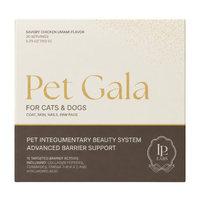
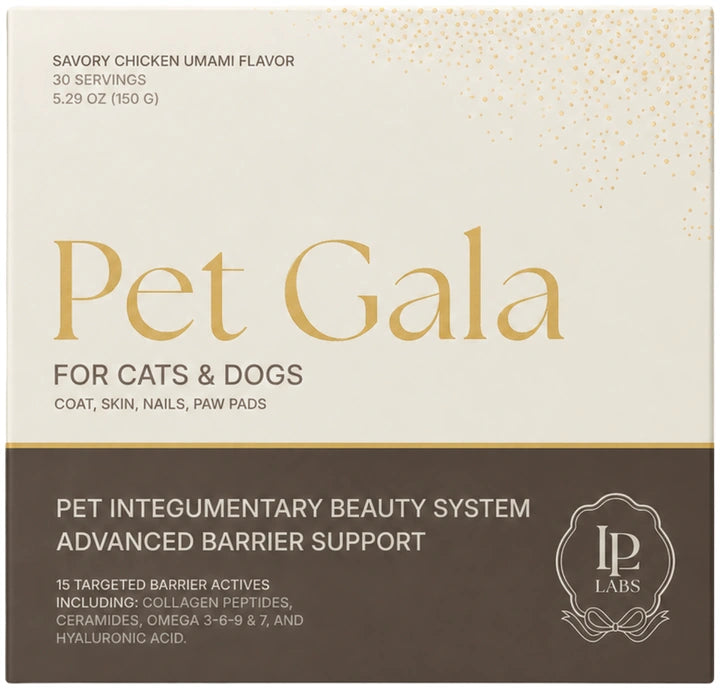
This is where Pet Gala stays relevant for careful owners: even with a good diet and the right comb, daily support can reinforce visible condition across skin, coat, and nails. It is not a replacement for brushing—it is what makes brushing look like it is doing more.

  • Yes, Ragdolls shed; the goal is a cleaner, more predictable coat—not zero hair.
  • Frequent, gentle combing removes loose undercoat before it lands on furniture.
  • Mat prevention reduces “clump shedding” and keeps the coat airy and plush.
  • Diet consistency matters because hair quality in Ragdolls varies with diet type.
  • Dry air and static make shedding look worse; hydration and humidity help the finish.
  • Sudden shedding with flakes, bald spots, or irritation warrants a vet check (Chuenngam, 2024).
  • Pet Gala complements grooming with nutrients for the coat: omega fats, zinc, biotin, and collagen.

Why Ragdoll Coats Shed and What Owners Notice First

Ragdolls are famous for a plush, silky coat that looks effortless—until it shows up on black pants, sofa corners, and every sunbeam they nap in. A ragdoll cat shedding solution isn’t about stopping shedding (shedding is normal); it’s about shaping what you see: fewer tumbleweeds, a smoother coat surface, and less breakage that makes the coat look “dusty” instead of polished. The most reliable results come from pairing a gentle grooming ritual with skin-and-coat support that keeps the coat feeling soft and well-kept.

A Realistic Definition of Shedding Control for Ragdoll Cats

Do Ragdolls shed a lot? They shed a moderate amount—less “flyaway” than many double-coated breeds, but enough to notice. What owners call “too much shedding” is usually a mix of loose undercoat, breakage from small tangles, and skin dryness that makes hair release more visible. So the real job is managing the coat’s presentation—how it looks, feels, and behaves—more than eliminating hair loss.

That is also why two cats in the same home shed differently. Shedding and allergen patterns vary by individual and are shaped by environment and behavior, not just breed (Wentz, 1990). When you build the routine around visible signals—softness, shine, fewer clumps on bedding—you get feedback quickly, and it is easier to stay consistent.

Gentle Grooming That Removes Loose Hair Without Over-stripping

Start with grooming that respects the Ragdoll coat. A metal greyhound comb (medium + wide spacing) is often the most coat-friendly “first tool,” because it separates plush fur without scraping the skin. Work in sections, especially the chest ruff and behind the front legs, where friction creates tiny tangles that later turn into shedding bursts. Keep sessions short and predictable so your cat stays relaxed.

If you want to know how to reduce ragdoll cat shedding without overdoing it, aim for frequent light passes rather than aggressive de-shedding. Over-stripping can make the coat look less full and can irritate sensitive skin. The goal is a coat that lies smoothly and releases less hair onto your home because you’re catching it early.

Diet and Coat Quality: the Quiet Driver of Visible Shine

Nutrition is the quiet factor that shows up loudly in the mirror. In Ragdoll cats, different processed diets have been associated with differences in hair quality, alongside changes in other measured parameters (Wang P, 2024). For owners, that translates into something very practical: when the coat is well-supported, it tends to look glossier, feel softer, and resist the “frayed” texture that makes shedding seem worse.

This doesn’t mean you need to constantly switch foods. It means consistency matters, and so does choosing a diet your cat thrives on. If you’re already feeding a quality diet, a daily supplement can still be relevant because it supports visible condition beyond any single nutrient—helping your grooming routine translate into a more polished coat day after day.

Hydration, Humidity, and Static: Small Changes with Big Payoff

Hydration and humidity are underrated parts of ragdoll cats and shedding solutions. Dry indoor air can make coats feel static-y and make loose hair cling to fabric, which looks like “more shedding” even when the amount of hair loss hasn’t changed. A water fountain, multiple water stations, and a modest humidifier in winter can improve the everyday feel of the coat and reduce that dusty, floating-fur effect.

Pair that with gentle surface cleaning: a damp hand or microfiber cloth after brushing can pick up the last layer of loose hair and leave the coat looking freshly finished. These small, visible wins are what make a routine stick—and they set the stage for coat-supportive care like Pet Gala to show up as softness and shine.

“The goal isn’t no shedding. It’s a coat that looks smooth, feels soft, and sheds predictably.”

Shedding with Dandruff or Itch: When Comfort Affects the Coat

Some shedding is “normal,” but certain patterns deserve attention. If shedding comes with heavy dandruff, redness, a greasy feel, ear debris, or overgrooming, the coat may be reacting to irritation rather than simply cycling. Dietary management can play a role in cats with allergic skin patterns, which can influence coat comfort and appearance (Watson, 2025).

Because skin discomfort can change grooming behavior, it can quickly turn into more hair around the house. A veterinarian can help you identify whether you’re dealing with seasonal sensitivity, parasites, or another issue. Once the skin looks calm again, your shedding plan becomes much more predictable—and the coat’s finish becomes easier to maintain.

Bathing Versus Wipes: Keeping the Coat Light and Brushable

A bath is optional for many Ragdolls, but it can be useful before high-shed periods or if the coat feels “coated” with dust and oils. If you bathe, use a cat-formulated shampoo, rinse thoroughly, and dry gently to avoid tangles. The point isn’t perfume; it’s a clean, light coat that brushes out easily afterward.

For most homes, a rinse-free grooming foam or cat wipes are a better weekly tool than frequent baths. They lift loose hair and refresh the coat’s surface so it looks brighter. Combine that with a consistent diet—since diet type can influence hair quality in Ragdolls (Wang, 2024)—and you’ll see a more even, “finished” look between grooming sessions.

Mat Prevention: the Hidden Key to Fewer Hair Clumps

Mat prevention is shedding prevention in disguise. Small mats trap loose hair until they break apart, releasing clumps that look dramatic. They also pull on the skin, which can make cats avoid being brushed—creating a cycle. Focus on the “tangle zones” and keep a calm pace. If you find a tight mat, don’t cut toward the skin; ask a groomer or vet team for help.

When the coat stays detangled, the hair you remove is mostly loose hair you would have found on your furniture. That’s the visible payoff. Add daily support that keeps the coat soft and pliable, and your grooming becomes easier and more effective—exactly the kind of everyday polish Pet Gala is meant to reinforce.

Stacking Small Wins for Noticeably Better Shedding Control

Owners often ask for a single “best” ragdoll cat shedding solution, but the most satisfying results come from stacking small wins: the right comb, a consistent routine, and support for coat quality. Think of it like fabric care: when the fibers are smooth and strong, everything looks cleaner. When the coat is brittle or the skin is dry, every hair looks more noticeable.

Because processed diet differences have been associated with hair quality in Ragdolls (Wang P, 2024), it’s reasonable to treat diet and supplementation as part of “coat styling,” not as a medical project. Pet Gala supports skin, coat, and nails so the results of your grooming show up as visible softness, shine, and a more controlled shed.

Best Products and Tools That Respect the Ragdoll Coat

If you are comparing best products for ragdoll cat shedding, choose tools and care that respect the coat’s texture. A wide-tooth comb separates the plush undercoat without tugging; a soft slicker finishes the surface for a tidy, airy look. Skip harsh de-shedding blades unless your groomer recommends them—Ragdoll coats can look thinner when over-stripped. For at-home care, a gentle cat-safe wipe or rinse-free foam handles “between baths” freshness, paired with a lint strategy (rubber broom, washable throws).

Support from the inside matters too, since diet composition influences hair quality in Ragdolls (Wang, 2024). Pet Gala backs the coat with the nutrients owners look for, each printed per sachet: Omega 3-6-9 at 150 mg, zinc at 1.5 mg, biotin at 50 mcg, and marine collagen at 500 mg—barrier fats and structural proteins that help your grooming show up as shine, softness, and a calmer-looking shed.

“Tools remove loose hair today; coat support improves how the coat behaves tomorrow.”

La Petite Labs

DVM Voice: Clinical Vignette of When Skin Changes Point Deeper Than the Surface

Case provided by Sarah Calvin, DVM

Maverick, a 4-year-old Siamese cat, was brought in for hair loss across his lower abdomen and red, flaky skin lesions that had progressed over the previous month. His owners were unsure whether he was itchy or overgrooming.

Examination showed broken hairs, abdominal alopecia, and lesions consistent with bacterial skin infection. Further testing ruled out fleas, FeLV/FIV, and common fungal causes. Because his grooming pattern suggested deeper discomfort, his veterinarian continued the workup.

Radiographs and urinalysis revealed bladder stones, crystalluria, and blood in the urine. Maverick’s overgrooming was linked to urinary pain — a case where skin changes were secondary to an internal problem.

His care required a staged plan: stabilizing the skin infection, surgically removing the bladder stones, managing pain, transitioning to a therapeutic diet, and supporting skin-barrier recovery with appropriate nutrition and fish oil.

Hair regrowth began by 8 weeks. By 6 months, his coat had fully recovered, with no recurrence after the urinary issue was resolved.

Clinical takeaway: Maverick’s case shows why feline coat loss and overgrooming deserve careful veterinary investigation. Skin and coat health can reflect pain, stress, nutrition, infection, barrier weakness, or internal disease — not just surface-level grooming behavior.

Single-case vignette. Not generalizable. Veterinary diagnosis and oversight are essential for overgrooming, hair loss, skin lesions, urinary signs, pain, or suspected infection.

Explore Pet Gala Research →
ragdoll cat shedding solution - 9

When Shedding Signals a Skin Issue Worth Checking

When shedding looks “excessive,” the goal is to rule out the common disruptors that change what you see: parasites, skin irritation, and stress grooming. If you notice scaling, patchy thinning, or a coat that suddenly feels coarse, it’s worth a veterinary check. Certain skin conditions and mites can present with increased shedding and flakes, and veterinarians may use targeted treatments when appropriate (Chuenngam, 2024). That’s not a home-remedy moment—it’s a clarity moment.

Once medical causes are addressed, your everyday plan becomes simple: consistent brushing, a stable diet, and coat-supportive care that keeps the skin comfortable and the fur lying smoothly. Pet Gala fits here as daily support for the visible condition owners care about most: a coat that looks fresh, feels soft, and sheds more predictably.

ragdoll cat shedding solution - 10

Seasonal Shedding and Indoor Living: Keeping the Look Consistent

Seasonal changes can make even a well-groomed Ragdoll look like they’re “suddenly shedding more.” Light, indoor heating, and humidity shifts can all change how hair releases and how static makes it cling. That’s why effective ragdoll cat shedding solutions focus on consistency rather than intensity: a few minutes most days beats one long session that leaves the coat stressed and the cat annoyed.

Try matching your routine to what you can see: when the coat looks slightly puffed or you notice more hair on bedding, add an extra comb-through and a quick wipe-down for surface freshness. If your household includes allergy-sensitive people, remember that shedding patterns vary by individual cat and environment, not just breed (Wentz, 1990). A polished coat and cleaner home surfaces can make day-to-day living feel easier.

ragdoll cat shedding solution - 11

Choosing the Best Approach: Hair Removal Versus Coat Quality

A practical decision framework for the best solution for ragdoll cat shedding is to separate “hair release” from “coat quality.” Brushing reduces loose hair today. Coat quality influences how the fur behaves tomorrow—how much breaks, how it mats, and whether it looks sleek or frizzy. Nutrition can influence hair quality in Ragdoll cats, meaning the same grooming effort can look better (or worse) depending on what supports the coat (Wang P, 2024).

So, choose a plan with two pillars: (1) a gentle grooming tool you’ll actually use, and (2) daily support that keeps the coat feeling naturally soft and well-kept. Pet Gala is positioned for that second pillar—supporting skin, coat, and nails so your grooming shows up as visible shine and a smoother, more “finished” look.

Safe, Cat-friendly Shedding Remedies That Keep Coats Fresh

If you’re exploring ragdoll cat shedding remedies, keep them cat-safe and coat-friendly. Avoid essential oils and heavily fragranced sprays; cats groom themselves, and what you apply ends up being ingested. Instead, think “clean, calm, and consistent”: a damp microfiber cloth to lift loose hair, a rinse-free grooming product made for cats, and a predictable brushing cadence that your Ragdoll can relax into.

For cats with sensitive skin or recurrent irritation, diet can be part of the conversation. Dietary management may influence outcomes in cats with allergic skin patterns, which can affect coat appearance and shedding (Watson, 2025). You don’t need to chase perfection—aim for a coat that looks comfortable: less flaking, less dullness, and a softer feel when you run your hand along the back.

Ragdoll Cat Shedding Tips That Feel Like a Care Ritual

Ragdoll cat shedding tips that actually stick are the ones that feel like care, not chores. Keep the comb where you already sit (couch, bedside), and do a two-minute “hello brush” when your cat is naturally affectionate. Focus on friction points—chest ruff, armpits, behind the ears—where loose hair and small mats start. If you hit resistance, pause and switch to a wider comb rather than pulling.

Then support the look you’re trying to maintain: a coat that lies smoothly, feels plush, and doesn’t shed in dramatic bursts. Because diet can influence hair quality and related parameters in Ragdolls, consistency in what you feed matters for the coat you see (Wang, 2024). Pet Gala is a simple daily add-on for owners who want that “well-kept” finish to show up more reliably.

A Cleaner Home Plan That Makes Shedding Feel Manageable

If your goal is a cleaner home as much as a prettier coat, treat shedding as a household system. Wash throws weekly, use a rubber broom on rugs, and choose a vacuum head designed for hair. Small changes reduce the “background” of fur so your grooming work feels more rewarding. Remember: allergen and hair shedding patterns vary widely between cats, and environment plays a role (Wentz, 1990).

The best results come when your cat’s coat is in a steady, comfortable rhythm—less static, fewer flakes, and fewer loose hairs waiting to fall. That’s where daily coat support fits: it’s not a replacement for brushing; it’s what makes brushing look better. Pet Gala supports the visible signs of good care—softness, shine, and a coat that looks freshly tended.

Red Flags: Sudden Shedding, Flakes, or Patchy Coat Changes

A note on “sudden shedding”: if you see rapid coat change, bald spots, inflamed skin, or your cat seems unwell, don’t treat it as a cosmetic issue. Your veterinarian can check for parasites, infections, endocrine issues, or dermatologic conditions and recommend appropriate care. In some cases of mite-associated skin problems, veterinarians may use specific topical therapies that address scaling and shedding patterns (Chuenngam, 2024).

Once your cat is medically cleared, you can return to everyday presentation: gentle grooming, stable routines, and supportive care that keeps the coat looking even and touchably soft. Pet Gala is designed to fit that daily rhythm—supporting skin, coat, and nails so your cat’s “signature look” stays polished.

Putting It Together for a Polished Coat Every Day

The most effective ragdoll cat shedding solutions are the ones you can sustain: a calm brushing ritual, a diet that agrees with your cat, and daily support that keeps the coat’s finish looking fresh. You’ll know it’s working when the coat feels lighter at the ends, looks smoother along the back, and sheds in smaller, more predictable amounts—without turning grooming into a battle.

If you’re choosing one “extra” beyond tools, choose the option that supports visible condition across the whole integument—skin comfort, coat softness, and nail strength—so your care shows up where you can see it. Pet Gala is built for that kind of everyday polish: not a single-nutrient bet, but consistent support for a coat that looks cared-for.

“When the coat’s finish improves, your home looks cleaner—and grooming feels easier.”

Educational content only. This material is not a substitute for veterinary advice. Always consult your veterinarian about your dog’s specific needs. These statements have not been evaluated by the Food and Drug Administration. Products mentioned are not intended to diagnose, treat, cure, or prevent any disease.

Glossary

  • Undercoat: The softer layer of fur that releases in higher amounts during seasonal changes.
  • Guard Hair: Longer outer hairs that influence the coat’s smooth look and “finish.”
  • Matting: Tangled fur that traps loose hair and later releases as clumps.
  • Static Cling: Dry-air effect that makes loose hair stick to fabric and look like heavier shedding.
  • Coat Finish: The visible look and feel of fur—smoothness, softness, and sheen.
  • Overgrooming: Excess licking or chewing that can increase hair loss and thin the coat.
  • Dander: Tiny skin flakes that can accompany dryness or irritation and make shedding look worse.
  • Rinse-Free Grooming: Cat-safe products used without bathing to lift loose hair and refresh the coat.
  • Greyhound Comb: A metal comb with mixed tooth spacing used to detangle and remove loose hair gently.

Related Reading

References

Ebeling R. Feline intervertebral disc disease: a systematic review and meta-analysis. PubMed. 2025. https://pubmed.ncbi.nlm.nih.gov/41006947/

Paepe D. Screening of ragdoll cats for kidney disease: a retrospective evaluation. PubMed. 2012. https://pubmed.ncbi.nlm.nih.gov/22860918/

Wang P. Effects of Different Processed Diets on Growth Performance, Blood Parameters, Hair Quality and Fecal Microbiota in Ragdoll Cats. PubMed. 2024. https://pubmed.ncbi.nlm.nih.gov/39335318/

Chuenngam. Successful treatment of non-pruritus, excessive hair shedding and scales in a cat due to <i>Demodex gatoi</i> with fluralaner topical spot-on. PubMed. 2024. https://pubmed.ncbi.nlm.nih.gov/38751448/

Song Y. Case Report: Allogeneic adipose-derived mesenchymal stem cells for severe feline chronic kidney disease. PubMed Central. 2025. https://pmc.ncbi.nlm.nih.gov/articles/PMC12327094/

Wentz. Variability of cat-allergen shedding. PubMed. 1990. https://pubmed.ncbi.nlm.nih.gov/2299111/

Watson. A Randomised-Controlled Study Demonstrates That Diet Can Contribute to the Clinical Management of Feline Atopic Skin Syndrome (FASS). 2025. https://www.mdpi.com/2076-2615/15/10/1429

Miotto. Current knowledge on leptospirosis in cats: A systematic review with metanalysis on direct detection, serological response, and clinical data. 2024. https://www.sciencedirect.com/science/article/abs/pii/S0034528824001589

Papich MG. Ronidazole pharmacokinetics in cats following delivery of a delayed-release guar gum formulation. PubMed. 2013. https://pubmed.ncbi.nlm.nih.gov/23106427/

Giraudel JM. Use of a pharmacokinetic/pharmacodynamic approach in the cat to determine a dosage regimen for the COX-2 selective drug robenacoxib. PubMed. 2009. https://pubmed.ncbi.nlm.nih.gov/19161452/

Pelligand L. Modeling of Large Pharmacokinetic Data Using Nonlinear Mixed-Effects: A Paradigm Shift in Veterinary Pharmacology. A Case Study With Robenacoxib in Cats. PubMed Central. 2016. https://pmc.ncbi.nlm.nih.gov/articles/PMC5193001/

LeVine DN. Ronidazole pharmacokinetics after intravenous and oral immediate-release capsule administration in healthy cats. PubMed Central. 2011. https://pmc.ncbi.nlm.nih.gov/articles/PMC10832812/

Unknown. [Table], Table 2. Pharmacokinetics of Commonly Used Agents in the Management of Cat Eye Syndrome. 2025. https://www.ncbi.nlm.nih.gov/books/NBK615302/table/article-163565.table1/?report=objectonly

FAQ

What is a ragdoll cat shedding solution in practical terms?

A ragdoll cat shedding solution is a set of habits that reduces loose hair in your home while keeping the coat looking smooth and plush. It usually combines gentle combing, mat prevention, and support for coat quality so shedding looks more controlled rather than dramatic.

Why do Ragdolls shed so much even with regular brushing?

Brushing removes loose hair, but it can’t fully offset seasonal coat cycling, indoor dryness, or small mats that “store” hair until they release. Two cats can also shed very differently due to individual and environmental factors, not just breed. When you pair consistent grooming with daily coat support, the coat often looks smoother and sheds in smaller amounts.

How to reduce ragdoll cat shedding without irritating sensitive skin?

Use a wide-tooth metal comb and short sessions, focusing on friction areas like the chest and armpits. Avoid aggressive de-shedding blades unless a groomer recommends them, because over-stripping can make the coat look thinner and the skin feel reactive. A calm routine plus coat-supportive care tends to improve the visible finish—softness and shine—so shedding feels less messy.

What are the best solution for ragdoll cat shedding basics?

The best solution for ragdoll cat shedding is usually a two-part approach: remove loose hair with frequent, gentle combing, and improve coat quality so hair releases more predictably. Diet type has been associated with differences in hair quality in Ragdolls, which can change how the coat looks and behaves.

Which ragdoll cat shedding tips work best for busy owners?

Keep the comb where your cat already relaxes and do two-minute sessions most days. Prioritize behind the ears, chest ruff, and behind the front legs to prevent small tangles that later release as clumps. Finish with a damp hand to lift surface hair. Busy routines work best when coat care is consistent, not intense.

Do ragdoll cat shedding remedies include changing food or treats?

Sometimes, but it’s not about constant switching. In Ragdolls, diet differences have been linked with differences in hair quality, which can affect coat feel and appearance. If your cat is doing well on a complete diet, the more reliable “remedy” is consistency and avoiding frequent abrupt changes. Many owners keep food stable and add daily coat support to improve visible softness and shine.

How quickly should a ragdoll cat shedding solution show results?

You can often see a difference in loose hair within a week of consistent combing, because you’re physically removing what would land on fabrics. Changes in coat “finish” (softness, sheen, less frizz) usually appear more gradually as the coat cycles and grooming becomes easier. Track visible signals: fewer clumps on bedding, smoother back coat, and less static.

Is excessive shedding ever a sign of mites or skin disease?

Yes. If shedding is paired with scaling, patchy thinning, or a sudden coat change, a veterinary exam is important. Some mite-associated skin conditions can present with increased shedding and flakes, and veterinarians may use targeted topical treatments when appropriate. Once medical causes are addressed, daily grooming and coat support can help restore a smoother, more even-looking coat.

Are there safety concerns with supplements for coat and shedding?

Safety depends on the ingredient profile, your cat’s health status, and what else they’re taking. If your cat has chronic illness, is on prescription medication, or has a history of food sensitivities, ask your veterinarian before adding any supplement. Introduce one new product at a time so you can clearly observe tolerance.

Can kittens and seniors use the same shedding support routine?

The grooming concept is the same, but the pace changes. Kittens do best with very short, positive sessions to build comfort. Seniors may need gentler handling and more attention to mat-prone areas if mobility is reduced. Any sudden coat change in an older cat should be discussed with a veterinarian. A consistent, low-stress routine plus daily coat support can help keep the coat looking even and touchably soft at any age.

Does indoor air dryness affect shedding and coat appearance?

Dry air can make coats feel static-y and make loose hair cling to fabrics, which looks like heavier shedding. It can also make the coat feel less silky to the touch. A humidifier in winter and good hydration habits can improve the coat’s day-to-day finish. When the coat feels softer and lies flatter, grooming looks more effective and shedding feels less messy.

What are best products for ragdoll cat shedding at home?

Most homes do well with a metal greyhound comb, a soft slicker for finishing, and a cat-safe wipe or rinse-free grooming foam for surface freshness. For the environment, a rubber broom and washable throws reduce the “background” of hair so your efforts feel more noticeable. Tools remove hair today; coat support improves how the coat looks between sessions.

Do Ragdolls shed less than other long-haired cat breeds?

Some owners perceive Ragdolls as “less shed-prone” because the coat can be silky and less wiry, but they still shed. Individual variation is significant, and environment and behavior can influence shedding patterns. What matters most is how consistently you remove loose hair and prevent mats. If you want the coat to look well-kept regardless of baseline shedding, daily coat support can help maintain softness and shine.

Can a ragdoll cat shedding solution reduce allergens in the home?

It can help manage what accumulates on surfaces by removing loose hair and improving coat cleanliness, but allergen shedding varies widely among cats and is influenced by environment and individual factors. Regular grooming, laundering fabrics, and cleaning routines usually make the biggest practical difference. A coat that looks smoother and stays cleaner between sessions can also make home maintenance feel easier.

How do I know if my cat’s shedding is abnormal?

Look for pattern changes: sudden heavy shedding, bald spots, inflamed skin, significant dandruff, or behavior changes like overgrooming. Those signs suggest something beyond normal coat cycling and deserve a veterinary check. Some dermatologic issues can be associated with scaling and increased shedding. If your cat is medically cleared, focus on consistent grooming and visible coat support to keep the coat looking even and soft.

What if my Ragdoll hates brushing but sheds constantly?

Switch from long sessions to micro-sessions: 30–60 seconds, then stop while it’s still pleasant. Use a wide-tooth comb, reward calmly, and focus on one area per session. If mats are present, address them professionally so brushing stops being associated with pulling. When the coat feels softer and detangles easily, many cats tolerate grooming better.

Can diet changes really affect coat shine and shedding in Ragdolls?

They can influence what you see. Research in Ragdoll cats has reported that different processed diets can be associated with differences in hair quality. A coat that feels smoother and looks glossier often sheds in a less “messy” way because there’s less breakage and fewer tangles. If your cat is already thriving on a complete diet, adding daily coat support can still enhance visible softness and sheen.

Are there interactions between coat supplements and prescription medications?

Potential interactions depend on the ingredients and the medication. If your cat takes prescriptions (including flea/tick products, thyroid meds, or allergy therapies), ask your veterinarian before adding any supplement. It’s also wise to introduce new products gradually and monitor appetite, stool, and skin comfort.

What’s a simple weekly routine for effective ragdoll cat shedding solutions?

Do short comb-throughs most days, then one slightly longer session weekly to check mat-prone areas. Add a wipe-down or rinse-free grooming foam once a week to lift surface hair and refresh the coat’s feel. Wash throws weekly and vacuum high-traffic nap zones. This routine works best when coat quality stays consistent, so grooming feels easy and the coat looks finished.

When should I call the vet about shedding and skin changes?

Call if shedding is sudden, patchy, or paired with redness, sores, heavy scaling, ear issues, or marked overgrooming. Those signs can indicate parasites or dermatologic problems that need targeted care. Some conditions associated with scaling and shedding may require specific veterinary treatments. After medical causes are addressed, daily grooming and coat support can help restore a smooth, comfortable-looking coat.

How do I choose between grooming tools versus supplements for shedding?

Choose tools if your main issue is loose hair on surfaces today; choose coat support if your main issue is coat texture, dullness, or tangles that make shedding look worse. The most satisfying approach is both: tools handle immediate hair removal, while daily support helps maintain a smoother, shinier finish.

La Petite Labs

Discover LPL-01: How This Fits Into a Complete Feline Integumentary Support System

Skin, coat, and nails in cats are not surface traits. They reflect deeper biological systems—barrier integrity, hydration dynamics, lipid balance, and structural protein turnover—working in coordination.

When these systems drift, the signs are subtle but telling: reduced coat softness, increased shedding, dryness, brittle claws, changes in grooming behavior.

This article explores one piece of that system. If you want to understand how true coat quality and skin resilience are built in cats—and what actually drives visible improvement—you need to zoom out.

Start with the underlying science: