Biotin for Cats

Identify Deficiency Patterns, Then Rebuild Coat, Skin, and Claw Integrity

Essential Summary

Why is biotin for cats important?

Biotin for cats is often chosen to support visible skin comfort, coat softness, and tidy nail strength. While most cats get biotin from complete diets, owners may still seek extra support when the coat looks dull or feels dry. The best results come from consistent use alongside grooming and a balanced diet.

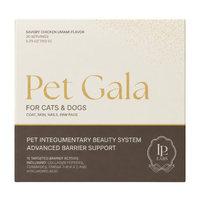
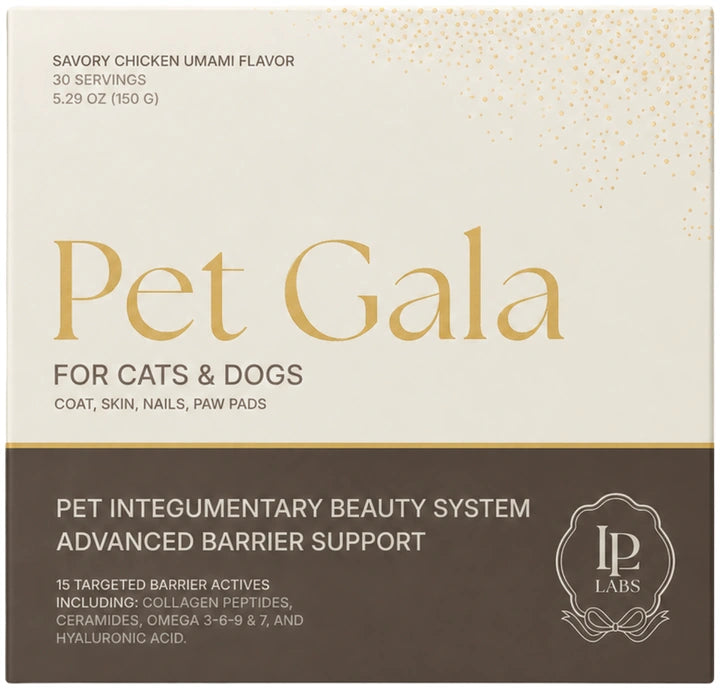
Pet Gala™ is designed for owners who want skin, coat, and nail care that shows—supporting a smooth feel, healthy sheen, and everyday polish without turning supplementation into a complicated project.

A cat’s coat is one of the clearest signals of everyday care. When it looks smooth and evenly glossy, it reads as comfort, health, and good routines—food that agrees with them, grooming that’s consistent, and skin that isn’t quietly irritated. That’s the real reason biotin for cats shows up in so many conversations: owners aren’t chasing a lab value, they’re chasing a look they recognize as “well-kept.” Biotin is a water-soluble B-vitamin involved in how the body uses fats and carbohydrates, and it’s commonly discussed in relation to skin and fur condition.

Still, it’s worth being honest about the tension: many cats eating complete diets already get biotin. So why would a careful, science-minded owner still choose a supplement? Because visible condition isn’t only about meeting minimums—it’s about supporting the whole surface story: softness you feel when you pet them, a sheen that holds through seasonal shedding, and nails that stay tidy between trims. The best biotin supplements for cats are chosen as part of a broader skin-coat-nail system, not as a single-nutrient gamble. Pet Gala™ fits that logic by focusing on how wellbeing shows up every day—where you can see it, feel it, and trust it.

By La Petite Labs Editorial, ~15 min read

Featured Product:

  • Biotin for cats is most often used to support visible coat shine, skin comfort, and neat nails.
  • Biotin is a water-soluble B-vitamin involved in how cats use fats, carbs, and proteins.
  • True deficiency is uncommon, but can be associated with hair loss and skin irritation.
  • Expect gradual changes tied to new growth: softer feel, smoother lay, fewer brittle edges.
  • Choose formulas carefully: biotin is generally low-toxicity, but bundled vitamins can raise risk.
  • Avoid high vitamin D stacking; vitamin D excess has caused serious toxicity in cats.
  • A product still makes sense when it supports the whole “finish,” not just a single nutrient.

Biotin and the Visible Signs of a Well-kept Cat

When people talk about biotin for cats, they’re usually describing a look: a coat that lies smoothly, a healthy sheen that catches light, and skin that seems comfortable rather than reactive. Biotin is a water-soluble B-vitamin involved in how the body uses fats, carbohydrates, and proteins, which matters because skin and hair are constantly renewing tissues (Watson PE, 2023). In practical terms, biotin sits in the background while the visible signals—softness, luster, fewer brittle nail edges—sit in the foreground.

Most cats on complete and balanced diets already receive biotin, but “enough on paper” doesn’t always match what an owner sees in the mirror-light moments: seasonal dullness, a coat that feels dry after grooming, or nails that seem to split. A biotin supplement for cats is often chosen not as a fix for disease, but as a refinement tool—supporting the way daily care shows up. The best biotin for cats is the one that fits into a broader skin-and-coat routine rather than trying to be a single-ingredient shortcut.

Skin and coat health illustration showing beauty support linked to biotin supplement for cats.

What Biotin Is, and Why It Shows up in Coat Care

Biotin is often described as a “coat vitamin,” but that nickname can be misleading. In cats, biotin is a B-vitamin that supports normal metabolism of fats, carbohydrates, and proteins—basic processes that feed into how skin and hair are maintained. Because skin and hair follicles are high-turnover tissues, they tend to reflect nutritional adequacy quickly in ways owners can see and feel.

That’s why biotin for cats is usually discussed in the same breath as coat shine, skin comfort, and nail strength. It’s not a promise of transformation; it’s a support ingredient that can help the body do routine upkeep well. When owners say “best biotin for cats,” they’re often really asking for a product that makes grooming feel rewarding—less flaking, a smoother brush-through, and a coat that looks freshly cared-for.

Skin health image symbolizing beauty and wellness supported by biotin for cats coat.

From Daily Nutrition to Daily Shine: Where Biotin Fits

A useful way to think about biotin for cats health is that it supports the conditions under which good skin and coat can be maintained. Biotin participates in enzyme functions tied to metabolism, and deficiency has been shown to affect key enzyme activity in cats (Carey CJ, 1977). While most pet cats won’t become deficient, this context explains why biotin shows up in many skin-and-coat formulas: it’s connected to foundational upkeep, not just surface gloss.

Owners tend to care most about the visible layer: a coat that looks even, a belly that isn’t peppered with flakes, and nails that don’t splinter. Those are legitimate goals. The best biotin supplement for cats is one that supports those visible signals while staying conservative, cat-appropriate, and easy to use consistently.

Beauty formulation visualization tied to support mechanisms in biotin supplements for cats.

Common Reasons Owners Consider Biotin Supplements for Cats

Signs that prompt owners to consider biotin supplements for cats are usually subtle: a coat that loses its plushness, mild dryness, or a “dusty” look after petting. Biotin deficiency, when it happens, can be associated with hair loss and skin irritation. But many cats who look a little dull are not deficient—they may be dealing with grooming changes, indoor heating, stress, parasites, or a diet transition.

That’s why it helps to treat supplementation as supportive, not diagnostic. If you see bald patches, scabs, strong odor, or persistent itch, a veterinary exam is the right next step. If the issue is more about “finish” than distress, a biotin supplement for cats can be a reasonable part of a broader coat-care routine.

Dog looking radiant, symbolizing beauty and care supported by biotin for cats.

Realistic Timelines for Softer Fur and Cleaner Nail Edges

Timing expectations matter. Because hair and nails reflect new growth, the results people want from biotin for cats coat support tend to appear gradually. Many owners evaluate changes over several weeks: the coat feels less dry during brushing, the shine looks more even along the back, and nail edges seem cleaner after trims. The feedback loop is real, but it’s tied to renewal cycles rather than instant gloss.

To keep the evaluation honest, change one variable at a time when possible. If you switch food, add a new brush, start a flea product, and add supplements all in the same week, you won’t know what helped. A calm, consistent approach makes it easier to decide whether a given product belongs in your cat’s everyday care.

The scratching is completely gone, his coat looks healthy and shiny!

— Lena

He was struggling with itching, now he's glowing.

— Grace

“Owners don’t shop for a vitamin. They shop for a coat that looks freshly cared-for.”

Choosing the Best Biotin Supplement for Cats Without Overdoing It

Choosing among biotin supplements for cats is less about chasing extremes and more about avoiding avoidable mistakes. Prefer products made for cats, with clear labeling and a short, purposeful ingredient list. Biotin is generally considered low-toxicity, but safety still depends on the whole formula and the cat’s context (Fiume MZ, 2001).

Be especially cautious with multi-vitamin blends that include fat-soluble vitamins at high levels. Vitamin D toxicity has been documented in cats and can cause serious signs such as increased thirst and urination, lethargy, and worse (Vecchiato CG, 2021). If you’re already feeding a fortified diet, the “more is better” approach can become the risk. A restrained, skin-and-coat-focused formula is usually the more elegant choice.

Dog headshot symbolizing coat shine and beauty supported by biotin supplement for cats.

Avoiding Overlap: Diet, Supplements, and Smart Simplicity

Interactions are usually about overlap rather than direct conflict. If your cat eats a complete commercial diet, they’re already receiving a designed mix of vitamins and minerals, and those levels can vary across brands (Summers S, 2022). Adding multiple supplements on top—especially multi-vitamins—can create unnecessary stacking. That’s why many owners prefer a targeted skin-and-coat product rather than a “kitchen sink” approach.

If your cat is on a therapeutic diet or takes medications, ask your veterinarian to review the supplement label. This is particularly important for cats with kidney disease, liver disease, or endocrine conditions, where appetite and mineral balance are already sensitive. The goal is a polished look that feels comfortable, not a complicated regimen.

Canine side view symbolizing beauty confidence supported through biotin for cats health.

Life Stage Considerations for Skin, Fur, and Nail Support

Life stage changes what “good coat” looks like. Kittens often have naturally soft coats, while seniors may show more dryness or slower grooming. Pregnant or nursing cats, and cats recovering from stress, may also show coat changes that reflect overall demands. Biotin is one supportive piece, but the foundation is still adequate protein and amino acids, which are central to feline diet formulation (Pezzali JG, 2024).

For seniors, the best biotin for cats is typically the one that’s easy to take and gentle on the stomach, with a formula that supports skin comfort and coat feel without adding unnecessary extras. For kittens, keep supplementation vet-guided; many kittens do well with diet and grooming alone unless a veterinarian suggests otherwise.

Ingredient overview graphic showing what's inside and how biotin supplements for cats supports beauty.

Making Supplementation Feel Like Care, Not a Chore

Administration should feel like care, not conflict. If a supplement turns mealtime into negotiation, it’s unlikely to be used long enough to matter. Many cats accept powders mixed into wet food, while others do better with small soft chews or liquids. Whatever the format, introduce it gradually and watch for digestive changes or appetite shifts.

Make the routine aesthetically aligned: supplement, brush, and a quick check of nails and skin. This is where biotin for cats becomes less about a nutrient and more about a ritual that keeps your cat looking well-kept. If your cat has a history of food sensitivities, choose a product with minimal flavorings and discuss options with your veterinarian.

How to Choose a High-quality, Cat-appropriate Biotin Formula

If you’re comparing biotin supplements for cats, look for signals of thoughtful formulation rather than the loudest number on the label. Cats benefit when a product supports the whole “presentation system”: skin comfort, coat feel, and nail integrity. Biotin can be part of that picture, but it works best alongside complementary nutrients that also influence coat texture and skin appearance, such as amino acids and trace minerals that are commonly discussed in feline diet formulation (Pezzali JG, 2024).

Quality cues include clear ingredient sourcing, conservative dosing language, and a cat-appropriate format that doesn’t rely on sugary carriers. Also check for transparency about other fat-soluble vitamins—especially vitamin D—because excess vitamin D can be dangerous in cats (Vecchiato CG, 2021). The best biotin supplement for cats is one you can use consistently, with a label that respects feline safety and a formula that supports visible results without overpromising.

“The best results come from steady routines: diet, grooming, and a conservative formula.”

Clinical image tied to evidence-based beauty positioning for best biotin supplements for cats.

Coat Texture, Shine, and the Small Changes Owners Notice First

It’s easy to assume coat shine is only about oils, but the “polished” look is often a combination of hair structure, skin surface comfort, and grooming behavior. Biotin for cats coat goals is typically used to support the quality of new hair as it grows in, which means the feedback loop is tied to shedding cycles and regrowth rather than overnight change. Biotin’s role as a B-vitamin in nutrient use is one reason it’s frequently included in skin-and-fur formulas (Fiume MZ, 2001).

Owners often notice the earliest shift not as “more hair,” but as a different feel: less roughness when petting against the grain, a smoother lay along the back, and fewer static-y flyaways after brushing. If the coat is dull because of parasites, matting, or an underlying medical issue, supplements won’t replace diagnosis. But as part of everyday presentation care, biotin can be a sensible, low-drama addition.

Shop Now
Supplement box with ingredient spread showing care behind best biotin supplements for cats.

Nail Strength Support That Makes Trims Feel More Predictable

Nails are a small detail that owners notice in big ways: snagging on blankets, splitting at the tip, or a rough edge that seems to return quickly after trimming. While nail quality depends on multiple nutrients and overall health, biotin is commonly discussed for supporting keratin-associated structures like nails and hair, and adequate levels are associated with healthy skin and coat condition in cats (Watson PE, 2023).

For cats who tolerate trims poorly, stronger, cleaner nails can make routine care feel less stressful—fewer sharp flakes, less frequent “catching,” and a more predictable trim schedule. The goal isn’t to force rapid growth; it’s to support a neat, resilient edge that matches your cat’s activity level. Pair any supplement choice with regular trimming, scratching surfaces, and a vet check if nails become painful, crumbly, or inflamed.

Shop Now
Lifestyle image showing supplement use in real homes supported by biotin supplements for cats.

Safety Basics: What Matters Beyond the Biotin Number

Because biotin is water-soluble, it has a relatively low toxicity profile compared with many fat-soluble vitamins, and it’s generally considered safe when used appropriately (Fiume MZ, 2001). That said, “safe” doesn’t mean “anything goes.” Cats are small, and multi-ingredient products can stack nutrients in ways that aren’t obvious at first glance. The most common issues owners report with new supplements are mild digestive changes or simple refusal due to taste.

The bigger safety risk often comes from what’s bundled alongside biotin. Be cautious with formulas that include high vitamin D, since vitamin D excess can cause serious illness in cats (Vecchiato CG, 2021). If your cat has chronic disease, is on prescription diets, or takes medications, ask your veterinarian to review the full label. A calm, conservative approach keeps the focus where it belongs: visible comfort and a well-kept look.

Shop Now

Deficiency Versus Refinement: Knowing Which Goal You Have

If you’re wondering whether your cat “needs” biotin, it helps to separate deficiency from optimization. True biotin deficiency is uncommon in cats eating complete diets, but when it occurs it can be associated with coat and skin changes such as hair loss and irritation (Watson PE, 2023). Deficiency can also affect important enzyme activity involved in metabolism, underscoring that biotin is not just a cosmetic ingredient (Carey CJ, 1977).

Optimization is different: you may be seeing a coat that’s technically normal but not at its best—less plush, less glossy, more “separated” in texture. In that case, a biotin supplement for cats can be part of a broader visible-care plan, especially when paired with grooming, hydration, and a diet that supports skin and hair renewal.

Diet, Minerals, and Why Coat “Finish” Can Still Vary

Diet sets the baseline for coat and skin, but baselines vary. Commercial cat foods can differ in their concentrations of essential minerals such as zinc, copper, and iron, which are also relevant to coat appearance and skin integrity (Summers S, 2022). That variability is one reason owners sometimes see different “finish” on different foods, even when both are labeled complete and balanced.

This is where biotin for cats health conversations should stay grounded: a supplement can’t replace a balanced diet, but it can support the visible outcome you care about—especially when the formula is designed for skin, coat, and nails rather than a single nutrient in isolation. Think of it like polishing: diet builds the structure; targeted support helps the surface look and feel its best day to day.

Chart contrasting minimal formulas with full-spectrum beauty support in biotin for cats coat.

Building a Simple Routine That Keeps Results Consistent

A smart way to use biotin supplements for cats is to treat them as part of a routine you can actually keep. Consistency matters because you’re supporting new growth and surface condition, not flipping a switch. Many owners find it easiest to pair supplementation with a daily “touchpoint”: breakfast, a grooming brush-out, or a quiet evening treat ritual.

Track changes with simple, visible markers: how the coat feels along the spine, whether dandruff-like flakes are less noticeable, whether nails snag less often, and whether your cat seems more comfortable during brushing. If you see redness, persistent itch, bald patches, or ear debris, pause the self-experiment and involve your veterinarian—those signs can point to parasites, allergies, or infection rather than a nutrient gap.

Shop Now
Supplement box revealed in soft light, reflecting premium biotin supplement for cats positioning.

Cats Are Not Small Dogs: Species Fit, Format, and Restraint

Cats aren’t small dogs, and supplement choices should respect that. Feline nutrition has its own priorities, including specific amino acid needs that influence how diets are formulated (Pezzali JG, 2024). That’s relevant because coat quality isn’t built from vitamins alone; it’s also built from protein architecture. When evaluating the best biotin supplements for cats, prefer products that are explicitly cat-intended and avoid “one chew for every pet” positioning.

Also consider palatability and portion control. A supplement that disrupts appetite or adds unnecessary calories can backfire on the very look you’re trying to support. Choose a format your cat accepts easily, and keep your veterinarian in the loop if your cat is a senior, pregnant, nursing, or managing kidney, liver, or endocrine conditions.

Shop Now

Why a System Approach Beats a Single-nutrient Shortcut

The commercial question a careful owner asks is fair: if biotin is often present in food, why add anything? The answer is that “complete” doesn’t always equal “camera-ready.” A well-designed skin, coat, and nail formula is about supporting the visible finish—softness, shine, and tidy strength—through a combination of ingredients that work together, not a single biotin number. Biotin plays a role in nutrient use and is associated with healthy skin and coat status in cats.

If your goal is a consistently well-kept look—especially through seasonal shedding, indoor dryness, or grooming changes—choose a product that treats appearance as a system. That’s the rationale for Pet Gala™: it’s positioned as visible-care support for skin, fur, and nails, designed to fit into daily rituals that owners can sustain without turning supplementation into a project.

“A polished coat is a visible signal of comfort—something you can recognize at a glance.”

Educational content only. This material is not a substitute for veterinary advice. Always consult your veterinarian about your dog’s specific needs. These statements have not been evaluated by the Food and Drug Administration. Products mentioned are not intended to diagnose, treat, cure, or prevent any disease.

Glossary

  • Biotin: A water-soluble B-vitamin often included in skin, coat, and nail support formulas.
  • Water-Soluble Vitamin: A vitamin that is not stored extensively in fat; excess is generally excreted, though whole-formula safety still matters.
  • Integumentary System: The body system that includes skin, hair/coat, and nails.
  • Coat Sheen: The light-reflective “shine” of fur, influenced by hair structure, skin surface condition, and grooming.
  • Hair Follicle: The skin structure that produces hair; new growth affects how the coat looks and feels over time.
  • Keratin: A structural protein associated with hair and nails; often discussed when owners notice brittleness or splitting.
  • Nutrient Stacking: Combining fortified foods and supplements in a way that can unintentionally create excess intake of certain nutrients.
  • Complete And Balanced Diet: A pet food formulated to meet established nutrient profiles for a given life stage.
  • Palatability: How willingly a cat eats a product; critical for consistency and real-world results.

Related Reading

References

Carey CJ. Biotin deficiency in the cat and the effect on hepatic propionyl CoA carboxylase.. PubMed. 1977. https://pubmed.ncbi.nlm.nih.gov/833692/

Fiume MZ. Final report on the safety assessment of biotin.. PubMed. 2001. https://pubmed.ncbi.nlm.nih.gov/11800048/

Sawamura H. Effects of excess biotin administration on the growth and urinary excretion of water-soluble vitamins in young rats.. PubMed. 2007. https://pubmed.ncbi.nlm.nih.gov/18071266/

Vecchiato CG. Case Report: A Case Series Linked to Vitamin D Excess in Pet Food: Cholecalciferol (Vitamin D3) Toxicity Observed in Five Cats.. PubMed. 2021. https://pubmed.ncbi.nlm.nih.gov/34490396/

Watson PE. Drivers of Palatability for Cats and Dogs-What It Means for Pet Food Development.. PubMed Central. 2023. https://pmc.ncbi.nlm.nih.gov/articles/PMC10093350/

Pezzali JG. Minimum methionine requirement in adult cats as determined by indicator amino acid oxidation.. PubMed Central. 2024. https://pmc.ncbi.nlm.nih.gov/articles/PMC10768993/

Summers S. Evaluation of iron, copper and zinc concentrations in commercial foods formulated for healthy cats.. PubMed Central. 2022. https://pmc.ncbi.nlm.nih.gov/articles/PMC10812249/

Ahmed. Bioaccumulation of heavy metals in some commercially important fishes from a tropical river estuary suggests higher potential health risk in children than adults.. Nature. 2019. https://www.nature.com/articles/s41598-021-00467-4

RVA. Toxic element levels in ingredients and commercial pet foods.. PubMed Central. 2021. https://pmc.ncbi.nlm.nih.gov/articles/PMC8546090/

RVA. Vitamin-mineral supplements do not guarantee the minimum recommendations and may imply risks of mercury poisoning in dogs and cats.. PubMed Central. 2021. https://pmc.ncbi.nlm.nih.gov/articles/PMC8075222/

Siani. Vitamin B12 in Cats: Nutrition, Metabolism, and Disease. 2023. https://www.mdpi.com/2076-2615/13/9/1474?type=check_update&version=1

FAQ

What Is Biotin for Cats, In Simple Terms?

Biotin for cats refers to using a B-vitamin that supports normal nutrient use in the body, which can show up in the way skin and coat are maintained. Owners usually care about the visible layer: softness, sheen, and a coat that looks freshly cared-for.

It’s not a shortcut or a medical fix; it’s a supportive option for everyday presentation when diet and grooming are already in place. For a formula built around visible skin-and-coat care, consider Pet Gala™.

Why Do Owners Use Biotin for Cats Coat Shine?

Owners reach for biotin for cats coat goals when the fur looks dull, feels dry during brushing, or loses that smooth “finished” look. Biotin is associated with maintaining healthy skin and coat status in cats, which is why it’s commonly included in skin-and-fur formulas.

The best results usually come from pairing supplementation with grooming and a steady diet, then watching for small, noticeable changes in texture and sheen. A skin-and-coat focused option to support that routine is Pet Gala™.

How Does Biotin Support Skin And Fur Appearance?

Biotin is a water-soluble B-vitamin involved in normal carbohydrate and fat metabolism, which matters because skin and hair are constantly renewing tissues. When renewal is well-supported, owners often describe the coat as softer, smoother, and more even in shine.

Because it’s supportive rather than instant, it fits best into a consistent care rhythm: food, hydration, brushing, and a cat-appropriate supplement. For a routine-friendly formula aimed at visible coat and skin polish, see Pet Gala™.

Is Biotin for Cats Safe For Daily Use?

Biotin is generally considered low-toxicity and is widely viewed as safe when used appropriately. Daily use is often reasonable, but the practical safety question is the entire label—especially if the product includes additional vitamins and minerals.

If your cat has chronic disease, is on a therapeutic diet, or you’re stacking multiple supplements, ask your veterinarian to review the plan. For a cat-intended option designed around visible skin-and-coat care, consider Pet Gala™.

When Should I Avoid A Biotin Supplement For Cats?

Avoid starting a new supplement if your cat has unexplained vomiting, weight loss, intense itch, bald patches, or painful skin—those signs deserve a veterinary exam first. Also pause if your cat is already taking multiple fortified products, since nutrient stacking can get messy.

Be especially cautious with formulas that include high vitamin D, because vitamin D excess can be dangerous in cats. For a skin-and-coat focused approach that fits into everyday care, look at Pet Gala™.

How Much Biotin for Cats Is Typically Recommended?

There isn’t a single universal dose that fits every cat, because needs depend on diet, size, and the full formula. For safety, follow the product label and your veterinarian’s guidance rather than trying to calculate your own amount. Biotin itself is generally considered low-toxicity, but context still matters.

If your goal is visible coat and nail support, choose a cat-appropriate product with conservative labeling and clear directions. A routine-friendly option to discuss with your vet is Pet Gala™.

What Side Effects Can Biotin Supplements for Cats Cause?

Most issues owners notice with new supplements are mild and practical: soft stool, brief stomach upset, or a cat refusing the taste. If you see hives, facial swelling, repeated vomiting, or sudden lethargy, stop the product and contact your veterinarian.

Also remember that side effects can come from added ingredients, not biotin itself. Choose simple, cat-intended formulas and introduce them gradually. For a skin-and-coat support option designed for everyday use, consider Pet Gala™.

Can Biotin for Cats Interact With Other Supplements?

Direct interactions are less common than overlap. The main concern is stacking multiple fortified products on top of a complete diet, which can create unnecessary excesses. Commercial foods can vary in mineral levels, so adding extra “just in case” supplements can be harder to balance than it seems(Summers S, 2022).

If your cat is on a therapeutic diet or takes medications, ask your veterinarian to review the full ingredient list. For a focused skin-and-coat product that’s easier to fit into a plan, consider Pet Gala™.

Is Biotin for Cats Different From Biotin For Dogs?

The vitamin is the same, but cats have distinct nutritional priorities and sensitivities, so the best product choices are species-specific. Feline diets are formulated around particular amino acid needs, which influence coat quality and overall condition. That’s one reason “one chew for every pet” products can be a poor fit.

Look for cat-intended labeling, appropriate serving sizes, and a formula built around visible skin-and-coat outcomes. For a cat-focused option aligned with that goal, consider Pet Gala™.

How Long Until I See Results Using Biotin for Cats?

Visible changes usually track with renewal: new hair growth, skin surface comfort, and nail edge quality. Many owners look for early signals like a softer feel during brushing and a more even sheen, then reassess over several weeks as shedding and regrowth cycle through.

If you’re not seeing any improvement, consider other variables like parasites, grooming frequency, or a diet change. For a product designed to fit into consistent, everyday coat care, consider Pet Gala™.

What Makes The Best Biotin for Cats, Practically Speaking?

The best biotin for cats is usually the product you can use consistently: cat-appropriate format, clear directions, and a formula that supports skin, coat, and nails as a set. Biotin is generally considered safe, but the overall supplement should be conservative and transparent about what else is included.

Avoid “mega” blends that stack many vitamins without a clear purpose. For a skin-and-coat oriented option designed around visible polish, consider Pet Gala™.

Should I Choose A Biotin Supplement for Cats Or Multivitamin?

If your goal is appearance—coat feel, shine, and nail neatness—a targeted skin-and-coat formula is often easier to manage than a broad multivitamin. Multivitamins can unintentionally stack nutrients on top of a complete diet, and the risk is usually in the extras, not the biotin.

In particular, be cautious with products that add high vitamin D, since vitamin D toxicity has been reported in cats. For focused, visible-care support, consider Pet Gala™.

Can Kittens Take Biotin Supplements for Cats Safely?

Kittens often have naturally soft coats, and many do well with complete kitten food and gentle grooming alone. Because kittens are small and rapidly developing, any supplementation should be veterinarian-guided, especially if you’re using multi-ingredient products.

If your veterinarian agrees that extra skin-and-coat support is appropriate, choose a cat-intended formula with clear directions and minimal unnecessary additives. A product to discuss in that context is Pet Gala™.

Do Senior Cats Benefit From Biotin for Cats Coat Care?

Senior cats can show more dryness, slower grooming, or a coat that separates into a less plush texture. Biotin for cats is often chosen here as gentle support for visible condition, especially when the goal is a smoother feel and a more even sheen rather than dramatic change.

Because seniors may have underlying disease, it’s wise to run any supplement by your veterinarian and keep formulas conservative. For a routine-friendly skin-and-coat support option, consider Pet Gala™.

Does Breed Or Coat Length Change Biotin Supplement Choices?

Long-haired cats may make coat issues more visible: tangles, breakage, and uneven shine stand out quickly. Short-haired cats can still look dull or flaky, but it may show more as “dust” on dark fur. In both cases, the best choice is a cat-appropriate formula that supports skin comfort and coat feel.

Coat length doesn’t automatically mean higher needs; consistency and grooming matter more. For a product designed around everyday visible polish across coat types, consider Pet Gala™.

What Are Quality Signals In Biotin Supplements for Cats?

Look for clear labeling, cat-specific directions, and a formula that doesn’t hide behind proprietary blends. A quality product is also careful about what it includes beyond biotin—especially fat-soluble vitamins. Vitamin D excess can be dangerous in cats, so transparency there matters.

Palatability and consistency are quality signals too: if your cat won’t take it, it can’t support visible results. For a skin-and-coat oriented option built for everyday use, consider Pet Gala™.

How Do I Give A Biotin Supplement for Cats Easily?

Choose a format your cat accepts without negotiation: mixed into wet food, a small chew, or a measured liquid. Introduce it gradually and keep the routine paired with something pleasant, like brushing or a calm cuddle, so it feels like care rather than a task.

Watch appetite and stool for the first week, and avoid adding multiple new products at once. For a routine-friendly skin-and-coat support option that fits daily rituals, consider Pet Gala™.

Can Biotin for Cats Help With Brittle Or Splitting Nails?

Brittle nails can come from many factors—trim frequency, scratching surfaces, age, and overall nutrition. Biotin for cats is often used as supportive care for keratin-associated structures like nails and hair, with the goal of a cleaner edge that snags less often.

If nails are painful, inflamed, or crumbling, involve your veterinarian. For everyday nail-and-coat polish support in a cat-appropriate formula, consider Pet Gala™.

What Does Research Say About Biotin for Cats Health?

Research and nutrition references describe biotin as a B-vitamin involved in normal metabolism, and adequate levels are associated with healthy skin and coat condition in cats. When deficiency occurs, it can affect important enzyme activity, showing that biotin’s role is broader than appearance alone(Carey CJ, 1977).

For owners, the practical takeaway is simple: support visible condition with a conservative, cat-appropriate formula and steady routines. For a product designed around that everyday polish, consider Pet Gala™.

When Should I Call A Vet About Coat Changes?

Call your veterinarian if you see bald patches, scabs, persistent itch, ear debris, strong odor, or sudden heavy shedding. Those signs can point to parasites, allergies, infection, or other medical issues where supplements are not the right first move.

If your vet rules out medical causes and your goal is simply a more polished coat and comfortable skin, a targeted supplement can be a reasonable part of the plan. For visible-care support to discuss with your vet, consider Pet Gala™.

5K+ Happy Pet Parents

Excellent 4.8

Biotin for Cats | Why Thousands of Pet Parents Trust Pet Gala™

"Magical. He was struggling with itching and shedding. Now he's literally glowing."

Grace & Ducky

"Improves her skin, fur, nails, and eyes. We're loving it!"

Cat & Miso

"It's so good for his coat, and so easy to mix into food."

Alex & Cashew

"The scratching is completely gone, his coat looks healthy and shiny."

Lena & Bear

"Magical. He was struggling with itching and shedding. Now he's literally glowing."

Grace & Ducky

"Improves her skin, fur, nails, and eyes. We're loving it!"

Cat & Miso

"It's so good for his coat, and so easy to mix into food."

Alex & Cashew

"The scratching is completely gone, his coat looks healthy and shiny."

Lena & Bear

"Magical. He was struggling with itching and shedding. Now he's literally glowing."

Grace & Ducky

"Improves her skin, fur, nails, and eyes. We're loving it!"

Cat & Miso

"It's so good for his coat, and so easy to mix into food."

Alex & Cashew

"The scratching is completely gone, his coat looks healthy and shiny."

Lena & Bear

"Magical. He was struggling with itching and shedding. Now he's literally glowing."

Grace & Ducky

"Improves her skin, fur, nails, and eyes. We're loving it!"

Cat & Miso

"It's so good for his coat, and so easy to mix into food."

Alex & Cashew

"The scratching is completely gone, his coat looks healthy and shiny."

Lena & Bear

SHOP NOW