Cat Dandruff

Identify the Trigger Behind Flakes and Rebuild a Healthier Skin Barrier

Essential Summary

Why is it important to address cat dandruff?

Cat dandruff is a visible signal: flakes, dullness, or uneven texture that shows up on fur and furniture. Many cases improve with better grooming contact, a cat-appropriate cleansing routine, and attention to environment and diet. When dandruff comes with itch, odor, or hair loss, a veterinary exam helps identify treatable causes and restore a calm, polished coat.

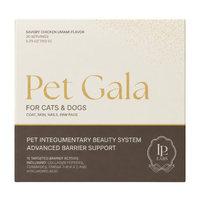
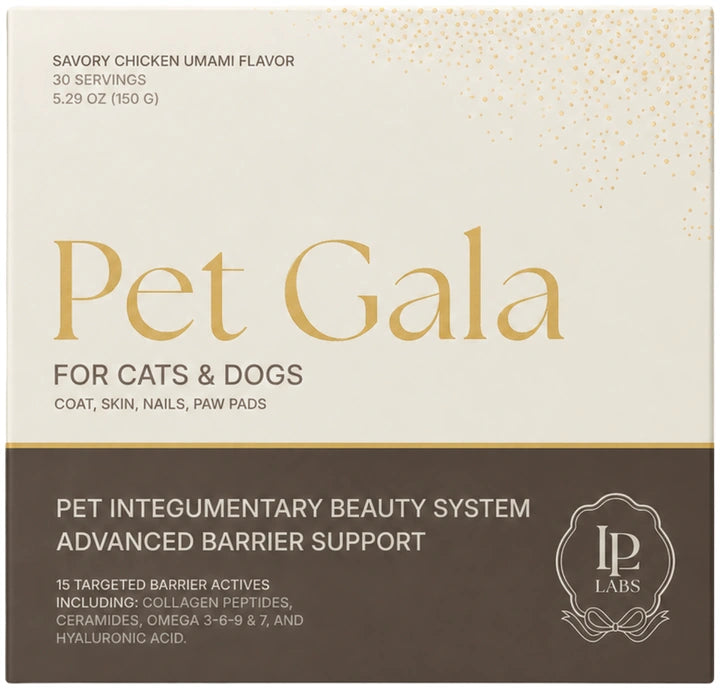
Pet Gala™ is designed for owners who want skin, coat, and nails to look as cared-for as they feel—supporting a smoother coat finish, comfortable skin, and the everyday grooming results you can actually see. It fits alongside brushing and smart bathing choices, helping your cat’s appearance stay consistently fresh between routines.

Cat dandruff is one of those small changes that can feel oddly loud: a dusting of white flakes on a black coat, a dull patch along the back, or a “snowfall” on your lap after a cuddle. It’s not just about aesthetics—though the look matters. A sleek coat is a visible sign that skin is comfortable, grooming is working, and your cat’s daily care is landing the way you intend.

If you’re wondering why does my cat have dandruff, the honest answer is that flakes can come from several places: dry indoor air, grooming gaps (especially in long-haired or older cats), irritation from the wrong products, parasites, or skin conditions that need veterinary attention. That’s why the best cat dandruff treatment is the one that matches what you’re seeing—dry vs. Greasy scale, localized vs. Widespread, itchy vs. Calm.

And if you’ve searched for a cat dandruff cure, it helps to think in “signals,” not promises: fewer flakes on the fur, more softness when you pet them, and a coat that looks evenly conditioned in everyday light. This is also why a product can still matter even when diet and grooming are solid: owners want consistent, visible results that hold between brushings. Pet Gala™ is positioned for that exact gap—supporting skin, coat, and nails so good care shows up where you can see it.

By La Petite Labs Editorial, ~15 min read

Featured Product:

  • Cat dandruff is a visible coat-quality signal, not a single diagnosis.
  • Dry air, grooming gaps, and product irritation commonly make flakes more noticeable.
  • Watch for itch, redness, odor, scabs, or hair loss—those change the next step.
  • Brushing that reaches the undercoat often improves sheen and reduces visible scale.
  • Avoid human or dog anti-dandruff products; cats can react or ingest residues.
  • Medical causes (parasites, infections) need vet-led care for lasting cosmetic relief.
  • A supportive daily routine can keep the coat looking consistently clean and polished.

A Clear Look at Flakes, Shine, and Everyday Coat Confidence

Cat dandruff is the visible “snow” of skin flakes that collects along the back, near the tail base, or on dark furniture. Sometimes it’s just dry scale; other times it’s a signal that grooming isn’t reaching the skin, oils aren’t spreading evenly, or the skin is irritated. The most useful first step is to notice the pattern: localized vs. All-over, mild vs. Heavy, and whether there’s itch, redness, odor, or hair thinning (Richards T, 2025). Those details shape the right cat dandruff treatment—because the goal isn’t to chase flakes, it’s to restore a coat that looks polished and feels comfortable to the touch.

Scientific beauty render emphasizing skin and coat support from cat dandruff treatment.

Why Flakes Appear: Common Causes Owners Notice First

Owners usually ask, “why does my cat have dandruff” when the coat stops looking sleek. Common reasons include dry indoor air, infrequent or ineffective grooming, mild irritation from products, parasites, or skin conditions that need veterinary attention (Ahmed, 2019). The key is that dandruff is a sign, not a diagnosis. A little flaking without itch can be cosmetic; flaking with scratching, scabs, hair loss, or a strong smell deserves a closer look. When you treat the cause, the visible payoff is immediate in the way that matters: a coat that looks cleaner, feels softer, and sheds fewer flakes onto your hands.

Beauty structure illustration representing support pathways in how to get rid of cat dandruff.

A Simple At-home Check Before You Change Anything

Start with a quick at-home check that doesn’t turn into a stressful inspection. Part the fur along the back and near the tail base. Note whether flakes are fine and dry, or larger and greasy. Smell the coat (a sour or “yeasty” odor matters). Look for redness, tiny scabs, or broken hairs. Then watch behavior: extra scratching, overgrooming, or sensitivity when touched can point to irritation rather than simple dryness (Richards T, 2025). These observations help your veterinarian, and they also help you choose a cat dandruff treatment that matches what you’re actually seeing.

Beauty visualization highlighting formulation depth and rigor in cat dandruff cure.

Brushing for Sheen: the Fastest Way to Improve Visible Texture

Grooming is the most underrated lever for visible improvement. Brushing lifts scale, removes loose fur, and helps spread natural oils so the coat reflects light more evenly (Thomazini VC, 2024). For short-haired cats, a soft rubber brush can be enough; for long-haired cats, pair a wide-tooth comb with a gentle slicker to reach the undercoat without scraping the skin. Keep sessions brief and consistent—think of it as maintaining a polished finish. If your cat tolerates it, a slightly damp microfiber cloth after brushing can pick up residual flakes and leave the coat looking freshly put-together.

Expressive dog face reflecting beauty support associated with how to get rid of cat dandruff.

Bathing Choices That Clean Without Stripping the Coat

Bathing can help, but only when it’s chosen carefully. A cat-specific, fragrance-light shampoo can remove buildup that makes flakes cling. Overbathing, harsh degreasers, or heavily scented formulas can backfire by irritating skin and making flaking more obvious. Avoid improvising with human dandruff shampoos; human topical dermatologic medications can have unpredictable effects in household pets, including cats (Asad U, 2020). If you’re unsure, ask your veterinarian for a feline-appropriate option and a frequency that fits your cat’s skin. The goal is a coat that feels clean and supple, not stripped.

The scratching is completely gone, his coat looks healthy and shiny!

— Lena

He was struggling with itching, now he's glowing.

— Grace

“Flakes are a signal. The goal is a coat that looks evenly conditioned and feels comfortable.”

Avoiding Irritation from Borrowed Shampoos and Strong Fragrances

Be cautious with “borrowed” grooming products. Some anti-dandruff shampoos made for dogs have been associated with contact dermatitis in pets, highlighting that ingredients can trigger allergic reactions (Rademaker M, 2007). Cats are also meticulous groomers, so anything left on the coat may be licked. If you try a new feline product, rinse thoroughly and watch for increased itching or redness over the next 24–48 hours. A safe routine is one your cat can live with comfortably—and one that keeps the coat looking calm, not inflamed.

Elegant dog portrait reflecting coat shine and natural beauty supported by cat dandruff treatment.

When Dandruff Signals a Medical Issue, Not Just Dryness

Sometimes dandruff is a clue that something medical is driving skin turnover. Fungal issues can present with scaling, and ketoconazole is among the medications used in cats for fungal infections (De Keyser H, 1983). Because it can cause side effects, it’s not a DIY cat dandruff cure; it’s a vet-directed option when the diagnosis fits. If your cat has patchy hair loss, persistent odor, or worsening scale despite good grooming, schedule an exam. When the underlying issue is addressed, the coat often looks “settled” again—less debris, more uniform texture.

Dog looking radiant, capturing beauty and presence supported by cat dandruff cure.

Nutrition and Minerals: the Baseline for Skin and Coat Quality

Nutrition supports the look of skin and coat, but it’s not only about one ingredient. Research evaluating commercial cat foods highlights that essential minerals vary, and deficiencies can affect overall health and potentially contribute to skin problems (Summers S, 2022). If your cat eats an unbalanced homemade diet or frequently switches foods, talk with your veterinarian about a complete formulation. Even with a high-quality diet, owners often want a more consistent “finished” look—less flaking on dark fur, better softness, and a coat that keeps its sheen between grooming sessions.

Supplement breakdown graphic emphasizing no fillers approach within why does my cat have dandruff.

Environment, Stress, and Routine Shifts That Show on the Coat

Environment can make dandruff look louder than it is. Low humidity and indoor heating can increase visible flaking, especially in winter (Nobles IJ, 2015). If you notice seasonal changes, try a humidifier, keep bedding clean, and brush more frequently to lift scale before it accumulates. Also consider stress and routine shifts—some cats groom less when their environment changes, which can leave oils unevenly distributed. The best “how to get rid of cat dandruff” approach here is gentle consistency: small adjustments that make the coat look smoother and feel more comfortable day after day.

Setting Realistic Expectations for a Cat Dandruff Cure Claim

If you’re searching “cat dandruff cure,” it helps to translate that into a realistic target: fewer flakes, calmer skin, and a coat that looks evenly conditioned. Many cases improve when you combine three visible-signal levers: better grooming contact (brushing that reaches the undercoat), a bathing plan that matches the cause, and nutrition that supports skin and coat quality. Mineral balance matters for overall health and can influence skin appearance, so a complete diet is a baseline worth protecting (Summers S, 2022). The most satisfying results usually come from consistent, gentle care that you can see week to week—less dusting on the coat, more sheen, and fewer “hot spots” of flaking.

“The best routines don’t chase dandruff—they restore shine, softness, and calm skin.”

Clinical branding image reflecting trust and validation behind how to get rid of cat dandruff.

Product Safety: Why Human and Dog Formulas Can Backfire

A smart cat dandruff treatment plan also includes what not to do. Human anti-dandruff products and medicated topicals can be risky for cats, and their safety and effects aren’t interchangeable across species (Asad U, 2020). Even pet products made for dogs can trigger reactions in some animals; contact dermatitis has been reported with certain anti-dandruff shampoos designed for dogs (Rademaker M, 2007). If you want to try a new shampoo, choose one labeled for cats, patch-test a small area, and stop if you see redness, swelling, or increased scratching. The “best” product is the one your cat tolerates comfortably—and that leaves the coat looking clean, soft, and evenly finished.

Shop Now
Pet Gala in food tableau emphasizing purity aligned with cat dandruff cure.

When Infection Is Suspected: Vet Options and Monitoring

When flakes come with odor, greasy scale, or circular hair loss, your veterinarian may consider yeast or fungal causes. Ketoconazole is one antifungal used in cats for fungal infections that can show up with dandruff-like scaling (De Keyser H, 1983). Because it can have side effects, it’s typically used with monitoring and a vet-guided plan rather than as a casual home trial (De Keyser H, 1983). The visible goal is straightforward: less scaling, less irritation, and a coat that returns to a more uniform texture. If you’re seeing rapid spread, discomfort, or patchy hair loss, that’s a “don’t wait” moment.

Shop Now
Home scene with woman and dog featuring Pet Gala and cat dandruff treatment.

Grooming Access Issues That Create Flakes Along the Spine

Some dandruff is really a grooming-access issue. Senior cats, cats with arthritis, and long-haired cats may not distribute natural oils evenly, so flakes appear where the tongue and teeth don’t reach well—often along the spine and rump (Thomazini VC, 2024). In these cases, the most effective “how to get rid of cat dandruff” answer is often a routine that feels like care, not correction: short daily brushing sessions, a comb that reaches the undercoat, and occasional wipe-downs for cats who dislike baths. Owners usually notice the payoff quickly: less debris on the coat, fewer mats, and a smoother, more “finished” look.

Shop Now

Seasonal Dryness and Indoor Air That Makes Flakes Obvious

Indoor air can change the way skin looks. During colder months, heating and low humidity can make flaking more noticeable, even when there’s no underlying disease (Nobles IJ, 2015). If “why does my cat have dandruff” seems to correlate with season or a new home environment, consider small changes that show up on the coat: a humidifier in the main room, less time near direct heat vents, and gentler grooming tools that don’t scrape. You’re aiming for a coat that holds a soft sheen rather than a dusty finish. If you try environmental tweaks, give them a couple of weeks and watch for a steady reduction in visible scale.

Parasites That Mimic Dandruff and Disrupt Coat Comfort

Parasites can mimic dandruff, and sometimes what looks like flakes is actually “flea dirt” or debris from scratching. If you see pepper-like specks that turn reddish-brown when dampened, or if your cat is intensely itchy, a parasite check belongs on the shortlist (Fahey, 2024). Effective flea control is a veterinary conversation, especially for multi-pet homes and cats that go outdoors. The visible signal you’re looking for after proper control is calmer skin: less scratching, fewer scabs, and a coat that lies flatter. If dandruff persists despite good parasite prevention, it’s a clue to widen the search.

Comparison graphic showing cat dandruff cure benefits versus typical supplement formulas.

Diet Foundations and Why Visible Results Still Need Routine

Diet is often discussed as a “fix,” but the more accurate framing is: diet sets the baseline for what skin and coat can look like. Commercial cat foods vary in mineral content, and deficiencies can affect overall health in ways that may show up on the skin (Summers S, 2022). Still, even with a solid diet, many owners want more consistent visible results—less flaking, better softness, and a coat that photographs well in everyday light. That’s where a beauty-forward routine matters: regular grooming, thoughtful bathing when needed, and supportive daily care that keeps the coat looking intentionally well-kept.

Shop Now
Unboxing visual symbolizing thoughtful design aligned with why does my cat have dandruff.

Tracking Progress with Photos, Touch, and Weekly Check Zones

A practical way to track progress is to measure what you can see. Choose two “check zones” (for example, the shoulder blades and tail base) and look once weekly for scale density, redness, and coat shine. Take a quick photo in the same lighting. If your cat dandruff treatment is working, the change is usually gradual but clear: fewer flakes on dark fur, less dandruff on bedding, and a smoother lay of the coat. If you see worsening irritation, open sores, or your cat seems uncomfortable, that’s a reason to pause home changes and call your veterinarian (Ahmed, 2019).

Shop Now

A Calm Maintenance Rhythm for a Consistently Polished Coat

The most reassuring outcome is when care becomes a calm ritual: brushing that feels like bonding, a coat that stays fresh between cleanings, and skin that looks quiet rather than reactive. If you’ve been asking “how to get rid of cat dandruff,” the answer is rarely one dramatic step—it’s a set of small choices that keep the visible signals moving in the right direction. When you pair sensible vet guidance for medical causes with consistent at-home care, you’re not just reducing flakes; you’re restoring that unmistakable look of a cat who’s comfortable in their own skin.

“Consistency beats intensity: small, gentle steps that keep the coat looking polished.”

Educational content only. This material is not a substitute for veterinary advice. Always consult your veterinarian about your dog’s specific needs. These statements have not been evaluated by the Food and Drug Administration. Products mentioned are not intended to diagnose, treat, cure, or prevent any disease.

Glossary

  • Dander: Tiny skin flakes that shed naturally; can look like “dust” on fur.
  • Scale: Larger, more visible flakes of dead skin that may be dry or greasy.
  • Sebum: Natural skin oils that help the coat look glossy and feel soft.
  • Skin Barrier: The outer protective layer of skin that helps retain moisture and reduce irritation.
  • Pruritus: The medical term for itching; a key clue dandruff isn’t purely cosmetic.
  • Contact Dermatitis: Skin irritation or allergy triggered by something touching the skin (like a shampoo).
  • Flea Dirt: Flea feces that can resemble black specks; may be mistaken for dandruff.
  • Undercoat: The softer, denser layer of fur that can trap flakes and shed hair.
  • Overgrooming: Excessive licking that can signal itch or stress and may worsen skin irritation.

Related Reading

References

Richards T. A Comparative Analysis of Creatine, Creatinine, Amino Acid Concentrations and Indispensable Amino Acid Scores of Grain-Free and Grain-Inclusive Commercial Extruded Adult Cat Foods.. PubMed Central. 2025. https://pmc.ncbi.nlm.nih.gov/articles/PMC12451408/

Asad U. Effect of topical dermatologic medications in humans on household pets.. PubMed Central. 2020. https://pmc.ncbi.nlm.nih.gov/articles/PMC6988634/

Rademaker M. Contact dermatitis to a canine anti-dandruff shampoo.. PubMed. 2007. https://pubmed.ncbi.nlm.nih.gov/17222309/

Thomazini VC. Impact of concerning excipients on animal safety: insights for veterinary pharmacotherapy and regulatory considerations.. PubMed Central. 2024. https://pmc.ncbi.nlm.nih.gov/articles/PMC11087455/

Nobles IJ. Multiorgan dysfunction syndrome secondary to joint supplement overdosage in a dog.. PubMed Central. 2015. https://pmc.ncbi.nlm.nih.gov/articles/PMC4357907/

De Keyser H. Ketoconazole in the treatment of dermatomycosis in cats and dogs.. PubMed. 1983. https://pubmed.ncbi.nlm.nih.gov/6314635/

Fahey. The art of establishing mineral tolerances of dogs and cats.. PubMed Central. 2024. https://pmc.ncbi.nlm.nih.gov/articles/PMC11161897/

Summers S. Evaluation of iron, copper and zinc concentrations in commercial foods formulated for healthy cats.. PubMed Central. 2022. https://pmc.ncbi.nlm.nih.gov/articles/PMC10812249/

Ahmed. Bioaccumulation of heavy metals in some commercially important fishes from a tropical river estuary suggests higher potential health risk in children than adults.. Nature. 2019. https://www.nature.com/articles/s41598-021-00467-4

FAQ

What is cat dandruff, and is it always a problem?

Cat dandruff is visible flaking (scale) that sits on the fur or skin surface. Mild, occasional flakes can be cosmetic, especially in dry seasons or during shedding. It becomes more concerning when paired with itch, redness, odor, scabs, or hair loss, because those signs can point to parasites or skin disease.

For everyday coat presentation, consistent grooming plus supportive skin-and-coat care can help keep flakes from returning, including Pet Gala™.

Why does my cat have dandruff on the lower back?

Flakes on the lower back and tail base often show up where cats groom less effectively, especially in seniors, long-haired cats, or cats with stiffness. It can also be a hotspot for flea activity, so checking for itch and flea dirt is worthwhile.

A routine that combines gentle brushing in that area with daily skin-and-coat support can improve the “finished” look over time, including Pet Gala™.

How to get rid of cat dandruff without frequent baths?

Start with brushing that reaches the undercoat, then follow with a lightly damp cloth to lift residual flakes. Keep bedding clean and consider a humidifier if indoor air is dry. These steps reduce the “snowy” look without stressing cats that dislike water.

To support a smoother coat finish between grooming sessions, many owners add daily skin-and-coat care such as Pet Gala™.

What does a good cat dandruff treatment plan include?

A strong plan matches the cause: grooming support for under-groomed areas, cat-appropriate cleansing if buildup is present, parasite control when itch suggests fleas, and veterinary diagnostics when there’s odor, redness, or hair loss. The goal is visible comfort: fewer flakes, less scratching, and a coat that lies smoothly.

For ongoing visible care alongside those steps, consider daily integument support like Pet Gala™.

Is there a true cat dandruff cure for every cat?

Because dandruff is a sign with multiple causes, there isn’t one universal fix. Some cats improve with humidity and brushing; others need parasite control or veterinary treatment for infection or inflammation. The most reliable approach is identifying the pattern and addressing what’s driving the flakes.

To keep results looking consistent once the cause is handled, daily coat-and-skin support can help maintain a polished appearance, including Pet Gala™.

Are human dandruff shampoos safe to use on cats?

It’s best to avoid them. Human topical dermatologic products can have different safety profiles in pets, and effects may be unpredictable in cats(Asad U, 2020). Cats also lick residue from their coat, which adds another safety concern. If bathing is needed, choose a product labeled for cats and ask your veterinarian for guidance.

For non-shampoo support that fits into a daily routine, many owners use Pet Gala™to help keep skin and coat looking well-kept.

Can dog anti-dandruff shampoo irritate my cat’s skin?

Yes, it can. Contact dermatitis has been reported in pets exposed to certain anti-dandruff shampoos designed for dogs(Rademaker M, 2007). Cats may be more sensitive to fragrances and ingredients, and they groom off residues. If you notice redness, swelling, or increased scratching after a wash, stop and contact your veterinarian.

For gentler, routine-friendly support that doesn’t rely on harsh cleansers, consider Pet Gala™.

When should I call the vet about cat dandruff?

Call if flakes come with intense itch, open sores, strong odor, greasy scaling, patchy hair loss, or rapid worsening. Also seek help if your cat seems painful when touched or stops grooming. These signs can indicate parasites, infection, or inflammation that needs diagnosis and targeted care.

Once medical causes are addressed, ongoing skin-and-coat support can help maintain the visible improvements, including Pet Gala™.

How fast will I see results after starting dandruff care?

Cosmetic flakes from dry air or grooming gaps may look better within 1–3 weeks of consistent brushing and environmental tweaks. If dandruff is driven by parasites or infection, timelines depend on the correct diagnosis and treatment. Track progress with weekly photos in the same lighting to spot changes in scale and sheen.

To support a steadier, more polished coat appearance as you monitor changes, consider Pet Gala™ as part of the routine.

What are signs dandruff is actually fleas or mites?

Look for intense itching, small scabs, and debris that resembles black pepper. If those specks turn reddish-brown when dampened, that suggests flea dirt. Mites can also cause scaling and irritation. Because parasite control products vary in safety and fit, confirm with your veterinarian rather than guessing.

After parasites are addressed, daily coat-focused support can help the skin look calmer and the fur look smoother, including Pet Gala™.

Can fungal skin issues look like dandruff in cats?

Yes. Some fungal problems can present with scaling, odor, or patchy hair loss. Veterinarians may use antifungals such as ketoconazole for certain fungal infections in cats, with monitoring for side effects. If you see circular bald spots or persistent greasy scale, an exam and testing are the safest next steps.

Alongside vet care, supportive daily skin-and-coat routines can help maintain a cleaner-looking finish, including Pet Gala™.

What should I avoid when trying a cat dandruff treatment?

Avoid harsh degreasers, heavy fragrance, and using human medicated products without veterinary direction. Human dermatologic treatments can affect pets differently, and safety requires caution in cats. Also avoid overbathing, which can make skin look drier and flakes more visible.

A gentler, consistency-first routine often looks better on the coat, and daily support can fit in smoothly with Pet Gala™.

Do supplements replace a balanced diet for dandruff concerns?

No. A complete, balanced diet is the foundation for skin and coat quality. Studies evaluating commercial foods show essential minerals vary, and deficiencies can affect health in ways that may show up on skin. Supplements are best viewed as supportive care for visible condition, not a substitute for proper nutrition.

If your goal is a consistently well-kept coat, supportive daily care can complement good feeding choices, including Pet Gala™.

Is cat dandruff more common in older or overweight cats?

It can be. Older cats or cats carrying extra weight may groom less effectively, so oils don’t spread evenly and flakes collect along the back. You may also notice mild matting or a duller coat. If mobility seems reduced, ask your veterinarian about comfort and grooming support strategies.

To help keep the coat looking smoother between brushings, many owners use daily skin-and-coat support such as Pet Gala™.

How do I choose a brush for flaky skin?

Choose tools that lift scale without scraping. For short coats, a soft rubber brush can remove loose flakes gently. For long coats, use a wide-tooth comb first, then a soft slicker with light pressure. Stop if you see redness or your cat flinches; comfort is part of the result.

A consistent grooming ritual pairs well with daily support for skin and coat presentation, including Pet Gala™.

Can indoor heating and low humidity cause visible flakes?

Yes. Dry indoor air can make flaking more noticeable, especially in winter, even when there’s no major skin disease. A humidifier, regular brushing, and keeping your cat away from direct heat vents can improve how the coat looks and feels within a few weeks.

For owners who want steadier coat softness and sheen during seasonal shifts, daily support can help, including Pet Gala™.

What interactions or side effects should I watch for with topicals?

With any topical, watch for redness, swelling, hives, increased scratching, or behavior changes after application. Cats groom, so drooling or vomiting can occur if residues are licked. Human dermatologic medications can have different effects in pets, so use veterinary guidance rather than experimenting.

If you want a routine that supports coat presentation without harsh topicals, consider Pet Gala™ as a daily option.

Is cat dandruff treatment different for kittens and seniors?

Yes. Kittens have delicate skin and may need extra-gentle grooming and vet-approved products only. Seniors may need help reaching certain areas, so brushing and coat wipes can matter more than bathing. In both cases, avoid strong fragrances and “borrowed” human products, and involve your veterinarian if signs persist.

For age-flexible daily support that fits into calm routines, many owners choose Pet Gala™.

Does coat length change how to get rid of cat dandruff?

Coat length changes the strategy. Long-haired cats trap scale and shed hair close to the skin, so combing to the undercoat is essential and mats must be prevented. Short-haired cats often do well with soft brushing and occasional wipe-downs. Either way, the goal is the same: a coat that looks even and feels comfortable.

To support that “well-kept” look across coat types, daily skin-and-coat care can help, including Pet Gala™.

What research-backed points matter most for flaky cat skin?

Two practical takeaways: first, avoid assuming human products are safe for cats, because safety and effects can differ across species. Second, baseline nutrition matters; mineral balance in foods varies and deficiencies can affect health in ways that may show up on skin. Those points steer you toward safer, steadier routines.

For owners who want visible coat consistency beyond the basics, daily support can fit neatly into care rituals, including Pet Gala™.

5K+ Happy Pet Parents

Excellent 4.8

Cat Dandruff | Why Thousands of Pet Parents Trust Pet Gala™

"Magical. He was struggling with itching and shedding. Now he's literally glowing."

Grace & Ducky

"Improves her skin, fur, nails, and eyes. We're loving it!"

Cat & Miso

"It's so good for his coat, and so easy to mix into food."

Alex & Cashew

"The scratching is completely gone, his coat looks healthy and shiny."

Lena & Bear

"Magical. He was struggling with itching and shedding. Now he's literally glowing."

Grace & Ducky

"Improves her skin, fur, nails, and eyes. We're loving it!"

Cat & Miso

"It's so good for his coat, and so easy to mix into food."

Alex & Cashew

"The scratching is completely gone, his coat looks healthy and shiny."

Lena & Bear

"Magical. He was struggling with itching and shedding. Now he's literally glowing."

Grace & Ducky

"Improves her skin, fur, nails, and eyes. We're loving it!"

Cat & Miso

"It's so good for his coat, and so easy to mix into food."

Alex & Cashew

"The scratching is completely gone, his coat looks healthy and shiny."

Lena & Bear

"Magical. He was struggling with itching and shedding. Now he's literally glowing."

Grace & Ducky

"Improves her skin, fur, nails, and eyes. We're loving it!"

Cat & Miso

"It's so good for his coat, and so easy to mix into food."

Alex & Cashew

"The scratching is completely gone, his coat looks healthy and shiny."

Lena & Bear

SHOP NOW