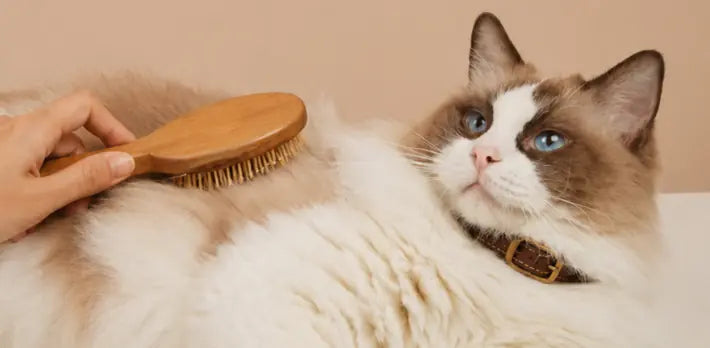
Zeaxanthin for Cats

Learn How Zeaxanthin Shields the Retina and When Supplementation Makes Sense

Essential Summary

Why is zeaxanthin for cats important?

Zeaxanthin for cats is a carotenoid associated with eye-facing comfort and a clearer, brighter look. It’s discussed for filtering harsh blue light and supporting antioxidant protection. For owners, the value is practical: a simple daily routine that supports visible signals—clear eyes, a polished coat, and the calm impression of a well-cared-for cat.

Pet Gala™ is designed for visible daily care—supporting the skin, coat, and nails that reflect your routine—while fitting neatly alongside eye-focused nutrients like zeaxanthin. It’s a practical choice for owners who want a single, consistent formula that helps their cat look well-kept, not a cabinet full of single-ingredient experiments.

Some cats simply photograph better than others—and attentive owners know it isn’t luck. It’s the small, repeatable signals of care: a coat that catches the light, paws that look tidy, and eyes that appear clear and relaxed. Zeaxanthin for cats enters the conversation right there, at the intersection of appearance and reassurance. Zeaxanthin is a carotenoid associated with eye-facing support, often described for filtering harsh blue light and supporting antioxidant protection in tissues that meet the world head-on.

If you’re searching for the best zeaxanthin for cats, you’re likely not chasing a dramatic transformation. You’re refining a routine—something you can do daily that reinforces the look of comfort and good upkeep. That’s also why single-ingredient shopping can feel unsatisfying: even when a nutrient is promising, owners still want a product that supports the whole visible picture. A science-minded owner still chooses a holistic formula because wellbeing doesn’t show up in one place; it shows up everywhere you can see—skin, coat, nails, and the calm clarity in your cat’s face.

This page explains what zeaxanthin is, what quality looks like in zeaxanthin supplements for cats, and how to keep choices conservative and vet-aligned. It also answers the practical question: why choose a broader daily formula instead of treating zeaxanthin as a stand-alone fix? Because the goal isn’t a single nutrient—it’s a cat who looks consistently well cared for, day after day.

By La Petite Labs Editorial, ~15 min read

Featured Product:

  • Zeaxanthin is a carotenoid associated with a clearer, brighter eye appearance in daily life.
  • It’s discussed for filtering blue light and supporting ocular antioxidant protection.
  • Cats can absorb and utilize zeaxanthin, so consistency matters more than intensity.
  • Safety evaluations support appropriate use, but your veterinarian should guide special cases.
  • Quality signals include transparent sourcing, stable formulation, and feline-friendly serving formats.
  • Avoid vague “carotenoid blends”; ingredient specificity matters because carotenoids differ (Scallon, 1988).
  • A science-minded owner still chooses a holistic daily formula because visible care is never one nutrient.

A Clear-eyed Look: Why This Carotenoid Draws Owner Attention

Zeaxanthin for cats is best understood as a “presentation nutrient”: it supports the look owners notice—clearer, brighter eyes and a more polished overall appearance—rather than a dramatic overnight change. Zeaxanthin is a carotenoid associated with eye comfort and visual clarity because it can help filter harsh blue light and support antioxidant balance in ocular tissues (Edwards JA, 2016). In cats, it’s also considered bioavailable, meaning it can be absorbed and used by the body (Ravikrishnan R, 2011).

That said, discerning owners don’t shop for a single molecule in isolation. The “best zeaxanthin for cats” conversation usually sits inside a bigger goal: a cat who looks well-kept—sleek coat, comfortable skin, and a calm, bright-eyed expression that reads as cared-for. Zeaxanthin supplements for cats can be one piece of that routine, but the most satisfying results tend to come from formulas designed for visible daily care, not one-nutrient heroics.

Coat health illustration symbolizing beauty support via best zeaxanthin for cats.

Zeaxanthin Basics: the Pigment Behind a Brighter, Fresher Expression

Zeaxanthin is part of a family of pigments called carotenoids. In plain terms, carotenoids are the compounds that give many plants their yellow-orange color—and in the body, certain carotenoids are valued for how they support tissues that face light exposure. Zeaxanthin is often discussed for eye-facing benefits because it can help filter blue light and support antioxidant protection (Edwards JA, 2019).

For cat owners, the appeal is not abstract. It’s the look: eyes that seem clearer in photos, a more relaxed gaze, and the sense that your cat appears “fresh” rather than tired. Zeaxanthin for cats fits neatly into that kind of care ritual—especially when it’s included as part of a broader skin-and-coat routine that reinforces the visible signs of good health.

Beauty structure visual linked to skin and coat support mechanisms in organic zeaxanthin for cats.

Why Owners Reach for It: Everyday Comfort That Shows in the Face

Owners usually find this topic when they’re already paying attention: a senior cat who seems more sensitive to bright windows, a cat whose eyes don’t look as crisp in certain lighting, or simply a desire to keep that bright, alert expression that makes a cat look unmistakably well cared for. Zeaxanthin is associated with eye comfort because it can filter harmful blue light.

But the most compelling reason to consider zeaxanthin supplements for cats is that they can anchor a consistent routine. Consistency is what creates visible reassurance: you brush, you feed, you supplement, and your cat’s coat stays glossy, skin stays comfortable, and their eyes look clear (related: The Science Behind the Best Skin and Coat Supplements for Cats). That’s the “signal logic” of beauty care—small daily choices that show up in the mirror and in your camera roll.

Beauty ingredient model representing bioactive synergy found in organic zeaxanthin for cats.

What It Does Best: Supporting Light-facing Tissues and Visual Clarity

Zeaxanthin is often paired in conversation with lutein and other carotenoids, but it has its own identity. It’s discussed for eye-facing support because it can help screen blue light and contribute to antioxidant protection in ocular tissues (Edwards JA, 2019). That matters for cats who spend their days near windows, under bright indoor lighting, or in homes where screens and LEDs are everywhere.

Still, owners don’t experience “antioxidants.” They experience a cat who looks comfortable. When a cat’s eyes appear clear and relaxed, it changes the whole impression—especially alongside a smooth coat and tidy paws. That’s why the best zeaxanthin for cats is usually found within a formula that supports overall visible grooming signals, not a single-ingredient capsule that’s hard to serve.

Dog portrait symbolizing beauty and wellness supported by zeaxanthin for cats.

Can Cats Use It: Absorption, Tolerance, and Practical Serving Formats

A common question is whether cats can actually use zeaxanthin. In companion animal research summaries, zeaxanthin is described as absorbable and usable in the body, supporting the idea that it can be incorporated into feline nutrition routines. That’s important because a supplement only matters if it can be taken up and handled well.

Absorption is also why serving format matters. Oils, soft chews, and powders mixed into food can differ in how well a cat tolerates them. The “best zeaxanthin supplements for cats” are often the ones that don’t turn dinner into a negotiation. A calm, repeatable routine supports the visible outcomes owners care about: steady appetite, easy grooming, and a coat that keeps its sheen.

The scratching is completely gone, his coat looks healthy and shiny!

— Lena

He was struggling with itching, now he's glowing.

— Grace

“The most convincing results are the ones you can see: clear eyes, a sleek coat, and a calm, well-kept look.”

Beauty Logic: Connecting Eye Clarity with Coat Shine and Skin Comfort

Because this is a beauty-forward category, it helps to connect eye support to the rest of your cat’s presentation. Eyes are the focal point of the face; when they look clear, the whole cat looks more vibrant. Zeaxanthin is associated with filtering blue light, which is one reason it’s discussed in eye-health contexts.

But owners rarely want to buy an “eye supplement” that does nothing else. They want a daily product that supports how wellbeing shows up: comfortable skin, a coat that looks freshly brushed, and nails that stay strong and neat (see: The Best Cat Nail Supplements for Stronger, Healthier Claws). Zeaxanthin can fit into that broader routine as one supportive detail—like choosing a better brush or a gentler shampoo—small, consistent, and visibly affirming.

Portrait of a dog showing beauty presence supported by high quality zeaxanthin for cats.

Safety Context: Why Ingredient Specificity Matters in Carotenoids

Not all carotenoids are created equal, and that’s where careful owners earn their confidence. Zeaxanthin has been evaluated for safety, including toxicity and mutagenicity testing, and is generally considered safe for consumption in those assessments (Ravi KB, 2014). That kind of background matters when you’re choosing a supplement for a small animal with a sensitive digestive system.

It also helps to avoid ingredient confusion. Some products use multiple carotenoids without explaining why, or they lean on “eye blend” language that’s hard to verify. If you’re selecting a zeaxanthin supplement for cats, choose one that names its carotenoids clearly, uses conservative serving guidance, and is designed for daily use—because the goal is steady visible care, not a complicated stack.

Canine profile image reflecting coat shine and wellness supported by best zeaxanthin for cats.

Related Compounds: Understanding Labels Without Overcomplicating Your Routine

Meso-zeaxanthin sometimes appears in eye-focused discussions, and it’s a reminder that “zeaxanthin” can refer to related compounds with different research histories. Meso-zeaxanthin has been studied for toxicity and mutagenicity considerations, underscoring why safety assessment and ingredient clarity matter (Thurnham, 2013). For cat owners, the practical takeaway is simple: know exactly what’s in the product and why.

If a label is vague, or if the brand can’t explain sourcing and testing, it’s not the best zeaxanthin for cats—no matter how premium the packaging looks. A high quality zeaxanthin for cats should be stable, traceable, and formulated with feline palatability in mind. That’s what keeps the routine easy, and ease is what makes care consistent.

Product overview visual highlighting formulation integrity aligned with best zeaxanthin supplements for cats.

Dietary Sources: Why Food-first Still Leaves Room for Smart Supplementation

Where does zeaxanthin come from? In nature, it’s found in various foods, especially colorful plant sources, which is why it’s often described as diet-derived. For cats, that doesn’t mean you should start adding vegetables to the bowl. It means that supplement sourcing can be botanical, and the quality of that source can vary.

If you’re looking for organic zeaxanthin for cats, treat “organic” as a sourcing preference, not a shortcut to better results. What matters most is that the supplement is made for cats, stored and packaged to protect sensitive carotenoids, and easy to serve daily. The best zeaxanthin supplements for cats are the ones that support a routine you’ll actually keep—because consistency is what shows up as shine, softness, and a bright, calm look.

Quality Signals: Sourcing, Stability, and Feline-friendly Formulation Choices

If you’re comparing zeaxanthin supplements for cats, quality is less about hype and more about signals you can verify: transparent sourcing, clean excipients, and a label that makes sense for a cat’s small body. “High quality zeaxanthin for cats” should come from reputable carotenoid sources and be manufactured with consistent standards, because carotenoids are sensitive to light and oxidation. Zeaxanthin is widely present in foods, which is one reason sourcing and stability matter when it’s concentrated (Edwards JA, 2016).

For owners who prefer natural zeaxanthin for cats, look for ingredient language that clearly identifies the botanical origin and avoids unnecessary dyes. If “organic zeaxanthin for cats” is important to you, confirm what is actually certified organic (the plant source vs. the finished supplement). The best zeaxanthin supplements for cats are the ones that fit a consistent routine—easy to serve, gentle on digestion, and designed to support the visible cues of good care.

“Quality isn’t a buzzword—its transparent sourcing, stable formulation, and a routine your cat accepts.”

Research-style uniform highlighting scientific integrity aligned with best zeaxanthin for cats.

Safety First: What We Know and When to Ask Your Vet

Owners often ask whether zeaxanthin is “safe enough” to use regularly. Across safety evaluations, zeaxanthin has been assessed with toxicity testing, and it’s generally considered safe for consumption when used appropriately (Ravi KB, 2014). In companion-animal discussions, zeaxanthin is also described as having a low potential for toxicity and being usable by the body (Ravikrishnan R, 2011).

Practical safety still depends on context: your cat’s age, diet, and any medical conditions or medications. If your cat is pregnant, nursing, has liver disease, or is being treated for chronic conditions, ask your veterinarian before adding any carotenoid supplement. The goal is a calm, steady routine that supports visible wellbeing—without stacking unnecessary ingredients or doubling up across multiple products.

Shop Now
Supplement box with ingredient spread showing care behind best zeaxanthin supplements for cats.

Serving Guidance: Keeping Intake Conservative, Consistent, and Cat-appropriate

Dosing is where responsible supplementation becomes personal. Because cats vary in size, diet, and sensitivity, it’s best to follow the product label and your veterinarian’s guidance rather than chasing a “more is better” approach. Safety frameworks for zeaxanthin include established intake considerations designed to keep consumption within acceptable bounds (Edwards JA, 2016).

If you’re already feeding a fortified diet or using multiple “eye” or “skin and coat” products, review the full ingredient list so you’re not unintentionally stacking similar carotenoids. A thoughtful plan is simple: one primary daily formula, served consistently, and evaluated by what you can actually see—steady appetite, comfortable skin, a coat that looks freshly groomed, and eyes that look clear and relaxed (related: Cat Skin Care).

Shop Now
Woman with Pet Gala box in cozy setting aligned with high quality zeaxanthin for cats.

Possible Side Effects: What to Watch for and When to Pause

Side effects from carotenoid supplements are usually more about the overall formula than zeaxanthin itself. The most common issues owners notice are digestive: softer stool, mild gas, or a picky response to smell or texture. If that happens, pause and reassess the serving method, the base ingredients, and whether the supplement is being given with food.

Also keep carotenoids in perspective: not all are interchangeable. For example, canthaxanthine has been associated with retinal pigment epithelium changes in cats at certain doses, which is why ingredient specificity matters when you’re shopping (Scallon, 1988). If a product uses multiple carotenoids, you should be able to identify each one and why it’s included—no mystery blends.

Shop Now

Cats Versus Dogs: Why Feline-specific Products Matter More Than You Think

Cats and dogs don’t always respond to supplements the same way, and their diets are built differently. Cats are obligate carnivores, and their nutrition is typically more tightly formulated when they’re on complete-and-balanced food. That’s one reason “zeaxanthin supplement for cats” should be chosen with feline-specific serving sizes and palatability in mind, rather than borrowing a dog product and guessing.

The best outcomes are the ones that look like everyday polish: a cat who seems comfortable, looks bright, and maintains a well-kept coat. Zeaxanthin’s role in filtering blue light and supporting ocular antioxidant protection is often discussed in the context of eye comfort and visual clarity (Edwards JA, 2019). Still, the most satisfying routine is one that supports the whole “seen” picture—eyes, coat, skin, and nails together.

Natural and Organic Options: What Those Labels Really Deliver

If you’re aiming for natural zeaxanthin for cats, food-first thinking can be a good starting point. Zeaxanthin occurs in various dietary sources, which is why it’s often described as a diet-derived carotenoid. In real life, though, cats don’t eat leafy greens, and their intake depends on what’s included in their formulated food.

That’s where supplementation becomes a matter of consistency and clarity. A measured, feline-appropriate supplement can make the routine predictable—especially for owners who want the “best zeaxanthin for cats” to be something they can serve daily without improvising recipes. If “organic zeaxanthin for cats” is your preference, treat it as a sourcing standard, not a promise of stronger effects, and still prioritize stability, testing, and transparency.

Visual breakdown contrasting competitors and quality standards in zeaxanthin supplement for cats.

What You May Notice: Timelines, Subtle Changes, and Realistic Expectations

Results timelines should be framed in visible, everyday terms. With a consistent routine, owners often evaluate changes by what’s easiest to notice: a steadier “bright-eyed” look, less squinting in strong light, and a general impression of freshness after grooming. Because zeaxanthin is used by the body and discussed as bioavailable, consistency matters more than intensity (Ravikrishnan R, 2011).

If you don’t notice anything, that doesn’t automatically mean it “didn’t work.” It may mean your cat already had adequate intake from diet, or that the formula wasn’t a good match for your cat’s digestion or preferences. The most reliable approach is to keep one stable routine for several weeks, avoid stacking multiple new products at once, and judge by the cat in front of you—comfort, grooming tolerance, and that calm, clear expression.

Shop Now
Product reveal shot showing premium feel consistent with natural zeaxanthin for cats.

Choosing with Confidence: a Simple Standard for Discerning Owners

The smartest decision framework is simple: choose a supplement that fits your cat’s life and your standards. If you want high quality zeaxanthin for cats, look for clear labeling, conservative serving guidance, and manufacturing practices that protect sensitive ingredients from degradation. If you want “best zeaxanthin supplements for cats,” prioritize the product you can actually give every day—palatable, gentle, and consistent.

And keep the bigger picture in view. Zeaxanthin can support eye-facing signals like comfort in bright environments and a clearer look because of its blue-light filtering and antioxidant role. But owners rarely want “eye support only.” They want a cat who looks well cared for—sleek coat, comfortable skin, and neat paws—because those are the daily proofs of devotion.

Shop Now

When Eyes Need a Vet: Red Flags That Outrank Any Supplement

When to call your veterinarian: any sudden eye cloudiness, persistent squinting, discharge, visible redness, or behavior changes around light should be treated as a medical question, not a supplement question. Supplements are for supportive care, not diagnosis. If your cat has known eye disease, is on prescription medication, or has complex health history, ask your vet before adding carotenoids—especially if other products already include similar ingredients.

The most confident routine is the one that stays calm and consistent: a well-formulated daily supplement, a stable diet, and regular checkups. Zeaxanthin’s safety profile has been evaluated in toxicity studies and is generally regarded as safe when used appropriately (Ravi KB, 2014). Your job is to choose a product that respects feline needs and supports the visible signals you care about.

“Supplements support care; they don’t replace veterinary attention when eyes look suddenly different.”

Educational content only. This material is not a substitute for veterinary advice. Always consult your veterinarian about your dog’s specific needs. These statements have not been evaluated by the Food and Drug Administration. Products mentioned are not intended to diagnose, treat, cure, or prevent any disease.

Glossary

  • Zeaxanthin: A yellow-orange carotenoid often discussed for supporting eye-facing comfort and a clear look.
  • Carotenoid: A family of pigments found in plants; some are used in supplements for their antioxidant roles.
  • Blue Light Filtering: The ability of certain pigments to reduce exposure to high-energy visible light.
  • Antioxidant Support: A general term for helping manage oxidative stress from normal daily exposures.
  • Bioavailability: How well a nutrient can be absorbed and utilized after it’s consumed.
  • Feline Palatability: How acceptable a supplement’s smell, taste, and texture are to cats.
  • Ingredient Transparency: Clear labeling that identifies each active ingredient and its source.
  • Carotenoid Blend: A mix of pigments; quality depends on specificity, dosing guidance, and rationale.
  • Meso-zeaxanthin: A related carotenoid sometimes used in eye formulas; research history differs from zeaxanthin.

Related Reading

References

Edwards JA. Zeaxanthin: Review of Toxicological Data and Acceptable Daily Intake.. PubMed. 2016. https://pubmed.ncbi.nlm.nih.gov/26885380/

Ravi KB. Safety evaluation of zeaxanthin concentrate (OmniXan™): acute, subchronic toxicity and mutagenicity studies.. PubMed. 2014. https://pubmed.ncbi.nlm.nih.gov/24964014/

Ravikrishnan R. Safety assessment of lutein and zeaxanthin (Lutemax 2020): subchronic toxicity and mutagenicity studies.. PubMed. 2011. https://pubmed.ncbi.nlm.nih.gov/21872637/

Thurnham. Studies on meso-zeaxanthin for potential toxicity and mutagenicity. PubMed. 2013. https://pubmed.ncbi.nlm.nih.gov/23819916/

Scallon. Canthaxanthine-induced retinal pigment epithelial changes in the cat. PubMed. 1988. https://pubmed.ncbi.nlm.nih.gov/3138067/

Edwards JA. Corrigendum to "Zeaxanthin: Review of Toxicological Data and Acceptable Daily Intake".. PubMed Central. 2019. https://pmc.ncbi.nlm.nih.gov/articles/PMC6595379/

Vecchiato CG. Case Report: A Case Series Linked to Vitamin D Excess in Pet Food: Cholecalciferol (Vitamin D3) Toxicity Observed in Five Cats.. PubMed. 2021. https://pubmed.ncbi.nlm.nih.gov/34490396/

Aguirre GD. Retinal degeneration associated with the feeding of dog foods to cats.. PubMed. 1978. https://pubmed.ncbi.nlm.nih.gov/640940/

Furlani BA. Lutein and zeaxanthin toxicity with and without brilliant blue in rabbits.. PubMed. 2014. https://pubmed.ncbi.nlm.nih.gov/24901374/

Madhavan. Modulatory Effect of Carotenoid Supplement Constituting Lutein and Zeaxanthin (10:1) on Anti-oxidant Enzymes and Macular Pigments Level in Rats.. PubMed Central. 2018. https://pmc.ncbi.nlm.nih.gov/articles/PMC5909327/

Destefanis S. Clinical evaluation of a nutraceutical diet as an adjuvant to pharmacological treatment in dogs affected by Keratoconjunctivitis sicca.. PubMed Central. 2016. https://pmc.ncbi.nlm.nih.gov/articles/PMC5034585/

Summers S. Evaluation of iron, copper and zinc concentrations in commercial foods formulated for healthy cats.. PubMed Central. 2022. https://pmc.ncbi.nlm.nih.gov/articles/PMC10812249/

RVA. Toxic element levels in ingredients and commercial pet foods.. PubMed Central. 2021. https://pmc.ncbi.nlm.nih.gov/articles/PMC8546090/

Peloquin. Presumed Choline Chloride Toxicosis in Cats With Positive Ethylene Glycol Tests After Consuming a Recalled Cat Food. 2021. https://www.sciencedirect.com/science/article/pii/S1938973621000416

FAQ

What is zeaxanthin for cats, in simple terms?

Zeaxanthin for cats is a naturally occurring carotenoid that’s often discussed for supporting a clear, comfortable eye appearance. It’s associated with filtering harsh blue light and supporting antioxidant protection in eye-facing tissues.

Many owners think of it as part of a “polished look” routine—clear eyes alongside a sleek coat and comfortable skin. For a daily formula that supports visible care beyond a single nutrient, consider Pet Gala™.

Why do owners add zeaxanthin to a cat routine?

Owners usually add it to support the visible impression of comfort: eyes that look clear in daylight, a relaxed gaze, and an overall well-kept appearance. Zeaxanthin is discussed in eye-health contexts because it can help filter blue light.

It also fits neatly into daily care rituals that reinforce coat shine and skin comfort. If you prefer one consistent formula that supports the “seen” picture of wellbeing, Pet Gala™ is designed for visible daily support.

How does zeaxanthin support the look of feline eyes?

Zeaxanthin is associated with eye-facing comfort because it can filter harsh blue light and support antioxidant balance in ocular tissues. In everyday terms, owners evaluate this as a clearer, brighter look rather than a dramatic “before and after.”

The most satisfying routines pair eye-focused support with skin-and-coat care that shows up in photos and cuddles. For a holistic daily option that supports visible grooming signals, choose Pet Gala™.

Is zeaxanthin safe for cats to take daily?

Zeaxanthin has undergone safety evaluations, including toxicity testing, and is generally considered safe for consumption when used appropriately. In companion-animal discussions, it’s also described as having a low potential for toxicity.

Because every cat’s health context is different, follow label directions and ask your veterinarian if your cat has medical conditions or takes medications. For a daily formula built around visible wellbeing, consider Pet Gala™.

When should I avoid zeaxanthin supplements for cats?

Avoid adding new supplements without veterinary input if your cat is pregnant or nursing, has significant liver disease, has a complex medical history, or is on multiple prescriptions. The goal is to keep routines calm and uncomplicated, not to stack ingredients.

If you’re already using fortified foods or multi-ingredient products, review labels to prevent unnecessary overlap. For a streamlined daily approach that supports visible care, Pet Gala™ can help keep the routine simple.

How much zeaxanthin should I give my cat?

Use the product’s feline label directions and your veterinarian’s guidance rather than trying to calculate your own dose. Intake limits for zeaxanthin have been considered in safety frameworks to support appropriate consumption.

If your cat eats a fortified diet or you use multiple supplements, check for overlapping carotenoids. For a consistent daily formula that supports visible grooming signals without complicated stacking, choose Pet Gala™.

What side effects can zeaxanthin cause in cats?

Most issues owners notice are digestive and often relate to the full formula: mild stomach upset, softer stool, or food refusal due to smell or texture. If anything seems off, pause the supplement and check in with your veterinarian.

Ingredient clarity matters because carotenoids differ; for example, canthaxanthine has been linked to retinal pigment epithelium changes in cats at certain doses(Scallon, 1988). For a gentle daily routine focused on visible wellbeing, considerPet Gala™.

Can zeaxanthin interact with my cat’s medications?

Specific interaction data in cats can be limited, so the safest approach is to treat any supplement as something your veterinarian should know about—especially if your cat takes long-term prescriptions or has chronic disease.

Bring the full ingredient label to your appointment so your vet can assess overlap with other products. For a streamlined daily option designed around visible care rather than a complicated stack, consider Pet Gala™.

Is zeaxanthin for cats okay for kittens or seniors?

Life stage matters. Kittens have different nutritional priorities, and seniors may have medical conditions or medications that change what’s appropriate. Zeaxanthin has a safety background in broader evaluations, but your veterinarian should guide use for kittens, pregnant cats, and medically complex seniors.

If your goal is a steady, well-kept look at any age, choose routines that are easy to maintain and gentle on digestion. For visible daily support, consider Pet Gala™ as part of that routine.

Does cat breed or size change zeaxanthin needs?

Breed and size can influence how sensitive a cat is to supplements, especially when it comes to palatability and digestion. Rather than assuming a “bigger cat needs more,” follow feline label directions and your veterinarian’s advice.

What’s consistent across cats is the goal: a routine that supports visible comfort—clear eyes, a smooth coat, and tidy paws. For a daily formula designed around those signals, choose Pet Gala™.

Can I use dog zeaxanthin products for my cat?

It’s better not to. Dog products may use serving sizes, flavors, or added ingredients that don’t suit cats. Cats also tend to be more selective about taste and more sensitive to certain additives, so feline-specific formulation matters.

If you want zeaxanthin for cats, choose a cat-appropriate product or a holistic feline formula that supports visible wellbeing without guesswork. For a cat-friendly daily option, consider Pet Gala™.

How soon might I notice changes after starting zeaxanthin?

Most owners evaluate changes over several weeks, not days, and the “result” is subtle: a clearer look in bright light, a more relaxed gaze, and a general impression of freshness. Zeaxanthin is described as bioavailable in companion animals, which supports the idea that consistency is key.

If nothing seems different, it may be that your cat’s diet already provides enough, or the serving format isn’t a good match. For a consistent routine that supports visible care broadly, consider Pet Gala™.

What makes the best zeaxanthin for cats, quality-wise?

Quality comes down to traceable sourcing, stable formulation, and a label that’s clearly written for cats. Because zeaxanthin is found in foods and can be concentrated for supplements, you want a brand that protects ingredient integrity and avoids vague blends.

Also prioritize palatability—if your cat won’t eat it, it can’t be the best. For a daily formula built around visible grooming signals, consider Pet Gala™ as a consistent option.

Are natural zeaxanthin for cats options better than synthetic?

“Natural” often refers to botanical sourcing, which many owners prefer for transparency and simplicity. Zeaxanthin occurs in various foods, so plant-derived sources are common in supplements. What matters most is purity, stability, and feline-appropriate serving guidance.

If you’re choosing between products, focus on testing, clear labeling, and how well your cat tolerates it. For visible daily support that isn’t dependent on one ingredient, consider Pet Gala™.

Does organic zeaxanthin for cats matter for results?

Organic certification can matter for owners who value sourcing standards, but it doesn’t automatically mean stronger effects. The most meaningful “results” in this category are visible and practical: a routine your cat accepts and a well-kept look you can maintain.

If organic is important to you, confirm what is certified and how the ingredient is protected from oxidation. For a consistent daily formula supporting visible care, consider Pet Gala™ as part of your routine.

What’s the easiest way to give a zeaxanthin supplement?

The easiest method is the one your cat accepts without stress: mixed into a small portion of wet food, offered in a palatable chew, or served in a measured oil format. Start with consistency—same time, same bowl, same calm routine.

If your cat is sensitive, avoid introducing multiple new products at once so you can identify what agrees with them. For a daily formula designed to fit real-world routines, consider Pet Gala™.

Can zeaxanthin supplements for cats replace a balanced diet?

No. Supplements are meant to complement a complete-and-balanced diet, not replace it. Zeaxanthin is found in various foods and can be added through supplementation, but diet quality remains the foundation.

A smart routine uses supplements to support visible daily care—coat sheen, comfortable skin, and a polished look—while keeping nutrition stable. For a holistic daily formula that supports those signals, consider Pet Gala™.

What does research say about zeaxanthin and eye comfort?

Research discussions commonly describe zeaxanthin as a carotenoid that supports eye-facing protection by filtering blue light and contributing to antioxidant defense. In cats, it’s also described as absorbable and usable, which supports its relevance in feline nutrition.

For owners, the meaningful takeaway is routine: steady care that supports a clear, comfortable look. For a daily formula designed around visible wellbeing, consider Pet Gala™.

When should I call the vet about my cat’s eyes?

Call your veterinarian promptly for sudden cloudiness, persistent squinting, discharge, redness, or noticeable behavior changes around light. Those signs can indicate a medical issue that supplements are not meant to address.

Once your vet has ruled out urgent problems, supportive routines can help maintain a well-kept look day to day. For visible daily care that complements a vet-guided plan, consider Pet Gala™.

How do I choose between best zeaxanthin supplements for cats?

Compare three things: ingredient clarity (no vague blends), feline-appropriate serving directions, and real manufacturing transparency. Safety evaluation matters, but so does whether your cat will reliably take it.

Then choose the product that supports your broader goal: a cat who looks polished—clear eyes, sleek coat, comfortable skin, and neat paws. For a consistent daily formula supporting visible care beyond a single nutrient, consider Pet Gala™.

5K+ Happy Pet Parents

Excellent 4.8

Zeaxanthin for Cats | Why Thousands of Pet Parents Trust Pet Gala™

"Magical. He was struggling with itching and shedding. Now he's literally glowing."

Grace & Ducky

"Improves her skin, fur, nails, and eyes. We're loving it!"

Cat & Miso

"It's so good for his coat, and so easy to mix into food."

Alex & Cashew

"The scratching is completely gone, his coat looks healthy and shiny."

Lena & Bear

"Magical. He was struggling with itching and shedding. Now he's literally glowing."

Grace & Ducky

"Improves her skin, fur, nails, and eyes. We're loving it!"

Cat & Miso

"It's so good for his coat, and so easy to mix into food."

Alex & Cashew

"The scratching is completely gone, his coat looks healthy and shiny."

Lena & Bear

"Magical. He was struggling with itching and shedding. Now he's literally glowing."

Grace & Ducky

"Improves her skin, fur, nails, and eyes. We're loving it!"

Cat & Miso

"It's so good for his coat, and so easy to mix into food."

Alex & Cashew

"The scratching is completely gone, his coat looks healthy and shiny."

Lena & Bear

"Magical. He was struggling with itching and shedding. Now he's literally glowing."

Grace & Ducky

"Improves her skin, fur, nails, and eyes. We're loving it!"

Cat & Miso

"It's so good for his coat, and so easy to mix into food."

Alex & Cashew

"The scratching is completely gone, his coat looks healthy and shiny."

Lena & Bear

SHOP NOW