Cat Skin Care & Hydration

Identify the Drivers of Dryness and Choose Nutrients That Rebuild Skin Moisture

Essential Summary

Why is cat skin care and hydration important?

Hydrated skin shows up as softness, sheen, and a coat that lies smoothly. Start with water intake and gentle grooming, then add targeted support that fits your cat’s routine. Hydration status influences skin comfort and irritation risk, while supplement effects can vary by individual. The goal is a consistently well-kept look you can see.

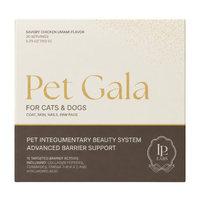
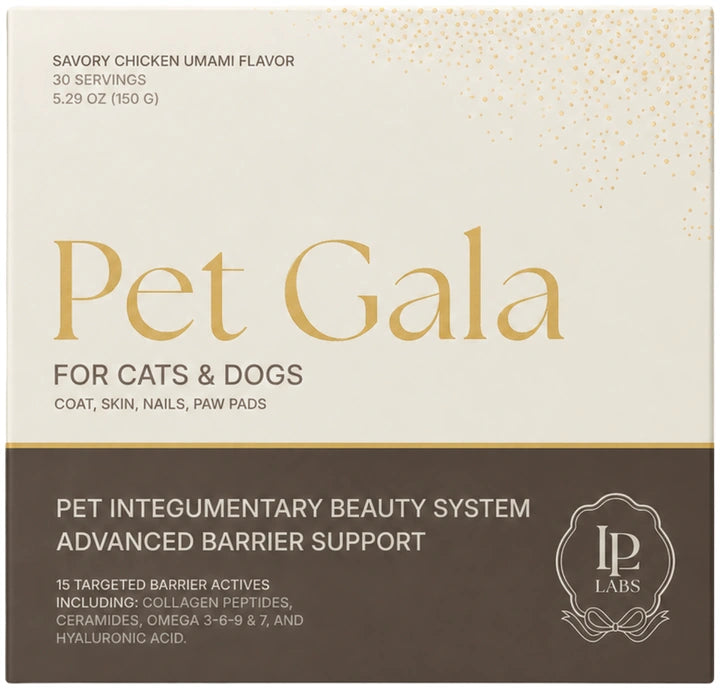
Pet Gala™ is designed for visible skin-and-coat presentation: natural softness, a smoother lay of the coat, and a polished, cared-for finish that supports your daily routine. Rather than chasing a single trend ingredient, it complements hydration habits and grooming so results feel consistent and easy to maintain.

A cat’s skin and coat are a kind of daily proof: proof that grooming feels comfortable, that nutrition is landing well, and that your home routine supports a calm, polished look. When hydration slips, the signs are rarely subtle for long—flakes on the back, a rougher feel under your hand, static that lifts the coat, or a tail base that looks dusty. Cat skin care hydration isn’t about chasing perfection; it’s about restoring that unmistakable “well-kept” finish that reassures you every time your cat stretches in the light.

Hydration matters for skin health in general, and dehydration can contribute to reduced elasticity and more irritation-prone skin. But the best routines don’t rely on one dramatic step. They combine water habits your cat will actually accept, grooming choices that respect feline skin, and targeted support that helps the coat look naturally soft and even. Research in humans suggests dietary supplements can improve skin hydration, while also showing that results vary by individual and formulation. That “it depends” is not a drawback—it’s a reason to choose a cat-specific blend designed for consistent use and visible presentation.

This page brings together practical cat skin hydration tips, product selection cues, and a clear decision framework: if you’re already feeding a good diet and grooming thoughtfully, why choose a supplement at all? Because the goal isn’t to replace nutrition—it’s to enhance the visible condition that owners notice every day: smoother coat lay, calmer-looking skin, and a finish that reads as cared-for. In other words, support that begins beneath the surface and shows where it matters.

By La Petite Labs Editorial, ~15 min read

Featured Product:

  • Hydrated skin reads as comfort: fewer flakes, less static, and a coat that lies smoothly.
  • Water habits are the foundation; dehydration can make skin more prone to irritation and dullness.
  • Gentle brushing is “polish,” distributing natural oils and keeping the coat looking even.
  • Topicals should be cat-made and lick-safe; outcomes vary by formulation and individual response.
  • Supplements may support skin moisture, but results differ—consistency is what makes changes noticeable.
  • Choose cat-specific formulas with thoughtful excipients and palatability for reliable daily use (Thomazini VC, 2024).
  • A science-minded choice still favors a blend: it supports the full skin-coat-nail presentation, not one nutrient.

The Visible Signs of Well-kept Skin and a Softer Coat

Hydrated skin is one of the clearest “everything’s okay” signals a cat can wear: a coat that lies smoothly, fewer static flyaways, and less visible flaking along the back or base of the tail. Cat skin care hydration is also about comfort—when skin feels tight or itchy, grooming can look frantic, patchy, or simply less polished. Hydration status matters for skin condition in general, and dehydration can make skin more prone to irritation and dullness (Liska, 2019).

The most satisfying results usually come from pairing “outside” care (gentle grooming and smart bathing choices) with “inside” support (water intake and targeted nutrients). Research in people suggests certain dietary supplements can improve skin hydration, though results vary by individual and formulation (Sun Q, 2022). That variability is exactly why a well-designed, cat-appropriate blend can be appealing: it’s not about chasing one ingredient, but supporting the visible condition owners actually notice—softness, sheen, and calm-looking skin.

Skin hydration graphic tied to beauty support from how to hydrate my cat s skin.

Why Hydration Shows First in Flakes, Static, and Coat Texture

Owners usually notice hydration first in the small details: dandruff on a dark coat, a rough “drag” when you pet along the spine, or a tail base that looks a little dusty. Those are visible signals, and they’re useful—because they tell you when your routine needs a refresh. Hydration is essential for maintaining skin health, and dehydration can contribute to dryness and irritation.

But hydration isn’t only about adding moisture. It’s also about protecting the skin’s comfortable feel and the coat’s polished finish. That’s why the best skin care for hydrating cats often combines: smarter water intake, fewer “stripping” grooming choices, and nutrients that support the skin-and-coat system as a whole (see: The Science Behind the Best Skin and Coat Supplements for Cats). This is where supplements can fit—supporting the look you can see, not just a label claim.

Molecular beauty graphic tied to skin and coat support from best cat skin care products for hydration.

Water Intake Upgrades That Make a Noticeable Difference

Start with the simplest diagnostic: is your cat actually drinking? Many cats prefer moving water, wide bowls that don’t touch whiskers, and quiet locations away from litter boxes. These are practical ways to keep cat skin hydrated without changing anything else. If you add wet food, you’re not only supporting hydration—you’re often improving the coat’s “settled” look within a few weeks as grooming becomes more comfortable.

Hydration status can influence skin elasticity and susceptibility to irritation (related: Hyaluronic Acid for Cats). That’s why water habits matter even when you’re also using best products for cat skin hydration. Think of water as the base layer; everything else is refinement.

Beauty ingredient model representing bioactive synergy found in best cat skin care products for hydration.

Brushing as Bonding: the Simplest Way to Improve Coat Polish

Grooming is where cat skin care hydration becomes a ritual rather than a project. A soft brush used regularly helps distribute natural oils, lifts dander before it accumulates, and keeps the coat looking even. If brushing causes static, switch to a softer tool and shorten sessions; the goal is a calm, glossy finish, not a “deep clean.”

If your cat has long hair, small tangles can create localized irritation that looks like dryness. Address mats early and gently. When the coat lies flat and separates less, owners often interpret it correctly: the skin underneath is more comfortable, and the cat’s grooming looks more relaxed.

Dog portrait highlighting coat health and steady support from cat skin care hydration.

Food and Supplements: Supporting Skin Moisture Without Overpromising

Diet is part of cat skin hydration solutions, but it’s not just “add fat.” A complete, cat-appropriate diet provides the building blocks for skin and coat presentation, while targeted supplementation can refine the visible result (see: The Science Behind Cat Hair Growth). In humans, randomized trials suggest some dietary supplements can improve skin hydration, though outcomes differ between individuals.

For cats, the practical approach is to choose support that complements a good diet rather than trying to replace it. The payoff you’re looking for is aesthetic confirmation: a coat that looks freshly groomed, skin that appears less reactive, and fewer flakes on bedding or your black sweater.

The scratching is completely gone, his coat looks healthy and shiny!

— Lena

He was struggling with itching, now he's glowing.

— Grace

“Hydration shows up in the details: softness under your hand, fewer flakes, and a coat that lies flat.”

Formulation Matters: Cat-specific Quality, Tolerance, and Consistency

If you’re seeking the best products for cat skin hydration, ingredient quality and formulation details matter as much as the headline nutrients. Cats can be sensitive to flavors, textures, and additives. In veterinary pharmacotherapy, excipients can affect safety and efficacy, and the choice of excipients can influence how a product performs in cats (Thomazini VC, 2024).

Look for clear labeling, cat-specific directions, and a company that treats palatability as part of effectiveness. A supplement that sits untouched doesn’t support anything. The best cat skin care products for hydration are the ones your cat accepts calmly, so the routine stays consistent enough to show results.

Dog photo highlighting coat health and expression supported by best products for cat skin hydration.

What to Expect: Timelines and the Small Signals Worth Tracking

Owners often ask for a timeline: when will the coat look better? With cat skin care hydration, small changes can show up quickly—less static, a softer feel—while fuller “polish” can take several weeks as grooming and skin turnover settle into a new normal. Supplement studies in humans show improvements in skin hydration are possible, but the degree of change varies.

To keep it visible, choose one or two metrics: flake level along the back, coat shine in window light, or how often your cat pauses to scratch. Consistent notes make it easier to see progress without over-handling the skin.

Canine side view symbolizing beauty confidence supported through cat skin hydration solutions.

Safety First: Licking, Sensitivities, and Smart Product Boundaries

Safety is part of “best skin care for hydrating cats,” especially because cats groom so thoroughly. Avoid essential oils and heavily fragranced products, and be cautious with human lotions. Even with plant-based topical products, effectiveness and tolerance depend on formulation and individual response (Cheng F, 2025).

For supplements, choose cat-specific products and introduce them gradually. If your cat has vomiting, diarrhea, or sudden itchiness after a new product, stop and check in with your veterinarian. A calm, steady routine is always more valuable than a dramatic “reset.”

Ingredient explainer image showing clean beauty formulation principles for best skin care for hydrating cats.

Red Flags: When Itching, Odor, or Hair Loss Needs Veterinary Care

Sometimes dryness is a clue that something else is going on. If you see hair loss, open sores, a strong odor, ear debris, or intense scratching, treat it as a medical question first. Hydration supports skin health broadly, but it doesn’t replace diagnosis when infection, parasites, or allergies are in play.

That said, supportive care still matters while you work with your vet. A gentle grooming routine, improved water intake, and a well-formulated supplement can help your cat look and feel more comfortable—so the visible presentation matches the care you’re giving (related: Collagen for Cats).

Choosing Products That Feel Clean, Safe, and Easy to Maintain

If you’re comparing the best cat skin care products for hydration, look for two things: (1) they respect feline skin and grooming behavior, and (2) they fit your daily rhythm. A product can be “good” on paper and still fail if it’s messy, strongly scented, or hard to give consistently. Plant-based topical products can improve hydration in healthy individuals, but effectiveness depends heavily on formulation and individual response (Cheng F, 2025).

For cats, prioritize fragrance-free, lick-safe options, and avoid human moisturizers that may include problematic ingredients. When choosing internal support, favor cat-specific formulations with transparent sourcing and excipients chosen for animal use; excipients can influence safety and performance in veterinary products (Thomazini VC, 2024). The best skin care for hydrating cats is the one you can keep steady—because the visible payoff comes from consistency, not intensity.

“The best routines are repeatable—because consistency is what becomes visible.”

Close-up clinical uniform showing research-driven formulation behind how to hydrate my cat s skin.

Water Habits That Quiet Dryness and Improve Daily Coat Finish

It’s tempting to treat dryness as a “skin-only” issue, but cat skin hydration solutions often start with the water bowl. Cats are famously subtle drinkers, and even mild dehydration can show up as less elastic skin and a coat that looks tired rather than fresh (Liska, 2019). If your cat eats mostly dry food, consider adding a wet meal, a water fountain, or a little extra water mixed into food (as long as your cat accepts it).

Then refine the environment: heated homes and winter air can pull moisture from skin, so a humidifier near favorite resting spots can make a noticeable difference. Finally, keep grooming gentle and regular. Brushing isn’t just maintenance; it’s a daily “polish” that distributes natural oils and helps the coat read as cared-for.

Shop Now
Pet Gala with foods symbolizing beauty synergy aligned with ways to keep cat skin hydrated.

When Dry Skin Is a Symptom, Not Just a Cosmetic Issue

When owners ask, “how to hydrate my cat s skin,” the most useful answer is to watch for patterns, not perfection. Dryness that appears after a new shampoo, a move, or a seasonal shift often responds to simple adjustments. Dryness that persists—especially with redness, odor, scabs, or hair loss—deserves a veterinary check to rule out parasites, infection, allergies, or endocrine issues.

Supportive care can still matter while you investigate. Hydration supports skin comfort broadly, and dehydration is linked with reduced elasticity and increased susceptibility to irritation (Liska, 2019). Think of your routine as a “visible calm” plan: steady water intake, gentle grooming, and a cat-appropriate supplement that supports skin, coat, and nails as a single presentation (see: The Best Cat Nail Supplements for Stronger, Healthier Claws).

Shop Now
Pet parent holding supplement, symbolizing trust and routine via cat skin hydration solutions.

Omega-forward Support for Shine, Smoothness, and Coat Confidence

Omega-3s are often discussed for coat shine and skin comfort because they’re associated with a smoother, more even-looking coat in many pets (related: Omega-3-6-9 for Cats). In cats, EPA and DHA have been studied in the context of joint health, showing they can be relevant to feline wellbeing (Lefort-Holguin, 2024). While that isn’t a direct “dry skin cure,” it supports the broader idea that targeted fats can influence how a cat looks and feels day to day.

If you’re exploring best products for cat skin hydration, consider whether the formula is designed for cats (palatability, dosing format, and ingredient quality) and whether it complements your grooming routine. The goal is a coat that reads as naturally soft and well-kept—not greasy, not perfumed, and not dependent on frequent baths.

Shop Now

Collagen and Texture: Supporting a Coat That Feels Less Brittle

Collagen is another ingredient owners associate with “plump,” comfortable skin and a sleek coat finish. In cats, hydrolyzed collagen has been discussed as a supportive ingredient for joint function and skin health (Lefort-Holguin, 2024). The practical takeaway for cat skin care hydration is less about chasing a single molecule and more about supporting the overall look: fewer brittle-feeling hairs, a smoother lay of the coat, and skin that doesn’t look papery or flaky.

Because responses vary between individuals, it helps to track visible signals: take a quick photo of the coat once a week in the same lighting, and note grooming behavior. Research in humans suggests supplement effects on skin moisture can vary by person and formulation (Sun Q, 2022). That same “individual response” mindset keeps expectations realistic and results easy to recognize.

Topical Options: Lick-safe Choices and a Light Touch

Topicals can be part of ways to keep cat skin hydrated, but cats are not small humans—and they will lick what you apply. If you use a spray or wipe, choose products made for cats, avoid strong essential oils, and apply lightly so the coat doesn’t feel sticky. Plant-based topical products have shown generally favorable safety profiles in clinical trials in healthy individuals, but outcomes depend on formulation (Cheng F, 2025).

A good rule: topicals should make the coat look cleaner and feel softer, not heavier. If your cat’s grooming increases dramatically after application, that’s feedback worth respecting. For many households, internal support plus gentle brushing delivers a more “natural finish” than frequent topical layering.

Visual breakdown contrasting competitors and quality standards in cat skin hydration tips.

Bathing Without Stripping: Keeping the Coat Soft After Cleanup

Bathing is rarely the centerpiece of cat skin hydration tips. Over-bathing can strip oils and make dryness more obvious, especially if the shampoo is harsh or the rinse is incomplete. If a bath is needed (mess, medical direction, or severe dander), use a cat-formulated, fragrance-free shampoo, rinse longer than you think you need to, and dry thoroughly to avoid that “tight skin” look.

Between baths, focus on brushing and spot-cleaning. The coat should read as smooth and settled, not puffed with static. When hydration is on track, owners often notice the coat reflects light more evenly and the cat seems less preoccupied with scratching or over-grooming.

Shop Now
Packaging reveal image highlighting brand care aligned with best skin care for hydrating cats.

Life Stage Considerations for Consistent Skin and Coat Presentation

Some cats need extra care during life stages that change grooming or water intake. Seniors may groom less thoroughly, leaving the coat looking separated or “dusty,” while kittens can be sensitive to new products and scents. If your cat has kidney disease, diabetes, or is on medications, ask your veterinarian before adding supplements or topicals; hydration status influences overall health outcomes, including skin condition.

Also consider texture and delivery. Powders, chews, and liquids each have different acceptance profiles. A cat-specific formula that’s easy to give supports the one thing that reliably improves visible results: consistent use, week after week, without turning care into a struggle.

Shop Now

Why a Thoughtful Blend Still Wins for Visible, Everyday Results

A careful, science-minded owner doesn’t choose a skin product because they believe one ingredient “fixes” everything. They choose it because it makes daily care easier and the results easier to see: a coat that looks freshly groomed longer, skin that appears calmer, and nails that feel less brittle. Supplements have evidence for improving skin hydration in healthy adults, but effects vary (Sun Q, 2022). That’s why a thoughtfully combined, cat-appropriate approach can be more satisfying than chasing single-ingredient trends.

If you’re building a routine around cat skin care hydration, aim for a simple trio: water support, gentle grooming, and a consistent supplement designed for visible skin-and-coat presentation. The best routine is the one your cat tolerates—and the one that keeps the “well-kept” look feeling effortless.

“Choose cat-specific products that feel clean, calm, and easy to keep up.”

Educational content only. This material is not a substitute for veterinary advice. Always consult your veterinarian about your dog’s specific needs. These statements have not been evaluated by the Food and Drug Administration. Products mentioned are not intended to diagnose, treat, cure, or prevent any disease.

Glossary

  • Skin Barrier: The outer protective layer that helps keep moisture in and irritants out.
  • Transepidermal Water Loss (TEWL): Water that naturally evaporates through the skin; higher TEWL often correlates with dryness.
  • Dander: Tiny flakes of shed skin that can become more visible when skin is dry.
  • Sebum: Natural skin oils that help the coat look smooth and feel soft when well-distributed.
  • Over-Grooming: Excessive licking or chewing that can worsen irritation and disrupt coat appearance.
  • Palatability: How willingly a cat eats a supplement or food; crucial for consistent use.
  • Excipients: Non-active ingredients (binders, flavors, carriers) that affect texture, stability, and tolerance.
  • Occlusive: A topical that forms a light film to reduce moisture loss; must be lick-safe for cats.
  • Humectant: An ingredient that attracts water to the skin surface; common in moisturizers and wipes.

Related Reading

References

Cheng F. Efficacy and Safety of Topical Application of Plant-Based Products on Skin Aging in Healthy Individuals: A Systematic Review and Meta-Analysis of Randomized Controlled Trials.. PubMed. 2025. https://pubmed.ncbi.nlm.nih.gov/39654386/

Sun Q. Effectiveness of Dietary Supplement for Skin Moisturizing in Healthy Adults: A Systematic Review and Meta-Analysis of Randomized Controlled Trials.. PubMed. 2022. https://pubmed.ncbi.nlm.nih.gov/35719159/

Lefort-Holguin. Efficacy and Safety of a Diet Enriched with EPA and DHA, Turmeric Extract and Hydrolysed Collagen in Management of Naturally Occurring Osteoarthritis in Cats: A Prospective, Randomised, Blinded, Placebo- and Time-Controlled Study. 2024. https://www.mdpi.com/2076-2615/14/22/3298

Liska. Narrative Review of Hydration and Selected Health Outcomes in the General Population. 2019. https://www.mdpi.com/2072-6643/11/1/70

Lin. Comparative efficacy of topical interventions for facial photoaging: a network meta-analysis. Nature. 2025. https://www.nature.com/articles/s41598-025-12597-0

Staab. Age related, structured educational programmes for the management of atopic dermatitis in children and adolescents: multicentre, randomised controlled trial.. Springer. 2006. https://link.springer.com/article/10.1007/s00403-024-02871-y

Thomazini VC. Impact of concerning excipients on animal safety: insights for veterinary pharmacotherapy and regulatory considerations.. PubMed Central. 2024. https://pmc.ncbi.nlm.nih.gov/articles/PMC11087455/

Gregory CR. Cyclosporine pharmacokinetics in cats following topical ocular administration.. PubMed. 1989. https://pubmed.ncbi.nlm.nih.gov/2646782/

Sleeper MM. Pharmacokinetics of furosemide after intravenous, oral and transdermal administration to cats.. PubMed. 2019. https://pubmed.ncbi.nlm.nih.gov/30339054/

Hill KE. Regional variations in percutaneous absorption of methimazole: an in vitro study on cat skin.. PubMed. 2015. https://pubmed.ncbi.nlm.nih.gov/25728360/

Hill KE. Percutaneous absorption of methimazole: an in vitro study of the absorption pharmacokinetics for two different vehicles.. PubMed. 2015. https://pubmed.ncbi.nlm.nih.gov/25683868/

Korman RM. Feline CKD: Current therapies - what is achievable?. PubMed Central. 2013. https://pmc.ncbi.nlm.nih.gov/articles/PMC10816691/

Kong J. The Pharmacokinetic and Absolute Bioavailability of Cyclosporine (Atopica for Cats(®)) in Cats.. PubMed Central. 2023. https://pmc.ncbi.nlm.nih.gov/articles/PMC10304832/

McDonnel SJ. Pharmacokinetics and pharmacodynamics of suberoylanilide hydroxamic acid in cats.. PubMed Central. 2014. https://pmc.ncbi.nlm.nih.gov/articles/PMC3949138/

Unknown. [Table], Table 2. Pharmacokinetics of Commonly Used Agents in the Management of Cat Eye Syndrome. 2025. https://www.ncbi.nlm.nih.gov/books/NBK615302/table/article-163565.table1/?report=objectonly

Miah. Clinical Pharmacokinetics. 2019. https://www.sciencedirect.com/topics/pharmacology-toxicology-and-pharmaceutical-science/clinical-pharmacokinetics

Hughes. Principles of early drug discovery.. Springer. 2011. https://link.springer.com/article/10.1208/s12249-025-03093-9

Vecchiato CG. Case Report: A Case Series Linked to Vitamin D Excess in Pet Food: Cholecalciferol (Vitamin D3) Toxicity Observed in Five Cats.. PubMed Central. 2021. https://pmc.ncbi.nlm.nih.gov/articles/PMC8416511/

Finno CJ. Veterinary Pet Supplements and Nutraceuticals.. PubMed Central. 2020. https://pmc.ncbi.nlm.nih.gov/articles/PMC7802882/

Bilgiç B. Investigation of Trace and Macro Element Contents in Commercial Cat Foods.. PubMed Central. 2025. https://pmc.ncbi.nlm.nih.gov/articles/PMC11633335/

Summers S. Evaluation of iron, copper and zinc concentrations in commercial foods formulated for healthy cats.. PubMed Central. 2022. https://pmc.ncbi.nlm.nih.gov/articles/PMC10812249/

Ahmed. Bioaccumulation of heavy metals in some commercially important fishes from a tropical river estuary suggests higher potential health risk in children than adults.. Nature. 2019. https://www.nature.com/articles/s41598-021-00467-4

Peloquin. Presumed Choline Chloride Toxicosis in Cats With Positive Ethylene Glycol Tests After Consuming a Recalled Cat Food. 2021. https://www.sciencedirect.com/science/article/pii/S1938973621000416

FAQ

What does cat skin care hydration actually mean day to day?

Cat skin care hydration means supporting the skin’s comfortable feel and the coat’s smooth, well-kept finish. Owners usually notice it as less flaking, less static, and a softer “hand feel” when petting.

Because hydration status can influence dryness and irritation risk, daily habits (water access, gentle brushing, and cat-appropriate products) matter as much as any single ingredient. Many routines pair these basics with a supplement like Pet Gala™.

Why does hydration affect how my cat’s coat looks?

When skin is dry, the coat often looks separated, dull, or dusty, and flakes can show along the back or tail base. Hydrated skin tends to look calmer, which helps the coat lie flatter and reflect light more evenly.

Dehydration is associated with reduced skin elasticity and greater susceptibility to irritation, which can also make grooming look more frantic. For a polished routine, many owners add consistent internal support with Pet Gala™.

How can I tell if my cat’s skin is dehydrated?

Common visible clues include dandruff, a rough feel when you pet against the fur, increased static, or a coat that looks less smooth after grooming. Some cats also scratch more or over-groom certain areas.

Because hydration status can influence skin condition and irritation risk, it’s worth improving water access and simplifying grooming products first. If you want a steady, cat-specific routine, consider pairing those steps with Pet Gala™.

What are simple cat skin hydration tips that work quickly?

Try a water fountain, move bowls away from litter areas, and offer at least one wet meal daily if your cat tolerates it. Add gentle brushing sessions to distribute natural oils and reduce visible dander.

Even mild dehydration can contribute to dryness and irritation, so these small changes can show up as less static and a softer coat feel. For ongoing cat skin care hydration support, many owners include Pet Gala™ in the routine.

How to hydrate my cat s skin without frequent bathing?

Most cats do better with less bathing, not more. Focus on water intake, regular brushing, and spot-cleaning with cat-safe wipes when needed. Over-bathing can strip oils and make dryness look worse.

Hydration supports skin comfort broadly, and a consistent internal approach can complement grooming without adding residue to the coat. If you want a simple add-on that fits daily care, consider Pet Gala™.

Are supplements useful for cat skin care hydration or mostly hype?

Supplements can be useful when they’re well-formulated and used consistently. Human research suggests certain dietary supplements can improve skin hydration, though results vary among individuals and products.

For cats, the practical goal is visible refinement: softness, sheen, and calmer-looking skin—without relying on heavy topicals. Many owners choose a cat-specific blend that supports skin, coat, and nails together, such as Pet Gala™.

What are the best products for cat skin hydration to start with?

Start with the least complicated options: a water fountain, a high-quality brush, and a fragrance-free, cat-made wipe for occasional spot cleaning. If you add a topical, keep it lick-safe and minimal so the coat doesn’t feel sticky.

For internal support, choose cat-specific formulas with transparent ingredients; excipients can influence safety and performance in cats. Many routines round out nicely with Pet Gala™ for consistent skin-and-coat presentation.

Do plant-based topicals moisturize cat skin safely?

Some plant-based topicals can improve skin hydration, and safety profiles in clinical trials have generally been favorable in healthy individuals. For cats, the bigger issue is lick exposure and sensitivity to fragrance or essential oils.

Choose cat-specific, fragrance-free products and apply lightly. If you want hydration support without leaving residue on fur, many owners prefer pairing gentle grooming with internal support like Pet Gala™.

Can omega-3s help with dry-looking skin and coat shine?

Omega-3s are commonly used to support a smoother coat finish and overall skin comfort. In cats, EPA and DHA have been studied in other wellbeing contexts, such as osteoarthritis support(Lefort-Holguin, 2024), which helps explain why they’re often included in skin-and-coat routines.

They’re not an instant fix, but they can be part of best skin care for hydrating cats when used consistently and chosen in cat-appropriate forms. Many owners use a blended approach like Pet Gala™to support visible coat quality.

Is collagen relevant to cat skin hydration solutions?

Collagen is often used to support the “structure” owners associate with supple skin and a smoother coat. In cats, hydrolyzed collagen has been discussed as supporting joint function and skin health in a broader sense.

The visible goal is a coat that feels less brittle and looks more even, not a dramatic overnight change. For a cat-specific blend that fits daily care, many owners consider Pet Gala™.

What side effects should I watch for with hydration supplements?

The most common issues are digestive: softer stool, mild vomiting, or food refusal if the taste or texture doesn’t suit your cat. Any sudden itchiness, facial swelling, or lethargy should be treated as a reason to stop and call your veterinarian.

Because formulation details (including excipients) can influence tolerance in cats, choose cat-specific products and introduce them gradually. For a routine designed around visible skin-and-coat support, consider Pet Gala™.

Can cat skin care hydration support interact with medications?

It can, depending on ingredients and your cat’s health conditions. Cats on prescription diets, blood thinners, anti-inflammatories, or chronic medications should have any supplement reviewed by a veterinarian before starting.

Product formulation choices can influence how substances behave in cats, including the role of excipients. If you want a skin-and-coat routine that stays within a cautious, vet-friendly framework, ask about Pet Gala™ at your next visit.

Is cat skin care hydration different for kittens and seniors?

Yes. Kittens can be more sensitive to new flavors and topical residues, while seniors may groom less thoroughly, making the coat look separated or flaky even when the underlying issue is reduced grooming. Seniors may also have health conditions that affect hydration.

Because hydration status influences overall health outcomes, including skin condition, it’s smart to keep changes gentle and vet-guided for older cats. Many owners choose a consistent, cat-specific option like Pet Gala™ to support visible coat quality.

Do some breeds need more ways to keep cat skin hydrated?

Long-haired breeds and cats with dense undercoats can show dryness more clearly because dander gets trapped and mats create localized irritation. Hairless breeds may need special vet-guided skincare because their skin is more exposed and easily irritated.

Regardless of breed, hydration and gentle grooming are the baseline; dehydration can worsen dryness and irritation. For a consistent skin-and-coat routine that supports visible presentation, many owners add Pet Gala™.

Is cat skin care hydration the same approach for dogs?

Not exactly. Cats groom more intensely and are more likely to ingest anything applied to the coat, so topical choices must be especially conservative. Cats can also be more selective about flavors and textures in supplements.

That’s why cat-specific formulation details matter; excipients and delivery can influence safety and effectiveness in cats. For feline-focused skin-and-coat support, many owners choose Pet Gala™ rather than adapting dog products.

How long until I see results from best products for cat skin hydration?

Some owners notice softer fur and less static within a couple of weeks after improving water intake and brushing. Bigger changes—like a more even sheen and fewer flakes—often take several weeks of consistent routine.

Supplement research in humans suggests skin hydration can improve, but the degree of change varies by individual and formulation. For a steady, cat-friendly approach that supports visible coat quality, consider Pet Gala™.

What quality signals matter when choosing hydration-focused cat products?

Look for cat-specific labeling, clear ingredient lists, realistic claims, and a company that explains sourcing and testing. Avoid strong fragrances and “miracle” promises. For supplements, palatability and consistency are part of quality because they determine whether the routine actually happens.

Also pay attention to formulation details; excipients can affect safety and performance in cats. If you want a product designed around visible skin-and-coat presentation, consider Pet Gala™.

What’s the easiest way to give a skin hydration supplement?

The easiest method is the one your cat accepts without negotiation: mixed into a small portion of wet food, offered as a treat format, or given at the same time daily. Start with a small amount to test acceptance and stomach comfort.

Consistency is what makes changes visible, especially because supplement effects can vary between individuals. For a routine built around skin, coat, and nails together, many owners use Pet Gala™ as a daily add-in.

Can I use cat skin care hydration support every day?

Daily use is often the point, because hydration and coat presentation respond best to steady routines. The key is choosing cat-appropriate products and watching tolerance—especially digestive comfort and any changes in grooming behavior.

Hydration supports skin comfort broadly, but daily doesn’t mean “more is better.” Keep the routine simple and sustainable, and consider a consistent option like Pet Gala™ for ongoing visible support.

Does cat skin care hydration also support nails and paw pads?

Often, yes—because skin, coat, and nails are part of the same “well-kept” presentation owners notice. When overall hydration and grooming are improved, paw pads may look less rough and nails may feel less brittle, though individual results vary.

If you’re using topicals on paws, keep them cat-safe and minimal due to licking. For internal, whole-presentation support that fits daily care, many owners choose Pet Gala™.

5K+ Happy Pet Parents

Excellent 4.8

Cat Skin Care & Hydration | Why Thousands of Pet Parents Trust Pet Gala™

"Magical. He was struggling with itching and shedding. Now he's literally glowing."

Grace & Ducky

"Improves her skin, fur, nails, and eyes. We're loving it!"

Cat & Miso

"It's so good for his coat, and so easy to mix into food."

Alex & Cashew

"The scratching is completely gone, his coat looks healthy and shiny."

Lena & Bear

"Magical. He was struggling with itching and shedding. Now he's literally glowing."

Grace & Ducky

"Improves her skin, fur, nails, and eyes. We're loving it!"

Cat & Miso

"It's so good for his coat, and so easy to mix into food."

Alex & Cashew

"The scratching is completely gone, his coat looks healthy and shiny."

Lena & Bear

"Magical. He was struggling with itching and shedding. Now he's literally glowing."

Grace & Ducky

"Improves her skin, fur, nails, and eyes. We're loving it!"

Cat & Miso

"It's so good for his coat, and so easy to mix into food."

Alex & Cashew

"The scratching is completely gone, his coat looks healthy and shiny."

Lena & Bear

"Magical. He was struggling with itching and shedding. Now he's literally glowing."

Grace & Ducky

"Improves her skin, fur, nails, and eyes. We're loving it!"

Cat & Miso

"It's so good for his coat, and so easy to mix into food."

Alex & Cashew

"The scratching is completely gone, his coat looks healthy and shiny."

Lena & Bear

SHOP NOW