Omega 3-6-9 for Cats

Identify Omega-Driven Skin and Joint Changes, Then Correct the Ratio Safely

Essential Summary

Why is omega 3-6-9 for cats important?

Omega 3-6-9 for cats can support the visible signs owners care about most: comfortable skin, a soft coat with healthy sheen, and a well-kept look between grooming sessions. The key is balance and tolerability, since too much of any one oil can backfire. Choose a formula that complements your cat’s diet and fits an easy daily routine.

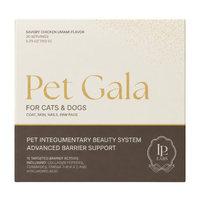
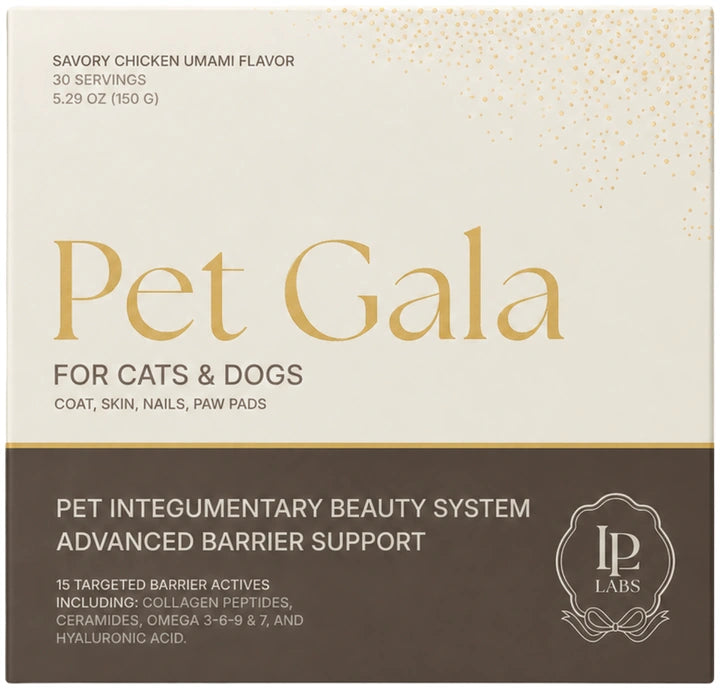
Pet Gala™ is designed for owners who want wellness that shows: a polished coat, comfortable-looking skin, and a daily care ritual that feels effortless. Rather than treating fatty acids as a single-number contest, Pet Gala™ supports the skin-coat-nail finish with a balanced, routine-friendly approach that complements a complete diet.

A cat’s coat is a public-facing detail. It’s what you see in the sunbeam, what you feel when they lean into your hand, and what quietly signals “well cared for” to anyone who visits your home. That’s why interest in omega 3-6-9 for cats keeps growing: owners want the kind of softness and shine that looks natural, not greasy, and skin that seems comfortable rather than easily bothered.

Essential fatty acids matter here because omega-3 and omega-6 fats play crucial roles in feline nutrition, and the balance between them is important for maintaining optimal health. Still, a “3-6-9” label can be confusing. Many cats already get plenty of omega-6 from food, while omega-3 quality and tolerability vary widely from product to product. And because too much omega-3 can cause issues like digestive upset, the goal is never to chase extremes.

So why would a careful, science-minded owner still choose a beauty-forward product? Because diet sets a baseline, but daily life determines the finish. Indoor heat, seasonal dryness, frequent brushing, picky appetites, and sensitive skin can dull the visible signals you want to see. The right omega 3-6-9 supplement for cats supports a consistent, polished presentation—skin, coat, and nails that look quietly well-kept—without turning feeding into a complicated routine.

By La Petite Labs Editorial, ~15 min read

Featured Product:

  • Omega 3-6-9 blends are about visible condition: sheen, softness, and comfortable-looking skin.
  • Cats need dietary essential fatty acids, and omega balance matters as much as the label size.
  • Omega-6 is often already plentiful in cat food; supplementation is usually about refinement, not replacement.
  • EPA/DHA sources vary; algal oil can raise EPA/DHA levels in cats and may be a fish-oil alternative (Motsinger LA, 2025).
  • More is not better: excess omega-3 may cause GI upset and can disrupt omega balance.
  • Expect subtle, real-world changes over weeks: smoother fur texture, less dryness, easier grooming.
  • A product still makes sense when it supports consistent, everyday presentation beyond single-nutrient math.

Omega 3-6-9 Blends and the Visible Signs Owners Care About

When people search for omega 3-6-9 for cats, they’re usually chasing a visible outcome: a coat that looks freshly brushed even before the brush comes out, skin that seems comfortable instead of reactive, and nails that feel strong and clean (see: The Science Behind the Best Skin and Coat Supplements for Cats). Essential fatty acids are part of that picture because they help maintain normal skin and coat function and the balance between omega families matters (Burron S, 2024).

But a “3-6-9” label can also blur the details. Cats need certain fats from diet, and not all omega sources behave the same in the body (Burron S, 2024). The best omega 3-6-9 supplement for cats is the one that fits your cat’s food, sensitivities, and your goals for everyday presentation—without pushing one fatty acid so hard that it crowds out the others (Lenox CE, 2013).

Scientific view of skin barrier tied to coat beauty with omega 3-6-9 supplements for cats.

What Omega 3-6-9 Means for Cats and Their Daily Look

Omega 3-6-9 fatty acids for cats refers to a combination of three fat families: omega-3s, omega-6s, and omega-9s. Omega-3 and omega-6 fats play crucial roles in feline nutrition, and cats rely on diet to supply key fatty acids. Omega-9s are commonly included for conditioning support, even though they’re not typically classified as “essential.”

In real life, owners don’t measure success in chemistry terms (related: Hair Loss in Cats). They notice whether the coat looks glossy in daylight, whether petting feels silky instead of dry, and whether grooming leaves less debris behind. A thoughtful omega 3-6-9 supplement for cats is meant to support those everyday signals—without turning feeding into a complicated project.

Beauty structure illustration representing support pathways in omega 3-6-9 oil for cats.

Essential Fatty Acids Cats Must Get from Food and Supplements

Cats have specific essential fatty acid needs. Alpha-linolenic acid (ALA) is an essential omega-3 that must come from the diet. Many supplements focus on EPA and DHA (often from fish oil or algal oil) because they’re the omega-3s most often discussed for skin and coat support.

Omega-6 fats are also essential, and most commercial cat foods already contain them. The goal with omega 3-6-9 for cats is rarely “add everything.” (see: Omega 7 for Cats) It’s to keep the overall profile looking balanced so the skin barrier and coat quality can present their best—smooth, comfortable, and visibly cared-for.

Molecular structure graphic reflecting research-driven beauty design behind omega 3-6-9 fatty acids for cats.

Why Omega Balance Matters More Than Big Numbers on Labels

Balance is the quiet deciding factor behind most good outcomes. The balance between omega-3 and omega-6 fatty acids is considered important for maintaining optimal health in cats (related: Cat Skin Care). In practical terms, balance shows up as fewer “off days” for the coat—less dullness, less rough texture, and fewer dry-looking patches that make owners worry.

This is why the best omega 3-6-9 supplement for cats isn’t automatically the one with the highest omega-3 number. Too much omega-3 can create its own problems, and it may disrupt omega-6 metabolism when overdone. A balanced approach supports a polished look without pushing extremes.

Dog portrait symbolizing beauty and wellness supported by omega 3-6-9 supplement for cats.

Skin and Coat Benefits: Shine, Softness, and Comfortable Texture

Skin and coat are the most visible “report card” for fatty acid support. Omega-3 fatty acids are known to support skin and coat health in cats (THA, 2025). Owners often describe the change as a clearer sheen, a softer hand-feel, and a coat that lies flatter and looks freshly groomed for longer.

Omega-6 fats contribute to the skin barrier, but they should be balanced with omega-3 intake to avoid tipping toward irritation. If your goal is a well-kept, comfortable look, the “best omega 3-6-9 for cats” is the one that supports both shine and calm skin—without heaviness, greasiness, or digestive drama.

The scratching is completely gone, his coat looks healthy and shiny!

— Lena

He was struggling with itching, now he's glowing.

— Grace

“The best results come from balance you can sustain, not numbers you can brag about.”

Everyday Mobility Support Without Overpromising or Overdosing

Joint comfort is often discussed alongside omegas, but it’s best framed realistically: you’re supporting normal inflammatory balance and everyday ease, not promising a cure. Owners may notice their cat seems more willing to jump, stretch, or play when overall comfort is supported. The same balance principle applies here—omega-3 and omega-6 proportions matter.

If you’re choosing omega 3-6-9 supplements for cats for mobility-related reasons, keep your expectations grounded and your veterinarian in the loop—especially if your cat already takes pain relief or has a diagnosed condition. The goal is a comfortable, confident presentation in daily movement.

Dog headshot symbolizing coat shine and beauty supported by best omega 3-6-9 for cats.

When a Blend Makes Sense Versus a Single Omega Focus

Not every cat needs a complex blend. Some do best with targeted omega-3 support; others benefit from a broader “finish” that includes omega-6 and omega-9 for conditioning. The decision often depends on the base diet, the cat’s coat type, and how sensitive their digestion is.

If your cat eats a fish-forward food, adding more fish oil may be redundant. If your cat eats mostly poultry-based kibble, omega-6 may already be high, so the best omega 3-6-9 supplement for cats may be one that emphasizes omega-3 quality and careful balance.

Dog profile photo emphasizing coat shine supported by omega 3-6-9 supplement for cats.

Dosing Approach: Gentle Starts, Consistency, and Avoiding Excess

Dosing is where good intentions can go sideways. Optimal dosages of omega-3 supplementation can vary based on a cat’s size and health condition, so it’s smart to follow product directions and ask your veterinarian if you’re unsure. Avoid stacking multiple omega products unless a professional has helped you map the total.

Watch for early tolerance signals: stool changes, reduced appetite, or a new “oily” smell on the breath or coat. Omega-3s can cause gastrointestinal upset, and excessive amounts may alter immune response. The best omega 3-6-9 for cats is one that supports visible condition while keeping the stomach calm.

Ingredient showcase image explaining core beauty components and support from best omega 3-6-9 supplement for cats.

Cats Who Need Extra Caution: Sensitive Stomachs and Complex Care

Some cats should be approached with extra care: those with a history of pancreatitis, chronic GI sensitivity, or complex medical regimens. This doesn’t mean omega support is off-limits; it means the plan should be individualized. Because excessive omega-3 can create adverse effects, including GI upset, it’s worth taking a conservative, vet-guided approach in sensitive cats.

Also consider the “hidden” oils in treats and toppers. When owners add an omega 3-6-9 oil for cats plus multiple extras, the total load can climb quickly. A single, consistent product is often easier to manage than a pile of overlapping add-ons.

If Diet Is Complete, Why a Beauty-focused Omega Still Matters

If your cat eats a complete and balanced diet, they’re typically getting omega-6 already, and sometimes omega-9 as well. That doesn’t make an omega 3-6-9 oil for cats pointless—it changes the reason you’d use it. The goal becomes visible refinement: supporting a comfortable skin barrier, a coat that reflects light evenly, and a grooming routine that feels like care rather than conflict.

This is where a product can stay relevant without pretending to replace food. A well-designed formula can support how wellness shows up day to day—especially when seasonal dryness, indoor air, frequent brushing, or sensitive skin make “normal diet” feel like it’s not quite enough. Think of it as finishing care: the difference between adequate and polished.

“A polished coat is often the simplest proof that daily care is working.”

Branded lab coat reflecting precision and trust supporting best omega 3-6-9 supplements for cats.

Algal Oil Options for Cats Who Avoid Fishy Formulas

For cats that dislike fishy smells or have owners who prefer a different sourcing story, algal oil is worth knowing. Research suggests algal oil can raise circulating EPA and DHA in cats and may be a viable alternative to fish oil in feline diets (Motsinger LA, 2025). In studies, appropriate amounts did not appear to compromise safety or health (Motsinger LA, 2025).

That matters for visible care because EPA and DHA are often the omega-3s people associate with coat sheen and skin comfort. If you’re comparing omega 3-6-9 supplements for cats, the source and stability of the oil can be as important as the numbers on the front label.

Shop Now
Pet Gala surrounded by ingredients, showing beauty diversity in best omega 3-6-9 supplements for cats.

Life Stage Considerations from Kittens to Nursing Queens

Life stage changes what “support” looks like. During pregnancy and nursing, for example, owners often want reassurance that a chosen fat source is gentle and appropriate. Algal oil containing EPA and DHA has been evaluated in cats during gestation and lactation and was considered safe in that context (Vuorinen A, 2020).

For kittens, the goal is not a dramatic transformation—it’s maintaining a soft, well-kept coat and comfortable skin as they grow. For seniors, it’s keeping grooming easy and the coat looking even. Across ages, the best omega 3-6-9 for cats is the one you can use consistently, in a way your cat accepts.

Shop Now
Woman holding Pet Gala box with her dog, showing daily omega 3-6-9 supplements for cats routine.

Quality Signals That Separate a Good Oil from a Gimmick

Quality signals are often more practical than marketing promises. Look for clear sourcing, freshness protections, and a format that doesn’t turn meals into a negotiation. Oils can oxidize, and a rancid smell is not a “strong fish” smell—it’s a sign the product may be past its best.

Also consider whether the formula respects balance. The balance between omega-3 and omega-6 is repeatedly emphasized as important for maintaining optimal health in cats (Burron S, 2024). If a product pushes omega-3 extremely high without context, it may not match the everyday, polished outcome you’re after.

Shop Now

Making Omegas Easy to Use in Real Feeding Routines

How you give an omega blend can determine whether you ever see the benefits. Many cats do best when oils are introduced slowly, mixed into a familiar wet food, and offered at the same time each day. Consistency is what lets you notice the small signals: less dandruff-like flaking, a smoother lay of the fur, and a coat that looks “finished” after routine grooming.

If your cat has a sensitive stomach, go especially gradual. Omega-3 fatty acids can cause gastrointestinal upset in some cats, particularly when amounts are excessive (Lenox CE, 2013). The best omega 3-6-9 supplements for cats are the ones your cat can tolerate comfortably.

What Results Look Like and When You Might Notice Them

Owners often ask when they’ll “see” results. With fatty acids, the timeline is usually measured in weeks, not days, because you’re waiting for new hair growth and a steadier skin surface. Omega-3s are widely associated with skin and coat support in cats (THA, 2025), but the visible change is typically subtle: more shine, less dryness, and a coat that feels easier to keep tidy.

If you notice no change at all, it doesn’t always mean the supplement is useless. It may mean the base diet already covers the need, the dose is mismatched, or the issue is driven by something else (like parasites, allergies, or over-bathing).

Visual breakdown contrasting competitors and quality standards in best omega 3-6-9 for cats.

Safety, Side Effects, and When to Ask Your Veterinarian

Safety is mostly about moderation and fit. Excessive omega-3 supplementation can contribute to unwanted effects, including digestive upset and changes in immune response (Lenox CE, 2013). It may also interfere with omega-6 metabolism when pushed too far. That’s why “more” isn’t a smart shortcut to a shinier coat.

If your cat is on medications, has a chronic condition, or is preparing for surgery, ask your veterinarian before starting or changing an omega 3-6-9 supplement for cats. A careful plan protects comfort and keeps the focus on visible, everyday wellbeing.

Shop Now
Supplement box revealed in soft light, reflecting premium omega 3-6-9 supplement for cats positioning.

Choosing Between Omega-3 Only and Omega 3-6-9 Blends

Choosing between “omega-3 only” and omega 3-6-9 supplements for cats comes down to what you’re trying to refine. Omega-6 fats are essential for cats, but they should be balanced with omega-3 intake to avoid skewing toward inflammatory tone (THA, 2025). Omega-9 is not considered essential, yet it can still be part of a blend that supports a smooth, conditioned look.

If your cat’s food is already rich in omega-6 (common in poultry-based diets), a product that emphasizes omega-3 quality and balance may make more sense than one that adds a lot more omega-6. The “best omega 3-6-9 for cats” is the one that complements what’s already in the bowl.

Shop Now

A Polished Daily Finish: Turning Nutrition into Visible Care

A science-minded owner doesn’t buy a beauty-forward product because they doubt nutrition; they buy it because they want the visible proof of care to be reliable. Food sets the baseline, but daily life—dry indoor heat, grooming friction, sensitive skin, picky appetites—can dull the signals you want to see. The right omega approach supports the skin-coat-nail “finish” that makes your cat look well-kept and feel comfortable (see: The Best Cat Nail Supplements for Stronger, Healthier Claws).

If you’re evaluating options, prioritize balance, tolerability, and a routine you can sustain. That’s what turns fatty acids from a label into a noticeable difference in softness, shine, and ease of grooming.

“Consistency is the quiet ingredient behind shine, softness, and comfort.”

Educational content only. This material is not a substitute for veterinary advice. Always consult your veterinarian about your dog’s specific needs. These statements have not been evaluated by the Food and Drug Administration. Products mentioned are not intended to diagnose, treat, cure, or prevent any disease.

Glossary

  • Omega-3 Fatty Acids: A family of fats (including ALA, EPA, DHA) commonly used to support skin and coat presentation in cats.
  • Omega-6 Fatty Acids: Essential fats for cats that support normal skin barrier function; often abundant in commercial diets.
  • Omega-9 Fatty Acids: Non-essential fats (often oleic acid) included for conditioning support and blend completeness.
  • ALA (Alpha-Linolenic Acid): An essential omega-3 that cats must obtain from diet; a precursor-type omega-3.
  • EPA (Eicosapentaenoic Acid): A long-chain omega-3 commonly sourced from fish or algae; often discussed for skin comfort support.
  • DHA (Docosahexaenoic Acid): A long-chain omega-3 found in fish and algal oils; frequently included in feline omega products.
  • Omega Balance: The overall relationship between omega-3 and omega-6 intake; imbalance can reduce the “polished” outcome owners want.
  • Algal Oil: An algae-derived oil source that can provide EPA/DHA without fish; used as an alternative omega-3 source.
  • Oxidation (Rancidity): Degradation of oils over time that can create off-odors and reduce product quality.

Related Reading

References

Burron S. The balance of n-6 and n-3 fatty acids in canine, feline, and equine nutrition: exploring sources and the significance of alpha-linolenic acid.. PubMed Central. 2024. https://pmc.ncbi.nlm.nih.gov/articles/PMC11161904/

Motsinger LA. Effects of algal oil as an alternative to fish oil in feline foods on serum concentrations of eicosapentaenoic acid and docosahexaenoic acid.. PubMed Central. 2025. https://pmc.ncbi.nlm.nih.gov/articles/PMC12448684/

Vuorinen A. Safety of Algal Oil Containing EPA and DHA in cats during gestation, lactation and growth.. PubMed. 2020. https://pubmed.ncbi.nlm.nih.gov/32072702/

Lenox CE. Potential adverse effects of omega-3 Fatty acids in dogs and cats.. PubMed. 2013. https://pubmed.ncbi.nlm.nih.gov/23323770/

THA. Exploring the efficacy and optimal dosages of omega-3 supplementation for companion animals.. PubMed. 2025. https://pubmed.ncbi.nlm.nih.gov/40495687/

RVA. Vitamin-mineral supplements do not guarantee the minimum recommendations and may imply risks of mercury poisoning in dogs and cats.. PubMed Central. 2021. https://pmc.ncbi.nlm.nih.gov/articles/PMC8075222/

Dahms I. Safety of a novel feed ingredient, Algal Oil containing EPA and DHA, in a gestation-lactation-growth feeding study in Beagle dogs.. PubMed Central. 2019. https://pmc.ncbi.nlm.nih.gov/articles/PMC6546231/

Ahmed. Bioaccumulation of heavy metals in some commercially important fishes from a tropical river estuary suggests higher potential health risk in children than adults.. Nature. 2019. https://www.nature.com/articles/s41598-021-00467-4

Rumbeiha W. A review of class I and class II pet food recalls involving chemical contaminants from 1996 to 2008.. PubMed Central. 2011. https://pmc.ncbi.nlm.nih.gov/articles/PMC3614097/

FAQ

What does omega 3-6-9 for cats actually mean?

It’s a blend of three fat families: omega-3, omega-6, and omega-9. Omega-3 and omega-6 play key roles in feline nutrition, and cats rely on diet for essential fatty acids. Omega-9 is often included for conditioning support, even though it’s not typically considered essential.

For most owners, the point is visible: comfortable-looking skin and a coat that appears polished between grooming sessions. For a routine-friendly option, consider Pet Gala™

Why do cats need omega fatty acids in the first place?

Cats need certain fats from food because they can’t make enough of them on their own. For example, alpha-linolenic acid (ALA) is an essential omega-3 that must come from the diet. Omega-6 fats are also essential and commonly present in complete cat foods.

Supplementing is less about “fixing a deficiency” and more about supporting the visible finish owners care about—softness, sheen, and comfortable skin. That’s the everyday role Pet Gala™

Is omega 3-6-9 for cats mainly for skin and coat?

For many households, yes—the most noticeable changes are cosmetic and comfort-related. Omega-3 fatty acids are known to support skin and coat health in cats. Owners often look for a healthier sheen, less dry-looking flaking, and fur that feels smoother when petting.

Because omega-6 is already common in food, the best results usually come from a balanced approach rather than megadosing one oil. For visible, routine-based support, explore Pet Gala™

How is omega 3-6-9 for cats different from omega-3 only?

Omega-3-only products focus on EPA/DHA (or ALA) support, while 3-6-9 blends include omega-6 and omega-9 as well. Since omega-6 is essential and often plentiful in cat diets, a blend can be more about “conditioning balance” than adding what’s missing.

If your cat’s food is already omega-6 heavy, you may prefer a formula that emphasizes omega-3 quality and overall balance. A balanced, beauty-forward option is Pet Gala™

Can omega 3-6-9 supplements for cats upset the stomach?

They can, especially if introduced too quickly or used in excessive amounts. Omega-3 fatty acids may cause adverse effects in cats, including gastrointestinal upset. Loose stool, reduced appetite, or food refusal are common early signs that the amount or format isn’t a match.

Start slowly, mix into familiar food, and keep your veterinarian involved if your cat has a sensitive GI history. For a routine-friendly approach built for daily use, consider Pet Gala™

Is it possible to give too much omega-3 to cats?

Yes. Excessive omega-3 supplementation may lead to unwanted effects and can interfere with omega-6 metabolism. That’s one reason “best” doesn’t mean “highest dose,” especially when your cat’s diet already contains fats from multiple sources.

If you’re combining foods, treats, and oils, ask your veterinarian to help you evaluate the total. For balanced, beauty-oriented support that fits a consistent routine, look at Pet Gala™

Do cats get enough omega-6 from regular cat food?

Many complete and balanced diets already provide omega-6, because common ingredients (like poultry fats) contain it. Omega-6 is essential, but the overall balance between omega-3 and omega-6 is what supports optimal health.

That’s why supplementation is often about refining visible condition—supporting a comfortable skin barrier and a coat that looks well-kept—rather than simply adding more omega-6. For that kind of finishing support, consider Pet Gala™

Is omega 3-6-9 oil for cats safe for daily use?

Daily use can be appropriate when the product is designed for cats and used as directed, but safety depends on the individual cat and the total fat intake. Because adverse effects are possible with excessive omega-3, moderation and fit matter.

If your cat has a medical condition or takes medications, check with your veterinarian before starting. For a daily routine that prioritizes visible coat and skin support, consider Pet Gala™

How soon will I notice results from omega 3-6-9 for cats?

Most visible changes take weeks, not days, because coat quality reflects new growth and a steadier skin surface. Omega-3s are associated with skin and coat support, but the “result” is usually subtle: more even sheen, less dryness, and easier grooming.

Consistency matters more than intensity—small daily support tends to look better than sporadic large additions. For a routine built around visible condition, consider Pet Gala™

Are algal omega-3 sources a good alternative to fish oil?

They can be. Research indicates algal oil can increase serum EPA and DHA levels in cats and may serve as a viable alternative to fish oil in feline diets. This can be appealing for cats who dislike fishy flavors or for owners who prefer algae-based sourcing.

As with any oil, quality and freshness still matter, and your veterinarian can help you choose an appropriate option. For visible, everyday coat support in a consistent routine, consider Pet Gala™

Is algal oil safe for pregnant or nursing cats?

In research settings, algal oil containing EPA and DHA has been considered safe for cats during gestation and lactation(Vuorinen A, 2020). That said, pregnancy and nursing are times when it’s especially wise to keep supplementation conservative and veterinarian-guided.

If you’re supporting a queen’s coat and skin comfort during this period, choose a product with clear directions and good tolerability. For a beauty-forward routine option, considerPet Gala™

Can omega supplements interact with my cat’s medications?

They can, depending on the medication and your cat’s health status. Because excessive omega-3 can alter immune response and overall balance, it’s smart to ask your veterinarian before adding oils if your cat is on long-term prescriptions or has a complex diagnosis.

Bring the product label and your cat’s diet details to that conversation so the total fat intake is clear. For a routine designed around visible coat and skin support, consider Pet Gala™

What are signs the omega dose is too high?

Common signs include loose stool, vomiting, reduced appetite, or your cat refusing food because the smell or texture changed. Omega-3s can cause gastrointestinal upset, and excessive supplementation can create broader unwanted effects.

If you see these changes, stop the new addition and contact your veterinarian for guidance before restarting at a lower amount. For a balanced, routine-friendly option aimed at visible condition, consider Pet Gala™

How do I choose the best omega 3-6-9 for cats?

Start with fit: your cat’s current diet, sensitivity level, and what you want to see (shine, softness, less dry-looking skin). Then look for quality signals like clear sourcing and a formula that respects omega balance, since balance is important for optimal health.

Avoid stacking multiple oils unless your veterinarian helps you total everything up. For a beauty-forward, consistent routine that supports visible condition, consider Pet Gala™

Are omega 3-6-9 supplements for cats the same as for dogs?

They’re not automatically interchangeable. Cats have distinct dietary requirements and rely on diet for essential fatty acids. Dog products may have different concentrations, flavoring choices, or serving directions that don’t translate well to feline feeding habits.

For the best experience, choose a cat-appropriate product and keep your veterinarian involved if your cat has health concerns. For a cat-focused routine supporting visible coat and skin, consider Pet Gala™

Should I give omega oils to kittens or senior cats?

It depends on the individual and the diet. Kittens and seniors can benefit from gentle, consistent support for skin and coat presentation, but dosing needs can vary by size and health status. Seniors may also have more sensitive digestion, making slow introductions important.

If your cat is very young, older, or medically complex, ask your veterinarian before starting. For a routine designed around visible condition across life stages, consider Pet Gala™

What’s the best way to give an omega oil to cats?

Mixing into a small portion of familiar wet food is often easiest, because it reduces smell and texture surprises. Start with a small amount and increase gradually over several days so you can watch stool quality and appetite. Consistency helps you notice the subtle coat changes owners care about.

If your cat refuses the meal, don’t force it—try a different food base or discuss alternatives with your veterinarian. For a routine-friendly option that fits daily feeding, consider Pet Gala™

What should I look for on an omega supplement label?

Look for transparency about oil sources, clear serving directions for cats, and freshness protections (since oils can oxidize). Also consider whether the formula acknowledges balance: the omega-3 to omega-6 relationship matters for overall health in cats.

A good label also helps you avoid “stacking” multiple products that unintentionally push totals too high. For a balanced, beauty-forward routine option, consider Pet Gala™

When should I call the vet before starting omega supplements?

Call first if your cat has a history of pancreatitis, chronic vomiting/diarrhea, is on long-term medications, or is preparing for surgery. Because omega-3s can cause adverse effects when excessive, a veterinarian can help you choose a conservative plan that matches your cat’s health profile.

Also call if skin issues are severe, sudden, or accompanied by hair loss—those can signal problems that need diagnosis. For a routine supporting visible coat and skin comfort, consider Pet Gala™

Do omega supplements help with shedding and dandruff appearance?

They can support the skin and coat environment that influences how shedding and flaking look day to day. Omega-3s are associated with skin and coat health in cats, and owners often report a more even sheen and less dry-looking debris with consistent use.

However, parasites, allergies, and low humidity can also drive these signs, so don’t ignore persistent issues. For a daily routine aimed at visible coat finish, consider Pet Gala™

What’s a simple decision framework for omega 3-6-9 for cats?

Start with three questions: What does your cat already eat, what visible change are you hoping to see, and how sensitive is your cat’s digestion? Then choose a product that respects omega balance, since balance between omega-3 and omega-6 is important for optimal health.

Finally, commit to consistency and reassess after several weeks, adjusting with your veterinarian if needed. For a routine designed around visible coat and skin support, consider Pet Gala™

5K+ Happy Pet Parents

Excellent 4.8

Omega 3-6-9 for Cats | Why Thousands of Pet Parents Trust Pet Gala™

"Magical. He was struggling with itching and shedding. Now he's literally glowing."

Grace & Ducky

"Improves her skin, fur, nails, and eyes. We're loving it!"

Cat & Miso

"It's so good for his coat, and so easy to mix into food."

Alex & Cashew

"The scratching is completely gone, his coat looks healthy and shiny."

Lena & Bear

"Magical. He was struggling with itching and shedding. Now he's literally glowing."

Grace & Ducky

"Improves her skin, fur, nails, and eyes. We're loving it!"

Cat & Miso

"It's so good for his coat, and so easy to mix into food."

Alex & Cashew

"The scratching is completely gone, his coat looks healthy and shiny."

Lena & Bear

"Magical. He was struggling with itching and shedding. Now he's literally glowing."

Grace & Ducky

"Improves her skin, fur, nails, and eyes. We're loving it!"

Cat & Miso

"It's so good for his coat, and so easy to mix into food."

Alex & Cashew

"The scratching is completely gone, his coat looks healthy and shiny."

Lena & Bear

"Magical. He was struggling with itching and shedding. Now he's literally glowing."

Grace & Ducky

"Improves her skin, fur, nails, and eyes. We're loving it!"

Cat & Miso

"It's so good for his coat, and so easy to mix into food."

Alex & Cashew

"The scratching is completely gone, his coat looks healthy and shiny."

Lena & Bear

SHOP NOW