
Hair Loss in Cats

Identify the Skin-Barrier Failure Behind Shedding, Then Rebuild Hydration and Coat Density

Essential Summary

Why is hair loss in cats important?

Hair loss in cats is often a visible signal of irritation, overgrooming, or slow regrowth—not just “extra shedding.” The most reassuring plan pairs veterinary clarity with daily support for hydration, skin comfort, and coat shine. When you track patterns and choose cat-safe inputs, you can restore a smoother, well-kept look without chasing harsh quick fixes.

Pet Gala™ is designed for owners who want visible coat polish and comfortable skin as part of an everyday care ritual—supporting hydration, sheen, and strong-looking nails in one cat-friendly routine.

Few things unsettle a cat household faster than finding fur where it doesn’t belong: a crescent of thinning on the belly, a bare patch behind the ear, or a rough, uneven coat that suddenly looks “tired.” Hair loss in cats can be a straightforward issue—or a layered one—because fur is both protection and presentation. It’s how your cat feels against your hand, how they look in the light, and how confidently they move through the day.

If you’re asking why is my cat losing hair, you’re already doing the right thing: noticing. The most helpful next step is to treat coat changes as information. Hair loss in cats symptoms—itching, scabs, dandruff, broken hairs, or symmetrical thinning—often point toward different causes of hair loss in cats, from parasites and allergies to stress grooming or reactions to topical products. Intestinal parasites can also contribute to systemic effects that may show up in the coat.

This page focuses on nutrients and hydration support because owners want results they can see: calmer-looking skin, less flake, and a coat that lies smooth and glossy after brushing. That doesn’t replace veterinary care; it complements it. Even when a cat eats a solid diet, visible condition can still fluctuate with indoor dryness, seasonal shedding, stress, and grooming habits. A well-designed supplement supports multiple “finish” signals at once—skin comfort, coat sheen, and strong-looking nails—so care shows up where it matters. That’s the practical reason science-minded owners still choose a daily beauty formula: it’s not about chasing deficiencies, it’s about maintaining a consistently well-kept look.

By La Petite Labs Editorial, ~15 min read

Featured Product:

  • Hair loss in cats is best read as a pattern: patchy, symmetrical, broken hairs, or overgroomed areas.
  • Common triggers include parasites, product reactions, stress grooming, and hormonal influences—each with a different “look.”
  • Comfort comes first: itching, scabs, redness, or odor deserve veterinary attention before cosmetic steps.
  • Hydration support shows quickly in the coat: less flaking, smoother lay, and a softer feel after brushing.
  • Coat-focused nutrition works best as a blend—fatty acids, amino acids, and micronutrients—rather than a single “hero” ingredient.
  • Avoid human hair products; some exposures can be dangerous for cats and don’t belong in grooming routines.
  • Even with a good diet, a daily supplement can support visible condition across skin, coat, and nails—helping care show.

When the Coat Changes, the Story Usually Starts in the Skin

Hair loss rarely feels “minor” when you’re the one finding tufts on the sofa. In practice, hair loss in cats is less about vanity and more about signals: comfort, grooming ease, and the quiet confidence of a coat that looks well-kept. The first step is noticing the pattern—symmetrical thinning, broken hairs, bald patches, or scabs—because each points to different causes of hair loss in cats.

Owners often ask, “why is my cat losing hair” when appetite and energy seem normal. That’s common: coat changes can show up before anything else looks “off.” Stress grooming, parasites, reactions to topicals, hormonal shifts, and intestinal parasites can all play a role (Rodan, 1969). The goal of this page is to help you pair smart veterinary evaluation with visible-care nutrition—hydration support, skin-barrier building blocks, and coat-friendly micronutrients—so your cat’s everyday presentation matches how cared-for they truly are (see: The Science Behind the Best Skin and Coat Supplements for Cats).

Coat shine detail showing beauty mechanisms supported by causes of hair loss in cats.

The Visible Signs Owners Notice First: Patterns, Patches, and Texture

Hair loss in cats symptoms tend to cluster into a few recognizable looks: patchy bald spots, thinning along the belly or inner thighs, broken hairs on the back, or a “moth-eaten” texture around the tail base. Add-on signs—itching, head shaking, scabs, dandruff, or a greasy feel—help narrow the story. The pattern matters because the causes of hair loss in cats range from parasites and allergies to stress grooming and reactions to products.

Two quick notes that protect cats: first, don’t apply human hair regrowth products to feline skin. Minoxidil exposure can be life-threatening in cats (Ahn, 2024). Second, if hair loss follows a new flea topical, consider a localized reaction; this has been observed with some flea control products (Credille KM, 2013). When you bring these details to your vet, you shorten the path from “mystery shedding” to a plan that restores comfort and a tidy, glossy coat.

Molecular beauty graphic tied to skin and coat support from hair loss in cats remedies.

Why Is My Cat Losing Hair: the Three Most Common Buckets

Owners usually notice hair loss in cats in the places they touch most: the lower back, the belly during cuddles, or the neck where a collar sits. The question “why is my cat losing hair” is often answered by one of three buckets: something is irritating the skin, something is driving overgrooming, or hair is failing to regrow normally. Each bucket can look similar at first, which is why photos and dates help.

Irritation can be external (fleas, contact reactions) or internal (food sensitivity, parasites). Overgrooming can be itch-driven or stress-driven. And regrowth issues can relate to hormones or systemic illness. Hormonal influences have been discussed in some feline alopecia patterns (Liang Y, 2022). Your job isn’t to diagnose—it’s to capture the visible clues so the right care can start quickly.

Beauty ingredient image emphasizing scientific formulation standards in best supplements for cat hair loss.

Causes That Look Similar: Itch, Overgrooming, and Slow Regrowth

If you want the simplest framework for the causes of hair loss in cats, start with “itch” versus “not itch.” Cats can be subtle, but signs of itch include frequent licking, nibbling at the coat, sudden grooming sessions, and tiny scabs you feel before you see. When itch is present, parasites and allergies rise to the top of the list, and flea control quality becomes non-negotiable.

When itch is not obvious, think about pattern and timing: symmetrical thinning can suggest hormonal factors (Liang Y, 2022), while a new bald patch at a medication site can suggest a reaction. Localized alopecia has been reported after certain topical flea products. In both cases, nutrition still matters—not as a “fix,” but as the support that helps skin look calm and the coat return to a smooth, even finish.

Dog close-up emphasizing coat shine and connection supported by best treatments for hair loss in cats.

Hydration Support That Shows: Less Dandruff and a Smoother Lay

Hydration is the quiet foundation of a coat that looks expensive: less flake, better slip, and a softer hand-feel when you pet your cat. When skin is dry, the coat can look lifted and uneven, and broken hairs become more noticeable. Supporting hydration isn’t only about water intake; it’s also about maintaining a skin barrier that holds moisture and stays comfortable (related: Hyaluronic Acid for Cats).

Owners can support this with wet food, a water fountain, and a stable routine that reduces stress grooming. If your cat’s hair loss is paired with vomiting, diarrhea, or constipation, ask your vet about intestinal health and parasites—Toxocara cati can contribute to systemic effects that may show up in the coat (Rodan, 1969). A hydrated, comfortable skin surface is one of the fastest visible signals that your plan is working.

The scratching is completely gone, his coat looks healthy and shiny!

— Lena

He was struggling with itching, now he's glowing.

— Grace

“Coat changes are rarely random; they’re a visible message about comfort, routine, and what the skin is tolerating.”

Fatty Acids for Shine: the Fastest Feedback Loop in Coat Care

Fatty acids are among the most noticeable coat-support nutrients because the feedback loop is visual: shine, softness, and a smoother lay of the hair (see: Omega-3-6-9 for Cats). They also support the skin’s surface oils, which help the coat look less dusty and more polished. If your cat’s coat looks dull alongside hair thinning, this category is often part of the “best treatments for hair loss in cats” conversation—especially after medical causes are addressed.

That said, oils are not a free-for-all. Choose cat-appropriate products and introduce changes gradually to protect digestion. If hair loss began after a topical product, don’t “balance it out” with more products—step back and reassess. Local reactions to flea topicals can cause localized alopecia in some cats. The goal is a coat that looks intentionally cared-for, not overloaded.

Dog portrait reflecting beauty and wellness support tied to hair loss in cats remedies.

Protein and Amino Acids: the Building Blocks Behind a Strong Coat

Protein quality shows up in the coat. Hair is a high-turnover tissue, and when intake is inconsistent—or when digestion is upset—owners may see brittle texture, breakage, and slow regrowth. This is one reason hair loss in cats can follow a period of poor appetite, GI upset, or a sudden diet switch. The coat doesn’t lie; it reflects what the body can comfortably allocate to “finish.”

If you’re exploring best supplements for cat hair loss, look for formulas that complement a complete diet rather than trying to replace it. Supplements can support visible condition across skin, coat, and nails—especially when stress, indoor dryness, or seasonal shedding makes the coat look less even (related: The Best Cat Nail Supplements for Stronger, Healthier Claws). If parasites are suspected, address them directly; intestinal parasites like Toxocara cati can be part of the picture.

Canine side view symbolizing beauty confidence supported through causes of hair loss in cats.

Micronutrients for Skin Turnover: Small Inputs, Noticeable Finish

Trace minerals and vitamins are small, but their absence can show up as big visual changes: rough coat, flaking, and poor regrowth (see: Biotin for Cats). The challenge is that “more” is not automatically better—imbalances can be as unhelpful as shortages. That’s why the best approach is a balanced, cat-specific formula that supports normal skin turnover and coat quality without pushing extremes.

If you’re tempted by human hair-and-nails supplements, pause. Cats have different tolerances, and some human products are outright dangerous. Minoxidil exposure can cause severe toxicosis in cats. For a beauty-forward routine, the safest strategy is to keep the inputs feline-appropriate, consistent, and easy to maintain—because the coat responds best to steady care.

Product info graphic highlighting testing and standards behind causes of hair loss in cats.

Medical Care Plus Visible Care: a Plan That Doesn’t Compete

There’s a difference between “medical treatment” and “visible-care support.” Veterinary treatment targets the cause—parasites, infection, allergy management, endocrine evaluation. Visible-care support targets the presentation: hydration, softness, shine, and a calm skin surface that doesn’t invite constant grooming. The two should work together, not compete.

For owners comparing hair loss in cats remedies, the safest filter is: does this reduce irritation, or does it add risk? A new topical can worsen things, and some products can trigger localized alopecia. If your vet discusses advanced options like PRP for certain alopecia cases, note that reviews describe it as potentially beneficial and generally safe, while also calling for standardized protocols (Anitua E, 2025). Most cats still benefit most from calm routines and consistent nutrition.

Supplements That Support Coat Finish Without Overpromising Results

When people search “best supplements for cat hair loss,” they’re usually looking for something that supports the coat without turning life into a project. Think in categories: essential fatty acids for sheen, amino acids for hair structure, trace minerals for normal skin turnover, and antioxidants that support a calm, comfortable look. Supplements are not a substitute for diagnosing parasites, infection, or endocrine disease—but they can elevate visible condition once the basics are addressed.

Quality signals matter: clear labeling, species-appropriate formulas, and conservative claims. Avoid human hair-growth products—some are dangerous to cats, including minoxidil, which can cause severe toxicosis (Ahn, 2024). If you’re choosing a daily beauty-support routine, prioritize consistency and tolerability over “strong” promises, and let your vet guide anything that sounds medicinal.

“The best plans don’t chase hair growth. They restore calm skin and let a polished coat follow.”

Close-up clinical uniform showing research-driven formulation behind hair loss in cats remedies.

Stopping the Cycle: Comfort, Routine, and a Coat That Looks Settled

“How to stop hair loss in cats” depends on the cause, but the visible-care checklist is surprisingly steady. First: remove triggers (fleas, irritating topicals, diet changes that don’t agree). Second: support the skin barrier with hydration, fatty acids, and adequate protein (related: Hydrolyzed Whey Protein for Cats). Third: reduce the itch-lick cycle by keeping nails trimmed and offering enrichment that redirects grooming into play.

If hair loss in cats symptoms include redness, scabs, odor, or ear debris, treat it as a comfort issue, not cosmetic. Some cats develop localized alopecia after topical flea products, so timing matters—note any new application and the exact spot of thinning (Credille KM, 2013). The most reassuring outcomes come from pairing veterinary clarity with a steady, gentle routine that makes the coat look polished again.

Shop Now
Supplement box with ingredient spread showing care behind hair loss in cats symptoms.

Hydration as a Beauty Signal: Softness, Smoothness, and Less Flake

Hydration is a beauty issue in cats: when skin looks tight or flaky, the coat can appear dull and “open,” even if the underlying cause is elsewhere. Cats are also famously subtle drinkers. Wet food, water fountains, and multiple bowls can help, but hydration support also includes nutrients that help the skin hold onto moisture and maintain a smooth surface.

A practical way to track progress is visual: less dandruff on dark furniture, fewer static flyaways, and a coat that lies flatter after brushing. These are the kinds of short feedback loops owners can trust. If dehydration is suspected alongside vomiting, diarrhea, or lethargy, involve your veterinarian promptly—coat changes can be the first visible clue that the body is asking for more support.

Shop Now
Owner showcasing product beside her pet, reflecting beauty care through best treatments for hair loss in cats.

Advanced Veterinary Options for Alopecia When Basics Aren’t Enough

Some advanced veterinary options exist for alopecia cases that don’t respond to routine care. Platelet-rich plasma (PRP) has been discussed as a way to encourage regrowth in certain alopecia presentations, and reviews suggest it may be generally safe in feline patients, though protocols vary and standardization is still needed (Anitua E, 2025).

Similarly, stem cell-derived conditioned media has been explored as a potential approach for alopecia, with authors emphasizing that more research is needed to establish safety and effectiveness in cats (Chien WY, 2024). These are not at-home remedies; they’re vet-delivered decisions. For most households, the day-to-day wins still come from comfort-first grooming, parasite control, and nutrition that supports a coat you can see and feel.

Shop Now

When Pattern Suggests Hormones: Symmetry, Timing, and Vet Clarity

Hormones can influence coat density and pattern. Some cats show thinning that looks “even” rather than patchy, and endocrine or hormonal factors may be part of the picture (Liang Y, 2022). Because these cases can mimic normal shedding at first, owners may wait longer than they should—especially if the cat seems otherwise fine.

If you notice symmetrical hair loss, changes in weight, thirst, or behavior, it’s worth a veterinary workup. Nutrients can support visible condition, but they can’t replace diagnosis. Once the underlying issue is managed, coat-support nutrition becomes the finishing layer: helping the regrowth look smoother, the skin look calmer, and the overall presentation return to “well-kept.” (see: Cat Skin Care)

Safe Remedies Only: What to Avoid on Feline Skin and Fur

Hair loss in cats remedies should be judged by two standards: safety and signal. If a remedy can be licked, it must be cat-safe. Avoid essential oils, human scalp products, and “hair growth” serums—cats groom meticulously, and exposure risks are real. Minoxidil, in particular, is associated with severe toxicosis in cats (Ahn, 2024).

Safer home supports tend to be boring in the best way: consistent flea control, gentle brushing, a stable diet, and targeted nutrients that support skin hydration and coat shine (related: Collagen for Cats). If you want a topical step, ask your veterinarian for feline-appropriate options rather than improvising. The best results look like comfort: fewer frantic grooming episodes and a coat that sits neatly again.

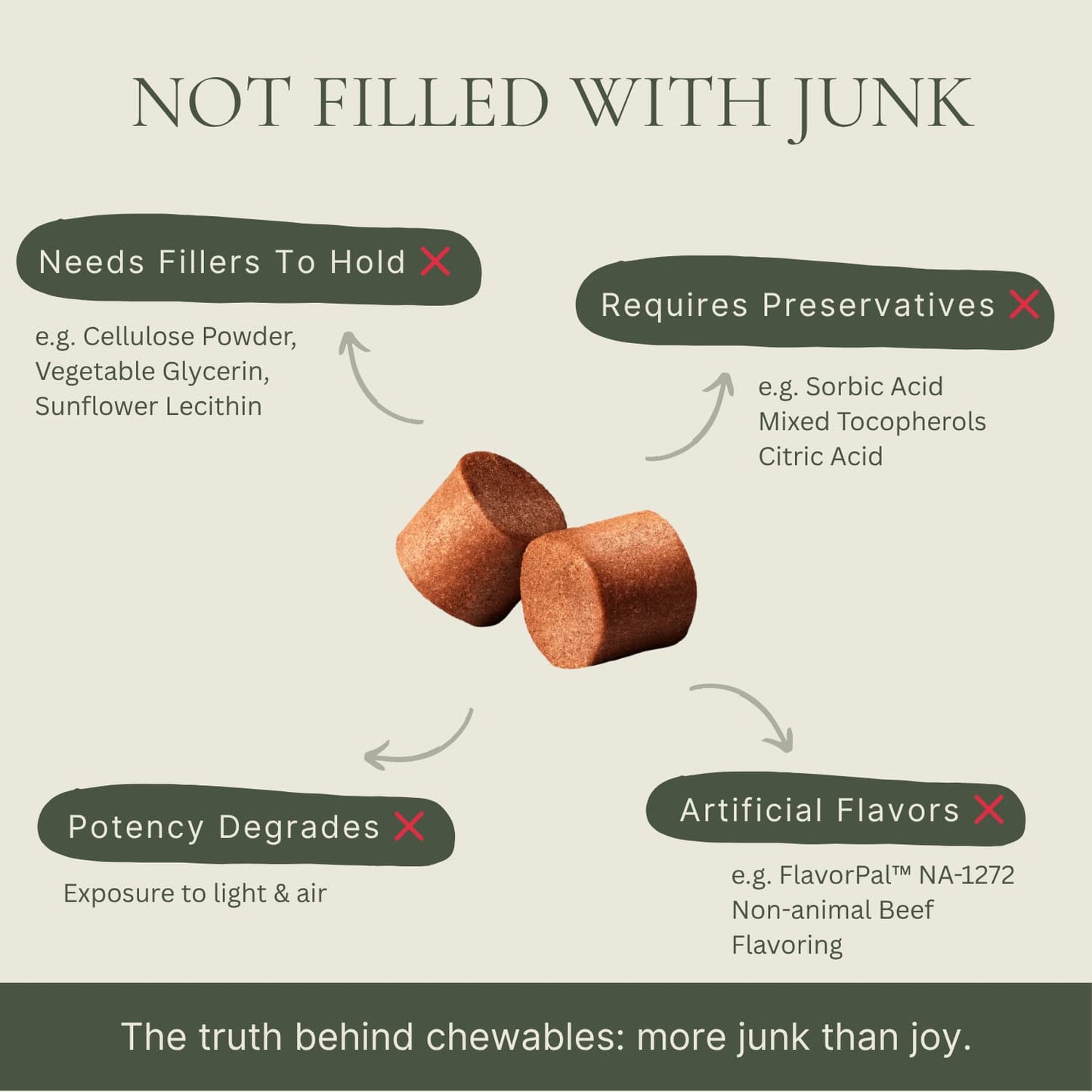
Side-by-side chart contrasting beauty actives and fillers relative to how to stop hair loss in cats.

Parasites and the Coat: Why Internal and External Checks Matter

When hair loss in cats is linked to parasites, the “coat problem” is often a whole-body problem. Intestinal parasites such as Toxocara cati can have systemic effects and may contribute to coat changes in affected cats (Rodan, 1969). That’s why deworming plans and fecal testing can matter even when the main complaint is fur.

External parasites and bite reactions can also drive overgrooming and breakage. If you’re already using flea control and see a new bald spot at the application site, consider an adverse reaction—localized alopecia has been reported after certain topical flea products (Credille KM, 2013). The most elegant plan is simple: confirm the cause, remove the irritant, then rebuild visible coat quality with steady nutrition and gentle care.

Shop Now
Pet Gala box in open packaging, showing premium presentation for best treatments for hair loss in cats.

From Breakage to Regrowth: Building a Coat That Reflects Care

A coat can look thin even when hair is technically “growing,” because breakage and poor hair shaft quality change how light reflects. That’s where protein quality, specific amino acids, and trace minerals matter for appearance. Owners often interpret this as shedding, but the giveaway is texture: roughness, frizz, and uneven lengths rather than uniform seasonal loss.

If you’re evaluating the best treatments for hair loss in cats, ask whether the plan addresses both comfort and finish. A cat can stop itching yet still look dull if the skin barrier is dry. Conversely, a shiny coat with persistent licking is not a win. The right approach makes the cat feel settled and look freshly cared-for—two signals that usually travel together.

Shop Now

Why a Daily Beauty Supplement Still Makes Sense for Great Diets

The most convincing reason to add a beauty-support supplement is not that your cat is “deficient,” but that visible condition is a daily output of many small inputs. Even with a good diet, stress, indoor air dryness, grooming habits, and seasonal shifts can change how the coat presents. A well-designed formula can support multiple visible signals at once: softness, sheen, and comfortable skin.

If you’re building a routine, keep it calm: consistent feeding, predictable grooming, and one supplement you can stick with. Track changes you can see—less flaking, fewer broken hairs, a smoother lay of the coat—while your veterinarian tracks the medical side. That combination is what turns worry into reassurance.

“A great supplement isn’t a replacement for diagnosis—it’s the daily support that makes care visible.”

Educational content only. This material is not a substitute for veterinary advice. Always consult your veterinarian about your dog’s specific needs. These statements have not been evaluated by the Food and Drug Administration. Products mentioned are not intended to diagnose, treat, cure, or prevent any disease.

Glossary

  • Alopecia: Partial or complete hair loss, which may be patchy, symmetrical, or due to breakage.
  • Overgrooming: Excessive licking or chewing of the coat that removes hair and can create a “barbered” appearance.
  • Localized Alopecia: Hair loss limited to a specific area, sometimes linked to contact irritation or topical product reactions.
  • Symmetrical Thinning: Even hair loss on both sides of the body, sometimes associated with hormonal influences.
  • Hair Shaft Breakage: Hair that snaps or frays, making the coat look thin without true bald skin.
  • Skin Barrier: The outer layer of skin that helps retain moisture and keep irritants out; when compromised, coats can look dull or flaky.
  • Dander: Flakes of skin that can appear as “dandruff” in the coat, often more visible on dark fur.
  • Flea Allergy Dermatitis: An allergic reaction to flea saliva that can trigger intense itch and hair loss, often near the tail base.
  • Ringworm (Dermatophytosis): A fungal skin infection that can cause patchy hair loss and requires veterinary diagnosis and treatment.

Related Reading

References

Ahn. A Case Report of Successful Treatment of Minoxidil Toxicosis Using Hemodialysis in a Cat. 2024. https://www.mdpi.com/2306-7381/11/10/487

Rodan. Infection with adult Toxocara cati.. 1969. https://www.mdpi.com/2076-2615/14/7/1022

Ebeling R. Feline intervertebral disc disease: a systematic review and meta-analysis.. PubMed. 2025. https://pubmed.ncbi.nlm.nih.gov/41006947/

Anitua E. Platelet-Rich Plasma in the Management of Alopecia: A Systematic Review and Meta-Analysis of Clinical Evidence.. PubMed. 2025. https://pubmed.ncbi.nlm.nih.gov/40944844/

Zhang W. Hair Loss After Metabolic and Bariatric Surgery: a Systematic Review and Meta-analysis.. PubMed. 2021. https://pubmed.ncbi.nlm.nih.gov/33675022/

Chien WY. Stem cell-derived conditioned medium for alopecia: A systematic review and meta-analysis.. PubMed. 2024. https://pubmed.ncbi.nlm.nih.gov/37983981/

Credille KM. Evaluation of hair loss in cats occurring after treatment with a topical flea control product.. PubMed. 2013. https://pubmed.ncbi.nlm.nih.gov/24112691/

Liang Y. Traditional Chinese Medicine Treatment for Androgenetic Alopecia Based on Animal Experiments: A Systematic Review and Meta-Analysis.. PubMed. 2022. https://pubmed.ncbi.nlm.nih.gov/36267090/

Silva. A systematic review and meta-analysis on the global status of Platynosomum sp. (Trematoda – Dicrocoelidae) infecting domestic cats (Felis catus). 2023. https://www.sciencedirect.com/science/article/abs/pii/S0304401723001620

Foust AL. Evaluation of persistence of terbinafine in the hair of normal cats after 14 days of daily therapy.. PubMed. 2007. https://pubmed.ncbi.nlm.nih.gov/17610490/

Cannon M. Hair balls in cats: a normal nuisance or a sign that something is wrong?. PubMed Central. 2013. https://pmc.ncbi.nlm.nih.gov/articles/PMC10816490/

Amundson. Effect of Supplemental Trace Mineral Source on Haircoat and Hair Loss in Adult Cats. 2025. https://www.mdpi.com/2076-2615/15/18/2662

Tater KC. Topical Minoxidil Exposures and Toxicoses in Dogs and Cats: 211 Cases (2001-2019).. PubMed. 2021. https://pubmed.ncbi.nlm.nih.gov/34370845/

Bilgiç B. Investigation of Trace and Macro Element Contents in Commercial Cat Foods.. PubMed Central. 2025. https://pmc.ncbi.nlm.nih.gov/articles/PMC11633335/

McMullen. Minoxidil toxicosis in cats and dogs: A scoping review and call to action. 2025. https://www.sciencedirect.com/science/article/pii/S019096222500595X

Peloquin. Presumed Choline Chloride Toxicosis in Cats With Positive Ethylene Glycol Tests After Consuming a Recalled Cat Food. 2021. https://www.sciencedirect.com/science/article/pii/S1938973621000416

FAQ

What does hair loss in cats usually look like?

Hair loss in cats can look like patchy bald spots, thinning on the belly, broken hairs along the back, or a “barbered” look from overgrooming. The skin may look normal, flaky, or irritated depending on the trigger.

Taking clear photos and noting timing (new flea products, diet changes, stress) helps your veterinarian narrow the cause while you support coat comfort and shine with Pet Gala™

Why does cat hair loss matter beyond appearance?

Coat changes are often an early, visible signal of discomfort—itch, irritation, stress grooming, or slow regrowth. Even when a cat seems “fine,” the coat can reveal that the skin barrier isn’t feeling settled.

Once medical causes are addressed, daily nutrition and hydration support can help the coat look smoother and more polished, which is why many owners add Pet Gala™

Why is my cat losing hair on the belly?

Belly thinning is commonly linked to overgrooming, which can be driven by itch (fleas, allergies) or stress. Cats can remove hair very evenly, so it may look like “shedding” rather than licking.

A vet exam helps separate irritation from behavioral grooming, and a coat-support routine can help the regrowth look softer and more even with Pet Gala™

What are common causes of hair loss in cats?

Common causes include fleas and bite reactions, allergies, ringworm, stress overgrooming, reactions to topical products, intestinal parasites, and hormonal influences. Timing and pattern (patchy vs symmetrical) are often the biggest clues.

After your veterinarian identifies the driver, nutrition that supports hydration and coat finish can help your cat look well-kept again with Pet Gala™

Can flea medicine cause hair loss in cats?

Yes. Some cats develop localized alopecia at the application site after certain topical flea control products, reflecting individual sensitivity. The timing is usually the key clue: thinning appears where the product was applied.

Tell your veterinarian exactly which product was used and where you see the change, then support skin comfort and coat quality with Pet Gala™

Is hair loss in cats ever linked to intestinal parasites?

It can be. Toxocara cati is a common intestinal parasite in cats and may contribute to systemic effects that can show up as coat changes in some cases. That’s why fecal testing and vet-guided deworming can matter even when the main concern is fur.

Once the underlying issue is addressed, daily coat-support nutrition can help restore a smoother, shinier finish with Pet Gala™

What hair loss in cats symptoms should prompt a vet visit?

Seek veterinary care if you see redness, scabs, swelling, odor, ear debris, open sores, or rapid spreading patches. Also go in if hair loss comes with appetite changes, vomiting, diarrhea, lethargy, or weight change.

After medical causes are ruled out or treated, you can focus on visible coat comfort and hydration support with Pet Gala™

Are human hair growth products safe for cats?

Many are not safe, especially products meant to stimulate scalp hair growth. Minoxidil exposure can cause severe toxicosis in cats and requires urgent veterinary intervention. Because cats groom and ingest residues, topical experimentation is risky.

Choose cat-specific grooming and nutrition steps that support a polished coat safely, including Pet Gala™

What are the best treatments for hair loss in cats?

The best plan is cause-specific: parasite control for fleas, antifungals for ringworm when confirmed, allergy management when suspected, and addressing stress grooming. For some alopecia cases, PRP has been discussed as potentially beneficial under veterinary care(Anitua E, 2025).

Alongside veterinary treatment, daily support for hydration and coat finish helps the results look better in the mirror withPet Gala™

How long does it take for cat hair to grow back?

Regrowth timing depends on the cause and whether the skin is still irritated. Many owners notice early cosmetic improvements first—less flaking and a smoother coat—before full density returns. If licking or itching continues, regrowth often stalls.

A steady routine that supports skin comfort and coat quality can make the “in-between” phase look more polished with Pet Gala™

Can stress cause hair loss in cats?

Yes. Some cats respond to stress with overgrooming, which breaks hairs and creates thinning—often on the belly or legs. The skin may look normal, which can make it feel confusing at first.

Reducing triggers, adding enrichment, and supporting skin comfort can help the coat look even again, especially with Pet Gala™

Do supplements interact with flea or allergy medications?

They can, depending on ingredients and your cat’s full medication list. That’s why it’s smart to show your veterinarian the supplement label, especially if your cat takes prescription allergy meds or has chronic conditions.

A conservative, cat-specific formula designed for visible coat support is usually the easiest fit in a routine, including Pet Gala™

Is a supplement safe for kittens or senior cats?

Age matters. Kittens, seniors, and cats with kidney or GI issues may need extra caution with new supplements. Your veterinarian can confirm whether a formula fits your cat’s life stage and current diet.

When it’s appropriate, a daily beauty-support routine can help maintain a soft, well-kept coat with Pet Gala™

Do certain cat breeds shed more or lose hair differently?

Yes. Coat length, density, and grooming habits vary by breed, so “normal” shedding can look dramatic in some cats. However, bald patches, scabs, or sudden texture changes are not typical for any breed.

If you’re unsure what’s normal for your cat, document the pattern and support a glossy, comfortable finish with Pet Gala™

Is hair loss in cats the same as in dogs?

Not always. Cats are more likely to “self-barber” through licking, so hair loss can be behavioral or itch-driven even when the skin looks fairly normal. Dogs more often show obvious inflammation with certain skin conditions.

Because cats groom so thoroughly, cat-safe choices are essential for any coat routine, including Pet Gala™

What should I look for in supplement quality signals?

Look for clear ingredient lists, cat-appropriate dosing directions, conservative claims, and manufacturing transparency. Avoid products that promise “hair growth” like a drug or that resemble human hair regrowth formulas.

A quality supplement should fit easily into daily life and support visible coat comfort and shine, like Pet Gala™

How do I give a daily supplement to a picky cat?

Keep it low-drama: mix with a small amount of a favorite wet food, offer at the same time daily, and avoid changing multiple things at once. Consistency is what creates noticeable coat signals.

If your cat refuses, ask your veterinarian about alternatives rather than forcing it, and consider a routine built around Pet Gala™

Can I use oils on my cat’s skin for dryness?

Be cautious. Cats lick what you apply, and some oils or fragranced products can irritate skin or upset digestion. If dryness is significant, it’s better to address hydration, diet, and vet-approved options than to experiment topically.

For a safer, more consistent approach to coat softness and comfort, many owners prefer nutrition-based support like Pet Gala™

What does research say about PRP for feline alopecia?

A review suggests platelet-rich plasma may be beneficial for managing alopecia in cats and is generally considered safe, while also noting that standardized protocols are still needed. It’s a veterinary procedure, not a home remedy.

Whether or not advanced therapies are used, daily coat-support nutrition can help the visible finish look better with Pet Gala™

When should I call the vet urgently for hair loss?

Call urgently if hair loss is paired with facial swelling, trouble breathing, collapse, severe lethargy, or exposure to unsafe products. If you suspect contact with minoxidil, treat it as an emergency because toxicosis can be severe.

After urgent issues are addressed, you can rebuild a calm, cat-safe coat routine with Pet Gala™

How do I decide between vet care and home support?

Choose vet care first when hair loss is sudden, spreading, inflamed, or paired with systemic signs. Choose home support when your veterinarian has ruled out urgent causes and you’re maintaining comfort, hydration, and coat quality between check-ins.

A balanced approach keeps the medical side precise and the daily routine gentle and consistent, including Pet Gala™

5K+ Happy Pet Parents

Excellent 4.8

Hair Loss in Cats | Why Thousands of Pet Parents Trust Pet Gala™

"Magical. He was struggling with itching and shedding. Now he's literally glowing."

Grace & Ducky

"Improves her skin, fur, nails, and eyes. We're loving it!"

Cat & Miso

"It's so good for his coat, and so easy to mix into food."

Alex & Cashew

"The scratching is completely gone, his coat looks healthy and shiny."

Lena & Bear

"Magical. He was struggling with itching and shedding. Now he's literally glowing."

Grace & Ducky

"Improves her skin, fur, nails, and eyes. We're loving it!"

Cat & Miso

"It's so good for his coat, and so easy to mix into food."

Alex & Cashew

"The scratching is completely gone, his coat looks healthy and shiny."

Lena & Bear

"Magical. He was struggling with itching and shedding. Now he's literally glowing."

Grace & Ducky

"Improves her skin, fur, nails, and eyes. We're loving it!"

Cat & Miso

"It's so good for his coat, and so easy to mix into food."

Alex & Cashew

"The scratching is completely gone, his coat looks healthy and shiny."

Lena & Bear

"Magical. He was struggling with itching and shedding. Now he's literally glowing."

Grace & Ducky

"Improves her skin, fur, nails, and eyes. We're loving it!"

Cat & Miso

"It's so good for his coat, and so easy to mix into food."

Alex & Cashew

"The scratching is completely gone, his coat looks healthy and shiny."

Lena & Bear

SHOP NOW