Hydrolyzed Whey Protein for Cats

See When Pre-Digested Peptides Improve Appetite, Stools, and Muscle Retention

Essential Summary

Why is hydrolyzed whey protein for cats important?

Hydrolyzed whey protein for cats is a highly digestible protein option that can fit sensitive routines while supporting visible condition. Because hydrolyzed proteins may improve amino acid digestibility and are often chosen for better tolerance, they can help keep coat texture, skin comfort, and overall “well-kept” presentation more consistent day to day.

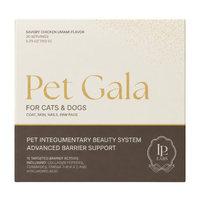
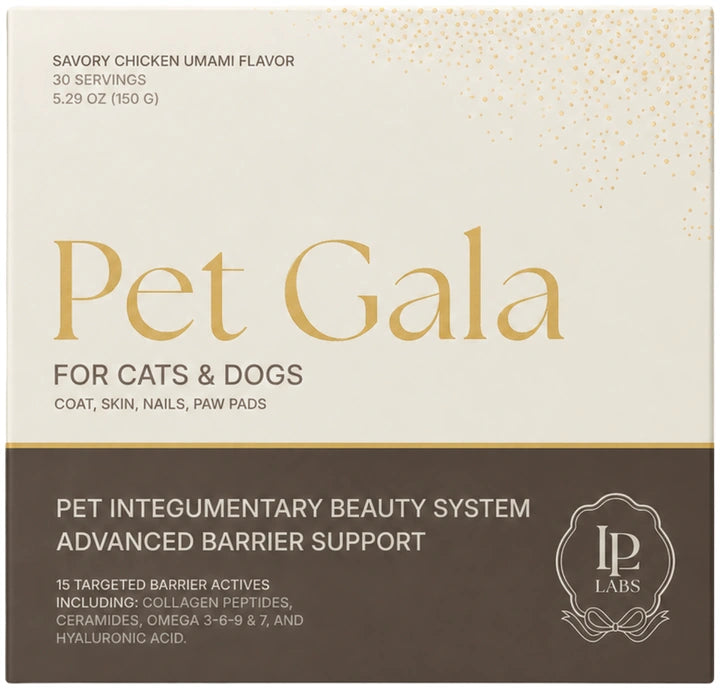
Pet Gala™ is designed for the signals you can see—coat shine, comfortable skin, and strong, tidy nails—so your cat’s everyday look matches the care you put in. It complements thoughtful protein choices, including hydrolyzed whey protein supplements for cats, by supporting visible condition as a whole rather than focusing on a single ingredient.

A cat’s coat is a public-facing detail. It’s what you feel when they jump onto your lap, what you see when sunlight hits their back, and what quietly tells you whether the routine is working. When owners search for hydrolyzed whey protein for cats, they’re rarely chasing a “performance” goal. They’re looking for reassurance: a protein option that’s gentle, consistent, and compatible with the kind of daily care that shows up as softness, shine, and comfortable skin.

Hydrolyzed whey is whey protein that’s been broken into smaller peptides. That processing is often used to improve digestibility and amino acid availability, and hydrolyzed proteins are frequently chosen when tolerance is a concern. For many cats, the value is practical: fewer mealtime standoffs, fewer digestive surprises, and a steadier foundation for the visible signals owners care about.

But here’s the honest tension: even if a complete diet already contains adequate protein, visible condition is not only about meeting minimum requirements. It’s about how well your cat tolerates what they eat, how consistent the routine can be, and whether the support is designed for skin, coat, and nails together. That’s why science-minded owners still choose a beauty-focused product: it’s care that begins beneath the surface and shows where it matters—every day.

By La Petite Labs Editorial, ~15 min read

Featured Product:

  • Hydrolyzed whey is “pre-broken” protein that often feels gentler in daily feeding routines.
  • Better tolerance can show up as steadier appetite, calmer digestion, and fewer coat “off days.”
  • Owners typically choose it for visible condition: softness, sheen, and a coat that lies smoothly.
  • Powders offer control and subtlety; treats add convenience but can add extras and calories.
  • If your cat has food reactions or is on a veterinary diet, add-ins should be vet-approved.
  • Quality signals include clear sourcing, minimal additives, and consistent batch-to-batch experience.
  • Science-minded owners still choose a beauty formula because visible condition is multi-factorial, not single-nutrient.

Why Hydrolyzed Whey Feels Different in a Cat’s Daily Routine

Hydrolyzed whey protein for cats is whey that’s been gently “pre-cut” into smaller peptides. In practical terms, that often means a protein source that’s easier to digest and more predictable in how it performs in the bowl. Studies on hydrolyzed proteins in feline diets suggest improved amino acid digestibility compared with non-hydrolyzed forms, which can support consistent intake when a cat is picky or sensitive (Hsu C, 2023).

For beauty-focused care, that consistency matters because coat shine, comfortable skin, and tidy shedding are visible signals of day-to-day wellbeing (see: The Science Behind the Best Skin and Coat Supplements for Cats). When protein is well tolerated, owners often notice fewer “off days” in appearance—less dullness, less rough texture, and a more polished look after routine grooming. A hydrolyzed whey protein supplement for cats can be one way to support that steady presentation without changing the entire diet.

Scientific view of skin barrier tied to coat beauty with hydrolyzed whey protein treats for cats.

What Hydrolyzed Whey Protein Is, and Why Owners Notice the Difference

Whey is a milk-derived protein with a strong amino acid profile. When it’s hydrolyzed, enzymes break it into smaller fragments that can be absorbed more readily. Hydrolyzed whey protein can enhance amino acid availability, which may be helpful for maintaining lean tissue and overall condition in cats (Richards T, 2025). In a beauty context, that “condition” is often what you see first: a coat that holds its shine, skin that looks calm, and a cat that grooms without irritation.

Because cats can be selective, the best hydrolyzed whey protein supplement for cats is typically the one that disappears into the routine—no strong smell, no gritty texture, no sudden appetite changes. Owners who value a polished look tend to prefer supplements that support visible care without turning mealtime into a negotiation.

Close-up collagen structure tied to skin support from hydrolyzed whey protein for cats.

Hydrolyzed Does Not Mean Weak: It Means Designed for Consistency

“Hydrolyzed” is sometimes confused with “low quality,” but it’s the opposite: it’s a processing choice made for performance. In extruded diets, hydrolyzed protein can offer benefits in protein quality compared with non-hydrolyzed options, depending on formulation (Hsu C, 2023). For supplements, the same idea applies—hydrolysis is used to make the protein easier to handle for sensitive stomachs and to keep results consistent.

If your goal is a more radiant coat, you’re looking for steady inputs that don’t create setbacks (related: The Science Behind Cat Hair Growth). A hydrolyzed whey protein powder for cats can be a practical choice when you want to add a small amount of high-quality protein without changing the base food or relying on strongly flavored toppers.

Beauty visualization highlighting formulation depth and rigor in best hydrolyzed whey protein supplements for cats.

Coat, Skin, and Nails: the Visible Signals Protein Helps Support

Visible coat quality is built from protein plus the right overall nutrition. Hair is protein-rich, and when a cat’s intake is inconsistent, the coat can look less even—more breakage, more “dusty” texture, less bounce after brushing. Hydrolyzed whey protein is considered a highly digestible protein source that can support adult cats, which is one reason it’s used when digestibility is a priority (Morris, 2023).

That said, the best hydrolyzed whey protein for cats is not a magic gloss (see: Cat Skin Care). It works best as part of a routine: hydration, gentle grooming, and a supplement strategy that supports skin and coat together. When those pieces align, the difference tends to show in a cleaner sheen and a softer feel.

Dog close-up emphasizing coat shine and connection supported by best hydrolyzed whey protein supplement for cats.

Allergy and Sensitivity Context: What Hydrolyzed Proteins Are Used For

Some owners consider hydrolyzed whey protein for cats because their cat seems “reactive” to certain foods. Hydrolyzed proteins are commonly used to reduce the risk of allergic reactions, because smaller peptide sizes may be less likely to trigger immune recognition. There’s also evidence in sensitized subjects that hydrolyzed whey can reduce development of allergy to specific whey components like β-lactoglobulin (Gomes-Santos AC, 2015).

Still, skin itching, ear debris, and overgrooming have many causes. If those signs are persistent, a veterinary workup is the most direct path to relief. If your veterinarian agrees a gentle protein add-in is appropriate, hydrolyzed whey protein supplements for cats may be one option to trial while keeping the rest of the routine stable.

The scratching is completely gone, his coat looks healthy and shiny!

— Lena

He was struggling with itching, now he's glowing.

— Grace

“When digestion is calm, the coat is easier to keep polished—and the routine feels effortless.”

Powder Versus Treats: Choosing the Format Your Cat Accepts

Owners often ask whether hydrolyzed whey protein treats for cats “count” the same as a powder. They can, but treats are more likely to include binders, flavors, and extra calories. If your cat is sensitive, simpler is usually better. Hydrolyzed proteins are generally more digestible than non-hydrolyzed forms, which can help keep the routine comfortable.

A powder format gives you control: you can use a tiny amount, mix thoroughly into wet food, and keep the taste profile familiar. Treats can still be useful for bonding and training, but for beauty goals, consistency tends to beat novelty—especially when you’re watching for changes in softness, shine, and shedding.

Dog photo highlighting coat health and expression supported by hydrolyzed whey protein for cats.

What to Expect: Early Signals Owners Often Notice First

Timing is a practical question: when will you notice anything? With coat and skin, owners often look for early signals first—less static, a smoother feel along the back, and a more even look after brushing. Because hydrolyzed whey protein is designed for easy digestion and absorption, it’s chosen for predictability rather than intensity (Geary EL, 2023).

Most cats need a few weeks of steady routine before the coat’s “finish” looks different. If you’re changing multiple things at once, it’s hard to tell what helped. Keep the base diet consistent, add only one new supplement at a time, and track visible markers like shedding on your brush, dandruff, and how the coat reflects light.

Profile dog image reflecting natural beauty supported by hydrolyzed whey protein powder for cats.

Quality Signals: Labels, Additives, and What to Avoid

Quality signals matter because cats are small, and small differences in formulation can feel big. Look for hydrolyzed whey protein supplements for cats that clearly state the protein source, avoid unnecessary sweeteners, and provide straightforward feeding directions. Protein quality can be assessed through measures like nitrogen-corrected true metabolizable energy, and processing can influence those outcomes.

From an owner’s perspective, the best hydrolyzed whey protein for cats is the one that stays consistent from scoop to scoop and doesn’t create new issues (loose stool, refusal, or greasy coat). If you’re unsure, ask your veterinarian which ingredient profiles are least likely to complicate an existing diet plan.

Product info graphic highlighting testing and standards behind hydrolyzed whey protein powder for cats.

Protein Quality in Plain Language: Why Digestibility Is the Point

Hydrolyzed whey protein for cats is often discussed alongside “protein quality.” In research settings, assays are used to evaluate digestibility and amino acid availability, including methods like precision-fed models to estimate how well a protein performs (Hsu C, 2023). You don’t need to read a paper to benefit from the takeaway: hydrolyzed proteins are selected when digestibility and consistency are the priority.

For beauty care, that translates into fewer surprises. When the digestive side is calm, the coat side is easier to maintain. Pair a gentle protein strategy with hydration, regular brushing, and a formula designed for skin and coat, and you’re more likely to see the “well-kept” look you’re aiming for.

How to Compare Quality When Shopping for Hydrolyzed Whey

If you’re comparing the best hydrolyzed whey protein for cats, start with what you can verify: ingredient transparency, batch consistency, and a clear purpose (beauty support rather than “muscle hacks”). Hydrolyzed whey is valued because it can increase amino acid availability and is generally highly digestible (Richards T, 2025). That’s useful when you want a supplement to feel “quiet” in the routine—no drama at the litter box, no appetite disruption.

Also consider format. Hydrolyzed whey protein powder for cats is flexible for mixing, while hydrolyzed whey protein treats for cats can be convenient but may add extra calories or flavors that don’t suit every cat. The best hydrolyzed whey protein supplement for cats is the one your cat accepts daily, with a label that matches your standards for simplicity and quality.

“The best supplement is the one your cat accepts quietly, day after day.”

Clinical image tied to evidence-based beauty positioning for hydrolyzed whey protein treats for cats.

Sensitive Cats: Keeping Meals Gentle While Supporting a Polished Look

Cats with sensitive digestion can be the hardest to keep looking “fresh.” When the gut is unsettled, it often shows up in the coat first: a flatter sheen, more dandruff-like flakes, or a slightly unkempt feel even after brushing. Hydrolyzed proteins are often used in diets designed to reduce the risk of adverse food reactions, in part because smaller peptides may be less likely to trigger sensitivity (Morris, 2023).

That doesn’t mean hydrolyzed whey is a cure-all, and it’s not a substitute for veterinary evaluation if vomiting, diarrhea, or weight loss is present. But as part of a calm, consistent routine, hydrolyzed whey protein supplements for cats can be a supportive choice when you’re trying to keep meals gentle while still prioritizing visible coat and skin condition.

Shop Now
Ingredient still life illustrating clean formulation principles for best hydrolyzed whey protein for cats.

Processing Matters: Why Some Proteins Sit Better Than Others

All proteins are not equal in how they’re processed, and processing can change digestibility. Research notes that protein digestibility can vary significantly based on processing methods, and hydrolyzed forms are often used to improve how readily amino acids are absorbed (Geary EL, 2023). For owners, the “so what” is simple: a protein that sits well tends to support a steadier appetite and a more consistent outward look.

When you’re choosing between hydrolyzed whey protein powder for cats and other add-ins, look for a product that doesn’t compete with the diet’s balance. The goal is not to overwhelm the bowl; it’s to quietly support the everyday signals you can see—softness, sheen, and a coat that looks cared-for even between baths and brush-outs (related: Omega 7 for Cats).

Shop Now
Lifestyle shot of dog owner and Pet Gala aligned with best hydrolyzed whey protein supplements for cats.

Safety and Tolerance: When a “Gentle” Protein Still Isn’t Right

Safety is mostly about fit. Hydrolyzed whey protein for cats is generally used as a digestible protein source, but individual cats can still react to dairy-derived ingredients or to added flavors in supplements. Hydrolyzed proteins are often selected because smaller peptides may be less likely to provoke allergic reactions in sensitive individuals (Richards T, 2025). Still, “less likely” is not “never.”

If your cat has a history of food reactions, chronic GI signs, or is on a veterinary elimination diet, check with your veterinarian before adding any hydrolyzed whey protein supplement for cats. Introduce slowly, watch stool quality and itchiness, and stop if you see vomiting, facial rubbing, hives, or sudden refusal to eat.

Shop Now

Serving Guidance Without Guesswork: Keeping Additions Small and Steady

Owners often ask for a “dose,” but supplement needs vary with diet, body size, and health status. Rather than chasing a universal number, use the product label and your veterinarian’s guidance—especially for kittens, seniors, pregnant cats, or cats with kidney disease. The safest approach is to treat hydrolyzed whey protein supplements for cats as a small, consistent addition, not a major calorie source.

If you’re using hydrolyzed whey protein treats for cats, account for treat calories so you don’t accidentally dull the very signals you’re trying to enhance (a sleek silhouette and energetic play). When in doubt, prioritize a measured powder format and keep the routine steady for two to four weeks before judging visible changes.

Beyond Minimums: Why Visible Condition Still Deserves Extra Attention

A common misconception is that if a cat eats a complete diet, supplements are pointless. Complete diets do cover essentials, but visible condition is not only about minimums—it’s about consistency, tolerance, and the small daily choices that keep a coat looking polished. Hydrolyzed whey protein can be a tool for owners who want a gentle, high-quality protein input that doesn’t feel heavy or disruptive (Morris, 2023).

This is also why “best hydrolyzed whey protein supplements for cats” isn’t just a ranking question. It’s a lifestyle question: what fits your cat’s preferences, your feeding style, and your standards for ingredient clarity—so you can keep the routine going long enough to see the difference in softness, shine, and overall neatness.

Visual breakdown contrasting competitors and quality standards in best hydrolyzed whey protein for cats.

When Health Is Complex: Coordinating Supplements with Veterinary Plans

If your cat is being evaluated for chronic enteropathy or persistent GI issues, any dietary change should be coordinated with your veterinarian. Research shows hydrolyzed protein diets can influence metabolomic profiles in cats with chronic enteropathy, underscoring that “protein form” can matter in sensitive cases (Kathrani A, 2023). That’s a reminder to keep supplementation conservative and supervised when health is complex.

For beauty goals, the priority is comfort that shows: less overgrooming, fewer flaky patches, and a coat that lies smoothly. If GI signs are present, focus first on stability. Once the baseline is calm, a carefully chosen hydrolyzed whey protein supplement for cats may be considered as part of a broader, vet-aligned plan.

Shop Now
Pet Gala in protective wrap, emphasizing quality behind hydrolyzed whey protein powder for cats.

Cats First: Choosing Formats and Flavors That Actually Work

Cats are not small dogs, and protein add-ins should respect feline preferences and metabolism. The appeal of hydrolyzed whey protein for cats is its simplicity: a clean-tasting, highly digestible protein source that can blend into wet food without changing the meal’s identity. Hydrolyzed whey is described as easily digested and absorbed, which is part of why it’s used in animal nutrition contexts (Geary EL, 2023).

If you’re shopping for the best hydrolyzed whey protein for cats, avoid products designed for human fitness that include sweeteners, gums, or strong flavors. Cats value subtlety. A minimal ingredient profile supports the goal: a routine that feels effortless, with visible payoffs in coat texture and overall “well-kept” presentation.

Shop Now

The Visible Payoff: Where Protein Fits in a Complete Beauty Routine

The reason a careful, science-minded owner still chooses a beauty-focused product is that visible condition is multi-factorial. Protein quality matters, but so do skin lipids, hydration, grooming friction, and the cat’s comfort with daily care. Hydrolyzed whey protein supplements for cats can support the protein side of the picture, yet the most satisfying results usually come from a formula that’s built for coat, skin, and nails together—not a single nutrient in isolation (see: The Best Cat Nail Supplements for Stronger, Healthier Claws).

Think of it as the difference between “meeting requirements” and “looking unmistakably cared for.” When the routine is easy to keep, the signals are easier to see: a brighter sheen, smoother feel, and a cat that seems comfortable in their own skin.

“Visible condition is multi-factorial: protein matters, but so does the whole skin-and-coat picture.”

Educational content only. This material is not a substitute for veterinary advice. Always consult your veterinarian about your dog’s specific needs. These statements have not been evaluated by the Food and Drug Administration. Products mentioned are not intended to diagnose, treat, cure, or prevent any disease.

Glossary

  • Hydrolyzed Protein: Protein that has been broken into smaller peptides to improve digestibility and tolerance.
  • Whey Protein: A milk-derived protein fraction valued for its amino acid profile.
  • Peptides: Short chains of amino acids; smaller peptides can be easier to digest than intact proteins.
  • Amino Acids: Building blocks of protein used for tissue maintenance, including hair and skin structures.
  • Digestibility: How efficiently a cat can break down and absorb nutrients from food or supplements.
  • Food Sensitivity: An adverse response to a food ingredient that may show as GI upset or skin irritation.
  • Elimination Diet: A veterinarian-directed diet trial used to identify potential food triggers.
  • Coat Sheen: The way fur reflects light; often used by owners as a visible marker of condition.
  • Palatability: How appealing a food or supplement is to a cat in taste, smell, and texture.

Related Reading

References

Hsu C. Standardized amino acid digestibility and protein quality in extruded canine diets containing hydrolyzed protein using a precision-fed rooster assay.. PubMed. 2023. https://pubmed.ncbi.nlm.nih.gov/37638674/

Richards T. A Comparative Analysis of Creatine, Creatinine, Amino Acid Concentrations and Indispensable Amino Acid Scores of Grain-Free and Grain-Inclusive Commercial Extruded Adult Cat Foods.. PubMed Central. 2025. https://pmc.ncbi.nlm.nih.gov/articles/PMC12451408/

Geary EL. Standardized amino acid digestibility and nitrogen-corrected true metabolizable energy of frozen raw, freeze-dried raw, fresh, and extruded dog foods using precision-fed cecectomized and conventional rooster assays.. PubMed Central. 2023. https://pmc.ncbi.nlm.nih.gov/articles/PMC10684041/

Morris. Rice protein concentrate is a well-accepted, highly digestible protein source for adult cats.. PubMed Central. 2023. https://pmc.ncbi.nlm.nih.gov/articles/PMC10175793/

Gomes-Santos AC. Hydrolyzed whey protein prevents the development of food allergy to β-lactoglobulin in sensitized mice.. PubMed. 2015. https://pubmed.ncbi.nlm.nih.gov/26364716/

Kathrani A. The effects of a hydrolyzed protein diet on the plasma, fecal and urine metabolome in cats with chronic enteropathy.. PubMed. 2023. https://pubmed.ncbi.nlm.nih.gov/37968311/

Martín-Esteban M. Evaluation of an extensively hydrolyzed casein-whey protein formula in immediate cow's milk protein hypersensitivity.. PubMed. 1998. https://pubmed.ncbi.nlm.nih.gov/9580376/

Almohawes. The cardioprotective effect of whey protein against thioacetamide-induced toxicity through its antioxidant, anti-inflammatory, and anti-apoptotic effects in male albino rats. 2025. https://www.frontiersin.org/journals/veterinary-science/articles/10.3389/fvets.2025.1590722/full

Cave NJ. Hydrolyzed protein diets for dogs and cats.. PubMed. 2006. https://pubmed.ncbi.nlm.nih.gov/17085233/

Chung CS. FDA's health claim review: whey-protein partially hydrolyzed infant formula and atopic dermatitis.. PubMed. 2012. https://pubmed.ncbi.nlm.nih.gov/22778306/

Minamoto. Alteration of the fecal microbiota and serum metabolite profiles in dogs with idiopathic inflammatory bowel disease.. Nature. 2015. https://www.nature.com/articles/s41598-023-47334-y

Ahmed. Bioaccumulation of heavy metals in some commercially important fishes from a tropical river estuary suggests higher potential health risk in children than adults.. Nature. 2019. https://www.nature.com/articles/s41598-021-00467-4

Hussein. Toxicity study and blood pressure–lowering efficacy of whey protein concentrate hydrolysate in rat models, plus peptide characterization. 2020. https://www.sciencedirect.com/science/article/pii/S0022030219311270

FAQ

What Is Hydrolyzed Whey Protein For Cats, Simply Put?

It’s whey protein that has been broken into smaller peptides, which can make it easier for some cats to digest and use. Owners usually consider it when they want a gentle, consistent protein add-in that doesn’t disrupt appetite.

For beauty goals, the appeal is steadier day-to-day condition—coat texture that feels smoother and looks more polished when the routine is consistent. To support those visible signals in a broader way, consider Pet Gala™.

Why Do Owners Choose Hydrolyzed Whey For Coat Appearance?

When a cat tolerates a protein well, the whole routine tends to look smoother: steadier appetite, fewer digestive surprises, and a coat that’s easier to keep neat. Hydrolyzed whey is often selected because it’s highly digestible and supports amino acid availability.

That consistency can show up as a softer feel after brushing and a more even sheen under light. For a formula built around visible skin-and-coat signals (not just one ingredient), many owners pair routines with Pet Gala™.

How Does Hydrolyzed Whey Compare To Regular Whey?

Regular whey is intact protein; hydrolyzed whey is partially broken down. That processing can improve digestibility and amino acid availability for some animals, which is why hydrolyzed proteins are used when tolerance is a priority.

If your cat is sensitive, the “best” choice is the one that stays quiet in the routine—no appetite disruption and no stool changes. For visible condition support that goes beyond protein alone, look at Pet Gala™.

Is Hydrolyzed Whey Protein Safe For Most Adult Cats?

For many adult cats, hydrolyzed whey is used as a digestible protein source, but “safe” depends on the individual and the full ingredient list. Hydrolyzed proteins are commonly chosen to reduce the likelihood of adverse reactions in sensitive cats, though reactions can still happen.

If your cat has a history of food reactions, chronic GI signs, or is on a prescription diet, confirm with your veterinarian before adding any supplement. For beauty-focused daily support, consider Pet Gala™.

When Should Cats Avoid Hydrolyzed Whey Protein Supplements?

Avoid adding new supplements if your cat is in the middle of a veterinary elimination diet, has uncontrolled vomiting/diarrhea, or has a known intolerance to dairy-derived ingredients. Hydrolyzed proteins can be used in sensitive cases, but the plan should be coordinated so you don’t muddy diagnostic work(Kathrani A, 2023).

If you’re unsure, pause and ask your veterinarian what fits the current diet strategy. For a skin-and-coat routine that stays simple, many owners choosePet Gala™.

How Much Hydrolyzed Whey Protein Should I Give My Cat?

There isn’t one universal amount that fits every cat, because needs depend on diet, size, and health status. Use the product’s feeding directions and keep your veterinarian in the loop if your cat is a kitten, senior, pregnant, or has kidney disease.

Introduce any new protein add-in gradually and watch stool quality and appetite for a week before increasing. For a broader approach to visible coat and skin support, consider Pet Gala™.

What Side Effects Might Occur With Whey-Based Cat Supplements?

Possible side effects are usually digestive: softer stool, gas, or vomiting, especially if introduced too quickly or if the formula includes extra flavors. Processing affects digestibility, and some cats still won’t tolerate certain ingredients even when hydrolyzed.

Stop the supplement and contact your veterinarian if you see repeated vomiting, lethargy, facial swelling, or refusal to eat. For a beauty-forward routine designed for visible comfort, explore Pet Gala™.

Can Hydrolyzed Whey Interact With My Cat’s Medications?

Protein supplements aren’t common drug-interaction triggers, but they can complicate timing for medications that must be given on an empty stomach or with a specific diet plan. If your cat takes thyroid meds, antibiotics, or GI medications, ask your veterinarian about spacing and compatibility.

The simplest approach is to keep the supplement routine consistent and separate from any medication schedule your veterinarian has set. For visible skin-and-coat support that fits into daily care, consider Pet Gala™.

Is Hydrolyzed Whey Appropriate For Kittens Or Senior Cats?

Life stage matters. Kittens and seniors have different calorie needs and medical considerations, so any protein add-in should be approved by your veterinarian. Hydrolyzed whey is valued for digestibility, but the overall diet balance is still the priority.

If your veterinarian says it’s appropriate, start low and keep the routine steady so you can judge tolerance. For a beauty-focused daily supplement approach, look at Pet Gala™.

Do Certain Cat Breeds Benefit More From Hydrolyzed Whey?

Breed doesn’t determine need as much as coat type, grooming habits, and individual sensitivity. Long-haired cats may show changes in softness and manageability sooner simply because there’s more coat to feel and brush.

If your cat tends toward dandruff, overgrooming, or a dull finish, a gentle protein strategy can be part of the routine—but it’s rarely the only piece. For visible coat and skin support in one formula, consider Pet Gala™.

Is Hydrolyzed Whey Protein For Cats Different From Dogs?

The ingredient can be similar, but cats have different nutritional priorities and stronger preferences about taste and texture. A cat-appropriate product should avoid sweeteners and strong flavors common in human or dog supplements.

If you’re considering a shared household supplement, don’t—choose something formulated for cats and their feeding patterns. For feline-focused visible condition support, consider Pet Gala™.

How Soon Might I Notice Coat Changes After Starting?

Many owners look for early, practical signals: easier brushing, less static, and a smoother feel along the back. Because hydrolyzed proteins are chosen for digestibility, the first “win” is often routine comfort rather than dramatic change.

Give a consistent routine a few weeks before judging shine or shedding, and avoid changing multiple variables at once. For daily visible-support care that complements your routine, consider Pet Gala™.

What Quality Signs Indicate The Best Hydrolyzed Whey Option?

Look for clear sourcing, minimal additives, and a label that’s easy to audit. Processing affects digestibility, so consistency and transparency matter more than flashy claims.

Also consider whether the product is designed for cats (taste, texture, serving size) and whether it fits your feeding style. For a formula built around visible coat, skin, and nails, consider Pet Gala™.

Should I Choose Hydrolyzed Whey Powder Or Treats?

Powder is usually easier to keep precise and subtle, especially for cats that dislike new textures. Treats can be convenient, but they often include binders or flavors and can add calories that complicate weight maintenance.

If your cat is sensitive, start with the simplest option and introduce slowly. For a beauty routine that supports visible condition beyond a single add-in, consider Pet Gala™.

Can I Use Hydrolyzed Whey Every Day Long Term?

Daily use can be reasonable if your cat tolerates it and the product is formulated appropriately, but it should remain a small part of total calories. Hydrolyzed whey is used for digestibility and amino acid availability, not as a replacement for a complete diet.

Reassess if your cat’s diet changes, if weight shifts, or if GI signs appear. For a daily supplement designed around visible skin-and-coat signals, consider Pet Gala™.

Does Hydrolyzed Whey Help With Shedding Or Dull Fur?

Shedding and dullness have many causes—season, grooming, hydration, stress, and diet quality. A highly digestible protein can support overall condition, and hydrolyzed whey is often chosen for that reason.

If shedding is sudden or paired with itch, hair loss, or skin redness, involve your veterinarian. For a routine that targets visible coat and skin support more broadly, consider Pet Gala™.

What Does Research Say About Hydrolyzed Proteins In Cats?

Research on hydrolyzed proteins in feline diets suggests they can improve amino acid digestibility and are often used when tolerance is a goal. Other work notes hydrolyzed protein diets can shift metabolomic profiles in cats with chronic enteropathy, highlighting that protein form can matter in sensitive cases(Kathrani A, 2023).

For owners, the practical takeaway is to prioritize fit and consistency, especially if health is complicated. For visible condition support that complements a stable diet plan, considerPet Gala™.

When Should I Call The Vet Before Adding Protein Supplements?

Call your veterinarian first if your cat has repeated vomiting, diarrhea lasting more than a day, weight loss, poor appetite, intense itching, or is on a prescription elimination diet. These situations need a clear plan, and extra ingredients can confuse the picture.

Once your veterinarian confirms it’s appropriate, introduce any supplement slowly and track visible changes in coat and skin comfort. For a beauty-forward daily option, consider Pet Gala™.

How Do I Decide If Hydrolyzed Whey Fits My Cat?

Start with the problem you’re trying to solve: picky eating, sensitive digestion, or a coat that looks dull despite good grooming. If your cat tolerates dairy-derived ingredients and your veterinarian has no concerns, a small, simple protein add-in can be reasonable.

Then choose the format your cat will accept consistently, because consistency is what shows up in visible condition. For a holistic approach to coat, skin, and nails, consider Pet Gala™.

Can Hydrolyzed Whey Support Cats With Sensitive Stomachs?

Some cats do better with hydrolyzed proteins because they’re generally more digestible than non-hydrolyzed forms. That can make the feeding routine feel calmer, which often helps owners maintain consistent grooming and hydration habits that show up in the coat.

If sensitivity is persistent or severe, treat supplements as “vet-approved only” so you don’t mask a bigger issue. For visible condition support that fits a gentle routine, consider Pet Gala™.

5K+ Happy Pet Parents

Excellent 4.8

Hydrolyzed Whey Protein for Cats | Why Thousands of Pet Parents Trust Pet Gala™

"Magical. He was struggling with itching and shedding. Now he's literally glowing."

Grace & Ducky

"Improves her skin, fur, nails, and eyes. We're loving it!"

Cat & Miso

"It's so good for his coat, and so easy to mix into food."

Alex & Cashew

"The scratching is completely gone, his coat looks healthy and shiny."

Lena & Bear

"Magical. He was struggling with itching and shedding. Now he's literally glowing."

Grace & Ducky

"Improves her skin, fur, nails, and eyes. We're loving it!"

Cat & Miso

"It's so good for his coat, and so easy to mix into food."

Alex & Cashew

"The scratching is completely gone, his coat looks healthy and shiny."

Lena & Bear

"Magical. He was struggling with itching and shedding. Now he's literally glowing."

Grace & Ducky

"Improves her skin, fur, nails, and eyes. We're loving it!"

Cat & Miso

"It's so good for his coat, and so easy to mix into food."

Alex & Cashew

"The scratching is completely gone, his coat looks healthy and shiny."

Lena & Bear

"Magical. He was struggling with itching and shedding. Now he's literally glowing."

Grace & Ducky

"Improves her skin, fur, nails, and eyes. We're loving it!"

Cat & Miso

"It's so good for his coat, and so easy to mix into food."

Alex & Cashew

"The scratching is completely gone, his coat looks healthy and shiny."

Lena & Bear

SHOP NOW