L-carnitine for Cats

Identify Metabolic Fatigue Signs and When L-Carnitine May Restore Fuel Use

Essential Summary

Why is L-carnitine for cats important?

L-carnitine for cats is a nutrient-like compound that supports how the body uses fat for energy, which can matter for weight management and everyday vitality. Research in overweight cats links supplementation with increased fatty acid oxidation and improved body condition signals. The most satisfying results are visible: comfortable movement, steadier play, and a well-kept look.

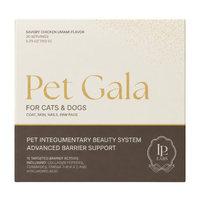
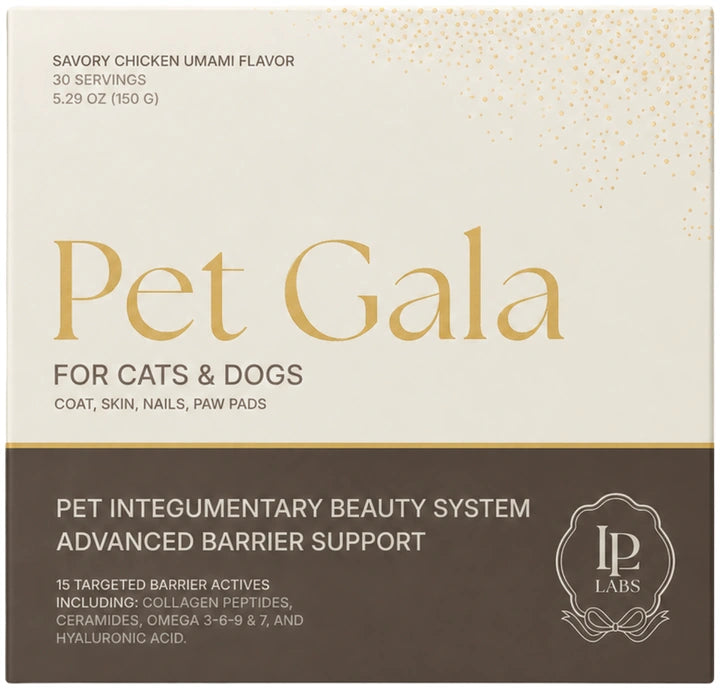
Pet Gala™ is designed for owners who want daily support that shows: a coat that looks freshly cared for, skin that seems comfortable, and nails that stay clean and strong. Instead of treating L-carnitine as a standalone “fix,” Pet Gala™ fits it into a broader beauty-forward routine—supporting the visible signals of wellbeing that make your cat look vibrant and polished.

Searching for l-carnitine for cats usually isn’t about chasing a trend. It’s about a look you recognize as “healthy”: a cat who moves with ease, keeps up with play, and wears their coat with a clean, natural sheen. L-carnitine sits in an interesting place—technical enough to sound medical, yet familiar enough to appear in everyday nutrition conversations. At its core, it supports how the body uses fat for energy by transporting fatty acids into mitochondria. That’s the science, but owners live with the signals: appetite steadiness, body condition that’s easier to maintain, and grooming habits that keep the coat polished.

Research in overweight cats suggests L-carnitine supplementation can enhance metabolic rate and promote fatty acid oxidation. In real homes, that often translates into incremental, reassuring changes—never a dramatic overnight shift. This page walks through what L-carnitine can and can’t do, how to think about quality and safety, and why a beauty-forward daily formula still matters even if you’re focused on a single ingredient. A careful owner doesn’t want a “miracle”; they want a routine that reliably supports visible wellbeing—skin comfort, coat luster, and a confident, well-kept presence.

By La Petite Labs Editorial, ~15 min read

Featured Product:

  • L-carnitine is involved in using fat for energy, which can show up as steadier everyday pep.
  • In overweight cats, supplementation has been studied for supporting fatty acid oxidation and body condition.
  • The most meaningful “results” are often visible: comfortable movement, normal grooming, and a well-kept coat.
  • Cats do best with gradual weight changes; rapid restriction can create metabolic stress in some situations (Center SA, 2000).
  • L-carnitine is generally considered safe in cats, but introduce any supplement carefully and monitor digestion.
  • “Best” products are transparent about amounts, easy to give, and compatible with your cat’s routine.
  • A beauty-forward formula matters because coat, skin, and nails reflect whole-routine care, not one ingredient.

Why L-carnitine Draws Attention from Detail-oriented Cat Owners

L-carnitine for cats is best known for its role in turning fat into usable energy—yet what many owners notice first isn’t a lab value. It’s the everyday presentation: a cat that looks a little more “together,” with steadier pep, a more polished coat, and a body condition that’s easier to maintain when routines change (see: Omega 7 for Cats). L-carnitine’s core job is transporting fatty acids into mitochondria so they can be used for energy (Lin X, 2024). That’s a behind-the-scenes function, but the signals can be visible: smoother weight management, less “sluggish” body language, and a coat that reads as well-kept when overall nutrition is consistent.

Because it sits at the intersection of energy use and fat metabolism, L-carnitine supplements for cats are often discussed alongside weight control and body condition. Research in overweight cats suggests supplementation can enhance metabolic rate and promote fatty acid oxidation (Center SA, 2012). The goal for most households isn’t a dramatic transformation—it’s a cat who looks comfortably fit, moves with ease, and wears their coat with a healthy sheen.

Visualization of beauty nutrition illustrating support pathways for l-carnitine dosage for cats.

What L-carnitine Does for Energy Use and Everyday Presentation

Owners usually come to l-carnitine for cats with one of three hopes: easier weight control, steadier energy, or support during a diet change. The science backdrop is straightforward: L-carnitine helps shuttle long-chain fatty acids into mitochondria, where they can be oxidized for energy. When that process runs smoothly, cats may handle dietary fat more efficiently, which can matter in overweight populations.

In studies of overweight cats, supplementation has been associated with enhanced metabolic rate and increased fatty acid oxidation (Center SA, 2012). That doesn’t mean every cat will visibly “lean out,” but it supports the kind of incremental changes owners appreciate: a waistline that’s less stubborn, play sessions that last a little longer, and a general look of vitality that reads as well-kept rather than wired.

Scientific beauty render highlighting skin hydration supported by l-carnitine supplement for cats.

The Most Common L-carnitine Benefits Owners Hope to See

L-carnitine benefits for cats are often framed as internal, but the most satisfying outcomes are the ones you can see and feel. When a cat’s energy use is supported, daily movement can look more fluid—jumping up without hesitation, grooming with more thoroughness, and engaging in play with a calmer confidence. These are subtle signals, yet they’re exactly what attentive owners track.

Because L-carnitine is tied to fatty acid transport for energy production, it’s frequently paired with weight-management diets and body condition goals. The best outcomes tend to happen when supplementation is not treated as a “fix,” but as part of a consistent care ritual: measured meals, regular brushing, hydration support, and a formula that complements skin and coat needs (related: The Science Behind the Best Skin and Coat Supplements for Cats).

Beauty formulation visualization tied to support mechanisms in l-carnitine supplements for cats.

Weight Management Context: What Research in Overweight Cats Suggests

If you’re considering an l-carnitine supplement for cats for weight support, it helps to know what the research actually suggests. In overweight feline populations, L-carnitine supplementation has been studied for potential benefits in managing obesity and improving body condition. Another line of research in obese cats observed that supplementation modifies carnitine metabolism and can reduce ketosis during fasting (Blanchard G, 2002).

For owners, the practical translation is simple: choose steady, not extreme. Rapid restriction can backfire in cats, so any plan should prioritize gradual change, adequate protein, and close monitoring of appetite and mood. Supplements can be supportive, but the visible goal is a cat who looks comfortably lean, not “smaller at any cost.”

Dog looking radiant, symbolizing beauty and care supported by l-carnitine supplement for cats.

Energy Without Hype: Supporting a Cat’s Natural Rhythm

Energy is not just about zoomies; it’s about how a cat carries themselves through the day. L-carnitine’s role in energy production is foundational—fatty acids need transport into mitochondria to be used efficiently. When owners describe a cat as “brighter,” they often mean posture, willingness to play, and a return to normal grooming habits.

That said, energy changes should be interpreted carefully. If a cat is suddenly lethargic, hiding, or refusing food, supplementation is not the next step—medical evaluation is. Used appropriately, L-carnitine can fit into a routine aimed at visible vitality: a cat who looks alert, moves comfortably, and keeps their coat looking freshly tended (see: Biotin for Cats).

The scratching is completely gone, his coat looks healthy and shiny!

— Lena

He was struggling with itching, now he's glowing.

— Grace

“The best supplement routines are the ones your cat accepts calmly—and that calm shows up in the coat.”

Metabolism and Shape: Setting Realistic Expectations for Visible Change

Owners also ask about L-carnitine and “metabolism,” usually meaning: will my cat maintain a healthy shape more easily? In overweight cats, supplementation has been associated with increased fatty acid oxidation and enhanced metabolic rate. That can be relevant when you’re trying to refine body condition without making your cat feel like they’re constantly dieting.

The most reliable visible markers of progress are not the scale alone. Look for a waist that’s easier to feel, ribs that are less padded, and movement that seems lighter. Pair any supplement choice with portion accuracy, treat discipline, and enrichment that encourages natural activity—climbing, stalking toys, and short play bursts that feel like your cat’s idea.

Dog portrait symbolizing beauty and wellness support from l-carnitine benefits for cats.

Powder, Liquid, or Chew: Picking a Form Your Cat Accepts

Choosing between l-carnitine powder for cats, liquids, chews, or capsules is mostly about compliance—because the best supplement is the one your cat will actually take. Powders can disappear into wet food, while liquids may be easier for cats already accustomed to oral syringes. Chews are convenient, but some cats reject unfamiliar textures.

Whatever the form, introduce it in a way that protects trust: small amounts, familiar foods, and no wrestling. A calm routine supports the visible outcomes you want—steady appetite, comfortable digestion, and a coat that stays smooth because your cat keeps grooming normally (related: The Science Behind Cat Hair Growth). If administration becomes stressful, the “cost” can show up on the coat quickly.

Profile dog image reflecting natural beauty supported by l-carnitine supplements for cats.

Best L-carnitine Supplement for Cats: Matching Product to Your Goal

When people search for the best l-carnitine supplement for cats, they’re often trying to avoid two extremes: products that do nothing, and products that feel too aggressive. A good supplement is transparent, palatable, and designed for daily use without pushing the body into uncomfortable swings. In research settings, oral L-carnitine has been explored as a supportive tool during rapid weight loss in obese cats (Center SA, 2000), but at home, most cats do better with gradual change.

Also consider what else the formula supports. If your goal includes coat shine and skin comfort, a single-ingredient carnitine product may not match the full picture of “visible care.” (see: Cat Skin Care) Many owners prefer a broader, beauty-forward approach that supports how wellbeing shows up every day.

Ingredient overview graphic showing what's inside and how l-carnitine supplement for cats supports beauty.

When Results Show up: Tracking the Signals That Matter at Home

Timeline expectations matter. Some owners notice small shifts—slightly better play stamina, a more consistent appetite, or easier portion control—within a few weeks, while body condition and coat presentation often take longer because they reflect cumulative routine. In overweight cats, L-carnitine has been studied for effects on fat metabolism and body condition, which aligns with gradual, observable change rather than overnight results.

Track what you can see: weekly photos from the same angle, notes on play interest, grooming frequency, and how the coat feels under your hand. Those signals are often more meaningful than obsessing over a single number. Consistency is the quiet advantage that shows up in shine.

How to Choose a High-quality Carnitine Product Without Guesswork

If you’re comparing the best l-carnitine for cats, think like a label reader, not a hype reader. Look for clear ingredient disclosure, a realistic serving size, and a form that fits your cat’s preferences (capsule, chew, liquid, or l-carnitine powder for cats). Avoid “proprietary blends” that hide amounts, and be cautious with products that stack many stimulatory ingredients—cats rarely need that kind of push.

Quality signals also include manufacturing transparency and consistency from batch to batch. While L-carnitine is generally considered safe with few reported side effects (Lin X, 2024), the supplement category varies widely in purity and palatability. A science-minded owner can appreciate that a well-designed daily formula supports visible care beyond a single nutrient: skin comfort, coat luster, and nails that stay clean and strong are the “proof points” you live with (related: The Best Cat Nail Supplements for Stronger, Healthier Claws).

“Think in visible signals: movement, grooming, appetite steadiness, and a body condition that looks comfortable.”

Branded lab coat reflecting precision and trust supporting best l-carnitine supplement for cats.

L-carnitine Amounts: Why Vet-guided Dosing Protects Comfort and Results

L-carnitine dosage for cats should be treated as a vet-guided decision, not a DIY math problem. Needs vary with diet, body condition goals, and medical context. Studies in overweight cats have evaluated supplemental oral L-carnitine during periods of rapid weight loss, focusing on metabolic management rather than quick cosmetic change (Center SA, 2000). That matters because cats can respond poorly to aggressive calorie restriction, even when the intention is “healthy weight.”

A practical approach is to choose a product with conservative, clearly stated amounts and then align use with your veterinarian’s plan—especially if your cat is on a prescription diet or has a history of not tolerating new supplements. The right dose is the one that supports steady appetite, comfortable digestion, and a look that stays polished week to week.

Shop Now
Pet Gala with foods symbolizing beauty synergy aligned with l-carnitine dosage for cats.

Safety and Side Effects: What to Watch for in Real Life

Most cats tolerate an l-carnitine supplement for cats well, but “safe” still means “used thoughtfully.” L-carnitine is generally considered safe for use in cats, with few reported side effects (Lin X, 2024). When side effects do occur, they’re usually mild and digestive—soft stool, temporary appetite changes, or a cat simply refusing the taste.

Stop and check in with your veterinarian if you notice persistent vomiting, diarrhea, marked lethargy, or any sudden behavior change after starting a new supplement. Also remember: adding multiple new products at once makes it hard to tell what’s helping (or irritating). A calm, minimal-change rollout tends to protect the very thing you’re trying to enhance—your cat’s comfortable skin, steady energy, and overall “well-kept” look.

Shop Now
Pet owner presenting supplement, highlighting home beauty support from best l-carnitine supplement for cats.

Medication and Condition Considerations Before Adding Any Supplement

Interactions and special situations deserve extra care. If your cat takes medications, has liver concerns, or is under active veterinary management for weight loss, ask before adding l-carnitine supplements for cats. In other species and contexts, L-carnitine has been discussed in relation to valproic acid–associated toxicity (Gziut T, 2025), which is a reminder that “nutrient” doesn’t automatically mean “neutral” in complex medical cases.

For most healthy cats, the bigger risk is not a dramatic interaction—it’s mismatched expectations. L-carnitine is not a shortcut for poor diet quality or inconsistent feeding routines. It works best when it’s part of a broader daily care pattern that shows up where you can see it: a smooth coat, comfortable skin, and a body condition that reads as balanced.

Shop Now

Weight Support: Visible Body Condition Changes Owners Actually Notice

Weight management is where L-carnitine gets most of its attention, and for good reason. In overweight cats, dietary L-carnitine supplementation has been studied for its potential to support fat metabolism and body condition (Center SA, 2012). Some research also notes changes in carnitine metabolism and reduced ketosis during fasting in obese cats (Blanchard G, 2002). That’s not about chasing extremes—it’s about supporting steadier transitions when calories are adjusted.

From an owner’s perspective, the “win” is often visual and practical: a cat who looks less puffy through the midsection, moves more fluidly, and maintains a tidy silhouette without seeming deprived. Pair any supplement with slow, vet-approved weight goals, high-protein nutrition, and enrichment that encourages natural movement.

Heart and Vitality Talk: Staying Grounded While Supporting Daily Energy

Heart health is frequently mentioned in conversations about L-carnitine, largely because energy production is central to how muscle tissue functions. L-carnitine’s role in moving fatty acids into mitochondria for energy is well established. Still, it’s important to keep claims grounded: supplementation is not a replacement for veterinary diagnosis, imaging, or prescribed therapy if a heart condition is suspected.

What owners can reasonably look for are softer, everyday signals of comfort: a cat who plays without quickly “checking out,” breathes normally at rest, and maintains a stable appetite. If you notice coughing, open-mouth breathing, fainting, or sudden exercise intolerance, treat it as urgent and seek veterinary care promptly.

Visual comparison highlighting no fillers advantage aligned with best l-carnitine supplement for cats.

Fasting Risks in Cats: Why Slow Changes Matter Most

Cats are uniquely sensitive to rapid diet changes and fasting, which is why discussions sometimes connect L-carnitine with hepatic lipidosis risk in weight-loss scenarios. Research in obese cats suggests L-carnitine may help reduce ketosis during fasting, and its use has been discussed in the context of helping prevent hepatic lipidosis development (Blanchard G, 2002). The practical takeaway is not “supplement and relax,” but “avoid abrupt restriction.”

If your cat is overweight, the most elegant plan is slow and steady: measured meals, high-quality protein, and a routine that keeps appetite and mood stable. Supplements can be supportive, but the visible result you want—bright eyes, a groomed coat, confident movement—comes from consistency more than intensity.

Shop Now
Product reveal shot showing premium feel consistent with l-carnitine supplements for cats.

Chronic Conditions and Nutrition: Keeping Weight and Coat Looking Steady

For cats with chronic conditions, nutrition is often about maintaining what looks and feels strong: stable weight, lean tissue, and a calm appetite. In early chronic kidney disease, dietary strategies can help cats maintain body weight and lean muscle mass (Hall JA, 2019). While that evidence is not “about L-carnitine alone,” it reinforces a broader point: the most visible markers of wellbeing are often tied to overall dietary composition, not a single add-on.

If your cat has kidney disease, heart disease, diabetes, or gastrointestinal issues, treat any l-carnitine supplement for cats as part of a coordinated plan. Your veterinarian can help you decide whether it fits the diet, the medication list, and the specific “look goals” you’re trying to preserve—muscle tone, coat quality, and comfortable skin.

Shop Now

Why a Beauty-forward Daily Formula Still Makes Sense Here

A careful, science-minded owner might ask: if L-carnitine can be present in food, why choose a beauty-forward daily formula at all? Because visible condition is rarely a single-nutrient story. Coat shine, skin comfort, and strong, clean nails reflect a network of inputs—fat quality, amino acids, micronutrients, hydration, and consistency. L-carnitine supports energy use and fat handling, but the “polished” result comes from how the whole routine fits together.

That’s where a thoughtfully designed product earns its place: not as a replacement for a complete diet, but as a daily signal-supporting layer that helps your cat look as cared-for as they are. When the coat lies flatter, the skin seems less reactive, and the body condition stays easier to manage, the ritual feels worth keeping.

“Single nutrients matter, but polished wellbeing is almost always a whole-routine result.”

Educational content only. This material is not a substitute for veterinary advice. Always consult your veterinarian about your dog’s specific needs. These statements have not been evaluated by the Food and Drug Administration. Products mentioned are not intended to diagnose, treat, cure, or prevent any disease.

Glossary

  • L-Carnitine: A compound involved in transporting fatty acids so they can be used for energy.
  • Fatty Acid Oxidation: The process of breaking down fats to produce energy; studied in overweight cats receiving L-carnitine.
  • Mitochondria: Cellular structures where energy is produced; fatty acids are transported there with L-carnitine support.
  • Body Condition Score (BCS): A hands-on way vets assess fat cover and shape, often more useful than weight alone.
  • Ketosis: A metabolic state that can increase during fasting; reduced ketosis during fasting has been observed in obese cats supplemented with L-carnitine.
  • Hepatic Lipidosis: A serious liver condition often associated with not eating, especially in overweight cats; discussed in relation to L-carnitine use in obese cats.
  • Palatability: How willingly a cat eats a product; crucial for consistent supplementation and stress-free routines.
  • Rapid Weight Loss: Faster-than-recommended loss that can create metabolic strain; oral L-carnitine has been studied during rapid loss in obese cats.
  • Lean Muscle Mass: The body’s muscle tissue; maintaining it supports a cat’s “fit” look and is a common nutrition goal (Hall JA, 2019).

Related Reading

References

Hall JA. Cats with IRIS stage 1 and 2 chronic kidney disease maintain body weight and lean muscle mass when fed food having increased caloric density, and enhanced concentrations of carnitine and essential amino acids.. PubMed Central. 2019. https://pmc.ncbi.nlm.nih.gov/articles/PMC6589452/

Center SA. Influence of dietary supplementation with (L)-carnitine on metabolic rate, fatty acid oxidation, body condition, and weight loss in overweight cats.. PubMed. 2012. https://pubmed.ncbi.nlm.nih.gov/22738052/

Blanchard G. Dietary L-carnitine supplementation in obese cats alters carnitine metabolism and decreases ketosis during fasting and induced hepatic lipidosis.. PubMed. 2002. https://pubmed.ncbi.nlm.nih.gov/11823579/

Lin X. Carnitine.. PubMed Central. 2024. https://pmc.ncbi.nlm.nih.gov/articles/PMC11638598/

Center SA. The clinical and metabolic effects of rapid weight loss in obese pet cats and the influence of supplemental oral L-carnitine.. PubMed. 2000. https://pubmed.ncbi.nlm.nih.gov/11110381/

Gziut T. L-carnitine for valproic acid-induced toxicity.. PubMed. 2025. https://pubmed.ncbi.nlm.nih.gov/39261302/

HAE. The protective role of L-carnitine on oxidative stress, neurotransmitter perturbations, astrogliosis, and apoptosis induced by thiamethoxam in the brains of male rats.. PubMed. 2024. https://pubmed.ncbi.nlm.nih.gov/38099937/

Rankovic A. Serum metabolomics reveals one-carbon metabolism differences between lean and obese cats not affected by L-carnitine or choline supplementation.. PubMed. 2025. https://pubmed.ncbi.nlm.nih.gov/40884060/

Verbrugghe. Serum Lipid, Amino Acid and Acylcarnitine Profiles of Obese Cats Supplemented with Dietary Choline and Fed to Maintenance Energy Requirements. 2021. https://www.mdpi.com/2076-2615/11/8/2196

Ahmed. Bioaccumulation of heavy metals in some commercially important fishes from a tropical river estuary suggests higher potential health risk in children than adults.. Nature. 2019. https://www.nature.com/articles/s41598-021-00467-4

Summers S. Evaluation of iron, copper and zinc concentrations in commercial foods formulated for healthy cats.. PubMed Central. 2022. https://pmc.ncbi.nlm.nih.gov/articles/PMC10812249/

Hall. Influence of Dietary Ingredients on Lean Body Percent, Uremic Toxin Concentrations, and Kidney Function in Senior-Adult Cats. 2019. https://www.mdpi.com/2218-1989/9/10/238

FAQ

What is l-carnitine for cats, in simple terms?

L-carnitine is a compound the body uses to move certain fats into cells’ energy centers so they can be used for fuel. Owners usually care because that support can align with steadier energy and easier body-condition management.

If you want that support to translate into visible daily care—coat sheen, comfortable skin, and a well-kept look—choose a formula built for whole-body presentation, such as Pet Gala™.

Why do owners add l-carnitine for cats to routines?

Most owners add it for practical, visible reasons: a cat that maintains a comfortable shape, plays with steadier interest, and keeps grooming habits consistent. In overweight cats, supplementation has been studied for supporting fatty acid oxidation and body condition signals.

For a beauty-forward approach, pair that idea with skin-and-coat support so the “care” shows where you can see it, including with Pet Gala™.

How does l-carnitine support energy use in cats?

Its central role is helping transport fatty acids so they can be used for energy. That’s not a “stimulant” effect; it’s more like supporting efficient fuel use when diet and routine are consistent.

Owners often track the visible side: smoother movement, normal grooming, and a cat that looks comfortably alert. For daily support that’s designed to show up in coat and skin, consider Pet Gala™.

Is l-carnitine for cats safe for daily use?

In general, L-carnitine is considered safe for cats with few reported side effects. Still, “safe” depends on the individual cat, the full ingredient list, and whether there are underlying conditions or medications involved.

Introduce any new supplement gradually and monitor appetite and stool quality. For a daily formula built around visible wellbeing signals, you can look at Pet Gala™.

Which cats should avoid l-carnitine supplements without vet approval?

Cats with complex medical histories—especially those on multiple medications, with liver disease, or under active weight-loss management—should only use supplements with veterinary guidance. Nutrients can behave differently in special situations, and interactions can matter(Gziut T, 2025).

If your goal is coat and skin presentation, your vet can help you choose a gentle, compatible option such asPet Gala™.

What is a sensible l-carnitine dosage for cats?

A sensible dose is one chosen with your veterinarian, based on diet, body condition, and health status. Research has evaluated oral supplementation during rapid weight loss in obese cats, focusing on metabolic management rather than quick cosmetic change.

Avoid copying doses from the internet or mixing multiple products that contain the same ingredient. For a measured, daily-use approach that supports visible care, consider Pet Gala™.

What side effects can l-carnitine supplements cause in cats?

Side effects are uncommon, but mild digestive upset can happen—soft stool, brief appetite changes, or food refusal due to taste. Overall, L-carnitine is generally considered safe in cats, which is why it’s often used conservatively.

If symptoms persist or your cat seems unwell, stop the product and contact your veterinarian. For a gentle, beauty-forward daily option, explore Pet Gala™.

Can l-carnitine interact with my cat’s medications?

It can, depending on the medication and your cat’s health status. L-carnitine has been discussed in relation to medication-associated toxicity in certain contexts(Gziut T, 2025), which is a good reminder to check compatibility rather than assume.

Bring your supplement label to your vet, including all active and inactive ingredients. If you want support that emphasizes visible condition, ask about a daily formula likePet Gala™.

Is l-carnitine for cats appropriate for kittens or seniors?

Life stage matters. Kittens usually do best with complete growth diets and minimal extras unless your veterinarian recommends otherwise. Seniors may have more medical variables, so it’s smart to confirm fit—especially if appetite, kidneys, or digestion are changing.

If your goal is to keep an older cat looking polished—coat texture, skin comfort, and steady body condition—consider a daily support option such as Pet Gala™.

Do breed or body size change l-carnitine needs?

Breed is rarely the deciding factor; body condition, diet, and activity level matter more. Two cats of the same weight can have very different needs depending on muscle mass, treat intake, and how active they are day to day.

Because dosing should be individualized, a veterinarian-guided plan is the cleanest way to avoid overdoing it. For a consistent daily routine that supports visible wellbeing, consider Pet Gala™.

Is l-carnitine for cats the same as for dogs?

It’s the same compound, but cats are not small dogs—diet composition, sensitivity to fasting, and supplement tolerance can differ. That’s why cat-specific products and cat-informed dosing guidance matter more than the ingredient name alone.

If you’re choosing a formula for visible coat and skin support, pick one designed with feline routines in mind, such as Pet Gala™.

How fast can I see results after starting l-carnitine?

Some owners notice small shifts in a few weeks—slightly better play tolerance or easier portion control—while body condition and coat presentation usually take longer because they reflect consistent routine. In overweight cats, supplementation has been studied in relation to body condition outcomes.

Track visible signals like grooming, movement, and how the coat feels to the touch. For daily support designed to show up in those signals, consider Pet Gala™.

What quality signs define the best l-carnitine supplement for cats?

Look for transparent labeling (no hidden blends), realistic serving sizes, and manufacturing consistency. Palatability matters as much as purity—if your cat refuses it, it’s not “best.” Also avoid formulas that add unnecessary stimulatory ingredients.

Finally, match the product to your goal: if you care about coat and skin presentation, choose a beauty-forward daily formula like Pet Gala™.

Is l-carnitine powder for cats easier than capsules?

For many cats, powder is easier because it can blend into wet food without the stress of pilling. Capsules can work well if your cat already takes pills calmly, but they’re a nonstarter for cats who resist handling.

Choose the form that preserves trust and keeps meals pleasant—stress can show up quickly in grooming and coat quality. For a routine-friendly option, consider Pet Gala™.

Can l-carnitine support cats during a weight-loss plan?

It may be used as part of a veterinarian-supervised plan, especially when adjusting calories for an overweight cat. Supplemental oral L-carnitine has been studied during rapid weight loss with attention to metabolic management. The key is that cats should lose weight gradually to stay comfortable and eating.

If your goal includes a visibly smoother silhouette and a coat that stays glossy during the process, consider daily support such as Pet Gala™.

Does l-carnitine help prevent hepatic lipidosis in cats?

Hepatic lipidosis is a serious condition often linked to not eating, especially in overweight cats. Research in obese cats notes L-carnitine can reduce ketosis during fasting and has been discussed in relation to hepatic lipidosis risk. That’s not a guarantee, and it doesn’t replace proper feeding plans.

If your cat isn’t eating normally, contact your veterinarian promptly. For daily visible-care support that fits a steady routine, consider Pet Gala™.

Can l-carnitine for cats improve coat shine directly?

Coat shine is usually a whole-diet and grooming story—fat quality, protein intake, hydration, and how often your cat grooms. L-carnitine’s role is more about energy handling than being a direct “shine ingredient,” since it supports fat use for energy.

If your goal is a visibly polished coat, choose a formula designed for skin and coat presentation, such as Pet Gala™, alongside consistent brushing.

When should I call a vet about supplements and energy changes?

Call your vet if your cat has persistent vomiting or diarrhea, stops eating, seems unusually weak, or shows breathing changes. Supplements should never delay evaluation when a cat’s behavior shifts suddenly. Even “gentle” ingredients can be the wrong fit for a specific medical situation.

Once your cat is stable, your veterinarian can help you choose a daily routine that supports visible wellbeing, including options like Pet Gala™.

How do I decide if my cat needs l-carnitine support?

Start with the visible problem you’re trying to solve: stubborn body condition, low play interest, or a routine that’s hard to keep consistent. In overweight cats, L-carnitine has been studied for supporting fat metabolism and body condition. If your cat is already lean and thriving, it may not add much.

A good decision framework is: vet check, diet quality, then targeted support that also improves coat and skin presentation—like Pet Gala™.

Do l-carnitine supplements for cats replace a healthy diet?

No. Supplements are best viewed as a supporting layer, not a substitute for complete nutrition. Many of the visible markers owners want—coat softness, stable weight, and clean nails—depend on protein quality, essential fats, and consistent feeding routines.

If you want support that complements a good diet while focusing on visible condition, consider a daily formula such as Pet Gala™.

5K+ Happy Pet Parents

Excellent 4.8

L-carnitine for Cats | Why Thousands of Pet Parents Trust Pet Gala™

"Magical. He was struggling with itching and shedding. Now he's literally glowing."

Grace & Ducky

"Improves her skin, fur, nails, and eyes. We're loving it!"

Cat & Miso

"It's so good for his coat, and so easy to mix into food."

Alex & Cashew

"The scratching is completely gone, his coat looks healthy and shiny."

Lena & Bear

"Magical. He was struggling with itching and shedding. Now he's literally glowing."

Grace & Ducky

"Improves her skin, fur, nails, and eyes. We're loving it!"

Cat & Miso

"It's so good for his coat, and so easy to mix into food."

Alex & Cashew

"The scratching is completely gone, his coat looks healthy and shiny."

Lena & Bear

"Magical. He was struggling with itching and shedding. Now he's literally glowing."

Grace & Ducky

"Improves her skin, fur, nails, and eyes. We're loving it!"

Cat & Miso

"It's so good for his coat, and so easy to mix into food."

Alex & Cashew

"The scratching is completely gone, his coat looks healthy and shiny."

Lena & Bear

"Magical. He was struggling with itching and shedding. Now he's literally glowing."

Grace & Ducky

"Improves her skin, fur, nails, and eyes. We're loving it!"

Cat & Miso

"It's so good for his coat, and so easy to mix into food."

Alex & Cashew

"The scratching is completely gone, his coat looks healthy and shiny."

Lena & Bear

SHOP NOW