
Peptides for Cats

Match Targeted Amino Acid Signals to Joint, Gut, Skin, and Immune Support

Essential Summary

Why are peptides used in cats important?

Peptides matter most when they are understood correctly: some are veterinary drugs that signal through receptors, while others are dietary fragments that contribute substrates for normal skin and muscle renewal. Keeping expectations measured, introducing changes slowly, and tracking outcome cues helps owners decide what truly fits their cat.

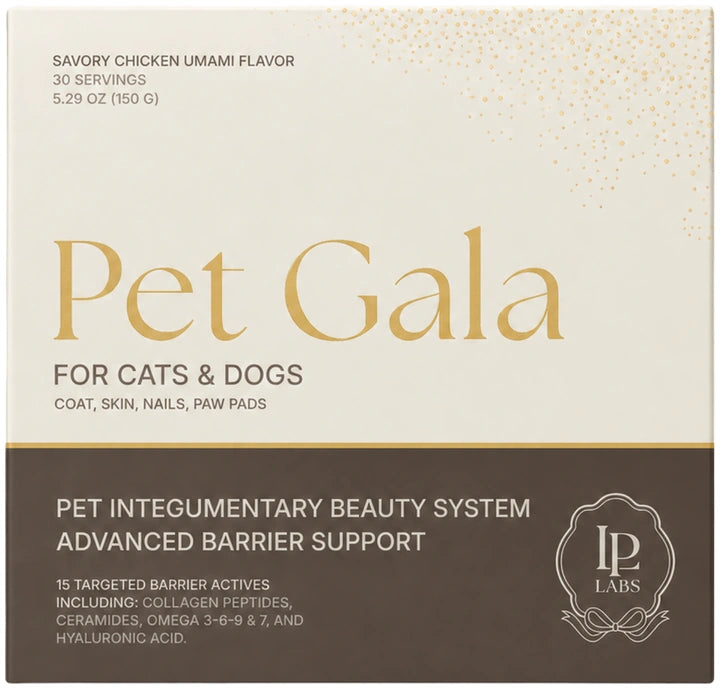
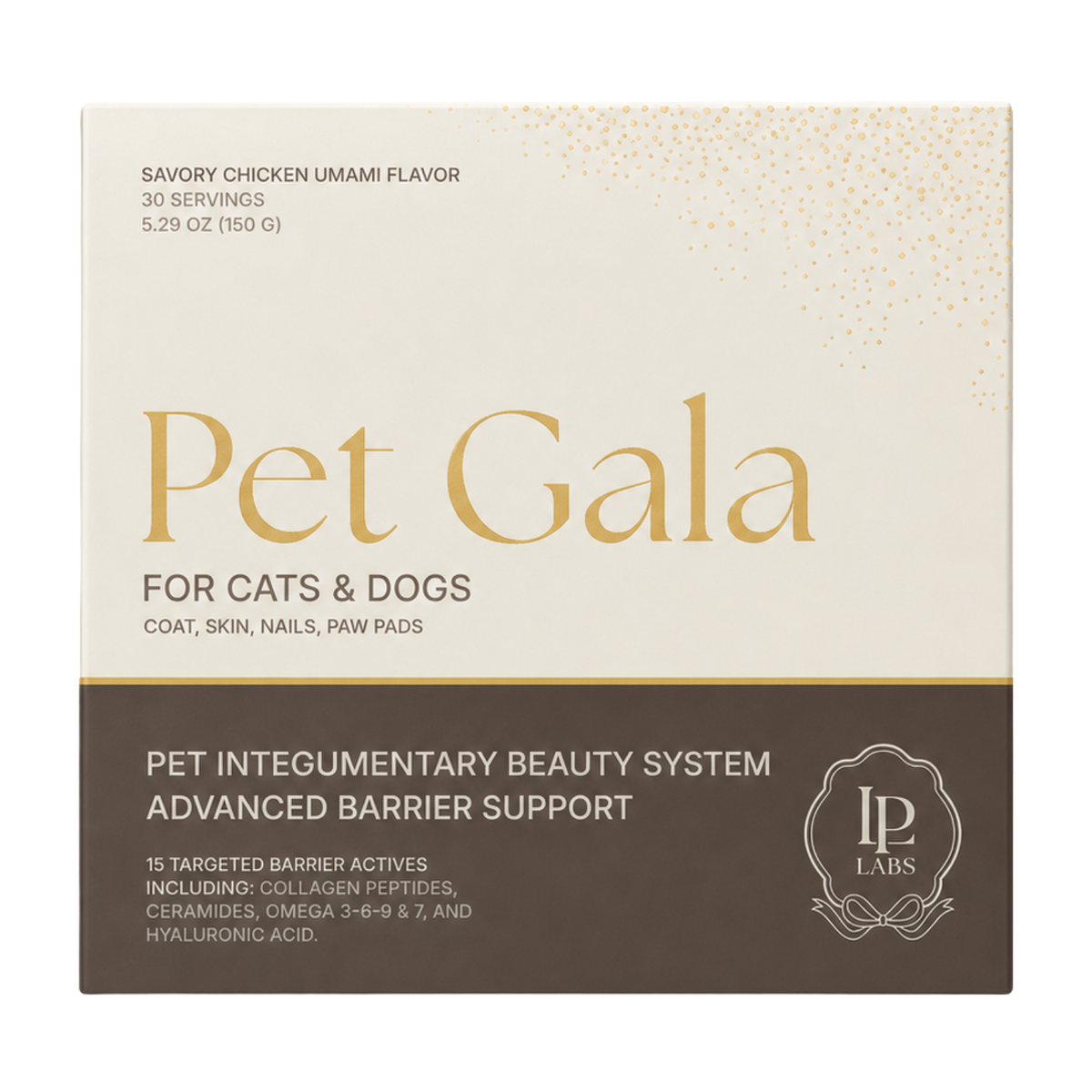
Pet Gala™ is designed to support daily skin matrix and connective-tissue renewal with collagen peptides as part of a consistent routine. For cats, it may help support coat feel and overall comfort when paired with a complete diet, parasite control, and clear tracking of outcome cues over time.

Many owners hear “peptides” and assume they are a shortcut to a shinier coat, more muscle, or longer life. The more accurate answer is simpler: peptides can be either signals (drug-like messengers) or substrates (digested building blocks), and most supplements belong in the substrate category. That means the best use is supporting normal renewal rate in tissues like skin and muscle—while keeping expectations measured and outcomes trackable.

The myth that peptides are “basically steroids” creates two problems: it pushes some owners toward risky products, and it sets others up for disappointment when a powder does not act like a medication. Cats already depend heavily on amino-acid-driven biology, and their nutrition needs reflect a felid pattern that prioritizes animal-derived protein inputs. In that context, collagen peptides for cats can make sense as one part of a consistent plan for coat and skin matrix support, and peptides for cat muscle support only make sense when intake and comfortable movement are protected.

This page focuses on two practical goals—skin/coat support and muscle maintenance—then builds a checklist and tracking rubric owners can use at home. It also clarifies what not to do, how to prepare for a veterinary conversation, and how to spot claims that sound drug-like without the safety structure that real peptide medicines require.

By La Petite Labs Editorial, ~15 min read

Featured Product:

  • Peptides for cats can be either medical “signals” (prescription therapies) or nutritional “substrates” (food-derived fragments), and the category changes expectations.
  • Collagen peptides for cats are best framed as dietary building blocks that contribute to normal skin matrix turnover, not as a fast skin fix.
  • For muscle goals, peptides for cat muscle support only make sense alongside adequate calories, protein quality, and pain-aware activity.
  • A common myth is that peptides are “like steroids”; most supplement peptides are digested and used as amino acids.
  • Start with owner-observable outcome cues: coat feel, dandruff photos, stool consistency, jump hesitation, play stamina, and weekly weight.
  • Avoid stacking multiple new products or adding supplements during elimination diets without veterinary guidance.
  • Bring the label, a two-week log, and specific questions to the vet to decide whether a cat peptide supplement skin plan fits the cat’s exam findings.

The Myth: Peptides Are Steroids in Disguise

A common misconception is that peptides are “basically steroids” for cats. In reality, peptides are short chains of amino acids that act as signals (hormone-like messengers) or as substrates (building blocks) depending on the type. Some peptide medicines are designed to bind specific receptors, while dietary peptides are digested into smaller fragments and amino acids that feed normal tissue renewal. Cats already run on amino-acid-driven biology, and their diet pattern reflects that need for high-quality protein inputs (Sun, 2024).

For owners, the practical takeaway is to separate “peptide drug” from “cat peptide supplement skin” marketing. A tub labeled “peptides” is not automatically a muscle builder, a skin fix, or a longevity tool. The right first step is defining the goal—coat and skin matrix support, or peptides for cat muscle support—then choosing a plan that matches that goal and can be documented over time.

Close-up skin health render visualizing beauty support from peptides for cat muscle support.

Signals Versus Substrates: Two Very Different Categories

Peptides show up in feline medicine in very different ways. Some are prescription therapies that mimic natural hormones and can have strong, targeted effects; long-acting GLP-1 receptor agonists are one example of peptide-based drugs studied in diabetic cats (Schneider, 2020). Others are nutritional peptides, such as collagen peptides for cats, which are intended as dietary substrates that contribute to normal connective tissue turnover rather than acting like a drug. Confusing these categories leads to unrealistic expectations and risky self-experimentation.

At home, it helps to label the jar in plain language: “food-derived peptides” or “prescription peptide.” If a product is positioned like a medication, it should be treated like one—vet-guided, with clear reasons and monitoring. If it is a supplement, it belongs in a broader routine: stable diet, hydration, grooming, and a tracking plan that focuses on outcome cues rather than hype.

Molecular artwork representing beauty foundations supported by peptides for cat muscle support.

Skin Matrix Support: Where Collagen Peptides Fit

Skin and coat are a useful place to think about peptides as substrates. Collagen is a structural protein in the dermis, and collagen peptides are pre-broken fragments that can be digested and contribute amino acids used in normal matrix turnover. Digestion matters: feline gastrointestinal processing determines what peptide fragments survive and what becomes amino acids available for renewal (Wang, 2025). That is why “more collagen” is not the same as “more collagen in the skin,” and why expectations should stay measured.

Owners considering a cat peptide supplement skin plan can pair it with simple, consistent care: gentle brushing, parasite control, and a diet that does not swing week to week. The most meaningful changes are often less uneven shedding patterns and a coat that feels less brittle over several weeks, not overnight transformation. If itching, scabs, or hair loss are present, the priority is still a veterinary skin workup before layering supplements.

Molecular structure graphic reflecting research-driven beauty design behind cat peptide supplement skin.

Muscle Maintenance: the Role of Intake and Activity

Muscle maintenance is where “signals + substrates” becomes especially important. Cats maintain lean tissue through adequate protein intake, balanced amino acid availability, and normal activity; peptides in food are mostly a delivery form that becomes amino acids after digestion. In older cats, the challenge is often appetite, dental comfort, or concurrent disease that lowers intake, not a mysterious lack of peptides. Appetite itself is influenced by peptide hormones; feline ghrelin has been characterized as a stomach-derived peptide involved in feeding behavior (Ida, 2007).

For owners seeking peptides for cat muscle support, the home routine should start with intake and function: confirm the cat is finishing meals, jumping normally, and not losing weight under the fur. Short play sessions that encourage climbing or controlled jumping can help maintain movement confidence, but they should be gentler for cats with arthritis. Supplements can be part of a plan, yet they cannot substitute for calories, protein quality, and a pain-aware activity setup.

Dog close-up emphasizing coat shine and connection supported by collagen peptides for cats.

A Real-world Scenario That Changes the Plan

CASE VIGNETTE: A 12-year-old indoor cat starts grooming less, develops a dull coat, and hesitates before jumping onto the bed. The owner adds collagen peptides for cats and notices the stool becomes softer, but the coat still looks dry and the cat is quieter at play. That pattern suggests the core issue may be intake, pain, or skin disease rather than a simple “collagen gap.” Peptides can be supportive, but they are rarely the single missing piece.

In situations like this, the most useful household move is to slow down and isolate variables. Keep the base diet stable for two weeks, then add only one new supplement at a time so changes in stool, appetite, or coat can be attributed correctly. A photo log of the coat along the spine and belly, taken in the same lighting, often reveals whether the trend is genuinely more balanced or just day-to-day variation.

The scratching is completely gone, his coat looks healthy and shiny!

— Lena

He was struggling with itching, now he's glowing.

— Grace

“Peptides are either signals in medicine or substrates in nutrition.”

The Gut Reality Behind “Pre-digested” Claims

A unique misconception is that “peptides work even if the gut is sensitive, because they’re pre-digested.” In reality, sensitive digestion can change how any protein fragment is handled, and some cats respond to new protein sources with vomiting, softer stool, or food refusal. Feline digestion and absorption of animal proteins can differ by source and processing, which is why a supplement’s ingredient origin matters as much as the label claim (Wang, 2025). The safest framing is that dietary peptides contribute to normal renewal rate only when the cat tolerates them.

Owners can reduce surprises by introducing any cat peptide supplement skin product in tiny amounts mixed into a familiar wet food, then slowly increasing over 7–10 days. If the cat is on a veterinary elimination diet, adding flavored peptides can invalidate the trial. When stool changes appear, pause the new item and return to baseline before deciding whether the supplement truly fits the cat’s day-to-day digestion.

Close-up dog showing healthy coat and presence supported by peptides for cat muscle support.

Owner Checklist: Signs That Point Beyond Supplements

OWNER CHECKLIST: before assuming peptides are the answer, check a few concrete, cat-specific signals. Look for (1) new dandruff along the lower back, (2) overgrooming of the belly or inner thighs, (3) reduced “full-body” stretching after naps, (4) smaller jump height or a two-step climb onto furniture, and (5) meals left unfinished or a slower eating pace. These observations help separate skin matrix concerns from pain, dental issues, or appetite shifts that change protein intake.

If two or more items are present, document them for a week before changing multiple products. A cat that is itchy needs parasite control and a skin exam; a cat that is stiff may need an arthritis plan; a cat that is not eating needs a medical evaluation. Peptides can be supportive, but the checklist keeps the plan grounded in what the cat is actually showing at home.

Dog looking radiant, capturing beauty and presence supported by collagen peptides for cats.

Longevity Framing That Stays Honest and Useful

“Longevity support” is often used loosely, but the most defensible angle for peptides is supporting tissues that turn over continuously: skin, gut lining, and muscle. In cats, the foundation is still adequate amino acids in a pattern that matches felid needs, because cats are obligate carnivores with specific amino acid requirements (Sun, 2024). A supplement can contribute substrates, yet it cannot replace a diet that consistently delivers the right building blocks. Longevity, in practice, looks like maintained stamina and a less uneven decline in daily function.

Owners can make “longevity” measurable by tying it to routines: grooming tolerance, play interest, and the ability to jump, squat, and climb without hesitation. If the cat’s weight is drifting down, the priority is calorie intake and medical screening, not adding more products. When a supplement is used, it should be one part of a daily plan that also includes hydration, litter box comfort, and predictable mealtimes.

Supplement breakdown graphic emphasizing no fillers approach within cat peptide supplement skin.

What to Track so Changes Are Interpretable

WHAT TO TRACK: peptides are best evaluated with simple, repeatable markers rather than vague impressions. Track (1) weekly body weight, (2) a 1–5 coat feel score (brittle to soft), (3) dandruff or scurf presence in photos, (4) stool consistency, (5) jump height or “hesitation count” per day, and (6) play duration before the cat disengages. These outcome cues create a clearer story of whether the cat’s renewal rate seems supported or whether another problem is driving change.

Use the same scale, same time of day, and the same observer when possible. If a new supplement is started, keep everything else stable for at least two weeks so the trend is interpretable. If appetite drops, vomiting appears, or the cat hides more, stop the new item and contact the veterinarian—those are not “normal detox” signals in cats.

Safety Depends on the Type of Peptide

Safety depends on which “peptide” is being discussed. Prescription peptide drugs can have meaningful physiologic effects and require veterinary oversight; GLP-1 mimetics studied in cats with diabetes were evaluated with careful monitoring and specific inclusion criteria (Scuderi, 2018). Dietary peptides, including collagen peptides for cats, are generally treated as food-derived ingredients, but individual cats can still react with gastrointestinal upset or food refusal. The risk is less about the word “peptide” and more about dosing ambiguity, ingredient quality, and the cat’s underlying conditions.

Owners should be especially cautious with cats that have chronic vomiting, inflammatory bowel disease, pancreatitis history, or complex medication schedules. Introducing a new supplement right before travel, boarding, or a diet change makes it harder to interpret side effects. A safer approach is to start when the household is calm, the diet is stable, and tracking is already in place.

“A supplement plan works best when outcome cues are documented, not guessed.”

Lab coat with La Petite Labs logo symbolizing science-backed standards for cat peptide supplement skin.

Why Absorption Claims Deserve Skepticism

Absorption is another reason peptide expectations can drift. Many peptides are broken down in the gastrointestinal tract, which is why peptide drugs are often injected, implanted, or specially formulated rather than simply sprinkled on food. Research on oral bioavailability in cats highlights how formulation can determine systemic exposure even for non-peptide compounds, underscoring that “oral” does not automatically mean “reliably absorbed” (Kong, 2023). For supplements, the realistic goal is support through nutrition and digestion, not drug-like delivery.

For owners, this translates into a practical rule: if a product promises hormone-like effects from a powder, skepticism is warranted. A cat peptide supplement skin approach should be framed as contributing substrates that fit into normal digestion. If a cat needs a true hormone or receptor-targeting therapy, that decision belongs in the exam room with lab work and follow-up built in.

Shop Now
Ingredient still life illustrating clean formulation principles for peptides for cat muscle support.

Prepare for the Vet Visit with Better Notes

VET VISIT PREP: a peptide conversation goes better when it is specific. Bring (1) the exact product label and ingredient list, (2) the reason it was chosen—coat texture, dandruff, muscle loss, recovery after play, (3) a two-week log of weight and stool, and (4) photos of the coat and any hotspots. Ask: “Does this goal fit my cat’s exam findings?” and “What would make you stop this supplement?” Clear questions help the veterinarian decide whether the plan supports normal function or distracts from a diagnosis.

Also ask whether the cat’s current diet already meets protein and amino acid needs, and whether a diet change would do more than adding peptides. If muscle loss is suspected, request a hands-on body condition and muscle condition score and ask what to document at home. This keeps the focus on measurable outcomes rather than chasing the newest ingredient.

Shop Now
Pet owner presenting supplement, highlighting home beauty support from cat peptide supplement skin.

What Not to Do When Trying Peptides

WHAT NOT TO DO: avoid stacking multiple “peptide” products at once, because it becomes impossible to know what is helping and what is upsetting the gut. Avoid using human peptide injections or research chemicals; cats are not small people, and dosing errors can be dangerous. Avoid adding collagen peptides for cats to an active elimination diet without veterinary approval. And avoid using supplements to postpone a workup when there is weight loss, persistent vomiting, or patchy hair loss—those patterns need diagnosis, not more powders.

A common mistake is treating “more protein fragments” as automatically better for muscle. If the cat is not eating enough, the answer is often palatability, dental comfort, nausea control, or pain management. Another mistake is expecting a supplement to change behavior quickly; when the goal is skin matrix support, the timeline is usually weeks because hair growth and dermal turnover are slow.

Shop Now

How to Judge Collagen Peptide Quality

Quality signals matter because “peptides” is an umbrella term. For collagen peptides for cats, look for a clear source (such as bovine or marine collagen), transparent allergen information, and a batch-tested approach that reduces contamination risk. For any cat peptide supplement skin product, the label should avoid drug-like promises and should fit into a feeding plan without displacing complete nutrition. Cats are sensitive to taste and texture changes, so palatability and mixing instructions are not trivial details.

Owners can also evaluate quality by how easy it is to use consistently. A supplement that clumps, smells strong, or makes wet food unappealing will fail in real life, even if the ingredient is reasonable. Consistency is what allows tracking: the same dose form, same meal, and the same schedule. That steadiness in routine supports clearer interpretation of coat and muscle outcome cues.

Why Cats Need a Felid-first Nutrition Lens

Cats are not small dogs when it comes to protein priorities. Felids evolved to rely on animal tissue patterns, and their amino acid needs and feeding behavior reflect that (Sun, 2024). That matters because many “peptide” products are marketed with generalized mammal language that ignores feline-specific nutrition. If a cat is already eating a complete, high-protein diet and maintaining weight, the marginal value of extra peptides may be small, while the risk of digestive disruption may be more relevant.

For owners pursuing peptides for cat muscle support, the more impactful lever is often protecting intake: multiple small meals, warmed wet food, and minimizing stress around feeding. For coat goals, parasite prevention and grooming routines can do more than changing supplements repeatedly. Peptides can still be part of a plan, but they should sit on top of feline-appropriate nutrition rather than trying to replace it.

Competitor comparison image focusing on formulation integrity in peptides for cat muscle support.

Why Delivery Method Changes the Story

Some owners encounter peptide therapies through implants or injections and assume supplements work the same way. In cats, long-acting implants have been studied for specific hormonal purposes, illustrating how delivery method can be central to peptide-like signaling effects (Fontaine, 2015). That does not translate to “sprinkle-on peptides” acting as hormones. It reinforces a more balanced view: dietary peptides are mainly nutritional substrates, while true signaling peptides in medicine are delivered in controlled, veterinary ways.

This distinction helps owners set expectations and avoid risky shortcuts. If a claim sounds like a hormone effect, it should trigger a vet conversation about whether a medical condition is being missed. If the goal is skin matrix support, the plan should look like nutrition plus time plus tracking, not like a quick pharmacologic switch.

Shop Now
Open package showing attention to detail consistent with peptides for cat muscle support standards.

Setting a Realistic Timeline for Outcome Cues

When owners ask how fast peptides “work,” the honest answer depends on the target tissue. Skin and coat changes follow hair cycles and dermal turnover, so a more balanced look often takes several weeks. Muscle support is even more dependent on intake and activity; a supplement cannot create muscle without adequate calories and movement. Appetite shifts can happen quickly, but those should be interpreted cautiously because appetite is influenced by peptide hormones and illness, not just supplements (Ida, 2007).

A practical timeline is to track stool and appetite in the first 7–10 days, then coat feel and shedding patterns over 4–8 weeks. If the cat becomes pickier, vomits, or loses weight, the plan should be stopped and reassessed. If the trend is gentler—better grooming tolerance, less uneven shedding, stable weight—then the supplement may fit as part of a steady routine.

Shop Now

A Calm Decision Framework Owners Can Follow

A grounded decision framework keeps peptides in the right lane. First, define the primary goal: coat/skin matrix support or muscle maintenance. Second, confirm the basics—complete diet, parasite control, dental comfort, and pain awareness—because these drive the same outcomes. Third, choose one product, introduce it slowly, and use the tracking rubric to judge whether the cat’s renewal rate and stamina look more supported over time. This approach respects what peptides can be: signals in medicine, substrates in nutrition, and never a substitute for diagnosis.

Finally, close the loop with the veterinarian using the notes collected at home. A clear log of weight, stool, coat photos, and jump behavior helps the vet decide whether the plan is appropriate or whether a skin condition, arthritis, or systemic illness needs attention. The best outcomes come from fewer changes, better documentation, and a calmer, more balanced routine.

“Coat and muscle goals start with intake, comfort, and consistency.”

Educational content only. This material is not a substitute for veterinary advice. Always consult your veterinarian about your dog’s specific needs. These statements have not been evaluated by the Food and Drug Administration. Products mentioned are not intended to diagnose, treat, cure, or prevent any disease.

Glossary

  • Peptide - A short chain of amino acids that can act as a signal or a substrate.
  • Amino acids - The building blocks used to make proteins and many biologically active molecules in cats.
  • Collagen peptides - Collagen fragments intended to contribute substrates for normal connective-tissue and skin matrix turnover.
  • Dermal matrix - The supportive layer of skin (including collagen) that influences coat feel and skin integrity.
  • Keratin - A structural protein in hair and claws; coat quality depends on consistent nutrient inputs.
  • Bioavailability - How much of an ingredient becomes available to the body after digestion and absorption.
  • Signal peptide (hormone-like) - A peptide that binds a receptor and triggers a targeted physiologic response.
  • Substrate peptide (food-derived) - A peptide primarily used as nutritional input after digestion into smaller fragments and amino acids.
  • Muscle condition score - A veterinary assessment of muscle mass that helps distinguish weight loss from true muscle loss.

Related Reading

References

Ida. Purification and characterization of feline ghrelin and its possible role. 2007. https://www.sciencedirect.com/science/article/abs/pii/S0739724006000154

Kong. The Pharmacokinetic and Absolute Bioavailability of Cyclosporine (Atopica for Cats(®)) in Cats.. PubMed. 2023. https://pubmed.ncbi.nlm.nih.gov/37368785/

Schneider. A once-monthly GLP-1 receptor agonist for treatment of diabetic cats.. PubMed. 2020. https://pubmed.ncbi.nlm.nih.gov/31479925/

Wang. In vitro gastrointestinal simulation digestion, absorption and bioavailability of four animal-based proteins in canine and feline food. PubMed. 2025. https://pubmed.ncbi.nlm.nih.gov/40965746/

Scuderi. Safety and efficacy assessment of a GLP-1 mimetic: insulin glargine combination for treatment of feline diabetes mellitus.. PubMed. 2018. https://pubmed.ncbi.nlm.nih.gov/30015124/

Fontaine. Long-term contraception in a small implant: A review of Suprelorin (deslorelin) studies in cats.. PubMed Central. 2015. https://pmc.ncbi.nlm.nih.gov/articles/PMC5117121/

Sun. Considerations on amino acid patterns in the natural felid diet: a review.. PubMed Central. 2024. https://pmc.ncbi.nlm.nih.gov/articles/PMC11603590/

FAQ

What are peptides in a cat health context?

Peptides are short chains of amino acids. In cats, they show up in two main ways: as prescription therapies that act as signals by binding receptors, and as dietary fragments that act as substrates after digestion.

That distinction matters because a signaling peptide can require veterinary monitoring, while a nutritional peptide is usually evaluated like a food ingredient. The most useful question is not “do peptides work,” but “which type, for which goal, and how will outcomes be documented?”

Are peptides basically steroids for cats?

No. Steroids are a different class of molecules with different receptors and risks. Many supplement peptides are simply protein fragments that are digested and used as amino acids, while some peptide drugs mimic natural hormones and act as targeted signals.

If a product implies steroid-like changes from a powder, the claim is a red flag. For meaningful body composition concerns, the safer path is a veterinary exam and a plan focused on intake, pain control, and measurable function.

What are collagen peptides used for in cats?

Collagen peptides for cats are typically used to support normal connective-tissue and skin matrix turnover. They are best understood as substrates—digested fragments that contribute amino acids used in routine renewal.

Because digestion determines what becomes available to tissues, results are usually gradual and depend on overall diet consistency. If a cat has itching, scabs, or hair loss, a skin workup should come before relying on collagen alone.

Can peptides support a cat’s coat and skin barrier?

A cat peptide supplement skin approach may help support coat feel and normal skin matrix renewal when the cat tolerates the ingredient and the base diet is complete. The most realistic expectation is a gentler change over weeks, not an overnight shift.

Owners get better clarity by pairing supplementation with parasite prevention, consistent grooming, and photos taken in the same lighting. If itching is prominent, the priority is diagnosing fleas, mites, allergy, or infection.

Do peptides help with muscle maintenance in older cats?

Peptides for cat muscle support are not a shortcut around calories, protein quality, and comfortable movement. Most dietary peptides are digested into amino acids, so the limiting factor is often whether the cat is eating enough and moving enough.

For older cats, muscle loss can also reflect pain, dental disease, nausea, or systemic illness. A veterinarian can score muscle condition and help build a plan that supports intake and activity without pushing the cat past its comfort.

How quickly should results be expected from peptide supplements?

Digestive tolerance signals (appetite, stool consistency) show up first—often within 7–10 days. Skin and coat changes usually take longer because hair growth and dermal turnover are slow, so a 4–8 week window is more realistic.

If vomiting, food refusal, or weight loss appears, stop the new supplement and contact the veterinarian. If the trend is more balanced—stable weight, less uneven shedding, better grooming tolerance—then the product may fit the routine.

Are peptide supplements safe for cats long term?

Safety depends on the ingredient, dose form, and the individual cat’s health. Food-derived peptides are often tolerated, but cats can still develop vomiting, softer stool, or refusal due to taste or sensitivity.

Long-term use is most reasonable when the base diet remains complete and the supplement does not displace nutrition. Periodic check-ins with a veterinarian help ensure the plan still supports the cat’s needs as age and health status change.

Which cats should avoid peptide supplements or use extra caution?

Extra caution is appropriate for cats with chronic vomiting, inflammatory bowel disease, pancreatitis history, or cats on strict elimination diets. These situations make it harder to interpret whether a new ingredient is helping or causing setbacks.

Cats with multiple medications also deserve a vet-guided plan so changes are not stacked. When in doubt, bring the label and a clear goal to the veterinarian and ask what outcome cues should be documented.

Can peptides interact with medications in cats?

Dietary peptides are usually treated like food ingredients, so direct drug interactions are less common than with prescription therapies. The bigger issue is indirect: a supplement that changes appetite, stool, or food intake can change how reliably a cat takes medications.

If a cat is on critical medications, keep routines stable and introduce any new supplement slowly. Any new vomiting, lethargy, or refusal to eat should be treated as a reason to pause the supplement and contact the veterinarian.

Is it okay to give human peptide products to cats?

No. Human peptide injections, “research peptides,” and bodybuilding products carry major risks: unknown purity, inappropriate dosing, and effects that have not been evaluated for cats. Cats are not small people, and errors can be dangerous.

If a cat’s condition seems severe enough to justify a hormone-like intervention, that is a veterinary decision with diagnostics and monitoring. Supplements should stay in the lane of supporting normal function, not attempting drug-like effects.

How should a peptide supplement be introduced to a picky cat?

Start with a tiny amount mixed into a familiar wet food and increase slowly over 7–10 days. Cats often reject strong smells or texture changes, and a sudden full dose can trigger food refusal or digestive upset.

Keep everything else stable during the introduction so outcome cues are interpretable. If the cat refuses the meal, remove the supplement and return to baseline; protecting intake is more important than pushing a new ingredient.

What should be tracked when starting peptides for a cat?

Track outcome cues that reflect the goal: weekly weight, stool consistency, coat feel, dandruff photos, grooming time, and jump hesitation. These markers are more reliable than “seems better” impressions.

Use the same timing and method each week. If multiple changes are made at once, tracking loses meaning, so introduce only one new supplement at a time and give it enough time to show a trend.

What side effects are most common with peptide supplements?

The most common issues are gastrointestinal: softer stool, vomiting, gas, or food refusal due to taste. Some cats also show subtle behavior changes when appetite or routine is disrupted.

If side effects appear, stop the supplement and return to the baseline diet until the cat is normal again. Persistent vomiting, lethargy, or weight loss should be treated as a veterinary concern rather than a supplement “adjustment period.”

Do peptide powders work the same as peptide injections?

No. Many peptide drugs are injected or implanted because the gastrointestinal tract breaks peptides down. A powder mixed into food is typically handled as nutrition, not as a targeted signaling therapy.

This is why supplement goals should be framed around supporting normal renewal rate and tissue substrates. If a cat needs a true hormone-like intervention, that belongs in a veterinary plan with monitoring.

How can owners judge supplement quality for collagen peptides?

Look for a clearly stated collagen source, transparent ingredient listing, and manufacturing practices that emphasize consistency. Avoid labels that promise drug-like outcomes or hide behind proprietary blends without amounts.

Practical quality also includes usability: a product that mixes well and does not trigger food refusal is more likely to be used consistently. Consistency is what allows meaningful tracking of coat and skin outcome cues.

Can peptides replace a complete diet for skin or muscle goals?

No. Cats require a complete nutrient pattern, and supplements cannot fill every gap created by an unbalanced diet. Peptides can contribute substrates, but they do not replace adequate calories, essential amino acids, fatty acids, vitamins, and minerals.

If a cat’s coat is dull or muscle is declining, the first step is confirming intake and diet suitability, then screening for medical causes. Supplements are best used as part of a daily plan, not as the foundation.

Is Pet Gala™ appropriate for daily use in cats?

For many cats, a collagen-based supplement can fit into daily routines when introduced slowly and tolerated. Pet Gala™ is typically framed to support normal skin matrix and connective-tissue renewal as part of a consistent plan.

Daily use should still be individualized: cats with sensitive digestion, strict prescription diets, or complex medical histories should have a veterinarian review the ingredient list. Tracking stool, appetite, and coat outcome cues helps confirm whether daily use truly fits.

Can Pet Gala™ support coat feel without treating skin disease?

Yes—when used appropriately, a collagen-peptide product can be positioned to support normal coat and skin matrix turnover, not to treat disease. Pet Gala™ fits best when the cat’s base diet is complete and parasites and infections have been addressed.

If a cat has scabs, hair loss, or intense itching, those are diagnostic problems first. In that setting, supplements may still be part of a daily plan, but only after the veterinarian clarifies the primary cause and the owner has a tracking rubric.

Should kittens or pregnant cats use peptide supplements?

Kittens, pregnant, and nursing cats have specific nutritional needs, and “extra” supplements can unbalance intake or reduce appetite for complete food. In these life stages, the safest default is to rely on a veterinarian-recommended complete diet.

If a supplement is being considered for a specific reason, a veterinarian should review the ingredient list and the cat’s overall diet. The goal is to support normal growth and reproduction without displacing essential nutrients.

When should a veterinarian be called after starting peptides?

Call the veterinarian if vomiting persists, appetite drops for more than a day, diarrhea is significant, or the cat seems weaker or hides more. Weight loss, dehydration, or any sign of pain should also be treated as urgent reasons to reassess.

Bring the supplement label and a brief log of timing and symptoms. That information helps the veterinarian decide whether the supplement should be stopped, whether another cause is likely, and what outcome cues should be tracked going forward.

How can owners decide if peptides are worth trying?

A good decision starts with a single, measurable goal: coat feel and dandruff, or muscle maintenance and play stamina. Then confirm the basics—complete diet, parasite control, dental comfort, and pain awareness—because these often drive the same outcomes.

If the basics are covered, choose one product, introduce it slowly, and track outcome cues for several weeks. If the trend is gentler and more balanced without digestive disruption, continuing may make sense; if not, the plan should be simplified and discussed with the veterinarian.

5K+ Happy Pet Parents

Excellent 4.8

Peptides for Cats | Why Thousands of Pet Parents Trust Pet Gala™

"Magical. He was struggling with itching and shedding. Now he's literally glowing."

Grace & Ducky

"Improves her skin, fur, nails, and eyes. We're loving it!"

Cat & Miso

"It's so good for his coat, and so easy to mix into food."

Alex & Cashew

"The scratching is completely gone, his coat looks healthy and shiny."

Lena & Bear

"Magical. He was struggling with itching and shedding. Now he's literally glowing."

Grace & Ducky

"Improves her skin, fur, nails, and eyes. We're loving it!"

Cat & Miso

"It's so good for his coat, and so easy to mix into food."

Alex & Cashew

"The scratching is completely gone, his coat looks healthy and shiny."

Lena & Bear

"Magical. He was struggling with itching and shedding. Now he's literally glowing."

Grace & Ducky

"Improves her skin, fur, nails, and eyes. We're loving it!"

Cat & Miso

"It's so good for his coat, and so easy to mix into food."

Alex & Cashew

"The scratching is completely gone, his coat looks healthy and shiny."

Lena & Bear

"Magical. He was struggling with itching and shedding. Now he's literally glowing."

Grace & Ducky

"Improves her skin, fur, nails, and eyes. We're loving it!"

Cat & Miso

"It's so good for his coat, and so easy to mix into food."

Alex & Cashew

"The scratching is completely gone, his coat looks healthy and shiny."

Lena & Bear

SHOP NOW