Zinc for Cats

Recognize Zinc Deficiency Signs and Correct Diet or Supplementation Without Toxicity

Essential Summary

Why is zinc for cats important?

Zinc supports normal skin, coat, and immune function in cats, which can show up as calmer-looking skin, better coat finish, and stronger nails. The best results come from balanced intake, not high doses. Choose feline-appropriate formulas, introduce slowly, and involve your veterinarian for dosing questions or medical conditions.

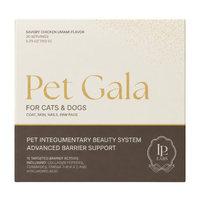
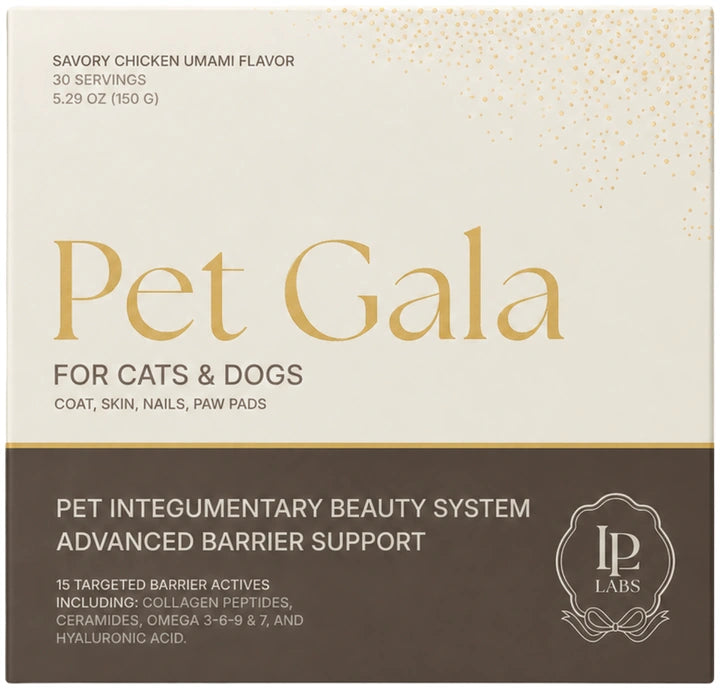
Pet Gala™ is designed for visible care—supporting skin comfort, coat luster, and nail strength with a balanced, cat-friendly approach that fits daily routines. Instead of treating zinc as a standalone “fix,” it complements the bigger picture of how wellbeing shows up in the fur you touch and the shine you notice.

A cat’s coat is a kind of receipt: it shows the quality of daily care in a way you can’t miss. When the fur looks flat, the skin looks flaky, or nails seem fragile, many owners start reading about zinc for cats—not because they want a chemistry lesson, but because they want their cat to look comfortable and well-kept.

Zinc is a trace mineral with an outsized reputation in skin and immune conversations. It supports normal immune function and influences immune factors that can shape how skin behaves day to day. It’s also discussed in dermatologic contexts, where supplementation may be useful in certain cases under veterinary guidance. The key is balance: zinc can be supportive, but excess can be harmful, and mineral stacking is easier than most people realize.

So why would a careful, science-minded owner still choose a supplement if diet already contains zinc? Because “meeting requirements” and “looking radiant” aren’t the same goal. A well-designed formula supports the whole skin-coat-nail presentation—so the change feels cohesive: softer fur, calmer-looking skin, and stronger, cleaner nails. That’s the logic behind choosing a balanced product like Pet Gala™ rather than chasing a single high-dose zinc supplement for cats.

By La Petite Labs Editorial, ~15 min read

Featured Product:

  • Zinc is a small mineral with big visibility: it supports normal skin turnover, coat finish, and nail integrity.
  • Owners usually notice the “zinc conversation” through signals like flaking, dullness, or a coat that won’t lie smoothly.
  • Immune support can look like calmer skin day to day, since zinc influences immune function.
  • The best zinc for cats is rarely the highest dose; excess can cause adverse effects and should be avoided.
  • Minerals interact—too much zinc can contribute to imbalances, including copper concerns in certain exposures (Hendriks WH, 2001).
  • Choose feline-specific products with clear labeling, conservative formulation, and a routine your cat will accept.
  • A multi-nutrient approach can support the whole skin-coat-nail story, which is why many owners pair zinc goals with Pet Gala™.

Zinc’s Role in a Coat That Looks Freshly Cared For

When people search zinc for cats, they’re rarely chasing a lab number. They’re looking at the coat in the window light, the feel of the fur under their hand, and whether the skin looks calm or “busy.” Zinc is one of the minerals most tied to those visible signals because it supports normal skin turnover, barrier integrity, and the way the immune system responds to everyday irritations (Sanna, 2018).

Still, the best zinc for cats isn’t always “more zinc.” Diet already supplies zinc, and extra isn’t automatically better. The real goal is balanced support that shows up as a polished coat, comfortable skin, and strong, clean nails—without pushing into excess. That’s why many owners choose a multi-ingredient approach designed for visible care, rather than a single high-dose zinc supplement for cats.

Coat health illustration symbolizing beauty support via best zinc for cats.

What Zinc Does for Cats When You Focus on Visible Signals

Zinc is a trace mineral, meaning cats need it in small amounts—but those small amounts matter. It supports normal immune function and participates in many biochemical processes that influence how tissues maintain themselves. For owners, the “translation” is often visual: smoother coat texture, fewer rough patches, and skin that looks less reactive.

Because cats are obligate carnivores, their baseline nutrition is typically built around animal-based ingredients, and most complete diets include added minerals. That’s why the best zinc for cats is often not a high-dose add-on; it’s the right amount in the right context, supporting the overall look of health rather than chasing a single nutrient number.

Skin health image symbolizing beauty and wellness supported by zinc supplements for cats.

Skin, Coat, and Nails: Where Zinc Support Often Shows Up

Owners usually notice zinc-related benefits in three places: skin comfort, coat finish, and nails. Zinc is commonly discussed in relation to certain dermatologic concerns, and supplementation may be beneficial in managing some skin conditions under veterinary guidance (Sanna, 2018). In everyday terms, that can look like less visible flaking, a calmer appearance around sensitive spots, and a coat that lies flatter and feels softer.

Nails are another quiet signal. When nails chip easily or seem thin, it’s often a sign that the overall “building materials” and grooming routine need support. Zinc isn’t the only factor, but it’s part of the mineral foundation that helps a cat look well-kept from whiskers to paws.

Beauty ingredient model representing bioactive synergy found in zinc supplements for cats.

Immune Support That Can Look Like Calmer, More Comfortable Skin

Immune support is often described in abstract terms, but with cats it can show up as something you can actually observe: how quickly the skin settles after seasonal changes, how “quiet” the coat looks, and whether minor irritations seem to linger. Zinc plays a crucial role in immune function and may influence multiple immune factors.

That doesn’t mean zinc is a cure-all, and it shouldn’t be used to replace veterinary care for persistent itching, hair loss, or sores. Think of zinc for cats health as part of a daily presentation toolkit—supporting normal function so your cat’s skin and coat can look their best when everything else (diet, grooming, environment) is also aligned.

Dog portrait symbolizing beauty and wellness supported by zinc supplements for cats.

Zinc Forms and Formats: What Matters Most for Real-life Use

Not all zinc is the same in supplements. Labels may list different forms (such as zinc gluconate, zinc sulfate, zinc ascorbate, or chelated forms). In cats, oral zinc ascorbate gel has been studied for clinical and microbiological effects, suggesting that form and delivery can matter in real-world use (Clarke DE, 2001).

For owners choosing the best zinc supplement for cats, the most important “form” question is practical: will your cat take it consistently, and is the product designed for feline use? Palatability, clear dosing instructions, and conservative formulation often beat an impressive-sounding ingredient list.

The scratching is completely gone, his coat looks healthy and shiny!

— Lena

He was struggling with itching, now he's glowing.

— Grace

“The best results with zinc come from balance you can keep, not intensity you can’t.”

Zinc Dosage Conversations: Why Precision Beats Guesswork Every Time

Zinc dosage for cats should be a vet-guided conversation, not an internet formula. Cats vary by diet, age, and health status, and zinc can become harmful when intake is excessive (Sanna, 2018). If you’re already feeding a complete and balanced food, adding multiple supplements can unintentionally stack minerals.

A safer approach is to choose one well-designed product, follow label directions, and reassess based on visible outcomes and tolerance. If your cat has vomiting, diarrhea, reduced appetite, or unusual tiredness after starting a supplement, stop and contact your veterinarian. The goal is a better-looking coat and comfortable skin, not a stronger dose.

Portrait of a dog showing beauty presence supported by zinc supplement for cats.

Side Effects and Red Flags to Watch for with Zinc Products

Side effects from zinc supplements for cats are most often gastrointestinal—especially if introduced abruptly or given on an empty stomach. More serious problems are associated with excessive zinc intake, which can lead to toxicity and adverse health effects.

Call your vet promptly if you notice repeated vomiting, dark or tarry stool, marked lethargy, pale gums, or sudden refusal to eat—especially if there’s any chance your cat chewed a zinc-containing object. For routine supplementation, start low and steady, and prioritize products formulated specifically for cats.

Profile dog image reflecting natural beauty supported by best zinc supplement for cats.

When You’ll Notice Results: Timelines That Match the Coat Cycle

How fast can you see results? With zinc for cats, the earliest changes are often subtle: less visible dandruff, a coat that feels smoother after petting, and slightly less “static” in the fur. Bigger changes—shine, density, and a more even finish—usually track with the hair cycle and grooming habits, so they’re measured in weeks.

If nothing changes after a reasonable trial, it doesn’t automatically mean zinc “didn’t work.” It may mean zinc wasn’t the limiting factor. Hydration, fatty acids, parasite control, and environmental dryness can all dominate the visible picture. A balanced product can still be worthwhile because it supports multiple coat-facing inputs at once.

Visual ingredient map showing formulation transparency connected to best zinc supplements for cats.

Diet First, Then Supplements: Building a Polished Routine That Works

Food is the foundation. Complete and balanced cat foods are formulated to meet mineral needs, including zinc, and that’s a good thing. But owners don’t choose supplements only to “meet requirements.” They choose them for the difference they can see: a coat that looks freshly cared for and skin that seems comfortable in everyday life.

This is where the best zinc for cats becomes a matter of formulation philosophy. A single-ingredient zinc supplement for cats can be appropriate in specific vet-directed situations, but for most households, a multi-nutrient approach supports the whole skin-coat-nail story—so the results feel like a cohesive upgrade, not a narrow experiment.

How to Choose a High-quality Zinc Product Without Overdoing It

If you’re comparing zinc supplements for cats, quality is less about hype and more about restraint: clear labeling, sensible amounts, and a formula that respects feline sensitivity. Zinc can be helpful, but it also has a ceiling—excess intake can cause adverse effects and, in some contexts, contribute to mineral imbalances (Jafari A, 2022).

Look for products that state the zinc form, provide total zinc per serving, and avoid stacking multiple zinc sources across foods, treats, and toppers. If a brand can’t explain why its dose is appropriate for cats, it’s not the best zinc supplement for cats—no matter how confident the marketing sounds. A polished result comes from consistency and balance, not intensity.

“Coat shine is a visible signal: it rewards steady care and sensible formulation.”

Lab coat with La Petite Labs logo symbolizing science-backed standards for zinc for cats.

Easy Ways to Add Zinc Support Without Stressing Your Cat

Administration matters because cats notice everything. A zinc supplement for cats that’s hard to give often becomes a short-lived experiment, and inconsistency is the enemy of visible change. Choose a format that fits your routine: a measured powder mixed into wet food, a soft chew your cat accepts, or a gel-style product if recommended by your veterinarian.

Give supplements with food unless your vet advises otherwise, and introduce slowly to protect the stomach. If you’re using multiple products, keep a simple log for two weeks: coat feel, dandruff, scratching frequency, and nail brittleness. That kind of calm tracking helps you decide whether zinc for cats health is showing up where you can actually see it.

Shop Now
Pet Gala in food tableau emphasizing purity aligned with zinc supplements for cats.

Special Cases: When to Discuss Zinc with Your Veterinarian First

Some cats have special considerations where zinc should be discussed with a veterinarian first. Cats with liver disease may be managed with specific nutritional strategies, and oral zinc has been studied in feline liver-related contexts under veterinary supervision (Chavez-Tapia, 2013). That doesn’t mean owners should self-prescribe zinc; it means the mineral is powerful enough to deserve professional context.

Kittens, pregnant or nursing cats, and seniors on multiple medications also benefit from a cautious approach. The best zinc for cats in these life stages is the one that fits the whole picture—diet, medical history, and what you’re trying to improve visually—rather than a single-nutrient push.

Shop Now
Pet owner displaying product as part of daily beauty care supported by best zinc for cats.

Mineral Balance Matters: Zinc, Copper, and the Bigger Picture

Zinc interacts with other nutrients, and that’s one reason “more” can backfire. Excess zinc exposure has been associated with copper deficiency in kittens, affecting growth and overall condition (Hendriks WH, 2001). While most household supplements won’t recreate that exact scenario, it’s a clear reminder that minerals behave like a team, not soloists.

If your cat eats a complete and balanced diet, the decision to add zinc supplements for cats should focus on visible goals (skin comfort, coat luster, nail strength) and on choosing a product that doesn’t overload the mineral stack. When in doubt, ask your vet to review the full “daily intake” across food, treats, and supplements.

Shop Now

Zinc Exposure Risks at Home and How to Avoid Them

It’s also worth separating zinc for cats health from zinc exposure hazards. True zinc toxicosis can occur when cats ingest zinc-containing objects (like certain coins or hardware), leading to serious illness that requires urgent veterinary care (Huang SY, 2023). Supplements are a different scenario, but the takeaway is the same: zinc is not a casual ingredient.

Store human vitamins securely, avoid leaving metal items within reach, and never “double up” on a cat supplement because you want faster coat results. The best zinc supplements for cats are designed to be steady and appropriate, not dramatic.

When Zinc Is Worth Considering for Noticeable Skin-and-coat Changes

If you’re trying to decide whether you need zinc at all, start with the simplest question: what do you want to look and feel different? Zinc is most relevant when the “presentation” is off—dull coat, flaky skin, slow coat turnover, or nails that seem to split. Zinc has recognized roles in immune function and can influence immune factors that shape how skin responds to everyday stressors (Jafari A, 2022).

But visible care rarely comes from a single lever. Many owners get better, more consistent results from a balanced formula that supports the skin-and-coat ecosystem—fatty acids, barrier-supporting nutrients, and carefully chosen minerals—rather than chasing the “best zinc supplement for cats” as a standalone fix.

Comparison graphic showing zinc supplements for cats benefits versus typical supplement formulas.

A Simple Decision Framework for Confident, Visible-care Choices

A practical decision framework: First, confirm your cat’s diet is complete and balanced (and that treats aren’t displacing meals). Next, identify the visible priority—shine, softness, reduced flaking, or nail strength. Then choose a product that supports those signals without pushing extremes. Global veterinary nutrition guidance generally emphasizes caution with unnecessary supplementation and encourages targeted use when appropriate (Darabi, 2025).

Finally, set a reasonable evaluation window: coat changes often show up over weeks, not days, because hair growth has its own rhythm. If you want zinc for cats, choose a plan you can keep calm and consistent, and that your cat will actually accept.

Shop Now
Unboxing scene highlighting careful delivery and experience aligned with zinc dosage for cats.

Why a Balanced Formula Can Outperform Single-nutrient Zinc Add-ons

Where Pet Gala™ fits, even for a science-minded owner, is in the difference between “meeting requirements” and “looking well-kept.” Many cats technically get enough zinc from food, yet owners still want a coat that looks freshly brushed, skin that seems comfortable, and nails that stay strong between trims. That’s a visible-care goal, not a deficiency diagnosis.

A thoughtfully formulated supplement can support the whole integumentary system—skin, coat, and nails—so the results feel cohesive rather than piecemeal. Instead of treating zinc as a solo hero, Pet Gala™ is positioned as daily support that shows up in the signals you notice when your cat stretches, grooms, and settles beside you.

Shop Now

Talking About Zinc Amounts Safely: Labels, Totals, and Vet Guidance

If you’re discussing zinc dosage for cats with your veterinarian, bring the labels. The safest conversation is about total daily intake from all sources, not just one jar. Zinc supplementation is generally considered to have a favorable safety profile when used appropriately, but excessive intake can lead to adverse effects (Jafari A, 2022).

Ask your vet what signs would indicate you should stop (vomiting, appetite changes, unusual lethargy), and whether any medications or conditions change the plan. With the right guardrails, zinc can be part of a polished, consistent routine that supports how your cat looks and feels day to day.

“Zinc is powerful enough to help—and powerful enough to overdo.”

Educational content only. This material is not a substitute for veterinary advice. Always consult your veterinarian about your dog’s specific needs. These statements have not been evaluated by the Food and Drug Administration. Products mentioned are not intended to diagnose, treat, cure, or prevent any disease.

Glossary

  • Trace Mineral: A mineral needed in very small amounts to support normal body functions.
  • Skin Barrier: The outer protective layer of skin that helps retain moisture and block irritants.
  • Coat Luster: The visible shine and smooth “finish” of the fur under light.
  • Keratin: A structural protein in hair and nails that influences strength and texture.
  • Chelated Zinc: Zinc bound to an organic compound, often used to support absorption and tolerance.
  • Zinc Ascorbate: A zinc form combined with ascorbate; studied in cats in gel format (Clarke DE, 2001).
  • Mineral Antagonism: When one mineral (like zinc) interferes with another (like copper) if intake is excessive (Hendriks WH, 2001).
  • Complete and Balanced: A pet food standard indicating the diet meets established nutrient profiles.
  • Palatability: How willingly a cat eats a supplement or food, affecting consistency of use.

Related Reading

References

Diao S. The Efficacy of Zinc Supplementation Alone or in Combination for Improving Pregnancy and Infant Outcomes: A Systematic Review and Meta-Analysis.. PubMed. 2025. https://pubmed.ncbi.nlm.nih.gov/40836314/

Jafari A. Zinc supplementation and immune factors in adults: a systematic review and meta-analysis of randomized clinical trials.. PubMed. 2022. https://pubmed.ncbi.nlm.nih.gov/33356467/

Huang SY. Effect of zinc supplement on patients with trauma: A systematic review and meta-analysis.. PubMed. 2023. https://pubmed.ncbi.nlm.nih.gov/36919001/

Darabi. Zinc Supplementation on Growth Performance, Mineral Metabolism and Nutrient Digestibility in Lambs: a Systematic Review and Dose–response Meta-analysis. PubMed. 2025. https://pubmed.ncbi.nlm.nih.gov/40634832/

Chavez-Tapia. A systematic review and meta-analysis of the use of oral zinc in the treatment of hepatic encephalopathy.. PubMed. 2013. https://pubmed.ncbi.nlm.nih.gov/23742732/

Abdollahi. Zinc Supplementation and Body Weight: A Systematic Review and Dose–Response Meta-analysis of Randomized Controlled Trials. 2020. https://www.sciencedirect.com/science/article/pii/S2161831322002642

Sanna. Zinc Status and Autoimmunity: A Systematic Review and Meta-Analysis. 2018. https://www.mdpi.com/2072-6643/10/1/68

Clarke DE. Clinical and microbiological effects of oral zinc ascorbate gel in cats.. PubMed. 2001. https://pubmed.ncbi.nlm.nih.gov/11968899/

Hendriks WH. Suspected zinc-induced copper deficiency in growing kittens exposed to galvanised iron.. PubMed. 2001. https://pubmed.ncbi.nlm.nih.gov/16032165/

FAQ

What does zinc do for cats?

Zinc is an essential trace mineral that supports skin and coat health, immune function, wound healing, and normal growth. It also helps many enzymes work properly, including those involved in metabolism.

Do cats need zinc in their diet every day?

Yes, cats require a consistent dietary supply of zinc because their bodies cannot make it. Complete and balanced commercial cat foods are formulated to meet daily zinc needs.

Can cats get enough zinc from high-quality cat food alone?

Most cats eating an AAFCO- or FEDIAF-compliant complete diet get adequate zinc without supplements. Problems are more likely with unbalanced homemade diets, inappropriate foods, or certain medical conditions.

What are signs of zinc deficiency in cats?

Possible signs include poor coat quality, hair loss, scaly or crusty skin, slow wound healing, and increased susceptibility to infections. These signs are not specific to zinc deficiency, so veterinary evaluation is needed.

Which cats are at higher risk of zinc deficiency?

Cats on poorly formulated homemade diets, cats with chronic gastrointestinal disease causing malabsorption, and growing kittens on imbalanced diets are at higher risk. Certain dietary factors can also reduce zinc absorption.

Can too much zinc be harmful to cats?

Yes, excessive zinc can cause gastrointestinal upset and can interfere with copper and iron metabolism, potentially leading to anemia and other problems. High-dose supplementation should only be done under veterinary guidance.

What are symptoms of zinc toxicity in cats?

Common signs include vomiting, diarrhea, loss of appetite, lethargy, and abdominal pain. Severe cases may cause anemia, jaundice, or weakness and require urgent veterinary care.

Is it safe to give my cat human zinc supplements?

It’s generally not recommended because human products may deliver inappropriate doses and can include ingredients (like sweeteners or flavorings) that are unsafe for pets. Use only veterinarian-recommended products and dosing.

What should I do if my cat eats a zinc tablet or zinc-containing cream?

Contact your veterinarian or a pet poison helpline immediately, especially if the product contains a large dose or your cat shows vomiting or lethargy. Do not induce vomiting unless specifically instructed by a professional.

Are pennies or metal objects a zinc poisoning risk for cats?

Yes, swallowing zinc-containing objects can cause zinc toxicosis, and coins or metal hardware may also cause intestinal blockage. This is a medical emergency that often requires imaging and prompt treatment.

Can zinc help with my cat’s itchy skin or dermatitis?

Zinc supports skin barrier function, but itching is more commonly caused by allergies, parasites, or infections. Supplementing zinc without diagnosing the cause may delay proper treatment, so a vet exam is best.

Does zinc improve a cat’s coat and shedding?

Adequate zinc contributes to normal hair growth and coat quality, but shedding is also influenced by season, grooming, stress, and underlying disease. If coat changes are sudden or severe, a veterinary check is warranted.

Can zinc support immune health in cats?

Zinc is important for normal immune cell function and inflammatory balance. However, extra zinc beyond requirements has not been proven to “boost” immunity and may be harmful at high doses.

Does zinc help cats heal wounds faster?

Zinc is involved in tissue repair and collagen formation, so deficiency can impair healing. If a wound is not healing, infection, poor circulation, or systemic disease may be the primary issue and needs veterinary care.

What forms of zinc are used in cat supplements, and does form matter?

Common forms include zinc gluconate, zinc sulfate, and zinc chelates; bioavailability can vary by form and diet. A veterinarian can choose an appropriate product and dose based on your cat’s needs.

Can zinc interact with other minerals or medications in cats?

Yes, high zinc intake can reduce copper absorption and may affect iron metabolism. Zinc can also bind some oral medications or minerals, so spacing doses may be recommended by your veterinarian.

Is zinc safe for kittens, pregnant cats, or senior cats?

Zinc is essential at all life stages, but requirements and safety margins differ, especially for growth and reproduction. Use life-stage-appropriate complete diets and avoid supplements unless a veterinarian prescribes them.

Can cats with kidney disease take zinc supplements?

Cats with chronic kidney disease can have altered appetite and nutrition, but supplementation should be individualized to avoid imbalances and GI side effects. Discuss any zinc product with your veterinarian managing the CKD plan.

How is zinc deficiency diagnosed in cats?

Diagnosis is based on diet history, clinical signs, response to dietary correction, and sometimes lab testing, though blood zinc levels may not always reflect body stores. Your veterinarian may also rule out parasites, allergies, and infections.

When should I talk to a vet about zinc for my cat?

Consult a veterinarian if your cat has chronic skin problems, poor coat quality, slow-healing wounds, GI disease, or is on a homemade diet. Seek urgent help if zinc ingestion or toxicity is suspected.

5K+ Happy Pet Parents

Excellent 4.8

Zinc for Cats | Why Thousands of Pet Parents Trust Pet Gala™

"Magical. He was struggling with itching and shedding. Now he's literally glowing."

Grace & Ducky

"Improves her skin, fur, nails, and eyes. We're loving it!"

Cat & Miso

"It's so good for his coat, and so easy to mix into food."

Alex & Cashew

"The scratching is completely gone, his coat looks healthy and shiny."

Lena & Bear

"Magical. He was struggling with itching and shedding. Now he's literally glowing."

Grace & Ducky

"Improves her skin, fur, nails, and eyes. We're loving it!"

Cat & Miso

"It's so good for his coat, and so easy to mix into food."

Alex & Cashew

"The scratching is completely gone, his coat looks healthy and shiny."

Lena & Bear

"Magical. He was struggling with itching and shedding. Now he's literally glowing."

Grace & Ducky

"Improves her skin, fur, nails, and eyes. We're loving it!"

Cat & Miso

"It's so good for his coat, and so easy to mix into food."

Alex & Cashew

"The scratching is completely gone, his coat looks healthy and shiny."

Lena & Bear

"Magical. He was struggling with itching and shedding. Now he's literally glowing."

Grace & Ducky

"Improves her skin, fur, nails, and eyes. We're loving it!"

Cat & Miso

"It's so good for his coat, and so easy to mix into food."

Alex & Cashew

"The scratching is completely gone, his coat looks healthy and shiny."

Lena & Bear

SHOP NOW