Weight Management for Cats

Learn What Drives Feline Weight Gain and How to Reduce Fat Safely

Essential Summary

Why is weight management for cats important?

Weight management for cats works best when it’s measured, repeatable, and visibly reassuring: a defined waist, easier grooming, and smoother movement. Pair accurate portions with enrichment and regular body condition checks, and avoid overly aggressive restriction that can compromise nutrient intake. A beauty-forward routine keeps your cat looking polished while you refine the plan.

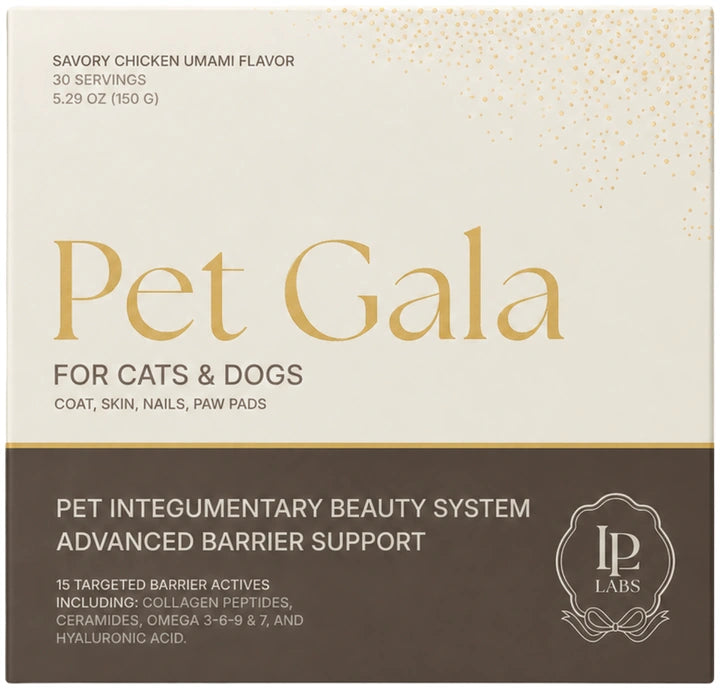
Pet Gala™ fits naturally into a weight-conscious routine by supporting the visible signals owners care about most—comfortable skin, a healthy sheen to the coat, and strong, clean nails—especially when you’re fine-tuning portions and treats. It’s not a replacement for smart feeding; it’s the finishing care that helps your cat look well-kept while you practice steady, sensible weight management.

Weight management for cats is often framed as numbers—pounds, calories, cups. But most owners don’t fall in love with a number. They fall in love with a presence: the way their cat moves through a room, the ease of a jump to a favorite perch, the clean line of a back that looks cared-for, and a coat that catches light instead of looking tired. When weight drifts upward, those visible signals can soften. When weight comes back into balance, they return—quietly, reassuringly.

The best weight management for cats is not harsh or dramatic. It’s measured and respectful: portions that are accurate, food choices that keep nutrients adequate, and small daily movement that feels like play rather than punishment. Regular nutritional assessments and body condition scoring give you a practical way to track progress without guessing. And if you’re reducing calories, it’s worth knowing that restriction can unintentionally reduce essential nutrient intake if the diet isn’t designed for weight loss.

Where does a beauty-forward product fit into this? A careful, science-minded owner may already be feeding well—and still want their cat to look unmistakably well-kept during changes. That’s the gap: diet and portions set the direction, while visible-care support elevates the finish. Pet Gala™ is designed to complement a weight-conscious routine by supporting the everyday presentation owners notice most: comfortable skin, a healthy sheen to the coat, and strong, clean nails—signals that say, “this cat is cared for,” even while the plan is still in progress.

By La Petite Labs Editorial, ~15 min read

Featured Product:

  • Start with shape, not guesswork: use body condition scoring and weekly trends to define a realistic target.
  • Reduce calories thoughtfully; overly strict restriction can unintentionally reduce essential nutrient intake.
  • Choose foods by caloric density and how your cat looks and behaves—steady energy, calmer appetite, easier grooming.
  • Treats can stay, but they need a budget and a purpose: bonding, training, or play, not background calories.
  • Build movement into the day with short play bursts and enrichment that makes activity feel natural. (Linder DE, 2010)
  • Senior cats vary: “senior” foods differ widely, so reassess labels, portions, and results with care. (Summers SC, 2020)
  • Even with a strong diet plan, visible-care support matters; Pet Gala™ complements weight routines by elevating coat, skin, and nails.

A Polished, Comfortable Look Starts with a Healthy Feline Shape

The most effective weight management for cats starts with a clear, calm baseline: what your cat weighs today, what their frame looks like at a healthy size, and what your daily routine truly supports. A quick body condition score (BCS) check can be more revealing than the scale alone, because it reflects shape, fat cover, and the “feel” of ribs and waist (Rollins AW, 2019). When you can name the starting point, you can choose changes that show up in visible ways—easier grooming, a cleaner silhouette, and a coat that looks less “puffy” and more polished.

If your plan includes reducing calories, remember that cutting food without planning can unintentionally cut essential amino acids and vitamins, especially in obese cats under restriction (Grant CE, 2020). That’s why the best weight management for cats is rarely about “less food” in isolation. It’s about smarter portions, nutrient-dense choices, and a routine that keeps your cat comfortable and confident in their body.

A useful next step is understanding cat nail nutrients, because it changes what good progress actually looks like.

This is also where cat shedding and fur loss becomes relevant, particularly if the underlying mechanism has been active for a while.

In practice, this often connects to biotin for cats, especially when owners are comparing options over weeks rather than days.

Visualization of beauty nutrition illustrating support pathways for best weight management supplements for cats.

What Healthy Weight Looks Like on Your Cat’s Frame

A healthy weight is not a single number; it’s a look and a feel. You should be able to feel ribs with a light touch, see a waist from above, and notice a gentle abdominal tuck from the side. Body condition scoring gives you a shared language with your veterinarian and helps you avoid the common trap of comparing your cat to other cats instead of to their own frame.

When weight creeps up, the changes are often subtle: a rounder back end, less interest in jumping, or a coat that looks dull because grooming becomes harder. These are not moral failures; they’re signals. Weight management for cats works best when you respond early, while adjustments can stay gentle and your cat stays relaxed.

That's why bone broth for cats tends to matter most when you're tracking patterns rather than one-off flareups.

Scientific beauty render highlighting skin hydration supported by weight management supplements for cats.

Portions That Stay Honest: the Quiet Power of Measuring

Calories matter, but the way calories are delivered matters just as much. Measured meals tend to outperform “top-offs” and free-pouring because they reduce accidental drift. If you’re transitioning from free-feeding, do it gradually so your cat doesn’t feel suddenly deprived. A predictable schedule often improves behavior around food, which makes weight management for cats feel calmer in the home.

Portion accuracy is a quiet superpower: use a gram scale for dry food, and measure wet food consistently. Small errors repeated daily can erase progress. If you’re unsure what amount is appropriate, your veterinarian can calculate a target and adjust based on weekly trends and BCS, not guesswork.

Molecular structure graphic reflecting research-driven beauty design behind best weight management for cats.

Nutrient Density Matters When Calories Drop

Protein quality and nutrient density become especially important when calories go down. In obese cats, energy restriction can lead to dietary intakes of certain amino acids and vitamins that don’t meet recommended allowances if the diet isn’t formulated for weight loss (Grant CE, 2020). That’s why “just feed less” can backfire—your cat may lose weight, but look less vibrant doing it.

A weight-focused diet should help your cat stay satisfied while supporting lean tissue and a polished coat. If you’re choosing between foods, look beyond marketing terms and consider caloric density and how your cat’s body responds over two to four weeks. The goal is a steady trend with a cat who still looks bright-eyed and well-kept.

Dog portrait highlighting coat health and steady support from weight management for cats.

Wet Versus Dry: Choosing What Your Cat Thrives On

Wet food can be a strong ally for weight management for cats because it often delivers fewer calories per bite and supports hydration. Dry food can also work, but it benefits from stricter measuring and thoughtful delivery—like puzzle feeders that slow eating and add movement. The best plan is the one your cat eats consistently without stress.

If you’re mixing wet and dry, keep the total daily calories in view rather than judging each component in isolation. Many owners find that shifting even part of the diet to wet food improves satiety and reduces constant begging. Pair that with play and enrichment, and the household feels less food-obsessed overall.

The scratching is completely gone, his coat looks healthy and shiny!

— Lena

He was struggling with itching, now he's glowing.

— Grace

“A healthy weight shows up first in the details: grooming ease, movement, and a coat that lies smooth.”

Multi-cat Homes: Preventing Food Theft and Hidden Extra Calories

Multi-cat homes are where weight management tips for cats either shine or unravel. One cat grazes, another steals, and suddenly the “diet cat” looks unchanged. Separate feeding zones, microchip feeders, or timed meals can restore fairness. The visible win is not only a trimmer body—it’s a calmer social dynamic around food.

If you can’t separate cats, try feeding in different rooms for 10–15 minutes and picking up leftovers. Track who finishes quickly and who lingers; that pattern often reveals where extra calories are slipping in. Once intake becomes clear, effective weight management for cats becomes much easier to maintain.

Dog headshot symbolizing coat shine and beauty supported by best weight management supplements for cats.

Begging and Boredom: Replacing Extra Bites with Better Rituals

Begging is not always hunger. Cats learn that certain sounds, looks, and routines produce food, and those habits can become loud when you change feeding patterns. Instead of arguing with the behavior, redirect it. Offer a short play burst, a grooming session, or a puzzle feeder that turns “asking” into “doing.”

This is where natural weight management for cats often succeeds: it respects feline instincts. A cat who “hunts” for part of their meal tends to eat more slowly and appear more settled afterward. Over time, the home feels less centered on the bowl, and your cat’s body language looks more composed.

Dog profile photo emphasizing coat shine supported by weight management for cats.

A Safe Pace: Keeping Comfort and Coat Quality Intact

Rapid changes are rarely the goal. A steady, veterinarian-guided pace helps protect comfort and nutrient adequacy, especially when calories are reduced. If your cat seems lethargic, constipated, or unusually vocal, it may be a sign the plan needs adjustment rather than stricter control.

Keep the focus on what you can see: smoother movement, easier self-grooming, and a coat that looks more even because your cat can reach their back and hips. Those are the day-to-day confirmations that weight management for cats is supporting quality of life, not just changing a number.

Supplement overview graphic emphasizing beauty ingredients aligned with weight management for cats.

Choosing a Weight Management Supplement Without Magical Thinking

If you’re searching for a weight management supplement for cats, start by defining what you want it to support. For many owners, the goal is not “fat burning,” but a cat who looks and feels cared-for during dietary changes: comfortable skin, a glossy coat, and strong nails that don’t split. That’s a beauty-forward lens that fits real life.

Quality signals matter: transparent ingredient lists, sensible serving directions, and a brand that encourages veterinary involvement for cats with medical conditions. Supplements should never be used to justify extreme calorie cuts. Nutrient balance during restriction is a known concern, so your foundation should be an appropriate diet first.

Treats with Intention: Keeping Rewards Without Losing the Plot

Treats don’t have to sabotage weight management for cats, but they do need a job. Use them as a tool for connection, grooming tolerance, carrier comfort, or a short play session—then keep the portion deliberately small. The visual goal is consistency: a cat who looks well-kept and moves easily, not a cycle of “good weeks” and “treat weekends.”

Try shifting from handfuls to single-bite rewards, and consider using a measured portion of the day’s food as “treats” so the math stays honest. If multiple people feed the cat, a simple treat jar with a daily limit prevents accidental doubling. When your cat’s routine feels predictable, their appetite often looks calmer, too—an underrated part of effective weight management for cats.

“Portion accuracy is quiet, unglamorous, and often the reason plans finally work.”

Close-up clinical uniform showing research-driven formulation behind weight management supplements for cats.

Play That Looks Natural: Small Bursts, Noticeable Daily Movement

Activity for cats doesn’t need to look like a workout to support weight management for cats. It should look like a brighter expression, a faster pivot, and a cat who chooses to engage. Short, frequent play—two to five minutes—often fits feline attention better than long sessions. Rotate toys to keep novelty high, and use “hunt” sequences (stalk, chase, pounce) to make movement feel natural.

Environmental enrichment matters most for indoor cats, where boredom can show up as constant food-seeking. Adding vertical space, window perches, and puzzle feeders can increase daily movement without stress (Linder DE, 2010). The visible signal you’re aiming for is a cat who looks more athletic in motion—less heavy-footed, more fluid.

Shop Now
Curated ingredient scene highlighting bioactive blend supporting best weight management supplements for cats.

Tracking Progress Without Obsession: Weekly Trends and Visible Signals

A weekly check-in keeps natural weight management for cats from turning into guesswork. Weigh your cat on the same scale, at the same time of day, and pair that number with a quick BCS feel-check. BCS is practical because it tracks shape and fat cover, not just pounds (Rollins AW, 2019). If the scale stalls but the waist becomes more defined, you’re still moving in the right direction.

Also watch the “everyday presentation” signals: grooming ease, willingness to jump, and how the coat lies along the back. These are the details owners notice first, and they’re often the most reassuring. If weight loss is faster than expected or your cat seems less comfortable, pause and ask your veterinarian to reassess the plan.

Shop Now
Home scene with woman and dog featuring Pet Gala and weight management tips for cats.

Senior Cats and Weight: When Labels Don’t Tell the Whole Story

Senior cats deserve special attention because calorie density and nutrient profiles vary widely across foods marketed for older pets (Summers SC, 2020). That variability can make weight management for cats over age seven feel inconsistent: two “senior” diets may look similar on the label but behave differently in the bowl and on the body. If your cat is gaining, the answer may be as simple as switching to a lower-calorie-density option while keeping protein quality high.

If your senior cat is losing weight unintentionally, that’s a different conversation—one that should start with a veterinary exam. Appetite and weight changes can signal underlying issues, and management should prioritize comfort, intake, and quality of life rather than aggressive restriction.

Shop Now

Medication Caution: Appetite Tools Are Not Weight-loss Shortcuts

Some households explore medications when appetite or weight changes become complicated. It’s important to treat human medications as high-risk in cats unless your veterinarian prescribes them. For example, mirtazapine exposure can cause toxicity with signs that may include sedation and gastrointestinal upset, and case reviews highlight the need for careful oversight (Ferguson LE, 2016).

On the other side, certain veterinary appetite stimulants have been studied for cats with unintended weight loss; capromorelin has clinical trial data supporting weight gain and tolerability in that context (Wofford JA, 2025). These are not tools for routine slimming. They’re reminders that “weight” can mean different things, and the safest plan is the one matched to your cat’s specific story.

Supplements in Context: Supporting Visible Care During Dietary Changes

Weight management supplements for cats can be appealing because they feel like a simple add-on. The truth is more nuanced: a supplement can support visible care—skin comfort, coat sheen, and nail strength—while you handle the fundamentals of calories, portions, and play. Think of supplements as part of the “well-kept” look, not a shortcut around feeding decisions.

When evaluating the best weight management supplements for cats, look for clear labeling, quality control, and a purpose that fits your cat’s needs. If your cat is eating less during a weight plan, nutrient balance matters; energy restriction can risk shortfalls if the diet isn’t designed for it (Grant CE, 2020). A thoughtful supplement strategy should complement a veterinarian-approved diet, not replace it.

Comparison layout showing ingredient quality differences relevant to weight management tips for cats.

Household Habits That Hold: Making the Routine Easy to Repeat

The best weight management for cats is the one your household can repeat without friction. That means fewer “special rules” and more quiet structure: measured meals, a treat budget, and a small daily play ritual. If you share feeding duties, a written plan prevents accidental overfeeding—one of the most common reasons progress looks slow.

Also consider the emotional side of feeding. Many cats ask for food when they want attention, warmth, or predictability. If you answer every request with calories, weight management for cats becomes a relationship problem, not a math problem. Try substituting a brush session, window time, or a short “hunt” game, and let food return to its proper place.

Shop Now
Unboxed supplement reflecting refined experience and trust in best weight management for cats.

The Beauty Logic: Coat, Skin, and Nails as Proof of Care

A visible-care approach keeps weight management tips for cats from feeling punitive. As your cat trims down, you may notice a cleaner outline at the waist, less dandruff-like flaking from hard-to-reach grooming spots, and a coat that lies flatter and glossier. Those signals matter because they confirm comfort and daily upkeep—not just a number.

This is also where owners often ask, “If I’m already feeding well, why add anything else?” The answer is that diet handles baseline needs, while targeted support can elevate the visible finish: skin that looks calm, fur that reflects light, and nails that feel strong and clean. That’s the role of a beauty-forward routine alongside effective weight management for cats.

Shop Now

When to Recheck: Vet Conversations That Make Plans Safer

If progress feels confusing, ask for a veterinary recheck rather than tightening restrictions on your own. Regular nutritional assessments and BCS tracking can clarify whether the plan, the food, or the environment needs adjustment (Rollins AW, 2019). Bring photos from above and the side, your feeding amounts, treat habits, and a short note on activity. Those details make the conversation precise and kind.

Weight management for cats is ultimately about a cat who looks comfortable in their own body—moving with ease, grooming with less effort, and showing up with that unmistakable “well cared for” presence. When you build the plan around visible signals and repeatable rituals, the results feel steady and reassuring.

“Supplements aren’t a shortcut; they’re the finishing care that keeps your cat looking well-kept.”

Educational content only. This material is not a substitute for veterinary advice. Always consult your veterinarian about your dog’s specific needs. These statements have not been evaluated by the Food and Drug Administration. Products mentioned are not intended to diagnose, treat, cure, or prevent any disease.

Glossary

  • Body Condition Score (BCS): A hands-on and visual rating of body fat that helps judge whether a cat is underweight, ideal, or overweight.
  • Caloric Density: The number of calories per gram or per can/cup of food; higher density means more calories in a smaller portion.
  • Portion Control: Measuring and serving a defined amount of food to prevent accidental overfeeding.
  • Energy Restriction: Reducing daily calorie intake to promote weight loss; should be planned to maintain nutrient adequacy.
  • Treat Budget: A pre-set daily amount of treats (or treat calories) to keep extras from overwhelming the plan.
  • Puzzle Feeder: A feeding tool that slows eating and encourages movement by making a cat work for food.
  • Environmental Enrichment: Changes to the home (vertical space, play, novelty) that increase activity and reduce boredom eating.
  • Maintenance Calories: The estimated daily calories needed to keep a stable weight once a healthy condition is reached.
  • Lean Body Mass: Muscle and other non-fat tissues; preserving it supports a cat’s athletic look and comfortable movement.

Related Reading

References

Grant CE. Dietary intake of amino acids and vitamins compared to NRC requirements in obese cats undergoing energy restriction for weight loss.. PubMed. 2020. https://pubmed.ncbi.nlm.nih.gov/33160364/

Rollins AW. Nutritional assessment in the cat: Practical recommendations for better medical care.. PubMed Central. 2019. https://pmc.ncbi.nlm.nih.gov/articles/PMC10814421/

Summers SC. Evaluation of nutrient content and caloric density in commercially available foods formulated for senior cats.. PubMed Central. 2020. https://pmc.ncbi.nlm.nih.gov/articles/PMC7517497/

Ferguson LE. Mirtazapine toxicity in cats: retrospective study of 84 cases (2006-2011).. PubMed. 2016. https://pubmed.ncbi.nlm.nih.gov/26228539/

Wofford JA. Capromorelin promotes weight gain in cats with unintended weight loss: a randomized, masked, placebo-controlled clinical trial.. PubMed. 2025. https://pubmed.ncbi.nlm.nih.gov/41204815/

Center SA. The clinical and metabolic effects of rapid weight loss in obese pet cats and the influence of supplemental oral L-carnitine.. PubMed. 2000. https://pubmed.ncbi.nlm.nih.gov/11110381/

Linder DE. Evaluation of calorie density and feeding directions for commercially available diets designed for weight loss in dogs and cats.. PubMed. 2010. https://pubmed.ncbi.nlm.nih.gov/20043803/

Ahmed. Bioaccumulation of heavy metals in some commercially important fishes from a tropical river estuary suggests higher potential health risk in children than adults.. Nature. 2019. https://www.nature.com/articles/s41598-021-00467-4

Bilgiç B. Investigation of Trace and Macro Element Contents in Commercial Cat Foods.. PubMed Central. 2025. https://pmc.ncbi.nlm.nih.gov/articles/PMC11633335/

German. Partial weight reduction protocols in cats lead to better weight outcomes, compared with complete protocols, in cats with obesity. 2023. https://www.frontiersin.org/journals/veterinary-science/articles/10.3389/fvets.2023.1211543/full

Watson. Drivers of Palatability for Cats and Dogs-What It Means for Pet Food Development.. Springer. 2023. https://link.springer.com/article/10.1007/s12011-025-04680-4

RVA. Toxic element levels in ingredients and commercial pet foods.. PubMed Central. 2021. https://pmc.ncbi.nlm.nih.gov/articles/PMC8546090/

Summers S. Evaluation of iron, copper and zinc concentrations in commercial foods formulated for healthy cats.. PubMed Central. 2022. https://pmc.ncbi.nlm.nih.gov/articles/PMC10812249/

Bilgiç B. The Values of Potentially Toxic Elements (PTEs) in Prescription and Non-prescription Dry Cat and Dog Diets in Turkey.. PubMed. 2025. https://pubmed.ncbi.nlm.nih.gov/40442459/

FAQ

What does weight management for cats actually include day to day?

It includes three repeatable pieces: measured portions, a way to track body shape (like body condition scoring), and small daily activity that feels natural to your cat. Body condition scoring helps you judge progress beyond the scale.

Many owners also add a “visible care” layer—grooming, coat support, and skin comfort—so the cat looks polished while routines change. That’s an easy place to include Pet Gala™.

Why does a healthy weight change how my cat looks?

When a cat carries less excess fat, owners often notice a cleaner waistline, easier self-grooming, and smoother movement. Those changes can make the coat lie flatter and look glossier simply because the cat can reach more of their body comfortably.

Pairing a sensible feeding plan with coat-and-skin support can make the “well-kept” look more consistent during transitions, which is why many routines include Pet Gala™.

How can I tell if my cat is overweight at home?

Use a simple body condition score: you should feel ribs with light pressure, see a waist from above, and notice a gentle tuck behind the ribs. This approach is widely used to evaluate weight status in cats.

Photos from above and the side can help you spot slow changes that the eye misses day to day. For a routine that supports visible polish while you adjust feeding, consider Pet Gala™.

What is the best weight management for cats: wet or dry?

Either can work. Wet food often makes portion control feel easier because it may deliver fewer calories per bite, while dry food can be effective when it’s weighed and served in measured amounts. The “best” choice is the one your cat eats consistently without stress.

Whichever format you choose, keep the routine steady and watch body shape over time. To support coat, skin, and nails alongside feeding changes, many owners add Pet Gala™.

Are weight management supplements for cats safe to use daily?

Safety depends on the ingredients, your cat’s health conditions, and how the supplement fits with the full diet. If calories are being reduced, nutrient adequacy becomes more important, not less, so it’s wise to choose products with transparent labeling and discuss them with your veterinarian.

Daily use should feel like a simple care ritual that supports visible comfort and polish, which is why some routines include Pet Gala™.

Can I just feed less food for faster results?

Feeding less can reduce calories, but “faster” isn’t always better. In obese cats, energy restriction can lead to shortfalls in amino acids and vitamins if the diet isn’t formulated for weight loss, which is why monitoring and diet choice matter.

A steadier approach tends to preserve a cat’s bright look and comfort while weight changes. For visible-care support during a measured plan, consider Pet Gala™.

What side effects should I watch during a weight plan?

Watch for constipation, low energy, persistent vomiting, or a sudden change in coat quality or grooming. These can be signs the plan is too aggressive, the food isn’t a good match, or an underlying issue is present. Regular check-ins using body condition scoring can help you adjust early.

If anything feels “off,” pause and ask your veterinarian before tightening restrictions. For a routine that supports visible comfort as you refine the plan, consider Pet Gala™.

Do weight management supplements for cats interact with medications?

They can, depending on the formula and the medication. Because cats are sensitive to dosing and ingredient differences, it’s best to share the exact product label with your veterinarian before combining supplements with prescription therapies.

This is especially important if your cat has kidney, liver, or gastrointestinal concerns. For a beauty-forward supplement routine that fits alongside a thoughtful plan, explore Pet Gala™.

Is weight management for cats different for seniors?

Yes. Senior diets vary widely in nutrient content and caloric density, so two “senior” foods can produce very different results on the same cat(Summers SC, 2020). Seniors may also have arthritis or dental issues that change activity and food preferences.

Aim for comfort, steady intake, and a body shape that supports easy movement. To keep your cat looking well-kept while you fine-tune the routine, considerPet Gala™.

How is weight management for cats different than for dogs?

Cats are often more sensitive to abrupt diet changes and tend to do best with small, consistent adjustments. Their feeding behavior can be more ritualized, and indoor environments can strongly influence activity and food-seeking.

Because cats are meticulous groomers, weight changes can show up in coat quality and grooming reach—visible signals owners notice quickly. To support that polished look during routine changes, consider Pet Gala™.

When should I call the vet about my cat’s weight?

Call if weight changes are sudden, if your cat stops eating, or if you see vomiting, diarrhea, marked lethargy, or behavior changes. A veterinary visit can separate simple calorie issues from medical causes and set a safer plan.

Bring your feeding amounts and a few photos to make the discussion concrete. For everyday visible-care support that pairs well with a vet-guided plan, consider Pet Gala™.

How long until I see results from a weight routine?

Many owners notice early changes in appetite patterns and activity within a couple of weeks, while visible body-shape changes often take longer. Weekly weigh-ins and a simple body condition score check keep expectations realistic and prevent over-correcting.

Look for small, reassuring signals: easier grooming, a cleaner waistline, and smoother movement. To support coat, skin, and nails during the transition, consider Pet Gala™.

What quality signals matter when choosing a cat supplement?

Look for transparent ingredient lists, clear serving directions, and a brand that encourages veterinary input for cats with medical conditions. Avoid products that promise dramatic weight changes without diet and lifestyle adjustments.

The best choices support visible, everyday care—coat sheen, skin comfort, and nail strength—while you manage portions and activity. A simple option to consider is Pet Gala™.

How do I give supplements to a picky cat?

Start small and keep the routine consistent: mix with a favorite wet food, offer at the same time daily, and avoid changing multiple things at once. If your cat refuses, don’t “battle” at the bowl—try a different texture or timing.

The goal is a calm ritual that supports visible comfort, not a stressful event that disrupts eating. For a supplement designed to fit into everyday care, consider Pet Gala™.

Are there contraindications for appetite stimulants in cats?

Appetite stimulants are not for routine slimming and should be used only under veterinary direction. Some drugs can be risky if misused; mirtazapine exposure has been associated with toxicity signs such as sedation and gastrointestinal disturbances in cats(Ferguson LE, 2016).

If your cat is losing weight unintentionally, your veterinarian may discuss options with clinical data in that context, such as capromorelin(Wofford JA, 2025). For visible-care support alongside a vet-led plan, considerPet Gala™.

What are simple weight management tips for cats in apartments?

Use the space you have: vertical perches, short “hunt” play sessions, and puzzle feeders that slow eating and add movement. Enrichment can increase activity without turning your home into a gym(Linder DE, 2010).

Keep meals measured and predictable, and rotate toys to maintain interest. To support a polished coat and comfortable skin as routines shift, considerPet Gala™.

Do certain breeds need different weight management approaches?

Breed can influence frame size, activity style, and how quickly weight changes show up, but the fundamentals stay the same: portion accuracy, body condition scoring, and a routine that fits your cat’s temperament. BCS helps keep comparisons fair across different body types.

If you’re unsure what “lean” should look like for your cat, ask your veterinarian to demonstrate the feel-check. For visible-care support that complements any plan, consider Pet Gala™.

What does research say about restricting calories in obese cats?

Calorie restriction is commonly used, but it needs planning. Research highlights that obese cats under energy restriction may not meet recommended intakes for certain amino acids and vitamins if the diet isn’t appropriately formulated.

That’s why the most effective plans use a weight-focused diet and regular monitoring rather than aggressive cuts. For a routine that also supports coat, skin, and nails during changes, consider Pet Gala™.

How do I decide between diet food and supplements?

Start with diet and portions, because calorie control drives weight change. A veterinarian can help you pick a food that supports nutrient adequacy while calories are reduced, then adjust based on weekly trends and body condition scoring.

Supplements are best viewed as “visible-care support” that helps your cat look and feel well-kept during the process—especially for coat, skin, and nails. A simple way to add that layer is Pet Gala™.

What should I avoid when trying natural weight management for cats?

Avoid sudden, dramatic food cuts, unmeasured “healthy” treats, and relying on a single trick (like switching foods) without tracking portions. Also avoid using human medications or leftover prescriptions; cats can experience serious adverse effects from inappropriate exposure(Ferguson LE, 2016).

A calmer approach is measured meals, enrichment, and steady monitoring—plus visible-care support so your cat stays polished through changes. ConsiderPet Gala™.

5K+ Happy Pet Parents

Excellent 4.8

Weight Management for Cats | Why Thousands of Pet Parents Trust Pet Gala™

"Magical. He was struggling with itching and shedding. Now he's literally glowing."

Grace & Ducky

"Improves her skin, fur, nails, and eyes. We're loving it!"

Cat & Miso

"It's so good for his coat, and so easy to mix into food."

Alex & Cashew

"The scratching is completely gone, his coat looks healthy and shiny."

Lena & Bear

"Magical. He was struggling with itching and shedding. Now he's literally glowing."

Grace & Ducky

"Improves her skin, fur, nails, and eyes. We're loving it!"

Cat & Miso

"It's so good for his coat, and so easy to mix into food."

Alex & Cashew

"The scratching is completely gone, his coat looks healthy and shiny."

Lena & Bear

"Magical. He was struggling with itching and shedding. Now he's literally glowing."

Grace & Ducky

"Improves her skin, fur, nails, and eyes. We're loving it!"

Cat & Miso

"It's so good for his coat, and so easy to mix into food."

Alex & Cashew

"The scratching is completely gone, his coat looks healthy and shiny."

Lena & Bear

"Magical. He was struggling with itching and shedding. Now he's literally glowing."

Grace & Ducky

"Improves her skin, fur, nails, and eyes. We're loving it!"

Cat & Miso

"It's so good for his coat, and so easy to mix into food."

Alex & Cashew

"The scratching is completely gone, his coat looks healthy and shiny."

Lena & Bear

SHOP NOW