Natural Skin Care for Cats

Identify What’s Damaging the Barrier and Rebuild Moisture and Coat Oils

Essential Summary

Why is natural skin care for cats important?

Natural skin care for cats is about keeping the coat glossy, the skin calm, and grooming comfortable through gentle routines and cat-safe choices. The most noticeable improvements usually come from consistent brushing, fewer irritants, and supportive nutrition that helps the skin and coat look evenly cared for day to day.

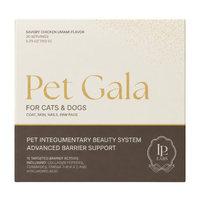
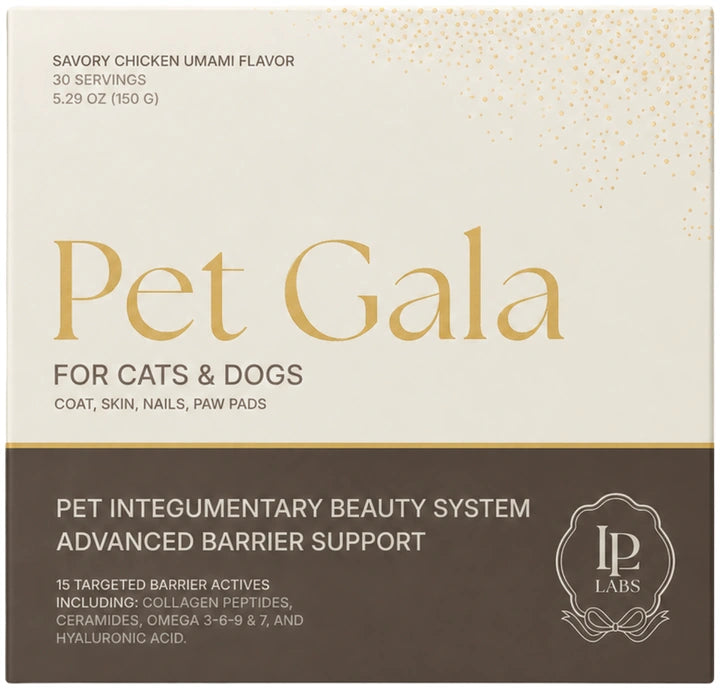
Pet Gala™ is designed for owners who want visible, everyday polish—skin that looks calm, a coat with healthy sheen, and nails that feel strong and clean. It fits naturally into a simple routine, supporting the full skin–coat–nail picture rather than chasing a single “missing” nutrient.

Natural skin care for cats works best when it’s a low-intervention routine that reduces irritation and supports the skin barrier day to day. Instead of chasing quick fixes, focus on three controllable levers: environment, gentle grooming, and cat-safe cleansing when it’s truly needed.

Start with the home setup. Dry indoor air, dusty litter, and heavily scented cleaners can quietly add up to more flakes, static, and scratchiness. Small changes—like stabilizing humidity, improving ventilation, and choosing fragrance-free laundry and cleaning products—often make skin feel more comfortable without adding complexity.

Next, keep grooming calm and consistent. Short, regular brushing helps remove loose fur and distributes natural oils without over-scrubbing the skin. If you need to clean, choose cat-safe options (and only as often as necessary), because cats are sensitive to many “natural” ingredients that are harmless for people.

If your cat has open sores, significant redness, or worsening odor, pause DIY changes and check in with your veterinarian before adding new products.

By La Petite Labs Editorial, ~15 min read

Featured Product:

  • Natural skin care for cats is measured by visible signals: shine, softness, and calm-looking skin.
  • The best natural skin care for cats usually means fewer irritants and more consistency.
  • Brushing is the fastest “beauty step” for a smoother coat and less shedding.
  • Bathing is occasional; over-washing can dull the coat and dry the skin.
  • Natural skin care products for cats must be cat-safe because cats lick what you apply.
  • A natural skin care supplement for cats can support coat finish even with a good diet.
  • Choose routines that make your cat look and feel well-kept, not “treated.”

Cat-Safe “Natural” Skin Care: What Helps vs What Can Harm

For cats, “natural” should mean low-irritant, fragrance-free, and species-appropriate—not homemade mixtures or strongly scented botanicals. Cats groom by licking, so anything applied to the coat can be ingested.

Common DIY risks to avoid:
- Essential oils warning: many essential oils can irritate skin or cause toxicity when inhaled or licked.
- Tea tree oil toxic to cats: even small amounts can be dangerous and should not be used on skin, in shampoos, or in diffusers.
- Harsh soaps (dish soap, human shampoos, castile blends): these can strip oils and worsen dryness.
- Fragranced sprays/powders: added scent is a frequent irritant and can trigger overgrooming.

Safer, cat-safe approaches that support comfort:
- Humidifier: aim for a steady, moderate indoor humidity to reduce dryness and static.
- Gentle brushing: use a soft brush and stop before the skin looks pink or your cat becomes tense.
- Vet-approved wipes or cleansers: choose fragrance-free formulas made for cats, especially for spot-cleaning.
- Reduce irritants: unscented detergent, low-dust litter, and thorough rinsing of bedding can lower daily exposure.

When in doubt, prioritize fewer products and gentler handling over “stronger” natural solutions.

Coat shine detail showing beauty mechanisms supported by best natural skin care for cats.

A Simple 4-Week Natural Routine to Support the Skin Barrier

This 4-week plan keeps changes gradual so you can tell what’s helping.

Week 1: Set the environment
- Add a humidifier if your home is dry; keep humidity steady.
- Swap to fragrance-free detergent and avoid fabric softeners.
- Consider detergent/litter irritants: move to an unscented, low-dust litter and rinse washable bedding thoroughly.

Week 2: Build a brushing schedule
- Brushing schedule: 3–5 short sessions per week (1–3 minutes), increasing only if your cat stays relaxed.
- Focus on gentle passes; avoid “scrubbing” flaky areas.

Week 3: Targeted, cat-safe cleaning (only if indicated)
- If there’s mild grime or dander, use fragrance-free, vet-approved wipes for spot cleaning.
- Skip full baths unless your veterinarian recommends it; over-bathing can worsen dryness.

Week 4: Maintain and assess
- Keep the same routine; don’t add multiple new products at once.
- What to track weekly: flakes (less/more), itch frequency (scratching/overgrooming), odor (neutral vs stronger), and any new redness.

Expected changes are usually subtle: fewer flakes, less static, and calmer grooming behavior. If signs worsen or you notice sores, swelling, or strong odor, stop new additions and seek veterinary guidance.

Collagen structure visualization representing skin elasticity supported by best natural skin care for cats.

Common Coat Concerns That Owners Notice Before True Skin Problems

The most common “skin” complaints are really coat complaints: dullness, dandruff on dark furniture, or a rough feel along the back. These are presentation issues, and they respond best to consistent, gentle care. Before adding more products, check the basics: brushing frequency, litter dust, household fragrances, and whether your cat is grooming normally.

If you’re aiming for the best natural skin care for cats, choose steps that create visible improvement without irritating the skin. A soft brush, a cat-safe wipe for occasional cleanup, and a stable feeding plan often do more than frequent bathing. Then, if you add a natural skin care supplement for cats, you’re building on a clean, steady foundation.

Beauty visualization highlighting formulation depth and rigor in natural skin care supplement for cats.

Bathing Without Overdoing It: Clean Fur, Not Stripped Skin

Bathing is rarely the centerpiece of natural skin care for cats. Most cats self-clean effectively, and over-washing can strip oils that give the coat its smooth lay and sheen. If bathing is necessary—sticky fur, medical reasons, or severe debris—use a cat-formulated cleanser and keep the process brief and calm.

Avoid improvising with human shampoos or strong “natural” fragrances. Cats groom, and ingredient safety depends on what’s used and how concentrated it is. When you bathe less and brush more, the coat often looks better faster—because you’re enhancing the finish rather than fighting the skin’s normal balance.

Dog portrait capturing coat health and beauty supported through natural skin care routine for cats.

Brushing Basics That Support a Smooth Coat and Comfortable Skin

Brushing is the most underrated natural skin care routine for cats. It removes loose hair, reduces matting, and spreads natural oils so the coat reflects light evenly. The result is immediate: a smoother silhouette, less shedding on clothing, and a coat that feels softer under your hand.

Make it a ritual your cat anticipates. Short sessions work better than long ones, especially for cats with sensitive skin. If you’re also using natural skin care supplements for cats, brushing becomes the perfect “check-in”—you’ll notice sooner when the coat starts to look glossier or when dry patches are fading.

The scratching is completely gone, his coat looks healthy and shiny!

— Lena

He was struggling with itching, now he's glowing.

— Grace

“The best routines don’t feel like treatment—they look like a well-kept life.”

Home Factors That Change How Your Cat’s Skin and Coat Present

Home environment shows up on the coat. Very dry air can make fur feel brittle and increase visible flaking; dusty litter can cling to the belly and paws; heavy fragrances can prompt more scratching or overgrooming in sensitive cats. These aren’t “medical” problems, but they can make a healthy cat look less polished.

For best natural skin care for cats, keep the environment quietly supportive: wash bedding regularly, vacuum favorite nap spots, and consider a humidifier during dry months. When the surroundings are cleaner and gentler, any natural skin care products for cats you use tend to perform better because they’re not competing with daily irritants.

Dog portrait reflecting beauty and wellness support tied to best natural skin care for cats.

Diet Consistency and Minerals: Why the Coat Reflects the Bowl

Food quality matters, but so does consistency. Sudden diet changes can affect stool, appetite, and grooming behavior—each of which can change coat appearance. Minerals like zinc, copper, and iron are part of the broader nutritional picture in commercial cat foods, and monitoring mineral content helps support healthy cats overall (Summers S, 2022).

A natural skin care supplement for cats can be a practical way to support visible condition without constantly switching foods. Think of it as a steady “finishing layer” for skin, coat, and nails—especially for cats who eat inconsistently, live in multi-cat homes, or go through seasonal shedding.

Canine profile image reflecting coat shine and wellness supported by natural skin care routine for cats.

Supplements for Visible Finish: What Owners Usually Want to See

When owners search for natural skin care supplements for cats, they’re usually looking for three visible outcomes: less flaking, more shine, and a softer feel. The best natural skin care supplements for cats support those signals by complementing daily nutrition and reinforcing a consistent routine rather than promising overnight transformation.

If your cat is already on a complete diet, that doesn’t make supplementation pointless—it just changes the goal. You’re not “fixing a deficiency”; you’re supporting a reliably well-kept presentation. That distinction keeps expectations realistic and helps you judge results by what you can see and touch.

Product overview visual highlighting formulation integrity aligned with best natural skin care for cats.

Choosing Cat-safe Natural Products Without Fragrance and Irritation Traps

Choosing natural skin care products for cats is mostly about avoiding common pitfalls. Skip essential oils, heavy perfumes, and harsh degreasers. Look for cat-specific labeling, clear ingredient lists, and simple directions. If a product is meant to stay on the coat, assume your cat will ingest some of it through grooming.

Natural products may help maintain the skin barrier and overall skin health, and some ingredients may have anti-inflammatory properties, but safety depends on the ingredient and concentration. When you keep the topical side gentle, you can focus on the visible goal: a calm, comfortable coat that looks freshly cared for.

When Shine Is the Goal: Building a Polished Coat Finish

If your cat’s skin looks “fine” but the coat lacks luster, the goal is polish, not repair. A natural skin care routine for cats that focuses on shine typically leans on frequent, gentle brushing, fewer degreasing washes, and nutrition that supports a soft, pliable feel. Owners often notice the difference first at the shoulders and along the back—areas that catch light and show texture quickly.

This is where a natural skin care supplement for cats can make sense even when the diet is already “complete.” Commercial foods vary in mineral levels, and overall nutritional status can influence outward condition (Summers S, 2022). A well-designed blend supports the whole presentation—skin, coat, and nails—so the visible finish improves without chasing a single nutrient.

“Choose fewer steps, but make them gentler and more consistent.”

Lab coat detail emphasizing vet-informed standards supporting best natural skin care supplements for cats.

Sensitive Skin Cats: Simplify Products, Strengthen Consistency, Watch Reactions

Cats with sensitive skin often do best when you simplify. Fewer products, fewer fragrances, fewer “hero” botanicals—more predictability. Natural skin care products for cats can be supportive, but safety depends on the ingredient and concentration, and cats are not small dogs when it comes to topical tolerance (Finno CJ, 2020).

For sensitive cats, the best natural skin care for cats looks like: a mild, cat-specific cleanser only when needed, a soft brush that doesn’t scrape, and a calm home environment (including humidity). If you add natural skin care supplements for cats, introduce one change at a time so you can clearly see what improves comfort and what doesn’t.

Shop Now
Ingredient spread with supplement box highlighting formulation depth behind natural skin care supplements for cats.

Seasonal Changes That Affect Flakes, Static, and Coat Texture

Seasonal shifts can change how your cat looks and feels. Winter air can make coats feel dry and “flyaway,” while warmer months can bring more shedding and oil. Rather than reacting with frequent baths, aim for small adjustments: brush a little more, wipe paws and belly after dusty days, and keep bedding clean so the coat stays fresh between grooming sessions.

If you’re choosing natural skin care for cats during seasonal transitions, prioritize barrier-friendly options. Natural ingredients may offer anti-inflammatory benefits for some skin concerns, but they must be chosen carefully for feline safety (Finno CJ, 2020). A steady routine tends to show faster, more noticeable results than rotating products week to week.

Shop Now
Pet owner displaying product as part of daily beauty care supported by natural skin care products for cats.

Nutrition as the Foundation for a Calm, Well-kept Look

Nutrition is the quiet foundation of visible skin and coat condition. Even when a food meets standards, real-world variables—picky eating, multi-cat feeding, treats, and individual absorption—can change what your cat actually uses. Mineral balance matters for overall health and nutritional status, which can influence outward appearance (Summers S, 2022).

That’s why the best natural skin care supplements for cats are positioned as presentation support, not as a replacement for a balanced diet. They’re chosen to complement what’s already there and to help the coat and skin look consistently cared-for—especially during shedding seasons, stressful weeks, or when your cat’s grooming habits change.

Shop Now

Topical Safety in Cats: Licking, Ingredients, and Concentration Matter

Topicals can be useful, but cats groom. Anything you put on the coat is likely to be licked, which changes the safety conversation. The safety of natural skin care products for cats depends on the specific ingredients and their concentrations. That’s why “natural” is not the same as “automatically safe,” especially with essential oils and strong fragrances.

If you want a natural skin care routine for cats that stays low-risk, choose cat-formulated products, use the smallest effective amount, and avoid layering multiple leave-ons. When in doubt, prioritize mechanical care—brushing, gentle wiping, clean bedding—because it improves visible condition without adding a lickable residue.

Brushing as a Ritual: the Fastest Visible Upgrade You Can Do

A polished coat is also a grooming story. Brushing distributes oils, lifts loose hair, and makes the coat lie flatter—an immediate visual upgrade. For many cats, the best natural skin care for cats is the routine they’ll tolerate: short sessions, consistent timing, and a brush that feels like a massage rather than a chore.

Pair grooming with supportive nutrition and you get a faster feedback loop: less dandruff on dark furniture, fewer hair tufts, and a softer feel when you pet along the spine. Natural skin care supplements for cats can fit here as a daily “finish” that supports the look you’re already creating through gentle handling.

Supplement comparison highlighting clean formulation advantages for natural skin care products for cats.

Nails and Paws: the Overlooked Part of a Complete Beauty Routine

Nails are part of the beauty picture, too. Strong, clean nails and healthy paw pads make play look confident and keep scratching appropriate. If nails are brittle or the skin around the nail bed looks irritated, it’s worth reviewing grooming frequency, scratching surfaces, and whether your cat is overgrooming due to stress or discomfort.

Because nails and skin are both outward signals of overall care, a best natural skin care supplement for cats is often one that supports the whole integument—skin, coat, and nails—rather than focusing narrowly. This keeps your routine cohesive: fewer products, clearer results, and a more consistently well-kept look.

Shop Now
Supplement box revealed in soft light, reflecting premium natural skin care supplement for cats positioning.

Red Flags That Deserve a Vet Visit, Not a New Product

When should you call your veterinarian? If you see open sores, hair loss in patches, scabs, a strong odor, ear debris, or sudden intense itching, don’t try to “natural” your way through it. Those signs can reflect parasites, infection, allergy flares, or other conditions that need diagnosis and targeted care.

Natural skin care for cats fits best when you’re supporting comfort and appearance alongside appropriate medical guidance. Natural ingredients can be helpful for maintaining the skin barrier and overall skin health, but ingredient choice and concentration matter. Your vet can also help you avoid interactions between topical products and prescribed treatments.

Shop Now

A Simple Decision Framework for Everyday, Noticeable Skin and Coat Care

A science-minded owner doesn’t choose a routine because it’s trendy—they choose it because it’s consistent, gentle, and visibly rewarding. The point of natural skin care products for cats and supplements isn’t to replace a good diet or basic grooming. It’s to make the everyday signals—shine, softness, calm skin, neat nails—more reliable, even when life gets busy.

If you want one decision framework: reduce irritants, keep grooming pleasant, and support the look you want from the inside out. That’s why a single, well-formulated option can be more practical than a shelf of experiments—especially when your goal is a consistently cared-for finish.

“Shine is a signal: grooming, comfort, and nutrition meeting in one place.”

Educational content only. This material is not a substitute for veterinary advice. Always consult your veterinarian about your dog’s specific needs. These statements have not been evaluated by the Food and Drug Administration. Products mentioned are not intended to diagnose, treat, cure, or prevent any disease.

Glossary

  • Skin Barrier: The outer protective layer that helps skin look calm and feel comfortable.
  • Coat Sheen: The way fur reflects light; often used as a quick signal of grooming and overall condition.
  • Flaking (Dander): Small visible skin flakes that can appear on fur or furniture; may increase with dryness or irritation.
  • Overgrooming: Excessive licking or chewing of fur that can make the coat look thin, rough, or uneven.
  • Cat-Safe Topical: A product formulated for feline use, considering that cats lick their coats.
  • Leave-On Product: A topical applied to the coat or skin that is not rinsed off; requires extra caution in cats.
  • Mechanical Grooming: Brushing or combing that improves coat appearance by removing loose hair and distributing oils.
  • Integumentary System: The combined system of skin, coat (hair), and nails that shapes your cat’s outward presentation.
  • Seasonal Shed: A predictable increase in shedding that can change coat texture and make grooming needs more noticeable.

Related Reading

References

Summers S. Evaluation of iron, copper and zinc concentrations in commercial foods formulated for healthy cats.. PubMed Central. 2022. https://pmc.ncbi.nlm.nih.gov/articles/PMC10812249/

Davidson. Veterinary Compounding: Regulation, Challenges, and Resources. 2017. https://www.mdpi.com/1999-4923/9/1/5

Finno CJ. Veterinary Pet Supplements and Nutraceuticals.. PubMed Central. 2020. https://pmc.ncbi.nlm.nih.gov/articles/PMC7802882/

FAQ

What counts as natural skin care for cats, day to day?

Natural skin care for cats is everyday care that keeps the coat looking clean, soft, and even without harsh stripping or heavy fragrance. It usually includes gentle brushing, occasional cat-safe cleansing, and reducing irritants in the home.

If you want an “inside-out” layer, a supportive formula can complement grooming so the coat’s finish stays consistent. Pet Gala™

Why does natural skin care for cats matter for appearance?

Skin is the backdrop for coat shine. When skin looks calm and comfortable, the coat tends to lie flatter, reflect light better, and shed more neatly. When skin is dry or irritated, you often see dullness, flakes, and uneven texture.

A simple routine plus targeted support can help maintain that well-kept look without overdoing topicals. Pet Gala™

How do natural skin care products for cats support the barrier?

Well-chosen natural skin care products for cats can support a healthy-looking skin barrier by keeping the surface clean and comfortable without harsh stripping. Some natural ingredients may also have soothing, anti-inflammatory properties when used appropriately.

Because cats groom, the safest approach is cat-specific formulas and minimal leave-on residue. For daily “finish” support, many owners pair gentle topicals with Pet Gala™

Are natural skin care products for cats always safe?

No. “Natural” doesn’t automatically mean cat-safe. Safety depends on the specific ingredients and their concentrations, especially because cats lick their coats and may ingest what you apply.

Choose cat-formulated products, avoid essential oils and heavy fragrance, and introduce one new item at a time so you can spot sensitivity quickly. For a simple inside-out option, consider Pet Gala™

Which cats should avoid new supplements or topicals first?

Cats who are pregnant, nursing, very young, or managing chronic illness should only add new topicals or supplements with veterinary guidance. Cats with a history of allergies or frequent vomiting also benefit from slower, one-change-at-a-time introductions.

This keeps your routine calm and makes it easier to identify what truly improves comfort and coat finish. If you want a streamlined option to discuss with your vet, look at Pet Gala™

How much natural skin care supplement for cats should I use?

Follow the label directions for your cat’s weight and life stage, and avoid stacking multiple supplements that target the same goal. If your cat eats inconsistently, ask your veterinarian how to introduce a supplement gradually so you can monitor stool, appetite, and coat changes.

The best approach is steady daily use with clear observation, not frequent dose changes. For a simple, routine-friendly option, consider Pet Gala™

What side effects can happen with skin and coat supplements?

The most common issues are digestive: soft stool, gas, or reduced appetite, especially if introduced too quickly. Occasionally, a cat may dislike the smell or taste and eat less, which can indirectly affect coat condition.

Introduce changes gradually, keep the rest of the diet stable, and pause if you see persistent GI upset. For a skin–coat–nail focused option designed for daily routines, explore Pet Gala™

Can supplements interact with my cat’s medications or diet?

They can. Interactions depend on the ingredients, your cat’s health conditions, and what medications are being used. This is especially relevant for cats on long-term prescriptions, therapeutic diets, or those with liver or kidney concerns.

Bring the full ingredient list to your veterinarian and avoid adding multiple new products at once. If you want a single, cohesive option to review with your clinic, consider Pet Gala™

Is natural skin care for cats different for kittens?

Yes. Kittens have delicate skin and are still developing grooming habits, so keep routines extra gentle: soft brushing, minimal bathing, and only cat-specific products. For any supplement, your veterinarian should confirm it fits your kitten’s age and diet.

The goal is a comfortable introduction to care rituals that make grooming feel safe and pleasant. For a product to discuss for longer-term coat and skin presentation, see Pet Gala™

Does natural skin care for cats change for seniors?

Often, yes. Senior cats may groom less thoroughly, develop mats more easily, or have drier-looking coats. Short, frequent brushing sessions and gentle wipe-downs can restore a well-kept look without stressing the skin.

Because seniors may also be on medications or special diets, add supplements thoughtfully and with veterinary input. For a daily routine option focused on visible polish, consider Pet Gala™

Do long-haired cats need a different natural skin care routine?

Long-haired cats usually need more mechanical care: brushing that reaches the undercoat, attention to friction areas (armpits, collar line), and quick detangling before mats form. This improves comfort and keeps the coat looking smooth rather than separated into clumps.

Because bathing can be stressful and drying, many owners rely on brushing plus supportive nutrition for shine. For a skin–coat–nail support option, consider Pet Gala™

Can I use dog natural skin care products on my cat?

It’s not a good default. Cats groom more thoroughly and can be more sensitive to certain ingredients, especially concentrated botanicals and fragrances. Even if a product is “natural,” it may not be formulated with feline licking behavior in mind.

Choose cat-specific labeling and avoid experimenting with multi-species products unless your veterinarian approves. For a cat-focused way to support coat and skin presentation, consider Pet Gala™

How soon will I see results from natural skin care supplements?

Some changes are fast: less static, a softer feel after brushing, and a cleaner-looking coat line. Bigger “finish” changes—more consistent sheen and fewer flakes—often show over several weeks as grooming and nutrition stay steady.

Track simple signals: dandruff on furniture, coat texture along the spine, and how often your cat seems bothered by itchiness. For a routine-friendly option that supports visible polish, consider Pet Gala™

What are quality signals for the best natural skin care supplement for cats?

Look for clear labeling, species-appropriate formulation, and straightforward directions. Avoid products that rely on vague proprietary blends without amounts, or that promise dramatic medical outcomes. A quality supplement should fit into daily feeding without forcing frequent changes to the rest of the diet.

Also consider whether the formula supports the whole skin–coat–nail picture, since owners judge results visually. For a cohesive option built around presentation, explore Pet Gala™

How do I add a supplement to a picky cat’s meals?

Start small and keep everything else the same. Mix into a tiny portion of a familiar food first, confirm your cat eats it, then scale up gradually. If your cat refuses, don’t “battle” at mealtime—stress can worsen grooming and coat appearance.

Consistency matters more than speed, so aim for a method your cat accepts calmly. For a supplement designed to fit into everyday routines, consider Pet Gala™

Can I use natural skin care for cats every day?

Yes—if “care” means gentle, low-irritant habits. Daily brushing, clean bedding, and quick wipe-downs when needed are usually well tolerated. Daily bathing or frequent strong topicals, even if labeled natural, can be too much for feline skin.

A daily routine should feel easy and leave the coat looking consistently polished. For inside-out daily support that complements grooming, consider Pet Gala™

Does natural skin care for cats help with shedding appearance?

It can improve how shedding looks and feels. Brushing removes loose hair before it lands on furniture and helps the coat lie flatter, which makes the overall silhouette look smoother. Keeping skin comfortable can also reduce overgrooming that worsens patchy texture.

For many households, the best results come from pairing brushing with steady nutrition support. For a skin–coat–nail focused option, consider Pet Gala™

What does research say about natural ingredients for cat skin?

Research summaries note that natural skin care products can help maintain the skin barrier and overall skin health in cats, and that certain natural ingredients may have anti-inflammatory properties. The same sources emphasize that safety depends on the ingredient and concentration, which is especially important for cats that groom.

In practice, owners get the best “proof” by choosing cat-appropriate formulas and watching visible signals like shine and flake reduction. For daily presentation support, consider Pet Gala™

When should I call the vet about skin changes?

Call your veterinarian if you see open sores, scabs, patchy hair loss, a strong odor, ear debris, or sudden intense itching. Those signs can indicate parasites, infection, or allergy flares that need diagnosis rather than cosmetic adjustments.

Once medical causes are addressed, you can build a gentle routine to keep the coat looking calm and polished. For a supportive daily option to discuss with your clinic, consider Pet Gala™

How do I choose the best natural skin care for cats?

Choose the simplest routine that creates a noticeable improvement: gentle brushing most days, bathing only when truly needed, and cat-safe products without heavy fragrance. Then decide whether your goal is comfort (less scratching) or finish (more shine), and pick one change at a time.

This approach keeps results easy to judge and avoids a cluttered cabinet of half-used bottles. For inside-out support that complements a minimal routine, consider Pet Gala™

5K+ Happy Pet Parents

Excellent 4.8

Natural Skin Care for Cats | Why Thousands of Pet Parents Trust Pet Gala™

"Magical. He was struggling with itching and shedding. Now he's literally glowing."

Grace & Ducky

"Improves her skin, fur, nails, and eyes. We're loving it!"

Cat & Miso

"It's so good for his coat, and so easy to mix into food."

Alex & Cashew

"The scratching is completely gone, his coat looks healthy and shiny."

Lena & Bear

"Magical. He was struggling with itching and shedding. Now he's literally glowing."

Grace & Ducky

"Improves her skin, fur, nails, and eyes. We're loving it!"

Cat & Miso

"It's so good for his coat, and so easy to mix into food."

Alex & Cashew

"The scratching is completely gone, his coat looks healthy and shiny."

Lena & Bear

"Magical. He was struggling with itching and shedding. Now he's literally glowing."

Grace & Ducky

"Improves her skin, fur, nails, and eyes. We're loving it!"

Cat & Miso

"It's so good for his coat, and so easy to mix into food."

Alex & Cashew

"The scratching is completely gone, his coat looks healthy and shiny."

Lena & Bear

"Magical. He was struggling with itching and shedding. Now he's literally glowing."

Grace & Ducky

"Improves her skin, fur, nails, and eyes. We're loving it!"

Cat & Miso

"It's so good for his coat, and so easy to mix into food."

Alex & Cashew

"The scratching is completely gone, his coat looks healthy and shiny."

Lena & Bear

SHOP NOW