Cat Paw Health

Identify Why Paws Fail, Then Rebuild Pad and Claw Resilience

Essential Summary

Why is cat paw health important?

Cat paw health shows up in the details you notice every day: smooth-looking pads, tidy nails, and a confident stride. When paws look dry or feel rough, the right mix of gentle grooming, cleaner surfaces, and steady nutritional support can improve comfort and appearance. The goal is a well-kept finish, not a complicated routine.

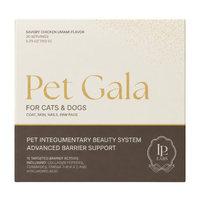
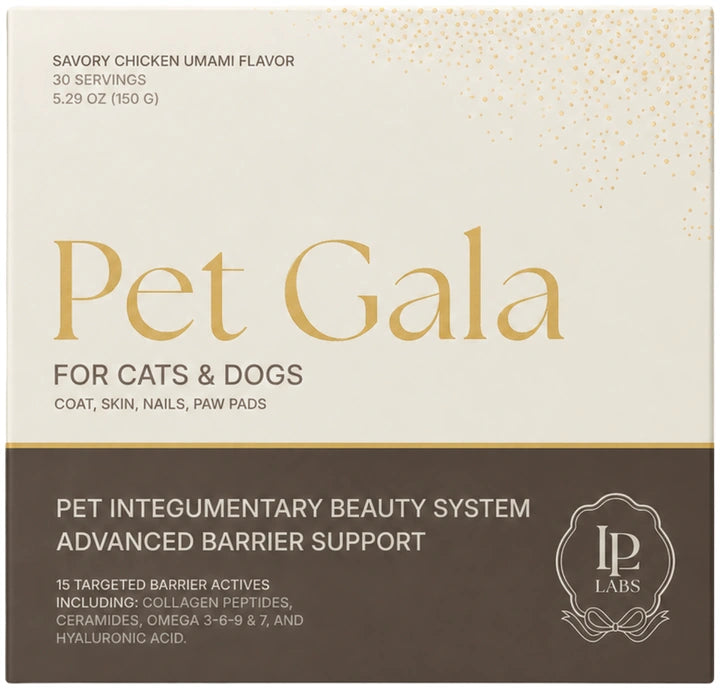
Pet Gala™ supports skin, coat, and nails so paw care looks and feels more polished—especially when pads seem dry, nails look jagged, or grooming becomes paw-focused. It’s designed to complement a complete diet and reinforce the visible signals of comfort: smoother-looking pads, a cleaner finish, and everyday ease in movement.

Cat paw health is easy to overlook until it changes. Then it’s suddenly obvious: a cat who hesitates on tile, paws that look a little ashy at the edges, nails that catch on a blanket, or a new habit of licking one foot as if it needs constant attention. For many owners, the goal isn’t “medicalizing” paws—it’s restoring the calm, well-kept look that matches how loved their cat is.

The best cat paw care is built around visible signals. Smooth-looking pads, clean toe fur, and tidy nails tend to reflect a mix of environment (litter, floors, indoor air), grooming (nail trims, gentle checks), and nutrition. Because paw pads are skin, balanced nutrition supports their condition and comfort. Still, even careful diets can produce uneven results when life is busy, foods rotate, or a cat is simply sensitive.

That’s the practical reason a thoughtful supplement remains relevant for a science-minded owner: not because food “isn’t enough,” but because you may want more consistent, noticeable presentation—pads that feel smoother, nails that look cleaner, and fewer rough edges that show up in daily handling. Pet Gala™ is designed to support skin, coat, and nails together, so cat paw health and wellness is reinforced as a visible finish, not a single-nutrient gamble.

By La Petite Labs Editorial, ~15 min read

Featured Product:

  • Healthy-looking paws are a visible signal: smooth pads, neat nails, and confident steps.
  • Dryness often reflects everyday friction, indoor air, litter texture, and grooming habits.
  • Track changes weekly; sudden swelling, bleeding, odor, or limping deserves a vet call.
  • Nutrition supports paw-pad skin because paw pads are skin; balance and tolerance matter.
  • Food quality varies; minerals tied to skin presentation can differ across products.
  • Choose supplements for consistency and ease, not extremes or stacked overlapping formulas.
  • Pet Gala™ fits owners who want science-respectful support that shows in paws, coat, and nails.

The Visible Signs of Well-kept Paws and Confident Steps

Cat paw health is one of those quiet details that instantly changes how your cat looks and moves: confident steps, clean nail edges, and paw pads that appear smooth rather than chalky. When paws look dry, snaggy, or tender, it can show up as hesitation on hard floors, extra licking, or a “careful” gait that feels unlike them. The goal isn’t perfection; it’s a well-kept, comfortable look that matches the rest of their grooming.

The best cat paw care starts with noticing the visible signals: pad texture, nail length, and the skin between toes. Those surfaces are influenced by daily friction, litter texture, indoor air dryness, and overall skin condition. Nutrition also matters because paw pads are skin, and skin quality reflects dietary balance and ingredient consistency (Laflamme DP, 2020).

If you’re a science-minded owner, you may already feed a careful diet and still want a polished result. That’s where targeted support can make sense: not as a replacement for food, but as a way to reinforce the visible finish—soft-looking pads, tidy nails, and less “roughness” in the everyday feel. Pet Gala™ is positioned for that kind of cat paw health and wellness: support that shows where you can see it, not a single-nutrient fix.

In practice, this often connects to cat nail nutrients, especially when owners are comparing options over weeks rather than days.

That's why cat shedding and fur loss tends to matter most when you're tracking patterns rather than one-off flareups.

Skin and coat health illustration showing beauty support linked to best supplements for cat paw health.

Why Paws Mirror Skin Quality, Grooming Habits, and Daily Surfaces

Healthy paws have a particular look: pads appear supple, the edges aren’t ragged, and the fur between toes looks clean rather than clumped. When cat paw health is off, owners often notice subtle changes first—more paw-focused grooming, a reluctance to jump down, or a preference for soft surfaces. These are “presentation” cues as much as comfort cues.

Because paw pads are specialized skin, they reflect the same fundamentals that shape coat quality: diet completeness, hydration, and exposure to irritants. Proper nutrition supports healthy skin and paw pads, and diet-sensitive cats may show changes quickly when something doesn’t agree with them. The best approach blends practical home care with a steady nutritional baseline.

Skin health image symbolizing beauty and wellness supported by best supplements for cat paw health.

Cracked-looking Pads: Common Triggers and What to Watch For

Cracked-looking pads can come from dryness, friction, or repeated licking that keeps skin damp and fragile. You might see fine lines, a slightly ashy tone, or tiny flakes around the pad edges. While mild dryness is common, deep cracks, bleeding, or obvious pain should be treated as a veterinary issue, not a cosmetic one.

For everyday dryness, think in layers: reduce irritants, support the skin’s surface feel, and keep nails tidy so your cat’s gait stays natural. Humidity and hydration can influence visible dryness signals in cats, especially in heated indoor environments (Watson, 2023). A consistent supplement routine can also support the “softness” owners want to see when they touch their cat’s paws.

Beauty ingredient model representing bioactive synergy found in cat paw health.

A One-minute Weekly Check That Keeps Care Calm and Clear

If you’re wondering how to keep cat paws healthy, start with a quick weekly check that takes less than a minute. Look at pad texture, nail length, and the skin between toes. You’re not hunting for perfection—you’re tracking changes. A paw that suddenly looks red, swollen, or damp between toes is a different category than a paw that simply looks a bit dry.

This “baseline awareness” is also how you judge whether your routine is working. When you make one change at a time—new litter, more humidity, a supplement—you can connect cause and effect. Owners often find that small environmental tweaks plus balanced nutrition create the most noticeable improvement in paw appearance.

Dog portrait symbolizing beauty and wellness supported by best cat paw care.

Common Paw Health Issues and the Signals That Matter Most

Common cat paw health issues include dryness, overgrown nails, litter-related irritation, minor abrasions, and sensitivity to household cleaners. Less common but important concerns include infections, allergic skin disease, and injuries that change how your cat bears weight. The visible difference is usually intensity: mild issues look like texture changes; serious issues look like swelling, discharge, or persistent limping.

When in doubt, treat one-sided symptoms (one paw, one toe) as higher priority than symmetrical dryness on all paws. And if your cat’s overall coat looks dull at the same time, consider the bigger picture: diet quality and tolerance can influence skin presentation across the body, including paws (SAS, 2021).

The scratching is completely gone, his coat looks healthy and shiny!

— Lena

He was struggling with itching, now he's glowing.

— Grace

“The best paw care is the kind you can see: smooth pads, tidy nails, confident steps.”

Best Cat Paw Care: the Few Steps That Create the Biggest Difference

The “best cat paw care” routine is usually the simplest one you’ll actually keep. Start with the surfaces your cat touches: floors, litter, and scratching areas. Choose low-dust litter, rinse cleaning products thoroughly, and keep scratchers stable so nails wear evenly. These steps reduce the daily friction and residue that can make paws look rough.

Next, keep nails neat. Overlong nails can catch and split, and they can subtly change posture. Finally, support skin quality from the inside out with a consistent diet and a supplement that fits your cat’s life. Balanced nutrition is essential for healthy skin and paw pads, and consistency tends to show in a more uniform, cared-for look.

Dog portrait tied to beauty and care supported by cat paw health and wellness.

Ways to Improve Cat Paw Health Without Overcomplicating Life

When owners ask for ways to improve cat paw health, they often mean: “What will I actually notice?” The most satisfying changes are tactile and visual—pads feel smoother, the edges look less ragged, and your cat seems less preoccupied with licking. Those are the signals that your routine is matching your cat’s needs.

Support can come from multiple angles. Environmental comfort reduces irritation, while nutrition supports the skin’s overall condition. Minerals in particular are part of normal skin and coat presentation, and commercial foods can vary in mineral levels (Summers S, 2022). A well-designed supplement can help owners create a more consistent “finish” even when diet rotation, appetite changes, or stress makes results feel uneven.

Profile shot of a dog showing coat health supported by cat paw health issues.

Safety, Sensitivities, and When to Ask Your Veterinarian First

Safety matters most when you’re adding anything new. If your cat is pregnant, nursing, has kidney or liver disease, is on long-term medication, or has a history of food sensitivities, involve your veterinarian before starting supplements. The goal is comfort and visible polish, not “more” at any cost.

Also be cautious about stacking multiple supplements that overlap. Too many additions can upset digestion or create imbalances, especially if you’re also using fortified treats. Cats do best with balanced nutrition that supports skin and paw pads without extremes. If you notice vomiting, diarrhea, or sudden itching after a change, stop and check in with your veterinarian.

Product info graphic highlighting testing and standards behind cat paw health issues.

Quality and Consistency: Why Inputs Affect the Look of Paws

Ingredient quality is part of best cat paw care because it affects how predictable results feel. Even when two foods look similar on the label, mineral content and ingredient sourcing can vary. Studies evaluating commercial cat foods highlight the importance of appropriate mineral levels for overall health.

Owners also worry—reasonably—about what they can’t see. Research notes that toxic elements can be present in pet food ingredients and may vary across products, reinforcing the value of careful sourcing and monitoring (RVA, 2021). Choosing reputable foods and a thoughtfully formulated supplement can help you feel confident that your cat’s visible condition is supported by consistent inputs.

Choosing the Best Supplements for a Polished Paw Finish

If you’re comparing the best supplements for cat paw health, look past hype and focus on what tends to show up in the mirror: skin comfort, a smoother-looking pad surface, and nails that seem less brittle. A good formula should complement a complete diet, not compete with it, and it should be easy to give consistently—because consistency is what creates that “well-kept” look.

Quality signals matter. Commercial foods vary in mineral content, and minerals like zinc and copper are tied to skin and coat presentation (Summers S, 2022). Ingredient sourcing can also vary, including the potential for unwanted elements, which is one reason many owners prefer brands that take quality control seriously (RVA, 2021). Supplements can be a practical way to add a steady layer of support when you want more predictable visible results.

“Treat sudden swelling, bleeding, odor, or limping as a vet conversation, not a DIY project.”

Branded lab coat reflecting precision and trust supporting how to keep cat paws healthy.

Making Daily Support Easy for Picky, Routine-loving Cats

Administration should feel like a care ritual, not a wrestling match. The easiest ways to improve cat paw health are the ones you can repeat without stress: pairing a supplement with a favorite meal, keeping timing consistent, and watching for small changes in grooming behavior. When cats feel comfortable, they tend to lick less obsessively and move more freely—two visible cues owners notice quickly.

If your cat is picky, avoid cycling through too many new products at once. Introduce one change, keep everything else stable, and give it time to show in the paws and nails. If you’re using multiple products (food toppers, treats, dental items), keep an eye on total calories and stool quality, and ask your veterinarian if you’re unsure about combining them (Laflamme DP, 2020).

Shop Now
Ingredient spread with supplement box highlighting formulation depth behind cat paw health tips.

When Paw Changes Are Cosmetic and When They’re Urgent

Some cat paw health issues are cosmetic but still meaningful: rough pads that catch on blankets, mild flaking, or nails that look jagged soon after trimming. Others deserve prompt veterinary attention, especially if you see swelling, bleeding, limping, a strong odor, or discharge between toes. Those are not “wait and see” moments.

Also watch for sudden changes in grooming. Over-licking can be a response to irritation, stress, or discomfort, and it can make paws look worse by keeping skin damp and fragile. If you’re trying to figure out how to keep cat paws healthy, the most reassuring approach is to treat new, intense symptoms as a vet conversation first, then build a steady care routine once serious causes are ruled out (Ahmed, 2019).

Shop Now
Owner showcasing product beside her pet, reflecting beauty care through best cat paw care.

Diet Patterns, Tolerance, and How Paws Can Reflect Them

Diet choices can influence overall appearance, including the skin surfaces that make up paw pads. Research comparing cats on different diet patterns suggests health outcomes can vary, and owner-reported issues may differ by diet type (SAS, 2021). That doesn’t mean one choice guarantees perfect paws; it means consistency, completeness, and tolerance matter.

If your cat eats a nontraditional diet, or you rotate foods frequently, pay extra attention to visible skin signals: dandruff-like flakes, dull coat, or paw dryness that seems to come and go. Balanced nutrition supports skin and paw pads, and diet-sensitive cats may need a more tailored approach (Laflamme DP, 2020). Supplements can be a practical “steadying” layer when you want the look to stay consistent even as life gets busy.

Shop Now

Seasonal Shifts That Change Paw Texture and Comfort

Seasonal shifts are a classic reason paws change. Indoor heating can make the air feel crisp and dry, and that can show up as a slightly papery pad texture or more frequent licking. In warmer months, hot surfaces and increased activity can add friction that makes pads look worn. These are everyday forces, not failures.

A simple way to keep cat paws healthy through seasons is to adjust the environment: rinse off dusty paws after balcony time, keep litter low-dust, and consider humidity if your home air is very dry (Watson, 2023). When you combine these small changes with consistent nutritional support, the paws often look more even and “finished,” which is the visible reassurance most owners want.

Nail Care That Keeps Feet Looking Neat and Feeling Natural

Nails are part of cat paw health and wellness, not an afterthought. Overgrown nails can change how a cat places their feet, and jagged edges can snag fabrics and make paws look unkempt. The goal is a tidy, comfortable length that supports confident movement and clean-looking feet.

Trim in small increments, keep sessions brief, and reward calm behavior. If nails seem unusually brittle or split easily, consider whether overall skin and coat quality has changed too—sometimes the “nail story” is part of a bigger presentation shift. Mineral balance and diet quality contribute to skin and coat condition, which can reflect in nail appearance (Summers S, 2022).

Comparison layout showing ingredient quality differences relevant to cat paw health and wellness.

Household Irritants That Quietly Undermine Paw Appearance

Household exposures can be surprisingly relevant to paws because paws touch everything. Floor cleaners, scented sprays, de-icers tracked indoors, and dusty litter can all leave residues that make paws look irritated or prompt extra licking. Even when products are “pet-friendly,” individual cats can be sensitive.

If you’re collecting cat paw health tips, add this one: simplify what touches the paws. Use fragrance-free cleaning products when possible, rinse floors well, and choose low-dust litter. If irritation persists, involve your veterinarian to rule out infection or allergy patterns (Ahmed, 2019). Once the irritant load is lower, supportive nutrition can help the paws look calmer and more uniform day to day.

Shop Now
Pet Gala in protective wrap, emphasizing quality behind best supplements for cat paw health.

What a Realistic Timeline Looks Like for Visible Improvement

A realistic timeline helps you judge whether your routine is working. Environmental changes (like switching litter or improving humidity) can show in days, because you’re removing a direct stressor. Nutritional support tends to show more gradually, as skin surfaces renew and grooming patterns settle. Look for small, visible wins: less flaking, fewer snaggy edges, and a more relaxed stance on hard floors.

If you’re not seeing any improvement after several weeks, or if signs worsen, treat that as information—not a reason to stack more products. Re-check basics (litter, cleaners, nail length) and talk with your veterinarian about underlying causes. Diet balance remains foundational for skin and paw pad condition.

Shop Now

A Simple, High-confidence Routine for Ongoing Paw Wellness

The most convincing paw care is the kind that looks effortless: neat nails, smooth-looking pads, and a cat that moves like they feel good in their own skin. That’s the heart of best cat paw care—simple inputs that create a noticeable finish. Start with the visible signals, remove obvious irritants, keep grooming gentle, and choose support that fits your cat’s routine.

For owners who want a science-respectful option without turning daily life into a project, Pet Gala™ is designed to support skin, coat, and nails as a whole—so the care you provide shows up where you notice it most: in the paws, the stride, and the polished look that says “well cared for.”

“Consistency is the secret: fewer changes, clearer signals, and a more polished result.”

Educational content only. This material is not a substitute for veterinary advice. Always consult your veterinarian about your dog’s specific needs. These statements have not been evaluated by the Food and Drug Administration. Products mentioned are not intended to diagnose, treat, cure, or prevent any disease.

Glossary

  • Paw Pads: Thickened, specialized skin on the underside of the feet that provides traction and cushioning.
  • Interdigital Skin: The skin between the toes; a common place for redness, debris buildup, or moisture-related irritation.
  • Overgrooming: Excessive licking or chewing of paws that can worsen dryness or irritation and change coat texture.
  • Brittle Nails: Nails that split, peel, or snag easily, often noticed as jagged edges soon after trimming.
  • Litter Dust: Fine particles from litter that can cling to paws and contribute to dryness or irritation in sensitive cats.
  • Contact Irritant: A substance (like cleaner residue or fragrance) that can bother paw skin after repeated exposure.
  • Traction: The grip paw pads provide on floors; reduced traction can show up as cautious steps or slipping.
  • Pad Hyperkeratosis (General Term): A thickened, rough pad surface; mild texture changes can be cosmetic, but severe cases need veterinary assessment.
  • Residue Load: The amount of dust, cleaner film, or outdoor debris that accumulates on paws from daily surfaces.

Related Reading

References

Knight A. Vegan versus meat-based cat food: Guardian-reported health outcomes in 1,369 cats, after controlling for feline demographic factors.. PubMed. 2023. https://pubmed.ncbi.nlm.nih.gov/37703240/

SAS. A cross-sectional study of owner-reported health in Canadian and American cats fed meat- and plant-based diets.. PubMed. 2021. https://pubmed.ncbi.nlm.nih.gov/33509191/

Nielson SA. Cat caregivers' perceptions, motivations, and behaviours for feeding treats: A cross sectional study.. PubMed. 2024. https://pubmed.ncbi.nlm.nih.gov/38198455/

McGrath. Feline Cognition and the Role of Nutrition: An Evolutionary Perspective and Historical Review.. PubMed. 2024. https://pubmed.ncbi.nlm.nih.gov/38998079/

Laflamme DP. Understanding the Nutritional Needs of Healthy Cats and Those with Diet-Sensitive Conditions.. PubMed. 2020. https://pubmed.ncbi.nlm.nih.gov/32646606/

Summers S. Evaluation of iron, copper and zinc concentrations in commercial foods formulated for healthy cats.. PubMed Central. 2022. https://pmc.ncbi.nlm.nih.gov/articles/PMC10812249/

RVA. Toxic element levels in ingredients and commercial pet foods.. PubMed Central. 2021. https://pmc.ncbi.nlm.nih.gov/articles/PMC8546090/

Bilgiç B. The Values of Potentially Toxic Elements (PTEs) in Prescription and Non-prescription Dry Cat and Dog Diets in Turkey.. PubMed. 2025. https://pubmed.ncbi.nlm.nih.gov/40442459/

Ahmed. Bioaccumulation of heavy metals in some commercially important fishes from a tropical river estuary suggests higher potential health risk in children than adults.. Nature. 2019. https://www.nature.com/articles/s41598-021-00467-4

Watson. Drivers of Palatability for Cats and Dogs-What It Means for Pet Food Development.. Springer. 2023. https://link.springer.com/article/10.1007/s12011-025-04680-4

FAQ

What does cat paw health include beyond paw pads?

Cat paw health includes paw pads, nails, the skin between toes, and how comfortably your cat bears weight. Owners often notice it as a “finished” look: smoother pads, tidy nail edges, and less paw-focused licking.

Because paws are specialized skin, overall skin and coat condition can show there too. For visible, whole-body support that includes paws and nails, consider Pet Gala™.

Why do healthy paws matter for everyday comfort and appearance?

Paws are your cat’s contact point with the world, so small changes can affect both movement and grooming. When pads look dry or nails are overlong, cats may step more cautiously, lick more, or avoid certain surfaces.

A consistent routine can keep paws looking neat and feeling comfortable without making life complicated. Many owners pair environmental tweaks with skin-and-nail support from Pet Gala™.

How can I spot early cat paw health issues at home?

Look for changes in texture and behavior: pads that appear chalky, edges that snag on fabric, extra licking, or hesitation on hard floors. Compare all four paws; a sudden change in one paw is more concerning than mild dryness on all paws.

If you see swelling, bleeding, discharge, or limping, call your veterinarian. For everyday visible support alongside good hygiene, Pet Gala™ can fit into a simple routine.

What are common causes of dry or cracked-looking paws?

Dry-looking pads often come from indoor air dryness, rough litter, frequent licking, or residue from floors and cleaners. Increased activity can add friction that makes pad edges look worn.

If cracks are deep, bleeding, or painful, treat it as a veterinary concern. For mild dryness and a more polished look, many owners add steady skin-and-nail support with Pet Gala™.

How to keep cat paws healthy in dry indoor air?

Dry indoor air can make paw pads look less supple, especially during heating season. Consider a humidifier in your cat’s main room, keep water accessible, and wipe paws if they pick up dust or residue after exploring.

Pairing environmental comfort with consistent skin support can help paws look more even and feel less rough. A simple option to include is Pet Gala™.

Are supplements safe for cat paw health and wellness?

Many supplements are appropriate for cats, but safety depends on your cat’s age, medical history, and what else they’re already eating. If your cat has kidney disease, liver disease, is pregnant or nursing, or takes daily medication, ask your veterinarian before starting anything new.

Avoid stacking multiple overlapping products, and stop if you notice vomiting, diarrhea, or sudden itching. For a balanced approach aimed at visible skin and nail condition, consider Pet Gala™.

What side effects should I watch for with paw supplements?

The most common issues owners notice after adding a supplement are digestive: softer stool, gas, or reduced appetite. Less commonly, a cat may seem itchier or lick more if an ingredient doesn’t agree with them.

Introduce one new product at a time and keep everything else stable for a couple of weeks so you can judge changes clearly. For a gentle, routine-friendly option that supports visible condition, look at Pet Gala™.

Can supplements interact with my cat’s medications or prescriptions?

They can. Even when a supplement is intended for skin or nails, ingredients may affect appetite, digestion, or how your cat tolerates other products. If your cat takes thyroid medication, anti-inflammatories, or long-term prescriptions, confirm compatibility with your veterinarian before adding supplements.

Bring your vet the full list of foods, treats, and add-ons so they can assess the total picture. For a straightforward daily option to discuss with your clinic, consider Pet Gala™.

Do kittens and senior cats need different paw support?

Kittens often need gentle nail handling and safe surfaces while they learn scratching habits. Seniors may show more nail thickening, reduced grooming reach, or drier-looking pads, which can make paws look less tidy even when nothing serious is wrong.

Because life stage can change tolerance and medical risk, it’s smart to check with your veterinarian before adding new products for very young or medically complex cats. For visible skin-and-nail support to ask about, consider Pet Gala™.

Are some breeds more prone to paw dryness or irritation?

Breed isn’t always the main driver, but coat type and grooming patterns can influence what you notice. Cats with less dense fur between toes may show redness sooner, while long-haired cats may trap litter or debris that leads to extra licking and a messy look.

If you see repeated irritation, your veterinarian can help rule out allergy patterns or infection. For daily support aimed at a cleaner, calmer paw presentation, consider Pet Gala™.

Is cat paw health care different from dog paw care?

Yes. Cats groom their paws frequently and are more likely to lick off anything applied topically, which changes what’s appropriate to use. Cats also have retractable claws, so nail length and snagging can be a bigger “hidden” issue than owners realize.

For cats, routines that support skin and nails from the inside while keeping surfaces clean are often the most practical. A cat-specific option to include in that routine is Pet Gala™.

When should I expect visible results from paw support routines?

Environmental changes can show quickly—sometimes within days—because you’re removing a direct irritant. Nutritional support tends to show more gradually as skin surfaces renew and grooming patterns settle, often over several weeks.

Track small wins: less flaking, fewer snaggy edges, and a more relaxed stance on hard floors. For consistent support that fits a daily routine, consider Pet Gala™.

What quality signals matter when choosing paw health supplements?

Look for clear labeling, consistent manufacturing, and a formula designed to complement complete diets rather than overwhelm them. Owners often want predictability: the same scoop should mean the same routine, week after week.

It’s also reasonable to care about sourcing, since pet food ingredients can vary and may contain unwanted elements(RVA, 2021). For a product positioned around visible skin, coat, and nail condition, consider Pet Gala™.

How do I give supplements to picky cats consistently?

Choose a method that doesn’t create tension: mix with a small portion of a favorite wet food, then offer the rest of the meal after it’s finished. Keep timing consistent so it becomes part of the normal rhythm rather than a special event.

Avoid introducing multiple new items at once, which can make cats suspicious and makes it harder to judge tolerance. For a routine-friendly option that supports visible paw and nail condition, consider Pet Gala™.

Can I use paw balms and supplements together safely?

Sometimes, but be cautious: cats lick their paws, so anything applied topically should be veterinarian-approved for feline use. If a balm causes more licking, it may backfire by keeping skin damp and irritated.

A common approach is to keep topical use minimal and focus on cleaner surfaces, tidy nails, and internal support for skin presentation. For that inside-out layer, consider Pet Gala™.

Does diet choice affect cat paw health and coat condition?

Diet can influence overall appearance because paws are skin. Studies comparing diet patterns in cats suggest health outcomes and owner-reported issues can vary by diet type(Knight A, 2023). What matters most is completeness, tolerance, and consistency for your individual cat.

If you rotate foods or use nontraditional diets, watch for visible shifts like flaking, dull coat, or paw dryness that comes and goes. For steady support that complements a complete diet, consider Pet Gala™.

What are best cat paw care habits for indoor cats?

Indoor cats still face paw stressors: dusty litter, dry air, and cleaning residues. Keep litter low-dust, rinse floors well after cleaning, and trim nails so they don’t snag and split. A quick weekly paw check helps you catch changes early.

For a polished, well-kept look that supports paws alongside coat and nails, many owners add Pet Gala™ to their daily routine.

How can I trim nails without stressing my cat?

Keep sessions short and low-stakes: trim one or two nails, reward, and stop before your cat gets annoyed. Use good lighting so you can avoid the quick, and aim for frequent small trims rather than occasional big ones.

If nails look brittle or jagged soon after trimming, consider overall skin-and-nail support in addition to technique. A daily option designed for visible coat and nail condition is Pet Gala™.

When should I call a vet about paw problems?

Call your veterinarian if you see limping, swelling, bleeding, a foul odor, discharge between toes, or a sudden refusal to jump or walk normally. Also get help if your cat is obsessively licking one paw or you suspect a burn, puncture, or foreign object.

Once serious causes are ruled out, you can build a steady routine for comfort and appearance. For ongoing skin-and-nail support to discuss with your vet, consider Pet Gala™.

How do I choose between food changes and supplements?

If your cat has widespread signs—dull coat, itchy skin, recurring digestive upset—start with the diet and your veterinarian’s input. If the main concern is a “finish” issue (dry-looking pads, brittle nails) despite a stable, complete diet, a supplement can be a simpler, more consistent adjustment.

Either way, change one variable at a time so you can judge results clearly. For owners who want steady visible support without changing the whole menu, consider Pet Gala™.

5K+ Happy Pet Parents

Excellent 4.8

Cat Paw Health | Why Thousands of Pet Parents Trust Pet Gala™

"Magical. He was struggling with itching and shedding. Now he's literally glowing."

Grace & Ducky

"Improves her skin, fur, nails, and eyes. We're loving it!"

Cat & Miso

"It's so good for his coat, and so easy to mix into food."

Alex & Cashew

"The scratching is completely gone, his coat looks healthy and shiny."

Lena & Bear

"Magical. He was struggling with itching and shedding. Now he's literally glowing."

Grace & Ducky

"Improves her skin, fur, nails, and eyes. We're loving it!"

Cat & Miso

"It's so good for his coat, and so easy to mix into food."

Alex & Cashew

"The scratching is completely gone, his coat looks healthy and shiny."

Lena & Bear

"Magical. He was struggling with itching and shedding. Now he's literally glowing."

Grace & Ducky

"Improves her skin, fur, nails, and eyes. We're loving it!"

Cat & Miso

"It's so good for his coat, and so easy to mix into food."

Alex & Cashew

"The scratching is completely gone, his coat looks healthy and shiny."

Lena & Bear

"Magical. He was struggling with itching and shedding. Now he's literally glowing."

Grace & Ducky

"Improves her skin, fur, nails, and eyes. We're loving it!"

Cat & Miso

"It's so good for his coat, and so easy to mix into food."

Alex & Cashew

"The scratching is completely gone, his coat looks healthy and shiny."

Lena & Bear

SHOP NOW