Beef Gelatin for Cats

See When Collagen Loss Shows Up—and How Gelatin Can Help Restore Tissue Strength

By La Petite Labs Editorial 15 min read

There’s a certain satisfaction in a cat that looks unmistakably cared for: a coat with a healthy sheen, skin that seems comfortable, and nails that feel clean and strong when you handle their paws. That’s the real reason pet parents explore beef gelatin for cats. It’s not about chasing a dramatic transformation. It’s about supporting the everyday signals you can see—softness, smoothness, and a “freshly kept” finish that matches the love you put into routines.

Gelatin is a protein derived from collagen and is used in foods and dietary supplements. In a cat’s bowl, it’s often used for texture: helping toppers cling, making broths more satisfying, or forming simple beef gelatin treats for cats. Those practical uses can make consistency easier, and consistency is what tends to show up in appearance. Still, not all gelatin is equal. Source and processing can influence nutritional value and potential contaminants, and cats can vary in tolerance based on individual health conditions.

A careful, science-minded owner may also ask: if my cat eats a complete diet, why add anything? Because visible condition isn’t only about meeting minimums. Commercial foods can vary in mineral profiles, and real cats live in real homes—dry winter air, stress, picky appetites, and inconsistent hydration. A well-designed routine can support how wellbeing shows up every day. That’s where a cohesive product approach stays relevant: not as a single-nutrient replacement, but as support for skin, coat, and nails as a complete presentation.

  • Beef gelatin for cats is most often chosen for visible signals: coat feel, sheen, and overall “well-kept” presentation.
  • Gelatin is a collagen-derived protein used in foods and supplements, but it is not a complete nutritional solution for cats.
  • Quality matters because sourcing and processing can influence variability and potential unwanted elements in beef gelatin products.
  • Texture benefits can be immediate (better meal cohesion), while coat and nail changes depend on consistent routines and time.
  • If your cat has sensitivities or chronic disease, introduce cautiously and involve your veterinarian for individualized guidance.
  • Even with a complete diet, visible condition can fluctuate; commercial foods can vary in mineral profiles.
  • A dedicated formula can stay relevant by supporting whole-skin-and-coat presentation, not by acting as a single-ingredient replacement.

Why This Ingredient Keeps Showing up in Cat Care Conversations

Beef gelatin for cats sits in a unique place: it’s familiar, simple, and often used to add a little structure to food—yet pet parents reach for it because they want to see something. A coat that looks freshly brushed even before the brush comes out. Skin that seems comfortable, not fussy. Nails that feel clean and strong when you trim them. Gelatin is a protein derived from collagen and is commonly used in supplements and foods (Robscheit-Robbins FS, 1944). That origin story matters less than the day-to-day signals you notice: texture, sheen, and how “put together” your cat looks after normal routines.

At the same time, gelatin isn’t a complete protein source for cats, and it isn’t a stand-alone solution for joint or skin concerns. Think of it as a supportive ingredient that can fit into a broader care ritual—especially when you choose a quality product and use it thoughtfully. Because sourcing and processing can influence what ends up in the jar, quality standards matter, including awareness that contaminants can vary by source (RVA, 2021).

In practice, this often connects to cat nail nutrients, especially when owners are comparing options over weeks rather than days.

That's why cat shedding and fur loss tends to matter most when you're tracking patterns rather than one-off flareups.

What Beef Gelatin Is and What It Is Not for Cats

When people search for beef gelatin for cats, they’re usually not chasing a lab value—they’re chasing a look and a feel. The soft glide of your hand over the coat. The clean, calm skin at the base of the tail. The sense that your cat looks freshly cared for, even on ordinary days. Gelatin is a protein derived from collagen and is used in dietary supplements and food applications, which is why it shows up in conversations about skin, coat, and joints.

But cats are obligate carnivores with specific nutritional needs, and gelatin is not a complete nutritional solution. It can be a supportive add-on, especially when used to improve food texture or as part of a broader grooming-and-nutrition routine. The key is choosing a product you trust and using it in a way that respects your cat’s appetite, digestion, and overall diet.

Supplement Formats: Powder, Mix-ins, and Simple Treat Bases

A beef gelatin supplement for cats is typically used in small amounts mixed into food, or as part of a soft treat format. Owners like it because it’s neutral, easy to blend, and can make meals feel more “finished.” That matters for cats who are selective, because the best routine is the one your cat accepts without a daily negotiation.

If you’re deciding whether to try beef gelatin supplements for cats, set expectations around visible signals: coat texture, shine, and grooming comfort. Also keep in mind that ingredient quality can vary by source and processing, and cats may have different tolerances depending on health status. A cautious, observant introduction is part of good care, not overthinking.

Skin and Coat as the Daily Report Card You Can Actually See

Skin and coat are the most immediate “report card” for daily care. When a cat’s coat looks dull or feels dry, owners often look for simple additions that fit seamlessly into feeding. Beef gelatin for cats is one of those additions because it’s easy to incorporate and doesn’t bring a strong flavor profile.

However, visible coat quality isn’t driven by one ingredient alone. Hydration, overall diet composition, and even the consistency of feeding routines can influence how the coat presents. Commercial cat foods can vary significantly in mineral concentrations, and while that doesn’t mean a food is “bad,” it does explain why two cats on different diets can show different outward results. A supportive routine can help smooth out those day-to-day swings.

Treats and Toppers: Keeping the Ritual Small, Consistent, and Clean

If your goal is a polished coat, think in terms of repeatable rituals: hydration-friendly meals, gentle brushing, and a supplement routine your cat actually enjoys. Beef gelatin treats for cats can be part of that—especially for cats who respond well to soft textures and predictable flavors. The “treat” angle is less about indulgence and more about making care feel effortless.

The caution is portion creep. Treat formats can add calories quickly, and weight changes can affect how a cat moves and grooms. If you’re using gelatin as a treat base, keep it small and consistent. And because beef gelatin is generally considered safe but can vary in quality and tolerance, choose a source you trust and stop if you notice digestive upset.

“The goal isn’t a miracle. It’s a coat that looks freshly cared for on ordinary days.”

Powder Practicalities: Mixing, Texture, and Reading Results Clearly

Some owners use beef gelatin powder for cats to create a smoother transition when changing foods or adding other cat-safe supplements. The powder can help bind a topper to kibble or give wet food a more uniform texture. For picky cats, that texture consistency can be the difference between “ignored” and “finished bowl.”

It’s also worth remembering that gelatin’s effects depend on how it’s used. Research notes that gelatin’s usefulness can be affected by method of administration, particularly in intravenous contexts. While that’s not the same as feeding, it reinforces a practical point: form, amount, and context matter. Keep changes small, and let your cat’s visible comfort be the deciding factor.

What “Best” Means: Transparency, Simplicity, and Real-world Use

If you’re trying to identify the best beef gelatin supplement for cats, start with what you can verify. Look for clear labeling, a single animal source, and a brand that can answer basic questions about testing. Because toxic elements can depend on the animal’s diet and processing conditions, transparency is not a luxury—it’s part of responsible selection.

Next, consider usability. A supplement that clumps, smells strong, or requires complicated prep won’t last in a real household. The best beef gelatin for cats is the one that disappears into the routine: easy to mix, easy to portion, and easy for your cat to accept. Consistency is what shows up as a steadier sheen and a more “well-kept” look.

Sensitive Cats: Allergies, Chronic Conditions, and Careful Introductions

Cats with allergies or sensitivities deserve extra care when introducing any new protein-derived ingredient. While gelatin is often tolerated, cats can have individual reactions, and effects can differ based on health conditions. If your cat has a history of food reactions, your veterinarian can help you decide whether beef-derived ingredients are appropriate.

Also consider the bigger dietary picture. Even when a food is labeled complete and balanced, nutrient and mineral profiles can vary across commercial options. That variability doesn’t automatically require supplementation, but it does explain why some owners look for a consistent “finishing touch” that supports visible condition. The goal is not to stack products; it’s to create a routine that looks and feels good for your cat.

Timelines and Signals: What to Watch for Without Overpromising

A realistic timeline for noticing changes from beef gelatin for cats depends on what you’re watching. Texture and appetite-related benefits—like a topper that’s easier to lap—can show up quickly. Coat and nail signals are slower, because they reflect ongoing grooming and new growth. The best approach is to watch for small, reassuring shifts: less roughness when you pet, fewer flakes, and a coat that lies flatter and looks more even.

If nothing changes, that’s information too. It may mean gelatin isn’t the right lever for your cat, or that the underlying issue is elsewhere (diet fit, hydration, parasites, stress). Because gelatin quality and tolerance can vary, switching brands without a plan can muddy the signal. Make one change at a time, and let visible results guide you.

Choosing Between Pantry Gelatin and Cat-focused Supplement Options

If you’re comparing the best beef gelatin for cats, it helps to separate “kitchen convenience” from “pet-specific intention.” A plain beef gelatin powder for cats can be useful for texture—setting a topper, thickening a broth, or making beef gelatin treats for cats that feel special without being sugary. But pet parents often want more than a gelling agent: they want a consistent, polished look in coat and skin that matches the care they put in.

That’s why many people consider a beef gelatin supplement for cats alongside other skin-and-coat supports. Even if a cat’s base diet is “complete,” nutrient levels and ingredient profiles can vary across foods (Summers S, 2022), and visible condition can still fluctuate with season, grooming, stress, and indoor air. The best beef gelatin supplement for cats is the one that fits your cat’s preferences, your routine, and your standards for transparency.

“Choose routines that your cat accepts easily—consistency is what becomes visible.”

Clinical image tied to evidence-based beauty positioning for beef gelatin powder for cats.

Safety, Tolerance, and When to Pause or Ask Your Vet

A common question is whether beef gelatin for cats is “safe.” In general, beef gelatin is often considered safe for cats, but tolerance can vary by individual health status and by how the gelatin was sourced and processed (RVA, 2021). Safety, in real life, looks like this: your cat eats it willingly, stools stay normal, and there’s no new itchiness or vomiting. If any of those change, you pause and reassess rather than pushing through.

Also keep the context straight: concerns described with gelatin in intravenous use are not the same as feeding small amounts in food (Robscheit-Robbins FS, 1944). Still, the broader lesson is that method and amount matter, and “more” isn’t automatically “better.” If your cat has chronic disease, is on a prescription diet, or has a history of food sensitivities, your veterinarian should help you decide whether gelatin belongs in the plan.

Supplement with whole-food visuals emphasizing quality sourcing for beef gelatin treats for cats.

Using Gelatin to Improve Meal Texture and Routine Consistency

For many cats, the biggest practical benefit of beef gelatin powder for cats is compliance: it can make a topper feel more cohesive, help powders cling to food, and turn a thin broth into something your cat licks with enthusiasm. That matters because consistency is what creates visible change. A supplement used twice a month rarely shows up in coat shine; a small daily ritual often does.

If you’re making beef gelatin treats for cats, keep them simple—no xylitol, no essential oils, no heavy seasoning. Treats should stay “treat-sized,” especially for indoor cats. And remember: gelatin is a collagen-derived protein used in dietary supplements, but it doesn’t replace a balanced feline diet (Robscheit-Robbins FS, 1944). Use it to support routines you can maintain, not to patch nutritional gaps.

Owner showcasing product beside her pet, reflecting beauty care through best beef gelatin supplements for cats.

Joint Comfort: Framing Expectations Around Everyday Movement Signals

Joint comfort is often discussed alongside beef gelatin for cats, but the most honest framing is about everyday presentation: a cat that rises smoothly, jumps with confidence, and looks relaxed in motion. Gelatin itself is not a promise of mobility; it’s an ingredient some owners include as part of a broader approach that may also involve weight management, play pacing, and veterinarian guidance.

If you’re choosing between beef gelatin supplements for cats, look for products that don’t overclaim and that fit your cat’s real needs—especially if your cat is older or already on other supportive products. Because cats vary in tolerance and response, and because gelatin quality can vary with source and processing, it’s reasonable to start conservatively and watch for visible comfort cues (RVA, 2021).

Digestive Comfort: Texture, Appetite, and the Bigger Diet Picture

Digestive comfort is another reason pet parents explore beef gelatin for cats. In practice, the “digestive” angle is often about food texture and routine: a topper that’s easier to lap, a meal that feels more satisfying, and fewer mealtime negotiations. Those are real wins, because stress around feeding can show up quickly in coat quality and grooming behavior.

Still, any new ingredient can change stools in a sensitive cat. If you see loose stool, constipation, or reduced appetite, stop and talk with your veterinarian—especially if your cat has GI disease or is on a therapeutic diet. Mineral balance and overall formulation matter for feline health, and commercial foods can vary (Summers S, 2022), so it’s smart to keep the whole diet picture in view rather than focusing on one add-in.

Quality Signals That Matter When Buying Beef Gelatin Products

Quality is where “best beef gelatin supplements for cats” becomes more than a search phrase. Because the presence of unwanted elements can depend on the animal’s diet and processing conditions, you want a brand that takes sourcing seriously and can speak to testing and traceability. This is especially relevant for cats, who are smaller and can be more sensitive to dietary changes.

Practical quality signals include: a short ingredient list, clear species source (beef), no added sweeteners, and packaging that protects from moisture. Avoid products that rely on dramatic promises. The goal is a steady, well-kept look—soft coat, comfortable skin, tidy nails—not a miracle. If you’re unsure, ask your veterinarian which brands they trust for manufacturing consistency.

Making Gelatin Part of a Visible-care Ritual, Not a Fix

A thoughtful way to use beef gelatin for cats is to treat it as a “carrier” for care: it can help you deliver other cat-safe additions consistently, and it can make a meal feel more intentional. That’s why some people prefer a beef gelatin supplement for cats that’s designed to integrate into a daily routine rather than a pantry gelatin meant for occasional recipes.

If your cat eats a complete and balanced diet, you may wonder why add anything at all. The answer is visible condition: even with a good diet, coat and skin signals can fluctuate, and owners often want a reliable ritual that supports a polished look. Gelatin is used in dietary supplements as a collagen-derived protein (Robscheit-Robbins FS, 1944), but the best results come from pairing it with broader skin-and-coat support, not isolating it as the only lever.

Introducing New Add-ins Without Confusing Your Cat’s Feedback

Cats are masters of feedback. If something tastes “off,” you’ll know. When introducing beef gelatin powder for cats, aim for minimal disruption: mix thoroughly into a familiar wet food, keep the aroma neutral, and avoid changing multiple things at once. This lets you read your cat’s response clearly—appetite, grooming, stool quality, and overall vibe.

If you’re trialing beef gelatin supplements for cats, keep notes for two weeks: coat feel when you pet along the back, dandruff-like flakes, and whether your cat seems more or less interested in grooming. If any adverse signs appear, stop and consult your veterinarian. Individual tolerances differ, and gelatin’s effects can vary with health conditions and product variability.

Why Integrated Skin-and-coat Support Still Makes Sense

The most compelling reason a careful, science-minded owner still chooses a dedicated skin-and-coat product is coherence. A single ingredient can be useful, but visible condition is multi-factor: grooming behavior, diet consistency, hydration, and the overall “finish” of the coat and skin. Commercial diets vary in composition, and even adequate foods can produce different outward results from cat to cat (Summers S, 2022).

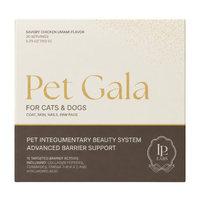
So, rather than treating beef gelatin for cats as a lone hero, place it in a routine that supports the whole presentation—softness, shine, and comfort you can see. That’s where a well-designed formula earns its place: it’s not trying to replace a complete diet; it’s supporting how wellbeing shows up every day. If you want that kind of integrated, visible-care approach, Pet Gala™ is built to fit the ritual.

“A single ingredient can support the ritual, but presentation is always multi-factor.”

Educational content only. This material is not a substitute for veterinary advice. Always consult your veterinarian about your dog’s specific needs. These statements have not been evaluated by the Food and Drug Administration. Products mentioned are not intended to diagnose, treat, cure, or prevent any disease.

Glossary

  • Gelatin: A collagen-derived protein that can gel liquids and is used in foods and supplements.
  • Collagen-Derived: Describes ingredients (like gelatin) produced from collagen-rich animal tissues.
  • Beef Source: Indicates the gelatin originates from bovine tissues; important for cats with protein sensitivities.
  • Hydrolyzed vs. Gelatin: Hydrolyzed collagen dissolves more readily; gelatin typically sets into a gel.
  • Palatability: How appealing a food or supplement is to a cat in smell, taste, and texture.
  • Food Topper: A small addition mixed into a meal to improve acceptance, texture, or routine consistency.
  • Traceability: The ability to track ingredient sourcing and manufacturing steps for quality assurance.
  • Processing Conditions: Manufacturing variables (heat, filtration, handling) that can influence final product quality.
  • Visible Condition: Owner-observed signals such as coat sheen, softness, flake level, and nail integrity.

Related Reading

References

Robscheit-Robbins FS. GELATIN-ITS USEFULNESS AND TOXICITY : BLOOD PROTEIN PRODUCTION IMPAIRED BY CONTINUED GELATIN BY VEIN.. PubMed. 1944. https://pubmed.ncbi.nlm.nih.gov/19871403/

Summers S. Evaluation of iron, copper and zinc concentrations in commercial foods formulated for healthy cats.. PubMed Central. 2022. https://pmc.ncbi.nlm.nih.gov/articles/PMC10812249/

RVA. Toxic element levels in ingredients and commercial pet foods.. PubMed Central. 2021. https://pmc.ncbi.nlm.nih.gov/articles/PMC8546090/

DeBeer. A Review of Pet Food Recalls from 2003 Through 2022. 2024. https://www.sciencedirect.com/science/article/pii/S0362028X23068837

FAQ

What is beef gelatin for cats used for daily?

Beef gelatin for cats is most commonly used to improve food texture and make toppers feel more cohesive, which can support consistent routines. Many owners also watch for visible signals like coat softness and an overall well-kept look.

It’s not a complete nutrition solution, so it works best as a small add-on within a balanced diet and good grooming habits. For a routine designed around visible skin-and-coat support, finish with Pet Gala™

Is beef gelatin for cats generally safe in small amounts?

Beef gelatin is generally considered safe for many cats, but quality and individual tolerance can vary by health status and product sourcing. The most practical safety check is your cat’s response: normal appetite, normal stools, and no new itching or vomiting.

If your cat has chronic disease, food allergies, or is on a prescription diet, ask your veterinarian before adding anything new. For a skin-and-coat routine built for everyday use, consider Pet Gala™

Can beef gelatin for cats support coat shine and softness?

Some owners use beef gelatin for cats as part of a routine aimed at a smoother, more polished coat presentation. Gelatin is a collagen-derived protein used in supplements and foods, and it can be easy to incorporate consistently, which matters for visible results.

Coat shine is multi-factor, so think of gelatin as one supportive piece alongside hydration, diet fit, and brushing. For a more complete approach to visible coat care, many owners pair routines with Pet Gala™

How quickly might I notice changes after starting beef gelatin?

Texture-related changes can be quick: meals may look more cohesive and feel easier for some cats to lap. Visible coat or nail signals usually take longer because they reflect grooming patterns and new growth, not an overnight switch.

Track simple cues: coat feel when petting, flakes, and whether your cat grooms comfortably. If you want a routine built around visible, repeatable care, end with Pet Gala™

What are common side effects when cats try beef gelatin?

Most issues are digestive: softer stools, constipation, or reduced interest in food if the texture changes too much. Because cats can have varying tolerances and gelatin products can differ by source and processing, reactions can be individual.

Stop the add-on if you see vomiting, diarrhea, or appetite changes that persist, and check in with your veterinarian. For a more predictable daily routine supporting visible condition, consider Pet Gala™

Does beef gelatin interact with medications or prescription diets?

Any add-in can matter if your cat is on a prescription diet or takes medication, because it may change appetite, meal timing, or overall intake. Cats with chronic conditions should have supplements reviewed by a veterinarian, especially when diet precision is part of treatment.

Bring the ingredient label to your appointment so your vet can assess fit with your cat’s plan. For a skin-and-coat support option designed for routine use, look at Pet Gala™

Is beef gelatin powder for cats better than treat formats?

Beef gelatin powder for cats is flexible: you can mix tiny amounts into wet food and keep portions consistent. Treat formats can be convenient for bonding, but they can also add calories faster and may include extra ingredients you don’t need.

Choose the format your cat accepts reliably, and keep the rest of the diet stable so you can read results clearly. For a daily routine focused on visible skin-and-coat signals, consider Pet Gala™

What should I look for in the best beef gelatin for cats?

Look for clear sourcing (beef), minimal ingredients, and a brand that can speak to testing and traceability. Quality matters because unwanted elements can vary with the animal’s diet and processing conditions.

Also prioritize usability: neutral smell, easy mixing, and packaging that stays dry. If you want a broader, integrated approach to visible coat and skin care, consider Pet Gala™

Can kittens have beef gelatin, or is it for adults?

Kittens have fast-changing nutritional needs, so additions should be conservative and vet-approved, especially if they reduce intake of a complete growth diet. If used at all, it should be a tiny, occasional texture aid rather than a daily focus.

For most kittens, the priority is consistent, complete nutrition and gentle grooming habits. For a visible-care routine more suited to ongoing maintenance, consider Pet Gala™

Is beef gelatin for cats appropriate for seniors with stiffness?

Senior cats can be more sensitive to diet changes, and stiffness deserves a veterinarian’s input to rule out pain that needs targeted care. Beef gelatin for cats may be used as a gentle add-on, but it shouldn’t replace weight management, appropriate play, or medical guidance.

Start low, watch appetite and stools, and prioritize comfort cues in daily movement. For visible-care support that fits a steady routine, consider Pet Gala™

How do I introduce a beef gelatin supplement for cats?

Introduce one change at a time by mixing a very small amount into a familiar wet food. Keep the rest of the diet stable for a week or two so you can clearly observe appetite, stool quality, and grooming behavior.

If your cat refuses the meal, reduce the amount or pause—forcing it usually backfires with picky eaters. For a routine designed to be easy and consistent, consider Pet Gala™

Can beef gelatin help with hairballs or digestion comfort?

Some owners explore gelatin because it can change food texture and support more consistent eating routines, which may indirectly affect grooming and hairball patterns. However, digestive comfort is individual, and any new ingredient can shift stools in sensitive cats.

If hairballs are frequent or vomiting increases, involve your veterinarian to look for underlying causes. For a broader visible-care routine that supports coat condition, consider Pet Gala™

Are there cats who should avoid beef gelatin entirely?

Cats with known beef allergies, significant food sensitivities, or complex medical diets may need to avoid beef-derived add-ins. Cats can have varying tolerances, and gelatin products can differ in quality and processing, which can affect individual response.

If your cat has kidney disease, GI disease, or is on a therapeutic plan, ask your veterinarian before adding supplements. For a carefully designed daily support option, consider Pet Gala™

Is beef gelatin for cats different from collagen supplements?

Gelatin is a protein derived from collagen and is used in various food and supplement applications. In practical terms, gelatin tends to gel and change texture, while many collagen products are designed to dissolve more cleanly.

For cats, the best choice is the one that fits your feeding routine and your cat’s acceptance, without overpromising outcomes. For visible skin-and-coat support beyond a single ingredient, consider Pet Gala™

Can I use human gelatin packets as beef gelatin for cats?

Some human gelatins are plain, but many packets are flavored or sweetened, which isn’t appropriate for cats. Even unflavored options may not provide the sourcing transparency you’d want for a small animal with a sensitive digestive system.

If you use gelatin at all, choose an unflavored, clearly sourced product and keep portions conservative. For a cat-focused routine supporting visible condition, consider Pet Gala™

What makes the best beef gelatin supplements for cats higher quality?

Higher-quality options emphasize traceable sourcing, consistent processing, and testing transparency. This matters because potential unwanted elements can vary depending on the animal’s diet and processing conditions.

They also avoid unnecessary additives and mix easily into food, making daily use realistic. For an integrated approach to visible coat and skin care, consider Pet Gala™

Do cats need gelatin if they eat complete commercial food?

Many cats do well on complete foods, but visible condition can still vary with season, hydration, grooming, and individual response. Commercial cat foods can also vary in mineral concentrations and overall profiles, which may show up as differences in coat presentation between cats.

A supplement isn’t about replacing the diet; it’s about supporting a consistent, visible-care routine. For that kind of daily support, consider Pet Gala™

Is beef gelatin for cats the same as bone broth gel?

They can look similar in the bowl, but they’re not identical. Gelatin is a collagen-derived protein used in foods and supplements, while broths vary widely in ingredients, salt, and concentration depending on how they’re made.

For cats, consistency and simplicity matter: avoid salty broths and keep ingredients minimal. For a routine designed around visible skin-and-coat support, consider Pet Gala™

When should I call my vet after starting gelatin?

Call your vet if you see repeated vomiting, diarrhea, constipation, appetite loss, facial itching, or any sudden behavior change after introducing a new supplement. Cats can have individual tolerances, and reactions may differ with underlying health conditions.

Bring the product label and a short timeline of symptoms to help your vet assess next steps. For a routine-friendly option supporting visible condition, consider Pet Gala™

How do I decide between gelatin and a multi-ingredient skin product?

Choose gelatin if your main goal is meal texture and a simple add-on you can use consistently. Choose a multi-ingredient skin-and-coat product if you want broader support for visible signals—softness, sheen, and comfortable-looking skin—without relying on a single ingredient to do everything.

For owners who want that integrated, everyday presentation-focused approach, consider Pet Gala™

La Petite Labs

Discover LPL-01: How This Fits Into a Complete Feline Integumentary Support System

Skin, coat, and nails in cats are not surface traits. They reflect deeper biological systems—barrier integrity, hydration dynamics, lipid balance, and structural protein turnover—working in coordination.

When these systems drift, the signs are subtle but telling: reduced coat softness, increased shedding, dryness, brittle claws, changes in grooming behavior.

This article explores one piece of that system. If you want to understand how true coat quality and skin resilience are built in cats—and what actually drives visible improvement—you need to zoom out.

Start with the underlying science: