Persian Cat Biology: Tear Chemistry, Immune Sensitivity, and Coat-barrier Maintenance

Understand Tear Chemistry, Immune Reactivity, Skin Barrier Repair, Coat Resilience, Allergy Risk

Essential Summary

Why Is Persian Tear And Coat Biology Important?

Persian comfort depends on managing moisture and friction where tears meet a dense coat. When eye overflow, immune sensitivity, and the coat microclimate are handled as one routine, the face stays cleaner, the skin barrier stays calmer, and flare days become less frequent.

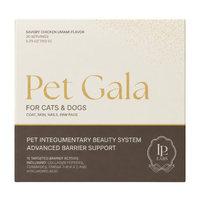
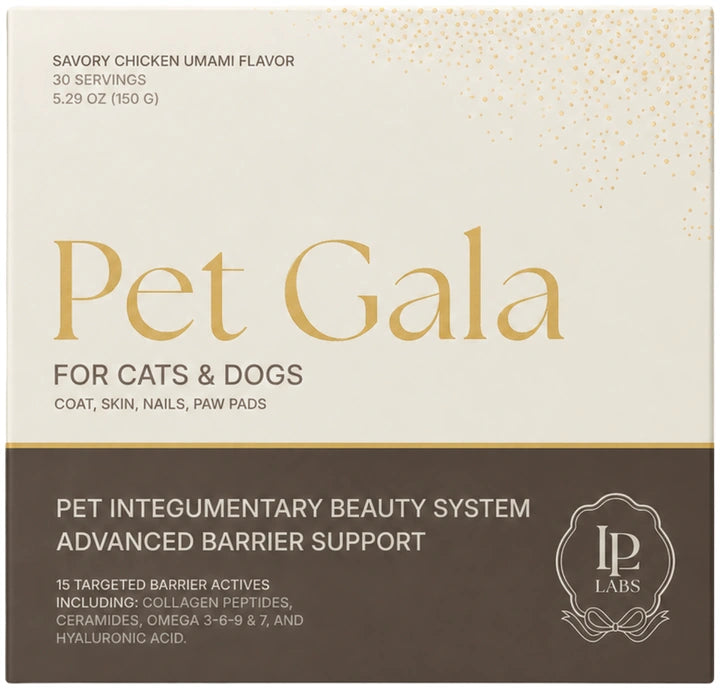
Pet Gala™ supports normal skin-and-coat function as part of a consistent grooming and nutrition routine.

Watery eyes, rusty face stains, and recurring coat “grease spots” are often connected in Persians, not separate problems. The same anatomy that makes the face so distinctive can make tear drainage less efficient, leaving the inner corners damp and the surrounding fur sticky. When that moisture sits against a dense double coat, it creates a warm microclimate that challenges the skin barrier and can make flare-ups feel more frequent.

This page explains the biology owners can actually use: what tears contain, why persian cat tear staining returns quickly, how chronic ocular surface stress can show up as squinting or stringy discharge, and why persian immune health sometimes looks like “reacting to everything.” It also connects those ideas to the coat: mats, humidity, and residue can quietly push the skin toward irritation. The goal is not a symptom checklist—it is a systems routine that keeps the face drier, the coat easier to manage, and the skin’s bounce-back stronger.

Two clinical focus areas run through the whole discussion: chronic tear overflow with persian cat eye discharge, and coat-and-skin barrier maintenance that influences common persian cat skin problems. Along the way, the sections highlight what to notice at home, what not to do near the eyes, and how to bring clearer observations to the veterinarian so the plan becomes more consistent over weeks—not just better for a day.

By La Petite Labs Editorial, ~15 min read

Featured Product:

  • Persian Cat Biology: Tear Chemistry, Immune Sensitivity, and Coat-Barrier Maintenance matters because tear overflow and a dense coat create a moist face-and-skin microclimate that needs routine management.
  • Tear staining is driven by tear components binding to hair and darkening when fur stays damp, so comfort and dryness matter as much as color.
  • Chronic ocular surface stress can show up as squinting, stringy discharge, or frequent blinking—even when the eye looks “mostly normal.”
  • Persian immune health often looks like lower headroom for repeated irritation, so consistent routines can be more effective than constant product switching.
  • The double coat traps humidity, which can hide early skin changes and support fungal or yeast overgrowth if drying and airflow are neglected.
  • Tracking a few repeatable signals (wetness, discharge type, fold redness, odor, mat count) helps owners see trends over days and weeks.
  • Vet visits go better when owners bring photos, product lists, and clear questions about testing, safe topical choices, and long-term maintenance.

Brachycephalic Anatomy and Tear Drainage Basics

Many Persians live with constant tear overflow because their brachycephalic head shape can crowd the nasolacrimal duct openings and change how tears drain. When tears spill onto hair instead of flowing cleanly into the nose, the eye area stays damp and the skin at the inner corners gets repeated exposure to salt, proteins, and debris. That wetness also mixes with facial oils, creating a sticky film that holds onto dust and grooming residue. The result is not just “watery eyes,” but a predictable setup for persian cat eye discharge and irritation to become a daily management issue.

At home, this often looks like wet tracks down the nose bridge, crusts that re-form within hours, and a cat that squints more after naps. Owners may also notice louder breathing during grooming sessions, because short-nosed anatomy can make face handling and stress more challenging. A practical routine starts with gentle, consistent wiping before the discharge dries, then drying the fur so moisture does not linger. If one eye suddenly changes more than the other, that asymmetry matters for the vet.

Professional lab attire with La Petite Labs crest, supporting persian cat skin problems.

Tear Chemistry and the Real Story Behind Stains

Tear staining is chemistry, not a cosmetic flaw. Tears carry proteins, salts, and small molecules that can bind to hair shafts; when the fur stays damp, those compounds oxidize and darken, especially on pale coats. Some cats also produce thicker secretions when the ocular surface is mildly inflamed, which makes staining and persian cat eye discharge more noticeable. The key idea is that staining reflects a wet, reactive environment at the hairline—one that can also affect the nearby skin barrier over time.

What this looks like at home is a rusty or brown tint that returns even after a bath, plus a slightly tacky feel at the inner corners. Owners doing persian cat coat care often find that whitening products help the look but do not change the biology if moisture remains. The most useful habit is separating “color” from “comfort”: track whether the skin is pink, whether the cat rubs the face, and whether the discharge is watery versus thick. Those observations guide whether a routine tweak is enough or a vet exam is needed.

Still life of Pet Gala and foods, reflecting premium persian cat tear staining cues.

Ocular Surface Stress: When Watery Eyes Feel Irritating

The ocular surface is designed to be smooth and well-lubricated, but chronic overflow can keep the eyelid margins and surrounding hairline in a constant “wet-dry” cycle. Each cycle can leave behind residue that irritates the lid edge, encouraging more blinking, more tearing, and sometimes more mucus. This is why persian cat tear staining often travels with subtle signs of discomfort, not just discoloration. When irritation persists, the eye’s protective film can become less stable, making the surface feel gritty even without an obvious infection.

A realistic pattern is a cat that looks fine in the morning, then develops stringy discharge by late afternoon after several face wipes. Owners may notice the third eyelid showing briefly, or a preference for dim rooms. A household routine that helps decision-making is to check the eyes before cleaning, then again 30 minutes later: if redness and squinting persist after gentle wiping, the eye itself may be involved. Any sudden cloudiness, pawing, or a closed eye should be treated as urgent.

Woman holding Pet Gala box beside her cat, showing daily persian cat skin problems care.

Persian Immune Health and Lower Headroom for Irritation

Persian immune health is often discussed as “sensitivity,” but the practical takeaway is that some Persians seem to have less headroom when skin or eye surfaces are chronically stressed. Inflammatory signals can rise from repeated irritation, and that can make the body react more strongly to everyday triggers like grooming products, saliva, or environmental dust. Research across animals and people supports that allergic skin disease is a mix of barrier function and immune response, not one single cause (Marsella, 2017). For owners, this means the goal is a calmer surface environment, not chasing a single “allergy culprit.”

At home, immune sensitivity often shows up as patterns: flare-ups after a new wipe, seasonal face rubbing, or recurrent chin and lip irritation after messy meals. It also explains why persian cat skin problems can appear in multiple places at once—eyes, face folds, and under the collar line. Keeping routines consistent for two to three weeks at a time makes it easier to see what truly changes symptoms. When everything changes at once, the cat’s “signal” gets lost in the noise.

Split-screen supplement comparison showing differences aligned with persian cat eye discharge.

The Double Coat as a Humidity Trap

The Persian double coat is beautiful, but it also creates a warm, humid microclimate close to the skin. That microclimate can trap moisture from tears, drinking, and grooming, which can soften the outer skin layer and make it easier for yeast or fungi to gain a foothold. Long-haired cats can carry dermatophytes without obvious lesions, which matters when a household is dealing with recurring “mystery” dandruff or patchy coat quality (Sattasathuchana, 2020). This is one reason persian cat coat care is not just detangling—it is managing the skin environment under the fur.

Owners may notice that the coat feels dry on top but the undercoat near the skin stays slightly damp, especially around the neck, armpits, and belly. A simple check is to part the hair to the skin after play or naps and feel for warmth and humidity. If the skin smells “musty,” mats are forming, or the cat is suddenly avoiding being touched, the microclimate may be shifting in an unhealthy direction. Regular, thorough drying after face cleaning and water bowl splashes is a small habit with outsized payoff.

The scratching is completely gone, his coat looks healthy and shiny!

— Lena

He was struggling with itching, now he's glowing.

— Grace

“In Persians, moisture management is comfort management, not just stain control.”

Barrier Maintenance and Why Dry or Greasy Both Matter

Skin barrier health is partly about how well the outer layer holds water in and keeps irritants out. One way researchers quantify barrier integrity is transepidermal water loss (TEWL): when the barrier is disrupted, more water escapes through the skin (Momota, 2016). While TEWL is measured with specialized equipment, the concept helps owners understand why “dry flakes” and “oily clumps” can both be signs of a stressed barrier. In Persians, the barrier can be challenged by constant moisture near the face and by friction from grooming and mats.

At home, barrier strain often looks like fine dandruff after brushing, static-y fur, or small scabs that appear where mats were removed. Owners may also notice that the coat gets greasy faster after bathing, which can happen when the skin overcompensates. The most helpful routine is gentle consistency: avoid harsh degreasers, rinse thoroughly, and keep the drying step long enough that the undercoat is truly dry. If flaking worsens after a new shampoo, that timing is valuable information for the vet.

Pet Gala box nestled in packaging, showing detail aligned with persian cat skin problems.

Mats Change Skin Biology, Not Just Appearance

Mats are not just a grooming inconvenience; they change skin biology. A tight mat pulls on hair follicles, reduces airflow, and traps moisture and shed skin cells, creating a small “incubator” against the body. That can make persian cat skin problems look sudden, when the real issue has been building under the coat for weeks. The skin under mats is also harder to inspect, so early redness or tiny pustules can be missed until the cat reacts strongly to brushing.

CASE VIGNETTE: A 4-year-old Persian with excellent show grooming starts hiding after dinner and flinching when the chest is brushed. The owner finds a dense bib mat holding damp food residue, and the skin beneath is pink with a sour odor. After careful dematting and a gentler drying routine, the cat’s comfort improves, but the vet still checks for secondary infection because the area stayed wet for days. This is the “hidden microclimate” problem in real life.

Cat with glossy coat, reflecting beauty support from persian cat eye discharge.

Facial Folds and Breed-linked Face Dermatitis Patterns

Facial folds and the flat muzzle can create skin-to-skin contact points that stay moist from tears and saliva. Over time, that moisture can shift the local skin microbiome and lead to recurring redness, odor, or greasy buildup. Persian-specific facial dermatitis has been described as a breed-associated pattern, reinforcing that some Persians develop face-area inflammation even without a clear parasite or ringworm diagnosis (Bond, 2000). This makes fold care a core part of persian cat coat care, not an optional cosmetic step.

OWNER CHECKLIST: Check the inner eye corners for sticky film, not just crust; smell the face folds for a “yeasty” odor; look for pink skin lines where folds touch; note whether the cat rubs the face after meals; and feel for dampness that returns within an hour of cleaning. These are simple, repeatable signals that help separate routine maintenance needs from a flare that deserves veterinary attention. If the fold skin is raw or bleeding, home care alone is not enough.

Clinical coat image reflecting vet-informed formulation aligned with persian cat coat care.

Breathing, Heat, and Skin Comfort on the Same Day

Breathing and skin comfort can interact in Persians more than many owners expect. When a cat works harder to breathe—during heat, stress, or excitement—sleep quality can drop and grooming patterns can change, which affects coat condition and the face’s tear film stability. Mouth breathing during play can also dry the oral and facial surfaces, then trigger rebound tearing afterward. This is not a single disease explanation; it is a reminder that brachycephalic anatomy can make multiple body systems feel “less consistent” on the same day.

What to notice over days and weeks is whether eye discharge and coat oiliness worsen during warm afternoons, after stressful visitors, or after vigorous play. If the cat snores loudly, pauses during grooming, or seems to avoid activity, those details belong in the same conversation as persian cat tear staining. Keeping the home cooler, reducing dust, and scheduling grooming when the cat is calm can improve bounce-back. If breathing looks labored or the gums look pale, that is an urgent vet situation.

How This Topic Connects to Other Persian Resources

This page sits alongside more focused resources because Persian care works best as a connected routine. For day-to-day eye management, a dedicated guide on persian cat eye discharge can help owners choose wiping frequency, recognize red flags, and avoid irritating products. For coat goals, a Persian shedding supplement page can be useful when the main issue is undercoat turnover rather than inflammation. And for broader skin routines, a cat-skin-care resource can help owners think in terms of barrier support, not just “treating a rash.”

The practical benefit of linking these topics is consistency: one calm eye routine, one coat routine, and one plan for flare days. Owners often see persian cat skin problems improve when they stop rotating wipes, shampoos, and supplements every few days. A simple household approach is to write down what is used on the face, what is used on the coat, and what changes when symptoms worsen. That record turns a frustrating cycle into a clearer pattern the vet can work with.

“A dense coat can hide the early signals the skin is struggling.”

Pet Gala beside curated ingredients, showing formulation depth for persian cat tear staining.

Why Stronger Cleaners Can Worsen Staining

UNIQUE MISCONCEPTION: “Tear staining is just a color problem, so stronger cleaners are always better.” In reality, the stain is a sign that the hair and nearby skin are staying wet long enough for tear components to bind and darken, and harsh products can irritate the eyelid margin and worsen discharge. The goal is a cleaner, drier surface with minimal friction, not bleaching the fur at any cost. When owners reframe persian cat tear staining as a moisture-management issue, routines become gentler and more effective.

At home, this misconception often shows up as frequent scrubbing with scented wipes, followed by more redness and thicker discharge. A better approach is short, soft contact time and a second pass with a damp cloth to remove residue, then drying. If staining improves but the cat squints more, comfort is moving in the wrong direction. Comfort signals should always outrank coat color in decision-making.

Shop Now
Cat owner presenting Pet Gala as part of persian immune health care.

Persian Genetics and Severe Fungal Skin Risk

Some Persians appear more vulnerable to severe fungal skin disease, and research has linked host genetic variation in antimicrobial pathways to severe dermatophytosis risk in this breed (Myers, 2022). That does not mean every itchy Persian has ringworm, but it does mean that “wait and see” can be costly when hair loss spreads or when multiple pets are involved. Dense coats can hide early lesions, and subclinical carriage can complicate household control. In practical terms, persian immune health includes recognizing when a skin change is contagious versus purely inflammatory.

Owners should watch for circular hair thinning, broken hairs that look “moth-eaten,” and new dandruff that does not match the usual seasonal shed. If a new kitten or a shelter cat has entered the home, that context matters. Avoid sharing brushes between pets until a vet has ruled out contagious causes. Early testing can protect other pets and reduce the total time the household spends managing coat fallout.

Shop Now
Split-screen supplement comparison showing key differences relevant to persian cat coat care.

Common Mistakes with Topicals Near the Face

WHAT NOT TO DO: Do not use high-potency human steroid creams on facial folds or irritated skin, even if redness looks “minor.” A published case describes iatrogenic hypercortisolism in a Persian kitten after topical clobetasol, showing that potent steroids can cause whole-body effects in cats (Chirayath, 2020). Do not use peroxide or alcohol near the eyes, and do not pluck stained hair from the inner corners. These choices can turn a manageable moisture problem into a painful, inflamed surface.

At home, safer defaults are gentle cleansing, careful drying, and asking the veterinarian for cat-appropriate medications when inflammation is significant. If a product label does not clearly state it is for cats, it should not go on a Persian’s face. Owners can also avoid over-bathing, which can strip oils and make the coat rebound greasy. When in doubt, bring the exact product to the appointment so the vet can assess ingredients and potency.

Shop Now

Prepare for the Vet Visit with Better Observations

VET VISIT PREP: A good appointment for persian cat eye discharge and skin concerns is built on specific observations. Bring notes on whether discharge is clear, white, yellow, or brown; whether one eye is consistently worse; and whether face-fold redness has an odor. Ask which tests make sense now (eye stain test, skin cytology, fungal culture) versus later if the routine plan fails. Also ask how to protect the coat barrier while treating inflammation, so grooming does not become a trigger.

It also helps to bring photos taken in the same lighting over a week, plus a list of wipes, shampoos, and any supplements used. Owners can ask, “Which change would you make first, and what should improve within two weeks?” That question keeps the plan realistic and measurable. If the cat resists face handling, mention it—stress can limit what can be safely done at home. A calm, staged plan often works better than an aggressive reset.

Medication Oversight When Allergy Is Suspected

Allergic skin disease in cats can be managed, but treatment choices should be guided by a veterinarian because side effects and monitoring matter. Ciclosporin is one option used in feline allergic dermatitis, and real-world reports describe adverse events in treated cats, reinforcing that “natural-sounding” immune medications still require oversight (Heinrich, 2011). This matters for Persian owners because immune sensitivity and barrier stress can overlap, and it is tempting to keep adding products without a clear plan. A safer strategy is to treat the flare appropriately, then return to a stable maintenance routine.

At home, medication success is often visible as less face rubbing, fewer scabs, and a coat that stays cleaner between grooms. Owners should also watch appetite, stool quality, and energy during any new prescription, and report changes promptly. If multiple pets share the home, note whether only the Persian is affected—this can help the vet separate allergy patterns from contagious causes. The goal is more resilience with fewer “crash” days, not constant medication changes.

Unboxed Pet Gala in protective wrap, emphasizing care behind persian cat tear staining.

Why Sensitivity Can Look Like “Multiple Triggers”

Immune reactivity can be surprisingly complex, and some mammalian proteins can trigger both antibody and T-cell responses in sensitized individuals, supporting the idea that “cross-reactions” can happen in biology (Roesner, 2022). While that study is in people, it helps explain why a Persian might seem reactive to multiple exposures without a single obvious cause. For owners, the actionable point is to reduce repeated irritation at the skin and eye surface, because that is where the immune system is constantly sampling the environment. Less friction, less residue, and less moisture can create more headroom.

This is why switching foods, changing litter, and adding new grooming sprays all at once often backfires: it becomes impossible to see what helped. A more consistent approach is to keep the environment steady and adjust one variable at a time for two weeks. Owners can also reduce airborne irritants by vacuuming with a HEPA filter and washing bedding frequently. These steps support persian immune health without assuming a single “allergy fix.”

Shop Now
Ingredient overview graphic showing what's inside and how persian cat skin problems supports beauty.

What to Track over Days and Weeks

WHAT TO TRACK: Persian care becomes less volatile when owners track a few repeatable markers instead of relying on memory. Useful signals include daily eye wetness score (dry, damp, wet), discharge type (watery vs mucus), face-fold redness (none, pink, bright red), odor (none, mild, strong), mat count found during brushing, and “handling tolerance” during face cleaning. These markers connect persian cat tear staining, persian cat eye discharge, and persian cat skin problems into one practical dashboard. Over time, patterns often appear around heat, grooming frequency, and product residue.

A simple notebook or phone note works best when entries take under one minute. Owners can also add photos of the inner corners once weekly to avoid over-focusing on daily color shifts. If the trend shows gradual worsening over two weeks despite consistent care, that is a strong reason to book a vet visit. If the trend improves, it supports staying the course rather than chasing new interventions.

Shop Now

Building a Connected Routine That Holds Up

The most successful Persian routines treat eyes, immune sensitivity, and coat-barrier maintenance as one connected system. Tear overflow changes the face’s moisture chemistry, the coat traps that moisture, and the skin barrier responds to friction and residue. When owners focus on comfort and consistency, persian cat coat care becomes less about constant correction and more about maintaining a healthy baseline. This is also why “quick fixes” rarely last: the underlying microclimate returns the moment routines stop.

A sustainable plan usually includes daily gentle eye and fold hygiene, scheduled full-coat brushing with mat checks, and periodic reassessment with a veterinarian when patterns shift. If a cat’s eyes are suddenly painful, if skin lesions spread, or if the cat stops grooming, those are not routine issues. With the right structure, owners often see smoother weeks, better bounce-back after flare days, and a coat that stays comfortable as well as beautiful.

“Consistency creates headroom; constant product switching creates noise.”

Educational content only. This material is not a substitute for veterinary advice. Always consult your veterinarian about your dog’s specific needs. These statements have not been evaluated by the Food and Drug Administration. Products mentioned are not intended to diagnose, treat, cure, or prevent any disease.

Glossary

  • Nasolacrimal Duct - The drainage pathway that carries tears from the eye into the nose.
  • Brachycephalic - Short-nosed head shape that can affect breathing and tear drainage.
  • Tear Film - The thin protective layer over the eye that keeps the surface smooth and comfortable.
  • Tear Staining - Hair discoloration caused by tear components staying on fur and darkening over time.
  • Facial Folds - Skin creases around the nose and eyes that can trap moisture and residue.
  • Skin Barrier - The outer skin layer that holds moisture in and helps keep irritants and microbes out.
  • TEWL (Transepidermal Water Loss) - A measure of how much water escapes through skin; higher values suggest barrier disruption.
  • Microclimate - The warm, humid environment trapped under dense fur or within folds.
  • Dermatophyte - A fungus (ringworm group) that infects hair and skin and can spread between pets and people.

Related Reading

References

Myers. An ancient haplotype containing antimicrobial peptide gene variants is associated with severe fungal skin disease in Persian cats.. PubMed Central. 2022. https://pmc.ncbi.nlm.nih.gov/articles/PMC8880935/

Roesner. Patients With Atopic Dermatitis Sensitized to Pet Dander Mount IgE and T-Cell Responses to Mammalian Cystatins, Including the Human Self-Protein.. PubMed. 2022. https://pubmed.ncbi.nlm.nih.gov/34489229/

Bond. An idiopathic facial dermatitis of Persian cats. PubMed. 2000. https://pubmed.ncbi.nlm.nih.gov/34644852/

Sattasathuchana. Comparison of subclinical dermatophyte infection in short- and long-haired cats.. PubMed Central. 2020. https://pmc.ncbi.nlm.nih.gov/articles/PMC7811543/

Momota. Measurement of transepidermal water loss (TEWL) in cats with experimental skin barrier dysfunction using a closed chamber system.. PubMed. 2016. https://pubmed.ncbi.nlm.nih.gov/27492205/

Chirayath. Iatrogenic hypercortisolism in a Persian kitten after topical application of a skin lotion containing clobetasol.. PubMed. 2020. https://pubmed.ncbi.nlm.nih.gov/33029837/

Heinrich. Adverse events in 50 cats with allergic dermatitis receiving ciclosporin.. PubMed. 2011. https://pubmed.ncbi.nlm.nih.gov/21545660/

Marsella. Atopic Dermatitis in Animals and People: An Update and Comparative Review.. PubMed Central. 2017. https://pmc.ncbi.nlm.nih.gov/articles/PMC5644664/

FAQ

What does Persian Cat Biology: Tear Chemistry, Immune Sensitivity, and Coat-Barrier Maintenance mean?

It refers to how a Persian’s flat facial anatomy, tear overflow, sensitive skin responses, and dense coat interact. Tears that do not drain well keep facial hair and folds damp, and that moisture changes how the skin and coat behave.

The practical point is that persian cat eye discharge, persian cat tear staining, and persian cat skin problems often share the same root conditions: moisture, friction, and residue in hard-to-ventilate areas.

Why do Persians get watery eyes so often?

Brachycephalic head shape can crowd the tear duct openings and change eyelid fit, so tears spill onto the face instead of draining smoothly. Even mild irritation can then trigger more tearing, creating a self-reinforcing cycle.

At home, this often looks like damp inner corners that re-wet quickly after wiping. A sudden one-sided change, a closed eye, or obvious pain should be treated as urgent rather than “normal Persian tearing.”

Is persian cat tear staining just a cosmetic issue?

No. The color change reflects tear components sitting on hair long enough to bind and darken, which usually means the area is staying wet. That same wetness can irritate the eyelid margin and nearby skin.

Owners should track comfort signals alongside color: squinting, face rubbing, and thickening discharge. When comfort worsens, stronger cleaners are rarely the answer—gentler cleansing and better drying usually matter more.

What eye discharge colors are most concerning in Persians?

Clear, watery tearing is common with overflow, but thick yellow-green discharge can suggest infection or significant inflammation. Brown crust can be old tear residue, especially when it dries repeatedly on the hair.

The most concerning pattern is a sudden change: one eye becoming much worse, a painful squint, cloudiness, or pawing at the eye. Those signs warrant prompt veterinary evaluation, even if the cat has a history of tearing.

How does coat density affect Persian skin barrier health?

A dense double coat traps heat and humidity close to the skin, especially in folds and under mats. That microclimate can soften the outer skin layer and make irritation, odor, and secondary infections more likely if moisture lingers.

This is why persian cat coat care is really “coat-plus-skin care.” Thorough drying after face cleaning, water splashes, or baths is often the difference between a comfortable coat and recurring persian cat skin problems.

What daily routine helps with persian cat eye discharge?

A helpful routine is gentle wipe, then dry. Use a soft, damp cloth or cat-safe wipe to loosen residue without scrubbing, then pat the fur dry so moisture does not sit in the hairline and folds.

Consistency matters more than intensity. If discharge becomes thicker, the skin turns bright pink, or the cat starts squinting, the routine should pause and a vet should assess the eye and eyelids for treatable causes.

How often should a Persian’s facial folds be cleaned?

Most Persians do best with at least once-daily fold checks, with cleaning as needed when dampness or residue is present. The goal is to prevent a sticky film from building up where skin touches skin.

Over-cleaning can also irritate, so watch the skin’s response over days and weeks. If folds smell sour, look greasy, or stay red despite gentle care, a veterinarian should check for infection or breed-associated facial dermatitis patterns.

What home signs suggest a skin barrier problem in Persians?

Common signals include fine dandruff after brushing, greasy clumps near the skin, small scabs where mats were removed, and a coat that feels dry on top but humid underneath. These can reflect a stressed outer skin layer.

Because the coat hides early changes, part the hair to look at the skin in several spots weekly. If there is spreading hair loss, circular lesions, or a musty odor, a vet visit is important to rule out contagious causes.

Can mats cause persian cat skin problems?

Yes. Mats trap moisture and shed skin cells, reduce airflow, and pull on hair follicles. That combination can trigger redness, odor, and pain, and it can hide early infection until the cat suddenly resists brushing.

If mats are frequent, the most effective change is often scheduling shorter, more frequent brushing sessions and ensuring the undercoat is fully dry after any cleaning. Painful mats should be addressed by a groomer or veterinarian to avoid skin injury.

How does Persian immune health relate to skin and eyes?

Persian immune health, in owner terms, often means the skin and eye surfaces can react strongly when they are repeatedly irritated. Moisture, residue, and friction keep the immune system “engaged” at the surface, which can make flare-ups feel frequent.

That is why a calmer routine can create more headroom: fewer product changes, gentler handling, and better drying. If itching, scabs, or ear debris are persistent, a veterinarian can help separate allergy patterns from parasites or infection.

What should be tracked weekly for Persian tear and coat issues?

Track a few consistent markers: eye wetness (dry/damp/wet), discharge type (watery vs mucus), fold redness, odor, mat count found during brushing, and handling tolerance. Photos in the same lighting once weekly help reduce guesswork.

This kind of tracking turns persian cat tear staining into a trend, not a daily frustration. If the trend worsens for two weeks despite consistent care, that pattern is useful evidence for the veterinarian.

When should a vet see a Persian with eye discharge?

A vet should see the cat promptly if there is squinting, a closed eye, pawing, cloudiness, sudden one-sided worsening, or thick yellow-green discharge. These signs can indicate corneal injury or infection that needs timely treatment.

For chronic overflow without pain, a routine visit is still worthwhile if persian cat eye discharge is increasing, if fold skin stays red, or if home care is becoming more frequent. The vet can check eyelids, tear drainage, and the ocular surface.

What vet questions help most for Persian skin and tear issues?

Ask which problem is primary right now: eye surface disease, tear drainage, fold dermatitis, allergy, or infection. Ask which tests are recommended today (eye stain test, cytology, fungal testing) and what improvement should be seen within two weeks.

Also ask what topical products are cat-safe for the face and what to avoid near the eyes. Bringing photos and a list of wipes, shampoos, and grooming sprays helps the vet connect timing to flare-ups.

What not to do for persian cat tear staining at home?

Avoid harsh scrubbing, alcohol, peroxide, and strongly scented products near the eyes. Do not pluck stained hair from the inner corners, and do not use human steroid creams on facial folds unless a veterinarian specifically prescribes a cat-appropriate option.

These choices can worsen irritation and increase persian cat eye discharge. A gentler wipe-and-dry routine, plus vet guidance when redness persists, is safer than escalating home “stain removers.”

Are human topical steroids safe for Persian facial dermatitis?

They can be unsafe, especially high-potency products. A reported case described iatrogenic hypercortisolism in a Persian kitten after topical clobetasol, showing that potent steroids can cause whole-body effects in cats(Chirayath, 2020).

If fold skin is inflamed, the safest step is a veterinary exam and a cat-specific plan. The vet can choose appropriate medications and explain where they can be applied, how long, and what side effects to watch for.

How are allergic skin flares treated in cats generally?

Treatment is individualized and may include parasite control, anti-itch medications, infection management, and barrier-focused bathing routines. Some cats are treated with medications like ciclosporin under veterinary supervision, and adverse events have been reported in clinical use(Heinrich, 2011).

For Persian owners, the key is pairing flare treatment with a maintenance routine that keeps the face and coat microclimate drier and less irritated. That combination often leads to smoother weeks and better bounce-back.

How long does it take to see changes in coat and staining?

Comfort changes can appear within days if moisture and friction are reduced, but visible coat changes often take weeks because hair growth and shedding are slow. Staining may lighten gradually as new, cleaner hair grows in and the area stays drier.

If persian cat eye discharge becomes thicker or the cat squints, waiting for a “timeline” is not appropriate—those signs should trigger a veterinary check. For routine maintenance, track trends over two to four weeks before judging a plan.

Do supplements replace grooming for Persian coat-barrier maintenance?

No. Supplements can be part of a plan, but they do not remove tear residue, dry facial folds, or prevent mats. Persian cat coat care still depends on hands-on routines that manage moisture and friction where the coat meets the skin.

If a supplement is used, it should support normal skin-and-coat function alongside consistent grooming and a complete diet. Any sudden itching, vomiting, or stool changes after starting a new product should be discussed with a veterinarian.

How can Pet Gala™ fit into a Persian routine safely?

If a veterinarian agrees a supplement is appropriate, Pet Gala™ can support normal skin-and-coat function as part of a broader plan. It should be paired with daily face hygiene, thorough drying, and mat prevention rather than used as a substitute for those steps.

Owners should introduce any new supplement gradually, keep other variables stable for a couple of weeks, and track observation signals like coat oiliness, dandruff, and handling tolerance. If the cat has chronic disease or takes medications, the vet should review compatibility first.

What quality signals matter for wipes and shampoos for Persians?

Choose products clearly labeled for cats, fragrance-light, and designed for sensitive skin. For the face, avoid products that leave a heavy residue, since residue can trap debris and keep folds damp. For shampoos, thorough rinsing is as important as the formula.

A useful test is the “next-day check”: if the face looks redder or discharge thickens after a new wipe, it may be irritating. Consistency helps—frequent brand switching makes it hard to identify what is truly helping persian cat skin problems.

What is the simplest decision framework for Persian flare days?

Use three questions: Is the eye painful (squinting/closed/pawing)? Is the skin broken or oozing? Is the change sudden or one-sided? “Yes” to any of these should shift the plan toward veterinary care rather than more home products.

If the issue is mild and symmetric, focus on gentle cleansing, careful drying, and mat checks, then track changes over several days. This approach aligns with Persian Cat Biology: Tear Chemistry, Immune Sensitivity, and Coat-Barrier Maintenance by prioritizing comfort and patterns over quick cosmetic fixes.

5K+ Happy Pet Parents

Excellent 4.8

Persian Cat Biology: Tear Chemistry, Immune Sensitivity, and Coat-barrier Maintenance | Why Thousands of Pet Parents Trust Pet Gala™

"Magical. He was struggling with itching and shedding. Now he's literally glowing."

Grace & Ducky

"Improves her skin, fur, nails, and eyes. We're loving it!"

Cat & Miso

"It's so good for his coat, and so easy to mix into food."

Alex & Cashew

"The scratching is completely gone, his coat looks healthy and shiny."

Lena & Bear

"Magical. He was struggling with itching and shedding. Now he's literally glowing."

Grace & Ducky

"Improves her skin, fur, nails, and eyes. We're loving it!"

Cat & Miso

"It's so good for his coat, and so easy to mix into food."

Alex & Cashew

"The scratching is completely gone, his coat looks healthy and shiny."

Lena & Bear

"Magical. He was struggling with itching and shedding. Now he's literally glowing."

Grace & Ducky

"Improves her skin, fur, nails, and eyes. We're loving it!"

Cat & Miso

"It's so good for his coat, and so easy to mix into food."

Alex & Cashew

"The scratching is completely gone, his coat looks healthy and shiny."

Lena & Bear

"Magical. He was struggling with itching and shedding. Now he's literally glowing."

Grace & Ducky

"Improves her skin, fur, nails, and eyes. We're loving it!"

Cat & Miso

"It's so good for his coat, and so easy to mix into food."

Alex & Cashew

"The scratching is completely gone, his coat looks healthy and shiny."

Lena & Bear

SHOP NOW