
Skin Microbiome in Cats

Track Barrier Signals, Microbes, and Grooming Patterns for a More Reliable Coat

By La Petite Labs Editorial 15 min read

When a cat starts overgrooming or develops dandruff-like flakes, the most useful next step is often a vet visit—because those coat changes can be early signals that the skin barrier and the microbial community living on the skin are no longer in balance. Skin Microbiome in Cats refers to the bacteria and fungi that normally live on the coat and skin surface, interacting with oils, pH, and immune defenses. When that community becomes less stable (dysbiosis), cats may itch, lick, shed more, or develop a dull, dusty coat even before obvious sores appear (Weese, 2013).

This page is built as a vet-visit prep toolkit. It lays out what to observe at home, what to record for 4–6 weeks, and which questions help a veterinarian separate allergy-driven itch from parasites, infection, stress grooming, or grooming-related skin damage. It also explains why common “fixes” like frequent bathing or random antiseptic wipes can backfire by stripping oils and shifting pH, making the microbiome more variable. The goal is not a perfect coat overnight, but a more reliable pattern: fewer flare-ups, better rebound capacity after triggers, and a plan that fits feline biology.

  • Skin Microbiome in Cats matters because overgrooming and dandruff-like flakes can be early signals of barrier disruption and dysbiosis.
  • Treat flakes and licking as a vet-visit decision when changes persist beyond a normal shed cycle or create thin patches.
  • Observe location patterns (belly, inner thighs, base of tail) and document odor, redness, and hair breakage.
  • Track grooming minutes, flake score, photo comparisons, and any diet or household exposure changes for 4–6 weeks.
  • Avoid common missteps: repeated bathing, fragranced products, and rotating antiseptics without a diagnosis.
  • Ask the veterinarian about parasite checks, cytology for yeast/bacteria, and how to protect barrier slack during treatment.
  • Build a follow-up plan around change signals—less variable grooming and fewer new thin areas—rather than day-to-day perfection.

The Moment Coat Changes Become a Vet-visit Decision

Overgrooming and dandruff-like flakes are often treated as cosmetic problems, but they can be early signs that the skin barrier and local microbes are under strain. In Skin Microbiome in Cats, a healthy surface community helps occupy space, metabolize skin oils, and interact with immune signals; when that community becomes less stable, itch and scaling can show up before redness is obvious (Weese, 2013). Dysbiosis is not a single germ “taking over,” but a shift in composition and function that changes how the skin feels and behaves (Petersen, 2014).

A practical trigger for calling the veterinarian is a change that persists beyond a normal shed cycle: new flakes along the back, repeated licking of the belly or inner thighs, or a coat that looks dusty within a day of brushing. Owners can also note whether the cat is grooming to the point of hair breakage or thin patches. Waiting for open sores can make the eventual workup longer, because self-trauma can create secondary infection signals that blur the original cause.

What the Skin Microbiome Does on a Cat

A cat’s skin is an ecosystem: oils, corneocytes, pH, and antimicrobial peptides shape which microbes can live there. Commensal bacteria and fungi are not “dirt”; they are part of normal skin function, and their byproducts can influence inflammation and itch signaling (Chen, 2018). Studies describing feline skin communities show that body site matters, and that allergic cats can have different bacterial patterns than healthy cats, supporting the idea that barrier changes and microbes move together (Older, 2017).

At home, this explains why a cat can look clean yet still have coat changes: the issue may be microscopic rather than visible grime. It also explains why “deep cleaning” can be risky. When oils are stripped repeatedly, the skin may feel tight, grooming increases, and the microbiome can become more variable. A better goal is durability—keeping the barrier comfortable enough that the cat does not feel compelled to lick the same areas all day.

Why Overgrooming Can Be a Microbiome Signal

Overgrooming is not always “behavioral.” Itch can be subtle in cats, and licking may be the main outward sign of discomfort. When the barrier is disrupted, immune signals and antimicrobial peptides shift, and microbes that were previously quiet can become more active, changing odor, oil breakdown, and local irritation (Chen, 2018). This can create a loop: licking damages the barrier, the surface environment changes, and the microbial community becomes less stable, which can keep the itch cycle going.

CASE VIGNETTE: A 6-year-old indoor cat begins “extra” grooming after a new scented laundry product is used on bedding. Within two weeks, the belly fur looks thinned and the back has fine flakes, but there are no obvious scabs. The veterinarian later finds mild inflammation and recommends a plan focused on barrier support and trigger control rather than repeated bathing, because the grooming itself has become part of the problem.

Dandruff-like Flakes: Oil, Ph, and Turnover

Flakes form when skin cell turnover and surface lipids fall out of sync. The outer layer depends on structural proteins and lipids to hold water and maintain a surface that microbes can live on without provoking inflammation. Filaggrin-related barrier biology is one example of how barrier structure affects hydration and scaling, and why dryness can be more than “low humidity” (Sandilands, 2009). When the barrier is dry or irritated, the microbiome can shift toward a less stable pattern, and the coat may look dull even with normal grooming.

Owners often notice flakes most on dark fur or along the spine where brushing pressure is higher. It helps to check whether flakes are loose and powdery or stuck to the hair shaft, and whether the skin underneath looks pink. A simple routine change—less frequent bathing, fragrance-free bedding, and gentle brushing—often provides clearer “change signals” before the appointment, making it easier for the veterinarian to interpret what is primary versus what is self-trauma.

Common Triggers That Make the Microbiome Less Stable

The skin microbiome responds to the environment it lives in: humidity, grooming frequency, topical products, parasites, and allergic inflammation can all shift which organisms thrive. Reviews of canine and feline skin microbiomes describe how body site, host factors, and environment shape these communities, and how disease states can be associated with altered patterns (Weese, 2013). In cats, allergy-driven inflammation is a common primary driver behind overgrooming and scaling, with microbes often acting as secondary amplifiers rather than the original cause.

Household triggers worth noting include new detergents, plug-in fragrances, dusty renovations, seasonal pollen tracked indoors, and changes in parasite prevention. Diet changes can also matter indirectly by changing overall inflammatory tone and grooming behavior, even when the problem looks “skin-only.” The most useful approach is to identify one or two likely triggers and keep everything else consistent for several weeks so the pattern becomes more readable.

“Coat changes are often the earliest clue, not the whole diagnosis.”

Owner Checklist: What to Look for Before the Visit

Cats hide itch, so the most valuable prep is careful observation rather than guessing at a cause. In Skin Microbiome in Cats, early dysbiosis often shows up as texture and grooming changes before obvious lesions, especially when the barrier is being licked repeatedly. The goal is to capture what the veterinarian cannot see in a 15-minute exam: timing, location, and what changes when routines change.

OWNER CHECKLIST: (1) Map the top three grooming zones (belly, inner thighs, base of tail, paws, neck). (2) Note flakes: powdery vs stuck to hairs, and whether brushing “creates” more. (3) Watch for hair breakage or barbering rather than true shedding. (4) Smell changes: sour, yeasty, or “oily” odor after grooming. (5) Record any new topical exposures—wipes, shampoos, flea sprays, or essential oils—used in the last month.

What to Track for the First 4–6 Weeks

Microbiome-related coat issues rarely change in a straight line. The most helpful tracking focuses on repeatable markers that reflect barrier comfort and grooming drive, not just whether flakes are visible on a given day. Because dysbiosis is defined by a shift away from a functional, healthy pattern, tracking should aim to detect whether the pattern is becoming more stable over time (Petersen, 2014).

WHAT TO TRACK RUBRIC: (1) Daily grooming minutes in the main problem zone (estimate). (2) Flake score 0–3 after brushing the same area. (3) New hair thinning patches measured with a coin for scale in photos. (4) Skin redness score 0–3 in the thinnest area. (5) Odor change after grooming (none/mild/strong). (6) Stool consistency and appetite changes, since gut shifts can accompany inflammatory flares (Yang, 2025).

A Misconception That Delays the Right Workup

UNIQUE MISCONCEPTION: “If there are flakes, the cat must need more bathing.” In reality, frequent bathing can strip lipids and shift pH, making the surface environment less supportive of a stable commensal community. When the barrier is already irritated, this can increase grooming drive and make the microbiome more variable, even if the coat looks briefly cleaner. The better question is why the skin is scaling—dry barrier, allergy inflammation, parasites, or secondary infection—and which of those is primary.

A second misconception is that all overgrooming is stress. Stress can contribute, but cats also lick when the skin feels “off,” and that sensation can come from allergy pathways and microbial byproducts interacting with immune defenses (Chen, 2018). Treating it as purely behavioral can delay parasite checks, cytology, or diet trials that would clarify the driver.

Microbes Owners Hear About: Staph and Yeast

Two names come up often in feline dermatology conversations: Staphylococcus and Malassezia. Cats can carry Staphylococcus species on skin, and feline-associated organisms such as Staphylococcus felis have been characterized, supporting that “staph” is not automatically an outside contaminant (Worthing, 2018). Malassezia is a yeast that can be part of normal skin ecology but may become more noticeable when the barrier and oils change. The key point is that presence is not the same as disease; context and clinical signs matter.

At home, the most actionable signal is not trying to identify a microbe, but noticing patterns that suggest secondary overgrowth: stronger odor, greasy feel, or localized redness where grooming is intense. Those details help the veterinarian decide whether to do cytology, culture, or targeted topical therapy. Randomly rotating antifungal or antibacterial products without a diagnosis can make the surface environment harsher and the overall pattern less reliable.

How the Vet Separates Allergy, Parasites, and Infection

A veterinary workup for overgrooming and flakes usually starts with ruling out the high-impact, common causes: fleas and other parasites, then infection, then allergy patterns. This matters for Skin Microbiome in Cats because microbes often shift secondary to inflammation; treating only the microbe without addressing the driver can lead to quick relapse. Feline microbiome studies in healthy versus allergic cats support that allergic skin can carry different bacterial patterns, consistent with barrier-driven change rather than a single invader (Older, 2017).

Owners can help by bringing parasite prevention dates, photos of the worst days, and a list of any topical products used. If multiple pets live in the home, note whether others are scratching, which can shift suspicion toward parasites. If the cat is an only pet and the pattern is seasonal or linked to household exposures, allergy and barrier durability move higher on the list.

“The goal is a more reliable pattern, not a perfect day.”

La Petite Labs

DVM Voice: Clinical Vignette of When Skin Changes Point Deeper Than the Surface

Case provided by Sarah Calvin, DVM

Maverick, a 4-year-old Siamese cat, was brought in for hair loss across his lower abdomen and red, flaky skin lesions that had progressed over the previous month. His owners were unsure whether he was itchy or overgrooming.

Examination showed broken hairs, abdominal alopecia, and lesions consistent with bacterial skin infection. Further testing ruled out fleas, FeLV/FIV, and common fungal causes. Because his grooming pattern suggested deeper discomfort, his veterinarian continued the workup.

Radiographs and urinalysis revealed bladder stones, crystalluria, and blood in the urine. Maverick’s overgrooming was linked to urinary pain — a case where skin changes were secondary to an internal problem.

His care required a staged plan: stabilizing the skin infection, surgically removing the bladder stones, managing pain, transitioning to a therapeutic diet, and supporting skin-barrier recovery with appropriate nutrition and fish oil.

Hair regrowth began by 8 weeks. By 6 months, his coat had fully recovered, with no recurrence after the urinary issue was resolved.

Clinical takeaway: Maverick’s case shows why feline coat loss and overgrooming deserve careful veterinary investigation. Skin and coat health can reflect pain, stress, nutrition, infection, barrier weakness, or internal disease — not just surface-level grooming behavior.

Single-case vignette. Not generalizable. Veterinary diagnosis and oversight are essential for overgrooming, hair loss, skin lesions, urinary signs, pain, or suspected infection.

Explore Pet Gala Research →
skin microbiome in cats - 9

Vet Visit Prep: Questions That Change the Plan

The most productive appointments are the ones where the veterinarian can quickly see the timeline and the “why now” context. Because cats can present with minimal visible lesions, the questions asked should focus on separating primary itch drivers from secondary microbiome shifts. A clear handoff also reduces the chance of cycling through multiple shampoos or diets without a defined endpoint.

VET VISIT PREP: Ask (1) “Do these locations fit flea allergy, food allergy, or environmental allergy patterns?” (2) “Should cytology be done today to check for yeast or bacterial overgrowth?” (3) “If infection is present, what is the plan to protect barrier slack while treating it?” (4) “What change signals should be expected in the first 4–6 weeks, and what would mean the plan needs adjustment?”

skin microbiome in cats - 10

What Tests Mean: Cytology, Culture, and Skin Scrapings

Cytology (tape or swab) looks for yeast and bacteria on the surface and can help confirm whether microbes are likely contributing to itch and scaling. Culture is used when infections are recurrent, severe, or not responding as expected, and it helps target therapy rather than guessing. Skin scrapings and flea combing help rule out parasites that can trigger intense grooming with minimal visible signs. These tests do not “measure the microbiome” in a sequencing sense, but they do identify clinically relevant overgrowth that can accompany dysbiosis.

Owners can reduce confusion by avoiding new topical antiseptics for several days before the visit unless the veterinarian advises otherwise, because recent products can change what cytology shows. Bringing a short video of grooming episodes can also help, since cats may not groom in the clinic. If the cat is difficult to handle, ask whether mild sedation is appropriate so sampling is accurate and less stressful.

skin microbiome in cats - 11

What Not to Do While Waiting for the Appointment

When a coat looks flaky, it is tempting to try multiple fixes at once. The problem is that rapid changes make the pattern harder to interpret, and some interventions reduce barrier durability. Cats also groom off topicals, so products that seem harmless can become an oral exposure risk. The safest short-term approach is to keep routines consistent, reduce obvious irritants, and focus on documentation until the veterinarian can identify the driver.

WHAT NOT TO DO: (1) Do not bathe repeatedly “until flakes stop.” (2) Do not use essential oils or fragranced sprays on the coat or bedding. (3) Do not rotate antibacterial/antifungal wipes without a diagnosis, especially on large body areas. (4) Do not start multiple new supplements and a new diet in the same week; it removes the ability to tell what changed the grooming pattern.

Diet, Gut Microbes, and Skin Signals in Cats

Skin and gut are different ecosystems, but they share immune signaling and inflammatory tone. Reviews in dogs and cats describe how diet can modulate the gut microbiota and how those shifts are discussed in relation to disease management, which is relevant when a cat’s skin flares alongside digestive changes (Yang, 2025). This does not mean every flaky coat is “from the gut,” but it supports a practical rule: sudden diet changes, treats, or table foods can coincide with itch cycles in some cats.

For vet prep, record diet details with unusual precision: brand, protein source, treats, flavored medications, and any recent switches. If a diet trial is recommended, commit to the full timeline and avoid “just one” flavored treat, because it can keep the pattern variable. If stool changes occur during a skin flare, note timing; it can help the veterinarian decide whether broader inflammatory triggers are in play.

Where Probiotics Fit in a Skin Plan

Probiotics are often discussed as a way to support microbial balance, but expectations should stay grounded. A cat-focused review describes the state of probiotic research in cats and highlights that outcomes depend on strain, dose form, and the health context, with many open questions (Zha, 2024). For Skin Microbiome in Cats, probiotics are best framed as part of a broader plan that supports normal immune signaling and barrier durability, not as a direct way to “replace” skin bacteria.

If a veterinarian agrees probiotics are reasonable, introduce one change at a time and track grooming minutes and flake score for 4–6 weeks. Stop and call the clinic if vomiting, diarrhea, or appetite loss appears after starting any new product. Probiotics are also not a substitute for parasite control or for treating confirmed infection; they fit best when the primary driver is being addressed and the goal is a more stable baseline.

Building a Follow-up Plan That Holds Up

A good follow-up plan defines what success looks like and how to respond to setbacks. For many cats, the first win is not a perfect coat, but less variable grooming: fewer long licking sessions, fewer new thin patches, and a coat that stays comfortable between brushings. Because microbial shifts can follow inflammation, the plan often pairs trigger control (parasites, allergens, irritants) with barrier-supportive routines, aiming for better rebound capacity after inevitable exposures.

Owners can schedule a check-in based on the tracking rubric rather than on frustration. Bring the photo series, grooming estimates, and a list of what changed and when. If medications are prescribed, ask what change signals should appear first—odor, redness, grooming time, or flakes—so progress is measured correctly. This structure prevents overcorrecting with new products every few days, which keeps the pattern noisy.

How Pet Gala™ Can Support a Daily Baseline

When coat changes persist, many owners want a daily option that fits alongside veterinary care without turning into a rotating experiment. A broad-support supplement can be most useful when it is introduced slowly, tracked, and kept consistent while the primary driver is addressed. The aim is a more reliable baseline—supporting normal skin barrier function, immune signaling, and overall durability—rather than chasing each flare with a new topical.

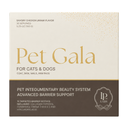
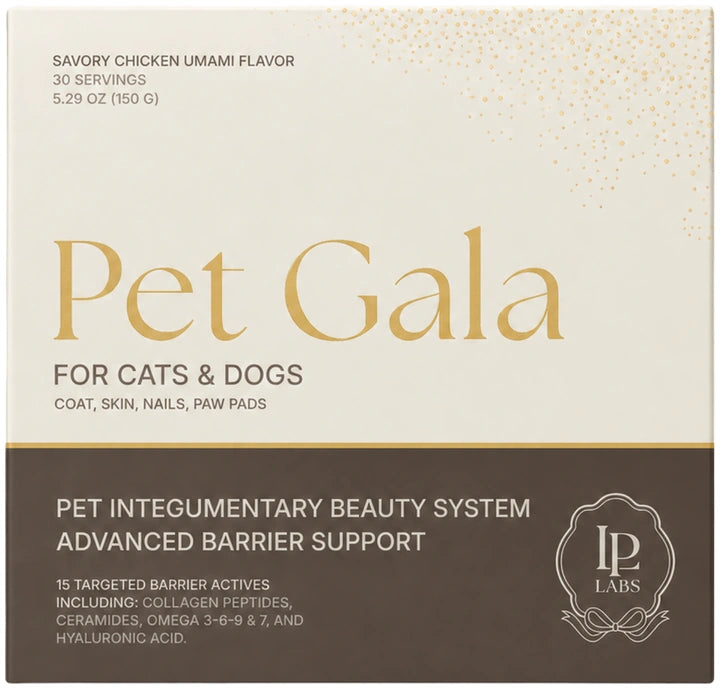
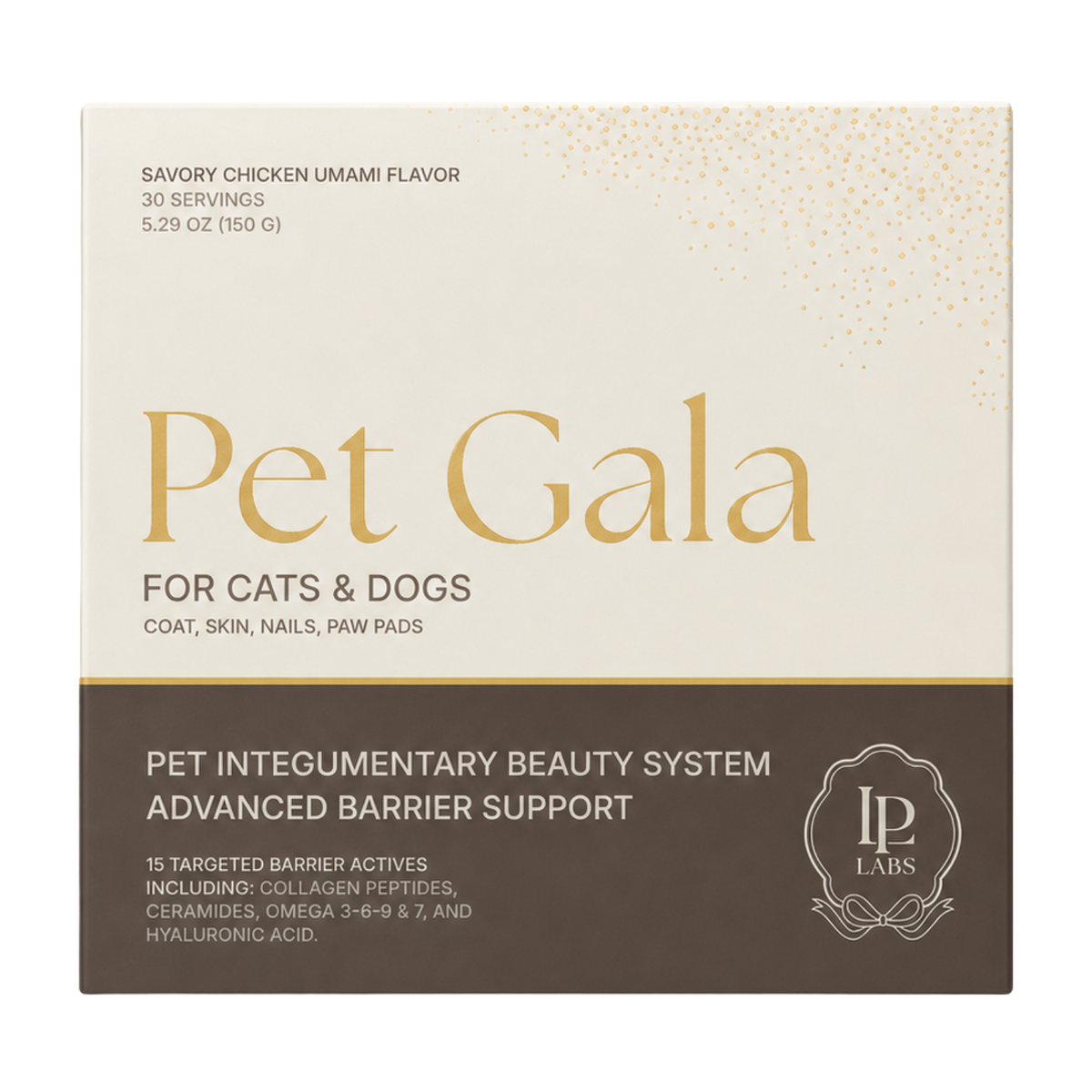
Pet Gala is designed to support everyday wellness as part of a plan that also includes parasite control, appropriate grooming, and a veterinarian-guided workup. For cats with overgrooming and dandruff-like changes, it may help support a steadier routine by contributing to normal skin and coat physiology. Introduce it as the only new variable that week, and use the tracking rubric to judge whether grooming time and flake scores become less variable.

When to Escalate: Red Flags That Should Not Wait

Some patterns suggest the problem is no longer just a mild imbalance. Rapidly expanding hair loss, oozing sores, strong odor, lethargy, or a cat that cannot settle because of itch should be treated as urgent. Cats can also develop painful skin from self-trauma, and secondary infection can become the dominant issue even if it started with allergy or irritation. In those cases, the microbiome conversation becomes secondary to stabilizing the skin and stopping the itch-injury loop.

Owners should also escalate if a kitten, senior cat, or immunocompromised cat develops sudden widespread scaling or crusting. Bring a list of all recent exposures, including household cleaners and any topical products applied. If the cat has been licking a single spot obsessively, ask the veterinarian to check for pain sources as well, since discomfort can masquerade as itch and keep grooming patterns locked in.

Educational content only. This material is not a substitute for veterinary advice. Always consult your veterinarian about your dog’s specific needs. These statements have not been evaluated by the Food and Drug Administration. Products mentioned are not intended to diagnose, treat, cure, or prevent any disease.

Glossary

Related Reading

References

FAQ

La Petite Labs

Discover LPL-01: How This Fits Into a Complete Feline Integumentary Support System

Skin, coat, and nails in cats are not surface traits. They reflect deeper biological systems—barrier integrity, hydration dynamics, lipid balance, and structural protein turnover—working in coordination.

When these systems drift, the signs are subtle but telling: reduced coat softness, increased shedding, dryness, brittle claws, changes in grooming behavior.

This article explores one piece of that system. If you want to understand how true coat quality and skin resilience are built in cats—and what actually drives visible improvement—you need to zoom out.

Start with the underlying science: