

Skin and Coat Clues to Systemic Disease: 5 Warning Signs
Read full insightMalassezia in Cats: Yeast Overgrowth and Skin Irritation
By La Petite Labs Editorial 15 min read
Malassezia in Cats: Yeast Overgrowth and Skin Irritation is a common, underrecognized reason cats develop recurring ear debris, chin grime, paw odor, and “mystery” over-grooming. The tricky part is that cats rarely look as greasy or dramatically inflamed as dogs, so the problem can be mislabeled as stress, picky grooming, or just “dirty ears.” Malassezia yeast can be a normal skin resident; the issue is not that a cat caught yeast, but that the skin’s surface conditions shifted and yeast multiplied enough to irritate the skin.
This page focuses on two clinical areas where feline signs stay subtle: ears and localized skin zones (chin, paws, belly). It explains what owners can actually observe at home, how veterinarians confirm yeast quickly with a microscope sample, and why recurrence usually means an underlying driver—often allergy—was never fully addressed. It also connects this topic to related reading, including malassezia pachydermatis in dogs and malassezia dermatitis in dogs, so the differences in presentation do not lead to copy-and-paste treatment assumptions. The goal is earlier recognition, a cleaner handoff to the vet, and fewer repeat flare cycles.
- Malassezia in Cats: Yeast Overgrowth and Skin Irritation is usually a secondary yeast overgrowth that causes subtle itch, ear debris, and recurring chin/paw irritation rather than dramatic greasy skin.
- Malassezia can be a normal skin resident; problems begin when oils, moisture, and inflammation shift the skin surface toward yeast-friendly conditions.
- Cats often show “behavior signs” first: extra grooming, sensitivity to touch, or sleep interrupted by licking.
- The most useful first diagnostic step is cytology from the exact problem sites; guessing based on odor or flakes often misses the cause.
- Topical antifungals are commonly first-line, with treatment format chosen to match what the cat will tolerate.
- If oral antifungals are needed, medication interactions and monitoring matter; feline plans should not be copied from dog protocols.
- Long-term control depends on addressing drivers like allergy or parasites and tracking relapse markers between visits.
Yeast Basics: Normal Resident, Not Always a Problem
Malassezia yeasts live on the skin of many healthy cats, especially in oily, warm areas like ear canals, chin folds, and between toes (Velegraki, 2015). Trouble starts when the skin’s surface oils and moisture shift in a way that lets yeast multiply faster than the skin can keep it in check. This is why malassezia cats problems are usually described as “overgrowth,” not a new germ being caught from another pet. In cats, the change can be quiet: a slightly disrupted skin barrier, mild inflammation, or a new pattern of grooming that keeps the area damp.
At home, the earliest clue is often a small “maintenance” issue that keeps returning: dark ear wax that comes back within days, a chin that looks dirty again after wiping, or a faint musty odor on the coat after a nap. These are easy to dismiss as normal cat stuff, which is exactly how malassezia overgrowth cats becomes chronic. Noting where the problem repeats—ears, chin, paws, belly—helps a veterinarian decide where to sample and what to treat first.
Why Cats Show Behavior Changes Before Skin Lesions
Cats tend to show yeast irritation differently than dogs. Instead of dramatic greasy skin, a cat yeast skin infection may look like “behavior” first: extra grooming, sudden sensitivity to being petted, or avoidance of ear rubs. Yeast can drive itch and inflammation, and the cat’s response—licking, chewing, over-grooming—can create more moisture and friction, which further favors yeast. This feedback loop is a big reason feline cases can simmer for months before anyone calls it a skin disease (Hobi, 2024).
A realistic pattern is a cat that starts washing the belly every evening, then develops a thin “barbered” patch with tiny scabs that feel like sand. The owner may assume stress or hairballs, but the skin underneath is often irritated and sticky to the touch. When the same cat also has recurring ear debris or chin grime, yeast moves higher on the suspect list. This is where comparing notes across body sites matters more than any single spot.
Allergy Links That Set up Yeast Flares
Malassezia in Cats: Yeast Overgrowth and Skin Irritation often hides inside other diagnoses, especially allergy-driven skin disease. Allergic inflammation changes the skin’s surface environment and can lower the threshold for secondary yeast and bacteria to take hold (Diesel, 2017). That is why treating yeast without addressing the trigger can feel like chasing the same flare. This also explains why pages about feline miliary dermatitis and filaggrin tight junctions and the skin barrier in cats belong in the same reading path: barrier disruption and itch behaviors set the stage.
Owners can look for “two-problem” weeks: a cat that is itchy plus has a new smell, or a cat with ear wax plus new belly licking. Seasonal timing is another clue—worse in spring or fall can point toward allergy as the driver. If flea control has been inconsistent, that becomes part of the story too, because flea allergy can keep the skin inflamed even when fleas are rarely seen. Bringing this timeline to the appointment helps the vet choose the right next test.
The “Dirty Cat” Myth That Delays Real Diagnosis
A common misconception is that yeast overgrowth always means a dirty home or poor grooming. In reality, Malassezia is often a normal passenger on skin, and overgrowth is usually secondary to something that changed the skin environment—most often allergy, parasites, or another inflammatory condition (Bond, 2020). This matters because shame-based explanations delay care, and delay is what turns mild irritation into thickened, more choppy skin that flares easily. The goal is not “sterile skin,” but a more controlled surface balance.
At home, the most useful mindset is pattern recognition, not scrubbing. If wiping the chin daily seems to “work” for a day and then the black debris returns, that is a sign to stop guessing and start documenting. The same goes for ears: repeated cleaning without a diagnosis can irritate the canal and make the next flare harder to interpret. A short log of where, when, and how fast signs return is more valuable than frequent bathing.
Contagion Questions and When to Consider Other Fungus
Owners often ask whether malassezia cats issues are contagious. For most households, the practical answer is that yeast overgrowth reflects the cat’s skin conditions, not a germ spreading between pets (Velegraki, 2015). That said, shared grooming tools and damp bedding can keep the same irritated areas wet and oily, which supports recurrence. It is also important not to assume every flaky patch is yeast; ringworm and other fungal diseases can look similar and require different precautions.
Simple hygiene helps without turning the home into a clinic: wash bedding weekly during a flare, avoid sharing brushes between pets, and dry any damp fur after cleaning. If there are children, elderly family members, or immune-compromised people in the home, it is worth asking the veterinarian whether the skin problem could be something other than yeast. Good photos of the lesions and a note about any new pets, boarding, or grooming visits can sharpen that conversation.
“In cats, yeast often announces itself through grooming, not greasy skin.”
Where Yeast Hides on Cats: Ears, Chin, Paws
When yeast is involved, the “where” is often as telling as the “what.” Cats commonly show yeast-associated irritation in ear canals, on the chin (sometimes alongside feline acne), between toes, in armpits, and on the lower belly where licking keeps the skin damp (Hobi, 2024). The coat can look normal from across the room, yet the skin underneath may feel slightly tacky or have fine scale. This subtlety is why Malassezia in Cats: Yeast Overgrowth and Skin Irritation is underrecognized compared with malassezia dermatitis in dogs.
A quick home check can be built into routine petting: sniff the ears and chin for a musty odor, feel for a waxy film at the base of the tail, and look for reddish-brown staining between toes. Notice whether the cat pulls away when the chin is touched or if ear scratching happens after meals or naps. These small “shift indicators” are often present before obvious hair loss. Recording which side is worse (left ear vs right) also helps the vet target sampling.
Case Vignette: the Cat Who Looked Fine
CASE VIGNETTE: A 7-year-old indoor cat develops recurring dark ear debris and starts licking the belly nightly. The coat still looks glossy, but the owner notices a faint corn-chip odor on the paws and tiny scabs along the back. The first ear cleaner helps briefly, then the signs return within a week, suggesting an underlying driver rather than a one-time mess. This is a classic “subtle cat” presentation where yeast is easy to miss until it becomes chronic.
In a situation like this, it helps to compare what changes after interventions: does itch improve for two days after cleaning, or does it worsen from irritation? Owners can also note whether the cat’s grooming looks more choppy—short bursts of licking that interrupt rest—because that can signal discomfort even when skin lesions are small. Photos taken in the same lighting every few days can reveal gradual thinning of hair on the belly or inner thighs that is hard to notice day-to-day.
Owner Checklist for Suspected Yeast Irritation
OWNER CHECKLIST: At home, look for (1) ear wax that reappears quickly after cleaning, (2) a musty or “old socks” smell on paws or chin, (3) reddish-brown staining between toes, (4) tacky or slightly greasy skin under the fur, and (5) over-grooming that targets one body zone. These clues do not prove yeast, but they raise the odds of malassezia overgrowth cats enough to justify a vet visit and a microscope check (Bond, 2020).
The checklist works best when paired with context: recent diet changes, new litter, seasonal pollen, flea prevention gaps, or a new medication. Owners can also check whether the cat’s chin bowls are plastic, because rough surfaces can trap oils and contribute to chin irritation that then becomes a yeast-friendly niche. If the cat resists handling, a short video of scratching or grooming episodes can communicate severity better than a verbal description.
Diagnosis: Cytology First, Guessing Last
Diagnosis should be quick and concrete. The most useful first test is cytology—collecting a small sample from the ear, chin, or skin and looking for yeast under the microscope (Bond, 2020). This matters because many conditions mimic yeast: allergy, mites, bacterial infection, and even some systemic fungal diseases. In regions where other fungal infections occur, veterinarians may broaden testing when lesions are unusual or the cat seems unwell, because “fungus” is not one single category (Simões, 2016).
Owners can support accurate sampling by avoiding ear cleaners, medicated wipes, or baths for 48 hours before the appointment unless the vet advises otherwise. Fresh products can wash away the evidence and make the slide look falsely normal. Bringing the exact names of anything used at home—cleaners, shampoos, sprays—helps the vet interpret results and avoid ingredient overlap. If the problem is intermittent, scheduling the visit during an active flare improves the chance of a clear answer.
How to Prepare for a Focused Dermatology Visit
VET VISIT PREP: Useful questions include: “Which body sites should be sampled today—ears, chin, paws, belly?” “Do you see yeast, bacteria, or both on cytology?” “What underlying cause is most likely in this cat—flea allergy, food reaction, environmental allergy?” and “What is the plan if signs return after treatment?” These questions keep the appointment focused on both the current flare and the reason it started (Diesel, 2017).
Bring a short timeline: when the first signs appeared, what helped, and how fast relapse happened. Note any ear head-shaking, changes in appetite, or weight shifts, because those details can point away from a simple surface problem. If the cat is hard to handle, mention it early so the clinic can plan gentle restraint or medication options; rushed sampling leads to missed sites. Clear communication here often shortens the overall course of treatment.
“Fast relapse after cleaning is a clue, not a failure.”
DVM Voice: Clinical Vignette of When Skin Changes Point Deeper Than the Surface
Case provided by Sarah Calvin, DVM
Maverick, a 4-year-old Siamese cat, was brought in for hair loss across his lower abdomen and red, flaky skin lesions that had progressed over the previous month. His owners were unsure whether he was itchy or overgrooming.
Examination showed broken hairs, abdominal alopecia, and lesions consistent with bacterial skin infection. Further testing ruled out fleas, FeLV/FIV, and common fungal causes. Because his grooming pattern suggested deeper discomfort, his veterinarian continued the workup.
Radiographs and urinalysis revealed bladder stones, crystalluria, and blood in the urine. Maverick’s overgrooming was linked to urinary pain — a case where skin changes were secondary to an internal problem.
His care required a staged plan: stabilizing the skin infection, surgically removing the bladder stones, managing pain, transitioning to a therapeutic diet, and supporting skin-barrier recovery with appropriate nutrition and fish oil.
Hair regrowth began by 8 weeks. By 6 months, his coat had fully recovered, with no recurrence after the urinary issue was resolved.
Clinical takeaway: Maverick’s case shows why feline coat loss and overgrooming deserve careful veterinary investigation. Skin and coat health can reflect pain, stress, nutrition, infection, barrier weakness, or internal disease — not just surface-level grooming behavior.
Single-case vignette. Not generalizable. Veterinary diagnosis and oversight are essential for overgrooming, hair loss, skin lesions, urinary signs, pain, or suspected infection.
Topical Treatment That Fits Feline Tolerance
Treatment usually starts with topical antifungals because they act directly where yeast lives and can be enough for many cats. Depending on the site, this may mean medicated ear drops, wipes for paws and chin, or a shampoo/mousse used on specific zones rather than full-body bathing. The goal is to reduce yeast numbers and calm inflammation so the skin can return to a more fluid, less reactive state. When owners hear “yeast,” it can sound dramatic, but the first-line plan is often practical and localized.
At home, success depends on matching the method to the cat. Many cats tolerate a wipe better than a bath, and short, predictable sessions reduce stress and wrestling. Treat the exact spots the vet identified; random spot-cleaning can miss the true source, especially if the ears are the main driver. If the cat’s skin seems more red after a new product, stop and call the clinic—irritation can look like “worsening yeast” but needs a different approach.
When Oral Antifungals Enter the Plan
Some cats need oral antifungals when disease is widespread, when ears are severely affected, or when topical care is not feasible. Itraconazole is one option veterinarians may choose, but it has important drug–drug interaction potential because it can strongly affect CYP3A4-metabolized medications (Heidi Kurn, 2023). Absorption can also vary by formulation and stomach conditions, so the exact product and dosing schedule should be the veterinarian’s call (Heidi Kurn, 2023). This is one reason feline protocols should not be copied from malassezia dermatitis in dogs.
Owners can help by bringing a full medication list, including flea preventives, supplements, and any compounded drugs. Watch for appetite changes, vomiting, or unusual tiredness during oral therapy and report them promptly, because side effects can be subtle in cats. Never share leftover antifungals between pets or restart an old prescription without guidance; the current flare may not be yeast, and the risk profile changes with other medications. A planned recheck is part of safe treatment, not an optional add-on.
What Not to Do During a Suspected Yeast Flare
WHAT NOT TO DO: Avoid (1) frequent ear cleaning “just in case,” which can inflame the canal, (2) using human antifungal creams on cats, which may be toxic if licked, (3) shaving large areas at home, which can irritate skin and hide lesion edges, and (4) switching foods or supplements every week while also starting medications, because it becomes impossible to tell what changed. These missteps commonly turn a manageable cat yeast skin infection into a longer, more confusing course.
Another pitfall is treating odor alone. Odor can come from yeast, bacteria, anal gland issues, or even dental disease, and guessing leads to mismatched products. If a cat resists treatment, forcing it can create fear that makes future care harder; ask the vet about cat-friendly formats and handling strategies. Finally, do not assume every flaky patch is Malassezia—ringworm and other conditions require different home precautions and sometimes household-wide planning.
Preventing Relapse by Treating the Real Driver
Recurrence prevention is mostly about finding the “why now.” Malassezia overgrowth is often secondary, so long-term control usually requires addressing the underlying driver—commonly flea allergy, environmental allergy, or another hypersensitivity pattern (Hobi, 2024). When that driver stays active, yeast returns as soon as topical therapy stops. This is where internal links matter: reading about feline allergic skin disease and filaggrin tight junctions and the skin barrier in cats can clarify why some cats relapse even with good hygiene.
At home, prevention looks like consistency rather than intensity. Keep flea prevention on schedule, avoid letting the cat’s favorite sleeping spots stay damp, and use the maintenance plan the vet recommends for the cat’s specific sites (often ears, chin, or paws). If the cat has seasonal flares, plan a check-in before the usual season starts so the skin stays more controlled. The goal is fewer flare cycles, not perfect skin every day.
What to Track Between Visits for Better Decisions
WHAT TO TRACK RUBRIC: Compare these markers between vet visits: (1) itch episodes per day (short count, not guesses), (2) ear debris return time after cleaning, (3) odor level after naps, (4) new scabs or “sandpaper” feel on the back, (5) hair thinning zones and whether they expand, and (6) how often the cat interrupts sleep to groom. Tracking these shift indicators helps separate a true relapse from a one-day blip and supports more targeted adjustments.
Use simple tools: a phone note with dates, two weekly photos of the same body sites, and a quick 0–3 rating for odor and itch. Owners can also record what changed that week—new treats, guests, heating turned on, litter brand—because small environmental shifts can matter for allergic cats. If the plan includes maintenance wipes or ear medication, track adherence honestly; missed doses are common and are useful information, not a failure. This kind of record often shortens the next appointment.
Why the Coat Can Hide Ongoing Skin Inflammation
It helps to understand why cats can look “fine” while the skin is not. The feline coat hides scale and redness, and grooming can remove visible flakes while leaving inflammation underneath. When the skin barrier is irritated, its restoration pace slows, and the surface becomes easier for yeast to exploit, especially in moist micro-areas like toe webs and chin folds. This is also why comparisons to malassezia pachydermatis in dogs can mislead: the biology overlaps, but the presentation and owner-visible signs differ.
Owners can check under the “pretty coat” by parting the fur in good light and feeling the skin with clean fingers. A tacky film, fine dandruff close to the skin, or mild redness in armpits and groin can be meaningful even without bald spots. If the cat is dark-coated, photos with flash can reveal scale that is invisible otherwise. Noticing these early changes is how Malassezia in Cats: Yeast Overgrowth and Skin Irritation gets addressed before it becomes a repeating cycle.
Building a Maintenance Routine Without Overdoing It
Long-term success often comes from combining targeted antifungal care with a plan that keeps the skin’s environment less yeast-friendly. That may include allergy management, consistent parasite control, and gentle routines that avoid stripping oils or leaving moisture trapped. When the skin stays calmer, the cat’s endurance for normal grooming returns, and the threshold for flare drops less often. This is the practical meaning of “secondary overgrowth”: the yeast is the passenger, and the driver must be managed.
Household routines can be adjusted without overhauling life: switch to smooth, washable food bowls for chin-prone cats, rinse and dry paws after litter clumps stick, and keep a predictable cleaning schedule for bedding. If the cat hates baths, ask the vet about leave-on options that fit feline behavior. When a flare happens, return to the written plan rather than improvising new products; consistency makes the next vet decision clearer. This approach keeps malassezia cats issues more controlled over time.
Putting It Together: Stop the Repeat-flare Cycle
The most important takeaway is that yeast is rarely the whole story. If Malassezia in Cats: Yeast Overgrowth and Skin Irritation keeps returning, it is a signal to look deeper for allergy patterns, parasite exposure, or other skin barrier stressors, rather than repeating the same short treatment. A veterinarian can confirm yeast quickly with cytology and then decide whether the bigger focus should be ears, paws, chin, or a full allergy workup. Early confirmation prevents months of trial-and-error.
Owners can set up the next step by arriving with three things: a timeline, photos, and a list of products already tried. If the cat has ear pain, head tilt, fever, lethargy, or rapidly spreading lesions, the situation is no longer a “wait and see” skin issue—call promptly. For chronic cases, ask for a maintenance plan in writing, including what to do at the first hint of relapse. That clarity is what keeps the condition from becoming the cat’s new normal.
“Treat the flare, then find what keeps inviting it back.”
Educational content only. This material is not a substitute for veterinary advice. Always consult your veterinarian about your dog’s specific needs. These statements have not been evaluated by the Food and Drug Administration. Products mentioned are not intended to diagnose, treat, cure, or prevent any disease.
Glossary
- Malassezia - A lipid-dependent yeast that can live normally on skin but may overgrow and irritate it.
- Overgrowth - A rise in numbers of an organism already present, enough to cause signs.
- Cytology - A microscope check of skin or ear samples to look for yeast, bacteria, and inflammation.
- Commensal - An organism that can live on the body without causing disease under normal conditions.
- Microclimate - A small body area (like toe webs or chin folds) with its own moisture and oil conditions.
- Otitis externa - Inflammation of the outer ear canal; yeast can be one contributor.
- Feline miliary dermatitis - A scabby, “sandpaper” skin pattern often linked to allergy and itch.
- Skin barrier - The outer skin layers that limit water loss and block irritants; when disrupted, flares are easier.
- Filaggrin/tight junctions - Barrier components that help skin stay sealed; disruption can make irritation more likely.
Related Reading
Common Feline Integumentary Issues
• Cat Dandruff
• Why Is My Cat Shedding So Much
• Cat Hair Loss
Comfort & Recovery
• Skin & Coat Supplements for Cats
• Cat Nail Supplement
• Best Supplements for Cat Shedding
Ingredient-Level Articles
• Biotin for Cats
• Silica for Cats
• Hyaluronic Acid for Cats
• Ceramides for Cats
References
Hobi. Malassezia dermatitis in dogs and cats. PubMed. 2024. https://pubmed.ncbi.nlm.nih.gov/38431127/
Simões. Retrospective analysis of cutaneous lesions in 23 canine and 17 feline cases of coccidioidomycosis seen in Arizona, USA (2009-2015). PubMed. 2016. https://pubmed.ncbi.nlm.nih.gov/27397725/
Diesel. Cutaneous Hypersensitivity Dermatoses in the Feline Patient: A Review of Allergic Skin Disease in Cats. 2017. https://www.mdpi.com/2306-7381/4/2/25
Velegraki. Malassezia infections in humans and animals: pathophysiology, detection, and treatment. Nature. 2015. https://www.nature.com/articles/s41598-024-65730-w
Bond. Biology, diagnosis and treatment of Malassezia dermatitis in dogs and cats Clinical Consensus Guidelines of the World Association for Veterinary Dermatology. PubMed. 2020. https://pubmed.ncbi.nlm.nih.gov/31957204/
Heidi Kurn. Itraconazole. 2023. https://www.ncbi.nlm.nih.gov/books/NBK557874
FAQ
What is Malassezia in Cats: Yeast Overgrowth and Skin Irritation?
Malassezia in Cats: Yeast Overgrowth and Skin Irritation refers to a situation where a normal skin yeast multiplies too much and starts irritating the skin or ears. In cats, it often looks like recurring ear debris, chin grime, paw odor, or over-grooming rather than obvious greasy dermatitis.
Because yeast can be secondary to allergy or other inflammation, the most helpful next step is confirming it with a microscope sample and then asking what triggered the flare in the first place.
How can yeast overgrowth look different in cats?
Cats often show yeast-related discomfort as grooming changes: belly licking, paw chewing, or suddenly disliking chin or ear touch. The coat can hide scale and redness, so the skin may be irritated even when the cat still looks “well kept.”
This is why owners sometimes treat it as stress or a habit at first. Repeated ear wax, a musty odor, or the same body site flaring again and again makes yeast more likely.
Is Malassezia contagious to other cats or people?
In most homes, Malassezia overgrowth is not treated like a contagious infection. The yeast is commonly present on skin, and the issue is usually that the cat’s skin environment changed and allowed overgrowth.
Still, it is important not to assume every “fungal-looking” patch is yeast. If there is a circular hair-loss lesion, multiple pets affected, or people in the home with skin concerns, ask the veterinarian whether ringworm testing is needed.
What are the most common body sites for feline yeast?
In cats, yeast-associated irritation often shows up in ear canals, on the chin, between toes, in armpits, and on the lower belly where licking keeps skin damp. These are warm, oily, or moist micro-areas where yeast can multiply more easily.
Owners can check these zones during calm petting sessions: sniff for a musty odor, look for reddish-brown toe staining, and note whether chin debris returns quickly after wiping.
What causes Malassezia overgrowth in cats?
Most of the time, yeast overgrowth is secondary—meaning something else changed first. Common drivers include allergic skin disease, flea allergy, mites, or ongoing irritation that shifts skin oils and moisture.
When the driver stays active, yeast tends to return soon after short treatment. That is why the plan often includes both antifungal care and a longer view of what keeps the skin inflamed.
How do vets confirm a cat yeast skin infection?
The most direct confirmation is cytology: the vet collects a small sample from the ear, chin, paw, or skin and checks it under a microscope. This shows whether yeast is present in numbers that match the cat’s signs.
This step matters because odor, flakes, and itch can also come from bacteria, mites, or allergy alone. A quick slide check prevents weeks of guessing with mismatched products.
Should ear cleaner be used before the appointment?
Unless the clinic advises otherwise, it is usually better to avoid ear cleaners, medicated wipes, or baths for about 48 hours before a diagnostic visit. Fresh cleaning can remove wax and yeast, making the sample look falsely normal.
If the cat is very uncomfortable, call the clinic for guidance rather than pushing through at home. Bringing the product name and how often it was used helps the vet interpret what is seen.
What is first-line treatment for Malassezia in cats?
Many cats start with topical antifungal therapy applied to the exact affected sites—ears, chin, paws, or small skin zones. This approach targets yeast where it lives and often avoids the need for whole-body bathing.
The best format is the one the cat will tolerate consistently. A wipe, mousse, or ear medication used as directed is usually more effective than an occasional stressful bath.
When are oral antifungals used for cats?
Oral antifungals may be considered when yeast involvement is widespread, when ears are severely affected, or when topical care is not realistic. The veterinarian chooses the drug and schedule based on the cat’s overall health and other medications.
Owners should share a complete medication list. Some antifungals, including itraconazole, can have important drug–drug interactions, so the plan should be individualized and monitored.
How fast should symptoms improve after starting treatment?
Some cats show less itch or less odor within days, but visible skin changes can take longer because the skin needs time to settle and regrow hair. Ears may look better quickly yet relapse if the underlying trigger is still active.
The most useful approach is tracking shift indicators: how often grooming interrupts rest, how fast ear debris returns, and whether the same body sites keep flaring. If nothing changes within the timeframe the vet gave, call for a recheck.
Can diet changes fix Malassezia overgrowth in cats?
Diet changes do not directly “treat yeast,” but food reactions can be one driver of skin inflammation in some cats. If the veterinarian suspects a food trigger, a structured diet trial may be part of the long-term plan.
Avoid rapid, repeated food switching during a flare because it becomes hard to interpret what helped. If a diet trial is recommended, it works best when it is strict, time-limited, and paired with clear tracking of skin and ear signs.
What home mistakes commonly worsen feline yeast irritation?
Common mistakes include over-cleaning ears, using human antifungal creams that can be harmful if licked, and shaving large areas at home. Another frequent issue is treating odor alone without confirming whether yeast, bacteria, or something else is present.
It also helps to avoid changing multiple things at once—new shampoo, new food, new supplement—because the pattern becomes impossible to read. A simple log and a vet-confirmed diagnosis usually shorten the overall course.
How is this different from ringworm in cats?
Ringworm is a dermatophyte infection that can be contagious and often causes circular hair loss, broken hairs, or scaling patches. Malassezia overgrowth is usually a surface imbalance of a yeast that may already be present and often shows as ear debris, odor, or greasy/tacky skin in specific zones.
Because the two can look similar in early stages, it is risky to self-diagnose. If there are new pets, shelter exposure, or multiple animals with lesions, ask the vet about ringworm testing and household precautions.
Does flea control matter for Malassezia in cats?
Yes. Flea allergy can keep the skin inflamed even when fleas are rarely seen, and that inflammation can lower the threshold for secondary yeast or bacteria to complicate the picture. In many cats, consistent flea prevention is part of keeping relapses less frequent.
If a cat has recurring scabs, back-end itch, or seasonal flares, bring the flea-prevention history to the appointment. The goal is not blame; it is identifying the driver that keeps the skin reactive.
Can kittens or senior cats get yeast overgrowth?
Yes, but the context can differ. Kittens may have parasites or ringworm that mimic yeast signs, while senior cats may have grooming changes, arthritis-related reduced self-care, or other health shifts that change skin conditions.
Any age cat with recurring ear debris, odor, or over-grooming deserves a microscope check rather than assumptions. In older cats especially, mention weight change, appetite change, or reduced activity so the vet can decide whether broader testing is needed.
Are some cats more prone to chronic recurrence?
Cats with underlying allergy patterns, repeated ear inflammation, or persistent chin/paw irritation can be more prone to recurrence. The yeast is often responding to a skin environment that stays inflamed or damp in specific micro-areas.
Recurrence risk is best reduced by a maintenance plan tailored to the cat’s sites and triggers. Tracking how quickly signs return after treatment helps the veterinarian decide whether the driver is truly controlled or only briefly masked.
What should be tracked between visits for Malassezia flares?
For Malassezia in Cats: Yeast Overgrowth and Skin Irritation, track concrete markers: itch episodes per day, how fast ear debris returns, odor after naps, new scabs, and whether hair thinning zones expand. These shift indicators are more reliable than memory when the cat has good and bad days.
Two weekly photos in the same lighting can reveal gradual change. Also track what changed in the home that week—new litter, heating, guests—because allergic cats can flare with small environmental shifts.
When should a vet be called urgently for skin issues?
Call promptly if there is ear pain, head tilt, loss of balance, fever, lethargy, rapidly spreading lesions, or oozing skin. These signs suggest more than a mild surface flare and can worsen quickly without treatment.
Also call if the cat stops eating, hides, or cannot be handled due to discomfort. Even when yeast is part of the picture, severe ear inflammation or secondary infection can require faster, more targeted care than home routines.
How does this compare with Malassezia problems in dogs?
Dogs often show more obvious greasy, smelly dermatitis, so yeast is recognized earlier. Cats can have the same organism involved but show subtler signs—over-grooming, mild ear debris, or localized chin and paw issues.
This is why treatment plans should not be copied across species. A cat’s tolerance for bathing, grooming behavior, and medication safety profile can change what is practical and what is appropriate.
Can Pet Gala™ be part of a skin routine?
For cats with recurring irritation, a veterinarian may suggest a broader “barrier routine” alongside medical treatment. In that context, Pet Gala™ can be discussed as a product that supports normal skin function as part of an overall plan.
It should not be viewed as a standalone fix for yeast. The priority is confirming whether yeast is present and then addressing the trigger that made the skin yeast-friendly in the first place.
How should owners decide next steps during a flare?
Start by identifying whether this looks like the cat’s usual pattern or something new. If the same sites flare (ears, chin, paws) and signs return quickly after prior treatment, plan for cytology and a discussion of underlying triggers.
If the pattern is new—circular hair loss, multiple pets affected, or the cat seems sick—avoid home guessing and call the vet sooner. Clear photos, a short timeline, and a list of products already used make the visit more efficient.
Discover LPL-01: How This Fits Into a Complete Feline Integumentary Support System
Skin, coat, and nails in cats are not surface traits. They reflect deeper biological systems—barrier integrity, hydration dynamics, lipid balance, and structural protein turnover—working in coordination.
When these systems drift, the signs are subtle but telling: reduced coat softness, increased shedding, dryness, brittle claws, changes in grooming behavior.
This article explores one piece of that system. If you want to understand how true coat quality and skin resilience are built in cats—and what actually drives visible improvement—you need to zoom out.
Start with the underlying science:
- Feline Skin & Coat Framework →
A structured view of how skin, coat, and claw health are maintained across collagen synthesis, lipid nourishment, and barrier function. - Barrier Protection Coverage Modeling →
A systems-level map of which integumentary pathways are most vulnerable—and how layered nutritional inputs can support them. - Feline Skin & Coat Evidence Framework →
A breakdown of what is strongly supported in the literature versus what is still emerging in feline skin and coat science. - LPL-01 Standard →
The formulation system that translates these models into real-world supplementation—covering multiple pathways in a coordinated way.
Essential Summary
Why Is Feline Malassezia Overgrowth Important?
Malassezia yeast lives on many cats, but overgrowth can quietly drive itch, ear debris, and recurring chin or paw irritation. Because feline signs are often subtle, confirmation with cytology and a plan for underlying triggers helps prevent repeated flare cycles.
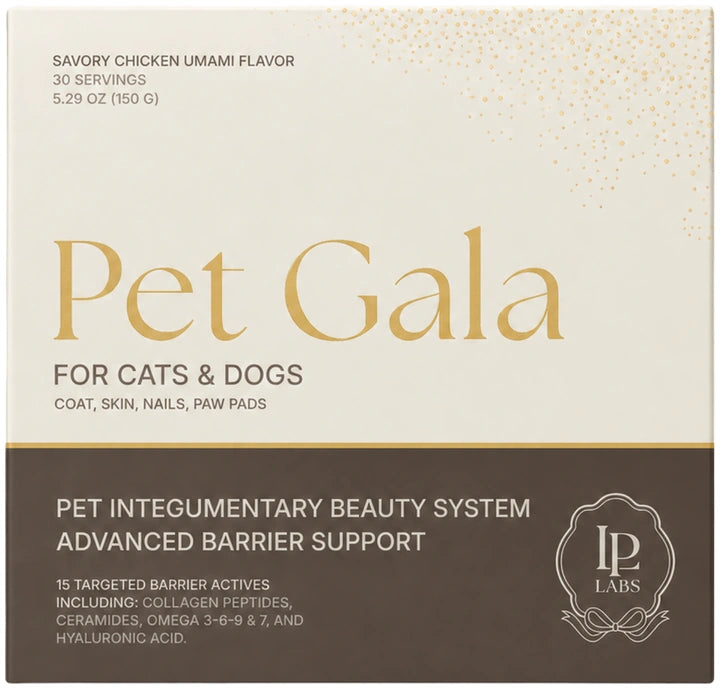
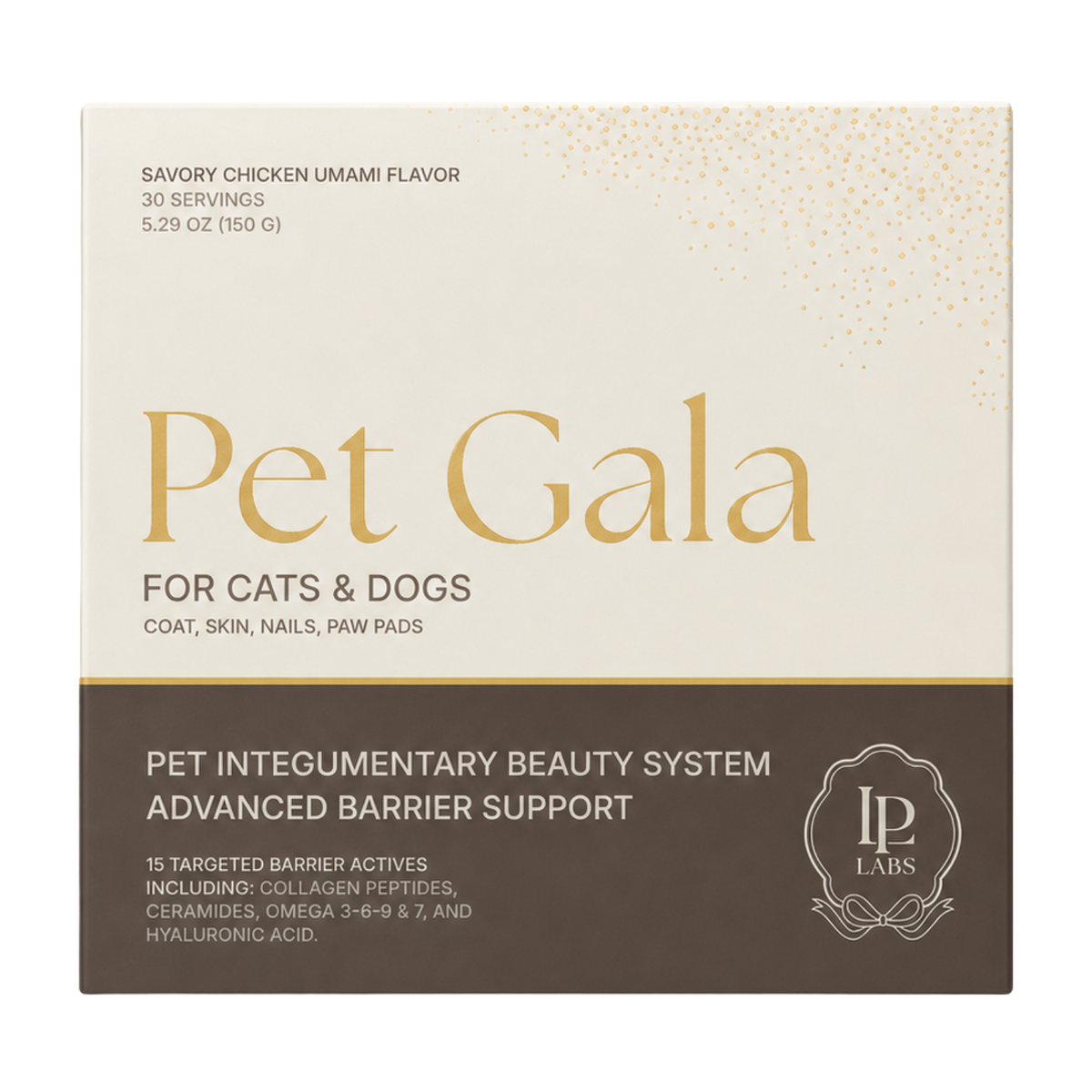
Pet Gala supports a skin-friendly routine as part of an overall barrier care plan.
Pet Gala™
Starting at $79/mo
The scratching is completely gone, his coat looks healthy and shiny!
— Lena
He was struggling with itching, now he's glowing.
— Grace
Considering Feline Yeast Recurrence?
If You’re Researching Feline Yeast, Here’s What Matters Most
If yeast keeps returning, the next step is usually confirmation with cytology plus a plan for the trigger—often allergy or parasite exposure. Track itch episodes, odor, and how quickly ear debris returns, then bring photos and a product list to the recheck. For owners building a barrier routine, Pet Gala supports normal skin function as part of that broader plan.
Learn about how our DVMs think about the feline barrier
Dr. Sarah Calvin DVM
Pet Gala™
Starting at $79/mo
Explore the visible signs of whole-body wellness
Related Reading
Malassezia in Cats: Yeast Overgrowth and Skin Irritation is a common, underrecognized reason cats develop recurring ear debris, chin grime, paw odor, and “mystery” over-grooming. ” Malassezia yeast can be a normal skin resident; the issue is not that a cat caught yeast, but that the skin’s surface conditions shifted and yeast multiplied enough to irritate the skin.