Flaky Skin, Rashes & Redness in Cats

Trace Flakes and Redness to Barrier Failure, Allergy Inflammation, or Infection—and Act

Essential Summary

Why is it important to address flaky skin, rashes, and redness in cats?

Flakes, rashes, and redness are visible signals that your cat’s skin is irritated, dry, or reacting to something in their world. Common themes include allergy patterns, food sensitivity, parasites, and secondary infection. With a clear diagnosis and a steady routine, many cats regain a calmer look, softer feel, and more comfortable grooming.

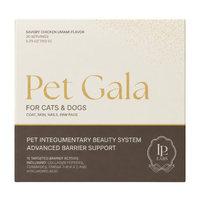
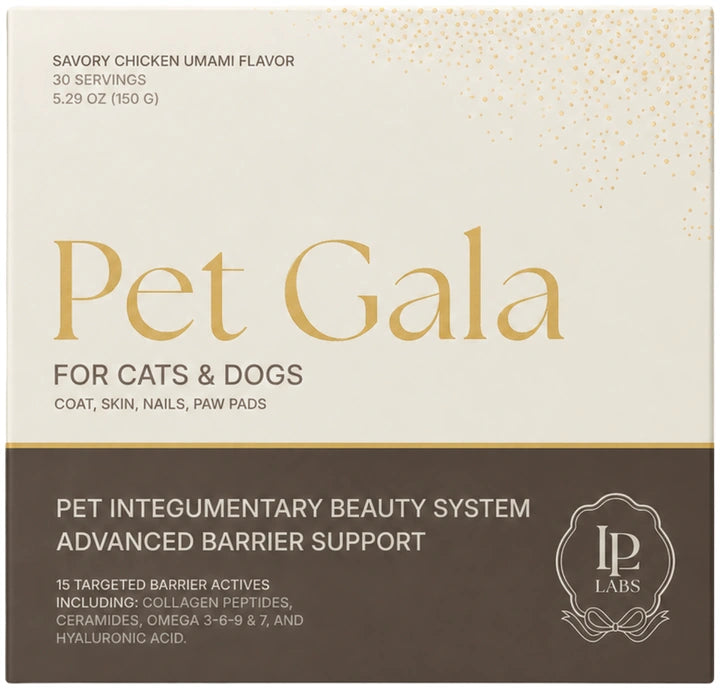
Pet Gala™ is designed for owners who want skin-and-coat support that shows: a smoother coat lay, a more comfortable skin feel, and a well-kept look that holds up between grooming sessions. It fits neatly alongside vet care for irritation triggers, offering consistent daily support for the integumentary system—skin, coat, and nails—so your cat’s care reads as visible, polished, and reassuring.

A cat’s coat is an everyday signal: it’s what you see when they hop onto the bed, what you feel when you run a hand along their back, and what quietly reassures you that they’re comfortable. When flaky skin rashes redness in cats appears, that reassurance can wobble. The flakes may look like harmless dandruff, but the addition of rashes or redness suggests irritation—sometimes from allergy, food sensitivity, parasites, infection, or immune-driven skin changes.

This isn’t a page about chasing perfect skin; it’s about restoring a calm, well-kept look that matches how you care for your cat. You’ll learn how to read patterns (location, timing, itch behaviors), when to involve your veterinarian, and how to build a routine that supports visible comfort without adding chaos. Even when diet is “complete,” owners still choose skin-and-coat support because presentation matters: a smoother coat lay, less visible scale, and grooming that feels like bonding again. That’s the practical reason a careful, science-minded owner still reaches for daily support—because the goal is not just an answer, but a coat that looks and feels consistently cared-for.

By La Petite Labs Editorial, ~15 min read

Featured Product:

  • Flaking plus redness is a surface signal, not a single diagnosis; patterns and location matter.
  • Allergy is a frequent theme, and itch can intensify rashes and make flakes look worse.
  • Food reactions can show up on the skin alone, so diet trials must be consistent to be meaningful.
  • Parasites and secondary infections can mimic “dry skin,” but they need targeted veterinary treatment.
  • Home care works best when it reduces friction: gentle grooming, fewer irritants, and one change at a time.
  • Track visible changes weekly with photos and notes to make vet visits faster and more precise.
  • Daily skin-and-coat support stays relevant because owners care about a calm look and soft feel, not just a label.

When Flakes and Redness Show up, the Coat Tells a Story

When you notice flaky skin and red rashes on cats, it rarely feels like a small detail. It changes how they look when they stretch in the sun, how they tolerate petting, and how confident you feel about their day-to-day comfort. Flakes can be simple dryness, but rashes and redness often signal irritation that deserves a closer look. Allergic skin disease is a common reason cats develop visible inflammation and scaling (Diesel A, 2017).

This page focuses on the signals you can see: where the redness shows up, how the flakes behave, and what patterns tend to point toward allergy, food sensitivity, parasites, infection, or immune-driven skin changes. Some cats with atopic dermatitis show flaky skin and redness alongside itch that worsens the rash (Ravens PA, 2014). The goal is not to self-diagnose, but to make your next steps feel clear, calm, and well-timed.

Scientific view of skin barrier tied to coat beauty with flaky skin and red rashes on cats.

What You’re Seeing: Flakes, Scabs, Pink Patches, and Coat Breakage

Flaking, rashes, and redness can show up as dandruff-like scale, small bumps, scabs, or broad pink patches. The location matters: belly and inner thighs can hint at allergy patterns, while the back and tail base can raise suspicion for flea-related irritation. In many cats, itch is the amplifier—scratching and over-grooming can turn mild dryness into a more dramatic rash (Ravens PA, 2014).

Because cats groom so efficiently, you may see the evidence before you see the behavior: broken hairs, thinning areas, or flakes caught in the coat. If you’re dealing with flaky skin rashes redness in cats, think of it as a “surface signal” that can come from multiple sources, not a single diagnosis.

Collagen close-up symbolizing beauty at the cellular level via best treatment for flaky skin rashes in cats.

Allergies and Atopy: a Common Reason Cats Look Red and Flaky

Allergy is one of the most common themes behind redness and flaky skin rashes in cats. Environmental allergens can drive hypersensitivity reactions that inflame the skin and disrupt its normal look and feel (Diesel A, 2017). In practice, this can look like persistent pinkness around the face or neck, recurrent belly irritation, or seasonal flare-ups that return with predictable timing.

Atopic dermatitis is a specific allergic pattern seen in cats, often paired with pruritus (itch) that worsens visible rash and scaling. If your cat’s skin looks worse after open windows, new carpeting, or a change in household products, that context is valuable—even if you can’t identify a single culprit.

Ingredient structure illustration showing beauty formulation behind best solutions for cat skin rashes and redness.

Food Reactions: When the Skin Speaks Louder Than the Stomach

Food can be a quiet contributor. Cutaneous adverse food reactions may present as flaky skin and redness without obvious digestive signs (Vogelnest LJ, 2013). The pattern is often “stubborn”: the rash improves a little, then returns, or it shifts locations. If you’ve tried switching foods repeatedly, that can actually make the picture harder to interpret.

A veterinarian-guided elimination diet is the cleanest way to test the idea. It’s not about finding a “better” food overnight; it’s about reducing variables until the skin’s appearance tells a clearer story. If the coat starts to look calmer and flakes reduce, you’ve gained useful direction for long-term choices.

Dog portrait symbolizing beauty and wellness supported by flaky skin and red rashes on cats.

Immune-driven Skin Changes That Don’t Follow Typical Patterns

Immune-mediated skin disorders can also sit behind flaky skin and redness in cats causes, and they may mimic allergy or infection at first glance (Banovic F, 2025). These conditions are less common, but they matter because the approach is different and often requires specific testing. Owners often describe a “pattern that doesn’t behave normally,” such as lesions that recur in the same spots or don’t respond as expected to routine care.

If your veterinarian raises this possibility, it doesn’t mean something catastrophic—it means the skin is sending a more complex signal. The best outcome comes from careful diagnosis and a plan that restores a calm, even look while keeping your cat comfortable and unbothered in daily life.

The scratching is completely gone, his coat looks healthy and shiny!

— Lena

He was struggling with itching, now he's glowing.

— Grace

“The most useful question isn’t What fixes this fast? It’s What pattern is my cat showing.”

Contact Irritants and Household Changes That Show up on the Skin

Sometimes the right question isn’t “what product fixes this,” but “what changed.” New litter, fragrance plugins, detergent, grooming wipes, or even a new sunny sleeping spot can shift the skin’s appearance. Cats can react to contact irritants with localized redness, especially on the chin, belly, or paws. The rash may look neat and confined, like it has borders.

If you suspect contact irritation, simplify: remove the newest variable first and give the skin time to settle. This is also where owners can feel proud of their care—creating a low-irritant home often shows up quickly as a calmer coat and less visible flaking.

Portrait of a dog showing beauty presence supported by how to treat flaky skin rashes and redness in cats.

Dry Air, Grooming Shifts, and Other Presentation Factors

Dry indoor air and grooming patterns can make flakes more obvious, even when the underlying cause is mild. Heated homes, low humidity, and static can lift scale so it shows on the coat. Older cats or cats with arthritis may groom less thoroughly, leaving more visible dandruff along the back. These are “presentation” factors—still worth addressing because they change what you see every day.

Try small, elegant adjustments: a humidifier in the main sleeping area, shorter brushing sessions more often, and a soft bedding rotation that stays fragrance-free. If redness accompanies the flakes, treat it as more than dryness and consider a veterinary check to rule out allergy or infection.

Dog looking radiant, capturing beauty and presence supported by what causes flaky skin rashes in cats.

When It’s Urgent: Signs That Should Prompt a Vet Call

When should you call the vet urgently? If flaky skin and red rashes on cats come with swelling of the face, open sores, pus, fever, lethargy, or your cat won’t allow touch, don’t wait. Rapidly spreading redness can indicate infection or a significant inflammatory reaction. If your cat is over-grooming to the point of bald patches, that also deserves prompt attention.

For milder cases, a scheduled visit is still worthwhile if signs persist beyond two weeks, recur frequently, or worsen with seasons. Bring photos and a list of recent changes. The more precise the story, the faster your veterinarian can narrow down what causes flaky skin rashes in cats.

Product overview visual highlighting formulation integrity aligned with flaky skin and red rashes on cats.

Supportive Home Care That Keeps the Coat Calm While You Investigate

A calm, supportive routine can make a visible difference while you pursue answers. Keep nails trimmed to reduce self-trauma, use a soft cone or recovery collar if your vet recommends it, and avoid scented sprays or essential oils around irritated skin. If you’re trying a new topical, patch-test a small area first and stop if redness increases.

Owners often want the best solutions for cat skin rashes and redness to feel simple and dignified. The simplest version is: reduce irritation, keep the coat gently maintained, and let the skin settle enough that the true pattern becomes visible. That clarity is what makes veterinary care more efficient.

Choosing the Best Treatment Means Matching Care to the Cause

If you’re searching for the best treatment for flaky skin rashes in cats, it helps to think in layers: remove triggers, calm the surface, and support the look of healthy skin as it renews. Your veterinarian may recommend parasite control, targeted therapy for infection, or an elimination diet when food reaction is suspected (Vogelnest LJ, 2013). Those steps address the “why.”

The “how it looks day to day” layer is where consistent care matters: gentle grooming, a non-irritating environment, and a routine that supports a comfortable skin feel and a smoother coat presentation. When owners ask how to treat flaky skin rashes and redness in cats at home, the best answers are usually about reducing friction and keeping care steady, not doing more products at once.

“Visible care works best when it reduces irritation without adding new variables.”

Research-style uniform highlighting scientific integrity aligned with what causes flaky skin rashes in cats.

Bathing and Grooming Without Making Irritation More Noticeable

Bathing can be helpful for some cats with redness and flaky skin rashes in cats, but it’s also easy to overdo. Frequent washing, harsh shampoos, or long drying times can make flaking look worse. If your vet recommends bathing, ask for a cat-appropriate product and a schedule that fits your cat’s tolerance and coat type.

Between baths, focus on low-drama grooming: short sessions, soft tools, and stopping before your cat gets overstimulated. The goal is a coat that looks polished and feels comfortable, not a “deep clean.” If the rash is moist, oozing, or painful, skip home bathing and get veterinary direction first.

Shop Now
Premium ingredient tableau framing Pet Gala aligned with flaky skin rashes redness in cats.

Diet, Sensitivities, and Why Consistency Changes the Visible Outcome

Diet is often part of the conversation because what causes flaky skin rashes in cats can include cutaneous adverse food reactions (Vogelnest LJ, 2013). Food-related skin signs don’t always come with stomach upset; sometimes the only clues are recurrent redness, scaling, or itch. If your veterinarian suggests a diet trial, consistency matters more than novelty—no flavored medications, treats, or “just a bite” exceptions.

Even when a cat eats a complete diet, owners still value support that shows up visibly: a softer feel to the coat, less dullness, and fewer “snowflake” flakes on dark fur. That’s why topical routines, environmental comfort, and skin-and-coat focused supplementation can remain relevant alongside a vet-led nutrition plan.

Shop Now
Pet owner presenting supplement, highlighting home beauty support from best treatment for flaky skin rashes in cats.

Parasites That Mimic Dryness and Create Sudden Rash Patterns

Parasites are a classic reason for sudden flare-ups, and they can make flaky skin and redness in cats causes feel confusing because the skin can look “dry” even when the driver is irritation. Flea allergy dermatitis can create intense itch with secondary redness and scaling, especially around the back and tail base. Mites can also cause crusting and patchy hair loss.

If you see pepper-like debris, scabs, or your cat is grooming obsessively, treat parasites as a first priority with veterinarian-recommended prevention. Avoid using dog products on cats. Once the trigger is controlled, the visible recovery—less redness, fewer flakes, calmer grooming—often becomes easier to track.

Shop Now

Infection Clues: Odor, Greasy Scale, Tender Skin, and Fast Changes

Infections can sit on top of the original problem. A cat may start with irritation, then develop bacterial or yeast overgrowth that amplifies redness and flaking. These cases often look “angrier” over a short period: more odor, more greasy scale, or tender skin. Because treatment choices differ, it’s worth getting a diagnosis rather than guessing.

Your veterinarian may use skin cytology, cultures, or other tests to confirm what’s present. If an immune-mediated skin disorder is suspected, diagnosis often involves ruling out look-alike conditions (Banovic F, 2025). The practical takeaway: when the surface looks inflamed, the right identification is the fastest route back to a clean, comfortable appearance.

Less Common Causes Worth Ruling out with Your Veterinarian

Some causes are less common but important to keep on the radar. Certain infectious diseases can present with variable skin lesions, including flaky skin and erythematous rashes (Abramo F, 2021). The appearance can shift over time, which is one reason photos are useful—take them in consistent lighting so your vet can see progression clearly.

Medication reactions are another consideration. While specific drug examples vary by species and situation, rashes and irritation are recognized adverse effects for some therapies in general (Unknown, 2012). If your cat’s redness started soon after a new medication, supplement, or topical product, pause non-essential items and call your veterinarian for guidance.

Chart contrasting minimal formulas with full-spectrum beauty support in what causes flaky skin rashes in cats.

Tracking Visible Signals so Vet Visits Become Faster and Clearer

A simple way to make progress is to track “signal changes” weekly. Note where flakes collect (back, belly, neck), whether redness is flat or raised, and how your cat behaves during grooming. Cats with allergic skin disease may need allergen identification and avoidance to reduce inflammation (Diesel A, 2017). That’s a long sentence, but the lived version is straightforward: fewer triggers equals a calmer-looking coat.

Keep your notes practical: itch score (0–10), photos, and any changes in litter, detergent, air fresheners, or diet. This turns a vague worry into a clean story your veterinarian can use, and it helps you see improvements that happen gradually—less dandruff on the windowsill, fewer scratch breaks, more relaxed cuddling.

Shop Now
Pet Gala box in open packaging, showing premium presentation for what causes flaky skin rashes in cats.

Best Solutions That Balance Medical Clarity with Daily Elegance

Best solutions for cat skin rashes and redness usually combine medical clarity with daily elegance. Medical clarity means confirming the driver—atopy, food reaction, parasites, infection, or immune-mediated disease—because each one has a different “best next step”(Ravens PA, 2014). Daily elegance means making the routine easy enough to keep: gentle brushing, stable parasite prevention, and minimizing household irritants.

If you want a decision filter: choose actions that reduce irritation without adding new variables. Introduce one change at a time, give it enough time to show on the coat, and avoid stacking multiple new products in the same week. The most reassuring results are the ones you can attribute confidently.

Shop Now

When to Escalate Care and What Reassuring Recovery Can Look Like

When owners ask what causes flaky skin rashes in cats, they’re usually asking something deeper: “Is my cat comfortable, and am I missing something?” You don’t need to solve it alone. A veterinary exam is especially important if redness spreads quickly, your cat seems painful, there’s hair loss in patches, or the skin is weeping or crusted.

At the same time, visible care is not “extra.” It’s part of how wellbeing shows up every day: a coat that lies smoothly, skin that looks calm, and grooming that feels like bonding again. With the right diagnosis and a steady routine, many cats return to a look that feels unmistakably well-kept.

“A calmer coat is often the first sign that the plan is finally the right one.”

Educational content only. This material is not a substitute for veterinary advice. Always consult your veterinarian about your dog’s specific needs. These statements have not been evaluated by the Food and Drug Administration. Products mentioned are not intended to diagnose, treat, cure, or prevent any disease.

Glossary

  • Erythema: Visible redness of the skin from increased blood flow, often signaling irritation.
  • Scale (Flaking): Thin, dry pieces of dead skin that shed and collect in the coat like dandruff.
  • Pruritus: Itchiness that can lead to scratching or over-grooming and worsen rashes.
  • Atopic Dermatitis: An allergy-associated skin pattern that may include itch, redness, and flaking.
  • Cutaneous Adverse Food Reaction: Skin signs triggered by a dietary ingredient, sometimes without digestive symptoms.
  • Secondary Infection: Bacterial or yeast overgrowth that develops after the skin barrier is irritated.
  • Flea Allergy Dermatitis: An allergic reaction to flea saliva that can cause intense itch and inflamed skin.
  • Contact Irritation: Localized redness or rash caused by something touching the skin, like detergents or wipes.
  • Cytology: A vet test that examines skin cells and debris to look for infection or inflammation clues.

Related Reading

References

Abramo F. Skin Lesions in Feline Leishmaniosis: A Systematic Review.. PubMed. 2021. https://pubmed.ncbi.nlm.nih.gov/33924616/

Ravens PA. Feline atopic dermatitis: a retrospective study of 45 cases (2001-2012).. PubMed. 2014. https://pubmed.ncbi.nlm.nih.gov/24597491/

Unknown. The risk of skin rash and stomatitis with the mammalian target of rapamycin inhibitor temsirolimus: a systematic review of the literature and meta-analysis. 2012. https://www.ncbi.nlm.nih.gov/books/NBK91675

Diesel A. Cutaneous Hypersensitivity Dermatoses in the Feline Patient: A Review of Allergic Skin Disease in Cats.. PubMed. 2017. https://pubmed.ncbi.nlm.nih.gov/29056684/

Banovic F. Feline immune-mediated skin disorders: Part 1.. PubMed Central. 2025. https://pmc.ncbi.nlm.nih.gov/articles/PMC12033501/

Vogelnest LJ. Cutaneous adverse food reactions in cats: retrospective evaluation of 17 cases in a dermatology referral population (2001-2011).. PubMed. 2013. https://pubmed.ncbi.nlm.nih.gov/24571298/

FAQ

What does flaky skin rashes redness in cats usually look like?

It can look like dandruff-like scale on the back, pink patches on the belly, small scabs along the neck, or tiny bumps you feel before you see. Some cats show broken hairs from over-grooming rather than obvious scratching.

Because many causes overlap, photos in consistent lighting help you track change. For daily visible support that complements your vet’s plan, consider Pet Gala™.

Why do redness and flakes matter if my cat seems fine?

Cats often mask discomfort, so mild-looking redness or flaking can still reflect itch, irritation, or a developing secondary issue. Even when behavior seems normal, the skin’s appearance can be an early signal that something in the environment, diet, or grooming routine isn’t agreeing with them.

Addressing it early can mean fewer flare-ups and a coat that stays smooth and well-kept. For consistent skin-and-coat presentation support, many owners add Pet Gala™ to their routine.

What causes flaky skin rashes in cats most often?

Common themes include allergy patterns, parasites (especially flea-related irritation), food sensitivity, and secondary bacterial or yeast overgrowth. Less commonly, immune-mediated skin disease or other infections can be involved. Allergic skin disease is frequently associated with visible inflammation and scaling in cats.

A vet exam helps sort the driver from the look-alikes, while daily care keeps the coat looking calmer between visits. For visible skin-and-coat support alongside veterinary guidance, consider Pet Gala™.

How to treat flaky skin rashes and redness in cats safely?

Start by avoiding harsh shampoos, scented sprays, and essential oils, and don’t use dog parasite products on cats. If your cat is very itchy, has open sores, odor, or spreading redness, schedule a vet visit rather than experimenting at home. Introduce only one change at a time so you can tell what helps.

Once urgent causes are ruled out, gentle grooming and consistent skin-and-coat support can improve day-to-day appearance. Many owners pair vet care with Pet Gala™ for ongoing visible maintenance.

Is flaky skin rashes redness in cats always an allergy?

No. Allergy is common, but similar-looking flakes and redness can come from parasites, infection, contact irritation, grooming changes, or food reactions. Atopic dermatitis is one allergic pattern that can include flaking, redness, and itch that worsens the rash.

Because the “look” overlaps, diagnosis matters—especially if signs recur. For owners who want supportive care that keeps the coat looking polished while they work with their vet, Pet Gala™ fits neatly into a daily routine.

Can food cause redness and flaky skin rashes in cats?

Yes. Some cats develop skin signs from adverse food reactions, and the clues may be mostly dermatologic rather than digestive. Cutaneous adverse food reactions can present with flaking and redness. A veterinarian-guided elimination diet is the cleanest way to test this, because treat “extras” can invalidate the trial.

While diet work is underway, owners often still want visible coat support that feels consistent and simple. Many choose Pet Gala™ as part of that everyday care.

What is the best treatment for flaky skin rashes in cats?

The best approach depends on the cause: parasite control for flea-related irritation, targeted therapy for infection, or a diet trial for suspected food reaction. For allergic skin disease, identifying and reducing allergen exposure can be part of management. In other words, “best” is diagnosis-driven, not one-size-fits-all.

Alongside veterinary treatment, steady grooming and skin-and-coat support can improve how the coat looks and feels day to day. Many owners include Pet Gala™ for ongoing visible maintenance.

How quickly can flaky skin and red rashes improve?

Timeline depends on the trigger and how long it’s been active. Some cats look calmer within days once parasites or an irritant is removed, while allergy or diet-related patterns can take weeks to show a stable change. Coat appearance often improves in small steps: fewer flakes on dark fur, less pinkness after grooming, and more relaxed behavior.

Tracking weekly photos helps you notice progress you might miss day to day. For consistent support as the skin settles, many owners use Pet Gala™ as part of their routine.

Are there side effects from common rash treatments in cats?

Potential side effects depend on the medication and your cat’s health status, which is why vet selection and monitoring matter. Some therapies in general medicine are associated with skin rashes as adverse effects(Unknown, 2012), and cats can also react to topical products or grooming wipes. Report new lethargy, vomiting, swelling, or worsening redness promptly.

If you’re adding non-prescription support, keep it consistent and avoid stacking multiple new items at once. For daily skin-and-coat support that’s easy to keep steady, considerPet Gala™.

Can I use human creams on my cat’s red rash?

It’s risky. Cats groom and ingest what you apply, and many human products include ingredients that can irritate or be unsafe when licked. Using the wrong topical can also mask the appearance your veterinarian needs to see. If the area is inflamed, ask your vet for a cat-appropriate option and a plan that matches the cause.

In the meantime, focus on gentle, low-irritant routines that support a calmer look. For ongoing skin-and-coat presentation support, many owners choose Pet Gala™.

Do indoor cats get flaky skin rashes redness in cats too?

Yes. Indoor cats can still have allergies, food reactions, mites, or irritation from household products. Dry heated air can also make flakes more visible, especially in winter. Because indoor cats are closely observed, owners often notice subtle changes early—like dandruff on dark fur or pinkness after grooming.

A calm home routine plus vet guidance usually brings the best clarity. For daily skin-and-coat support that fits indoor lifestyles, consider Pet Gala™.

Is it normal for kittens to have flaky skin and redness?

Kittens can have mild flaking during coat changes, but persistent redness, scabs, or itch isn’t something to ignore. Young cats are also prone to parasites, and early treatment can prevent a small irritation from becoming a bigger skin event. Because kittens are still developing, it’s best to involve your veterinarian before trying multiple home products.

Once your vet confirms a plan, gentle daily support can help keep the coat looking smooth and cared-for. Many owners choose Pet Gala™ for consistent skin-and-coat support.

Do senior cats get more flaky skin and red rashes?

They can. Older cats may groom less due to stiffness, which makes flakes more visible along the back. Seniors can also develop new sensitivities or secondary infections that change how the skin looks. Any new, persistent redness or scaling in a senior deserves a vet check to rule out underlying issues and keep them comfortable.

After medical causes are addressed, steady grooming and skin-and-coat support can help restore a well-kept look. Many owners add Pet Gala™ to keep daily presentation consistent.

Are some breeds more prone to redness and flaky rashes?

Any breed can be affected, but individual cats vary in sensitivity, coat density, and grooming behavior. Cats with finer coats may show redness sooner, while thick-coated cats may hide scale until it becomes heavy. The more useful focus is your cat’s pattern: seasonality, locations, and what changes in the home seem to correlate.

Breed aside, consistent visible care helps many cats look calmer between flare-ups. For daily skin-and-coat support, consider Pet Gala™ as part of a simple routine.

Can stress make flaky skin and redness look worse?

Stress can increase over-grooming and scratching, which can intensify redness and make flaking more noticeable. Changes like moving, new pets, or schedule shifts can show up on the coat as “messier” presentation even before you see other signs. Stress doesn’t replace medical causes, but it can amplify them.

A calmer environment plus consistent grooming can help the skin look more settled. For daily skin-and-coat support that complements a low-stress routine, consider Pet Gala™.

What should I track before my vet visit for rashes?

Track location (belly, neck, back), appearance (flakes, scabs, bumps), itch behaviors (scratching vs over-grooming), and timing (seasonal, after cleaning products, after diet changes). Take weekly photos in the same lighting and note any new litter, detergent, or topical products. This turns a vague concern into a clear, useful timeline.

While you track and simplify variables, consistent coat support can help maintain a calmer look. Many owners use Pet Gala™ as part of that steady routine.

Can supplements replace veterinary care for cat skin rashes?

Supplements can support skin-and-coat presentation, but they can’t diagnose parasites, infection, or immune-mediated disease. If your cat has spreading redness, pain, odor, hair loss patches, or recurrent flare-ups, a veterinary exam is the fastest way to identify the driver and choose appropriate treatment.

Where supplements shine is consistency: helping owners maintain a well-kept look between appointments and alongside a vet plan. For that kind of daily support, consider Pet Gala™.

How do I choose best solutions for cat skin rashes and redness?

Choose solutions that reduce irritation without adding confusion. Prioritize parasite prevention, remove obvious irritants, and avoid introducing multiple new foods or topicals at once. If signs persist beyond two weeks or recur, use veterinary testing to avoid guessing. The best plan is the one you can keep consistent and attribute results to.

Once the plan is clear, daily skin-and-coat support can help maintain a calmer, smoother look. Many owners include Pet Gala™ for ongoing visible care.

Is flaky skin rashes redness in cats contagious to other pets?

Sometimes, depending on the cause. Allergies and food reactions aren’t contagious, but certain parasites or fungal infections can spread between animals. If you have multiple pets and one develops a new rash with scaling, it’s smart to schedule a vet visit and limit close contact until you know what you’re dealing with.

Once the cause is identified, you can protect the household while supporting your cat’s coat appearance. For daily skin-and-coat support, consider Pet Gala™.

What quality signals suggest a skin support product is trustworthy?

Look for clear labeling, species-appropriate formulation, consistent dosing instructions, and a brand that encourages vet involvement for persistent rashes. Trustworthy products avoid dramatic medical promises and instead focus on supporting normal skin and coat condition. Also consider palatability and ease of use, because consistency is what creates visible results.

If your goal is steady, noticeable coat support alongside veterinary care, many owners choose Pet Gala™ for daily use.

How should I give Pet Gala™ with other cat medications?

If your cat is on prescription therapy for skin disease, keep your veterinarian informed about any supplement you add. To reduce stomach upset, many owners give supplements with food, and they avoid introducing new items during the first days of a new prescription unless the vet agrees. If vomiting or appetite changes occur, pause and ask for guidance.

For a skin-and-coat routine that’s designed to complement vet care rather than compete with it, use Pet Gala™ thoughtfully and consistently.

5K+ Happy Pet Parents

Excellent 4.8

Flaky Skin, Rashes & Redness in Cats | Why Thousands of Pet Parents Trust Pet Gala™

"Magical. He was struggling with itching and shedding. Now he's literally glowing."

Grace & Ducky

"Improves her skin, fur, nails, and eyes. We're loving it!"

Cat & Miso

"It's so good for his coat, and so easy to mix into food."

Alex & Cashew

"The scratching is completely gone, his coat looks healthy and shiny."

Lena & Bear

"Magical. He was struggling with itching and shedding. Now he's literally glowing."

Grace & Ducky

"Improves her skin, fur, nails, and eyes. We're loving it!"

Cat & Miso

"It's so good for his coat, and so easy to mix into food."

Alex & Cashew

"The scratching is completely gone, his coat looks healthy and shiny."

Lena & Bear

"Magical. He was struggling with itching and shedding. Now he's literally glowing."

Grace & Ducky

"Improves her skin, fur, nails, and eyes. We're loving it!"

Cat & Miso

"It's so good for his coat, and so easy to mix into food."

Alex & Cashew

"The scratching is completely gone, his coat looks healthy and shiny."

Lena & Bear

"Magical. He was struggling with itching and shedding. Now he's literally glowing."

Grace & Ducky

"Improves her skin, fur, nails, and eyes. We're loving it!"

Cat & Miso

"It's so good for his coat, and so easy to mix into food."

Alex & Cashew

"The scratching is completely gone, his coat looks healthy and shiny."

Lena & Bear

SHOP NOW