

L-Carnitine for Dogs

Learn when L-carnitine helps fatigue, weight gain, and heart strain

By La Petite Labs Editorial 15 min read

As Seen On

  • AVMA, American Veterinary Medical Association
  • Today’s Veterinary Business
  • Petfood Industry
Woman cuddling a golden retriever and a collie beside a Pet Gala box and a food bowl
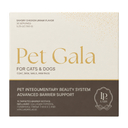
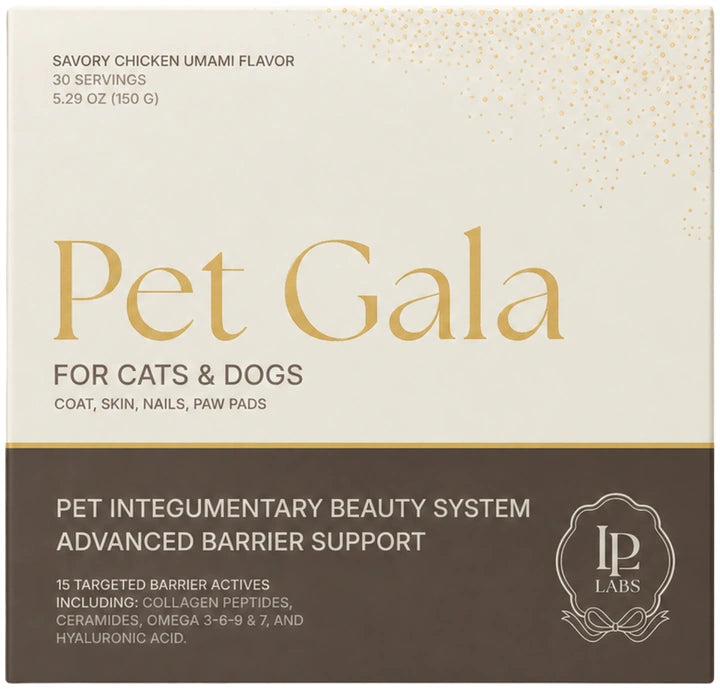
Pet Gala™ Skin & Coat Supplement for Dogs

Contains 20 mg L-Carnitine

From$43/moSave up to 47%Save up to 46%Shop Now
Contents

L-Carnitine for Dogs

Learn when L-carnitine helps fatigue, weight gain, and heart strain

L-carnitine is the molecule that shuttles fatty acids into a dog’s mitochondria so they can be burned for energy. When a dog’s demand for that fuel outpaces what the body makes and the diet supplies, you may see it as weight that won’t shift, a dog who tires early, or muscle that quietly fades — which is exactly why owners go looking for it. The honest framing: L-carnitine is a support nutrient, not a fix. Dogs make some themselves and get more from meat-based food, so the real question is whether extra would help your dog’s specific energy, weight, or body-composition goal.

This page covers what L-carnitine does, where the evidence is genuinely promising (energy use, body composition) and where it’s still evolving (heart), and how to handle dosing, quality, and safety without turning your dog’s routine into a project — because the care that lasts is the kind you can actually keep up.

  • What L-carnitine does: it carries fatty acids into mitochondria so dogs can use fat for energy [2] — the foundation for steadier everyday vitality.
  • Does it help weight loss? It supports fat metabolism, but weight change still depends mostly on calories and consistency; L-carnitine is a helper, not a substitute.
  • In dog food: many weight-management formulas add L-carnitine to support fat use during calorie control — a supportive ingredient, not the reason the diet works.
  • Heart conversations are nuanced: L-carnitine sits inside the broader DCM and diet-formulation discussion; veterinary oversight matters more than any single add-on.
  • Safety: most dogs tolerate it well, but digestive upset can happen — start low, give with food, and pause if anything seems off.
  • Choosing a product: look for disclosed amounts, third-party testing, and a format your dog will take consistently [1].

Why L-carnitine Conversations Often Start with What You Can See

L-carnitine’s job in a dog is specific: it shuttles long-chain fatty acids into mitochondria so they can be turned into usable energy [2]. That is the behind-the-scenes part. What owners actually notice is a dog who looks more comfortably active and less easily winded during ordinary play — the visible signal that the energy system is keeping up.

Because of that, an L-carnitine decision should never rest on one nutrient. Even when a dog’s food already supplies some carnitine, overall condition depends on the whole picture — diet quality, comfortable movement, and a coat and nails that match the care you put in. Many owners pair energy support with a best dog skin coat routine to cover the surface that food alone tends to miss, and watch dog nail growth as one of the slower-moving signs that overall care is working. Supplements are not cures, and anything tied to a health condition should be vet-guided.

See how cells make, use and recycle NAD+ in our NADome and NADomics guide.

Woman cuddling a golden retriever and a fluffy white dog while holding a Pet Gala box beside a food bowl

What L-carnitine Is, and Why Owners Keep Asking About It

L-carnitine is a naturally occurring compound involved in how the body handles fats for energy. Dogs can obtain it from animal-based ingredients in the diet, and they can also synthesize some internally. That’s why the question isn’t simply “Do dogs need it?” but “Would additional support fit my dog’s goals and current diet?”

For many owners, the real goal is a dog who looks and feels easy to care for: steady energy, comfortable movement, and a coat that holds a healthy sheen after brushing. When those signals are missing, people often explore targeted options like l-carnitine supplements for dogs. The best approach keeps expectations realistic and keeps your veterinarian in the loop—especially if weight, heart concerns, or medications are part of the story.

Woman holding a Pet Gala box beside a curly-coated brown dog outdoors

The Core Role in Energy Use, Without the Hype

The most cited role of L-carnitine is transporting long-chain fatty acids into mitochondria, where they can be used to produce energy. That’s a technical description, but the owner-facing translation is simple: it’s part of the system that helps a dog convert fuel into everyday vitality.

Because energy status touches everything from activity to appetite rhythm, it can indirectly influence grooming and appearance. A dog who feels comfortable is more likely to enjoy walks, maintain muscle tone, and show that “fresh” look owners recognize. This is signal logic: you’re not chasing lab numbers at home—you’re watching for a dog who looks vibrant, moves smoothly, and seems at ease in their skin.

Woman cuddling a Dalmatian while holding a Pet Gala box

Common Benefits Owners Seek, and What’s Realistic to Expect

When people talk about l-carnitine benefits for dogs, the conversation usually clusters around three themes: energy, weight management, and heart support. The science base is strongest for its foundational role in fat utilization for energy [4]. From there, the practical question becomes whether supplementation is appropriate for your dog’s diet and lifestyle.

It’s also important to separate “support” from “treatment.” Supplements can be part of a thoughtful routine, but they don’t replace diagnostics, prescription diets, or medical management. A good plan should make your dog’s day-to-day look better: steadier pep on walks, less puffing after stairs, and a coat that looks more polished because overall care is consistent.

Cream-colored dog resting on a person's lap beside a Pet Gala box and a food bowl

Everyday Energy: What to Watch for at Home

Some owners explore L-carnitine when their dog seems to have “less in the tank” than usual. In certain situations, L-carnitine supplementation has been linked with improved exercise performance and recovery, likely by supporting energy availability during activity. That doesn’t mean it will transform every dog; it means it may be one supportive piece when the basics—sleep, diet, conditioning—are already in place.

A useful way to evaluate change is to watch for visible, repeatable signals: eagerness to start a walk, ability to settle comfortably afterward, and a more consistent daily rhythm. If fatigue is sudden or severe, treat it as a medical question first. Supplements are for refinement, not for masking problems that deserve a veterinary exam.

“The most convincing progress is the kind you can see: easier movement, steadier energy, and a coat that looks freshly cared-for.”

Does L-Carnitine Help Dogs Lose Weight?

Does L-carnitine help dogs lose weight? It supports the machinery that burns fat for energy, but the weight itself still comes off through calories, satiety, and a plan you can keep — not through the supplement alone. Weight management in dogs is mostly about a controlled, vet-approved diet; L-carnitine is a possible helper layered on top, which is why many weight-control foods include it.

A realistic win looks like a dog who stays cheerful on a measured diet, holds muscle tone, and moves more easily — not a dramatic drop on the scale. Pair any L-carnitine with the habits that actually drive results: measured portions, gentle daily activity, and regular weigh-ins. When that routine is working, the coat often looks brighter too, because steady nutrition and visible condition tend to move together.

Hand lifting a sachet from an open Pet Gala box beside a dog's long golden coat

Heart Support: a Nuanced Conversation, Not a Shortcut

Heart-related interest in L-carnitine has a long history, and research continues to examine how nutrients and diet formulation relate to cardiac health. Some experimental work has explored L-carnitine in contexts involving heart rhythm changes during ischemic conditions, which underscores that this is a medically nuanced area—not a DIY project [5].

If your dog has murmurs, exercise intolerance, fainting episodes, or a diagnosed cardiac condition, involve your veterinarian before adding supplements. The goal is to support comfort and everyday presentation—calm breathing, willingness to move, and a dog who looks well-kept—while keeping medical management central. Supplements can be supportive, but they should never be positioned as a substitute for care.

Woman leaning toward a golden retriever in a kitchen while holding a Pet Gala box

What L-Carnitine in Dog Food Actually Does

When L-carnitine appears on a dog-food label, it is usually there to support fat metabolism during weight control — most often in “light,” “weight management,” or therapeutic formulas. It is a supportive ingredient, not the reason a good diet works; diet composition as a whole shapes health and even cardiac performance markers, which is the real takeaway: nutrients don’t act in isolation [3].

That is also why adding a separate L-carnitine supplement makes the most sense only when the base diet is already appropriate and consistent. A diet that agrees with your dog usually shows up as comfortable skin and a coat that holds its shine. If you’re troubleshooting, change one variable at a time and keep notes — that calm, observant approach makes it far easier to see what is genuinely helping.

Man cuddling two dogs while holding a Pet Gala box

Taurine, Diet Patterns, and Why Stacking Nutrients Gets Complicated

Some discussions pair L-carnitine with taurine, particularly in diet-related heart conversations. In healthy dogs on certain diet patterns, L-carnitine supplementation has been studied for its influence on taurine measures, alongside cardiac assessments [6]. The takeaway for owners is not to self-prescribe a “stack,” but to recognize that nutrient relationships can be complex.

If your veterinarian recommends lab work or a diet change, treat that as the foundation. Supplements can be layered thoughtfully, but only after the basics are stable. When the plan is right, you’ll often see it in the everyday: steadier energy, a more relaxed demeanor, and grooming that feels easier because your dog is comfortable.

How to Evaluate Quality When Choosing a Carnitine Product

If you’re comparing the best l-carnitine for dogs, start with quality signals rather than hype. Look for clear labeling (exact ingredient form, amount per serving, and lot tracking), third-party testing, and a company willing to share a certificate of analysis when asked [1]. Avoid blends that hide amounts behind “proprietary” language—especially if your dog is small, sensitive, or already on a therapeutic diet.

Next, match the format to your dog’s real life. Some dogs do best with a measured powder; others need a chew or capsule to keep the routine calm and consistent. The best l-carnitine supplement for dogs is the one you can give reliably, without turning mealtime into a negotiation. Consistency is what makes any visible change—like a more polished coat or steadier energy—feel trustworthy.

“Supplements should refine a good routine, not rescue a shaky one.”

Woman in a white coat sitting with a pug while holding a Pet Gala box

DVM Voice: Clinical Vignette of When Skin Changes Point Deeper Than the Surface

Case contributed by Sarah Calvin, DVM

Rosey, a 10-year-old Shih Tzu, was brought in after two weeks of paw redness and head shaking. Her owner had also noticed lower energy, thinning abdominal hair, and mild generalized itchiness over the previous few months.

Examination showed inflammation in the ears, skin folds, and paws. Testing confirmed mixed yeast and bacterial infections, while parasites and fungal disease were ruled out. Because Rosey’s skin changes appeared alongside reduced energy and coat thinning, her veterinarian performed a broader workup, which revealed hypothyroidism as a likely underlying contributor.

Her care required a staged approach: treating the infections, addressing the thyroid imbalance, and then restoring the skin barrier through diet, bathing support, paw care, and omega-3 supplementation.

Six months later, Rosey’s owner reported a thicker coat, fewer tangles, less breakage, no itch, and restored energy.

Clinical takeaway: Rosey’s case shows why skin and coat changes should not be treated as cosmetic alone. Healthy skin depends on immune balance, endocrine health, nutrition, barrier integrity, and daily support for resilient coat growth.

Single-case vignette. Not generalizable. Veterinary diagnosis and oversight are essential for itching, redness, ear irritation, hair thinning, recurrent infections, or suspected endocrine disease.

Explore Pet Gala Research →
Woman smiling beside a chocolate-brown dog while holding a Pet Gala box

Powder, Chew, or Capsule: Picking the Format Your Dog Accepts

L-carnitine powder for dogs can be convenient because it’s easy to mix into food and adjust with your veterinarian’s guidance. The tradeoff is precision: powders require careful measuring, and some dogs notice taste changes. If your dog is a “detective” at the bowl, a flavored topper or mixing into a small portion first can keep the experience smooth.

Capsules and chews simplify dosing consistency, but you still want transparency about what else is included—sweeteners, binders, and extra botanicals can matter for sensitive stomachs or dogs with dietary restrictions. Whichever format you choose, aim for a routine that supports visible care: comfortable skin, a coat that looks freshly brushed, and nails that stay strong through normal activity.

Hand petting a brown dog beside a Pet Gala box and a bowl of food

Dosing Decisions Belong in a Vet-guided, Dog-specific Plan

Owners often ask about l-carnitine dosage for dogs, hoping for a simple number. The more responsible answer is: dosing should be individualized by a veterinarian, based on diet, body size, health status, and the goal you’re targeting [4]. This is especially true if the conversation is connected to heart concerns, where diet composition and overall formulation matter as much as any single add-on [3].

In practical terms, bring three things to your vet: the exact product label, your dog’s current food (brand and formula), and a short note on what you’re seeing—energy dips, exercise tolerance, or weight-management challenges. That context helps your veterinarian decide whether an l-carnitine supplement for dogs fits, and how to use it without crowding out the fundamentals that show up in coat quality and skin comfort.

German shepherd raising a paw beside a Pet Gala box on a small table

Safety, Side Effects, and When to Pause and Reassess

L-carnitine is generally considered safe for dogs when used appropriately, with relatively few reported adverse effects [2]. Still, “safe” doesn’t mean “automatic.” The most common issues owners notice are digestive—looser stool, mild nausea, or food refusal—often tied to dose, format, or sudden introduction. Starting slowly (with your vet’s approval) and giving with food can make the routine gentler.

Extra caution is warranted if your dog has complex medical needs or is taking medications. There are contexts where L-carnitine is discussed alongside drug-related toxicity considerations, which is exactly why your veterinarian should be part of the decision [7]. If anything feels “off”—new lethargy, vomiting, or behavior changes—pause and check in. Visible wellbeing should look calm and steady, not edgy or unsettled.

Heart Context: Keep the Focus on Diet, Oversight, and Comfort

Heart health is one of the reasons l-carnitine supplements for dogs come up in conversation, but it’s important to keep the framing accurate. Research continues to explore how diet ingredients and nutrients relate to canine dilated cardiomyopathy (DCM), and L-carnitine is part of that broader discussion—not a standalone solution [4]. Diet composition and overall formulation can influence cardiac performance markers in healthy dogs, which reinforces the value of a whole-diet view [3].

If your dog has a diagnosed heart condition or a breed predisposition, treat supplementation as a coordinated plan with your veterinarian or cardiologist. The goal is to support daily comfort and presentation—easy breathing at rest, willingness to move, and a dog who looks well-kept—without drifting into promises that supplements can’t make.

Weight Goals: Support the Routine That Makes Progress Look Real

Weight management is another common reason owners look into l-carnitine for dogs. Because L-carnitine is involved in using fatty acids for energy, it’s often discussed alongside exercise routines and calorie control [2]. The visible “win” isn’t a dramatic overnight change—it’s a dog who moves more comfortably, recovers more smoothly after play, and seems less frustrated by a structured feeding plan. (see our Dog Calorie Calculator →)

The most satisfying results usually come from pairing a vet-approved nutrition plan with consistent, low-drama activity: sniff walks, short fetch sessions, gentle hills, and regular weigh-ins. Supplements can be supportive, but they can’t outshine a mismatched diet. When the plan is right, you often see it in the coat too—less dullness, more natural sheen—because overall nutrition and daily care tend to show up together.

Man leaning toward a golden retriever while holding a Pet Gala box beside a food bowl

Stamina and Recovery: Tracking the Everyday Signals That Matter

Owners sometimes ask whether L-carnitine can support stamina. In dogs, supplementation has been associated with improved exercise performance and recovery in certain contexts, likely by supporting energy availability during activity. The most meaningful interpretation is modest: it may help some dogs feel a bit more “ready” for their normal routine, especially when paired with conditioning and appropriate nutrition.

If your dog is an athlete—agility, dock diving, long hikes—focus on what you can observe and track: willingness to start, recovery time, hydration habits, and coat condition under training stress. If you notice a sudden drop in performance, don’t assume it’s a supplement issue; it can be pain, heat intolerance, or illness. A good plan keeps your dog looking vibrant and feeling comfortable, not pushed.

Brown-and-white dog raising a paw beside a Pet Gala box held in a person's hand

Coat and Skin Signals: Where Energy Support Meets Visible Care

Because this page lives in a beauty and coat-care context, it’s worth saying plainly: L-carnitine isn’t a “coat vitamin.” But energy balance, diet quality, and comfortable movement influence grooming behaviors and the way a dog carries themselves—signals owners read as healthy and well-kept. When a dog feels good, they tend to move more, engage more, and tolerate brushing and bathing with less fuss.

Skin and coat appearance are also shaped by broader nutrition and barrier support, not single ingredients [8]. That’s why a holistic product can still make sense even if you’re exploring an l-carnitine supplement for dogs separately: you’re supporting the visible surface—softness, shine, and comfortable skin—where daily care shows up. Think of it as reinforcing the look of wellbeing, not chasing a single lever.

Why a Beauty-first Daily Supplement Still Makes Sense Here

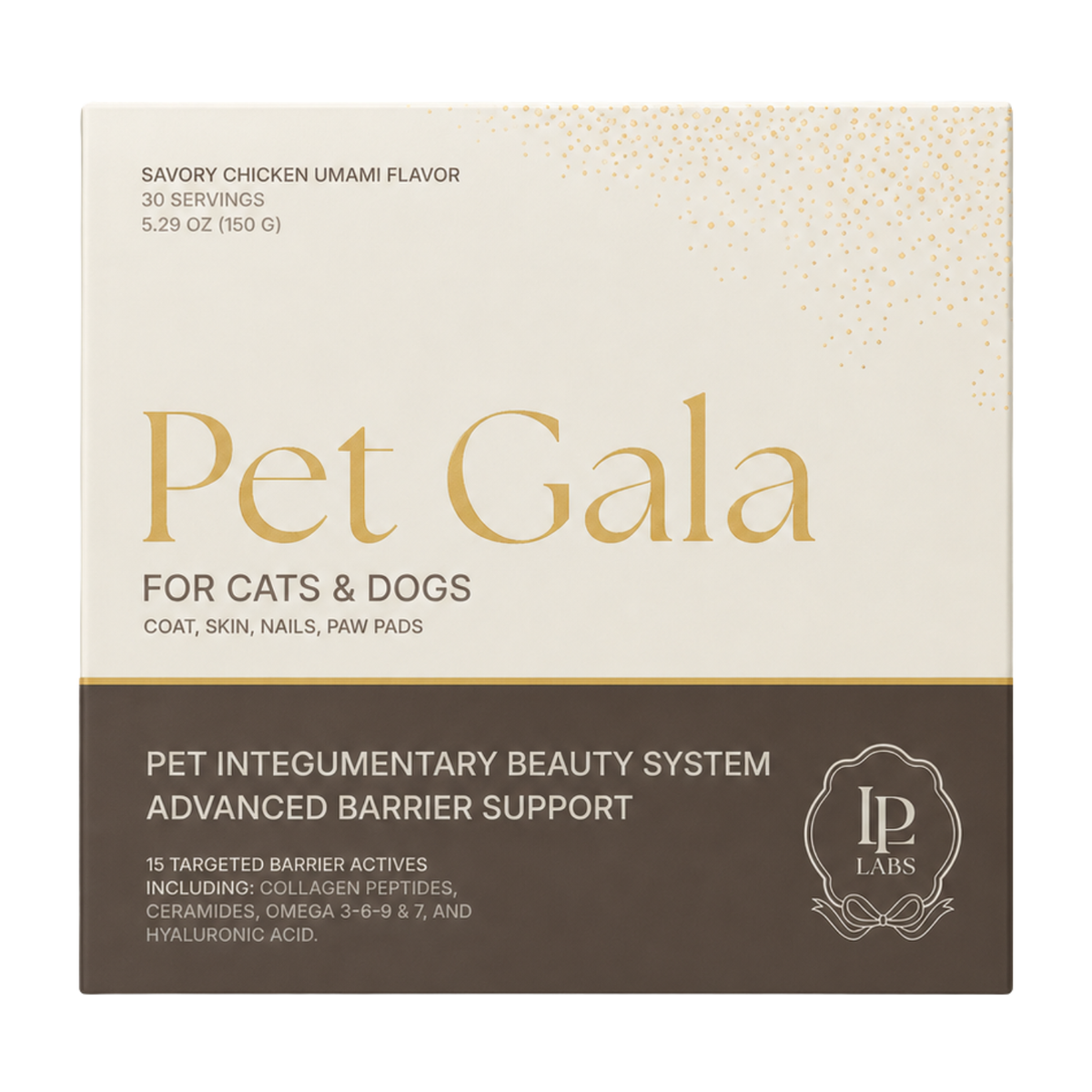
Here’s the honest label-literacy point: L-carnitine is one supporting nutrient, so a daily skin-and-coat formula that already includes it can do double duty. Pet Gala™ is built mainly around the visible barrier — marine collagen, ceramides, hyaluronic acid, biotin — and it also carries L-carnitine at a disclosed 20 mg per sachet for metabolic and body-composition support, with every active printed in milligrams rather than hidden in a proprietary blend.

If you’re using L-carnitine as part of a vet-guided energy or weight plan, keep the rest of the routine aimed at what you can see: comfortable skin, a coat that holds its shine, and nails that stay strong through normal life. That’s reassurance you can actually watch for, without overpromising what any single ingredient can do. Explore Pet Gala™ →

“Quality is a signal too: transparent labels, testing, and a format your dog accepts calmly.”

Educational content only. This material is not a substitute for veterinary advice. Always consult your veterinarian about your dog’s specific needs. These statements have not been evaluated by the Food and Drug Administration. Products mentioned are not intended to diagnose, treat, cure, or prevent any disease.

Glossary

  • L-Carnitine: A compound involved in transporting fatty acids for energy use in the body.
  • Fatty Acids: Components of fats that can be used as an energy source, depending on diet and activity.
  • Mitochondria: Cell structures where energy is produced; often described as the cell’s energy centers.
  • Exercise Tolerance: How comfortably a dog can sustain normal activity without excessive fatigue.
  • Recovery: The return to normal breathing, energy, and comfort after activity or exertion.
  • Body Condition Score (BCS): A hands-on and visual assessment vets use to estimate healthy body fat levels.
  • Diet Formulation: The overall nutrient balance and ingredient design of a food, beyond single nutrients.
  • Third-Party Testing: Independent lab verification that a supplement contains what the label claims.
  • Certificate of Analysis (COA): A document showing lab results for identity, purity, and/or potency of a batch.
  • Integumentary System: The skin, coat, and nails—visible tissues that reflect daily care and comfort.

Related Reading

References

Numbered references identify the sources used for specific claims. Read the study design, species and evidence boundaries alongside each finding.

  1. Mansilla WD, Fortener L, Templeman JR, et al. Adult dogs of different breed sizes have similar threonine requirements as determined by the indicator amino acid oxidation technique. Journal of animal science · 2020· DOI 10.1093/jas/skaa066Study design/context: not-stated-in-titleSpecies/context: dogEvidence boundary: The species/context tag is inferred only from the source title; the actual study population and claim-level relevance still depend on the full methods and outcomes.↩ 1 · ↩ 2
  2. Tanprasertsuk J, Tate DE, Shmalberg J. Roles of plant-based ingredients and phytonutrients in canine nutrition and health. Journal of animal physiology and animal nutrition · 2022· DOI 10.1111/jpn.13626Study design/context: not-stated-in-titleSpecies/context: dogEvidence boundary: The species/context tag is inferred only from the source title; the actual study population and claim-level relevance still depend on the full methods and outcomes.↩ 1 · ↩ 2 · ↩ 3 · ↩ 4
  3. Morris EM, Stiers CA, Hancock LB, et al. Different carbohydrate sources in dog foods supported overall health and cardiac function: an 18-mo prospective study in healthy adult dogs. Journal of animal science · 2025· DOI 10.1093/jas/skaf225Study design/context: prospective studySpecies/context: dogEvidence boundary: The species/context tag is inferred only from the source title; the actual study population and claim-level relevance still depend on the full methods and outcomes.↩ 1 · ↩ 2 · ↩ 3
  4. Mansilla WD, Marinangeli CPF, Ekenstedt KJ, et al. Special topic: The association between pulse ingredients and canine dilated cardiomyopathy: addressing the knowledge gaps before establishing causation. Journal of animal science · 2019· DOI 10.1093/jas/sky488Study design/context: not-stated-in-titleSpecies/context: dogEvidence boundary: The species/context tag is inferred only from the source title; the actual study population and claim-level relevance still depend on the full methods and outcomes.↩ 1 · ↩ 2 · ↩ 3
  5. Suzuki Y, Kamikawa T, Yamazaki N. Effects of L-carnitine on ventricular arrhythmias in dogs with acute myocardial ischemia and a supplement of excess free fatty acids. Japanese circulation journal · 1981· DOI 10.1253/jcj.45.552Study design/context: not-stated-in-titleSpecies/context: dogEvidence boundary: The species/context tag is inferred only from the source title; the actual study population and claim-level relevance still depend on the full methods and outcomes.↩
  6. Sanderson SL, Gross KL, Ogburn PN, et al. Effects of dietary fat and L-carnitine on plasma and whole blood taurine concentrations and cardiac function in healthy dogs fed protein-restricted diets. American journal of veterinary research · 2001· DOI 10.2460/ajvr.2001.62.1616Study design/context: not-stated-in-titleSpecies/context: dogEvidence boundary: The species/context tag is inferred only from the source title; the actual study population and claim-level relevance still depend on the full methods and outcomes.↩
  7. Gziut T, Thanacoody R. L-carnitine for valproic acid-induced toxicity. British journal of clinical pharmacology · 2025· DOI 10.1111/bcp.16233Study design/context: not-stated-in-titleSpecies/context: not-stated-in-titleEvidence boundary: The species or study context is not established by the title; consult the full source before applying it to an individual pet.↩
  8. Abd Elkader HAE, Hussein MM, Mohammed NA, et al. The protective role of L-carnitine on oxidative stress, neurotransmitter perturbations, astrogliosis, and apoptosis induced by thiamethoxam in the brains of male rats. Naunyn-Schmiedeberg's archives of pharmacology · 2024· DOI 10.1007/s00210-023-02887-7Study design/context: not-stated-in-titleSpecies/context: rodentEvidence boundary: The title names cross-species or non-pet context (rodent); title-level classification does not establish efficacy, dosing, safety, or the actual study population in dogs.↩

FAQ

What is l-carnitine for dogs used for?

L-carnitine for dogs is commonly discussed for supporting energy use, weight-management plans, and vet-guided heart nutrition conversations. Its core role is helping the body use fatty acids for energy. For many owners, the practical goal is visible: steadier pep on walks, smoother recovery after play, and a dog who looks well-kept.

Is l-carnitine for dogs safe for daily use?

In general, L-carnitine is considered safe for dogs when used appropriately, with few reported adverse effects. Individual tolerance varies, and sensitive stomachs may react to sudden changes. Daily use is best treated as a vet-guided decision, especially if your dog has medical conditions or takes medications.

What side effects can l-carnitine cause in dogs?

Most side effects owners report are digestive, such as loose stool, mild nausea, or reduced appetite, particularly if introduced too quickly. These effects are often dose- or format-related. If you notice vomiting, marked lethargy, or behavior changes, pause and contact your veterinarian.

What is the right l-carnitine dosage for dogs?

The right l-carnitine dosage for dogs depends on your dog’s size, diet, health status, and the reason you’re using it, so it should be set by a veterinarian rather than a generic chart. This matters even more when heart or weight concerns are part of the picture, where the whole diet can influence outcomes.

Can l-carnitine help dogs lose weight safely?

L-carnitine is involved in fat utilization for energy, so it’s sometimes included in weight-management discussions. But safe weight loss still relies on calorie control, satiety, and consistent activity. If you use it, treat it as supportive—something that complements a vet-approved plan rather than replacing it.

Do certain breeds benefit more from l-carnitine supplements?

Breed can influence risk factors and typical activity levels, but it doesn’t automatically determine whether supplementation is useful. The decision should be based on diet, body condition, and veterinary assessment. If your breed is predisposed to heart concerns, keep the focus on professional guidance and complete diet formulation rather than self-prescribing.

Should I choose l-carnitine powder for dogs or chews?

Powders can be flexible and easy to mix, while chews can be simpler for routine consistency. The best choice is the one your dog will take reliably, with transparent labeling and testing. If your dog has a sensitive stomach, introduce any new format slowly and watch stool quality.

How soon can I see results after starting l-carnitine?

Timelines vary with the goal and the dog. Some owners notice small shifts in everyday energy or recovery first, while weight-related changes depend mostly on the full diet and activity plan. Track visible, repeatable signals: willingness to move, comfort after play, and appetite rhythm.

Black-and-white dog between a bowl of food and a Pet Gala box held in a person's hands

Discover LPL-01: How This Fits Into a Complete Canine Integumentary Support System

Skin, coat, and nails aren’t cosmetic features. They’re the visible surface of deeper biological systems—barrier function, hydration balance, structural protein turnover, and lipid integrity—working in concert.

When these systems fall out of sync, it shows: dull coat, shedding, dryness, brittleness, sensitivity.

This article explores one piece of that puzzle. If you want to understand how true coat quality and skin resilience are built—and what actually moves the needle—you need to zoom out.

Start with the underlying science:

Keep exploring

What would you like to understand next?

Search practical guides about skin, coat, barrier health, ingredients, and daily care for dogs.