Cavalier King Charles Shedding

Identify Abnormal Shedding Triggers and Rebuild a Healthier Coat with Practical Steps

Essential Summary

Why is it important to manage shedding in Cavalier King Charles dogs?

Cavalier King Charles shedding is typically moderate, with seasonal increases and more noticeable hair on fabrics. A consistent brush routine, gentle bathing with thorough drying, and attention to feathering tangles can keep loose hair mostly in the brush instead of on your home. If shedding changes suddenly or skin looks irritated, check in with your veterinarian.

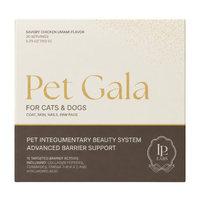
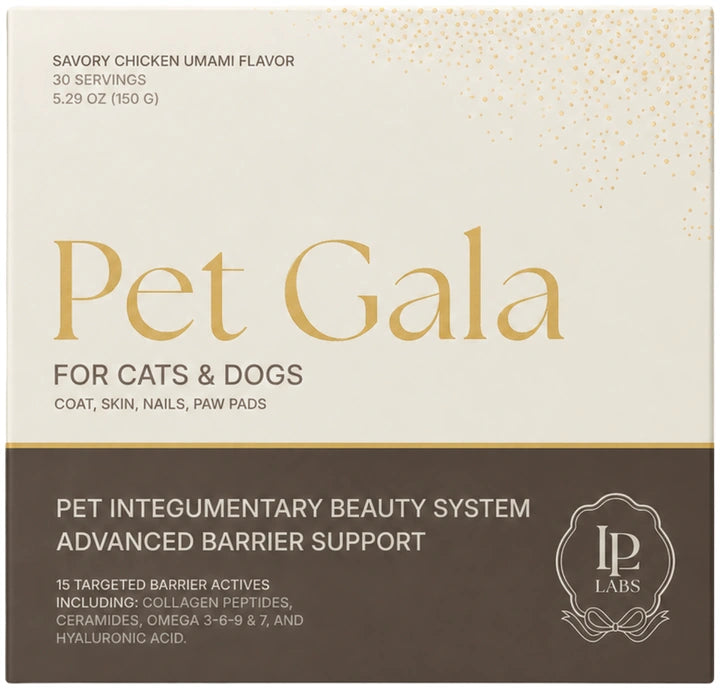
Pet Gala™ is daily skin, coat, and nail support for owners who want the difference to show: a smoother feel, a healthier sheen, and a coat that looks freshly cared for between grooming sessions. It complements brushing and bathing by supporting the visible finish you’re trying to maintain—so shedding feels less messy, even when it’s normal.

Living with a Cavalier means living with softness—on your lap, on your sleeves, and sometimes on your black pants. Cavalier King Charles shedding is normal for the breed, and it often shows up as fine hair that clings to fabric more than it piles up on the floor. That’s why the question “do Cavalier King Charles shed a lot” can feel emotionally loaded: you’re not only asking about cleanup, you’re asking whether your dog can look as polished as they feel in your arms.

The most reassuring truth is also the most practical one: shedding is easier to live with when coat care is consistent and gentle. Regular grooming can help manage shedding and support a healthier-looking coat. A few minutes of brushing, a comb check for feathering tangles, and a bathing routine that includes thorough drying can keep loose hair mostly where it belongs—captured in the brush, not scattered across your home.

And if you’re a careful, science-minded owner, here’s the commercial clarity: even with great food and great grooming, coat presentation can still vary. A beauty-forward supplement earns its place when it supports the visible signals you care about—shine, softness, and a coat that stays neat between grooming sessions—so normal shedding feels less messy. That’s the role of Pet Gala™: not a replacement for brushing, but daily support for the skin, coat, and nails that show your care in the mirror.

By La Petite Labs Editorial, ~15 min read

Featured Product:

  • Most Cavaliers shed year-round, with predictable seasonal spikes; consistency matters more than intensity.
  • Silky hair clings to fabrics, so “moderate shedding” can still look dramatic on clothing and upholstery.
  • A soft slicker plus a metal comb is the core toolkit for removing loose hair without roughing feathering.
  • Baths help most when paired with thorough drying and a brush-out that captures loosened hair.
  • Feathering tangles create breakage that mimics heavy shedding; neatness reduces visible mess.
  • Sudden shedding changes, redness, odor, or bald spots deserve a veterinary check for skin comfort.
  • A beauty-forward supplement supports coat presentation so grooming results look better, longer.

Why Cavaliers Leave Hair Behind, Even with Excellent Care

Cavalier King Charles shedding is usually a “little, often” pattern: fine hairs on sweaters, car seats, and the corners of rugs, with seasonal spikes when the undercoat loosens. The good news is that most of what you see day to day is manageable when you treat coat care like a small, consistent ritual rather than an occasional overhaul. Regular grooming helps keep loose hair from migrating through the house and supports a healthier-looking coat overall (Parker, 2012).

Owners often ask, do Cavalier King Charles shed a lot? Compared with many double-coated breeds, Cavaliers can feel moderate—yet their silky feathering makes shed hair more noticeable on fabrics. The goal isn’t “zero hair.” It’s a polished, cared-for look: less tumbleweed, fewer tangles, and a coat that lies smooth and glossy when you run your hand along the back.

Scientific beauty render emphasizing skin and coat support from best products for cavalier king charles shedding.

What Normal Shedding Looks Like in a Silky, Feathered Coat

A Cavalier’s coat is designed to move: soft, feathered, and naturally airy. That elegance comes with routine shedding, because hairs cycle out and new ones grow in. The practical question isn’t whether shedding happens—it’s whether it stays invisible enough that your home and your dog still feel “well kept.” Shedding in Cavaliers can vary based on individual health and grooming practices.

Most owners notice three shedding “zones.” First, fine hair on clothing after cuddles. Second, feathering that drops longer strands near beds and corners. Third, seasonal periods where brushing suddenly fills the brush. When you understand these zones, you can match the right tool and timing to each one, instead of over-brushing the whole dog and still feeling like you’re losing the battle.

Collagen close-up symbolizing beauty at the cellular level via best ways to reduce cavalier king charles shedding.

How Much Do Cavaliers Shed, and Why It Feels Like More

So, how much do Cavalier King Charles shed in real life? Many families describe it as moderate: you’ll find hair, but you won’t usually be dealing with dense “coat explosions” like some heavy double-coated breeds. Still, the texture matters. Cavalier hair is light and silky, which makes it cling to knits and upholstery. That can make shedding feel heavier than it is.

A helpful way to judge your baseline is to brush for five minutes and look at what you collect. If the brush fills quickly every day, you’re likely in a seasonal shed or dealing with tangles that are breaking hair. If the brush collects a small amount but your couch is covered, your issue is usually distribution—where your dog lounges, how fabrics hold hair, and whether loose hair is being removed before it falls.

Beauty formulation visualization tied to support mechanisms in cavalier king charles shedding solutions.

Why Shedding Is a Visible Signal of Coat Condition

Why does Cavalier King Charles shedding matter beyond housekeeping? Because shedding is often the first visible signal that something in the coat routine is off. A coat that’s too dry can look frizzy and “snow” hair. A coat that’s too oily can separate and trap loose hair until it releases in clumps. And a coat that’s tangled will break, creating short hairs that travel everywhere.

When the coat is in a good place, you notice it immediately: feathering lies flat, the back has a healthy sheen, and petting doesn’t leave your hand covered. That’s the beauty logic of shedding care—less about fighting biology, more about keeping the visible finish smooth, comfortable, and easy to live with.

Dog looking radiant, symbolizing beauty and care supported by do cavalier king charles shed a lot.

Brushing Basics for Cavalier King Charles Shed Hair Management

Brushing is the centerpiece of Cavalier King Charles shed hair management. Regular grooming helps manage shedding and supports coat health. For most Cavaliers, a soft slicker brush removes surface loose hair, while a metal comb confirms you’ve reached the undercoat and feathering without leaving hidden tangles. The best routine is the one your dog tolerates happily—because consistency beats intensity.

Aim for gentle, even strokes, and spend extra time where friction happens: harness lines, behind ears, and under the collar. If your Cavalier is sensitive, start with a few strokes, reward calmness, and build up. A calm brush session reads as care, not correction—and that emotional ease often makes the coat look better too, because you’re not rushing or pulling.

The scratching is completely gone, his coat looks healthy and shiny!

— Lena

He was struggling with itching, now he's glowing.

— Grace

“The goal isn’t zero hair—it’s a coat that looks smooth, soft, and intentionally cared for.”

Small Timing Changes That Make Shedding Easier to Control

If you want Cavalier King Charles shedding tips that feel immediately useful, start with timing. Brush before baths, after outdoor play, and before guests arrive. Those are the moments when loose hair is most likely to show up on your floors and clothing. Keep sessions short enough that your dog stays relaxed; a stressed dog wriggles, and you miss the areas that matter.

Also, brush in good light. Shedding is easier to manage when you can see the direction of coat growth and spot small tangles early. If you only brush “when it looks bad,” you’ll always be catching up. If you brush when it looks fine, you keep the coat in that fine state—smooth, soft, and presentable without effort.

Dog portrait symbolizing beauty and wellness support from cavalier king charles shedding solutions.

Food, Hydration, and the Difference Between Hair Loss and Finish

Diet and hydration influence how the coat presents, but the visible outcome varies (see: Dog Skin Care). Two Cavaliers can eat similar high-quality food and still differ in shine, softness, and how “floaty” the coat feels. That’s why owners often explore best ways to reduce Cavalier King Charles shedding that combine grooming with daily support for skin comfort and coat finish.

Think of it like fabric care: you can lint-roll a sweater, but the sweater also needs to be in good condition to look crisp. When your Cavalier’s coat is supple and well-conditioned, loose hair tends to release during brushing instead of breaking off and scattering. That’s the difference between “hair everywhere” and “hair mostly in the brush.”

Dog in profile against soft background, showing coat health with best ways to reduce cavalier king charles shedding.

Friction, Stress, and Environment: Hidden Drivers of Visible Mess

Stress, friction, and environment can all make shedding feel worse. Dry indoor air can increase static, which makes hair cling to upholstery. Rough play in burrs or tall grass can create micro-tangles that later look like heavy shedding. Even a poorly fitted harness can rub the coat and create a “shedding stripe” along the chest.

If you want Cavalier King Charles shedding solutions that don’t require major lifestyle changes, adjust the small points of contact: rotate harness styles, rinse after beach days, and keep feathering trimmed to a length that stays neat. You’re not changing your dog—you’re keeping the coat from getting roughed up, so it stays smooth and visually calm.

Ingredient showcase image explaining core beauty components and support from cavalier king charles shedding solutions.

Trims, Myths, and Why Shaving Rarely Solves the Problem

A common misconception is that shaving reduces shedding. For Cavaliers, shaving can change how the coat looks and feels, and it doesn’t eliminate the hair cycle. Instead, focus on controlled removal: brushing, bathing with proper dry-out, and keeping feathering free of mats. Regular grooming can help manage shedding and promote a healthier coat appearance (related: Best Skin & Coat Supplements for Dogs).

If you prefer a tidier outline, ask a groomer for a light “neaten” rather than a drastic cut—feet, hocks, and sanitary areas. This keeps the silhouette polished while preserving the breed’s signature softness. The result is often less visible mess at home, not because the dog sheds less, but because hair doesn’t get trapped and released unpredictably.

Best Products and Tools That Make Shedding Feel Less Visible

If you’re comparing best products for Cavalier King Charles shedding, think in categories: tools that remove loose hair, products that keep the coat slip-soft, and household items that keep hair from “setting” into textiles. For brushing, a soft slicker plus a stainless steel comb handles most coats without roughing up feathering. A gentle, dog-specific shampoo and conditioner can improve how the coat lays and reduce static that makes hair cling.

For the home, a rubber broom for rugs, washable throws for favorite nap spots, and a vacuum with a brush-roll shutoff can change your weekly baseline. If you use a deshedding tool, choose one designed for longer coats and use it lightly; the goal is to lift loose undercoat, not thin the topcoat. When you build a small kit you actually enjoy using, Cavalier King Charles shed hair management becomes routine rather than reactive.

“When feathering stays tangle-free, shedding looks calmer because less hair breaks and drifts.”

Lab coat visual symbolizing disciplined formulation supporting cavalier king charles shedding solutions.

Daily Support That Helps the Coat Look Polished Between Grooms

Nutrition shows up in the mirror. Even when a diet is “complete,” the visible finish—shine, softness, and how easily the coat releases loose hair—can vary from dog to dog. That’s why many owners look for Cavalier King Charles shedding solutions that support skin comfort and coat presentation, not just calories. When the skin feels comfortable and the coat has a healthy sheen, you often notice less breakage and fewer dull, flyaway sections.

This is also where a beauty-forward supplement can make sense for a careful, science-minded owner: it’s not about replacing a single nutrient that “should already be in food,” but about supporting the everyday signals you can see—coat luster, smoothness, and a well-kept look that holds up between baths (see: The Best Coat Growth Supplements for Dogs). If shedding feels visually messy, improving coat quality can make the same amount of hair look far less chaotic.

Shop Now
Ingredient still life illustrating clean formulation principles for cavalier king charles shedding solutions.

Seasonal Spikes: What Changes, What Stays Normal, What Doesn’t

Seasonal changes are real. Many Cavaliers shed more in spring and fall as daylight and temperature shift, and the undercoat loosens. Shedding can also vary with grooming frequency and overall health (Parker, 2012). If you’re wondering how much do Cavalier King Charles shed, the most accurate answer is: it depends on the individual coat, the home environment, and how consistently loose hair is removed before it drops.

During heavier weeks, shorten the interval between brush sessions rather than brushing aggressively. A five-minute pass more often is kinder to the coat than a long, forceful session that creates frizz. If you track shedding like you track laundry—small, steady maintenance—you’ll feel less “surprised” by seasonal spikes and more in control of the look and feel of your dog’s coat.

Shop Now
Home scene with woman and dog featuring Pet Gala and cavalier king charles shedding tips.

Bathing and Drying That Capture Loose Hair Before It Drops

Bathing can help, but only when it’s paired with thorough drying and a brush-out. A bath loosens hair that was ready to release; if it isn’t removed during drying and combing, it simply relocates to your couch later. Use lukewarm water, a gentle shampoo, and a light conditioner to keep feathering smooth. Avoid heavy oils that leave residue—residue attracts dust, and dust makes coats look dull.

After the bath, towel-blot (don’t rub), then dry while brushing in the direction of coat growth. This is one of the best ways to reduce Cavalier King Charles shedding in the week that follows because you’re removing loosened hair at the moment it’s easiest to lift. If your Cavalier’s skin seems itchy or the coat feels greasy soon after bathing, that’s a sign to reassess products and frequency.

Shop Now

When Shedding Signals a Skin Issue Worth a Vet Visit

Some shedding is normal; sudden change is information. If you notice bald patches, redness, a strong odor, scabs, or intense scratching, it’s time to check in with your veterinarian. Changes in coat and shedding can be influenced by health status and grooming practices, and a professional exam helps separate “seasonal shed” from a skin issue that needs targeted care (Mansilla WD, 2020).

Also pay attention to the pattern: is hair coming out evenly, or in clumps? Is the coat thinning along the back, or mostly feathering tangles breaking off? When you can describe what you see—texture, distribution, and timing—you make it easier to get the right support quickly, and you avoid chasing random fixes that don’t match the real cause.

Feathering Focus: Ears, Legs, and the Places Hair Breaks First

Feathering is where Cavaliers look most “finished,” and also where shedding looks messiest when it tangles. Focus on ears, chest, belly, and the backs of legs. Use a comb to find small knots early; a slicker can then smooth the surface without yanking. If you hit resistance, pause and work from the ends toward the skin. The goal is comfort and polish, not speed.

A small spritz of a dog-safe detangling spray can reduce breakage, which matters because broken hairs mimic heavy shedding on dark clothing. Keeping feathering neat also reduces the amount of hair that gets carried around the house on paws and pant legs. This is one of the most overlooked Cavalier King Charles shedding tips because it’s more about preventing “coat chaos” than removing hair.

Visual breakdown contrasting competitors and quality standards in do cavalier king charles shed a lot.

Home Habits That Keep Fabrics Cleaner Without Constant Vacuuming

Your home setup can do half the work. Put a washable throw on the favorite chair, keep a lint roller where you actually use it, and choose a brush station near the door so a quick pass happens naturally before car rides. If you have hard floors, a microfiber dry mop between vacuum days keeps hair from gathering into visible lines along baseboards.

For fabrics, wash pet blankets separately and consider a short tumble with dryer balls before washing to loosen hair. These are practical Cavalier King Charles shedding solutions because they reduce the “background noise” of hair in your space. When the environment stays tidy, the coat looks tidier too—less static, less dust, and a cleaner overall presentation.

Shop Now
Open box with Pet Gala inside, reinforcing how much do cavalier king charles shed premium cues.

A Weekly Rhythm That Keeps Your Cavalier Looking Fresh

A simple weekly rhythm keeps shedding from becoming a project. Pick two short brush sessions during the week, one longer session on the weekend, and a bath cadence that matches your dog’s lifestyle. Regular grooming can help manage shedding and support a healthier coat appearance (Parker, 2012). If you’re consistent, you’ll notice the coat stays smoother, and the amount of hair you see on your clothes becomes more predictable.

If you want the “freshly groomed” look to last, pair grooming with daily skin-and-coat support (related: Collagen for Dogs). That’s the commercial reality for many owners: brushing removes what’s already loose, while supportive care helps the coat look better between brush-outs. The combination is what creates that calm, well-kept finish people associate with a Cavalier at their best.

Shop Now

Putting It Together: Choose the Levers That Match Your Life

If you’re deciding what to do next, choose the lever that matches your biggest annoyance. If hair is everywhere, increase brush frequency and upgrade your home tools. If the coat looks dull or frizzy, refine bathing and conditioning. If the skin seems sensitive, simplify products and talk with your vet. And if you want the coat to look consistently polished—soft, glossy, and easy to maintain—consider adding a daily supplement designed for visible skin, coat, and nail support (see: Best Supplement for Dog Nails).

The best ways to reduce Cavalier King Charles shedding are rarely dramatic; they’re the small choices that keep the coat in a state you’re proud to touch and proud to see. When care shows up in the shine, the whole experience of living with a Cavalier feels lighter—less cleanup, more closeness, and a dog who looks as cherished as they are.

“Brushing removes today’s loose hair; daily coat support helps tomorrow’s finish look better.”

Educational content only. This material is not a substitute for veterinary advice. Always consult your veterinarian about your dog’s specific needs. These statements have not been evaluated by the Food and Drug Administration. Products mentioned are not intended to diagnose, treat, cure, or prevent any disease.

Glossary

  • Undercoat: The softer layer of hair that loosens seasonally and contributes to shedding volume.
  • Topcoat: The longer, silkier outer hairs that create the Cavalier’s smooth, glossy look.
  • Feathering: Longer hair on ears, chest, belly, and legs that tangles easily and can break.
  • Coat Cycle: The natural pattern of hair growth and release that causes normal shedding.
  • Breakage: Short, snapped hairs from tangles or friction that can mimic heavy shedding.
  • Mat: A tight tangle close to the skin that traps loose hair and can cause discomfort.
  • Slicker Brush: A brush with fine angled pins used to lift loose hair and smooth the coat.
  • Metal Comb: A grooming comb used to detect and remove small tangles, especially in feathering.
  • Static: Electrical charge that makes hair cling to fabrics, often worse in dry indoor air.

Related Reading

References

Parker. Myxomatous mitral valve disease in dogs: Does size matter?. 2012. https://www.sciencedirect.com/topics/biochemistry-genetics-and-molecular-biology/cavalier-king-charles-spaniel

Ahmed. Bioaccumulation of heavy metals in some commercially important fishes from a tropical river estuary suggests higher potential health risk in children than adults.. Nature. 2019. https://www.nature.com/articles/s41598-021-00467-4

German K. Exploratory analysis of nutrient composition of adult and senior dog diets.. PubMed Central. 2025. https://pmc.ncbi.nlm.nih.gov/articles/PMC12757753/

Mansilla WD. Adult dogs of different breed sizes have similar threonine requirements as determined by the indicator amino acid oxidation technique.. PubMed Central. 2020. https://pmc.ncbi.nlm.nih.gov/articles/PMC7085255/

FAQ

Do Cavaliers shed year-round or only in certain seasons?

Most Cavaliers shed year-round, with heavier periods when the undercoat loosens in spring and fall. The pattern often feels like “a little, often,” especially on fabrics.

Short, frequent brushing usually keeps loose hair from drifting through the house, and it helps the coat look smoother between baths. For daily visible coat support alongside grooming, consider Pet Gala™

Do Cavalier King Charles shed a lot compared with other breeds?

Many owners describe Cavalier King Charles shedding as moderate, but the silky texture can cling to clothing and upholstery, making it feel like more. Individual coat density and grooming consistency change what you notice day to day.

If you want the coat to look tidier with less “flyaway” hair, pair gentle brushing with daily skin-and-coat care that supports a smooth finish, like Pet Gala™

What causes sudden increases in cavalier king charles shedding?

Seasonal coat changes are common, but a sudden jump can also follow stress, a new shampoo, dry indoor air, or tangles that cause breakage. Shedding can vary with health and grooming practices, so timing and context matter.

If you see redness, odor, bald patches, or intense itching, check with your veterinarian. For everyday coat presentation support while you refine routines, consider Pet Gala™

How much do Cavalier King Charles shed in a typical week?

There isn’t one number that fits every dog. Coat thickness, season, and how often you brush all change what ends up on your floors. A practical check is what you collect in five minutes of brushing: if it’s consistently heavy, increase frequency rather than brushing harder.

When the coat feels soft and conditioned, loose hair tends to come out in the brush instead of scattering. For visible coat support that complements grooming, consider Pet Gala™

What are the best ways to reduce Cavalier King Charles shedding?

The most effective approach is steady maintenance: brush 2–4 times weekly, comb feathering to prevent tangles, and bathe with thorough drying so loosened hair is removed immediately. Regular grooming helps manage shedding and supports coat appearance.

If you want the “freshly groomed” look to last longer between sessions, add daily support for skin comfort and coat sheen with Pet Gala™

Which brush works best for Cavalier feathering and loose hair?

A soft slicker brush is a strong everyday choice for lifting surface hair, while a stainless steel comb is ideal for checking feathering behind ears, on legs, and under the collar. The comb tells you whether you’ve truly cleared tangles that can cause breakage.

If the coat looks frizzy after brushing, switch to lighter pressure and shorter sessions. For a smoother, more polished finish between grooms, consider Pet Gala™

Are deshedding tools safe for Cavaliers with silky coats?

They can be, but they’re easy to overuse. Cavaliers have fine feathering, and aggressive tools can thin the topcoat or create a rough texture. If you use one, choose a long-coat tool and keep sessions brief, focusing on lifting loose undercoat rather than scraping.

When you prioritize coat condition, shedding looks less messy even when it’s normal. For daily support that helps the coat look smoother, consider Pet Gala™

How often should I bathe my Cavalier to manage shedding?

Many Cavaliers do well with baths every 3–6 weeks, adjusted for lifestyle and skin comfort. Bathing loosens hair that’s ready to release, so the key is thorough drying and brushing afterward to capture it before it lands on furniture.

If bathing leaves the coat dull or the skin itchy, reassess products and frequency. For a coat that stays soft and presentable between baths, consider Pet Gala™

Can diet changes reduce shedding in Cavalier King Charles dogs?

A balanced diet supports overall coat quality, but visible results vary by individual. Some dogs show more shine and less breakage with a food change, while others mainly benefit from improved grooming consistency. Avoid rapid switches; transition gradually and monitor skin comfort and stool quality.

If you want additional visible coat support beyond food alone, a daily skin-and-coat supplement can complement your routine, like Pet Gala™

What are common mistakes that worsen Cavalier King Charles shedding?

The big ones are brushing too hard, skipping the comb check for feathering tangles, and bathing without a full dry-and-brush-out. Another common issue is using heavy, oily products that leave residue, which attracts dust and makes the coat look dull and messy.

A gentler, more consistent routine usually improves the visible finish quickly. For daily support that helps the coat look smoother between grooms, consider Pet Gala™

When should I call a vet about shedding or hair loss?

Call your veterinarian if shedding comes with bald patches, redness, scabs, strong odor, ear irritation, or intense itching. A sudden change in coat can signal a skin problem that needs targeted care rather than more brushing(Mansilla WD, 2020).

Bring notes on timing, products used, and where hair loss appears to help the visit. For everyday coat presentation support alongside veterinary guidance, consider Pet Gala™

Is cavalier king charles shedding worse in puppies or adults?

Puppies often shed less until the adult coat comes in, when you may notice more feathering and more hair on fabrics. Adults tend to have a steadier baseline with seasonal peaks. Seniors can vary; any abrupt change deserves attention to skin comfort and overall health.

No matter the age, the most visible improvement usually comes from consistent grooming plus daily coat support. For a polished look between brush-outs, consider Pet Gala™

Can indoor heating or dry air increase shedding and static?

Yes. Dry indoor air can increase static, making loose hair cling to upholstery and clothing. It can also make the coat feel rougher, which visually amplifies shedding. A humidifier, gentler bathing, and a light conditioning routine can help the coat lie flatter.

If your goal is a softer, smoother finish that looks well kept in winter, daily skin-and-coat support can help, like Pet Gala™

What are the best products for Cavalier King Charles shedding at home?

Think in a small “system”: a soft slicker brush, a metal comb, a gentle dog shampoo and conditioner, washable throws for favorite spots, and a vacuum tool designed for pet hair. These choices reduce how much hair gets embedded into fabrics and how often you feel behind.

If you also want the coat itself to look glossier and more controlled between grooming sessions, consider daily support with Pet Gala™

How long until I notice results from a shedding routine change?

You can often see a difference in the home within a week if you increase brushing frequency and improve post-bath drying and brush-out. Coat texture changes—like softness and sheen—tend to be more gradual, especially if you’re also adjusting products or adding daily support.

Track what you collect in the brush and how the coat feels to the touch. For daily support aimed at visible coat presentation, consider Pet Gala™

Is it okay to shave a Cavalier to reduce shedding?

Shaving usually doesn’t stop shedding; it changes hair length, not the hair cycle. For many Cavaliers, shaving can also alter the coat’s look and feel, and it may make feathering regrowth appear uneven. A light “neaten” trim is often a better option for a tidy outline.

For a smoother, more polished coat without drastic cuts, combine gentle grooming with daily coat support like Pet Gala™

Are supplements safe for Cavaliers with sensitive stomachs?

Many dogs tolerate supplements well, but sensitivity varies. Introduce any new supplement gradually, give it with food, and pause if you notice vomiting, diarrhea, or appetite changes. If your dog has medical conditions or takes medications, ask your veterinarian before starting.

If you’re choosing a supplement for visible skin-and-coat support, start conservatively and observe comfort and stool quality with Pet Gala™

Can Pet Gala™ replace brushing for cavalier king charles shedding?

No—brushing removes hair that’s already loose, which is essential for keeping it off your home. A supplement is better viewed as support for the coat’s visible finish: softness, sheen, and how neatly the coat lays between grooming sessions.

Used together, grooming handles the immediate hair, while daily support helps the coat look more polished and easier to maintain with Pet Gala™

What should I look for in a high-quality coat supplement?

Look for clear labeling, consistent manufacturing standards, and a formula designed for skin, coat, and nails rather than a single trendy ingredient. The best choice is one that fits your dog’s routine and is easy to give daily, because consistency is what shows up in the coat.

If your goal is visible coat presentation—shine, softness, and a well-kept look—consider a daily option like Pet Gala™

How do I decide between grooming changes and product changes?

Start with the simplest lever: increase gentle brushing and add a comb check for feathering tangles. If the coat still looks dull, frizzy, or “messy” on fabrics, refine bathing and conditioning next. If skin looks irritated or shedding changes abruptly, prioritize a veterinary check.

Once basics are solid, daily coat support can help maintain a polished finish between grooms, like Pet Gala™

5K+ Happy Pet Parents

Excellent 4.8

Cavalier King Charles Shedding | Why Thousands of Pup Parents Trust Pet Gala™

"It's so good for his coat, and so easy to mix into food."

Alex & Cashew

"Gives him that glow from head to tail!"

Elisabeth & Chai

"The scratching is completely gone, his coat looks healthy and shiny."

Lena & Bear

"Magical. He was struggling with itching and shedding. Now he's literally glowing."

Grace & Ducky

"It's so good for his coat, and so easy to mix into food."

Alex & Cashew

"Gives him that glow from head to tail!"

Elisabeth & Chai

"The scratching is completely gone, his coat looks healthy and shiny."

Lena & Bear

"Magical. He was struggling with itching and shedding. Now he's literally glowing."

Grace & Ducky

"It's so good for his coat, and so easy to mix into food."

Alex & Cashew

"Gives him that glow from head to tail!"

Elisabeth & Chai

"The scratching is completely gone, his coat looks healthy and shiny."

Lena & Bear

"Magical. He was struggling with itching and shedding. Now he's literally glowing."

Grace & Ducky

"It's so good for his coat, and so easy to mix into food."

Alex & Cashew

"Gives him that glow from head to tail!"

Elisabeth & Chai

"The scratching is completely gone, his coat looks healthy and shiny."

Lena & Bear

"Magical. He was struggling with itching and shedding. Now he's literally glowing."

Grace & Ducky

SHOP NOW