
The 12 Hallmarks of Aging in Dogs
Read full insightCat Restless at Night
By La Petite Labs Editorial 15 min read
If you’re searching cat restless at night, you’re probably not wondering about “behavior” in the abstract. You’re wondering why your cat is awake all night, why the pacing starts the moment the lights go out, and why the yowling feels so urgent at 2 a.m. The unsettling part is that it can look the same whether the cause is simple (a bored indoor hunter) or serious (pain, urinary discomfort, or age-related confusion). In people, nighttime restlessness is strongly linked with disrupted sleep and reduced quality of life (Broström A, 2023). With cats, the stakes are different, but the pattern is familiar: fragmented rest changes everything—mood, appetite, and the sense that home is calm.
This page is designed to help you sort the likely from the urgent without turning your evenings into a constant experiment. You’ll learn the most common reasons a cat becomes restless after dark, what to watch for in seniors, and how to build an evening rhythm that meets feline instincts instead of fighting them. And because many owners want more than a checklist, we’ll also address the practical question a careful, science-minded person asks: if routine and vet care are the foundation, why add a daily wellness formula at all? The honest answer is that routines work best when the body’s baseline is steady—especially in aging cats—so system-level support can make the whole plan easier to sustain over time.
- Night restlessness is often a pattern: energy, stress, or discomfort repeating in the same hours.
- Crepuscular instincts can look like “insomnia,” especially in indoor cats with quiet days.
- Sudden changes—new vocalizing, pacing, litter box urgency—should be treated as medical until proven otherwise.
- Pain is commonly missed in cats; sleep disruption can be one of the earliest clues.
- Stress is environmental: sights, sounds, and social friction can keep a cat on nighttime patrol.
- The most reliable fix is an evening sequence: hunt-like play, a satisfying meal, then a protected sleep setup.
- For cats whose restlessness tracks with aging, daily system support can complement routine and veterinary plans.
Why Nighttime Restlessness Feels so Loud in a Quiet House
Nighttime restlessness in cats is rarely “just a phase.” Cats are naturally crepuscular, so a burst of activity at dusk can be normal, but persistent pacing, yowling, or repeated wake-ups usually means something is shaping the night: unmet hunting needs, a disrupted routine, discomfort, or stress. In older cats, sleep-wake changes can also be an early clue that the brain and body are aging differently than they used to (RA Hansen, 2009). The goal isn’t to force sleep—it’s to make the night feel safe, predictable, and physically comfortable. (see our Cat Sleep Calculator →)
The Ripple Effects of Broken Sleep for Cats and People
It’s easy to focus on the moment your cat wakes you, but the real story often starts earlier. A cat that sleeps all day may be fully charged at midnight; a cat that feels vulnerable may patrol the home when the world is quiet; a cat with mild pain may only show it when they stop moving. In people, conditions that increase nighttime restlessness are strongly associated with sleep disruption and next-day fatigue (Broström A, 2024). While cats aren’t people, the principle holds: disrupted sleep has ripple effects on mood, appetite, and household harmony.
Normal Activity Cycles Versus a Cat Awake All Night
Start with the simplest explanation: normal feline timing. Many cats are most active at dawn and dusk, and indoor life can compress that energy into the hours when you want quiet. If your cat is awake all night but otherwise healthy, you’re often seeing a mismatch between your schedule and your cat’s natural activity window. The fix is not more chaos; it’s better structure—daytime enrichment, predictable play, and an evening routine that ends with satiety and a comfortable place to sleep (TJ Wilt, 2013).
Stress, Hypervigilance, and Why Changes Echo After Dark
Then consider stress. Cats read small changes as big ones: a new pet, a different work schedule, construction noise, even a moved couch. Stress can show up as hypervigilance, startle responses, and repeated checking behaviors at night. In some cats, stress is also linked with urinary tract flare-ups, which can make nighttime especially unsettled (McDermott, 2018). If the timing lines up with a change in the home, treat the environment as part of the treatment plan.
Pain in Cats Often Appears First as Sleep Disruption
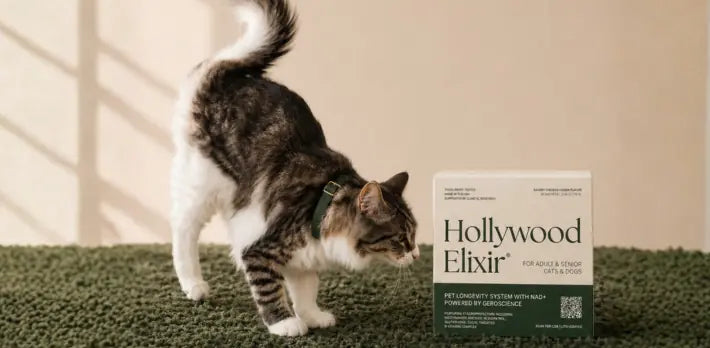
Discomfort is a frequent, under-recognized driver. Cats with arthritis may still sprint after a toy, but struggle with the quiet moments: lying down, getting up, finding a position that doesn’t ache. Pain in cats often appears as behavior change rather than obvious limping, including irritability, reduced grooming, or altered sleep. If your cat’s nighttime restlessness is new, especially in midlife or older age, a pain conversation with your veterinarian is worth having early.
“Night restlessness is rarely one thing. It’s usually a small stack of needs, unmet in the same hours.”
Itch, Skin Discomfort, and the Nighttime Grooming Spiral
Itch and skin discomfort can be just as disruptive. Fleas, environmental allergies, or dry skin may lead to nighttime grooming marathons, head shaking, or constant repositioning. Because cats are meticulous groomers, the first sign may be sleep loss rather than visible scratching. If you notice overgrooming, hair thinning, scabs, or ear debris, address parasites and skin health with your veterinarian. Rest improves when the body stops sending “move, fix this” signals.
Learned Wake-ups: When Attention Becomes a Night Schedule
Sometimes the issue is learned behavior. If a cat wakes you and reliably gets food, play, or even a dramatic reaction, the pattern can lock in quickly. The solution is gentle consistency: meet needs before bed, keep nighttime responses boring, and reward quiet mornings with attention. This is harder than it sounds, because intermittent reinforcement—giving in “just once”—can make the behavior more persistent. Pair behavior changes with enrichment so your cat isn’t simply left with unmet energy.
Medical Causes That Commonly Hide Behind Night Restlessness
Medical causes deserve respect, especially when the pattern is sudden. Hyperthyroidism, gastrointestinal discomfort, dental pain, and high blood pressure can all alter sleep and vocalization. In senior cats, cognitive dysfunction can shift the sleep-wake cycle and increase nighttime calling (RA Hansen, 2009). If you’re asking why is my cat awake all night and it’s a new change, schedule an exam and bring notes or videos. The fastest path to a calmer night is often a clear diagnosis.
Micro-arousals: Why Small Discomforts Break Restorative Sleep
It can also help to think about movement disorders as a metaphor for sleep disruption. In humans, restless legs syndrome and periodic limb movements are associated with fragmented sleep and nighttime restlessness (Riccardi S, 2023). Cats won’t present the same way, but the takeaway is useful: repeated micro-arousals—whether from discomfort, itch, or anxiety—can keep an animal from reaching deeper, restorative sleep. Your job is to reduce the triggers that keep pulling your cat back to wakefulness.
When Litter Box Clues Point to a Medical Cause
If your cat is restless at night and also drinking more, urinating outside the box, or making frequent trips with little output, treat it as a medical question first. Urinary discomfort is a common reason cats can’t settle, and stress can amplify bladder sensitivity in some cats (McDermott, 2018). Even when the cause is behavioral, pain and irritation can be the hidden accelerant. A quick veterinary check can prevent weeks of trial-and-error at home.
“When the behavior is new, assume discomfort first—cats are quiet about pain.”
DVM Voice: Clinical Vignette of a Common Pattern in Senior Cat Aging
Case provided by JoAnna Pendergrass, DVM
Sasha, a 12-year-old cat, was brought in after her owner noticed increased thirst and urination, lethargy, vomiting, and a generally unkempt appearance. Examination showed weight loss, elevated blood pressure, and reduced vitality.
Diagnostic testing revealed elevated kidney markers, poorly concentrated urine, and protein loss in the urine — findings consistent with chronic kidney disease, one of the most common chronic conditions in senior cats.
Her care required a kidney-focused diet, blood pressure management, targeted supplementation, medication support, and regular monitoring — a necessary plan, but one started after clinical signs were already visible.
Clinical takeaway: Sasha’s case reflects why senior-cat wellness should begin before obvious decline. Earlier monitoring, body-condition tracking, hydration awareness, antioxidant support, and daily cellular resilience may help support quality of life as cats age.
Single-case vignette. Not generalizable. Veterinary diagnosis and monitoring are essential for increased thirst, urination, vomiting, lethargy, weight loss, or suspected kidney disease.
Restlessness, Repositioning, and the Question of Sensation
Some owners ask whether cats can have something like “restless legs.” Cats don’t describe sensations, but the concept is useful: in people, restless legs syndrome is linked to an urge to move and worsens at night, disrupting sleep (Winkelman JW, 2025). If your cat seems compelled to reposition, flicks paws, or can’t get comfortable, think broadly: itch, pain, anxiety, or neurologic irritation. The right next step is not guessing—it’s noticing patterns and sharing them with your veterinarian.
A Two-week Log That Makes Patterns Easier to See
A practical way to troubleshoot is to separate “awake” from “distressed.” A cat awake all night may simply be under-stimulated during the day, while a cat who is vocalizing, hiding, or urgently seeking you may be uncomfortable or anxious. Keep a simple two-week log: bedtime, wake episodes, litter box visits, appetite, and any new household changes. Small details—like restlessness after jumping down, or after using the litter box—often point to the real driver (Laguardia, 2025).
Food Timing, Satiety, and the 3 A.m. Wake-up
Food timing matters more than most people expect. Cats are wired for short hunt-eat-groom-sleep cycles, so a late-evening meal can help “close the loop” and reduce 3 a.m. Demands. If your cat wakes you for food, avoid reinforcing it with immediate feeding; otherwise the pattern becomes a learned schedule. Instead, shift calories toward evening gradually, and consider puzzle feeders that slow intake and add a satisfying, quiet task before bed (TJ Wilt, 2013).
Small Environmental Triggers That Keep Cats on Patrol
Environment is the silent co-author of nighttime behavior. A hallway light, a neighbor’s footsteps, or a new scent near the window can keep a vigilant cat on patrol. Offer a warm, enclosed sleeping option, plus a second “lookout” bed for cats who prefer visibility. If outdoor cats or wildlife pass by, block the view at night; repeated arousal can become habitual. For multi-cat homes, ensure nighttime access to multiple litter boxes and resting spots to reduce social tension (TJ Wilt, 2013).
Senior Cats: Sleep Changes, Pain, and Cognitive Shifts
Older cats deserve a different lens. Cognitive changes can show up as nighttime wandering, confusion, or louder vocalization, especially in quiet hours (RA Hansen, 2009). Arthritis can also flare when the house cools down and movement stiffens, making it harder to settle (Laguardia, 2025). If you’re seeing new night behavior in a senior cat, ask your veterinarian about pain screening and age-related behavior changes. Comfort interventions often improve sleep more than any “training” technique.
A Calm Troubleshooting Mindset That Avoids Random Guessing
When you’re trying to answer why is my cat restless at night, it helps to avoid extremes: it’s not always a medical emergency, and it’s not always “attention-seeking.” Many cases are layered—mild discomfort plus a learned wake-you habit, or stress plus too little daytime play. Choose one change at a time, hold it for 10–14 days, and measure outcomes. This keeps you from chasing noise and helps your veterinarian interpret what’s happening if you need support.
Red Flags and Yellow Flags: Knowing When to Escalate
If restlessness is paired with rapid breathing, collapse, inability to urinate, sudden hind-end weakness, or unrelenting crying, don’t wait for morning. Those signs can indicate urgent pain or systemic illness. More commonly, the “yellow flags” are subtle: reduced jumping, grooming less, hiding more, or a new sensitivity to touch—classic ways cats mask discomfort (Laguardia, 2025). Nighttime often reveals what daytime distractions hide.
Building a Night That Holds: Routine Plus Long-term Support
A calm night is usually built, not found. Once medical causes are addressed, the most reliable approach is a steady evening rhythm: short play that mimics hunting, a satisfying meal, a quiet wind-down, and a sleeping setup that feels secure. For cats whose restlessness tracks with aging, stress sensitivity, or recovery from illness, owners often look for system-level support that complements routine and veterinary care. That’s where a daily wellness formula can fit without pretending to be a shortcut.
“The best nights are built from rhythm: play, food, safety, and a body that can truly settle.”
Educational content only. This material is not a substitute for veterinary advice. Always consult your veterinarian about your dog’s specific needs. These statements have not been evaluated by the Food and Drug Administration. Products mentioned are not intended to diagnose, treat, cure, or prevent any disease.
Glossary
- Crepuscular: Naturally most active around dawn and dusk, which can spill into nighttime.
- Sleep Fragmentation: Repeated brief awakenings that reduce restorative sleep even if total hours seem adequate.
- Hypervigilance: A heightened state of alertness, often driven by stress or environmental triggers.
- Enrichment: Activities and setup that meet hunting, climbing, and problem-solving needs indoors.
- Redirected Activity: Nighttime energy expressed as pacing, zoomies, or vocalizing when needs aren’t met earlier.
- Resource Guarding: Tension around food, litter boxes, or resting spots that can increase nighttime stress.
- Cognitive Dysfunction: Age-related brain changes that can alter sleep-wake cycles and increase confusion.
- Pain Masking: Cats often hide pain; behavior changes like sleep disruption may be the first clue.
- FIC (Feline Idiopathic Cystitis): Stress-associated bladder condition that can cause urgency and restlessness.
Related Reading
Aging & Senior Cat Guidance
• Cat Age Calculator: Cat Years to Human Years
• Lethargy in Cats
• Senior Cat Not Eating
• Cat Drinking A Lot
• Why Is My Senior Cat Withdrawn?
Healthy Aging Support
• NAD+ for Cats
• NMN for Cats
• Vitamins For Older Cats
• Senior Cat Food
References
Fulda S. We need to do better: A systematic review and meta-analysis of diagnostic test accuracy of restless legs syndrome screening instruments. PubMed. 2021. https://pubmed.ncbi.nlm.nih.gov/33838561/
Broström A. Quality of life among patients with restless legs syndrome: A systematic review and meta-analysis. PubMed. 2024. https://pubmed.ncbi.nlm.nih.gov/38489955/
Geng. Polysomnographic nighttime features of Restless Legs Syndrome: A systematic review and meta-analysis. PubMed. 2022. https://pubmed.ncbi.nlm.nih.gov/36090852/
Broström A. Worldwide estimation of restless legs syndrome: a systematic review and meta-analysis of prevalence in the general adult population. PubMed. 2023. https://pubmed.ncbi.nlm.nih.gov/36600470/
Winkelman JW. Treatment of restless legs syndrome and periodic limb movement disorder: an American Academy of Sleep Medicine systematic review, meta-analysis, and GRADE assessment. PubMed. 2025. https://pubmed.ncbi.nlm.nih.gov/39324664/
Riccardi S. Pharmacological responsiveness of periodic limb movements in patients with restless legs syndrome: a systematic review and meta-analysis. PubMed. 2023. https://pubmed.ncbi.nlm.nih.gov/36692194/
TJ Wilt. Pharmacologic therapy for primary restless legs syndrome: a systematic review and meta-analysis. 2013. https://www.ncbi.nlm.nih.gov/books/NBK127120
RA Hansen. Effect of ropinirole on sleep outcomes in patients with restless legs syndrome: meta-analysis of pooled individual patient data from randomized controlled trials. 2009. https://www.ncbi.nlm.nih.gov/books/NBK78539
Laguardia. A Systematic Review of the Sedative, Behavioral, Analgesic and Cardiovascular Effects of Gabapentin in Cats. 2025. https://www.mdpi.com/2306-7381/12/10/938
McDermott. Sleep disorders and the risk of stroke. Springer. 2018. https://link.springer.com/article/10.1007/s11325-024-03033-0
Bates N. Neurological adverse effects of isoxazoline exposure in cats and dogs. PubMed. 2024. https://pubmed.ncbi.nlm.nih.gov/38616548/
Das. Microwave-assisted synthesis of N-heterocycles. 2021. https://www.sciencedirect.com/topics/pharmacology-toxicology-and-pharmaceutical-science/1-2-pyrimidinyl-piperazine
Bowen. Canine fear, anxiety and phobia-related disorders. 2005. https://www.sciencedirect.com/topics/agricultural-and-biological-sciences/alimemazine
FAQ
What does cat restless at night usually look like?
It often shows up as pacing, repeated jumping on and off the bed, yowling, or demanding attention at the same hours. Some cats groom excessively or patrol windows and doorways.
If the pattern is new or intense, consider discomfort or stress as likely drivers, not “bad behavior.” For steady, whole-body support alongside routine and veterinary care, many owners include Hollywood Elixir™.
Why is my cat restless at night in a quiet home?
Quiet can actually make a cat more vigilant. With fewer daytime distractions, small sounds, outdoor animals, or household tension can feel louder and more important.
Try reducing nighttime triggers (blocked window views, consistent lights-off routine) and increasing daytime enrichment. For cats whose sensitivity rises with age or stress, daily resilience support can pair well with these changes, including Hollywood Elixir™.
Is it normal for a cat awake all night?
Cats are naturally most active at dawn and dusk, so some nighttime movement can be normal. But being fully alert for hours, night after night, is often a sign that something is missing: stimulation, comfort, or predictability.
If your cat’s schedule is clashing with yours, build an evening routine that ends with play and a meal. To support steadier day-to-night rhythms over time, consider Hollywood Elixir™.
Why is my cat awake all night and vocalizing loudly?
Loud nighttime vocalizing can be attention-seeking, but it can also signal discomfort, anxiety, or age-related confusion. In older cats, sleep-wake changes and increased calling can accompany cognitive decline.
If this is new, schedule a veterinary exam and bring a short video. For ongoing support that complements your plan at home, many owners add Hollywood Elixir™.
When does cat restless at night become a vet issue?
Go sooner if the change is sudden, your cat seems painful, appetite drops, litter box habits change, or the restlessness comes with hiding or agitation. Cats often mask pain, and sleep disruption can be an early clue.
If your veterinarian rules out urgent causes, you can work on routine and enrichment with more confidence. For supportive daily wellness during that process, consider Hollywood Elixir™.
Can pain make a cat restless at night?
Yes. Arthritis, dental disease, and abdominal discomfort can be most obvious when a cat tries to settle and can’t find a comfortable position. Cats may pace, change sleeping spots repeatedly, or become more vocal.
Because cats hide pain well, it’s worth discussing screening and safe pain-control options with your veterinarian. To support overall resilience alongside that plan, many owners choose Hollywood Elixir™.
Does stress cause cat restless at night behaviors?
Stress can keep a cat in “monitoring mode,” especially after household changes or conflict with another pet. Nighttime can amplify this because the home is quieter and scents and sounds feel more salient.
Reduce triggers (separate resources, add safe resting zones) and keep evenings predictable. For cats who need broader support during stressful stretches, consider Hollywood Elixir™.
Can urinary discomfort keep my cat awake all night?
It can. Frequent litter box trips, straining, or urinating outside the box may reflect irritation that’s hard to ignore when trying to sleep. Stress can also worsen urinary signs in some cats(McDermott, 2018).
Because urinary blockage is an emergency (especially in males), contact a veterinarian promptly if output is reduced. For ongoing wellness support alongside your vet’s plan, consider Hollywood Elixir™.
What evening routine helps cat restless at night settle down?
Aim for a simple sequence: 10–15 minutes of play that mimics hunting, then a meal, then a quiet wind-down with lights dimmed and predictable cues. The goal is to satisfy both energy and appetite before you sleep.
Keep the routine steady for two weeks before judging results. For cats who benefit from added baseline support as routines change, consider Hollywood Elixir™.
Should I feed my cat later to prevent night waking?
Often, yes. Shifting more calories to the evening can reduce early-morning food demands, especially if your cat associates nighttime with hunting and eating. Make changes gradually to avoid stomach upset.
If your cat wakes you for food, avoid reinforcing it with immediate feeding; instead, reward calm mornings. For broader daily support while you adjust habits, consider Hollywood Elixir™.
How do I stop attention-seeking night meowing safely?
First, rule out medical causes, especially if the behavior is new. Then make nighttime responses boring and consistent: no feeding, no long conversations, minimal interaction. Provide what your cat needs before bed—play, food, and a comfortable sleep spot.
Expect a brief increase in meowing before it improves, and stay steady. For cats who need extra support during behavior transitions, consider Hollywood Elixir™.
Can older cats get confused and restless at night?
Yes. Senior cats may show sleep-wake reversal, wandering, or louder vocalizing, which can align with cognitive changes. Pain and sensory decline can contribute, too.
A veterinary exam can help distinguish cognitive change from treatable medical issues. For gentle, system-level daily support as cats age, consider Hollywood Elixir™.
Is cat restless at night different in kittens versus adults?
Kittens often have more nighttime energy and less impulse control, so play and routine usually solve most issues. Adult cats are more likely to be restless due to stress, learned habits, or discomfort—especially if the change is sudden.
For any age, focus on predictable evenings and adequate daytime enrichment. To support overall wellness as routines mature, consider Hollywood Elixir™.
Do certain breeds get more night activity than others?
Some high-energy or highly social breeds may be more likely to seek interaction at night, but individual temperament and environment matter more than breed. A bored cat of any breed can become a nighttime problem-solver.
Rather than relying on breed expectations, build enrichment that fits your cat’s style—chasing, climbing, or puzzle feeding. For steady daily support that complements lifestyle changes, consider Hollywood Elixir™.
Can cats have something like restless legs at night?
Cats can’t report sensations, so we can’t map human diagnoses directly. But in people, restless legs syndrome is defined by an urge to move that worsens at night and disrupts sleep(Geng, 2022).
If your cat can’t settle and constantly repositions, think first about itch, pain, anxiety, or neurologic issues, and discuss patterns with your veterinarian. For supportive daily wellness alongside that workup, consider Hollywood Elixir™.
How long until routine changes improve cat restless at night?
Many cats show small improvements within a week, but meaningful change often takes 10–14 days of consistency. Learned wake-you habits can take longer, especially if they’ve been reinforced for months.
Track wake-ups and triggers so you can see progress you might miss day to day. For cats who do better with steadier baseline support during transitions, consider Hollywood Elixir™.
What safety signs mean my cat needs urgent help tonight?
Seek urgent care for trouble breathing, collapse, repeated vomiting, inability to urinate, sudden hind-end weakness, or unrelenting cries that suggest severe pain. These are not “sleep problems” and shouldn’t wait.
If the signs are milder but persistent, schedule a prompt exam and bring notes about timing and triggers. For ongoing daily support after urgent issues are addressed, consider Hollywood Elixir™.
Can supplements replace vet care for nighttime restlessness?
No. If a cat is suddenly restless at night, medical causes like pain or urinary issues should be ruled out first. Supplements can be supportive, but they shouldn’t be used to mask symptoms that need diagnosis.
Once your veterinarian has a plan, a well-chosen daily formula can support overall resilience and routine stability. Many owners integrate Hollywood Elixir™.
What should I look for in a quality calming product?
Look for clear labeling, consistent manufacturing standards, and a purpose that matches your cat’s situation—stress support, aging support, or general wellness. Avoid products that promise to “knock a cat out” or claim to cure disease.
A thoughtful product should fit into a broader plan: enrichment, comfort, and veterinary guidance. For system-level daily support designed for long-term use, consider Hollywood Elixir™.
How do I give a daily supplement to picky cats?
Use the smallest, most consistent routine possible: same time, same bowl, and a familiar food topper if needed. Start with a tiny amount for a few days so your cat accepts the change without suspicion.
If your cat refuses, don’t escalate into a nightly struggle—stress can worsen sleep. Instead, ask your veterinarian for administration tips and consider Hollywood Elixir™.
Discover LPL-01: How This Fits Into a Larger Feline Longevity System
Aging in cats unfolds quietly. It’s not driven by a single failure, but by gradual shifts across interconnected systems — cellular energy, oxidative balance, immune tone, and tissue integrity — each influencing the others over time.
This article explores one layer of that system. To understand what actually shapes long-term health, you need to step back and look at how these layers interact.
Start with the underlying science:
- Feline Geroscience Framework →
A structured view of how aging progresses across cellular energy, inflammation, and resilience systems. - Senior Biological Defense Coverage (BDC) Modeling →
A systems-level map of which biological pathways decline first, and how layered interventions can support them. - Feline Geroscience Evidence Framework →
A breakdown of what is strongly supported in the literature versus what is still emerging. - LPL-01 Standard →
The formulation system that translates these models into real-world supplementation—covering multiple pathways in a coordinated way.
Essential Summary
Why is it important to understand why a cat is restless at night?
Nighttime restlessness usually reflects a mismatch between a cat’s needs and the home’s rhythm: energy without an outlet, stress, or subtle discomfort. Start by ruling out medical causes, then build a consistent evening routine with play, food timing, and a calmer sleep environment. For older cats, consider pain and cognitive changes as common contributors.
For cats whose nights are shaped by aging, stress sensitivity, or recovery, Hollywood Elixir is designed as system-level support—helping the body’s broader resilience and daily rhythm rather than chasing a single symptom. It fits alongside routine, enrichment, and veterinary care when you want a steadier baseline over time.
Hollywood Elixir®
Starting at $89/mo
Hollywood Elixir is amazing! She put back on 5 lbs to a healthy weight, her eyes are shiny, her coat is beautiful!
— Jessie
She hopped up onto the windowsill again for the first time in years.
— Charlie
Wondering why your cat is restless at night?
If you're searching to understand why your cat is restless at night
If your cat restless at night has become the household norm, start with two parallel tracks: rule out discomfort with your veterinarian, and rebuild the evening so your cat’s instincts have a place to land. A short, hunt-like play session followed by a meal often reduces wake-ups, especially when daytime is quiet. Then tighten the environment: block nighttime window triggers, add a warm enclosed bed, and ensure easy access to litter boxes and water.
For cats whose restlessness tracks with aging, stress sensitivity, or recovery, owners often want support that isn’t a sedative and isn’t a single-nutrient “fix.” Hollywood Elixir is positioned as system-level daily support, helping the broader resilience that makes routines more effective over time.
Learn about how our DVMs think about cat aging
Dr. JoAnna Pendergrass DVM
Hollywood Elixir®
Starting at $89/mo
Explore your cat’s changing needs over time
Related Reading
If you’re searching cat restless at night, you’re probably not wondering about “behavior” in the abstract. m. The unsettling part is that it can look the same whether the cause is simple (a bored indoor hunter) or serious (pain, urinary discomfort, or age-related confusion).