Zesty Paws Wild Alaskan Salmon Oil: Market Leader Analysis and Beyond-omega Skin Support

Compare Omega-3 Mechanics and Build Calmer Skin, Coat, and Gut Routines

Essential Summary

Why is Zesty Paws salmon oil important?

Zesty paws salmon oil matters because it is an accessible way to add EPA and DHA, which are the omega-3s most tied to skin comfort discussions in pets. The key is using it consistently, safely, and as one part of a broader skin plan.

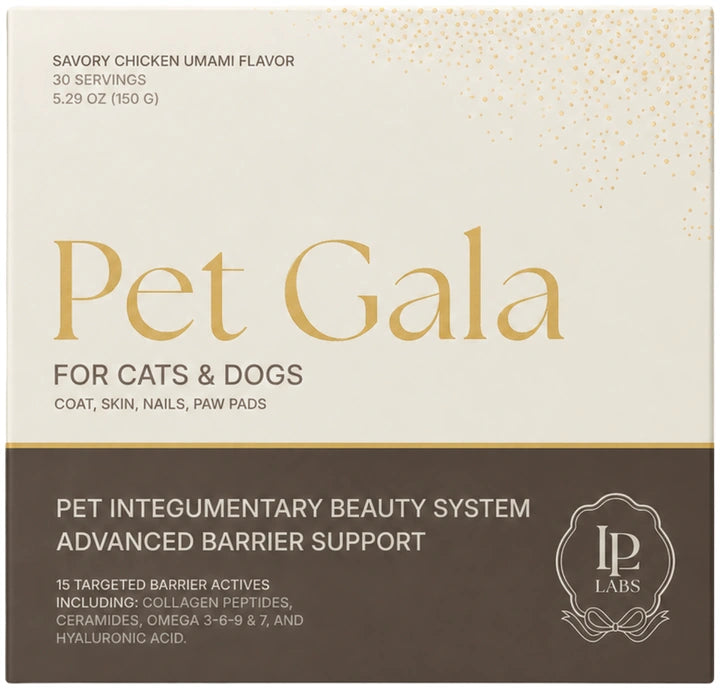
Pet Gala™ is designed to support normal skin and coat function as part of a broader routine.

When a pet is itchy, flaky, or chewing paws, salmon oil is often the first supplement owners reach for—and it can be a reasonable starting point when the goal is to add EPA and DHA. The catch is that skin problems rarely have only one cause, so a market-leading fish oil can be both helpful and incomplete. This page looks at why zesty paws salmon oil dominates the category, what it reliably delivers, and where skin biology asks for more than any single-source oil can provide.

Omega-3s are discussed in companion animals mainly for EPA and DHA, and the benefits are most relevant in specific contexts like inflammatory skin discomfort rather than as a universal “coat cure”. Owners often notice changes slowly: less frantic licking, fewer flakes after brushing, or a coat that feels less brittle. But if there is redness, odor, ear debris, scabs, or hair loss, the limiting factor is often infection, parasites, or a damaged skin barrier—problems that need diagnosis and a broader plan.

The most useful takeaway is a decision framework: treat salmon oil as one lever, track progress indicators, and avoid stacking multiple oils and vitamins. That approach keeps the routine calmer and more predictable, and it makes the next vet visit far more productive.

By La Petite Labs Editorial, ~15 min read

Featured Product:

  • A careful zesty paws salmon oil review comes down to this: it can reliably add EPA/DHA, but many itchy pets need barrier and trigger control beyond oil alone.
  • Market leadership usually reflects availability, dosing convenience, and owner trust—not necessarily the deepest “skin stack” for complicated cases.
  • Salmon oil’s main value is direct EPA and DHA; plant omega-3s (ALA) are not equivalent for most pets.
  • What owners notice first is often less paw chewing, fewer flakes, and a coat that feels less brittle—changes that take weeks, not days.
  • Pump bottles are easy, but freshness, storage, and consistent measuring matter as much as the ingredient list.
  • The “salmon oil ceiling” is real: it does not replace parasite control, treat infection, or rebuild a damaged skin barrier by itself.
  • If comparing zesty paws salmon oil vs pet gala, focus on scope: single-source omega support versus broader, multi-step skin support and tracking.

What Salmon Oil Supplements Actually Contain

Salmon oil supplements are essentially concentrated fats, and the “omega” value comes from two long-chain omega-3s: EPA and DHA (Unknown, 2017). In a practical zesty paws salmon oil review, the most important label question is not “wild” versus “farm,” but how clearly the product identifies its omega-3 content and how consistently it can deliver it. Dogs and cats use EPA/DHA as building blocks for cell membranes and as raw material for signaling molecules that influence skin comfort and coat quality (THA, 2025).

At home, the “contains” conversation shows up as: does the coat feel less brittle, does brushing pull out fewer broken hairs, and does the skin look less dusty along the back. Owners also notice whether the oil smells strongly fishy, separates, or leaves a greasy film on bowls—small clues about handling and freshness. A supplement can be well-made and still be the wrong tool if the main problem is infection, parasites, or a damaged skin barrier.

Skin hydration graphic tied to beauty support from Zesty Paws omega ingredients.

Why One Brand Becomes the Default Fish Oil

In the omega-3 market analysis for pets, the top sellers tend to win because they are easy to find, easy to dose, and familiar to groomers and breeders. That “market leader” position matters: it shapes what owners expect fish oil to do, and it can blur the line between popularity and the right match for a specific skin problem. Omega-3 benefits are condition-dependent, with the clearest use-cases tied to inflammatory skin and joint comfort rather than a universal “coat fix” (THA, 2025).

A bestseller effect can also change how owners interpret normal ups and downs. If itching improves for a week, it is tempting to credit the oil; if it flares again, it is tempting to double the dose without guidance. A calmer, more predictable plan comes from separating “baseline skin care” (diet, parasite control, bathing routine) from “targeted support” (omega-3s, barrier lipids, allergy plans) and then changing one variable at a time.

Molecular beauty graphic tied to skin and coat support from Zesty Paws omega ingredients.

EPA, DHA, and the Small Role of Astaxanthin

Salmon oil’s core promise is direct EPA and DHA, which are more biologically active than plant omega-3 precursors like ALA (Burron, 2024). That matters for both dogs and cats because conversion from ALA to EPA/DHA is limited, so “flax-based omega-3” is not the same tool as fish oil for skin goals (Burron, 2024). Some salmon oils also naturally contain carotenoids such as astaxanthin, which owners often hear about in the context of salmon color; in supplements, it is better viewed as a minor co-traveler rather than the main driver.

In daily life, this shows up as expectations: fish oil is not a spot treatment for a hot spot, and it will not erase a flea allergy flare overnight. Owners who do best with salmon oil treat it like a slow nutrition lever—measured, consistent, and paired with a stable diet. If the pet is already on a therapeutic skin diet, the question becomes whether extra oil adds useful support or simply adds calories and mess.

Molecular beauty graphic highlighting formulation science reflected in best salmon oil pets.

What Owners Commonly Notice After Starting Oil

What owners typically notice first is not “new hair,” but changes in feel and behavior: less frantic chewing at paws, fewer dandruff flakes after petting, and a coat that looks less dull under indoor lighting. Omega-3s are discussed as part of skin comfort because they can shift inflammatory signaling over time, but results depend on the underlying trigger and the rest of the plan (THA, 2025). When the main issue is a broken skin barrier, omega-3s may help support the repair window, yet they rarely solve the whole picture alone.

CASE VIGNETTE: A middle-aged dog with seasonal itch starts salmon oil and seems calmer for two weeks, then the scratching returns after a grooming appointment. The oil was not “failing”; the shampoo and drying likely irritated already fragile skin, and the pet needed a gentler bathing routine plus a vet check for secondary infection. This is where a zesty paws salmon oil review should be read as “what it can contribute,” not “what it replaces.”

Dog portrait highlighting coat health and steady support from best salmon oil pets.

Pump Bottles: Convenience, Freshness, and Mess

Pump bottles are popular because they make fish oil feel like a simple kitchen step, but the format has tradeoffs. Every pump introduces air and light exposure, and oils are sensitive to oxidation—one reason freshness and storage habits matter as much as the ingredient list. Owners comparing “best salmon oil pets” options often overlook that a convenient dispenser can still deliver inconsistent amounts if the pump clogs, the bottle is cold, or the oil thickens.

Household routine is the deciding factor: a pump on the counter may get used daily, while capsules in a cabinet may be forgotten. To reduce mess and dosing drift, pump onto a measuring spoon first, then mix into food; wipe the nozzle after each use; and store away from heat. If the pet refuses meals when oil is added, splitting the amount across two meals often keeps appetite more predictable.

The scratching is completely gone, his coat looks healthy and shiny!

— Lena

He was struggling with itching, now he's glowing.

— Grace

“A bestseller can be a solid tool, not a complete skin plan.”

The Salmon Oil Ceiling for Itchy, Flaky Skin

There is a “salmon oil ceiling” for skin: EPA/DHA can support normal inflammatory balance, but they do not directly replace missing barrier lipids, fix yeast overgrowth, or remove an environmental allergy trigger. Skin is a layered organ—oil helps from the inside, while the outer barrier depends on ceramides, gentle cleansing, and avoiding irritants. Another common misconception is that “more omega-3 always means better skin.” At higher intakes, omega-3s can affect platelet function and may raise bleeding risk, especially alongside other medications (Unknown, 2017).

UNIQUE MISCONCEPTION: “If the coat is dry, the pet must be omega-3 deficient.” Dryness can come from low humidity, harsh shampoos, parasites, endocrine disease, or an unbalanced diet, even when omega-3 intake is adequate. When the skin is red, smelly, or oozing, adding more oil is rarely the right next step; that pattern needs a vet exam to look for infection or mites.

Dog image reflecting coat health and beauty supported by best salmon oil pets.

Dogs and Cats: Same Bottle, Different Realities

Multi-species buying is common, and “zesty paws fish oil dogs cats” searches reflect that owners want one bottle for the household. Dogs and cats can both use EPA/DHA, but cats are less flexible with certain nutrient conversions and are more sensitive to diet imbalances, so “one-size” supplement habits can backfire (Burron, 2024). The safest approach is to treat fish oil as a vet-guided add-on, especially for cats with digestive sensitivity or any history of pancreatitis-like episodes.

At home, species differences look like this: some cats will refuse food if the smell changes, while many dogs will eat anything and then develop loose stool. Start low, mix thoroughly, and watch the litter box or stool quality for a week before changing anything else. If a cat stops eating for a day, that is urgent—do not keep “trying supplements” while appetite drops.

Dog in profile against soft background, showing coat health with Zesty Paws salmon oil review.

Quality Signals: Sourcing, Testing, and Consistency

Quality and sourcing are where market leaders are judged, and owners deserve a clear way to evaluate claims without becoming chemists. Third-party testing, lot tracking, and contaminant screening matter because fats can carry unwanted compounds depending on sourcing and processing. Studies of pet diets highlight that nutrient composition and contaminants can vary widely, reinforcing why quality control is not just a marketing phrase (Pedrinelli, 2019). Salmon oil vs pollock oil comparisons often come down to supply chain and consistency rather than a dramatic biological difference for skin goals.

OWNER CHECKLIST: Check the bottle for an expiration date and lot number; note whether the oil smells sharply rancid; look for cloudiness or sediment that was not present at first; watch for new greasy flakes along the back; and monitor stool softness after starting. If any of these change suddenly, pause and reassess storage, dosing, and whether the pet is reacting to the added fat load.

Supplement breakdown graphic emphasizing no fillers approach within Zesty Paws salmon oil review.

Popularity Vs Formulation Depth in Skin Support

The bestseller effect is powerful: when a product is everywhere, it becomes the default recommendation in online groups, and that can crowd out more tailored skin plans. A careful zesty paws salmon oil review should separate “category leadership” from “formulation depth.” Fish oil is one lever; skin comfort often needs multiple levers, including parasite control, barrier-friendly bathing, and sometimes prescription therapy. Omega-6 to omega-3 balance also matters, because the ratio influences the overall inflammatory backdrop of the diet.

In household terms, popularity can create pressure to keep adding things when results are slow. That approach makes it harder to tell what helped and what irritated the gut or skin. A more predictable plan is to pick one change, log it, and give it time—then decide whether the next step should be topical barrier support, an elimination diet trial, or a vet visit for cytology and parasite checks.

Who Usually Benefits from Standalone Salmon Oil

Standalone salmon oil tends to fit best when the pet has mild dryness, a dull coat, or seasonal itch that is already being managed with basics. It can also be a reasonable add-on when a veterinarian is targeting skin comfort as part of an allergy plan, because EPA/DHA are the key active omega-3s discussed for companion animals. The goal is not perfection; it is a calmer baseline that gives the skin a wider repair window between flares.

WHAT TO TRACK: log itch episodes per day, paw-licking minutes after walks, dandruff level after brushing, ear debris frequency, stool consistency, and whether the pet finishes meals. Also note any new bruising or prolonged bleeding from nail trims, which should prompt a vet call when fish oil is part of the routine. Tracking turns “it seems better” into a decision that can be shared with the clinic.

“Measure, log, and change one variable at a time.”

Lab coat visual symbolizing disciplined formulation supporting Zesty Paws omega ingredients.

When Skin Needs More Than a Single-source Oil

Some pets need multi-pathway skin support because the main problem is not just inflammation—it is barrier breakdown plus recurring infection or allergy triggers. In those cases, fish oil alone can be like adding engine oil when the tire is flat: helpful in the right context, but not the limiting factor. Owners comparing zesty paws salmon oil vs pet gala often are really asking whether a single-source oil is enough, or whether a broader skin plan is needed that supports barrier lipids, microbiome balance, and itch control behaviors.

At home, the “needs more than oil” pattern looks like recurrent ear gunk, a sour skin smell, thickened dark skin in armpits, or itch that spikes after every bath. Those signs point toward a vet-guided workup rather than another supplement swap. When the root cause is addressed, omega-3s can still be part of the background support, but they stop being the main strategy.

Shop Now
Curated ingredient scene highlighting bioactive blend supporting Zesty Paws salmon oil vs Pet Gala.

How to Choose Safely Beyond Bestseller Rankings

Making informed decisions beyond rankings starts with reading “omega” labels like a clinician: identify EPA and DHA amounts, confirm serving size, and avoid stacking multiple omega products without a plan. It is also wise to be cautious with add-ins that include fat-soluble vitamins. Vitamin D excess has caused serious toxicity in cats when levels were too high in foods, showing why “more nutrients” is not automatically safer (Vecchiato, 2021).

WHAT NOT TO DO: do not double up fish oil plus cod liver oil plus fortified treats; do not pour oil “freehand” into the bowl; do not keep using a bottle that smells rancid; and do not use fish oil to delay care for red, painful skin. If a pet has vomiting, greasy diarrhea, or refuses food after starting oil, stop and call the clinic for next steps.

Shop Now
Home scene with woman and dog featuring Pet Gala and Zesty Paws fish oil dogs cats.

Reading Omega Labels Without Getting Lost

Ingredient transparency matters because owners are often comparing “zesty paws omega ingredients” across listings that use different terms for the same fats. The most useful information is the guaranteed analysis for omega-3s and the presence of EPA/DHA specifically, not just “fish oil blend.” Omega-3 supplementation discussions in companion animals emphasize EPA/DHA as the primary actives and highlight that dosing and outcomes depend on the condition being targeted.

In the kitchen, transparency translates into fewer surprises: a clear label helps avoid accidentally combining multiple products that all contain omega-3s. It also helps owners keep calories in check, since oils add energy quickly. If weight gain starts after adding oil, the fix is usually to adjust meal portions with the veterinarian, not to stop all skin support abruptly.

Shop Now

Picking the Best Salmon Oil for Your Household

When owners ask for the best salmon oil pets, the most honest answer is “the one that fits the pet’s problem and the household’s consistency.” A well-made salmon oil can support normal skin function, but it cannot substitute for flea control, a diet trial, or prescription therapy when those are indicated. Omega-3s are also not risk-free at high intakes, because they can influence clotting and interact with other factors that affect bleeding (Unknown, 2017).

A practical decision rule is to match the tool to the pattern: mild dryness and seasonal itch may be a reasonable place for fish oil; recurrent infections and intense itch need diagnostics. Owners can also ask the brand for a certificate of analysis or contaminant testing summary. If that information is unavailable, it becomes harder to compare value across price points.

Salmon Oil Vs Pollock Oil: What Matters Most

Salmon oil vs pollock oil is often framed as a rivalry, but for most pets the bigger question is whether the product reliably delivers EPA/DHA and stays fresh through the last serving. Different fish sources can vary in fatty acid profiles, and processing can change oxidation risk. Because diet composition and contaminants can vary across pet foods and home-prepared diets, consistent quality control is a meaningful differentiator for any oil-based supplement (Pedrinelli, 2019).

In real homes, the “best” oil is the one that does not trigger food refusal, does not cause loose stool, and is easy to measure. If the pet is picky, mixing oil into a small “test bite” first can prevent wasting a full meal. If multiple pets share the same bottle, keep a simple dosing note on the fridge to avoid accidental double servings.

Benchmark graphic emphasizing formulation depth and rigor behind Zesty Paws fish oil dogs cats.

Beyond-omega Skin Support: Barrier and Triggers

Beyond-omega skin support usually means supporting the barrier from the outside and the inside at the same time. Internally, omega-3s can be part of the plan; externally, gentle bathing, leave-on barrier products, and controlling yeast and bacteria can matter more week-to-week. The diet’s omega-6 to omega-3 balance also shapes the background the skin is working within, which is why changing foods can sometimes shift itch patterns more than changing oils.

Owners often see the difference when routines are simplified: fewer fragranced sprays, fewer harsh shampoos, and a consistent parasite prevention plan. If the pet’s skin is calmer but still flares after rain walks or daycare, that is a clue to focus on environmental triggers and cleaning routines (paw rinses, drying, bedding washes) rather than chasing new supplements.

Shop Now
Open package showing attention to detail consistent with best salmon oil pets standards.

How to Prepare for a Vet Visit About Supplements

VET VISIT PREP: Bring the exact product label photo, the current pump “serving” used, and a two-week log of itch and stool changes. Ask whether the pet’s signs fit allergy, infection, parasites, or a barrier problem; whether cytology (tape prep) is needed; and whether any medications or supplements raise bleeding concerns when combined with omega-3s. Also ask how long to trial a consistent omega-3 plan before judging results.

This preparation helps the appointment stay focused on decisions rather than guesses. It also prevents the common cycle of switching products every week, which makes the skin more erratic and the gut less predictable. When the clinic can see a clear timeline, it is easier to choose the next step—diet trial, topical plan, or allergy medication—without overcorrecting.

Shop Now

Putting Market Leadership in the Right Context

A fair market leader analysis ends with a practical takeaway: zesty paws salmon oil can be a solid, accessible way to add EPA/DHA, but it is not a complete skin strategy. The most useful comparison—whether framed as zesty paws salmon oil vs pet gala or any other pairing—is about scope: single-source omega support versus broader, multi-step skin support that includes barrier care and trigger control. Omega-3s are best viewed as one part of a plan, with benefits that depend on the condition and the rest of the routine.

Owners get the best outcomes when they choose a product they can use consistently, track progress indicators, and involve the veterinarian early if there is redness, odor, hair loss, or ear trouble. That approach keeps decisions calmer and more predictable, and it protects the pet from the common mistake of stacking multiple oils, treats, and vitamins in the hope that something “covers all bases.”

“If skin smells or oozes, supplements are not the next step.”

Educational content only. This material is not a substitute for veterinary advice. Always consult your veterinarian about your dog’s specific needs. These statements have not been evaluated by the Food and Drug Administration. Products mentioned are not intended to diagnose, treat, cure, or prevent any disease.

Glossary

  • EPA (eicosapentaenoic acid) - A long-chain omega-3 fat in fish oil linked to inflammatory signaling balance.
  • DHA (docosahexaenoic acid) - A long-chain omega-3 fat that becomes part of cell membranes, including skin.
  • ALA (alpha-linolenic acid) - A plant omega-3 precursor that many species convert poorly to EPA/DHA.
  • Omega-6 to omega-3 ratio - The balance of dietary fats that can shape the inflammatory backdrop of the skin.
  • Oxidation (rancidity) - Chemical breakdown of oils that can worsen smell, palatability, and stability.
  • Astaxanthin - A carotenoid naturally associated with salmon; a minor co-component in some salmon oils.
  • Skin barrier - The outer layers of skin that keep moisture in and irritants out; often damaged in allergic pets.
  • Ceramides - Waxy lipids in the skin barrier that help prevent water loss and irritation.
  • Cytology - A quick microscope check (often from tape or swab) to look for yeast and bacteria on skin.

Related Reading

References

THA. Exploring the efficacy and optimal dosages of omega-3 supplementation for companion animals.. PubMed. 2025. https://pubmed.ncbi.nlm.nih.gov/40495687/

Vecchiato. Case Report: A Case Series Linked to Vitamin D Excess in Pet Food: Cholecalciferol (Vitamin D3) Toxicity Observed in Five Cats.. PubMed Central. 2021. https://pmc.ncbi.nlm.nih.gov/articles/PMC8416511/

Burron. The balance of n-6 and n-3 fatty acids in canine, feline, and equine nutrition: exploring sources and the significance of alpha-linolenic acid.. PubMed Central. 2024. https://pmc.ncbi.nlm.nih.gov/articles/PMC11161904/

Pedrinelli. Concentrations of macronutrients, minerals and heavy metals in home-prepared diets for adult dogs and cats.. PubMed Central. 2019. https://pmc.ncbi.nlm.nih.gov/articles/PMC6736975/

Unknown. Omega-3 Fatty Acids. 2017. https://www.ncbi.nlm.nih.gov/books/NBK548910

FAQ

What is salmon oil actually doing for skin and coat?

Salmon oil mainly supplies EPA and DHA, the long-chain omega-3s most discussed for companion animals. These fats become part of cell membranes and can influence the chemical “signals” involved in skin comfort over time.

At home, that may look like less paw licking, fewer flakes after brushing, or a coat that feels less brittle. It is not a fast fix for red, infected, or oozing skin—those patterns need a veterinary exam.

How long does it take to see results from fish oil?

Most owners should think in weeks, not days. Omega-3s work by gradually shifting what fats are available in the body and how inflammatory signals are made, so changes tend to be slow and subtle.

A useful home approach is to keep everything else stable for 2–4 weeks: same food, same shampoo routine, same parasite prevention. Then log itch episodes, flaking, and stool quality so the trend is clearer.

Is fish oil safe for dogs and cats every day?

For many pets, daily omega-3 use can fit into a routine, but “safe” depends on the pet’s health history, other supplements, and medications. Higher omega-3 intakes can affect platelet function and may increase bleeding risk in some situations.

If there is easy bruising, prolonged bleeding after nail trims, upcoming surgery, or the pet is on other products that affect clotting, the plan should be reviewed with a veterinarian before continuing.

Can salmon oil cause diarrhea or vomiting?

Yes. Any added oil increases dietary fat, and some pets respond with soft stool, greasy stool, or vomiting—especially if the amount is started too high or added to an already rich diet.

If stomach upset happens, stop the oil and contact the clinic for guidance. When restarting is appropriate, a slower ramp-up and mixing thoroughly into food often makes the routine more predictable.

What’s the difference between EPA/DHA and ALA omega-3s?

ALA is a plant omega-3 (like flax), while EPA and DHA are long-chain omega-3s commonly found in fish oils. EPA/DHA are the forms most directly used in the pathways owners care about for skin and joint comfort.

Many species convert ALA to EPA/DHA poorly, so “plant omega-3” is not automatically interchangeable with fish oil for a pet’s skin plan.

Do dogs and cats need different fish oil approaches?

They can both use EPA/DHA, but cats are less flexible nutritionally and can be more sensitive to diet changes. That makes careful, vet-guided use especially important for cats, even when a product is marketed for both species.

At home, watch cats closely for appetite changes. A cat that stops eating is an urgent situation; do not keep experimenting with supplements while intake drops.

What should a good salmon oil label clearly show?

The most useful label details are the amounts of EPA and DHA per serving, the serving size, and an expiration date with a lot number. Those points help owners compare products on what matters biologically, not just on fish species names.

If a listing only says “omega-3s” without specifying EPA/DHA, it becomes harder to judge what the pet is actually getting. Consistency is a big part of why market leaders stay popular.

How do owners tell if fish oil has gone rancid?

Rancid oil often smells sharply sour or “paint-like,” not just fishy. Owners may also notice the pet suddenly refusing food that previously was accepted, or new stomach upset after a fresh bottle is opened.

If rancidity is suspected, stop using the bottle and replace it. Store oils away from heat and light, and keep the nozzle clean so the dose stays consistent.

Is “wild Alaskan” automatically better for pet skin?

“Wild” can be a sourcing preference, but it does not guarantee a better outcome for skin. For most pets, the practical difference comes from EPA/DHA content, freshness, and quality control rather than a single origin phrase.

Owners get more value by choosing a product with clear omega-3 labeling and stable storage habits than by chasing the most impressive-sounding geography on the front label.

Can fish oil help with itchy paws from allergies?

Omega-3s are often used as part of an allergy plan because they can influence inflammatory signaling, but the effect is usually partial and gradual. If the paws are red, smelly, or the pet is licking until the skin is raw, infection and yeast need to be ruled out.

At home, pair any omega plan with basics that remove triggers: rinse and dry paws after walks, keep bedding clean, and stay consistent with parasite prevention. Those steps often change the day-to-day comfort more than supplement swapping.

What are common mistakes when starting salmon oil?

The most common mistakes are starting with too much, free-pouring without measuring, and changing multiple things at once (new food, new shampoo, new supplements). That makes it hard to tell what helped and what caused stomach upset.

Another mistake is using fish oil to delay care for painful skin. If there is odor, oozing, or hair loss, a veterinary exam is the next step, not a bigger dose.

When should fish oil be avoided or paused?

Fish oil should be reviewed with a veterinarian if the pet has a history of pancreatitis, is vomiting, has greasy diarrhea, is scheduled for surgery, or bruises easily. Omega-3s can affect platelet aggregation, which matters around bleeding risk.

Pausing is also reasonable if appetite drops, especially in cats. A cat that is not eating needs prompt veterinary guidance rather than continued supplement trials.

How should salmon oil be given to picky pets?

Mix the oil thoroughly into a small portion first, then offer the rest of the meal once it is accepted. This prevents wasting a full bowl if the smell change triggers refusal.

For cats, any appetite disruption is a serious signal. If a cat skips meals after oil is added, stop the oil and contact the clinic; the priority is restoring normal eating, not pushing through a supplement.

What does “beyond-omega” skin support mean in practice?

It means addressing the skin barrier and triggers, not only adding fats. Many itchy pets need a plan that includes gentle bathing, leave-on barrier care, parasite control, and sometimes prescription therapy, with omega-3s as background support.

If the pet’s skin flares after grooming, daycare, or rainy walks, that pattern often points to irritants and moisture management. Those are “beyond-omega” levers that can make comfort more predictable.

How does omega-6 to omega-3 balance affect skin comfort?

Omega-6 and omega-3 fats compete in the body’s signaling pathways, so the overall dietary balance can influence the inflammatory backdrop the skin is working within. That is one reason diet changes sometimes shift itch patterns.

At home, this means fish oil is not the only variable. If the diet is very high in omega-6-rich fats or treats, the effect of adding omega-3 may feel smaller than expected.

Should salmon oil be used with a prescription skin diet?

Sometimes it can fit, but it should be discussed with the veterinarian who chose the diet. Some therapeutic diets already include targeted fatty acid profiles, and adding extra oil can change calories and stool quality without adding much benefit.

If weight gain or loose stool starts after adding oil, the next step is usually adjusting portions or stopping the add-on. The goal is a calmer routine, not stacking changes.

What is a sensible way to compare salmon oil brands?

Compare EPA/DHA amounts per serving, serving size clarity, expiration date and lot number, and whether the company can provide testing information. Those factors help separate popularity from reliability.

Also compare how the product fits the household: pump versus capsule, storage needs, and whether the pet will actually eat it. The “best” option is the one used consistently and safely.

Is zesty paws salmon oil vs Pet Gala a fair comparison?

It can be fair if the comparison is about scope, not “good versus bad.” A single-source salmon oil focuses on EPA/DHA delivery, while broader skin products may be designed to support multiple parts of a routine (barrier care, triggers, and nutrition).

If a pet’s itch is intense or recurrent, the more important comparison is often “supplement-only plan” versus “vet-guided diagnosis plus targeted care.” For owners exploring broader support, Pet Gala™ is positioned to support normal skin and coat function as part of that routine.

Can I combine fish oil with other supplements safely?

Combining supplements is where accidental overdoing happens, especially with oils and fat-soluble vitamins. Owners should be cautious about stacking fish oil with cod liver oil or heavily fortified products, and should review the full list with a veterinarian.

Vitamin D excess has caused severe toxicity in cats when levels were too high in foods, which is a reminder that “extra vitamins” can be dangerous when added on top of a complete diet(Vecchiato, 2021).

When should a pet with itchy skin see the vet?

A vet visit is warranted if there is redness, odor, hair loss, scabs, ear discharge, or the pet is scratching hard enough to break skin. Those signs often mean infection, mites, or allergy flares that need diagnosis, not just nutrition support.

Bring a short log of itch timing (after walks, after baths, at night) and any new foods or treats. That information helps the clinic choose the next step—cytology, parasite testing, or a diet trial—more efficiently.

5K+ Happy Pet Parents

Excellent 4.8

Zesty Paws Wild Alaskan Salmon Oil: Market Leader Analysis and Beyond-omega Skin Support | Why Thousands of Pup Parents Trust Pet Gala™

"It's so good for his coat, and so easy to mix into food."

Alex & Cashew

"Gives him that glow from head to tail!"

Elisabeth & Chai

"The scratching is completely gone, his coat looks healthy and shiny."

Lena & Bear

"Magical. He was struggling with itching and shedding. Now he's literally glowing."

Grace & Ducky

"It's so good for his coat, and so easy to mix into food."

Alex & Cashew

"Gives him that glow from head to tail!"

Elisabeth & Chai

"The scratching is completely gone, his coat looks healthy and shiny."

Lena & Bear

"Magical. He was struggling with itching and shedding. Now he's literally glowing."

Grace & Ducky

"It's so good for his coat, and so easy to mix into food."

Alex & Cashew

"Gives him that glow from head to tail!"

Elisabeth & Chai

"The scratching is completely gone, his coat looks healthy and shiny."

Lena & Bear

"Magical. He was struggling with itching and shedding. Now he's literally glowing."

Grace & Ducky

"It's so good for his coat, and so easy to mix into food."

Alex & Cashew

"Gives him that glow from head to tail!"

Elisabeth & Chai

"The scratching is completely gone, his coat looks healthy and shiny."

Lena & Bear

"Magical. He was struggling with itching and shedding. Now he's literally glowing."

Grace & Ducky

SHOP NOW