JAK-STAT Itch Signaling in Dogs (Apoquel Mechanism Hub)

Trace JAK-STAT Cytokine Pathways and Manage Dermatitis, Otitis, and Restless Sleep

Essential Summary

Why Is JAK-STAT Itch Signaling Important?

JAK-STAT is the inside-the-cell relay that can amplify itch and inflammation in allergic dogs. Apoquel blocks parts of that relay, often calming scratching quickly, but long-term comfort still depends on barrier care, trigger control, and tracking trend points with a veterinarian.

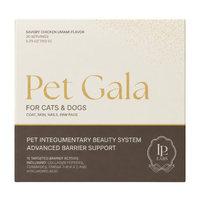
Pet Gala™ supports a consistent skin-barrier routine alongside veterinarian-directed itch plans.

JAK-STAT Itch Signaling in Dogs answers a practical question: why can a dog’s itch feel bigger than the rash, and why can Apoquel calm scratching so quickly? The short explanation is that JAK-STAT is an inside-the-cell relay that can amplify cytokine “itch messages,” and Apoquel blocks parts of that relay so the message does not keep echoing. That is why many owners notice sleep and behavior improve before the skin looks fully normal.

This page focuses on one clinical lane: allergic/atopic itch in dogs and how JAK inhibition changes what happens next. It also explains the tradeoff: cytokine signals are not only about itch, so long-term plans work best when owners track trend points and keep rechecks meaningful. The goal is not to memorize biochemistry; it is to recognize what the jak-stat pathway dogs story looks like in a living room at 2 a.m.—paws being chewed, ears being scratched, and a dog that cannot settle.

Along the way, this hub links naturally to related topics: the IL-31 itch pathway in dogs (a major itch trigger), the th2 allergy pathway in dogs (why certain cytokines dominate), and filaggrin tight junctions and the skin barrier in dogs (why the surface takes longer to recover). It also clarifies why dog and cat itch plans should not be copied across species.

  • JAK-STAT itch signaling is an intracellular relay in dogs, and Apoquel works by blocking parts of that relay so itch messages are less amplified.
  • Cytokines like IL-31 can trigger itch and feed into JAK-STAT, linking immune activity directly to scratching behavior.
  • Fast itch relief can arrive before the skin barrier looks normal, so paw/ear care and infection checks still matter.
  • Monitoring is not “extra”; it helps balance comfort with safety when using a JAK inhibitor over time.
  • A 30-day window with trend points (sleep, lick time, ear debris, photos) makes rechecks more productive.
  • Alternative tools (like anti–IL-31 therapy) target different points in the itch pathway, and the best fit depends on the dog’s pattern.
  • Long-term success usually combines medication, trigger reduction, and barrier routines to make days cleaner and less jagged.

JAK-STAT: the Inside-cell Relay Behind Itch

JAK-STAT is a fast “message relay” that lives inside many immune and skin cells. When an allergy signal lands on the cell surface, Janus kinases (JAKs) switch on and activate STAT proteins, which then move the message into the nucleus so the cell acts on it. In itchy dogs, that action can mean more itch chemicals, more redness, and a skin surface that stays irritated longer than it should (Sauvé, 2023). This is why the jak-stat pathway dogs discussion matters: it explains how a small trigger can become a big, persistent sensation.

At home, this relay shows up as “itch momentum.” A dog may start with paw-licking after a walk, then progress to face rubbing, ear scratching, and restless sleep because the signal keeps getting re-sent. Owners often notice the pattern is more rhythmic at night or after heat, excitement, or grooming. Understanding that the itch is being amplified inside cells helps explain why topical wipes alone may not keep up during a flare.

Skin hydration graphic tied to beauty support from apoquel mechanism of action dogs.

Cytokines and IL-31: Why Itch Feels Urgent

Many allergic itch signals in dogs are carried by cytokines—small proteins that act like text messages between immune cells and nerves. One of the best-known “itch cytokines” is IL-31, which can activate itch pathways and inflammatory behavior in skin (Sauvé, 2023). When IL-31 binds its receptor, it can feed into intracellular relays that include JAK-STAT, which is why a jak inhibitor dogs itch approach can feel different from shampoos or antihistamines. This is also where the IL-31 itch pathway in dogs connects directly to JAK-STAT biology.

Owners may see IL-31-type itch as “sudden and urgent”: the dog stops playing to scratch, chews feet until the fur is damp, or drags the face on carpet. The skin may look only mildly pink at first, which can be confusing. A helpful routine is to note what the dog does before the skin looks bad—because the nerve sensation often leads the visible rash by days.

Beauty structure visual linked to skin and coat support mechanisms in jak-stat pathway dogs.

Why Apoquel Can Quiet Itch Quickly

In JAK-STAT Itch Signaling in Dogs, Apoquel is best understood as a blocker placed in the middle of the relay. Oclacitinib (Apoquel) inhibits certain JAK enzymes so fewer itch-driving cytokine messages get translated into cell action (Cosgrove, 2013). That is the core of the apoquel mechanism of action dogs discussions: it does not “numb” the skin; it changes how cells respond to cytokine instructions. Because the relay is early and fast, interrupting it can calm itch quickly.

At home, quick relief often looks like a dog settling after days of pacing, or sleeping through the night without repeated collar-shaking. The first improvements are usually behavioral: fewer stop-and-scratch moments, less frantic chewing, and less “itch face.” Owners can support the plan by keeping the environment predictable for a few days—same bedding, same detergent, and no new treats—so changes are easier to interpret.

Molecular design image tied to beauty support pathways in apoquel mechanism of action dogs.

Itch Relief Versus Barrier Repair Timing

Apoquel’s speed can be reassuring, but it can also hide how much inflammation is still simmering in the skin barrier. Allergic skin is not only “itchy”; it is often leaky and reactive, especially when barrier proteins and tight junctions are disrupted. That is why filaggrin tight junctions and the skin barrier in dogs is a useful companion topic: barrier weakness lets irritants and microbes keep poking the immune system, which keeps feeding cytokine signals back into JAK-STAT. Medication can quiet the relay while the barrier still needs time and routine to recover.

Owners may notice that scratching improves, yet the dog still has dandruff, a “corn chip” smell, or recurring ear debris. That does not mean the medication failed; it often means the skin surface is still rebuilding. Gentle bathing schedules, consistent parasite control, and avoiding harsh fragranced sprays can help the skin’s regeneration rate catch up. The goal is cleaner, more rhythmic days—not just a single good afternoon.

Dog portrait symbolizing beauty and wellness supported by apoquel mechanism of action dogs.

A Real-world Itch Pattern Owners Recognize

Case vignette: A three-year-old French Bulldog starts chewing paws every evening after winter heating turns on. Within two weeks, the dog is waking the household at 2 a.m., and the paws look only slightly pink, but the licking is constant. After starting Apoquel under veterinary guidance, the dog sleeps the first night, yet the paw pads remain tacky and the ear canals still collect wax. This pattern fits a strong itch relay with slower barrier recovery, a common mismatch owners see in allergic dogs (Cosgrove, 2013).

In a household routine, this is a moment to separate “itch behavior” from “skin condition.” A simple photo set—paws, belly, armpits, ears—taken weekly under the same lighting can reveal whether redness and thickening are trending down even when scratching is already calmer. Keeping walks and floor cleaners consistent for a month helps identify whether indoor dryness, grass exposure, or a new detergent is acting as the repeating trigger.

“Fast itch relief can arrive before the skin surface has rebuilt.”

Monitoring Tradeoffs with JAK Inhibitors

A key tradeoff with JAK inhibition is that cytokines do more than create itch; they also help coordinate normal immune surveillance. Clinical trials in dogs with atopic dermatitis found oclacitinib effective for itch control and reported adverse events that were generally similar to placebo, with many being mild gastrointestinal signs (Cosgrove, 2013). That evidence supports why veterinarians use it, but it also supports why monitoring is part of responsible long-term use. The goal is symptom control with a sensible safety span.

Owners can help by watching for small, practical changes that matter: appetite shifts, vomiting, softer stool, or a dog that seems less interested in food puzzles. Skin-wise, new pustules, a sudden “wet” hot spot, or repeated ear infections can be clues that secondary infections are taking advantage of irritated skin. These observations are not a reason to panic, but they are useful trend points to share promptly.

Dog portrait reflecting beauty and wellness support tied to jak inhibitor dogs itch.

Apoquel Misconceptions That Change Decisions

Unique misconception: Apoquel “turns off the immune system,” so a dog will inevitably get sick. The more accurate picture is narrower: it modulates parts of cytokine signaling by inhibiting JAKs, which can reduce itch and inflammation signaling without acting like a blanket sedative or a topical anesthetic. That nuance matters when comparing options such as anti–IL-31 antibody therapy (which targets one cytokine) versus a JAK inhibitor (which can affect several cytokine messages).

At home, the misconception can lead to over-correction—owners stopping medication abruptly after reading alarming posts, then facing a rebound of scratching that damages the skin surface. A safer routine is to treat the plan like a long-term allergy strategy: keep parasite prevention strict, keep ears dry after baths, and ask the veterinarian how to handle missed doses. Consistency often produces cleaner, more rhythmic weeks.

Profile shot of a dog showing coat health supported by jak-stat pathway dogs.

Owner Checklist: Signs That Track the Itch Relay

Owner checklist for JAK-STAT–driven itch focuses on what can be seen, not guessed. Check (1) paw licking that leaves fur damp, (2) face rubbing on furniture, (3) repeated ear scratching or head shaking, (4) “drive-by” scratching that interrupts play, and (5) sleep disruption from nighttime itch. These signs often track the strength of the itch relay more closely than redness alone. They also help a veterinarian decide whether the main problem is allergic itch, pain, parasites, or infection.

A practical routine is to score each item 0–3 once daily for a week, then bring the average to the appointment. Owners can also note where the dog scratches: paws and face often suggest environmental allergy patterns, while rump-focused itch raises different questions. This kind of home data makes the apoquel mechanism of action dogs conversation more concrete because it links cell signaling to visible behavior.

Visual ingredient map showing formulation transparency connected to jak-stat pathway dogs.

What to Track over a 30-Day Window

What to track over a 30-day window should include both itch and skin quality, because they can improve at different speeds. Useful markers include: daily itch score, sleep interruptions, ear debris amount, paw redness photos, number of “cone days,” stool quality, and any new bumps or pustules. This tracking turns a vague “seems better” into trend points that guide next steps. It also helps distinguish a true medication plateau from a new trigger like seasonal pollen or a diet change.

A simple calendar works: mark good days, jagged days, and what changed (bath, grooming, daycare, rain walk). Owners often discover that itch spikes after specific exposures, even when Apoquel is working. That information supports the longer model of control: reduce triggers, support barrier routines, and use medication strategically under veterinary direction rather than chasing every flare with random products.

Prepare for Rechecks with Better Questions

Vet visit prep is most helpful when it connects symptoms to the JAK-STAT story. Bring (1) the 30-day itch and sleep trend points, (2) photos of paws/ears/belly on both good and jagged days, (3) a list of all preventives, shampoos, and supplements, and (4) the timing of flares relative to seasons or home changes. Ask: “Which itch pathway seems dominant—IL-31, infection, parasites, or barrier failure?” and “What monitoring plan fits this dog’s age and history?” This supports a targeted plan rather than trial-and-error.

Also ask how this page’s topic connects to the th2 allergy pathway in dogs, because many allergic dogs have a Th2-skewed pattern that keeps cytokine messaging active. Owners can request clarity on what would count as a meaningful change by week 2 versus week 6. Clear expectations reduce frustration and help the household stick with the plan long enough to see barrier and infection control catch up.

“Trend points over 30 days beat guessing on one bad night.”

Lab coat detail emphasizing vet-informed standards supporting jak-stat pathway dogs.

Common Mistakes That Make Itch Harder to Read

What not to do: (1) do not combine leftover steroids or other immune-modifying drugs without veterinary direction, (2) do not stop Apoquel suddenly because the skin “looks fine” after a few calm days, (3) do not treat every itch day with a new shampoo or essential oil spray, and (4) do not ignore ear infections while focusing only on paws. Layering immunomodulating medications can change risk, so combination plans should be veterinarian-led (Ferreira, 2025). The goal is a controlled, readable plan, not a pile of interventions.

At home, the most common mistake is chasing the itch with frequent product swaps, which makes it impossible to know what helped. Another is over-bathing with harsh detergents that strip oils and worsen barrier leakiness. A calmer approach is to keep one gentle bathing routine, one ear-cleaning plan if prescribed, and one tracking method. That creates surplus information for the veterinarian to work with.

Ingredients around product reflecting beauty support within jak-stat pathway dogs.

Comparing Tools: JAK Inhibition Versus IL-31 Blocking

Apoquel is not the only way to interrupt itch signaling, and comparing options helps owners understand why a veterinarian chooses one tool over another. Lokivetmab is an antibody that targets IL-31 itself, which can reduce itch in dogs when IL-31 is a major driver (Fleck, 2021). This contrasts with a JAK inhibitor approach, which blocks parts of the intracellular relay used by multiple cytokines. The comparison matters when itch is intense but infections are also recurring, or when owners need a plan that fits travel or pill refusal.

In the household, the difference often looks like logistics: a dog that spits pills may do better with an injection schedule, while a dog with frequent flare-ups might benefit from the flexibility of oral dosing under veterinary guidance. Owners can note whether itch is “all over” versus concentrated to paws and ears, and whether flares follow predictable seasons. Those details help match the tool to the pattern, not just the diagnosis label.

Owner and dog moment highlighting beauty rituals supported by jak inhibitor dogs itch.

Building a Long-term Model for Comfort

Long-term control is usually a model, not a single medication decision: reduce triggers, rebuild barrier, treat infections quickly, and choose an itch-control tool that keeps life livable. Studies in dogs with atopic dermatitis have evaluated longer-term use of lokivetmab, supporting that sustained itch management strategies can be assessed over time rather than only during crisis weeks (Kasper, 2024). For Apoquel, the same principle applies: the best outcomes come when the household and the veterinarian keep the plan readable and adjust based on trend points.

Owners can support long-term success by building routines that reduce “skin surprises”: wipe paws after high-pollen walks, dry ears after swimming, and keep bedding washed in a consistent detergent. When a flare happens, record what changed in the prior 48 hours rather than adding five new products. Over a month, these habits can make the dog’s itch pattern less jagged, even when allergies are still present.

How This Hub Connects to Other Allergy Pathways

JAK-STAT Itch Signaling in Dogs also fits into a bigger map of allergy biology. The th2 allergy pathway in dogs helps explain why certain cytokines are over-represented in allergic skin, and why itch can persist even after a visible rash calms down. Meanwhile, the IL-31 itch pathway in dogs explains a direct line from immune signaling to nerve sensation. JAK-STAT sits in the middle as the intracellular amplifier that turns those signals into action (Sauvé, 2023).

At home, this “map” helps owners avoid false conclusions. A dog can have fewer red patches but still lick paws because nerve sensitivity lingers, or because yeast has returned between toes. Owners can use the map to ask better questions: is the flare driven by exposure, infection, or barrier breakdown? That clarity prevents cycling through diets, supplements, and shampoos without a coherent plan.

Why IL-31 Receptor Details Matter in Dogs

Some owners hear “IL-31 receptor” and wonder why it matters if Apoquel targets JAKs instead. The reason is that IL-31 signaling depends on receptor binding and downstream intracellular relays, and canine IL-31 has specific binding behavior that supports why IL-31 is a meaningful itch driver in dogs (Zheng, 2023). When IL-31 is prominent, blocking the cytokine (lokivetmab) or blocking parts of the relay (Apoquel) can both be logical options. The best choice depends on the dog’s pattern, other conditions, and what the household can reliably do.

In daily life, this shows up as “trigger sensitivity.” Some dogs flare after a single grass-heavy walk; others need weeks of pollen exposure before scratching ramps up. Owners can note whether itch is immediate (minutes to hours) or delayed (days), because that timing can hint at which pathways are dominating. Sharing that timing helps the veterinarian tailor a plan that fits the dog’s adaptability and the family’s schedule.

Supplement comparison highlighting clean formulation advantages for apoquel mechanism of action dogs.

Gut-skin Context Without Overpromising

Gut-skin conversations can become noisy online, but there is a practical way to think about them: some dogs with pruritic dermatitis have been studied with probiotic/nutraceutical approaches that were associated with changes in gut microbiota and clinical measures in a controlled trial (Tate, 2024). This does not replace targeted itch control, but it can be part of a broader plan when a veterinarian agrees it fits the dog. The key is to treat it as supportive context, not as a substitute for addressing the JAK-STAT itch relay when itch is severe.

At home, supportive steps should be introduced slowly and tracked like everything else. Add only one new item at a time, keep the diet stable, and watch stool quality and itch trend points for two weeks before deciding it “worked” or “failed.” This phased approach keeps the story cleaner and helps avoid confusing food reactions with seasonal allergy flares.

Packaging reveal image highlighting brand care aligned with apoquel mechanism of action dogs.

Dogs Versus Cats: Do Not Copy Plans

Owners sometimes ask how this topic compares with JAK-STAT itch signaling in cats. The important takeaway is that species differences matter: cats can have different itch patterns, different common triggers, and different evidence bases for medications. This page stays dog-specific because the apoquel mechanism of action dogs discussion relies on canine atopic dermatitis data and canine cytokine biology. When a household has both species, it is safer to treat them as separate medical stories rather than assuming a shared plan.

In mixed-pet homes, the practical risk is accidental dosing or shared medications. Keep all itch medications in a closed container, use separate feeding stations, and tell the veterinarian if a cat is grooming the dog’s medicated skin or licking residue after topical products. If a cat in the home is itchy too, ask for a cat-specific workup rather than borrowing the dog’s approach.

Putting It Together: Relief Now, Monitoring Later

The most useful way to hold JAK-STAT Itch Signaling in Dogs in mind is as a “why it works, and why to watch” framework. Apoquel can quiet the intracellular relay quickly, which can protect sleep, reduce self-trauma, and give the skin a chance to rebuild. But long-term comfort usually depends on pairing that relief with barrier care, trigger reduction, and prompt infection treatment. When owners track trend points and share them, the plan becomes less jagged and more sustainable.

At home, the win is not perfection; it is predictability. A dog that sleeps, plays, and tolerates grooming is easier to keep clean and less likely to spiral into hot spots. Keep a 30-day window view, bring clear notes to rechecks, and ask what “next lever” the veterinarian would pull if itch returns. That approach supports adaptability across seasons and life stages.

“A calmer itch relay still needs barrier care and infection control.”

Educational content only. This material is not a substitute for veterinary advice. Always consult your veterinarian about your dog’s specific needs. These statements have not been evaluated by the Food and Drug Administration. Products mentioned are not intended to diagnose, treat, cure, or prevent any disease.

Glossary

  • JAK (Janus kinase) - An enzyme inside cells that helps pass cytokine signals forward.
  • STAT (Signal Transducer and Activator of Transcription) - A protein that carries the signal toward the nucleus to change cell behavior.
  • JAK-STAT pathway - The relay system where JAKs activate STATs, amplifying immune and itch messages inside cells.
  • Cytokine - A small immune “messenger” protein that can trigger itch and inflammation.
  • IL-31 - A cytokine strongly linked to itch behavior in dogs.
  • Oclacitinib (Apoquel) - A prescription JAK inhibitor used to reduce allergic itch in dogs.
  • Lokivetmab (Cytopoint) - An antibody therapy that targets IL-31 to reduce itch signaling.
  • Atopic dermatitis - A common allergic skin condition in dogs with itch, redness, and recurrent infections.
  • Skin barrier - The outer skin layers that keep moisture in and irritants/microbes out.
  • Secondary infection - Yeast or bacteria overgrowth that worsens itch and odor during allergy flares.

Related Reading

References

Cosgrove. A blinded, randomized, placebo-controlled trial of the efficacy and safety of the Janus kinase inhibitor oclacitinib (Apoquel®) in client-owned dogs with atopic dermatitis.. PubMed Central. 2013. https://pmc.ncbi.nlm.nih.gov/articles/PMC4286885/

Tate. A Randomized Controlled Trial to Evaluate the Impact of a Novel Probiotic and Nutraceutical Supplement on Pruritic Dermatitis and the Gut Microbiota in Privately Owned Dogs. 2024. https://www.mdpi.com/2076-2615/14/3/453

Fleck. Onset and duration of action of lokivetmab in a canine model of IL-31 induced pruritus.. PubMed. 2021. https://pubmed.ncbi.nlm.nih.gov/33830571/

Ferreira. Evaluation of oclacitinib maleate and prednisolone combined therapy for the control of atopic dermatitis in dogs: A controlled clinical trial.. PubMed. 2025. https://pubmed.ncbi.nlm.nih.gov/39895463/

Kasper. Long-term use of lokivetmab in dogs with atopic dermatitis.. PubMed. 2024. https://pubmed.ncbi.nlm.nih.gov/39143659/

Zheng. Canine interleukin-31 binds directly to OSMRβ with higher binding affinity than to IL-31RA.. PubMed Central. 2023. https://pmc.ncbi.nlm.nih.gov/articles/PMC10425310/

Sauvé. Itch in dogs and cats.. PubMed Central. 2023. https://pmc.ncbi.nlm.nih.gov/articles/PMC10286147/

FAQ

What is JAK-STAT itch signaling in dogs?

JAK-STAT is an inside-the-cell relay that turns outside signals (like allergy cytokines) into cell actions. In itchy dogs, those actions can include more inflammatory messaging and stronger itch sensation.

In JAK-STAT Itch Signaling in Dogs (Apoquel Mechanism Hub), the key idea is amplification: a small trigger can become a big behavioral problem because the message gets reinforced inside cells. That is why interrupting the relay can change what owners see at home.

Why does Apoquel work so fast for itching?

Apoquel (oclacitinib) blocks certain JAK enzymes, which are early steps in the cytokine signaling relay. When fewer itch-driving cytokine messages get translated into cell action, scratching can calm quickly.

At home, the first change is often behavioral: fewer stop-and-scratch moments and better sleep. Skin redness and odor may take longer because the barrier and any secondary infection need time and separate treatment.

Is Apoquel a steroid or an antihistamine?

No. Apoquel is a JAK inhibitor, meaning it changes how cells respond to cytokine signals rather than acting like a steroid or blocking histamine. This difference is central to the apoquel mechanism of action dogs discussions.

Owners sometimes expect it to behave like a sedating allergy pill. Instead, it targets the itch relay, so the dog may feel more comfortable without seeming sleepy. If itch persists, it may point to infection, parasites, or barrier breakdown rather than “not enough antihistamine.”

Which cytokines are most linked to dog itch?

Several cytokines can contribute, but IL-31 is a well-known itch driver in dogs and connects immune activity to nerve sensation. IL-31 signaling can feed into intracellular relays that include JAK-STAT.

At home, IL-31-type itch often looks urgent: sudden paw chewing, face rubbing, and sleep disruption. Noting whether itch is immediate after exposure or delayed over days can help a veterinarian decide which pathway is most dominant.

Does blocking JAK-STAT cure my dog’s allergies?

No. A jak inhibitor dogs itch plan can reduce the itch signal and related inflammation, but it does not remove the underlying tendency toward allergy. Triggers and barrier weakness can still keep the skin reactive.

Owners often see scratching improve before the skin looks normal. That gap is a reminder to keep up with parasite prevention, ear care if prescribed, and gentle bathing routines. Long-term comfort usually comes from combining relief with barrier rebuilding and trigger reduction.

What side effects should owners watch for on Apoquel?

In a controlled field trial in dogs with atopic dermatitis, adverse events were generally similar to placebo and commonly included mild gastrointestinal signs. Individual dogs can vary, and any new or persistent signs should be reported.

At home, track appetite, vomiting, stool softness, and energy. Also watch the skin for new pustules, wet hot spots, or repeated ear infections, which can signal secondary problems that need separate treatment. Bringing dated notes helps the veterinarian interpret whether changes are medication-related or flare-related.

Can Apoquel be combined with steroids or other drugs?

Combination plans should be veterinarian-led because layering immune-modifying drugs can change risk. A controlled clinical trial evaluated combined oclacitinib and prednisolone therapy in dogs with atopic dermatitis, highlighting the need for monitored decision-making when stacking therapies(Ferreira, 2025).

Owners can help by bringing a complete list of every product used: flea/tick preventives, ear drops, shampoos, supplements, and any leftover medications. Never add “just one dose” of a previous prescription without checking first, especially during an active infection or after surgery.

How is Apoquel different from Cytopoint injections?

Cytopoint (lokivetmab) targets IL-31 itself, while Apoquel blocks parts of the intracellular JAK-STAT relay used by multiple cytokines. Lokivetmab reduced itch in a canine IL-31 pruritus model, supporting IL-31 as a meaningful driver for some dogs(Fleck, 2021).

In the household, the difference can be practical: injections may suit dogs that refuse pills, while oral dosing may suit families who need day-to-day flexibility. The best fit depends on flare timing, infection history, and what the family can do consistently.

What does “JAK inhibitor” mean for dog itch?

A JAK inhibitor reduces signaling through Janus kinases, which are part of the pathway that carries cytokine messages inside cells. In itchy dogs, that can translate into fewer itch instructions reaching the nucleus and fewer downstream inflammatory actions.

Owners often notice the dog can “choose not to scratch” again—sleep returns and play is less interrupted. If the dog still smells yeasty or has ear debris, that usually points to barrier and infection work that must happen alongside itch control.

How long should owners track symptoms after starting Apoquel?

A 30-day window is a practical minimum because itch behavior can change quickly while skin quality changes more slowly. Tracking helps separate early relief from longer-term control.

Use trend points: daily itch score, sleep interruptions, ear debris, paw photos, stool quality, and any new bumps. This record makes rechecks more efficient and helps the veterinarian decide whether the plan needs trigger control, infection treatment, or a different itch-pathway tool.

What if my dog’s skin looks better but still licks paws?

That mismatch is common. The itch relay can calm before the skin barrier fully recovers, and paws can stay sensitive because they face repeated exposure to grass, cleaners, and moisture.

Owners can check between toes for redness, odor, or brown staining that suggests yeast. Wipe paws after walks, dry thoroughly, and avoid fragranced sprays. Bring photos and timing notes to the veterinarian so the next step targets the right problem—barrier, infection, or exposure.

Can diet or probiotics replace Apoquel for allergic itch?

Diet trials and supportive supplements can be part of an allergy plan, but they do not automatically replace targeted itch control when a dog is actively suffering. A randomized controlled trial in privately owned dogs evaluated a probiotic/nutraceutical approach and reported changes in gut microbiota alongside clinical measures, supporting the idea of supportive context rather than a single-cause answer(Tate, 2024).

At home, introduce only one change at a time and track stool and itch trend points for two weeks. If itch is severe or sleep is disrupted, contact the veterinarian promptly; comfort and skin protection often need a faster tool while longer strategies are tested.

What questions should be asked at an itch recheck visit?

Ask questions that connect symptoms to pathways: “Does this look like IL-31-driven itch, infection, parasites, or barrier failure?” and “What would count as meaningful change by week 2 versus week 6?” These questions fit the logic of JAK-STAT Itch Signaling in Dogs (Apoquel Mechanism Hub).

Also ask what to monitor at home: ear debris, paw photos, sleep, and stool. Bring a list of every product used, including shampoos and wipes. Clear expectations reduce abrupt stopping or random product stacking that can make the next flare harder to interpret.

Is Apoquel safe for long-term use in dogs?

Long-term decisions are individualized. Clinical trial data support Apoquel’s effectiveness and describe commonly observed adverse events in studied dogs, which were often mild. Veterinarians weigh benefits against a dog’s infection history, age, and other medications.

Owners can support safer long-term use by tracking trend points and reporting changes early: new skin infections, persistent vomiting/diarrhea, unusual lumps, or behavior shifts. Regular rechecks keep the plan cleaner and help maintain a comfortable safety span over seasons.

How does JAK-STAT relate to the Th2 allergy pathway?

Th2-skewed allergy patterns can promote cytokine environments that keep itch and inflammation messaging active. JAK-STAT is one of the intracellular relays that can carry those cytokine messages into cell action, linking “allergy tendency” to day-to-day scratching.

At home, this connection explains why a dog can flare with seasons, indoor heating, or repeated grass exposure even when fleas are controlled. It also explains why trigger reduction and barrier routines matter: they reduce how often the immune system is asked to send cytokine messages in the first place.

What are signs the itch is actually infection, not allergy?

Infections often add clues beyond scratching: odor, greasy coat, pustules, scabs, or thickened “elephant skin” areas. Ears may have increased debris and a stronger smell, and paws may look brick-red between toes.

If itch improves on a JAK inhibitor but odor and debris persist, infection may still be present and needs separate treatment. Owners should avoid over-bathing with harsh products and should schedule a recheck for ear cytology or skin testing as recommended. Treating infection can make the overall itch pattern less jagged.

How should Apoquel be given if a dog refuses pills?

Administration details should follow the veterinarian’s instructions and the prescription label. If a dog refuses pills, the veterinarian can advise on safe hiding methods, whether the tablet can be given with food, and whether another itch-pathway option fits better.

At home, avoid crushing or mixing into a full meal that might be left unfinished. Use a small, consistent “pill bite,” then confirm the swallow and offer a follow-up treat. If refusal becomes a daily struggle, discuss alternatives such as IL-31–targeted injections or different allergy-control strategies.

Can puppies or senior dogs use JAK inhibitors for itch?

Age and health status influence risk and monitoring needs, so the decision belongs with a veterinarian. The key concept is that cytokine signaling affects normal immune functions, and younger or medically complex dogs may need a different plan or closer follow-up.

Owners should bring the dog’s full history: infections, surgeries, chronic conditions, and all medications. In seniors, note any new lumps, appetite changes, or stamina shifts as baseline trend points. A tailored plan aims for comfort while protecting the dog’s overall adaptability.

How is this different from JAK-STAT itch signaling in cats?

Species differences matter. Cats often show itch with different patterns (overgrooming, hair loss, scabs) and have different evidence bases for medications, so dog plans should not be copied to cats.

JAK-STAT Itch Signaling in Dogs (Apoquel Mechanism Hub) is built around canine allergy biology and canine clinical data. In mixed-pet homes, keep medications separated and ask for a cat-specific evaluation if a cat is itchy. Treat each species as a separate medical story.

When should an owner call the vet during treatment?

Call promptly if there is persistent vomiting/diarrhea, marked lethargy, rapidly spreading redness, oozing sores, facial swelling, or sudden severe ear pain. Also call if itch returns sharply after a period of control, because that can signal infection, parasites, or a new trigger.

Bring trend points: when the change started, what products were used, and photos of the worst day. This information helps the veterinarian decide whether the issue is a medication reaction, a secondary infection, or a flare that needs a different lever in the plan.

What is a simple decision framework for chronic itchy dogs?

Start with safety and clarity: confirm parasite control, check for infection, and identify the main itch pattern (paws/ears/face vs whole body). Then choose an itch-control tool that matches the likely pathway and the household’s ability to give it consistently.

Use a 30-day window with trend points to judge progress, not a single day. If the dog is comfortable but the skin still looks rough, prioritize barrier routines and infection follow-up. If comfort is not improving, ask whether the plan should target IL-31 directly or reassess triggers and diagnosis.

Can Pet Gala™ be part of a barrier routine?

Yes, as a supportive routine, not a replacement for veterinary diagnosis or prescription itch control. A consistent barrier plan can help the skin surface stay cleaner and less reactive while the veterinarian manages the underlying allergy and itch signaling.

If a veterinarian agrees it fits the dog’s plan, Pet Gala™ supports a steady, simple skin-care routine alongside prescribed therapies. Track itch and skin trend points after any new addition so changes are readable over a 30-day window.