Th2 Allergy Pathway in Dogs (IL-4 / IL-13 Axis)

Recognize Type 2 Inflammation and Protect Skin, Ears, and Sleep

Essential Summary

Why Is Th2 Allergy Pathway in Dogs Important?

Th2 Allergy Pathway in Dogs (IL-4 / IL-13 Axis) explains why allergy is often a loop, not a one-time reaction. IL-4 and IL-13 can keep type 2 inflammation active while the skin barrier becomes easier to irritate, so flares repeat unless both itch signaling and barrier care are addressed.

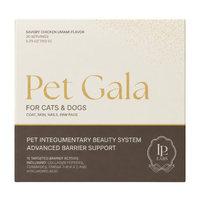
Pet Gala™ supports normal skin barrier function as part of a broader veterinary allergy plan.

Th2 Allergy Pathway in Dogs (IL-4 / IL-13 Axis) matters because it explains why an allergic dog can look “better,” then flare again with the same red paws, itchy belly, or recurring ear trouble. IL-4 and IL-13 are messaging proteins that push the immune system toward a type 2 pattern, and that pattern can weaken the skin’s outer barrier so more irritants and allergens keep getting in. That creates a loop: more exposure leads to more immune signaling, which leads to more barrier strain, which leads to more exposure.

At home, this often shows up as itch that seems “out of proportion” to what is visible, plus waxing-and-waning redness, greasy odor, or flaky patches that move around the body. Many owners notice the same hotspots: paws, armpits, groin, face folds, and ears. This page focuses on two practical goals: (1) understanding the th2 immune response dogs can get locked into, and (2) learning how to break the cycle by supporting the barrier while the veterinarian addresses the immune side.

The details can feel technical, but the take-home is simple: when il-4 il-13 dogs allergy signaling stays active, the skin becomes easier to irritate and harder to keep calm. The sections below translate that biology into household cues, what to document for the vet, and what changes tend to matter most over weeks—not just days.

By La Petite Labs Editorial, ~15 min read

Featured Product:

  • Th2 Allergy Pathway in Dogs (IL-4 / IL-13 Axis) describes an allergic loop where IL-4/IL-13 push type 2 inflammation, weaken the skin barrier, and set up repeat flares.
  • Owners often see itch first, then licking/chewing, ear debris, and “migrating” red patches that come back after short-term relief.
  • Barrier strain matters: when the outer skin layer leaks water and lets allergens in, the immune system gets more chances to react.
  • Triggers are usually layered (pollens, dust mites, grooming products, infections, stress, humidity), so “one cause” is uncommon.
  • The itch signal IL-31 and downstream JAK-STAT signaling can amplify scratching even when redness looks mild, so itch control and barrier care often need to run together.
  • Useful vet handoff includes photos, itch scores, paw/ear notes, and a timeline of exposures and products—especially around seasonal changes.
  • A practical plan usually combines trigger reduction, barrier-support routines, and veterinarian-guided therapies (including options that can shift allergic immune patterns over time).

What “Th2” Means in Plain Dog-skin Terms

Th2 Allergy Pathway in Dogs (IL-4 / IL-13 Axis) refers to a specific “style” of immune reaction that leans toward allergy. In this th2 immune response dogs can develop, IL-4 and IL-13 act like instructions that encourage allergic inflammation and make the skin more reactive to everyday exposures. In early atopic skin lesions, Th2-associated pathways can switch on quickly, which helps explain why itch can start before a big rash is obvious (Olivry, 2016).

At home, this often looks like repeated paw licking, face rubbing, or belly scratching that cycles through “good days” and “bad days.” The dog may seem restless in the evening, stop mid-walk to chew a foot, or wake up to scratch. These patterns are clues that the problem is not just a one-time irritant, but an allergy-leaning immune setting that keeps getting re-triggered.

Coat shine detail showing beauty mechanisms supported by type 2 inflammation dogs.

IL-4 and IL-13: the Allergy “Bias” Signals

In il-4 il-13 dogs allergy biology, IL-4 and IL-13 help steer immune cells toward producing allergy-type responses rather than a short, self-limited reaction. This is one reason type 2 inflammation dogs experience can persist even when the original trigger is small. Canine atopic dermatitis is now understood as a mix of immune skewing, barrier weakness, and environmental exposure—not a single “skin infection problem” (Marsella, 2021).

Owners may notice the dog reacts to multiple things: a new detergent, a week of high pollen, a dusty guest room, or a change in grooming products. The key household takeaway is that the immune system can be primed, so tiny exposures add up. That is why consistent routines—rather than occasional “big cleanups”—tend to matter more for keeping flares gentler.

Scientific beauty render highlighting skin hydration supported by il-4 il-13 dogs allergy.

Why Allergic Dogs Flare Again After “Getting Better”

Allergy flares often return because the immune side and the barrier side feed each other. When IL-4/IL-13 signaling stays active, the skin’s outer layer can become easier to disrupt, and that allows more allergens and irritants to penetrate. Early Th2 pathway activity has been documented in acute lesions, supporting the idea that the flare cycle can restart quickly once the skin is challenged again (Olivry, 2016).

A common home pattern is “weekend relief, weekday relapse”: the dog looks calmer after a bath or a few quiet days, then flares after daycare, a long hike, or a visit to a carpeted house. This does not mean the owner “missed a spot.” It usually means the barrier was still fragile, so the next exposure pushed the dog back into itch and inflammation.

Beauty visualization highlighting formulation depth and rigor in th2 immune response dogs.

The Barrier Breakdown Loop: Where Skin Lets Allergens In

The skin barrier is a physical shield made of tightly packed cells, fats, and proteins that limit water loss and block entry of allergens. In allergic dogs, barrier weakness can be both a starting point and a consequence of inflammation, creating a self-reinforcing loop described in modern canine atopic dermatitis models (Marsella, 2021). This is why internal-link topics like “filaggrin tight junctions and the skin barrier in dogs” matter: when those structures are strained, the immune system gets more chances to react.

At home, barrier strain often shows up as dry flaking, a rough coat, recurring “hot spots,” or redness that appears after normal activities like rolling in grass. Some dogs develop a faint musty odor even before a clear infection is present. Gentle, consistent skin care (not harsh scrubbing) is often the difference between a short flare and a long one.

Dog portrait capturing coat health and beauty supported through th2 immune response dogs.

Case Vignette: the Dog Who “Only Itches in Spring”

Case vignette: A 4-year-old retriever starts licking paws in March, then develops red armpits and recurrent ear debris by April. After a short course of itch control, the skin looks calmer, but the dog flares again within two weeks of rainy walks and muddy paws. This pattern fits a th2 immune response dogs can get locked into: seasonal exposure lights the fuse, and barrier strain keeps the cycle going.

In a household routine, the turning point is often noticing what happens between flares: damp paws after walks, sleeping on dusty bedding, or a new scented floor cleaner. Small changes—rinsing paws, drying skin folds, washing bedding weekly—can reduce how often allergens sit on the skin long enough to trigger another round of itch.

The scratching is completely gone, his coat looks healthy and shiny!

— Lena

He was struggling with itching, now he's glowing.

— Grace

“When the barrier stays fragile, small exposures can restart big itch.”

IL-31: the Itch Amplifier Downstream of Th2

Many owners are surprised that itch can be intense even when the skin looks only mildly pink. One reason is that Th2 cells can drive IL-31 production after allergen exposure, and IL-31 can signal to immune cells, skin cells, and nerves involved in itch sensation (McCandless, 2014). This is a key bridge between Th2 Allergy Pathway in Dogs (IL-4 / IL-13 Axis) and the “il-31 itch pathway in dogs” topic.

At home, IL-31-style itch often looks like sudden “attack scratching,” face rubbing on carpet, or chewing at the base of the tail without fleas. The dog may pant, pace, or seem unable to settle. When itch is the main symptom, documenting time-of-day patterns and what the dog was doing right before the itch spike can help the veterinarian choose the most appropriate itch-control strategy.

Portrait of a dog showing beauty presence supported by th2 immune response dogs.

JAK-STAT Signaling: How Itch Messages Travel

Cytokines such as IL-4, IL-13, and IL-31 do not act by “touching” the skin directly; they work by binding receptors that trigger internal message pathways in cells. One major route is JAK-STAT signaling, which is why owners may hear about “jak-stat itch signaling in dogs” when discussing itch control options. Understanding this helps set expectations: some therapies target the message pathway (itch), while others aim at longer-term immune patterning or barrier support.

In daily life, this translates to a practical split: fast itch relief can protect sleep and reduce self-trauma, but it does not automatically rebuild the barrier. If a dog stops scratching yet still has flaky skin or recurring ear debris, the underlying loop may still be active. That is why many plans include both itch control and a steady skin-care routine.

Dog portrait from the side highlighting beauty supported by il-4 il-13 dogs allergy.

Owner Checklist: Home Signs That Point to Type 2 Inflammation

Owner checklist for type 2 inflammation dogs commonly show: (1) paw licking that leaves rusty saliva staining, (2) face rubbing or “carpet scrubbing,” (3) recurring ear redness or brown waxy debris, (4) itch that worsens at night or after outdoor time, and (5) red armpits/groin with a shiny, irritated look. These signs do not prove a single diagnosis, but they fit the pattern where allergic signaling and barrier strain keep re-triggering each other.

A useful routine is to check paws and ears during calm moments, not only during a flare. Smell the ears, look between toes, and note whether the dog pulls away when touched (tenderness can signal secondary infection). Catching early changes often prevents a small flare from turning into a long, uneven month of scratching and broken skin.

Visual ingredient map showing formulation transparency connected to il-4 il-13 dogs allergy.

Triggers: Why “One Allergy” Is Rare in Real Homes

Triggers for Th2 Allergy Pathway in Dogs (IL-4 / IL-13 Axis) are usually layered: pollens, dust mites, molds, grooming products, and skin microbes can all add pressure. When the barrier is already strained, even normal friction from harnesses or licking can keep inflammation going. Modern reviews of canine atopic dermatitis emphasize this multifactorial picture, which is why “finding the one culprit” is often less productive than reducing the overall trigger load (Marsella, 2021).

In the house, the biggest “silent” triggers are often soft surfaces and routines: bedding that holds dust, carpets where pollen settles, and damp towels used repeatedly. Outdoor triggers can be managed by timing walks, rinsing after high-pollen days, and drying paws thoroughly. The goal is not a sterile home; it is fewer hours per day with allergens sitting on vulnerable skin.

What to Track: Outcome Cues That Predict the Next Flare

What to track rubric (what to document for the vet) for Th2-driven allergy cycles: (1) daily itch score from 0–10, (2) number of paw-licking episodes after walks, (3) ear odor/wax change, (4) sleep disruption (waking to scratch), (5) new red zones mapped on a body outline, and (6) any new products or environments that week. These markers help separate “itch messaging” problems from “barrier exposure” problems, which can change the plan.

A simple phone album works well: one photo per hotspot every 3–4 days in the same lighting. Add short notes like “rainy day,” “freshly washed bedding,” or “visited grandma’s carpet.” Over time, patterns become visible, and that often leads to gentler, more balanced management than guessing based on memory during a stressful flare.

“Itch control protects sleep; barrier care protects tomorrow’s flare risk.”

Lab coat visual symbolizing disciplined formulation supporting th2 immune response dogs.

Unique Misconception: “If It’s Th2, It’s Only Seasonal”

A common misunderstanding is that a Th2 pattern means the dog is only allergic to outdoor pollens and will be fine the rest of the year. In reality, Th2 Allergy Pathway in Dogs (IL-4 / IL-13 Axis) describes an immune bias that can be triggered by many exposures, including indoor allergens like dust mites. Plasma cytokine patterns can differ between dogs with atopic dermatitis and controls, supporting that immune signaling differences can persist beyond a single season (Mazrier, 2022).

At home, this misconception can lead to stopping all routines the moment spring ends, then being surprised by a fall flare or winter ear problems. A better approach is to keep a baseline skin plan year-round and intensify it during known “bad months.” That keeps the barrier from dropping to zero overhead before the next trigger wave arrives.

Shop Now
Premium ingredient tableau framing Pet Gala aligned with th2 immune response dogs.

Secondary Context: Gut-skin Links Without Overpromising

Some owners notice that skin flares and digestive upset travel together, and research is exploring gut-barrier changes in dogs with atopic dermatitis (Ekici, 2024). This does not mean every itchy dog has a primary gut disease, or that diet alone will resolve a Th2-driven skin cycle. It does support a practical idea: when multiple barriers (skin, gut) are strained at the same time, the dog may have less stamina for handling everyday exposures.

In the household, it helps to note stool changes, new treats, and any sudden diet switches around flare time. If a diet trial is planned, it should be veterinarian-guided and strict enough to interpret. The most useful owner role is careful documentation, not frequent food hopping that makes patterns impossible to read.

Shop Now
Woman holding Pet Gala box with her dog, showing daily th2 immune response dogs routine.

Diagnosis: How Vets Confirm the Pattern Behind the Itch

Veterinarians do not diagnose Th2 Allergy Pathway in Dogs (IL-4 / IL-13 Axis) with a single home test. Instead, they build the case by ruling out look-alikes (fleas, mites, infection, contact irritation) and recognizing the typical distribution and history of canine atopic dermatitis. Allergy testing is often used to guide allergen immunotherapy plans, not to “prove” that a dog is allergic in the first place.

Owners can speed up the visit by bringing a timeline: when itch started, which body parts were first, and what changed in the home. Bring labels or photos of shampoos, wipes, supplements, and ear cleaners used in the last two months. This reduces trial-and-error and helps the vet see whether the main driver is exposure, infection, itch signaling, or barrier breakdown.

Shop Now

Vet Visit Prep: Questions That Improve the Treatment Fit

Vet visit prep questions for suspected Th2-driven allergy cycles: (1) “Which signs suggest infection versus allergy-only inflammation?” (2) “Is itch control the priority right now, or barrier repair and trigger reduction?” (3) “Would allergy testing help plan immunotherapy, given this dog’s seasonality and indoor exposure?” and (4) “What is the plan for ears and paws specifically, since those flare first?” These questions keep the conversation focused on the loop, not just the latest hotspot.

Bring three things: clear photos, the tracking rubric notes, and a list of what has already been tried (including how long it was used). If the dog’s sleep is disrupted, say so plainly; sleep loss often signals that itch messaging is dominating. A good handoff helps the veterinarian choose a plan that is gentler and more balanced over time.

Treatment Logic: Break the Loop from Both Sides

The most effective management usually targets both sides of the cycle: reduce exposure and support the barrier, while also controlling immune-driven itch and inflammation. A systematic review of randomized trials in canine atopic dermatitis highlights that multiple interventions can help, but outcomes vary and comparisons are difficult because studies measure different endpoints (Olivry, 2010). That variability is exactly why individualized plans matter: the “best” plan is the one that fits the dog’s triggers, infection risk, and household reality.

At home, the barrier side is often the most controllable: frequent bedding washes, paw rinses, drying folds, and using veterinarian-recommended gentle cleansers. The immune side is usually medication or immunotherapy guided by the vet. When both are addressed together, flares tend to become shorter and less uneven, and the dog spends more days comfortable between setbacks.

Benchmark graphic emphasizing formulation depth and rigor behind type 2 inflammation dogs.

Allergen Immunotherapy: the Long-game Option for Th2 Skew

Allergen-specific immunotherapy (AIT) is often described as the option most likely to change the underlying allergic pattern rather than only quiet symptoms. Mechanistically, immunotherapy can shift immune responses away from allergic Th2 dominance by promoting regulatory pathways and immune “re-education” (Shamji, 2011). Reviews also emphasize AIT as a disease-modifying approach in allergic conditions, which is why it is frequently discussed for long-term canine atopic dermatitis plans (Moote, 2011).

In a household, AIT works best when expectations are realistic: it is a months-long project, not a quick fix for a weekend flare. Owners should plan for consistent dosing schedules and ongoing tracking of outcome cues. If a dog has multiple triggers, AIT may still help, but barrier routines and infection prevention remain important so the skin has enough overhead to respond.

Shop Now
Pet Gala in protective wrap, emphasizing quality behind type 2 inflammation dogs.

What Not to Do During a Th2-driven Flare

What not to do: (1) do not rotate shampoos, wipes, and supplements every few days—this hides patterns and can irritate skin further; (2) do not use human anti-itch creams on large areas without veterinary direction, especially in lick zones; (3) do not assume every flare is “just allergies” and skip ear or skin infection checks; and (4) do not over-bathe with harsh products that strip oils and worsen barrier dryness. These mistakes keep the loop active by adding new irritation while the skin is already vulnerable.

A safer home approach is consistency: gentle cleansing, thorough drying, and preventing licking with cones or shirts when needed. If the dog suddenly becomes painful, develops a strong odor, or the skin looks wet and raw, that is a reason to call the vet promptly. Quick infection control can prevent a small barrier break from turning into a deep, slow-to-settle flare.

Shop Now

Dogs Vs Cats: Why This Page Does Not Fully Transfer

Owners with multiple pets often wonder whether the same “Th2” explanation applies across species. The general idea of type 2 inflammation exists in mammals, but the way allergy shows up and is managed can differ between dogs and cats. That is why a separate internal-link topic like “th2 allergy pathway in cats” is useful: cats may present with different lesion patterns and grooming behaviors, so dog-first assumptions can mislead.

In a mixed-pet home, it helps to avoid sharing medicated shampoos, ear products, or flea treatments without veterinary confirmation for each species. Also avoid assuming that one pet’s trigger is the other’s trigger; cats may overgroom for reasons that look like “itch” but are not the same cycle. Keeping species-specific notes improves the vet handoff and prevents accidental product misuse.

“The goal is fewer triggers on skin, for fewer hours each day.”

Educational content only. This material is not a substitute for veterinary advice. Always consult your veterinarian about your dog’s specific needs. These statements have not been evaluated by the Food and Drug Administration. Products mentioned are not intended to diagnose, treat, cure, or prevent any disease.

Glossary

  • Th2 (T-helper 2) - An immune cell pattern that tends to drive allergic inflammation.
  • IL-4 - A cytokine that helps push immune responses toward an allergy-leaning (type 2) direction.
  • IL-13 - A cytokine closely linked with IL-4 that supports type 2 allergic inflammation and barrier strain.
  • Type 2 Inflammation - A family of allergic inflammatory signals often associated with itch, redness, and recurring flares.
  • Skin Barrier - The outer skin layer that limits water loss and blocks allergens, microbes, and irritants.
  • Tight Junctions - “Seals” between skin cells that help prevent leakiness and allergen entry.
  • IL-31 - A cytokine strongly associated with itch signaling to nerves and skin.
  • JAK-STAT - An internal cell messaging pathway used by several itch- and allergy-related cytokines.
  • Allergen Immunotherapy (AIT) - Vet-guided exposure to selected allergens to shift the allergic immune pattern over time.

Related Reading

References

Olivry. Early Activation of Th2/Th22 Inflammatory and Pruritogenic Pathways in Acute Canine Atopic Dermatitis Skin Lesions.. PubMed. 2016. https://pubmed.ncbi.nlm.nih.gov/27342734/

Olivry. Interventions for atopic dermatitis in dogs: a systematic review of randomized controlled trials.. PubMed. 2010. https://pubmed.ncbi.nlm.nih.gov/20187910/

Marsella. Advances in our understanding of canine atopic dermatitis. 2021. https://www.mdpi.com/2306-7381/11/3/109

Mazrier. Altered plasma cytokines in dogs with atopic dermatitis.. PubMed Central. 2022. https://pmc.ncbi.nlm.nih.gov/articles/PMC9299684/

Shamji. Mechanisms of immunotherapy to aeroallergens.. PubMed. 2011. https://pubmed.ncbi.nlm.nih.gov/21762223/

Moote. Allergen-specific immunotherapy. Springer. 2011. https://link.springer.com/article/10.1186/1710-1492-7-S1-S5

McCandless. Allergen-induced production of IL-31 by canine Th2 cells and identification of immune, skin, and neuronal target cells.. PubMed. 2014. https://pubmed.ncbi.nlm.nih.gov/24321252/

Ekici. Investigation of the relationship between atopic dermatitis of dogs and intestinal epithelial damage.. PubMed Central. 2024. https://pmc.ncbi.nlm.nih.gov/articles/PMC11034634/

FAQ

What is Th2 Allergy Pathway in Dogs (IL-4 / IL-13 Axis)?

Th2 Allergy Pathway in Dogs (IL-4 / IL-13 Axis) is a way to describe an allergy-leaning immune pattern where IL-4 and IL-13 push the body toward type 2 inflammation. That pattern can make skin more reactive and more likely to flare again after small exposures.

At home, it often looks like repeat paw licking, face rubbing, belly itch, and recurring ear trouble that cycles through better and worse weeks. The key idea is a loop: immune signaling strains the barrier, and a strained barrier lets in more triggers.

Why do IL-4 and IL-13 matter for dog allergies?

IL-4 and IL-13 are “instruction” signals that can keep an allergic style of inflammation going. In il-4 il-13 dogs allergy patterns, these signals help explain why the immune system can stay biased toward reacting, even when the trigger seems minor.

For owners, this means the goal is not only to stop today’s scratching, but also to reduce how often the skin gets re-challenged. Consistent barrier care and trigger reduction can make the immune system’s job easier between vet visits.

Is Th2 the same as atopic dermatitis in dogs?

Th2 is not a diagnosis by itself; it is a pathway pattern. Canine atopic dermatitis commonly involves Th2-skewed immune signaling plus skin barrier weakness and environmental triggers.

A veterinarian diagnoses atopic dermatitis by history, body pattern, and ruling out look-alikes like fleas, mites, and infection. Owners help most by bringing a timeline, photos, and notes on paws, ears, and sleep disruption.

What does type 2 inflammation look like at home?

Type 2 inflammation dogs experience often shows up as itch that seems bigger than the visible rash. Common hotspots include paws, armpits, groin, face, and ears.

Owners may notice rusty saliva staining on feet, head shaking, recurring ear odor, or nighttime scratching. Tracking where itch starts and what happens after walks, baths, or cleaning days can reveal trigger patterns worth sharing with the vet.

Can a dog have Th2-driven itch without much redness?

Yes. Itch can be amplified by nerve-targeting signals such as IL-31, which can be produced by canine Th2 cells after allergen exposure(McCandless, 2014). That means scratching may surge before a dramatic rash develops.

At home, this can look like sudden chewing at paws or rubbing the face on carpet with only mild pinkness. Documenting itch timing and sleep disruption helps the veterinarian decide whether itch messaging needs more attention right now.

How is Th2 Allergy Pathway in Dogs (IL-4 / IL-13 Axis) diagnosed?

There is no single household test that confirms Th2 Allergy Pathway in Dogs (IL-4 / IL-13 Axis). Veterinarians infer the pattern from clinical history, typical body distribution, and by ruling out parasites and infections that mimic allergy.

Allergy testing is often used to select allergens for immunotherapy rather than to prove the diagnosis. Owners can support diagnosis by bringing photos, a product list, and notes on seasonality, indoor exposures, and ear/paw flare frequency.

What triggers keep the Th2 flare cycle going?

Triggers are usually layered: pollens, dust mites, molds, grooming products, and skin microbes can all add pressure. When the barrier is strained, friction and licking can keep inflammation active even after the original exposure passes.

In real homes, the most actionable triggers are contact-time issues: damp paws after walks, dusty bedding, and scented cleaners. Reducing how long allergens sit on skin often matters as much as reducing the allergens themselves.

Does food allergy cause the same Th2 pathway in dogs?

Food allergy can contribute to itch in some dogs, but many itchy dogs have environmental atopic dermatitis rather than a primary food trigger. The immune “style” can overlap, but the management differs, so guessing based on one symptom is rarely reliable.

If a diet trial is recommended, it should be strict and long enough to interpret, with no extra treats or flavored medications unless approved. Owners should document stool changes, itch scores, and ear/paw changes during the trial for a clearer vet decision.

How long does it take to see improvement in flares?

Timeline depends on what is being targeted. Itch messaging can sometimes calm faster than barrier recovery, while trigger reduction often shows benefits over weeks as the skin’s renewal rate catches up.

Owners should track outcome cues rather than relying on memory: itch score, sleep disruption, paw licking after walks, and ear odor. If the dog improves briefly then rebounds, that often signals the barrier side still needs more consistent support.

What home care supports the skin barrier during Th2 flares?

Barrier-support home care focuses on gentle cleansing, reducing allergen contact time, and preventing self-trauma. That can include paw rinses after outdoor time, thorough drying of toes and folds, and veterinarian-recommended gentle shampoos or wipes.

Bedding hygiene is often overlooked: wash weekly, and avoid heavily scented detergents. If licking is constant, physical barriers (cone, shirt, booties) can protect skin while the veterinarian addresses itch signaling and any infection.

What should owners avoid doing during allergy flare-ups?

Avoid rapid product switching, harsh frequent bathing, and using human creams on lickable areas without veterinary direction. Also avoid assuming every flare is “just allergies” when odor, pain, or wet lesions may signal infection.

A consistent plan is safer: gentle routines plus clear documentation of what changed. If a dog suddenly cannot sleep, develops head shaking, or has raw, oozing skin, prompt veterinary contact is appropriate.

How does allergen immunotherapy relate to Th2 dominance?

Allergen immunotherapy is designed to retrain the immune response over time. Mechanisms described in aeroallergen immunotherapy include shifting away from allergic Th2 dominance and promoting regulatory immune activity(Shamji, 2011).

For owners, the practical point is patience and consistency: results are typically measured over months, not days. Even when immunotherapy is used, barrier routines and infection prevention remain important to keep flares gentler during the transition.

Is allergen immunotherapy the only disease-modifying option?

In allergy medicine, allergen-specific immunotherapy is widely described as an approach that can modify the underlying allergic response rather than only suppress symptoms(Moote, 2011). In dogs, suitability depends on trigger profile, owner schedule, and the veterinarian’s assessment.

Owners can ask whether testing is likely to produce a useful immunotherapy recipe and what the expected timeline is. Even with disease-modifying intent, short-term itch control and barrier support are often still needed to protect skin and sleep.

Are cytokine tests used to guide treatment in dogs?

Cytokine patterns have been studied as potential biomarkers in dogs with atopic dermatitis, with altered plasma cytokines reported compared with controls(Mazrier, 2022). In everyday practice, most treatment decisions still rely more on clinical signs, infection checks, and response to therapy than on cytokine panels.

Owners can still use the same logic at home: track itch, sleep, and hotspot location. Those outcome cues often provide clearer, more actionable feedback than a single lab snapshot when managing a chronic flare cycle.

How is this different from the Th2 pathway in cats?

The concept of type 2 inflammation exists across species, but cats often show allergy differently (for example, heavy grooming patterns and different lesion types). That is why a separate “th2 allergy pathway in cats” discussion is useful rather than applying dog patterns directly.

In mixed-pet homes, avoid sharing medicated products without veterinary approval for each species. Owners should keep separate notes for each pet, because “itch behaviors” can look similar while the underlying drivers and safe treatments differ.

Can puppies or seniors have Th2-driven allergic skin disease?

Yes. Age can change how allergy shows up and how quickly skin breaks down, but the same loop concept can apply: immune signaling plus barrier strain plus exposure. The veterinarian will also consider age-related look-alikes, such as parasites in young dogs or endocrine issues in older dogs.

Owners should mention life stage, growth, and any other health conditions when discussing plans. For seniors, note new lumps, weight changes, or increased thirst alongside itch, since those details can change which tests are most important.

Do certain breeds get stronger Th2 allergy patterns?

Some breeds are overrepresented in canine atopic dermatitis, likely due to inherited differences in skin barrier traits and immune tendencies. Breed does not guarantee a Th2-driven problem, but it can raise suspicion when the history and body pattern fit.

For owners, breed risk is most useful for early action: start gentle routines sooner, do consistent flea control, and document early paw/ear signs. Early management can prevent repeated self-trauma that deepens the flare cycle.

When should a vet be called urgently for itch?

Urgent contact is appropriate if the dog is not sleeping due to itch, has painful skin, develops wet/oozing lesions, or has strong odor and discharge from ears. These signs can indicate infection or severe inflammation that needs prompt treatment.

Also call if there is sudden facial swelling, hives, vomiting, or collapse, which can signal an acute allergic reaction. For chronic flares, schedule a visit when patterns are clear, and bring photos plus an itch timeline to improve decision-making.

How can owners prepare for an allergy-focused vet appointment?

Bring a short flare timeline, photos of hotspots, and a list of products used (shampoos, wipes, ear cleaners, flea control, supplements). Note whether paws and ears flare first, and whether itch worsens after walks, baths, or cleaning days.

Ask targeted questions: whether infection is present, which body areas need special care, and what to track at home. This helps the veterinarian choose a plan that addresses both itch messaging and barrier breakdown, not just the visible rash.

Can Pet Gala™ replace medications for Th2 allergy flares?

No. Supplements are not a substitute for veterinary diagnosis or prescription therapies when a dog is in an active flare. Th2 Allergy Pathway in Dogs (IL-4 / IL-13 Axis) often requires a plan that includes itch control, infection checks, trigger reduction, and barrier care.

If a veterinarian recommends adding barrier support, {"type":"link","url":"https://lapetitelabs.com/products/pet-gala","children":[{"type":"text","value":"Pet Gala™"}]} may help support normal skin barrier function as part of that broader plan. Any new supplement should be discussed if the dog has other conditions or a sensitive stomach.

How should a barrier-support supplement be introduced safely?

Introduce one change at a time so the response is interpretable. Start during a relatively stable week if possible, and keep all other routines consistent (same shampoo, same treats, same cleaning products).

Monitor stool quality, appetite, and itch/sleep outcome cues for 2–3 weeks. If using {"type":"link","url":"https://lapetitelabs.com/products/pet-gala","children":[{"type":"text","value":"Pet Gala™"}]}, follow label directions and confirm fit with the veterinarian, especially if the dog is on other therapies or has a history of food sensitivities.

5K+ Happy Pet Parents

Excellent 4.8

Th2 Allergy Pathway in Dogs (IL-4 / IL-13 Axis) | Why Thousands of Pup Parents Trust Pet Gala™

"It's so good for his coat, and so easy to mix into food."

Alex & Cashew

"Gives him that glow from head to tail!"

Elisabeth & Chai

"The scratching is completely gone, his coat looks healthy and shiny."

Lena & Bear

"Magical. He was struggling with itching and shedding. Now he's literally glowing."

Grace & Ducky

"It's so good for his coat, and so easy to mix into food."

Alex & Cashew

"Gives him that glow from head to tail!"

Elisabeth & Chai

"The scratching is completely gone, his coat looks healthy and shiny."

Lena & Bear

"Magical. He was struggling with itching and shedding. Now he's literally glowing."

Grace & Ducky

"It's so good for his coat, and so easy to mix into food."

Alex & Cashew

"Gives him that glow from head to tail!"

Elisabeth & Chai

"The scratching is completely gone, his coat looks healthy and shiny."

Lena & Bear

"Magical. He was struggling with itching and shedding. Now he's literally glowing."

Grace & Ducky

"It's so good for his coat, and so easy to mix into food."

Alex & Cashew

"Gives him that glow from head to tail!"

Elisabeth & Chai

"The scratching is completely gone, his coat looks healthy and shiny."

Lena & Bear

"Magical. He was struggling with itching and shedding. Now he's literally glowing."

Grace & Ducky

SHOP NOW