German Shepherd Skin Allergies

Identify the Trigger Pattern, Calm Inflammation, and Restore Protective Skin Function

Essential Summary

Why are German Shepherd skin allergies important?

German Shepherd skin allergies often show up as visible discomfort: paw chewing, ear irritation, flaky patches, and a coat that loses its easy shine. The most reassuring approach combines veterinary clarity with gentle routines—clean paws, calm grooming, diet consistency, and barrier support—so your dog looks comfortable again and stays looking well-kept between flares.

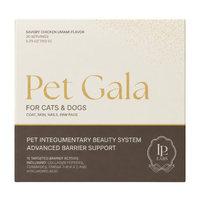
Pet Gala™ is daily supplement support for the visible side of wellbeing—comfortable skin, a softer coat, and strong, clean nails. It fits neatly alongside veterinary allergy care and good grooming, helping you maintain a polished look even when seasons, walks, and everyday life try to dull the finish.

German shepherd skin allergies are most often driven by a few repeat categories, and knowing which “bucket” you’re dealing with helps set realistic expectations. The big four are flea allergy dermatitis (a hypersensitivity to flea saliva), environmental (atopic) allergy to things like pollens, molds, and dust mites, food allergy (usually a reaction to a dietary protein), and less commonly contact allergy from something touching the skin. Many dogs don’t fit neatly into one category, and allergies can be seasonal vs year-round depending on the trigger and your region.

Because allergic skin is easier to irritate and easier to infect, flare-ups often come with secondary issues like yeast or bacterial overgrowth, ear inflammation, and recurring hot spots—problems that can make the original allergy look “worse” than it is. This hub page focuses on the allergy types, how veterinarians confirm them, and what long-term management typically looks like. If what you’re seeing is mainly relentless scratching, start with our German Shepherd Itchy Skin Treatment guide; if the main issue is flaking/tight-feeling skin, see German Shepherd Dry Skin Remedies; and if coat drop is your primary concern, visit German Shepherd Shedding Solutions.

By La Petite Labs Editorial, ~15 min read

Featured Product:

  • German Shepherd skin allergies often appear first as small, repeatable signals—paw licking, ear debris, dandruff, and a coat that looks less plush.
  • Common causes include environmental allergens, flea sensitivity, food reactions, contact irritation, and secondary yeast or bacterial infections.
  • The fastest visible improvement usually comes from ruling out parasites and treating infections before adding new topicals or diet changes.
  • A calm routine—gentle brushing, thorough rinsing after baths, and wiping paws after walks—reduces the “allergen load” trapped in a double coat.
  • Diet trials work best when structured and consistent; random food swaps can blur the picture and prolong flares.
  • Supplements stay relevant even with a good diet because visible condition changes with seasons, stress, and grooming—supporting barrier quality and coat finish.
  • A layered plan answers the practical question: how to keep skin looking calm and the coat looking polished between veterinary visits.

Types of Allergies That Commonly Affect German Shepherd Skin

Most German Shepherd allergy cases fall into a few patterns, and each tends to affect certain body areas and come with predictable “side effects.”

**Flea allergy** often shows up as intense irritation focused on the rump, tail base, and back legs—even when you rarely see fleas. A single bite can trigger a disproportionate reaction, and scratching can quickly open the door to infection.

**Atopic dermatitis** (environmental allergy) is commonly linked to pollens, molds, and dust mites. It often affects the paws, face, armpits, belly, and ears, and may flare seasonally or persist year-round depending on the allergen load.

**Food allergy** can look similar to atopy, frequently involving the ears, paws, and skin around the face and underside. Some dogs have year-round signs, and gastrointestinal upset may or may not be present.

**Contact dermatitis** is less common but can occur where the skin touches an irritant (for example, belly or feet after exposure to certain surfaces or products).

Across all types, allergic inflammation commonly leads to **secondary yeast/bacterial infections**, which can add odor, redness, greasy scaling, and recurrent ear problems—often requiring targeted treatment alongside allergy control.

Coat health illustration symbolizing beauty support via german shepherd skin allergies.

How Vets Diagnose Skin Allergies (and Why Guessing Often Fails)

Because flea allergy, atopic dermatitis, and food allergy can look alike on the surface, veterinarians typically diagnose german shepherd skin allergies with a stepwise workflow rather than a single “one-and-done” test.

First comes a detailed history: age of onset, **seasonality** (spring/fall vs year-round), indoor/outdoor exposure, diet changes, and the **locations** affected (paws, ears, belly, tail base). Many clinics then recommend a strict **flea control trial**—not because fleas are always obvious, but because ruling out flea allergy dermatitis is foundational.

If the skin or ears look inflamed, vets often perform **cytology** (a quick microscope exam) to check for yeast and bacteria. Treating these secondary infections can dramatically change what you see on the surface and helps clarify the underlying allergy pattern.

When food allergy is suspected, the gold standard is an **elimination diet (8–12 weeks)** with careful adherence and a planned challenge. Finally, **allergy testing (intradermal or serum IgE)** is typically used to identify environmental triggers for long-term management (for example, immunotherapy), not to diagnose food allergy.

Helpful owner notes include: when flares happen, exact body areas involved, and **response** to flea control, infection treatment, and diet trials.

Molecular artwork representing beauty foundations supported by german shepherd skin allergies solutions.

Common Causes Behind Itch, Redness, and Coat Changes

German shepherd skin allergies causes usually fall into a few buckets: environmental allergens (like pollen or dust), food sensitivities, flea allergy dermatitis, contact irritation (shampoos, detergents, lawn products), and secondary infections that take advantage of inflamed skin. More than one factor can be present at once, which is why “one change” sometimes doesn’t fix everything.

Breed traits can amplify the effect. A thick coat can trap moisture and debris, and active dogs spend more time in grass, dirt, and water. The practical takeaway: you don’t need a perfect theory on day one. You need a clear plan to rule out the obvious, reduce exposure, and support the skin barrier so the coat returns to a clean, comfortable look.

Structural beauty image symbolizing ingredient integrity supported by german shepherd skin allergies causes.

Fleas: the Small Trigger That Creates Big, Visible Flares

Fleas are easy to underestimate, especially if you rarely see them. For sensitive dogs, a single bite can trigger days of itching, chewing, and a visibly irritated tail base. If your German Shepherd is scratching most around the rump, lower back, or inner thighs, flea allergy dermatitis belongs on the list—even for indoor dogs.

Consistent veterinary-recommended flea prevention is one of the simplest ways to reduce avoidable flares. It also makes everything else easier to interpret: if fleas are controlled and the itch remains, you can focus on environmental or food factors with more confidence. The result owners want is straightforward—fewer raw spots, less frantic scratching, and a coat that looks uninterrupted and smooth.

Dog looking radiant, symbolizing beauty and care supported by german shepherd skin allergy symptoms.

Contact Irritants in the Home That Quietly Disrupt Skin

Contact irritation is a quiet troublemaker. A new shampoo, a scented grooming spray, carpet powders, or even lawn treatments can leave skin looking pink and feeling itchy—often on the belly, armpits, and paws. Because German Shepherds have frequent ground contact, these areas can flare quickly, then linger.

If you suspect contact irritation, simplify. Choose fragrance-free laundry detergent for dog bedding, rinse thoroughly after baths, and avoid heavy deodorizing products. A quick wipe-down after walks can remove residue before it becomes a problem. This kind of “less, but better” routine often improves the visible calm of the skin and helps the coat keep its natural sheen.

The scratching is completely gone, his coat looks healthy and shiny!

— Lena

He was struggling with itching, now he's glowing.

— Grace

“The goal isn’t perfect skin; it’s a dog who looks comfortable, day after day.”

Grooming Choices That Improve Shine Without Stripping Comfort

Grooming can either soothe or stir up sensitive skin. Brushing removes allergens and distributes natural oils, which supports a coat that looks glossy and lies neatly. But harsh tools, aggressive de-shedding, or bathing too often can leave the skin looking dry and the coat feeling rough. For dogs with allergies, the goal is a clean, breathable coat without stripping it.

Choose a gentle brush suited to a double coat, and keep sessions short enough that your dog relaxes into them. If you use shampoo, pick a dog-specific formula and rinse longer than you think you need. When grooming becomes a calm ritual, owners often notice the payoff quickly: less debris, fewer flakes, and a more polished overall look.

Dog photo highlighting coat health and expression supported by best german shepherd skin allergy treatment.

Ears and Paws: the Two Zones That Flare First

Ears and paws deserve special attention because they’re common “flare zones.” Recurrent ear debris, head shaking, and paw chewing can be part of the same allergic picture. Moisture, trapped allergens, and micro-irritation can keep these areas looking inflamed even when the rest of the coat seems fine.

Ask your veterinarian before using ear cleaners or topical products, especially if there’s pain or odor. At home, focus on low-risk habits: keep paws dry, trim hair between pads if recommended, and avoid letting your dog stay damp after rain or swimming. Small, consistent care here often improves the most visible “problem spots” first.

Dog in profile against soft background, showing coat health with german shepherd skin allergies.

When to See the Vet for Fast, Safe Relief

When to call the vet is not a mystery: if you see open sores, pus, significant hair loss, a strong odor, or your dog can’t settle, it’s time. Allergies can look similar to mange, ringworm, endocrine disease, or pain-driven licking, and the right test can save weeks of trial-and-error. Veterinary care is also the safest way to address secondary infections that keep skin looking red and “angry.”

Once you have a diagnosis and a plan, supportive routines become more effective. That’s the sweet spot for consistent grooming, diet stability, and supplement support—choices that help maintain the visible comfort you’ve regained, rather than constantly chasing the next flare.

Visual ingredient map showing formulation transparency connected to german shepherd skin allergies.

Skin Barrier Support: Why Condition Shows in Coat and Nails

A strong skin barrier is the difference between “touchy skin” and skin that looks composed. When the barrier is compromised, moisture balance shifts, allergens penetrate more easily, and the coat can lose its plush, even finish. Supporting the barrier is not about chasing a single nutrient; it’s about giving the body consistent building blocks and reducing the daily irritants that keep the surface unsettled.

This is why supplement support stays relevant even for careful feeders. A complete diet can meet basic requirements, yet visible condition still fluctuates with seasons, stress, and grooming. A well-designed formula can support skin, coat, and nails together—helping your German Shepherd look freshly cared-for, not perpetually “in recovery.”

Supplements That Support Coat Shine and Comfortable Skin Daily

When people search for the best supplements for german shepherd skin allergies, they’re usually trying to support two visible outcomes: calmer-looking skin and a coat that regains softness and shine. A practical short list often includes omega-3 fatty acids (EPA/DHA), vitamin E (as an antioxidant partner), and skin-supportive nutrients like zinc and biotin—used thoughtfully, not as a scattershot stack. Some dogs also do well with probiotics, especially when skin flares seem to track with digestive upset.

Quality matters more than quantity. Look for clear labeling, sensible serving guidance, and formulas designed for dogs (not repurposed human blends). Supplements aren’t a substitute for diagnosing infections or parasites, but they can support a more “settled” look day to day—less brittle coat, fewer dry patches, and a smoother feel when you run your hand along the back.

“Treat what’s active, then support what’s visible: barrier, coat finish, and calm paws.”

Branded lab coat reflecting precision and trust supporting how to help german shepherd with skin allergies.

Choosing Treatment That Balances Flare Control and Maintenance

If you’re weighing the best german shepherd skin allergy treatment, it helps to separate “flare control” from “maintenance care.” Flare control may involve veterinary medications, medicated shampoos, or treating secondary infections—steps that can quickly change how your dog looks and feels. Maintenance care is the quieter work: reducing exposure, keeping the coat clean without stripping oils, and supporting the skin barrier so it doesn’t look chronically reactive.

A balanced plan often includes: a consistent grooming schedule, a diet your dog does well on, and a supplement that supports skin, coat, and nails together. This is also where owners notice the “confidence signals”—a dog who rests without constant licking, a coat that lies flatter, and fewer scabs that interrupt the look of the topline.

Shop Now
Pet Gala in food tableau emphasizing purity aligned with best supplements for german shepherd skin allergies.

Gentle Home Remedies That Keep Skin Looking Calm

German shepherd skin allergy remedies are most effective when they’re gentle, consistent, and paired with good observation. Many households do well with simple changes: switching to a fragrance-free detergent for bedding, wiping paws after outdoor time, and using a mild, dog-appropriate shampoo on a predictable cadence. Over-bathing can backfire by leaving the coat looking dry and the skin feeling tight, so aim for “clean and comfortable,” not squeaky.

Topical soothing products can be helpful, but avoid experimenting on broken skin without veterinary input. If you see oozing, a strong odor, or rapidly spreading redness, treat it as a medical issue first. Once the flare is controlled, supportive routines and supplements can help keep the visible calm you worked hard to restore.

Shop Now
Woman holding Pet Gala box with her dog, showing daily german shepherd skin allergies routine.

Food Sensitivity Clues and Smarter Diet Trial Decisions

Food sensitivity is a common suspect in german shepherd skin allergies causes, but it’s rarely the only one. Some dogs react to specific proteins, others to environmental allergens that happen to peak at the same time as diet changes. If you’re considering a diet trial, it should be structured and long enough to be meaningful, ideally with your veterinarian’s guidance. Randomly rotating foods can make the picture noisier, not clearer.

A helpful mindset is “reduce variables, then support the surface.” Choose a diet your dog thrives on, keep treats consistent, and track changes in coat shine, dandruff, and paw licking. Even when diet isn’t the primary driver, nutrition and supplementation can still improve how the skin and coat present—more luster, less flaking, and a cleaner feel between baths.

Shop Now

Seasonal Triggers and Simple Routines for Cleaner Coat Days

Seasonal patterns are a classic clue. If your dog looks comfortable in winter but struggles in spring or late summer, environmental allergens may be part of the story. Pollen, grasses, molds, and dust can collect in a thick coat and between toes, creating a cycle of itch and irritation. The most visible “tell” is often the paws: staining, chewing, and redness that returns after every walk.

Simple routines can reduce the load: rinse or wipe paws, brush out debris, and keep bedding clean. If your veterinarian recommends allergy medications or immunotherapy, think of them as the foundation for comfort—then use grooming and supplement support to keep the coat looking fresh, plush, and well-kept through the season.

When Yeast or Bacteria Turn Itch into a Bigger Problem

Secondary infections can make mild allergies look dramatic. Yeast and bacteria thrive in warm, moist areas—ears, paws, armpits, and skin folds—especially when licking is constant. Signs include a sour or “corn chip” odor, greasy coat patches, thickened skin, and redness that doesn’t fade. In these cases, the best next step is veterinary evaluation, because supplements alone won’t clear an active infection.

After treatment, maintenance becomes the art: keep the coat dry after swims, manage humidity in sleeping areas, and use grooming to prevent buildup. Barrier support—through diet and a consistent supplement—can help skin look less reactive, so small irritations don’t immediately turn into a visible flare.

Comparison graphic showing how to help german shepherd with skin allergies benefits versus typical supplement formulas.

A Daily Routine That Feels Doable and Looks Reassuring

When owners ask how to help german shepherd with skin allergies, they often want a routine that feels doable, not medicalized. Start with a “calm skin checklist”: parasite prevention, gentle grooming, fragrance-free home products, and a diet that stays consistent for long enough to judge. Then add one supportive change at a time so you can actually see what helps—less scratching at night, fewer flakes on dark furniture, a coat that looks smoother in photos.

A supplement can be the steady piece of the routine, supporting skin, coat, and nails together while you manage triggers. This matters even for careful feeders, because visible condition depends on more than “meeting minimums”—it’s about maintaining a polished, comfortable look through weather, stress, and seasonal shifts.

Shop Now
Supplement box revealed in soft light, reflecting premium best supplements for german shepherd skin allergies positioning.

Symptom Tracking That Helps Your Vet and Your Peace of Mind

Tracking german shepherd skin allergy symptoms is easier when you focus on repeatable signals. Common ones include paw licking, rubbing the face on carpets, recurrent ear debris, dandruff, hot spots, and coat thinning along the belly or tail base. Note timing (after walks, after baths, after a new treat), location (paws vs. Belly vs. Ears), and whether the skin looks dry, greasy, or inflamed.

Photos help—especially for subtle changes in redness and coat density. Bring your notes to the vet so you can move faster toward the right plan. Once triggers and infections are addressed, supportive care can focus on visible comfort: a coat that lies neatly, fewer irritated patches, and a dog who seems at ease in their own skin.

Shop Now

Putting It Together: Practical Solutions for a Polished Look

German shepherd skin allergies solutions work best when they’re realistic for daily life and respectful of what you can actually maintain. Think in three layers: medical clarity (rule out parasites and treat infections), environmental reduction (clean paws, clean bedding, low-fragrance home choices), and barrier support (nutrition plus a consistent supplement). This approach doesn’t promise perfection; it aims for a dog who looks comfortable—less frantic scratching, fewer flare marks, and a coat that reads as cared-for.

If you want a science-minded reason to choose a supplement even with a good diet, it’s this: visible condition is a daily output. Supporting skin, coat, and nails together can help your dog present their best self—softness you can feel, shine you can see, and fewer “bad skin days” that interrupt your routine.

“Consistency beats intensity—especially with grooming, diet stability, and daily support.”

Educational content only. This material is not a substitute for veterinary advice. Always consult your veterinarian about your dog’s specific needs. These statements have not been evaluated by the Food and Drug Administration. Products mentioned are not intended to diagnose, treat, cure, or prevent any disease.

Glossary

  • Atopy (Atopic Dermatitis): A tendency to develop itchy, inflamed skin from environmental allergens like pollen or dust.
  • Skin Barrier: The outer protective layer of skin that helps retain moisture and reduce irritation from allergens and microbes.
  • Hot Spot (Acute Moist Dermatitis): A rapidly developing, wet, painful patch of inflamed skin often triggered by licking or scratching.
  • Flea Allergy Dermatitis: An allergic reaction to flea saliva that can cause intense itch even with minimal flea exposure.
  • Secondary Infection: Yeast or bacterial overgrowth that occurs because irritated skin becomes easier to colonize.
  • Pruritus: The medical term for itching; often tracked by location (paws, ears, belly) and timing (seasonal vs. year-round).
  • Food Sensitivity (Adverse Food Reaction): A non-seasonal reaction to ingredients that may show as skin irritation and sometimes digestive upset.
  • Elimination Diet Trial: A structured feeding period using a limited or prescription diet to evaluate whether food triggers symptoms.
  • Contact Dermatitis: Skin irritation caused by direct contact with a substance such as detergents, shampoos, or lawn chemicals.

Related Reading

References

Mota-Rojas. Anthropomorphism and Its Adverse Effects on the Distress and Welfare of Companion Animals.. Nature. 2021. https://www.nature.com/articles/s41598-025-27388-w

Linde A. Domestic dogs maintain clinical, nutritional, and hematological health outcomes when fed a commercial plant-based diet for a year.. PubMed Central. 2024. https://pmc.ncbi.nlm.nih.gov/articles/PMC11020905/

German K. Exploratory analysis of nutrient composition of adult and senior dog diets.. PubMed Central. 2025. https://pmc.ncbi.nlm.nih.gov/articles/PMC12757753/

Members. WSAVA nutritional assessment guidelines.. PubMed Central. 2011. https://pmc.ncbi.nlm.nih.gov/articles/PMC11107980/

FAQ

What do german shepherd skin allergies usually look like at home?

Most owners notice itch first, but the visual clues matter too: paw licking, ear debris, flaky patches, and a coat that loses its smooth, plush finish. Some dogs also develop small scabs or hot spots that appear after walks or baths.

Because several conditions can mimic allergies, it’s worth confirming parasites and infections with your vet. For daily visible support alongside that plan, consider Pet Gala™.

Why are German Shepherds prone to recurring skin irritation?

A dense double coat can trap pollen, dust, and moisture close to the skin, and active dogs spend more time in grass and water. That combination can make minor irritation look bigger and last longer, especially on paws and ears.

A layered routine—parasite control, gentle grooming, and barrier support—often keeps the coat looking calmer between flares. For daily skin-and-coat support that fits into that routine, many owners use Pet Gala™.

What are the most common german shepherd skin allergies causes?

Common triggers include environmental allergens (pollen, dust, molds), flea allergy dermatitis, food sensitivities, and contact irritation from shampoos, detergents, or lawn products. Secondary yeast or bacterial infections can also intensify redness and odor.

Because multiple factors can overlap, the most satisfying plans combine veterinary clarity with steady at-home care for visible comfort. A daily supplement that supports skin, coat, and nails can complement that approach, such as Pet Gala™.

Which german shepherd skin allergy symptoms suggest an infection too?

A strong odor, greasy patches, oozing sores, crusting, or rapidly spreading redness can point to yeast or bacterial overgrowth rather than “simple itch.” Recurrent ear discharge and painful paws also deserve a closer look.

Treating the infection first usually brings the quickest visible relief, then maintenance routines help prevent repeat flares. For ongoing skin-and-coat support once your vet has a plan, consider Pet Gala™.

What is a reasonable results timeline for allergy support routines?

With the right diagnosis, some changes can look better quickly—less redness after treating parasites or infection. Barrier and coat-quality improvements are usually more gradual, showing as reduced flaking, less paw attention, and a smoother coat feel over several weeks.

Track a few visible markers (paws, ears, dandruff, shine) so you can tell what’s working. For consistent daily support while you watch those signals, many owners add Pet Gala™.

Is there one best german shepherd skin allergy treatment option?

Usually, no single option covers everything because triggers differ: fleas, pollen, food reactions, and infections each need a different response. The “best” plan is the one that controls flares safely and keeps the coat looking comfortable between them.

Veterinary medications may handle flare control, while grooming, diet consistency, and supplements support everyday presentation. For a simple daily layer that supports skin, coat, and nails, consider Pet Gala™.

How can I tell food sensitivity from seasonal allergies?

Seasonal issues often rise and fall with pollen periods and show strongly in paws and face after outdoor time. Food sensitivity can look more constant year-round and may pair with digestive upset, though overlap is common.

A structured vet-guided diet trial is the cleanest way to test food as a driver, while you keep other variables steady. For daily skin-and-coat support during that process, consider Pet Gala™.

What home habits reduce paw licking and toe redness?

Wipe or rinse paws after walks, dry thoroughly, and keep hair between pads tidy if your vet or groomer recommends it. Clean bedding and floors can also reduce what gets reintroduced to the feet each day.

If redness persists or there’s odor, ask your vet to check for yeast or bacterial infection. For daily barrier and coat support that complements these habits, consider Pet Gala™.

Are medicated shampoos safe for frequent use in Shepherds?

They can be, but frequency and product choice should be guided by your veterinarian, especially if skin is broken or infected. Over-bathing or harsh formulas can leave the coat looking dry and the skin feeling tight.

When bathing is part of the plan, thorough rinsing and a consistent schedule usually matter more than “stronger” products. For daily support between baths that focuses on visible coat and skin condition, consider Pet Gala™.

What should I avoid putting on irritated dog skin?

Avoid fragranced human lotions, essential oils, and harsh antiseptics unless your veterinarian specifically recommends them. These can sting, worsen irritation, or be unsafe if licked. Also avoid experimenting on open sores without guidance.

If the skin is raw, oozing, or painful, treat it as a medical issue first, then return to gentle maintenance. For steady daily support aimed at skin, coat, and nails, consider Pet Gala™.

Can supplements replace allergy medications prescribed by my vet?

Supplements are best viewed as supportive care, not a replacement for prescribed allergy medications or infection treatment. Medications may be needed to control intense itch or inflammation, while supplements can help maintain a healthier-looking coat and skin day to day.

If you want a routine that feels steady between vet visits, pairing medical flare control with barrier support can be a practical balance. For daily skin-and-coat support, consider Pet Gala™.

What are quality signals when choosing a skin supplement?

Look for clear ingredient labeling, dog-appropriate serving guidance, and a formula designed around skin, coat, and nails rather than a random “kitchen sink” blend. Consistency and palatability matter too, because daily use is what makes support noticeable.

If your dog has other conditions or takes medications, confirm fit with your veterinarian. For a straightforward daily option focused on visible condition, consider Pet Gala™.

How do I introduce a new supplement without upsetting digestion?

Introduce one new product at a time and start with the manufacturer’s gradual transition guidance if provided. Mixing with a familiar meal and keeping treats consistent helps you interpret any changes. If vomiting, diarrhea, or appetite changes occur, pause and check with your vet.

This slow-and-steady approach also makes it easier to notice positive signals like reduced flaking or a softer coat feel. For a daily skin-and-coat formula designed for routine use, consider Pet Gala™.

Are there side effects to watch for with skin supplements?

Possible issues vary by formula, but the most common are mild digestive upset or refusal if the taste doesn’t suit your dog. Any new itching, hives, or facial swelling should be treated as urgent and discussed with a veterinarian.

If your dog has pancreatitis history, bleeding disorders, or takes medications, ask your vet before adding new products. For a daily option aimed at visible skin-and-coat support, consider Pet Gala™.

Can my dog take allergy supplements with prescription medications?

Often yes, but it depends on the ingredients and your dog’s health history. It’s smart to share the full label with your veterinarian, especially if your dog takes anti-itch medications, steroids, or has chronic conditions.

The goal is a plan where medications control flares and daily support helps maintain a calmer-looking coat and skin. For a supplement designed to fit into everyday care, consider Pet Gala™.

Do puppies and seniors need different allergy support approaches?

Yes. Puppies may have parasites or immature immune responses that mimic allergies, while seniors may have endocrine issues or thinner skin that changes how irritation looks. Age also affects which products are appropriate and how quickly you should escalate to veterinary testing.

Your vet can help tailor bathing frequency, diet trials, and medication choices to life stage. For gentle daily support focused on visible skin-and-coat condition, consider Pet Gala™.

Is this issue different in cats compared with dogs?

Cats can have allergies too, but they often show it through over-grooming, hair loss, or scabs rather than obvious scratching. Products and dosing approaches are not interchangeable between species, so don’t assume a dog supplement is appropriate for a cat.

If you have both pets, ask your veterinarian for species-specific recommendations and keep products stored separately. For dog-focused daily skin-and-coat support, consider Pet Gala™.

What’s the best way to give supplements to picky eaters?

Hide supplements in a small portion of a high-value, consistent food so you can confirm it’s fully eaten before serving the rest of the meal. Avoid constantly changing “delivery treats,” since that can complicate food-sensitivity questions.

If your dog refuses repeatedly, don’t force it—ask your vet about alternative formats or timing. For a daily routine option designed to support visible skin-and-coat condition, consider Pet Gala™.

When should I seek urgent care for severe itching?

Seek prompt veterinary care if your dog has facial swelling, hives, trouble breathing, relentless scratching that prevents rest, or open, bleeding sores. A strong odor, pus, or sudden widespread redness can also signal infection needing immediate treatment.

Once the crisis is controlled, a maintenance routine can help reduce repeat episodes and keep the coat looking composed. For daily skin-and-coat support as part of that routine, consider Pet Gala™.

How do I decide between diet change, meds, or supplements?

Start with what’s most reversible and most likely to be urgent: rule out fleas and treat infections, then consider whether the pattern looks seasonal or food-related. Medications can control intense flares, while diet trials test food sensitivity in a structured way.

Supplements fit best as the steady “maintenance layer,” supporting visible coat and skin condition while you manage triggers. For daily support that complements either path, consider Pet Gala™.

What does research suggest about omega-3s for itchy skin?

Research suggests omega-3 fatty acids can support skin comfort and coat quality in some dogs, especially as part of a broader plan that includes trigger control and veterinary care. They’re not a quick fix for infections or parasites, but they can contribute to a calmer-looking surface over time.

Because formulas vary widely, choose products designed for dogs and confirm fit with your veterinarian. For a daily skin-and-coat support option that fits into routine care, consider Pet Gala™.

5K+ Happy Pet Parents

Excellent 4.8

German Shepherd Skin Allergies | Why Thousands of Pup Parents Trust Pet Gala™

"It's so good for his coat, and so easy to mix into food."

Alex & Cashew

"Gives him that glow from head to tail!"

Elisabeth & Chai

"The scratching is completely gone, his coat looks healthy and shiny."

Lena & Bear

"Magical. He was struggling with itching and shedding. Now he's literally glowing."

Grace & Ducky

"It's so good for his coat, and so easy to mix into food."

Alex & Cashew

"Gives him that glow from head to tail!"

Elisabeth & Chai

"The scratching is completely gone, his coat looks healthy and shiny."

Lena & Bear

"Magical. He was struggling with itching and shedding. Now he's literally glowing."

Grace & Ducky

"It's so good for his coat, and so easy to mix into food."

Alex & Cashew

"Gives him that glow from head to tail!"

Elisabeth & Chai

"The scratching is completely gone, his coat looks healthy and shiny."

Lena & Bear

"Magical. He was struggling with itching and shedding. Now he's literally glowing."

Grace & Ducky

"It's so good for his coat, and so easy to mix into food."

Alex & Cashew

"Gives him that glow from head to tail!"

Elisabeth & Chai

"The scratching is completely gone, his coat looks healthy and shiny."

Lena & Bear

"Magical. He was struggling with itching and shedding. Now he's literally glowing."

Grace & Ducky

SHOP NOW