Why Is My Dog Slowing Down

Link Fatigue, Stiffness, and Shorter Walks to Causes You Can Address

Essential Summary

Why is it important to understand why my dog is slowing down?

A dog slowing down can signal pain, stress, sensory change, or a quieter shift in energy and recovery. The most useful approach is to notice patterns, document posture and gait, and rule out medical causes early. With steady routines and system-level support, many dogs regain comfort and confidence over time.

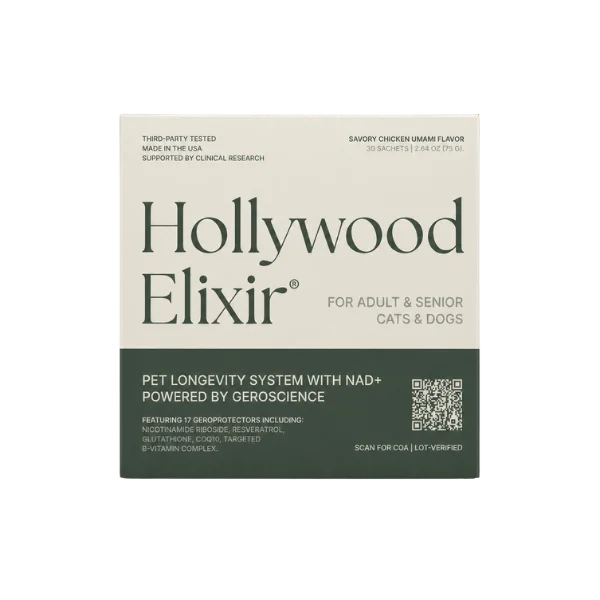
Hollywood Elixir™ is designed for owners who want more than a single-nutrient fix: it supports the broader networks that influence graceful aging, including everyday energy, resilience, and recovery. It fits best alongside veterinary care, smart movement, and a diet review—especially when your dog’s slowdown feels subtle, multifactorial, and hard to pin to one cause.

You know your dog’s “normal” better than anyone: the pace they choose, the way they turn corners, the small rituals that make up a day. So when that pace changes, it can feel personal—like time is suddenly visible. The question why is my dog slowing down is rarely answered by a single cause. More often, it’s a layered story: comfort, strength, confidence, and energy all shifting at once.

Some changes are expected with age. Older dogs can experience gradual physiological shifts that influence activity and mobility, including changes in digestion and nutrient utilization. Diet composition and nutrient adequacy can also shape how energetic a senior dog feels from one week to the next. But “expected” doesn’t mean “ignore.” A slower gait can be the earliest sign of pain, illness, or stress—especially when posture changes, like a lowered head or tail, appear alongside it.

This page is designed to help you read the clues without spiraling. You’ll learn what patterns tend to matter, what deserves urgent attention, and what information helps a veterinarian move faster toward clarity. And if you’re the kind of owner who wants to do the basics well—exam, labs, diet review, smart movement—yet still feels there’s a “whole system” element to aging, that’s where a product like Hollywood Elixir™ stays relevant: it’s not positioned as a single missing nutrient, but as support for the broader networks that influence resilience over time.

By La Petite Labs Editorial, ~15 min read

Featured Product:

  • Slowing down can be normal aging, but it can also be an early sign of pain, illness, or fear.
  • The timeline matters: sudden changes deserve urgency; gradual changes deserve a structured check-in.
  • Posture is information—head down or tail down can point to discomfort, nausea, or stress.
  • A short video of your dog walking often reveals more than memory can.
  • Diet quality, consistency, and age-appropriate nutrition can influence daily stamina and recovery.
  • Comfort usually improves with small, steady changes: traction, gentle strength, and predictable routines.
  • Science-minded owners still choose system-level support when the cause is multifactorial, not one missing nutrient.

When a Familiar Walk Starts to Look Different over Time

Slowing down can look deceptively simple: shorter walks, longer naps, less interest in stairs. But the “why” often sits at the intersection of comfort, confidence, and energy. In many dogs, aging brings gradual shifts in digestion and nutrient use, along with subtle changes in bloodwork that can influence stamina and recovery (Kang Y, 2025). That doesn’t mean every slower day is “just age.” It means the body is changing, and the clues are worth reading carefully.

Start by noticing patterns: Is the slowdown worse after rest, after exercise, or at certain times of day? Does your dog hesitate before jumping, or choose softer surfaces? These details help separate normal pacing from pain, weakness, or anxiety. A thoughtful log—two weeks of notes on appetite, bathroom habits, gait, and mood—often gives your veterinarian a clearer story than a single snapshot.

Close-up mitochondria render visualizing cellular resilience supported by why is my dog walking slow with head down.

Sudden Versus Gradual Slowdowns: the Timeline Tells a Story

A slowdown can be gradual, or it can arrive in a single afternoon. The difference matters. Sudden changes raise concern for injury, toxin exposure, acute pain, or a fast-moving illness. Gradual changes more often track with arthritis, weight gain, sensory decline, or age-related shifts in energy and recovery (German, 2025).

If you’re unsure which you’re seeing, think in timelines: “normal last week” versus “normal last season.” Also consider whether the slowdown is consistent or intermittent. Intermittent patterns—fine in the morning, stiff at night; energetic indoors, slow outdoors—often point to specific triggers that can be addressed once identified.

Scientific DNA render highlighting oxidative defense supported by why is my dog walking slow with head down.

Joints, Muscles, and Spine: the Most Common Physical Drivers

Musculoskeletal wear is one of the most common reasons dogs move more slowly. Arthritis, soft-tissue strain, and spinal discomfort can all reduce stride length and willingness to climb or jump. Many dogs compensate quietly, shifting weight, taking wider turns, or choosing to lie down where they used to follow you room to room.

You don’t need a perfect diagnosis at home, but you can gather useful clues: Which leg seems “off”? Is stiffness worse after rest? Does warmth help? Video your dog walking toward and away from the camera on a flat surface. Those few seconds can make a veterinary exam far more precise, especially when symptoms come and go.

Bioactive protein structure illustrating synergy in wellness supported by why is my dog walking slow with head down.

Systemic Illness: When Energy Drops Before Other Signs Appear

Endocrine and systemic illnesses can present as a dog who simply seems to run out of fuel. Changes in thirst, urination, appetite, coat quality, or weight can accompany the slowdown. Because these signs are easy to normalize—“he’s just getting older”—baseline lab work is often the most efficient way to separate aging from treatable disease.

Ask your veterinarian what “baseline” means for your dog’s age and breed. Many older dogs show changes in hematology and serum biochemistry over time, and those shifts can influence energy and resilience (Kang Y, 2025). The point isn’t to chase perfect numbers; it’s to understand what your dog’s body is asking for now.

Close-up of a pug highlighting comfort and well-being supported by why is my dog walking slow with tail down.

Stress and Confidence: When the Environment Changes the Gait
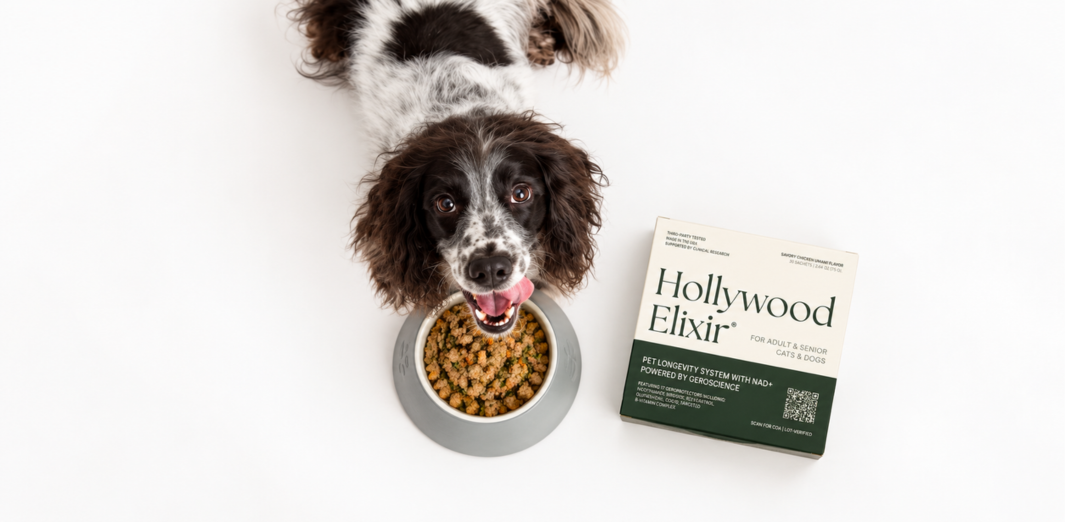
Behavior and emotion can slow a dog down, too. Anxiety, grief, and environmental stress can change posture, gait, and willingness to engage. A dog who is worried may scan more, sniff less, and move with a guarded, shortened stride. The body and mind are not separate systems in real life.

The tell is context: does your dog move normally in the backyard but slow on neighborhood sidewalks? Did the change follow a move, a new baby, fireworks, or an attack by another dog? If fear is part of the picture, focus on predictability—short routes, quiet hours, and reward-based confidence building—while still ruling out pain, which can masquerade as “behavior.”

Hollywood Elixir™ is amazing and makes my 13 y/o young again!

— Jessie

We go on runs. Lately he's been keeping up with no problem!

— Cami

“A slower pace is rarely a verdict. It’s usually a message.”

Medication and Supplement Effects That Can Mimic Aging

Medication effects are another overlooked cause. Sedation, weakness, or gastrointestinal upset can reduce a dog’s desire to move. Even when a prescription is appropriate, the dose or timing may need adjustment as your dog ages or as other conditions emerge.

If the slowdown began after a new medication, supplement, or flea/tick product, note the start date and any other changes (diet, routine, activity). Don’t stop prescriptions abruptly without veterinary guidance. Instead, bring a complete list—including chews and “natural” products—to your appointment so your vet can assess interactions and side effects with the full context.

Neutral-tone dog photo highlighting attentive expression supported by why is my dog walking slow with head down.

Heat, Hydration, and Weather: the Hidden Pace Setters

Heat and hydration can change a dog’s pace more than many owners expect. Older dogs, brachycephalic breeds, and dogs carrying extra weight may slow dramatically in warm weather. Dehydration can also make muscles fatigue sooner and can dull enthusiasm for movement.

Adjust the environment before you assume a deeper problem: walk early or late, offer water breaks, and choose shaded routes. Indoors, provide cool resting spots and avoid overexertion after meals. If your dog pants excessively, seems disoriented, or can’t settle after mild activity, treat it as urgent—heat illness can escalate quickly.

Close-up profile of a dog symbolizing awareness and vitality via why is my dog walking slow with head down.

Strength Loss and Deconditioning: the Slow Loop You Can Break

Mobility is also a strength and balance story. As dogs age, they can lose muscle mass and coordination, making movement feel harder even without obvious pain. This can create a loop: less movement leads to less strength, which makes movement feel even less appealing.

The most sustainable approach is gentle, frequent activity: short walks, controlled sit-to-stand repetitions, slow leash work on flat ground, and traction support at home. Think “easy wins,” not workouts. If you’re working with a rehabilitation professional, ask for a plan that prioritizes safety and confidence, especially on slippery floors and stairs.

Ingredient overview graphic showing what's inside and how why is my dog walking slow with head down supports dogs.

Red Flags That Should Move Your Vet Visit up the Calendar

When should you call the vet right away? Sudden inability to stand, collapse, severe pain, pale gums, repeated vomiting, bloated abdomen, or labored breathing should be treated as urgent. These signs can indicate conditions where time matters.

For slower changes, schedule a visit if the pattern persists beyond a week, if your dog’s posture changes, or if you see new limping, trembling, or appetite shifts. Bring videos and a short timeline. A calm, organized history helps your veterinarian move faster toward the right tests—and helps you feel less like you’re guessing in the dark.

Heart and Lung Clues That Change Endurance and Recovery

Some slowdowns are less about joints and more about the heart and lungs. Reduced endurance, coughing, fainting episodes, or a belly that seems to swell can point to cardiopulmonary strain. You might notice your dog stops sooner on walks, pants more, or needs longer to settle after mild activity. These are not problems to “train through.” They are reasons to reassess the workload and get an exam.

At home, keep exercise gentle and consistent rather than sporadic and intense. Avoid heat, and watch for blue-tinged gums, collapse, or persistent cough—urgent signs. Your vet may recommend imaging, blood pressure checks, or lab work to understand whether the slowdown is driven by circulation, oxygenation, or another systemic issue. The goal is comfort and safety, not pushing performance.

“Posture changes—head down, tail down—often matter more than speed alone.”

Lab coat visual symbolizing disciplined formulation supporting why is my dog walking slow with tail down.

Balance and Nerve Changes That Make Movement Feel Risky

Neurologic and balance changes can also make a dog appear “old overnight.” Slower walking, toe-dragging, knuckling, a head tilt, or stumbling on turns can reflect nerve or spinal involvement. Sometimes the earliest sign is simply caution: your dog moves like the floor is less predictable than it used to be.

Because neurologic issues can progress quickly, document what you see: which limbs, which surfaces, and whether it’s worse after rest. Avoid slippery floors and block stairs until you have clarity. If you notice sudden weakness, loss of bladder control, or severe pain, treat it as urgent. Even when the cause is manageable, early evaluation often preserves more function and confidence.

Shop Now
Premium ingredient tableau framing Hollywood Elixir aligned with why is my dog walking slow with tail down.

Quiet Pain Signals Many Dogs Show Without Obvious Limping

Pain isn’t always loud. Many dogs become quiet, slow, or unusually “good” when they hurt. A dog who used to greet you at the door may stay on the bed; a dog who loved fetch may watch instead. This shift can be misread as temperament change, when it’s really self-protection.

Look for small tells: lip licking, yawning when approached, avoiding being touched in certain spots, or a reluctance to shake off after a bath. Pain can come from teeth, ears, abdomen, spine, or joints. A veterinary exam can localize discomfort and help you choose the least invasive path forward—often a combination of environment changes, targeted therapies, and careful movement.

Shop Now
Woman with Hollywood Elixir box in cozy setting aligned with why is my dog walking slow with tail down.

Head-down Walking: Posture Clues Owners Should Not Ignore

When owners ask, “why is my dog walking slow with head down,” they’re often describing a posture that signals discomfort, nausea, anxiety, or fatigue. A lowered head can also be a strategy to reduce neck movement if the cervical spine is sore. The key is context: did it start suddenly, after a jump, after a meal, or after a stressful event?

Check for additional clues: drooling, swallowing, grass-eating, pawing at the mouth, or sensitivity when you gently touch the neck and shoulders. Avoid collar pressure; use a harness until you know more. If the posture persists beyond a day, or comes with vomiting, fever, weakness, or yelping, a prompt veterinary visit is the safest choice.

Shop Now

Tail-down Walking: When Mood and Discomfort Look Similar

“Why is my dog walking slow with tail down” is another common, telling observation. A tucked or low tail can reflect pain, fear, or general malaise. Sometimes it’s situational—loud construction outside, a new dog in the neighborhood. Other times it’s physical: back pain, anal gland discomfort, or abdominal tenderness.

Notice whether the tail position changes indoors versus outdoors, or during play versus on leash. If your dog avoids sitting, seems uncomfortable when defecating, or reacts when the lower back is touched, don’t assume it’s behavioral. A vet can rule out painful causes and help you rebuild confidence with gentle routines and predictable, low-stress walks.

Weight Shifts That Add Load or Drain Stamina

Weight changes can quietly slow a dog down. Extra pounds increase the load on joints and can make heat intolerance and fatigue more likely. On the other side, unexplained weight loss can signal poor absorption, chronic disease, or dental pain that reduces intake. Either direction is meaningful, especially when paired with a new reluctance to move.

A practical step is to measure, not guess: weigh your dog monthly, take a top-down photo, and ask your vet to score body condition. Small adjustments—measured meals, fewer calorie-dense treats, and low-impact activity—can change how your dog feels within weeks. The aim is not a “summer body,” but a body that moves with less effort.

Comparison layout showing ingredient quality differences relevant to why is my dog walking slow with tail down.

Diet and Energy: Subtle Mismatches That Accumulate

Food can influence energy in ways that are easy to miss. Senior dogs may digest and utilize nutrients differently over time, which can affect day-to-day vitality (Kang Y, 2025). Diet composition matters too: inadequate or imbalanced nutrition can contribute to lethargy and reduced mobility, especially in older dogs (German, 2025). If your dog is slowing down, it’s reasonable to review not just calories, but quality and consistency.

Bring your food label and treat list to your vet. Ask whether your dog’s life stage, activity level, and medical history still match the current diet. Avoid abrupt switches; gradual transitions protect the gut and make it easier to tell what’s helping. Nutrition won’t solve every slowdown, but it can remove a hidden drag on energy and recovery.

Shop Now
Open box with Hollywood Elixir inside, reinforcing why is my dog walking slow with tail down premium cues.

Vision, Hearing, and Cognition: the Cautious Pace of Aging

Some dogs slow down because the world feels less clear. Vision loss, hearing changes, and cognitive aging can make movement cautious—especially in dim light, on stairs, or on unfamiliar routes. You may see hesitation at thresholds, startle responses, or a preference for staying close to you rather than exploring.

Support can be surprisingly simple: brighter night lights, consistent furniture placement, rugs for traction, and shorter walks with more sniff breaks. Keep cues calm and predictable. If confusion, pacing, or nighttime restlessness appear, discuss it with your vet; there may be medical contributors worth addressing. Comfort and orientation are part of mobility.

Shop Now

A Calm Plan for Next Steps, Tracking, and Support

A good plan is both medical and practical. Medically, you’re looking to rule out pain, systemic illness, and neurologic change. Practically, you’re aiming for a daily rhythm your dog can succeed in: warm-up time, traction, gentle strength, and recovery. The best outcomes tend to come from small, steady adjustments rather than dramatic interventions.

If you want a simple decision framework: sudden slowdown, severe pain, collapse, or breathing trouble is urgent; a gradual change over weeks deserves a scheduled exam and baseline labs; and any new posture change (head down, tail down, limping) is a reason to observe closely and act sooner rather than later. Your dog’s pace is information—treat it that way.

“The best plans are quiet: small adjustments, repeated daily, that your dog can actually live with.”

Educational content only. This material is not a substitute for veterinary advice. Always consult your veterinarian about your dog’s specific needs. These statements have not been evaluated by the Food and Drug Administration. Products mentioned are not intended to diagnose, treat, cure, or prevent any disease.

Glossary

  • Baseline labs: Routine blood and urine tests used to establish a health reference point.
  • Body condition score (BCS): A hands-on scoring system that estimates body fat and ideal weight range.
  • Gait: The way a dog walks, including stride length, symmetry, and rhythm.
  • Lethargy: A noticeable drop in energy and engagement beyond normal rest.
  • Mobility: A dog’s ability to move comfortably—walking, rising, climbing, turning, and jumping.
  • Orthopedic pain: Discomfort arising from bones, joints, ligaments, tendons, or muscles.
  • Posture change: A new way of holding the head, back, or tail that can signal discomfort or stress.
  • Senior dog: A life stage where age-related changes become more likely; timing varies by breed and size.
  • Stiffness: Reduced ease of movement, often most noticeable after rest or in cold weather.

Related Reading

References

Kang Y. Age-related changes in growth and fecal parameters, nutrient digestibility, hematology, and serum biochemistry of Beagle dogs.. PubMed Central. 2025. https://pmc.ncbi.nlm.nih.gov/articles/PMC12516631/

German. Exploratory analysis of nutrient composition of adult and senior dog diets. 2025. https://www.frontiersin.org/articles/10.3389/fvets.2025.1717409/full

FAQ

Is it normal that why is my dog slowing down lately?

It can be normal for activity to taper with age, but “normal” should still be specific: your dog’s pace, posture, and enthusiasm are the baseline to compare against. A gradual change may reflect comfort, strength, or stamina shifts, while a sudden change deserves faster attention.

If you want support that complements veterinary care and daily routines, consider system-level aging support with Hollywood Elixir™.

What are the most common reasons dogs slow down?

The most common buckets are pain (joints, back, teeth), reduced conditioning, weight changes, and systemic illness that affects energy. Stress and sensory decline can also make movement more cautious. The pattern—after rest, on stairs, on leash, or in heat—often points toward the right bucket.

For owners who prefer a broad, whole-dog approach rather than a single-ingredient solution, Hollywood Elixir™ can be part of a supportive aging routine.

When is slowing down an emergency for my dog?

Treat it as urgent if the slowdown is sudden and severe, or if you see collapse, trouble breathing, repeated vomiting, a bloated abdomen, pale gums, or inability to stand. Those signs can indicate conditions where time matters more than observation.

After urgent issues are ruled out, longer-term resilience can be supported with steady routines and Hollywood Elixir™ as part of a broader plan.

Why is my dog slowing down after resting or sleeping?

Stiffness after rest often points to joint or back discomfort, or simply reduced flexibility and muscle support. Many dogs “warm out of it” after a few minutes, which can mislead owners into thinking it’s harmless. The pattern is still meaningful and worth discussing at routine visits.

Alongside traction, gentle warm-ups, and veterinary guidance, some owners add system-level aging support with Hollywood Elixir™ to help maintain everyday comfort and vitality.

Could diet changes be why is my dog slowing down?

Yes. A diet that no longer matches life stage, activity level, or medical needs can show up as lower stamina, slower recovery, or less interest in movement. Even when calories are adequate, quality, digestibility, and consistency can matter—especially in older dogs(German, 2025).

If you’re refining the basics (food, weight, routine) and still want broader support for aging systems,Hollywood Elixir™can fit naturally into that plan.

Why is my dog walking slow with head down suddenly?

A head-down posture can signal discomfort (including neck or back pain), nausea, or anxiety. Sudden onset makes it more important to look for add-ons like yelping, vomiting, drooling, weakness, or sensitivity to touch. Switching from a collar to a harness can reduce strain while you assess.

Once your veterinarian has ruled out urgent causes, ongoing comfort and resilience may be supported with Hollywood Elixir™ as part of a whole-dog routine.

Why is my dog walking slow with tail down outside?

A low or tucked tail outdoors can be fear-based (noise, unfamiliar dogs, slippery surfaces) or pain-based (back, abdomen, anal gland discomfort). Compare indoor versus outdoor movement, and note whether the tail changes during play. If it persists or comes with limping or sensitivity, schedule an exam.

For dogs who need steady, gentle support while you optimize environment and care, Hollywood Elixir™ can be a calm addition to the daily routine.

Can arthritis make my dog slow down without limping?

Yes. Many dogs compensate so well that you don’t see a classic limp. Instead, you may notice shorter strides, hesitation at stairs, slower sit-to-stand, or less interest in jumping. These “soft signs” are often the earliest indicators that comfort is changing.

Alongside veterinary pain management and low-impact conditioning, some owners choose Hollywood Elixir™ to support broader aging resilience rather than chasing a single cause.

Do senior dogs need different exercise when slowing down?

Usually, yes. The goal shifts from intensity to consistency: shorter walks, more frequent movement, longer warm-ups, and fewer high-impact bursts. This protects joints and preserves muscle, which supports balance and confidence. If your dog is sore the next day, the session was likely too much.

For owners building a sustainable routine that supports comfort and vitality over time, Hollywood Elixir™ can complement those daily choices.

Could anxiety or stress cause my dog to slow down?

Yes. Stress can change posture, breathing, and willingness to explore, making a dog look physically “slower.” The key is whether the pace improves in safe, familiar places. Still, pain can mimic anxiety, so it’s wise to rule out discomfort if the change is new or persistent.

If you’re working on predictability, confidence, and calm routines, Hollywood Elixir™ can be part of a broader wellness approach.

What tests help explain why is my dog slowing down?

Common starting points include a thorough physical and orthopedic exam, baseline bloodwork, urinalysis, and sometimes thyroid testing. Depending on findings, your vet may suggest X-rays, ultrasound, or a neurologic evaluation. The best test plan is guided by the pattern you observe and any posture changes.

While diagnostics clarify causes, daily system support can still matter, which is why some owners include Hollywood Elixir™ alongside veterinary care.

Are supplements safe for dogs that are slowing down?

Many supplements are well-tolerated, but “safe” depends on your dog’s diagnoses, medications, and the product’s quality controls. It’s especially important to be cautious with dogs who have liver or kidney disease, bleeding risks, or complex medication lists. Share the full label with your veterinarian before starting anything new.

If you want a system-level option designed for graceful aging support, discuss Hollywood Elixir™ with your vet as part of the plan.

Can Hollywood Elixir™ be used daily for aging dogs?

Daily use is a common approach for wellness products aimed at long-term support, because aging-related changes tend to be gradual and cumulative. The most important step is to follow label directions and align use with your dog’s health history, especially if your dog takes prescription medications or has chronic conditions.

For owners who prefer steady, consistent support rather than sporadic “fixes,” Hollywood Elixir™ fits naturally into a daily routine.

How long does it take to notice changes in mobility?

Timelines vary because “slowing down” has many causes. If pain is the driver, targeted veterinary treatment can change things quickly; if conditioning or weight is involved, improvements are often measured in weeks. For wellness support, it’s reasonable to track small markers—stairs, walk duration, and recovery time—over a month.

If you’re monitoring those markers and want broader aging support alongside the basics, Hollywood Elixir™ can be part of that longer view.

What side effects should I watch for with new supplements?

The most common issues are gastrointestinal: softer stool, gas, or reduced appetite. Less commonly, you might see itchiness or restlessness. Any vomiting, facial swelling, hives, or sudden lethargy after a new product should prompt a stop and a call to your veterinarian, since individual sensitivities can occur.

If you’re considering a system-focused option for aging support, review your dog’s history with Hollywood Elixir™ and your vet.

Can supplements interact with my dog’s prescription medications?

They can. Interactions may change sedation, bleeding risk, or how the body processes certain drugs. The safest approach is to keep a single, updated list of everything your dog receives—prescriptions, preventives, chews, and supplements—and share it at every visit. This is especially important for seniors with multiple conditions.

If you’re exploring broader aging support, bring the label for Hollywood Elixir™ so your veterinarian can assess fit.

Does breed size affect why is my dog slowing down?

Yes. Larger breeds often show mobility changes earlier, while smaller breeds may remain spry longer but still develop dental pain, heart disease, or sensory decline. Body structure also shapes how discomfort appears—some dogs limp, others simply shorten stride and opt out of activity.

Because aging is multi-factorial across breeds, some owners choose system-level support with Hollywood Elixir™ as part of a tailored routine.

Is this page relevant for cats slowing down too?

Some themes overlap—pain, weight, systemic illness, and sensory changes can affect any aging pet. But cats often hide discomfort differently, and their common conditions and safe interventions can differ from dogs. If your cat is slowing down, a cat-specific veterinary assessment is the right starting point.

For dog-focused, system-level aging support that fits alongside veterinary care, see Hollywood Elixir™.

What quality signals matter most when choosing a dog supplement?

Look for clear labeling, consistent manufacturing standards, and a brand that can answer basic questions about sourcing and testing. Avoid products that promise cures or dramatic, guaranteed results. For senior dogs, it’s also helpful when a product is designed to support multiple aging-related needs rather than one narrow target.

If you prefer a system-level approach to graceful aging support, consider Hollywood Elixir™ as part of a thoughtful routine.

What’s the best way to give a daily wellness supplement?

Consistency beats creativity. Give supplements at the same time each day, ideally with food if your dog has a sensitive stomach. If your dog is picky, use a small “carrier” food you can keep consistent, and avoid mixing into a full meal you can’t replace if they refuse it.

For owners who want a simple, repeatable routine that supports aging well, Hollywood Elixir™ can be integrated without complicating mealtimes.

How do I decide if my dog needs a vet visit?

Use three filters: speed, severity, and additional signs. Sudden or severe slowing down, obvious pain, or breathing trouble should be treated as urgent. Gradual changes that last more than a week, or come with appetite, weight, or bathroom changes, deserve a scheduled exam and baseline labs.

After you’ve built a medical plan, ongoing system-level support can be considered with Hollywood Elixir™ as part of daily care.

What does research say about aging dogs and lower energy?

Research and clinical observation both support the idea that aging can reduce activity through shifts in energy levels, digestion, and overall physiology. Diet quality and nutrient adequacy also influence how energetic senior dogs feel day to day. The practical takeaway is that “slower” can be real biology, not stubbornness.

Because the drivers are often multi-factorial, some owners choose system-level aging support with Hollywood Elixir™ alongside the basics.

5K+ Happy Pet Parents

Excellent 4.8

Why Is My Dog Slowing Down | Why Thousands of Pup Parents Trust Hollywood Elixir™

"He seems more happy overall. I've also noticed he has more energy which makes our walks and playtime so much more fun."

Olga & Jordan

"He's got way more energy now! We go on runs pretty often; he use to get tired halfway through, but lately, he's been keeping up without any problem."

Cami & Clifford

"I want her to live forever. She hasn't had an ear infection since!"

Madison & Azula

"It helps with her calmness, her immune system. I really like the clean ingredients. Highly recommend La Petite Labs!"

Maple & Cassidy

"He seems more happy overall. I've also noticed he has more energy which makes our walks and playtime so much more fun."

Olga & Jordan

"He's got way more energy now! We go on runs pretty often; he use to get tired halfway through, but lately, he's been keeping up without any problem."

Cami & Clifford

"I want her to live forever. She hasn't had an ear infection since!"

Madison & Azula

"It helps with her calmness, her immune system. I really like the clean ingredients. Highly recommend La Petite Labs!"

Maple & Cassidy

"He seems more happy overall. I've also noticed he has more energy which makes our walks and playtime so much more fun."

Olga & Jordan

"He's got way more energy now! We go on runs pretty often; he use to get tired halfway through, but lately, he's been keeping up without any problem."

Cami & Clifford

"I want her to live forever. She hasn't had an ear infection since!"

Madison & Azula

"It helps with her calmness, her immune system. I really like the clean ingredients. Highly recommend La Petite Labs!"

Maple & Cassidy

"He seems more happy overall. I've also noticed he has more energy which makes our walks and playtime so much more fun."

Olga & Jordan

"He's got way more energy now! We go on runs pretty often; he use to get tired halfway through, but lately, he's been keeping up without any problem."

Cami & Clifford

"I want her to live forever. She hasn't had an ear infection since!"

Madison & Azula

"It helps with her calmness, her immune system. I really like the clean ingredients. Highly recommend La Petite Labs!"

Maple & Cassidy

SHOP NOW