Supporting Normal Cell Function for Cancer Prevention in Cats

Match Nutrition and Lifestyle Choices to Immune Balance, Liver Detox, and Gut Health

Essential Summary

Why is cat cancer cell function support important?

In cancer-aware care, “cell support” is about keeping normal tissues more reliable under stress—especially appetite, gut function, and blood health. The safest plan reduces variability: stable nutrition, clear tracking, and vet-guided choices that protect durability without chasing growth.

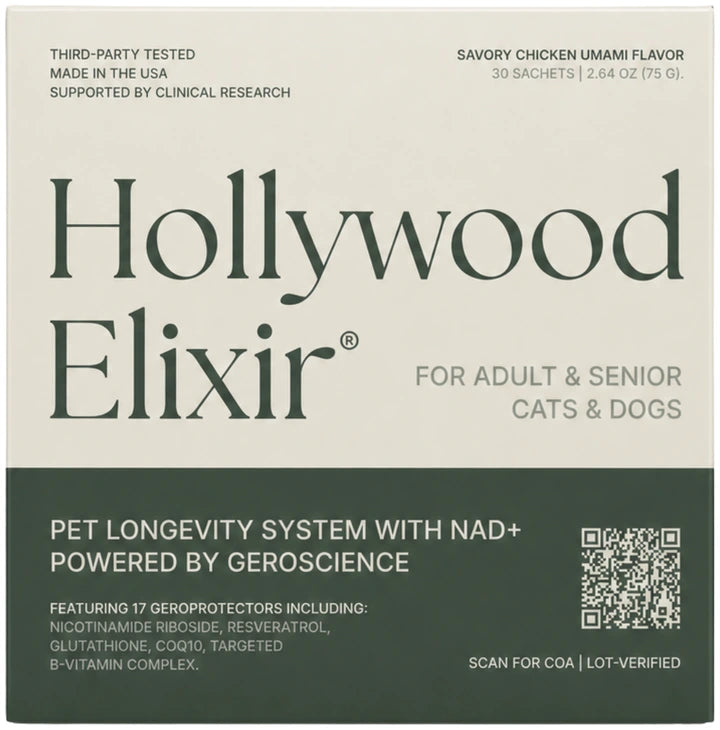
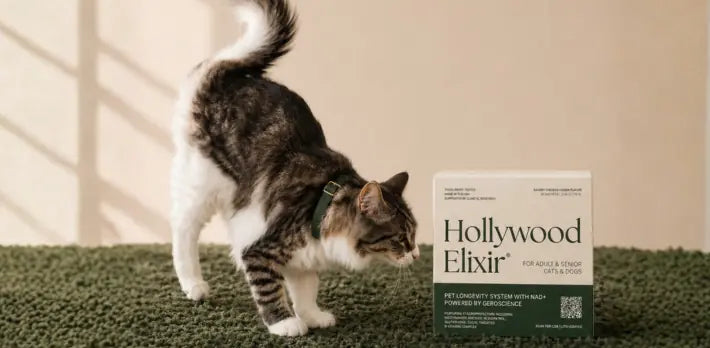
Some owners add a gentle daily nutrition layer such as Hollywood Elixir™ as part of a plan that supports antioxidant defenses and cellular energy pathways during periods of stress, when appetite and energy can be less reliable. It should be discussed with a veterinarian, especially if a cat is on cancer medications.

Supporting normal cell function for cancer prevention in cats starts with the basics that keep tissues steady over time. In plain terms, “normal cell function” means your cat’s cells can maintain themselves, replace worn-out cells on schedule, and stay resilient during everyday stress—without drifting into chronic irritation or repeated injury. This is a risk reduction conversation, not a promise: no supplement can guarantee prevention, and no single strategy removes all cancer risk.

This hub page is for three groups of cats: healthy cats whose owners want smart long-term habits, higher-risk cats (older age, certain breeds, ongoing inflammation, or environmental exposures), and cats in remission where the goal is supporting overall resilience and monitoring.

You’ll also see how this topic fits into the rest of the cluster: one page focuses on immune support during cancer, and another explains cellular repair mechanisms in more detail. Here, we’ll stay at the practical, owner-safe level—what “normal” looks like, what influences it, and when to involve your veterinarian. (Author, Year)

  • Cat cancer cell function support is best understood as keeping normal tissues durable under stress, not encouraging growth.
  • Compare the two ideas: “support normal function” (repair, turnover, boundaries) versus “push growth” (not appropriate in cancer-aware plans).
  • Prioritize lean mass, hydration, and predictable intake; these protect gut lining, skin, and blood-cell production.
  • Lowering inflammation load may help keep normal function less variable; omega-3s are discussed mainly through inflammation and immune signaling, with cautious conclusions for feline cancer prevention.
  • Track quality-of-life markers weekly: appetite, stool, sleep, pain signals, play interest, mobility, hydration, and good day/bad day notes.
  • Coordinate with a veterinarian or oncologist before adding supplements; timing and interactions can change side-effect interpretation.
  • Use a decision framework: stabilize first, then add one change at a time for 4–6 weeks.

What “Normal Cell Function” Means (and What It Doesn’t)

“Normal cell function” is about reliability and boundaries—cells doing their intended jobs, in the right place, at the right pace. Key parts include accurate replication during routine renewal, controlled cell turnover (old cells are removed and replaced in an orderly way), strong barrier integrity (skin and gut lining that protect against irritants), and a balanced inflammatory response that resolves instead of smoldering.

What it doesn’t mean: it isn’t a guarantee that cancer won’t happen, and it isn’t a shortcut that overrides genetics or age. Prevention is probabilistic—your goal is to improve the odds by improving the inputs you can control.

Those controllable inputs include diet quality and consistency, maintaining a healthy body condition score/healthy weight, and reducing sources of chronic inflammation such as ongoing dental disease, recurrent skin inflammation, or persistent gastrointestinal upset. It also includes limiting exposure to environmental carcinogens like tobacco smoke and certain pesticides, especially in indoor environments where residues can accumulate. (Author, Year)

Visualization of mitochondria illustrating cellular support pathways for cat cancer cell function support.

The 5 Practical Pillars That Support Cellular Resilience

1) Feed a complete and balanced diet: Choose a life-stage-appropriate food that reliably meets protein and micronutrient needs, and avoid frequent, abrupt diet changes that can destabilize digestion.

2) Protect healthy weight and muscle mass: Aim for a steady body condition score and preserve muscle mass with appropriate calories, play, and mobility support—especially in older cats.

3) Reduce chronic inflammation sources: Address dental disease early (bad breath, tartar, gum redness), and work with your vet on recurring issues like IBD, dermatitis, or chronic ear/skin flare-ups.

4) Lower toxin and exposure load: Keep cats away from tobacco smoke, minimize use of certain pesticides where your cat lives, and store household chemicals securely.

5) Prioritize routine screening and early detection: Schedule regular exams and act quickly on changes such as new lumps, unexplained weight loss, appetite changes, vomiting/diarrhea that persists, or reduced grooming/energy. The satellite pages expand on immune support during cancer and on cellular repair concepts; this hub keeps your plan grounded in day-to-day prevention habits. (Author, Year)

DNA structure visual linked to antioxidant protection mechanisms in feline normal cell growth cancer.

Side B: What Cancer Cells Do Differently

Cancer cells are defined less by “fast growth” and more by broken rules: they ignore stop signals, evade normal cell death, and reshape local inflammation to suit themselves. That is why “supporting growth” is not a meaningful goal in a cancer-aware plan. Instead, cat cancer cell function support focuses on helping normal tissues keep boundaries and repair capacity while the veterinary team addresses the tumor directly.

Owners often notice the difference as a mismatch: a cat may eat less, sleep more, or stop jumping even when a mass seems “small.” Those are whole-body signals—pain, anemia risk, nausea, or inflammation—rather than a simple size issue. Recording “good day/bad day” notes alongside mobility and play interest gives the veterinarian a clearer picture than weight alone.

Structural biology image symbolizing ingredient integrity supported by feline normal cell growth cancer.

What Actually Differs: Turnover, Boundaries, and Immune Signaling

Normal tissues balance cell birth and cell retirement, and the immune system helps remove damaged cells before they become a bigger problem. In cats, immune surveillance and blood-cell production are tightly linked through bone marrow and lymphoid tissues (Katie M Boes, 2017). When these systems are stressed—by chronic inflammation, infection, or poor intake—healthy turnover can become less reliable, which is why “cell support” is often really “whole-body support.”

This is also why infection prevention belongs in a cancer-aware plan. FeLV is a cat-specific example where preventing persistent infection is associated with reduced progression of certain tumors (Grant, 1980). Keeping vaccines, parasite control, and dental care current is not glamorous, but it protects the background conditions that help normal tissues keep their slack.

Pug looking up, symbolizing trust and attentive care supported by healthy cell support cats.

Coordination with Oncology: Why “Tell Us Everything” Matters
Owners often add supplements to “help the body cope,” but oncology teams still need full visibility. Some ingredients can change appetite, stool, bleeding tendency, or sedation, which can complicate how side effects are interpreted. Even when an ingredient seems gentle, the key is keeping the plan less variable so the care team can attribute changes to the right cause and adjust medications safely.

A practical approach is to create a one-page list: every food, treat, chew, oil, powder, and human “bite,” plus timing. If chemotherapy or steroids are involved, ask whether supplements should be paused around dosing days. This kind of coordination improves the vet handoff and makes monitoring more reliable over the first 4–6 weeks of any change.

“In cancer-aware care, stability beats intensity every time.”

Nutrition Contrast: “More Antioxidants” Versus “Balanced Defense”

A common misconception is that cancer risk automatically means piling on antioxidants. Biology is more nuanced: normal cells use controlled oxidative signals for repair and immune communication, and the goal is balance rather than extremes. For owners thinking about healthy cell support cats can use, the safer frame is “support antioxidant defenses while maintaining normal signaling,” especially during illness when appetite and digestion are already less reliable.

In practice, balance looks like consistent, complete nutrition first, then careful additions only if the veterinarian agrees. Sudden high-dose changes can trigger vomiting or food refusal in cats, which undermines lean mass and hydration. If a new item is added, introduce slowly and track stool, appetite, and energy variability before adding anything else.

Weimaraner image reflecting strength and companionship supported by cat cancer cell function support.

Inflammation Load: the Lever Owners Can Often Control

Inflammation is not automatically “bad,” but chronic inflammation can make normal tissues less durable and can worsen appetite and sleep. Omega-3 fatty acids (EPA/DHA) are often discussed for their role in inflammatory signaling and immune modulation across companion animal conditions, though conclusions for cancer prevention in cats remain cautious (Magalhães, 2021). The useful takeaway is not a promise, but a practical lever: lowering inflammatory burden may help normal tissues function with a higher ceiling.

Cats also need palatable delivery. A randomized controlled trial showed omega-3-enriched lickable treats were feasible and safe to use in cats with chronic oral inflammation, highlighting that “can the cat actually eat it?” is part of the plan (Sukho, 2025). If a cat has nausea or mouth pain, the best “anti-inflammatory” strategy may be pain control and a texture change, not another supplement.

Side-profile dog portrait highlighting focus and alertness supported by cat cancer cell function support.

Gut Byproducts and Energy Variability: a Feline-specific Angle

The gut is a major interface between diet, immune signaling, and inflammation load. In cats, a diet enriched with DHA fish oil and medium-chain triglycerides altered the plasma lipidome and was associated with lower circulating gut microbiome-derived putrefactive postbiotics (Jackson, 2020). That matters because these byproducts can be part of the background “noise” that makes energy and stool quality more variable, especially under stress.

Owners can translate this into simple observation: stool consistency, stool odor changes, gas, and appetite dips after certain foods. A cat that alternates between constipation and loose stool may be showing a gut barrier under strain. Rather than rotating foods rapidly, keep one diet stable for several weeks and track change signals before deciding whether the plan is helping.

Product overview visual highlighting formulation integrity aligned with feline normal cell growth cancer.

Case Vignette: When “Cell Support” Really Means Feeding the Cat

A 12-year-old cat with a prior mass removal starts skipping breakfast, then eats only crunchy treats, and sleeps in a closet. The owner adds multiple new powders for “feline normal cell growth cancer support,” but the cat’s stool softens and appetite becomes less reliable. The real issue is that nausea and mouth discomfort are shrinking calorie intake, which threatens lean mass and red-blood-cell production more than any single nutrient choice.

A better first step is to stabilize intake: warm, aromatic wet food, smaller frequent meals, and a veterinary check for pain, anemia, and dehydration. Once eating is predictable again, any added support can be introduced one at a time. This sequence protects durability and makes it easier to see what actually changes.

Owner Checklist: Home Signals That Normal Tissues Are Struggling

Owners do not need a microscope to notice when normal cell function is under pressure. The most useful checklist focuses on tissues that turn over quickly or reveal inflammation early: mouth, gut, skin/coat, and energy. These signals are not “cancer signs” by themselves, but they help owners decide when to call the veterinarian and what to describe clearly.

Owner checklist (at home): (1) appetite pattern changes—especially “sniffs then walks away,” (2) litter box shifts: constipation, diarrhea, or smaller clumps, (3) coat quality: dandruff, greasy feel, reduced grooming, (4) mouth behaviors: pawing at face, dropping food, one-sided chewing, (5) play interest and jumping: fewer jumps, hiding, or shorter play bouts. Write down when each started and whether it is daily or intermittent.

“Track appetite and stool first; they reveal stress early.”

Lab coat with La Petite Labs logo symbolizing science-backed standards for feline normal cell growth cancer.

What to Track for 4–6 Weeks: a Simple Rubric

Tracking is not about perfection; it is about making change less arguable. For cat cancer cell function support plans, the best markers are the ones that reflect comfort, intake, and tissue turnover. This creates a shared language with the veterinary team and helps separate “one bad day” from a meaningful trend.

What to track: appetite (percent eaten), water intake or hydration cues (gum moisture, skin tenting guidance from vet), stool consistency and frequency, sleep location and duration shifts, pain signals (hunched posture, growling when picked up), play interest, mobility (jump count to favorite spots), body weight weekly, and “good day/bad day” notes. Add medication and supplement timing so patterns are easier to interpret.

Supplement box with ingredient spread showing care behind feline normal cell growth cancer.

What Not to Do: Common Mistakes That Add Variability

The biggest risk in well-intended “cell support” plans is accidental chaos: too many changes at once, too fast. Cats are sensitive to taste, texture, and routine, and food refusal can become a bigger threat than the original worry. A plan meant to support healthy cells while a pet is under stress should reduce variability, not add it.

What not to do: (1) start multiple supplements in the same week, (2) rotate proteins and brands rapidly after one picky day, (3) use essential oils or strong fragrances near the cat’s food and bedding, (4) assume “natural” means interaction-free with cancer medications, (5) chase weight loss with aggressive calorie restriction in a cat with any illness history. Stabilize first; adjust second.

Owner and dog moment highlighting wellness rituals supported by feline normal cell growth cancer.

Vet Visit Prep: the Observations That Change Decisions

Veterinarians make better decisions when owners bring specific, time-stamped observations. For feline normal cell growth cancer concerns, the most actionable information is about intake, elimination, and comfort—because these point to dehydration, anemia risk, pain, or GI upset. Clear notes also help an oncologist decide whether a change is disease-related, treatment-related, or household-related.

Vet visit prep questions: (1) “Is weight loss coming from muscle, and how can that be checked?” (2) “Do these stool changes suggest GI inflammation or a diet intolerance?” (3) “Are there signs of anemia or low red-blood-cell production that explain fatigue?” (4) “Which supplements or oils should be avoided with this medication schedule?” Bring photos of stool (if possible), a 7-day appetite log, and the full list of all add-ons.

Environmental Stressors: Chemicals, Appetite, and Hormone Signaling

Owners often focus on food while overlooking environmental exposures that can add chronic stress. Some chemicals are described as metabolism-disrupting, meaning they can interfere with hormonal signaling and pathways involved in energy balance and glucose/lipid handling (Heindel, 2017). The point is not fear; it is reducing unnecessary load so normal tissues have more slack for repair and immune communication.

Practical steps include using unscented litter when possible, avoiding aerosol sprays near the cat, and storing food in a way that limits odor contamination. If appetite is already fragile, strong household fragrances can become a hidden reason a cat stops eating. Any environmental change should be made gradually and tracked like a diet change.

Lean Mass and Blood Health: the Quiet Foundation of Durability

For cats under cancer-related stress, lean mass is not cosmetic—it is functional tissue that supports mobility, temperature regulation, and recovery from setbacks. Blood health matters too: red blood cells carry oxygen, and bone marrow must keep up with demand, especially if inflammation or treatment affects production (Katie M Boes, 2017). When owners think about healthy cell support cats need, protecting protein intake and monitoring fatigue are often more impactful than chasing niche ingredients.

At home, watch for muscle loss along the spine and hips, not just scale weight. A cat can maintain weight while losing muscle and gaining fluid or fat. If the cat is sleeping more, moving less, or breathing faster after mild activity, those are reasons to ask the veterinarian about bloodwork and pain control rather than assuming “aging.”

Comparison graphic showing healthy cell support cats benefits versus typical supplement formulas.

Decision Framework: When to Add Support Versus Simplify

A compare-and-contrast decision framework helps owners avoid extremes. Side one is “add more supports,” which can be reasonable when the cat is stable, eating well, and the care team agrees. Side two is “simplify,” which is often the right move when appetite is inconsistent, vomiting appears, or stool becomes less reliable. The best plan is the one that makes change signals easier to interpret.

Use three gates before adding anything: (1) the cat is meeting calorie and protein needs most days, (2) the litter box pattern is stable, (3) the veterinarian or oncologist has reviewed the full list for interactions. If any gate fails, simplify and stabilize first. This approach aligns with cat cancer cell function support without drifting into risky “more growth” thinking.

Open package showing attention to detail consistent with cat cancer cell function support standards.

Research Reality Check: What Cat Data Can and Cannot Say

Cancer prevention research is hard to translate into household promises, especially in cats where large prevention trials are uncommon. Comparative oncology can help generate ideas, but it also emphasizes careful endpoints and biomarkers rather than assumptions (Khanna, 2009). For owners, the most honest use of research is to support discussions about inflammation load, nutrition consistency, and quality-of-life tracking—not to claim a supplement “prevents cancer.”

A useful mindset is to treat any new addition as a small experiment: one change at a time, tracked for 4–6 weeks, with a clear stop rule if appetite, stool, or behavior worsens. This keeps the plan aligned with supporting normal cell function for cancer prevention in cats as a stability goal, not a guarantee.

When to Call the Vet: Clear Thresholds for Action

Owners do not need to wait for a crisis to ask for help. Because cats hide discomfort, small changes can represent meaningful stress on normal tissues—especially if a cat has a cancer history or is in monitoring. The goal is earlier course correction: hydration support, nausea control, pain management, or diet adjustments that protect durability and rebound capacity.

Call the veterinarian promptly if any of these occur: not eating for 24 hours (or markedly reduced intake for 48 hours), repeated vomiting, black/tarry stool, straining without producing stool or urine, sudden hiding with low responsiveness, open-mouth breathing, or a fast decline in mobility. Bring the tracking rubric and the full list of foods and add-ons so the next steps are more reliable.

“One change at a time keeps decisions more reliable.”

Educational content only. This material is not a substitute for veterinary advice. Always consult your veterinarian about your cat’s specific needs. These statements have not been evaluated by the Food and Drug Administration. Products mentioned are not intended to diagnose, treat, cure, or prevent any disease.

Glossary

  • Cell turnover - The normal cycle of cell replacement and retirement in tissues.
  • Oxidative stress - An imbalance between reactive molecules and antioxidant defenses.
  • Inflammation load - The ongoing inflammatory burden that can make normal function less reliable.
  • Immune surveillance - The process of identifying and clearing abnormal or damaged cells.
  • Bone marrow - Tissue that produces red blood cells, white blood cells, and platelets.
  • Lean mass - Muscle and other non-fat tissues important for mobility and recovery.
  • Putrefactive postbiotics - Circulating byproducts linked to gut microbial metabolism.
  • FeLV - Feline leukemia virus, a cat-specific virus associated with certain cancers.
  • Quality-of-life markers - Observable measures like appetite, stool, sleep, pain signals, and play interest.

Related Reading

References

Grant. Protection of cats against progressive fibrosarcomas and persistent leukemia virus infection by vaccination with feline leukemia cells.. PubMed. 1980. https://pubmed.ncbi.nlm.nih.gov/6253714/

Khanna. Guiding the optimal translation of new cancer treatments from canine to human cancer patients.. Nature. 2009. https://www.nature.com/articles/s41568-020-0297-3

Sukho. Efficacy and safety of omega-3-enriched lickable treats as adjunctive therapy for feline chronic gingivostomatitis: A randomized controlled trial.. PubMed Central. 2025. https://pmc.ncbi.nlm.nih.gov/articles/PMC12501575/

Magalhães. Therapeutic Effect of EPA/DHA Supplementation in Neoplastic and Non-neoplastic Companion Animal Diseases: A Systematic Review.. PubMed Central. 2021. https://pmc.ncbi.nlm.nih.gov/articles/PMC8193331/

Jackson. Docosahexaenoate-enriched fish oil and medium chain triglycerides shape the feline plasma lipidome and synergistically decrease circulating gut microbiome-derived putrefactive postbiotics.. PubMed Central. 2020. https://pmc.ncbi.nlm.nih.gov/articles/PMC7067441/

Heindel. Metabolism disrupting chemicals and metabolic disorders. 2017. https://www.mdpi.com/1422-0067/25/12/6498

Katie M Boes. Bone Marrow, Blood Cells, and the Lymphoid/Lymphatic System1. PubMed Central. 2017. https://pmc.ncbi.nlm.nih.gov/articles/PMC7158316/

FAQ

What does supporting normal cell function mean for cats?

It means supporting the everyday jobs healthy tissues must do: orderly cell turnover, repair, and maintaining boundaries. In a cancer-aware context, it does not mean encouraging growth or trying to “speed up” cell division.

For most households, it translates into stable nutrition, hydration, and tracking change signals (appetite, stool, sleep, pain signals, play interest, mobility). Those basics often do more for durability than adding many new products at once.

Is “cell growth support” safe to pursue with cancer risk?

Owners are right to be cautious with language that sounds like “growth support.” Cancer involves loss of normal growth controls, so a safer goal is supporting normal function and tissue stability under stress, not pushing growth.

If a cat has a cancer history or is in monitoring, any supplement plan should be reviewed with a veterinarian or oncologist. The priority is keeping appetite and stool more reliable so the care team can interpret changes accurately.

What home signs suggest normal tissues are under stress?

The most useful change signals are often subtle: “sniffs then walks away” from food, smaller litter clumps, constipation or loose stool, reduced grooming, dandruff, or a cat that stops jumping to favorite spots.

These signs are not specific to cancer, but they can indicate pain, nausea, dehydration, or inflammation load that makes normal function less reliable. Writing down when each change began helps the veterinarian decide what to test first.

What should be tracked during the first 4–6 weeks?

Track markers that reflect comfort and intake: appetite (percent eaten), stool consistency and frequency, sleep changes, pain signals, play interest, mobility (jumping), hydration cues, and weekly weight.

Add “good day/bad day” notes and the timing of any medications or supplements. This makes the plan more reliable and helps the vet team distinguish a diet issue from a medication side effect or disease progression.

How does inflammation relate to healthy cell support cats need?

Chronic inflammation can make normal tissues less durable and can worsen appetite, sleep, and gut function. Supporting a lower inflammation load may help normal repair and turnover stay more reliable.

Omega-3 fatty acids (EPA/DHA) are commonly discussed for inflammatory signaling and immune modulation across companion animal conditions, but cancer-prevention conclusions for cats should remain cautious(Magalhães, 2021). The practical focus is comfort and consistency, not promises.

Are omega-3 products practical for picky cats?

They can be, but palatability is part of safety in cats because food refusal is risky. A randomized controlled trial in cats showed omega-3-enriched lickable treats were feasible and safe to administer in a real-world setting(Sukho, 2025).

If a cat has nausea, mouth pain, or diarrhea, adding oils may backfire. The best next step may be veterinary pain control or a texture change, then a slow, trackable introduction of any new item.

Can gut health affect cell function support in cats?

Yes. The gut influences inflammation load and nutrient absorption, which affects how reliably tissues can repair and renew. In cats, DHA fish oil plus medium-chain triglycerides changed the plasma lipidome and was associated with lower circulating putrefactive postbiotics(Jackson, 2020).

At home, stool consistency, constipation, and appetite dips after meals are practical change signals. A stable diet for several weeks often gives clearer information than frequent food rotations.

How do FeLV and vaccines relate to cancer risk in cats?

FeLV is a cat-specific virus associated with certain cancers. Evidence links prevention of persistent FeLV infection with reduced progression of some tumors, supporting infection prevention as part of risk management(Grant, 1980).

Vaccination decisions should be individualized with a veterinarian based on lifestyle and exposure risk. For many cats, keeping core prevention up to date protects the background conditions that help normal tissues stay durable.

What is the biggest misconception about feline normal cell growth cancer support?

The misconception is that “more antioxidants” or “more immune support” automatically equals better cancer protection. In reality, the safest target is balanced support for normal function—especially appetite, gut stability, and comfort—so the cat can maintain lean mass and hydration.

If a plan makes appetite or stool less reliable, it is moving in the wrong direction. One change at a time, tracked for 4–6 weeks, is usually the most informative approach.

What not to do when adding supplements for cell support?

Avoid stacking multiple new products in the same week, rotating foods rapidly, or using strong fragrances near food and bedding. These choices can make appetite and stool more variable, which is risky in cats.

Also avoid assuming “natural” means interaction-free with cancer medications. A veterinarian or oncologist should review everything offered, including treats and human foods, so side effects are interpreted correctly.

How should owners prepare for an oncology or vet visit?

Bring a 7-day appetite log, stool notes, weekly weights, and a list of every food, treat, oil, powder, and medication with timing. Photos of stool or videos of breathing or gait changes can be helpful.

Ask targeted questions: whether weight loss is muscle loss, whether fatigue suggests anemia, and whether any supplements should be paused around treatment days. This improves the handoff and keeps the plan less variable.

When should a cat owner call the vet right away?

Call promptly for not eating for 24 hours, repeated vomiting, black/tarry stool, straining without producing urine or stool, sudden hiding with low responsiveness, or open-mouth breathing.

Cats can decline quickly with dehydration or hepatic lipidosis risk when intake drops. Early support for nausea, pain, and hydration often protects normal tissue function better than waiting for a scheduled recheck.

Do environmental chemicals matter for cell function and appetite?

Some chemicals are described as metabolism-disrupting and can interfere with hormonal signaling involved in energy balance(Heindel, 2017). The practical concern for owners is reducing unnecessary background stress that can make appetite and energy more variable.

Simple steps include limiting aerosols, choosing lower-fragrance cleaning routines near feeding areas, and keeping litter and food storage clean. If appetite is fragile, strong odors can be an overlooked trigger for food refusal.

How is this different in cats compared with dogs?

Cats often show illness through appetite shifts, hiding, grooming changes, and litter box changes rather than obvious limping or whining. That makes tracking daily function especially important for early detection of stress on normal tissues.

Research translation across species requires careful endpoints and biomarkers, not assumptions(Khanna, 2009). For owners, the practical difference is that palatability, routine, and avoiding food refusal are central to any support plan in cats.

Can Hollywood Elixir™ be used alongside cancer monitoring?

It may be considered as part of a daily plan that supports normal antioxidant defenses and cellular energy pathways, but it should be cleared with the veterinarian or oncologist first—especially if medications are involved.

Share the full ingredient list and the timing you plan to use, and track appetite, stool, and sleep during the first 4–6 weeks. Use it as a supportive layer, not as a replacement for diagnostics or treatment.

How should Hollywood Elixir™ be introduced to a sensitive cat?

Introduce any new supplement slowly and only when the cat is eating reliably. For a sensitive cat, the goal is to keep the plan less variable so any change signals are easy to interpret.

Discuss timing with a veterinarian, especially if nausea or diarrhea has occurred recently. If using Hollywood Elixir™, track appetite and stool daily for the first two weeks and pause if either becomes less reliable.

What interactions should be discussed with the oncology team?

Discuss anything that could affect bleeding tendency, sedation, appetite, vomiting, or diarrhea, because these can overlap with medication side effects. Timing around chemotherapy days may also matter for tolerability and interpretation.

Bring every label and include treats and human foods. If the team agrees that Hollywood Elixir™ fits, it should be used as a supportive layer with clear tracking rather than stacked with multiple new additions.

How long does it take to see meaningful changes?

For most supportive changes, the first 4–6 weeks are the most informative window. Appetite, stool, sleep location, and play interest often shift sooner than body weight or coat quality.

If nothing is tracked, it is easy to miss slow trends or misattribute a good week to the wrong change. Keep the plan simple and stable so the veterinarian can interpret results with more confidence.

What quality signals matter when choosing a supplement for cats?

Look for clear labeling, consistent manufacturing, and a formulation designed for cats (palatability and dosing practicality). Avoid products that promise to prevent, treat, or cure cancer, or that rely on dramatic “detox” language.

The best choice is the one your veterinarian can evaluate easily and that your cat will take without appetite disruption. A supplement that causes food refusal undermines the very stability a cell-support plan aims to protect.

Is supporting normal cell function for cancer prevention in cats realistic?

It is realistic as a stability goal—supporting healthy tissues while a pet is under stress—rather than as a guarantee of prevention. The most defensible outcomes are more reliable appetite, stool, comfort, and the ability to maintain lean mass.

That is why the best plans emphasize tracking and veterinary coordination. If a cat is in treatment, any supportive addition should be discussed so it supports the overall plan without adding variability or masking side effects.