Supporting Immune Function for Cancer in Cats

Match Nutrition and Care to Tumor Burden, Appetite, Gut Health, and Energy

Essential Summary

Why is cat cancer immune support important?

During cancer care, the immune goal is reliability, not stimulation. Treatments can narrow the margin for infection control, so the most meaningful support comes from tracking change signals, protecting appetite and hydration, and coordinating every supplement with oncology to keep the plan less variable.

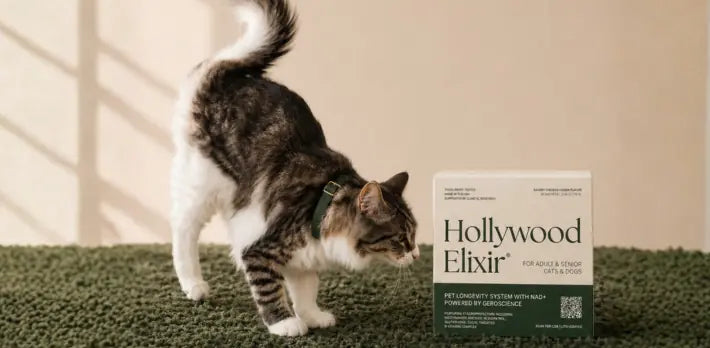
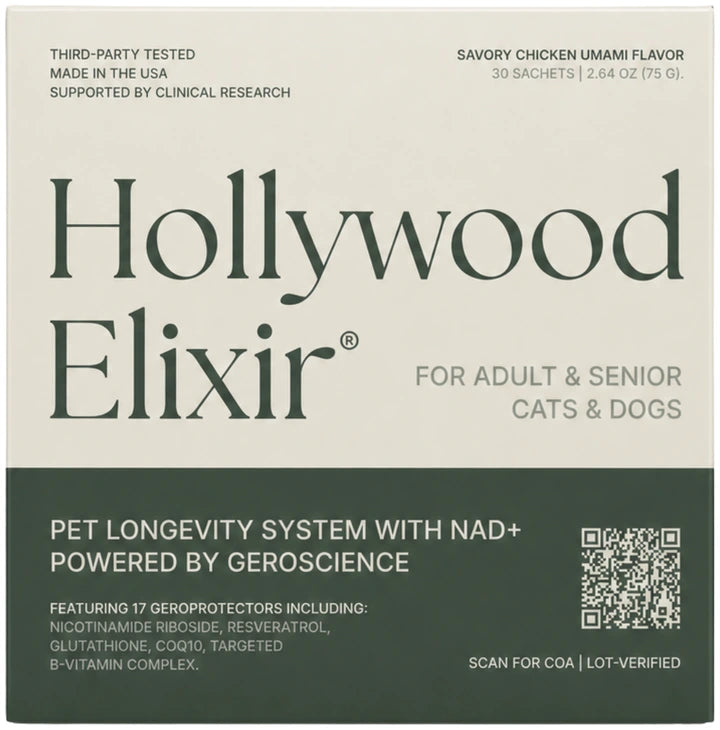
Some owners add Hollywood Elixir™ as a gentle daily layer that supports normal antioxidant defenses and cellular energy pathways as part of a broader plan. During illness or treatment, that kind of nutrition-first routine may help support more stable days when appetite and energy feel less reliable.

Supporting immune function for cancer in cats is mainly about reducing infection risk and helping your cat recover between treatments. Cancer itself—and therapies like chemotherapy, radiation, or steroids—can make everyday germs harder to handle, slow healing, and turn minor issues (like a small mouth sore or mild diarrhea) into bigger setbacks. The goal of immune “support” here isn’t to push the immune system harder; it’s to keep defenses steady so treatment can continue as planned and your cat maintains the best possible quality of life.

That practical focus often looks like protecting appetite and hydration, keeping the skin, gut, and mouth in good condition, and lowering exposure to pathogens at home. Because each cancer type and protocol affects risk differently, the safest approach is to coordinate with your veterinarian/oncologist on what precautions matter most for your cat, what symptoms should trigger a same-day call, and how monitoring at home fits into the overall oncology plan.

  • Cat cancer immune support is mainly about keeping defenses reliable during treatment, not “boosting” immunity.
  • Innate and adaptive immunity do different jobs; cancer and chemotherapy can narrow slack and reduce rebound capacity.
  • Coordinate every supplement and diet change with oncology to avoid interactions and confusing lab trends.
  • Use a daily QoL scaffold: appetite, stool, sleep, pain signals, play interest, mobility, hydration, good day/bad day.
  • Track concrete markers weekly (weight, food amount, vomiting/diarrhea frequency, resting breathing) to spot early change signals.
  • Avoid common mistakes: multiple new “immune” products at once, high-dose vitamins, raw diets without approval, and essential oils.
  • Call the veterinarian promptly for refusal of food 24 hours, repeated vomiting, diarrhea lasting more than a day, mouth sores, or breathing changes.

What Immune “Support” Looks Like During Cancer Care

During feline cancer care, immune “support” is best thought of as protecting barrier defenses (skin/gut/oral) and reducing avoidable exposures—especially when blood counts may be low or mucosa is irritated from treatment. Owner actions can make a meaningful difference day to day, but they should be individualized to your cat’s diagnosis, medications, and lab trends.

Key routines to discuss with your care team include:
- Nutrition and hydration support to help maintain gut integrity and normal stool; ask about appetite strategies if nausea or food aversion appears.
- Oral care and mouth checks, since oral inflammation can become a portal for infection; keep dental routines gentle and vet-approved.
- Parasite prevention (fleas, ticks, intestinal parasites) on a schedule your veterinarian recommends, because parasites add immune load and can worsen anemia or GI signs.
- Safe food handling: wash hands, clean bowls daily, refrigerate promptly, and discard leftovers to reduce bacterial exposure.
- Avoid raw diets during immunosuppression, as raw meat can carry pathogens that are riskier when defenses are compromised.
- Reduce high-risk exposures: limit contact with sick pets, avoid crowded boarding situations when possible, and keep litter boxes clean (gloves and handwashing help).

These steps support steadier defenses without making assumptions about what any single product can do.

Scientific view of cellular energy centers tied to dog vitality with immune resilience cats cancer.

Monitoring & Vet-First Triggers When Immunity Is Suppressed

When immunity is suppressed, problems can escalate quickly, so home monitoring becomes part of staying safe between rechecks. Low white blood cell counts matter because they reduce the body’s ability to contain bacteria that would otherwise be handled quietly—meaning fever or GI signs may warrant faster action than usual. Follow your clinic’s neutropenia and after-hours instructions exactly; protocols can vary by drug and timing (Chan, 2020).

A practical daily/near-daily checklist:
- Temperature (if your clinic has shown you how): follow their threshold, but a common reference is ≥103°F/39.4°C as urgent unless you’ve been told otherwise.
- Appetite and water intake: note skipped meals, reduced drinking, or sudden food refusal.
- Vomiting/diarrhea: track frequency, blood, black/tarry stool, or signs of dehydration.
- Energy and behavior: new lethargy, hiding, weakness, or rapid breathing.
- Mouth and gums: look for mouth ulcers/gingivitis, drooling, pawing at the mouth, or reluctance to eat.
- Skin/wounds/port sites: redness, swelling, discharge, heat, or pain.

Call the vet immediately for fever, repeated vomiting/diarrhea, collapse, trouble breathing, uncontrolled pain, or any rapid decline—especially within the high-risk window after chemotherapy.

Close-up DNA helix tied to cellular integrity and support from immune resilience cats cancer.

Adaptive Immunity and Why Inflammation Can Mislead

Adaptive immunity is slower but decisive: T cells coordinate targeted responses, and B cells produce antibodies. Some cancers and some medications can change how these cells signal, which can make inflammation feel “loud” while protection is actually less reliable. In feline immune function cancer care, the practical takeaway is that a cat can have inflammation signs (feverish behavior, sore mouth, poor appetite) without having strong infection control at that moment.

Owners can support coordination by keeping medication timing consistent and by avoiding sudden supplement changes right before recheck labs. If appetite drops, the immune system loses building blocks and the body’s durability shrinks quickly. Warm, aromatic foods, small frequent meals, and a calm feeding location can help maintain intake. When a cat refuses food for a full day, that is a medical change signal worth reporting promptly.

Protein fold visualization tied to cellular support mechanisms in immune resilience cats cancer.

Coordinate Supplements and Meds with Oncology Early

Coordination with oncology matters because “immune support” can unintentionally interfere with a plan. Some supplements alter gut absorption, change liver metabolism, or add bleeding risk, and the oncology team needs the full list to interpret lab shifts. Chlorambucil, for example, has been characterized in cats with attention to absorption and clearance, highlighting why timing and consistency are part of safe use (Al-Nadaf, 2022).

A simple household rule helps: nothing new gets added within a week of chemotherapy or a scheduled blood draw unless the veterinarian approves it. Keep a written list of every chew, powder, oil, and “immune” product, including brand and dose. This is not about restricting options; it is about making the cat’s response more reliable and preventing avoidable treatment delays. Cat cancer immune support works best when the care team can see the whole picture.

Pug image representing loving care routines supported by feline immune function cancer care.

The Biggest Misconception About Immune Support

A common misconception is that immune resilience during cancer care means pushing the immune system harder. In reality, excessive immune activation can worsen inflammation burden, reduce appetite, and make symptoms less predictable. The more useful target is immune balance: adequate defense with controlled inflammation so the cat keeps slack for eating, sleeping, and healing between treatments.

Owners often see this as a pattern: a cat seems “wired and uncomfortable” after a new supplement, then eats less and hides more. That does not prove cause, but it is a reason to stop the newest change and call the clinic. In feline immune function cancer care, the best additions are usually the quiet ones—those that make days more stable rather than dramatic. Any plan that creates more variability is a signal to reassess.

“Immune resilience is measured by fewer setbacks, not dramatic day-to-day swings.”

Oxidative Stress, Inflammation Burden, and Daily Energy

Oxidative stress and inflammation are tightly linked to immune signaling. During illness or treatment, cats may face increased oxidative stress, a higher inflammation burden, appetite fluctuations, and energy variability. This does not mean antioxidants “treat cancer”; it means the body’s normal protective chemistry is working harder, and the ceiling for recovery after a stressful day can shrink.

In the home, this shows up as shorter play sessions, slower grooming, and a cat that sleeps but does not look rested. Supportive care focuses on basics that reduce oxidative load: consistent hydration, avoiding cigarette smoke and strong fragrances, and keeping the cat’s environment predictable. These steps are unglamorous, but they help keep immune resilience cats cancer care grounded in what actually changes outcomes day to day: fewer setbacks and better rebound capacity.

Neutral-tone dog photo highlighting attentive expression supported by cat cancer immune support.

Beta-glucans: Mechanism, Limits, and Cat-specific Context

Beta-glucans are one of the most discussed “immune” ingredients because they can interact with innate immune receptors and influence how immune cells communicate (Suzuki, 2021). In preclinical work, beta-glucan has been studied alongside antibody-based cancer immunotherapy as a way to shape innate effector functions, which illustrates the mechanism people are trying to leverage—signaling, not brute force (Liu, 2009). In cats, evidence is still condition- and context-specific, so the safest framing is adjunctive and veterinarian-guided.

If an oncologist approves a beta-glucan product, owners should treat it like a medication change: start one new thing at a time and watch for stool changes, appetite shifts, or itchiness. A prospective study in cats used beta-glucans alongside itraconazole for sporotrichosis, showing that co-administration can be feasible in feline patients under supervision (AFP, 2025). That kind of “real cat” tolerability context matters when building cat cancer immune support plans.

Dog portrait from the side highlighting a thoughtful gaze supported by feline immune function cancer care.

Quality of Life Signals That Reflect Immune Strain

Quality of life is the immune story owners can actually measure. When the immune system is strained, cats often show indirect change signals: less grooming, more hiding, and a narrower appetite window. These are not “just mood.” They can reflect cytokine signaling that shifts sleep, pain sensitivity, and food interest, even before fever is obvious.

A simple daily scaffold keeps feline immune function cancer care practical: track appetite, stool, sleep, pain signals (hunched posture, facial tension), play interest, mobility, hydration, and a “good day/bad day” note. Call the veterinarian the same day for repeated vomiting, refusal of food for 24 hours, labored breathing, or a rectal temperature the clinic has taught the owner to interpret. The point is earlier action, not panic.

Product overview visual highlighting formulation integrity aligned with feline immune function cancer care.

Owner Checklist for Home Observations

Owner checklist for immune resilience during cancer care should focus on observable, cat-specific signals rather than vague “energy.” Check: (1) gum color and mouth sores, (2) litter box output and stool softness, (3) sneezing or eye discharge, (4) willingness to jump to a usual perch, and (5) whether the cat seeks warmth or isolates. These can be early hints that inflammation burden is rising or that infection risk is becoming more relevant.

Also check routines: clean water access in multiple locations, food intake measured in teaspoons or grams, and medication adherence without missed doses. For cat cancer immune support, the “small” details are often the difference between a manageable week and an urgent visit. If any checklist item changes for more than 48 hours, it is reasonable to message the oncology team with specifics rather than waiting for the next appointment.

What to Track so Trends Show up Early

What to track over time should be concrete enough to compare week to week. Useful markers include: body weight, daily food amount, water intake pattern, stool score, vomiting frequency, resting respiratory rate, and “activity minutes” (brief play or exploring). These indicators often shift before a cat looks obviously ill, and they help the veterinarian decide whether changes are likely medication-related, infection-related, or cancer-related.

Owners can keep a one-page log on the refrigerator and bring it to rechecks. In immune resilience cats cancer care, the goal is to spot trends that reduce durability: a slow weight slide, a rising stool variability, or a shrinking appetite window. Tracking also makes it easier to judge whether a new supportive step actually made days more stable, rather than relying on memory during a stressful month.

“One change at a time keeps symptoms interpretable and care more reliable.”

Research-style uniform highlighting scientific integrity aligned with immune resilience cats cancer.

A Realistic Treatment-cycle Scenario and What It Means

Case vignette: A 12-year-old cat on chemotherapy for lymphoma has a good first week, then develops softer stool and stops finishing breakfast two days before the next scheduled dose. The owner assumes it is “picky eating,” but the log shows a 200-gram weight drop and less litter box output. The oncology team delays treatment, checks bloodwork, and adjusts supportive medications—preventing a bigger crash.

This is the real-world shape of feline immune function cancer care: small changes can signal reduced rebound capacity, and early reporting can keep the plan on track. Owners help most by describing timing—when the appetite changed, what the stool looked like, and whether the cat is hiding or seeking heat. That level of detail turns worry into actionable information.

Hollywood Elixir with foods symbolizing nutrient synergy aligned with cat cancer immune support.

Barrier Defenses: Mouth, Skin, and Gut Matter

Infection risk is not only about crowds or outdoor exposure; it is also about the mouth, skin, and gut barrier. When white blood cells are low or mucosa is irritated, bacteria that normally live peacefully can become a problem. That is why oral ulcers, gingivitis flare-ups, and diarrhea deserve extra attention during cat cancer immune support planning.

Household hygiene can be targeted without becoming extreme: wash food bowls daily, scoop litter at least once a day, and keep nails trimmed to reduce skin breaks from scratching. Avoid introducing new treats from unknown sources during active treatment. If the cat develops a new lump, draining spot, or foul mouth odor, take a photo and call—those details help the clinic triage whether an exam is needed the same day.

Owner showcasing product beside her pet, reflecting care through cat cancer immune support.

What Not to Do When Trying to Help

What not to do is often where safety is won. Do not start multiple “immune” supplements at once, because side effects like diarrhea or appetite loss become impossible to attribute. Do not use human cold/flu products or essential oils around cats; many are toxic. Do not switch to a high-dose vitamin plan without veterinary oversight, because cats can be harmed by excesses, including dietary vitamin D toxicity (Crossley, 2017).

Also avoid assuming labels guarantee safety or accuracy. Analyses of vitamin-mineral supplements have found that products may not meet stated recommendations and can carry contaminant risks, which is especially concerning for medically fragile pets (RVA, 2021). In immune resilience cats cancer care, “more” is rarely better; fewer, well-chosen steps that keep days more reliable are usually the safer path.

Prepare for the Vet Visit with the Right Details

Vet visit prep works best when it is specific to immune function and treatment timing. Bring the medication list, supplement labels, and the tracking log. Note any feverish behavior, mouth pain (dropping food, pawing at face), or urinary changes. These details help the team decide whether bloodwork should be moved earlier or whether supportive medications should change.

Questions to ask the oncologist: What lab values are the “stoplight” for delaying treatment? What symptoms should trigger an urgent call during low-count days? Are there food safety rules for this specific protocol? And if a supplement is being considered for cat cancer immune support, ask where it fits in the schedule and what side effects would mean stopping it. Clear expectations reduce anxiety and reduce variability in care.

Nutrition as Substrate for Repair and Durability

Nutrition is not an “immune switch,” but it is the substrate for immune cell turnover and tissue repair. When intake is inconsistent, the body has less slack to build white blood cells, maintain gut lining, and recover after a stressful day. That is why appetite support is often the most meaningful immune-adjacent intervention owners can provide.

Practical steps include weighing the cat weekly, warming food to increase aroma, and offering a few vetted options rather than rotating constantly. If nausea is suspected, ask about anti-nausea medications rather than trying multiple new foods that create stool variability. In feline immune function cancer care, stable calories and hydration often translate into more reliable energy and better rebound capacity between appointments.

Side-by-side supplement comparison designed around cat cancer immune support expectations.

Gentle Movement Without Draining Rebound Capacity

Gentle activity can support immune signaling and mood, but it must match the cat’s condition. In humans, exercise training has been studied for effects on natural killer cell outcomes, with mixed findings and important research gaps (Valenzuela, 2022). The transferable lesson is modest: movement can be part of keeping physiology less variable, but it is not a replacement for medical management and it should never exhaust a cat already carrying a cancer burden.

At home, aim for short, low-stress play—one to three minutes with a wand toy, then stop while the cat is still interested. Watch breathing recovery and willingness to eat afterward. If the cat hides after play or skips the next meal, that is a sign the activity exceeded current durability. Immune resilience cats cancer care is supported by routines that leave the cat feeling capable, not depleted.

Unboxing visual symbolizing thoughtful design aligned with feline immune function cancer care.

Adding a Daily Support Layer Without Adding Variability

Some owners choose a gentle, daily nutrition layer designed around antioxidant defense and cellular energy pathways. The intent is not to stimulate immunity, but to support normal cellular housekeeping during a period when oxidative stress and inflammation burden can be higher. This approach fits best when it is introduced slowly, tracked for tolerance, and coordinated with the oncology plan so it does not add avoidable variability.

If a veterinarian agrees that a broad supportive product is reasonable, it should be treated like any other change: start low, keep everything else stable, and watch stool, appetite, and sleep for the first 4–6 weeks. Cat cancer immune support is not proven by a single “better day.” It is shown by fewer setbacks, more reliable eating, and fewer reasons to delay planned care.

Putting It Together: Stability, Tracking, and Fast Communication

The most protective immune strategy during cancer care is early recognition and fast communication. A cat’s immune ceiling can change quickly with treatment cycles, stress, and appetite dips, and owners are the first to see the small change signals. When those signals are logged and shared, the care team can adjust before a minor issue becomes a hospitalization.

A practical closing plan: keep the daily QoL scaffold, keep the home environment low-stress, and keep the “one change at a time” rule. If the cat has repeated vomiting, diarrhea lasting more than a day, new mouth sores, sudden hiding, or any breathing change, call the veterinarian promptly. Feline immune function cancer care is ultimately about durability—helping the cat keep enough rebound capacity to live well through the plan.

“Owners notice the earliest change signals—tracking turns them into action.”

Educational content only. This material is not a substitute for veterinary advice. Always consult your veterinarian about your cat’s specific needs. These statements have not been evaluated by the Food and Drug Administration. Products mentioned are not intended to diagnose, treat, cure, or prevent any disease.

Glossary

  • Innate immunity - Fast, first-line defenses (neutrophils, macrophages, natural killer cells).
  • Adaptive immunity - Targeted defenses that learn and remember (T cells and B cells).
  • Neutropenia - Low neutrophil count, which can narrow slack against bacterial infection.
  • Bone marrow suppression - Reduced production of blood cells, sometimes seen with chemotherapy.
  • Mucositis - Inflammation/ulceration of mouth or gut lining that can raise infection risk and reduce appetite.
  • Cytokines - Immune signaling molecules that can affect appetite, sleep, and pain sensitivity.
  • Oxidative stress - Higher load of reactive molecules that can strain normal cellular protection systems.
  • Beta-glucans - Fibers from yeast/fungi/oats that can interact with innate immune receptors.
  • Rebound capacity - How well the body returns toward baseline after stress, illness, or treatment.

Related Reading

References

Valenzuela. Exercise Training and Natural Killer Cells in Cancer Survivors: Current Evidence and Research Gaps Based on a Systematic Review and Meta-analysis.. Springer. 2022. https://link.springer.com/article/10.1007/s00520-025-09971-z

Liu. Combined yeast-derived beta-glucan with anti-tumor monoclonal antibody for cancer immunotherapy.. PubMed. 2009. https://pubmed.ncbi.nlm.nih.gov/19454271/

AFP. Prospective Uncontrolled Interventional Study of Itraconazole and β-Glucans (Euglena gracilis) to Assess Safeness and Clinical Effectiveness in Cats with Cutaneous and Mucosal Sporotrichosis.. PubMed Central. 2025. https://pmc.ncbi.nlm.nih.gov/articles/PMC12474118/

Chan. Phase I dose escalating study of oral cyclophosphamide in tumour-bearing cats.. PubMed. 2020. https://pubmed.ncbi.nlm.nih.gov/32564869/

Suzuki. Biological Activity of High-Purity β-1,3-1,6-Glucan Derived from the Black Yeast Aureobasidium pullulans: A Literature Review. 2021. https://www.mdpi.com/2072-6643/13/1/242

Al-Nadaf. Population pharmacokinetics identifies rapid gastrointestinal absorption and plasma clearance of oral chlorambucil administered to cats with indolent lymphoproliferative malignancies.. PubMed Central. 2022. https://pmc.ncbi.nlm.nih.gov/articles/PMC10117151/

Crossley. Vitamin D toxicity of dietary origin in cats fed a natural complementary kitten food.. PubMed Central. 2017. https://pmc.ncbi.nlm.nih.gov/articles/PMC5731632/

RVA. Vitamin-mineral supplements do not guarantee the minimum recommendations and may imply risks of mercury poisoning in dogs and cats.. PubMed Central. 2021. https://pmc.ncbi.nlm.nih.gov/articles/PMC8075222/

FAQ

What does immune resilience mean during feline cancer care?

Immune resilience means the immune system can respond to everyday microbes and recover after stress without creating big swings in appetite, stool, or comfort. During cancer care, the goal is reliability—fewer infections, fewer treatment delays, and fewer sudden “bad days.”

It is different from “boosting” immunity. Over-activating immune signaling can add inflammation burden and make symptoms more variable, which is the opposite of what most cats need during treatment.

Why can chemotherapy change a cat’s infection risk?

Some chemotherapy drugs affect rapidly dividing cells, including bone marrow cells that produce white blood cells. When counts dip, the margin for handling bacteria becomes smaller, even if the cat looks “okay” at home(Chan, 2020).

This is why oncology teams schedule bloodwork and may delay a dose. For immune resilience cats cancer care, owners help by reporting early change signals like mouth sores, diarrhea, or unusual hiding.

Is “immune boosting” a good idea for cats with cancer?

Usually, no. The immune system is not a single dial, and “boosting” language can push people toward high-dose or multi-ingredient products that increase variability (GI upset, appetite loss, agitation).

A safer framework for cat cancer immune support is balance and predictability: protect calories and hydration, reduce avoidable exposures, and coordinate any supplement with the oncology plan so lab changes remain interpretable.

What home signs suggest immune strain during treatment cycles?

Look for change signals that often appear before a crisis: reduced grooming, new hiding, a shrinking appetite window, softer stool, or new eye/nose discharge. Mouth discomfort (dropping food, pawing at the face) is especially important.

Track timing relative to treatment days. In feline immune function cancer care, patterns (for example, day 5–7 after chemo) can help the veterinarian decide whether bloodwork or supportive medications should be adjusted.

What should be tracked weekly for cats on cancer therapy?

Weekly tracking makes trends visible: body weight, daily food amount, stool score, vomiting frequency, water intake pattern, and play interest. Add resting respiratory rate if the clinic has shown how to measure it.

These markers support immune resilience cats cancer care because they show when rebound capacity is shrinking. A slow weight slide or rising stool variability often matters more than a single “off” day.

When should an owner call the vet urgently?

Call the same day for refusal of food for 24 hours, repeated vomiting, diarrhea lasting more than a day, labored breathing, collapse, or marked lethargy. Also call for new mouth sores, foul breath, or bleeding.

During low white blood cell periods, small infections can escalate quickly. Cat cancer immune support includes fast communication so the team can decide whether an exam, bloodwork, or medications are needed.

Can supplements interfere with chemotherapy or cancer medications?

Yes. Supplements can change appetite, stool quality, or drug absorption, and that can complicate treatment decisions. Some drugs used in cats have well-characterized absorption and clearance, making consistency important for safe interpretation of response(Al-Nadaf, 2022).

For feline immune function cancer care, the safest rule is “one change at a time,” and no new additions right before bloodwork unless the oncologist approves.

Are beta-glucans appropriate for cats with cancer?

Beta-glucans can influence innate immune signaling pathways, which is why they are discussed as immunomodulatory ingredients(Suzuki, 2021). However, cancer-specific outcomes in cats are not established, so they should be considered only with veterinary guidance.

A cat study used beta-glucans alongside itraconazole for sporotrichosis, suggesting co-administration can be feasible under supervision(AFP, 2025). That does not equal cancer treatment, but it informs tolerability conversations.

How do I introduce a new supportive supplement safely?

Start only one new product at a time, ideally after discussing timing with oncology. Keep food, treats, and medications otherwise unchanged for at least 1–2 weeks so any side effects are easier to identify.

Watch stool consistency, appetite, sleep, and hiding behavior. In cat cancer immune support, the best additions are those that keep days more stable, not those that create noticeable swings.

Is Hollywood Elixir™ safe to use during cancer treatment?

Safety depends on the cat’s diagnosis, medications, and lab trends, so the oncology team should be asked before adding any new daily product. The most important safety step is full disclosure of everything the cat receives, including treats and powders.

If approved, Hollywood Elixir™ is best framed as a nutrition layer that supports normal antioxidant defenses and cellular energy pathways as part of a broader plan.

How long does it take to see changes from supportive care?

Supportive care is usually judged by trends, not overnight changes. Many owners look over the first 4–6 weeks for fewer GI upsets, a more reliable appetite window, and fewer “bad day” clusters.

Because treatment cycles create predictable ups and downs, tracking is essential. Immune resilience cats cancer care is best measured by reduced variability across cycles, not by a single unusually good day.

Do vitamin megadoses help immune function in cats with cancer?

High-dose vitamin plans can be risky, especially in cats. Dietary vitamin D toxicity has been reported in cats from food sources, illustrating that “natural” does not guarantee safe(Crossley, 2017).

For feline immune function cancer care, targeted deficiencies should be addressed by a veterinarian, but megadoses are rarely the right tool. The safer emphasis is consistent calories, hydration, and fewer disruptive changes.

How can supplement quality affect medically fragile cats?

Quality matters because label accuracy and contaminants can change risk. A review of vitamin-mineral supplements found that products may not guarantee minimum recommendations and may imply contamination risks in dogs and cats(RVA, 2021).

During cat cancer immune support planning, choose products with clear sourcing, lot testing, and veterinary oversight. Fewer products, chosen carefully, often keeps the cat’s response more reliable.

Should cats with cancer avoid raw diets for immune reasons?

Often, yes—especially during periods when white blood cell counts may be low. Raw diets can carry bacterial exposure that a healthy cat might handle, but a cat on chemotherapy may have less slack.

Ask the oncologist for food safety rules tailored to the protocol. In immune resilience cats cancer care, reducing avoidable microbial load is a practical way to protect durability without adding new supplements.

Can gentle play or movement support immune stability?

Short, low-stress movement can support mood and routine, which indirectly supports more stable days. Research in cancer survivors has examined exercise and natural killer cell outcomes, but evidence is variable and not directly transferable to cats(Valenzuela, 2022).

For cats, the rule is to stop while the cat is still interested. If play leads to hiding, panting, or skipped meals, it exceeded current rebound capacity.

What questions should I bring to the oncology appointment?

Bring questions that connect symptoms to timing: Which days after treatment are highest risk for low counts? Which symptoms require an urgent call? What lab values are the “stoplight” for delaying the next dose?

Also ask how to coordinate any cat cancer immune support steps with bloodwork and medications. Clear rules reduce uncertainty and keep the plan less variable at home.

How should Hollywood Elixir™ be used in a daily plan?

If a veterinarian approves it, treat it as a single, trackable change. Keep feeding and medications stable, then watch appetite, stool, sleep, and comfort for the first 4–6 weeks.

Used this way, Hollywood Elixir™ can be framed as a nutrition layer that supports normal antioxidant defenses and cellular energy pathways as part of feline immune function cancer care.

Are there side effects to watch for with new supplements?

Yes. The most common early issues are GI-related: softer stool, diarrhea, vomiting, or reduced appetite. Some cats also show itchiness or restlessness with certain ingredients.

Stop the newest addition and contact the clinic if symptoms persist beyond a day or are severe. In immune resilience cats cancer care, avoiding extra variability is a safety strategy, not an inconvenience.

How do I decide whether immune support is worth adding?

Start with the basics that most reliably change outcomes: hydration, calories, nausea control, pain control, and a low-stress environment. If those are not stable, adding supplements usually adds noise rather than benefit.

If basics are stable, discuss a single supportive addition with oncology and define what success looks like (for example, fewer GI setbacks across a cycle). That decision framework keeps cat cancer immune support grounded and measurable.

What does current research say about immunomodulators in cats?

Cat-specific cancer data for many immunomodulators is limited, so most discussions rely on mechanism and tolerability rather than proven outcomes. Beta-glucans have documented immune signaling effects in the broader literature, but translation to feline cancer care is not straightforward(Suzuki, 2021).

The safest approach is to treat these tools as adjuncts, introduced slowly and monitored. Feline immune function cancer care benefits most when decisions are tied to the cat’s labs and clinical change signals.

Can Hollywood Elixir™ replace prescription supportive medications?

No. Prescription supportive medications (for nausea, pain, appetite, or infection risk) are chosen based on the cat’s diagnosis and lab values, and they should not be replaced by a supplement.

If a veterinarian approves it, Hollywood Elixir™ may be part of a daily plan that supports normal antioxidant defenses and cellular energy pathways, alongside—never instead of—medical care.