Omega 7 for Cats

See How Omega‑7 Affects Dry Skin, Coat Texture, and Glucose Control

Essential Summary

Why is omega 7 for cats important?

Omega-7 is a fatty acid owners often explore for visible skin comfort and a smoother, shinier coat. In cats, dietary fats can influence circulating fatty acids, which may help explain why some cats look more polished when their fat profile changes. Because ideal dosing is not well defined, choose quality and use vet-guided, conservative routines.

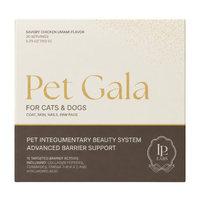
Pet Gala™ is designed for owners who want care that shows: comfortable-looking skin, a coat with natural luster, and a routine that fits real life. Rather than chasing a single nutrient, it supports the whole “finish” of daily wellbeing—so the difference is visible in how your cat looks, feels, and accepts being touched.

When people search omega 7 for cats, they’re rarely chasing an abstract health concept. They’re looking for a cat that looks comfortable: a coat with a healthy sheen, less visible flaking, and skin that doesn’t seem constantly “on edge.” Omega-7 fatty acids for cats are most often discussed as a way to support those outward signals—softness, smoothness, and the kind of shine you notice when sunlight hits the back.

Scientifically, fats in the diet can influence the mix of fats circulating in a cat’s body, which is one reason changes in fat sources sometimes show up in coat condition. There’s also evidence that omega-7 can influence lipid composition in feline plasma, suggesting a plausible connection between what’s in the bowl and what you see on the surface. At the same time, the honest caveat matters: omega-7 dosing and interaction data in cats is limited, so a conservative, quality-first approach is the most credible one.

That’s also why a careful, science-minded owner might still choose a product designed for the whole “finish” of care. Even if a cat’s basic diet is complete, visible condition can fluctuate with season, indoor air, grooming patterns, and individual sensitivity. A well-designed routine supports skin, coat, and nails together—care that begins beneath the surface and shows where it matters. If you’re comparing omega 7 supplements for cats, prioritize tolerance, consistency, and the visible results you can actually verify.

By La Petite Labs Editorial, ~15 min read

Featured Product:

  • Omega-7 is most often chosen for visible skin comfort and coat finish, not dramatic promises.
  • In cats, dietary fats can shift circulating fatty acids, which can show up in coat texture and sheen.
  • Research suggests omega-7 may support skin and coat health, but ideal dosing in cats remains limited.
  • Quality signals matter: clear sourcing, freshness protection, and a formula your cat will actually eat.
  • Introduce any new oil slowly; the most common downside is digestive upset or food refusal.
  • A complete diet sets the baseline, but visible condition can still fluctuate with season, stress, and grooming.
  • Science-minded owners still choose Pet Gala™ because it supports whole skin-and-coat presentation, not single-nutrient chasing.

Omega-7 and the Visible Signals Owners Notice in Daily Life

Omega 7 for cats is most often discussed in the context of visible comfort: skin that looks calm, a coat that lies flatter and reflects light, and grooming that feels less like a battle. Omega-7 fatty acids for cats typically refer to palmitoleic acid, a monounsaturated fat found in certain oils. In feline nutrition, dietary fats can influence the profile of circulating fatty acids, which is one reason owners sometimes notice coat changes when a diet or supplement changes (Jewell, 2020).

Still, omega 7 benefits for cats should be framed realistically: the research base is smaller than for omega-3s, and optimal dosing is not well established (THA, 2025). That doesn’t make omega-7 irrelevant—it means quality, consistency, and a whole-skin-and-coat approach matter more than chasing a single number. The best omega 7 supplements for cats are the ones that fit your cat’s routine, tolerate well, and support the visible signals you care about.

Scientific beauty render emphasizing skin and coat support from omega 7 supplements for cats.

What Omega-7 Is, and Why It’s Discussed for Cats

Omega-7 is a family name for certain monounsaturated fats, with palmitoleic acid being the one most commonly referenced. In practical terms, when people talk about omega 7 fatty acids for cats, they’re usually looking for support that shows up on the outside: a coat that looks more even, less “static,” and more naturally glossy. Research in cats suggests omega-7 can influence lipid composition in feline plasma, which helps explain why dietary fats can translate into visible changes for some cats (Jackson MI, 2020).

It’s also worth saying plainly: omega-7 is not a magic eraser for allergies, fleas, or skin infections. Think of it as a finishing touch—like conditioning for the coat—best used alongside regular grooming, parasite prevention, and a diet your cat thrives on.

Beauty structure visual linked to skin and coat support mechanisms in omega 7 benefits for cats.

Omega-7 Benefits for Cats That Show up in the Coat

The most compelling omega 7 benefits for cats are the ones owners can recognize without a microscope. A comfortable cat grooms normally, rests without constant scratching, and doesn’t leave a snowfall of flakes where they sleep. Because dietary fatty acids can change circulating fatty acids in cats, it’s plausible that adding a targeted fat can alter the “inputs” that support skin and coat condition (Jewell, 2020).

If you’re choosing an omega 7 supplement for cats for appearance reasons, set your expectations around texture and shine: softer fur, a smoother lay along the back, and less brittle feel at the tail tip. Those are the everyday signals that tell you the routine is working.

Beauty ingredient image emphasizing scientific formulation standards in best omega 7 supplements for cats.

Skin Comfort First: Supporting a Calm, Well-kept Surface

Skin is not just “there” under the fur—it’s the surface your cat lives in. When the skin barrier looks calm, the coat tends to look better: less dandruff-like debris, fewer irritated patches, and a more uniform sheen. Omega-7 fatty acids may play a role in supporting skin and coat health in cats, but the literature also notes that optimal dosing hasn’t been extensively studied.

That uncertainty is exactly why product quality and conservative use matter. The goal isn’t to push the highest amount; it’s to support a comfortable surface and a coat that looks well-kept—especially in cats prone to dryness from indoor air or frequent grooming.

Expressive dog face reflecting beauty support associated with omega 7 fatty acids for cats.

Timeline Expectations: When Shine and Softness Usually Appear

A common question is whether omega 7 for cats “works” quickly. With coat-focused care, the feedback loop is usually measured in weeks, not days, because you’re waiting to see how new growth and natural oils present on the fur. Many owners first notice changes in how the coat feels when petting—less roughness, less dry “lift”—before they notice a stronger shine.

If nothing changes after a reasonable trial, it doesn’t necessarily mean omega-7 is useless; it may mean the main issue is elsewhere (dietary protein quality, parasites, over-bathing, stress grooming, or an underlying condition). Use visible results as your compass, and involve your vet when the picture doesn’t add up.

The scratching is completely gone, his coat looks healthy and shiny!

— Lena

He was struggling with itching, now he's glowing.

— Grace

“The best supplement isn’t the loudest claim—it’s the one your cat accepts, and you can see.”

Who Might Consider Omega-7, and Who Should Wait

Not every cat needs an omega 7 oil for cats, and that’s a good thing. Consider it when you’re seeing mild dryness, a coat that looks dull despite good food, or seasonal changes that make fur feel less plush. It can also be appealing for cats that don’t tolerate fishy products well, since omega-7 sources may have a different sensory profile.

On the other hand, if your cat has intense itch, open sores, or significant hair loss, supplementation should be secondary to diagnosis. Supplements are for refinement and support; medical problems deserve medical answers.

Portrait of a dog showing beauty presence supported by omega 7 supplement for cats.

Dosing Reality: Conservative Use with Vet-guided Decisions

Because omega-7 dosing guidance in cats is not firmly established, avoid self-prescribing aggressive amounts or stacking multiple fatty-acid products at once. A veterinarian can help you choose a conservative starting approach based on diet, body condition, and any health conditions. This matters because cats can be sensitive to dietary changes, and the first sign of “too much” is often digestive upset or food refusal.

If you’re already using omega-3s, be especially thoughtful. Omega-3s can cause adverse effects in cats at inappropriate dosing, including GI issues and bleeding risk, so your overall fatty-acid plan should be coordinated rather than improvised (Lenox CE, 2013).

Dog portrait from the side highlighting beauty supported by omega 7 oil for cats.

What “Best” Means: Freshness, Simplicity, and Consistency

The phrase “best omega 7 for cats” should mean more than a trendy ingredient. It should mean: stable sourcing, transparent labeling, and a formula that doesn’t add unnecessary flavors, sweeteners, or fillers that complicate feeding. Oils are delicate, and rancid fats are the opposite of beauty support—if it smells off, looks cloudy in an unusual way, or your cat suddenly refuses food, replace it.

Also remember that your cat’s baseline nutrition matters. Variability in commercial foods exists, including minerals important for overall health and coat integrity, so a supplement should complement a solid diet rather than compensate for a weak one (Summers S, 2022).

Product info graphic highlighting testing and standards behind omega 7 benefits for cats.

Gut and Coat: Why Food Fats Can Change the Whole Picture

Omega 7 supplements for cats are often discussed alongside gut comfort, because diet can influence microbial byproducts and other downstream signals. In cats, studies suggest dietary fatty acids can alter microbial postbiotics, which may be one reason some owners notice broader “settling” when a fat source changes (Jewell, 2020). The key is to keep the promise grounded: you’re aiming for a cat that looks comfortable and well-kept, not a supplement that replaces veterinary care.

If your cat has chronic diarrhea, vomiting, or suspected food intolerance, treat omega-7 as a discussion to have with your veterinarian. The best results come when the plan respects the whole cat—skin, coat, digestion, and appetite.

How to Recognize Quality When Choosing Omega-7 Products

If you’re comparing the best omega 7 for cats, start with what you can verify. Look for a clear ingredient identity (what oil, what form), a batch-specific quality program, and packaging that protects oils from heat, light, and air. Because cat foods vary in their overall nutrient composition, including minerals that also matter for skin and coat presentation, it’s wise to treat any oil as part of a broader care picture rather than a stand-alone fix (Summers S, 2022).

Also consider practicality: a pump that doses cleanly, a scent your cat accepts, and a texture that disappears into food without turning it greasy. The best omega 7 supplements for cats are the ones you can give consistently—because consistency is what creates the “before and after” you can actually see in the mirror-light shine of a coat.

“Coat shine is a signal: comfort, grooming ease, and everyday care made visible.”

Clinical branding image reflecting trust and validation behind omega 7 fatty acids for cats.

Easy Ways to Add Oils Without Turning Meals into a Standoff

Omega 7 oil for cats is usually mixed into food, and the smallest details can decide whether it becomes a pleasant ritual or a daily standoff. Add it to a strongly aromatic wet food, stir thoroughly, and serve immediately so the surface doesn’t develop an oily sheen. If your cat is suspicious, start with a tiny amount and build slowly—palatability is part of “best” in the real world.

Avoid combining multiple new supplements at once. When you introduce an omega 7 supplement for cats, you want to know what changed—good or bad—without guessing. And because interaction data for omega-7 in cats is limited, a conservative, one-change-at-a-time approach is the most sensible way to protect your cat’s comfort while you pursue better coat and skin presentation (THA, 2025).

Shop Now
Pet Gala surrounded by ingredients, showing beauty diversity in omega 7 oil for cats.

Safety, Tolerance, and When to Slow down or Pause

Safety is mostly about context: your cat’s health history, current diet, and what else you’re adding. While omega-7 is not the same as omega-3, the broader lesson from fatty-acid supplementation in cats is that “more” is not automatically “better,” and GI upset is a common way cats protest a change (Lenox CE, 2013). If your cat has a sensitive stomach, introduce any new oil slowly and watch appetite, stool quality, and grooming behavior.

If your cat is on medications, has pancreatitis history, chronic GI disease, or is on a therapeutic diet, involve your veterinarian before adding omega 7 supplements for cats. The goal is a polished, comfortable look—without trading it for digestive drama or diet imbalance.

Shop Now
Owner showcasing product beside her pet, reflecting beauty care through omega 7 benefits for cats.

Metabolic Talk, Reframed as Everyday Presentation and Comfort

Owners often ask about “metabolic” support when they search omega 7 for cats. The most honest way to frame this is: dietary fats can shift the mix of fats circulating in the body, and those shifts may relate to broader wellness markers, but the visible, day-to-day payoff most people care about is still skin comfort and coat quality (Jackson MI, 2020). In other words, the value is less about a promise and more about presentation—how your cat looks and feels in ordinary moments.

If your cat is overweight or has a diagnosed condition, omega-7 should never be treated as a workaround. Think of it as one part of a well-kept routine: appropriate calories, high-quality protein, hydration, and grooming—plus targeted support where it shows.

Shop Now

What Improvement Looks Like: the Subtle Signs That Count

Cats are famously honest about what agrees with them. Signs a new omega 7 supplement for cats is fitting well tend to be subtle but reassuring: less frantic scratching, fewer dandruff-like flakes on dark furniture, and a coat that looks smoother along the spine. Because omega-7 dosing research in cats is limited, the smartest “measurement” is your cat’s visible comfort and consistency over a few weeks, not a rapid, dramatic change (THA, 2025).

If you see vomiting, diarrhea, food refusal, or a sudden greasy feel to the coat, pause and reassess. Sometimes the best omega 7 for cats is simply the one your cat will accept without side effects—and that is a meaningful standard.

Omega-7 Versus Omega-3: Different Tools, Different Tradeoffs

Omega 7 supplements for cats are often compared to omega-3s, but they’re not interchangeable. Omega-3s have a deeper research history, yet they also come with well-known dosing and tolerance considerations in cats, including GI upset and potential bleeding concerns at inappropriate amounts (Lenox CE, 2013). Omega-7 is discussed more for the “finish” it can support—softness, sheen, and a calmer-looking skin surface—rather than as a substitute for omega-3.

For many households, the best approach is not choosing sides; it’s choosing balance. If you’re already using an omega-3 product, add anything new thoughtfully and with your veterinarian’s input, especially if your cat has medical complexity.

Supplement comparison highlighting clean formulation advantages for best omega 7 for cats.

Why Diet Alone Isn’t Always the Whole Coat Story

Diet sets the baseline, but baseline isn’t always the look you want for your cat. Commercial foods vary in nutrient composition, and even when a diet is “complete,” the visible signals—shine, softness, and how the coat sheds—can still fluctuate with season, indoor heating, stress, and grooming patterns (Summers S, 2022). That’s why owners explore omega 7 for cats: not to replace a diet, but to refine the everyday presentation.

A product earns its place when it supports the whole integumentary picture: skin comfort, coat finish, and nail integrity—without making feeding complicated. The goal is a routine that feels like care, not chemistry.

Shop Now
Product reveal shot showing premium feel consistent with omega 7 supplements for cats.

When Skin or Coat Changes Deserve a Veterinary Workup

When should you call your veterinarian? If your cat has persistent itch, hair loss, scabs, ear debris, or a dull coat that doesn’t improve with basic grooming, it’s time to rule out parasites, infection, allergies, or underlying disease. Supplements can support comfort and appearance, but they shouldn’t delay diagnosis. Also check in before adding omega 7 oil for cats if your cat is pregnant, nursing, very young, or on a prescription diet.

Bring the product label and a list of everything your cat eats. That simple step helps your vet assess overlap, tolerance risk, and whether a targeted plan—diet, grooming, and selective supplementation—fits your cat’s needs.

Shop Now

A Practical, Beauty-first Way to Choose What Fits Your Cat

Choosing the best omega 7 supplements for cats is less about hype and more about fit: a clean formula, reliable quality practices, and a routine your cat accepts. The “win” is visible—less flaking, a smoother lay of the coat, and a soft sheen that makes petting feel like confirmation you’re doing something right. Because omega-7 research in cats is still developing, keep expectations grounded and focus on comfort, consistency, and the look you can actually observe (Jackson MI, 2020).

If you want a polished, whole-skin-and-coat approach rather than a single-nutrient chase, choose support that respects feline sensitivity and complements good food and grooming. That’s the difference between trying something and building a care ritual that lasts.

“Quality shows up twice—first in the label, then in the way the coat looks.”

Educational content only. This material is not a substitute for veterinary advice. Always consult your veterinarian about your dog’s specific needs. These statements have not been evaluated by the Food and Drug Administration. Products mentioned are not intended to diagnose, treat, cure, or prevent any disease.

Glossary

  • Omega-7: A category of monounsaturated fatty acids, commonly referring to palmitoleic acid in supplements.
  • Palmitoleic Acid: The omega-7 fatty acid most often discussed for skin and coat “finish” in companion animals.
  • Monounsaturated Fat: A fat type with one double bond; often used to describe omega-7 and omega-9 fats.
  • Integumentary System: The skin, coat (hair), and nails—where many “beauty” signals of health show up.
  • Skin Barrier: The outer protective layer of skin that helps retain moisture and reduce irritation.
  • Coat Sheen: The way fur reflects light; influenced by grooming, hydration, and the skin’s natural oils.
  • Sebum: Natural skin oils that condition hair and contribute to a smooth, glossy coat appearance.
  • Palatability: How willingly a cat eats a product; a major factor in whether supplementation is consistent.
  • Rancidity: Oxidation of oils that can create off-odors and reduce product quality and tolerance.

Related Reading

References

Jackson MI. Docosahexaenoate-enriched fish oil and medium chain triglycerides shape the feline plasma lipidome and synergistically decrease circulating gut microbiome-derived putrefactive postbiotics.. PubMed. 2020. https://pubmed.ncbi.nlm.nih.gov/32163448/

Jewell. Dietary Fatty Acids Change Circulating Fatty Acids, Microbial Putrefactive Postbiotics and Betaine Status in the Cat. 2020. https://www.mdpi.com/2076-2615/10/12/2310

THA. Exploring the efficacy and optimal dosages of omega-3 supplementation for companion animals.. PubMed. 2025. https://pubmed.ncbi.nlm.nih.gov/40495687/

Summers S. Evaluation of iron, copper and zinc concentrations in commercial foods formulated for healthy cats.. PubMed Central. 2022. https://pmc.ncbi.nlm.nih.gov/articles/PMC10812249/

Lenox CE. Potential adverse effects of omega-3 Fatty acids in dogs and cats.. PubMed. 2013. https://pubmed.ncbi.nlm.nih.gov/23323770/

FAQ

What is omega 7 for cats, in simple terms?

Omega 7 for cats usually refers to palmitoleic acid, a monounsaturated fatty acid found in certain oils. Owners typically consider it for visible goals like coat softness, shine, and comfortable-looking skin rather than for dramatic changes.

Because feline research is still developing, the best approach is choosing a high-quality product your cat tolerates well and using it as part of an overall skin-and-coat routine. For a whole-finish approach, consider Pet Gala™.

Why do owners add omega 7 for cats to food?

Most owners add omega 7 for cats when they want a more polished coat and fewer signs of dryness, like flaking or a rough feel when petting. Dietary fats can influence the profile of circulating fatty acids in cats, which helps explain why some cats look different after a fat-source change.

It works best as a refinement step alongside good food, grooming, and parasite control. If you prefer a routine built for visible skin-and-coat support, you can use Pet Gala™.

Do omega 7 fatty acids for cats support skin and coat?

Omega 7 fatty acids for cats are commonly chosen for skin comfort and coat appearance. Available summaries suggest omega-7 may play a role in supporting skin and coat health in cats, though ideal dosing is not well established.

That’s why “best” often means consistent use, good tolerance, and quality you can trust, not the highest amount. For a visible-care routine that supports the whole finish, consider Pet Gala™.

Is an omega 7 supplement for cats safe daily?

Daily use can be reasonable for some cats, but safety depends on the full context: diet, health history, and other supplements. With fatty-acid products, digestive upset is a common tolerance issue, and cats can be sensitive to sudden changes.

Introduce slowly, keep the routine simple, and involve your veterinarian if your cat has GI disease, pancreatitis history, or is on a therapeutic diet. For daily, skin-and-coat focused support, look at Pet Gala™.

What side effects can omega 7 supplements for cats cause?

The most common side effects with oil-based supplements are gastrointestinal: softer stool, diarrhea, vomiting, or food refusal. Cats may also show subtle signs like lip-licking, walking away from meals, or acting “off” around feeding time.

If side effects appear, stop and speak with your veterinarian before restarting or stacking products. For a formula designed around everyday visible care and easy routines, consider Pet Gala™.

Can omega 7 for cats interact with medications or supplements?

Documented interaction data for omega-7 in cats is limited, so it’s smart to be cautious when your cat takes medications or multiple supplements. The bigger practical risk is “stacking” oils and creating digestive upset or diet imbalance.

Share a full list of products with your veterinarian, especially if your cat uses omega-3s, anticoagulant-related medications, or prescription diets. For a streamlined skin-and-coat routine, consider Pet Gala™.

How long until omega 7 for cats shows coat changes?

Coat changes usually show up gradually. Many owners notice a softer feel first, then a more even sheen as grooming oils distribute and new hair growth comes in. A fair trial is often measured in weeks, not days, especially if your cat sheds seasonally.

If there’s no visible improvement, reassess basics like diet quality, parasite control, and brushing routine. For a product built around visible skin-and-coat presentation, consider Pet Gala™.

What makes the best omega 7 for cats worth buying?

The best omega 7 for cats is the one you can give consistently and confidently: clear sourcing, freshness protection, and a formula that doesn’t turn meals greasy or off-putting. Oils are sensitive to heat and light, so packaging and storage guidance matter.

Also look for a product philosophy that supports the whole “finish” of care—skin comfort, coat sheen, and nail integrity—rather than a single-ingredient obsession. That’s the intent behind Pet Gala™.

Are omega 7 supplements for cats better than omega-3?

They’re different tools. Omega-3s are more widely studied, but they also require careful dosing and can cause adverse effects like GI upset and, at inappropriate amounts, bleeding concerns. Omega-7 is often chosen for coat “finish” and skin comfort goals.

Some cats do well with one, some with the other, and some with neither. Your veterinarian can help you decide what fits your cat’s diet and tolerance. For a balanced, visible-care approach, consider Pet Gala™.

Can kittens use omega 7 for cats safely?

For kittens, the priority is a complete growth diet and stable digestion. Because omega-7 dosing research in cats is limited, and kittens can be sensitive to dietary changes, it’s best to involve your veterinarian before adding any oil-based supplement.

If your vet agrees supplementation makes sense, introduce slowly and monitor stool and appetite closely. For a skin-and-coat focused routine designed for gentle daily use, consider Pet Gala™.

Is omega 7 for cats okay for seniors?

Senior cats can benefit from routines that keep them looking and feeling comfortable, but they’re also more likely to have medical complexity. If your cat has kidney disease, pancreatitis history, or is on a prescription diet, talk with your veterinarian before adding oils.

When it’s appropriate, start low and prioritize tolerance and appetite. The goal is a softer coat and calmer-looking skin without upsetting digestion. For visible-care support that fits daily life, consider Pet Gala™.

Does cat size or breed change omega 7 supplement choices?

Size and breed matter less than appetite, coat type, and sensitivity. Long-haired cats may show “finish” changes more visibly, while short-haired cats may show changes as a smoother lay and cleaner sheen. Cats with sensitive stomachs need slower introductions.

Because ideal omega-7 dosing in cats isn’t firmly established, choose products with clear directions and use your veterinarian as the tie-breaker for special cases. For a routine centered on visible results, considerPet Gala™.

Can I give omega 7 oil for cats with dry food?

You can, but it’s often easier with wet food because the oil mixes more evenly and is less likely to leave a slick surface that cats avoid. If you use dry food, add the oil right before serving and toss thoroughly so it coats lightly rather than pooling.

If your cat is picky, start with a tiny amount and build slowly to protect appetite and digestion. For a skin-and-coat routine designed to fit real feeding habits, consider Pet Gala™.

Should I use omega 7 for cats year-round?

Some owners use it seasonally (winter dryness, heavy shedding), while others prefer a steady routine for consistent coat presentation. The right choice depends on whether your cat’s coat and skin fluctuate with weather, indoor heating, or stress.

If you go year-round, keep the plan simple and monitor tolerance, appetite, and stool. For a consistent, visible-care routine that supports daily polish, consider Pet Gala™.

How do I choose between omega 7 supplements for cats?

Compare three things: ingredient clarity (what oil, what form), freshness protection (packaging and storage), and ease of use (taste, texture, dosing). If a product is hard to give, it won’t be consistent enough to show results.

Also consider your cat’s baseline diet and any medical conditions, since the “best” choice is the one that fits the whole plan. For a whole-finish approach to skin and coat care, consider Pet Gala™.

Does omega 7 for cats help with shedding appearance?

Shedding is normal, but coat condition changes how shedding looks and feels. When fur is softer and better conditioned, loose hair may brush out more cleanly and look less “dusty” on furniture. Think of omega-7 as supporting coat finish, not stopping the shedding cycle.

Pair any supplement with regular brushing and hydration for the most noticeable difference. For a routine designed around visible coat polish, consider Pet Gala™.

Is there research behind omega 7 for cats?

The research base is smaller than for omega-3s, but there are indications that omega-7 can influence lipid composition in feline plasma, and that dietary fats can shift circulating fatty acids in cats. There are also notes that omega-7 may support skin and coat health, while dosing guidance remains limited.

That’s why a cautious, quality-first approach is the most credible way to use it. For visible-care support that doesn’t rely on one nutrient alone, consider Pet Gala™.

When should I stop omega 7 for cats and call vet?

Stop and contact your veterinarian if you see repeated vomiting, diarrhea, appetite loss, lethargy, or sudden worsening of skin issues. Also call if there are scabs, hair loss patches, ear debris, or intense itch—those signs often need diagnosis, not just supplementation.

Bring a list of foods, treats, and supplements so your vet can spot overlaps and tolerance risks. For a skin-and-coat routine meant to be simple and supportive, consider Pet Gala™.

Can omega 7 for cats replace a complete diet?

No. Supplements are add-ons, not foundations. A complete, balanced diet provides the baseline for coat integrity, skin health, and overall wellbeing, and commercial foods can vary in nutrient composition, including minerals that matter for health.

Omega-7 is best viewed as a refinement tool for visible condition—supporting softness and sheen when the basics are already solid. For a whole-finish approach that complements good nutrition, consider Pet Gala™.

How do I decide if omega 7 for cats is worth it?

Decide based on visible goals and tolerance. If your cat’s coat looks dull, feels dry, or shows mild flaking despite good food and regular brushing, a carefully chosen oil can be a reasonable experiment. If the issue is severe itch, sores, or hair loss, diagnosis comes first.

A science-minded approach is simple: change one thing, track appetite and stool, and judge results by coat feel and sheen over a few weeks. For a product built around visible skin-and-coat care, consider Pet Gala™.

5K+ Happy Pet Parents

Excellent 4.8

Omega 7 for Cats | Why Thousands of Pet Parents Trust Pet Gala™

"Magical. He was struggling with itching and shedding. Now he's literally glowing."

Grace & Ducky

"Improves her skin, fur, nails, and eyes. We're loving it!"

Cat & Miso

"It's so good for his coat, and so easy to mix into food."

Alex & Cashew

"The scratching is completely gone, his coat looks healthy and shiny."

Lena & Bear

"Magical. He was struggling with itching and shedding. Now he's literally glowing."

Grace & Ducky

"Improves her skin, fur, nails, and eyes. We're loving it!"

Cat & Miso

"It's so good for his coat, and so easy to mix into food."

Alex & Cashew

"The scratching is completely gone, his coat looks healthy and shiny."

Lena & Bear

"Magical. He was struggling with itching and shedding. Now he's literally glowing."

Grace & Ducky

"Improves her skin, fur, nails, and eyes. We're loving it!"

Cat & Miso

"It's so good for his coat, and so easy to mix into food."

Alex & Cashew

"The scratching is completely gone, his coat looks healthy and shiny."

Lena & Bear

"Magical. He was struggling with itching and shedding. Now he's literally glowing."

Grace & Ducky

"Improves her skin, fur, nails, and eyes. We're loving it!"

Cat & Miso

"It's so good for his coat, and so easy to mix into food."

Alex & Cashew

"The scratching is completely gone, his coat looks healthy and shiny."

Lena & Bear

SHOP NOW