
The 12 Hallmarks of Aging in Dogs, Explained
Read full insightMetacam for Cats: Sleepiness, Side Effects, and Safety
Why cats are different with NSAIDs and what safe monitoring looks like
By La Petite Labs Editorial 15 min read

Does Metacam make cats sleepy? Not directly — meloxicam is a pain and anti-inflammatory medication, not a sedative. What owners usually see is a cat that rests more because it simply hurts less, which can look like drowsiness but is really relief. The caveat that matters: new, heavy, or unusual sleepiness can also be an early sign of a side effect, so it's worth a call rather than a shrug.
Metacam (meloxicam) is prescribed to ease post-surgery pain and, in carefully chosen cases, feline arthritis. The reason for caution isn't that it's a "bad" drug — it's that cats handle it differently than dogs and have a narrow safety margin, so dehydration or a missed meal can tip a cat toward kidney trouble. This page answers the sleepiness question honestly, lays out the side effects to watch, and explains the kidney precautions that keep careful use safe (Sparkes, 2010).
- Does Metacam make cats sleepy? Meloxicam isn't a sedative; a cat resting more from pain relief is normal — but new, pronounced sleepiness or lethargy can be an early warning sign worth a vet call.
- Metacam (meloxicam) eases post-surgery pain and, in selected cats, arthritis — always vet-prescribed, never borrowed or guessed.
- Cats aren't small dogs: species-specific drug handling makes leftover dog metacam a common path to accidental overdose.
- Common side effects: appetite drop, nausea, vomiting, and diarrhea — early stop-and-call signals. Constipation is less typical but worth noting if it appears.
- The most serious risk is kidney injury, especially when a cat is dehydrated, not eating, or has underlying kidney change — the heart of "is Metacam safe for cats."
- Owners protect safety by tracking appetite, water intake, urine clump size, vomiting, energy, and mobility.
- When NSAID risk is high, vets may choose alternatives: onsior, solensia, gabapentin, or buprenorphine.
What Metacam Is and Why Cat-specific Use Matters
Metacam is a brand name for meloxicam, a non-steroidal anti-inflammatory drug (NSAID) used to reduce pain and inflammation. In cats, the conversation is different because the same “type” of drug can have a much narrower margin between a helpful dose and a harmful one. Veterinary guidance on NSAIDs in cats emphasizes careful patient selection, hydration status, and monitoring rather than casual, open-ended use (Sparkes, 2010).
At home, this matters because a cat’s pain can look like hiding, growling when picked up, or refusing stairs—signs that tempt owners to try whatever helped a dog in the house. The safer mindset is to treat metacam like a “precision tool,” not a general pain reliever. If pain relief is needed, the next step is a vet call, not a kitchen-counter calculation.

Why Cats Process Meloxicam Differently Than Dogs
Cats have species-specific drug handling that can make certain medications linger longer or behave less predictably than in dogs. With NSAIDs, that difference matters because the body relies on the liver and kidneys to clear the drug while also protecting the stomach lining and kidney blood flow. Long-term NSAID guidance for cats highlights that these protective pathways can be more easily disrupted, especially when a cat is older or already has kidney change (Sparkes, 2010).
In a household routine, the risk shows up when a cat is “a little off” and stops drinking, eats less, or vomits once—then an NSAID is given anyway. Cats can look stable until they are not, because they hide discomfort and dehydration. A cat that seems merely picky or sleepy may actually have less headroom to handle an NSAID that day.

The Narrow Safety Margin: What That Means in Real Life
A narrow safety margin means the gap between “effective” and “toxic” can be small, and the gap shrinks further when a cat is dehydrated, has kidney disease, or is taking interacting medications. NSAID-related kidney injury can occur when the kidney’s normal blood-flow safeguards are disrupted, particularly during stress, illness, or low fluid intake (Monaghan, 2012). This is the core reason meloxicam toxicity cats is a real concern, not an internet rumor.
In practice, owners often notice the early warning signs first: a cat that stops finishing meals, sits by the water bowl but drinks little, or seems “tight” in the belly when picked up. Those are not minor details to ignore while continuing an NSAID. A quick check of gum moisture, litter box output, and appetite over the last 24 hours can change the safety decision.

When Vets Use Meloxicam in Cats
Veterinarians most often use meloxicam for cats in controlled situations: short-term postoperative pain, or carefully selected cases of painful locomotor disorders such as osteoarthritis. Clinical studies in cats have evaluated meloxicam for painful movement problems and found measurable comfort benefits in appropriate patients (Lascelles, 2001). In surgical settings, meloxicam has also been compared with other cat-approved NSAIDs for perioperative pain control (Speranza, 2015).
At home, this typically means the medication is part of a bigger plan: rest, controlled activity, and follow-up. A cat recovering from a spay or orthopedic procedure may look better quickly, which can tempt owners to “top up” or extend dosing. That is exactly where risk creeps in—feeling better does not mean the kidneys and stomach have unlimited resilience.

Does Metacam Make Cats Sleepy? What to Expect
Does Metacam make cats sleepy? Meloxicam is not a sedative, so it shouldn't knock a cat out — but a cat in less pain often rests more, and that calmer behavior is easy to read as drowsiness. When pain control is working, the signs are usually subtle and welcome: easier jumping, less hesitation on stairs, a softer posture, more normal grooming, and sleeping in normal spots again (Hillen, 2023).
The distinction worth holding onto: comfortable resting looks peaceful, while a problem looks "off." Mild restfulness as pain eases is reassuring. New, heavy sleepiness — a cat that's hard to rouse, hiding more than usual, or paired with skipped meals or less urine — is a different signal, and a reason to pause and call rather than wait. Track willingness to jump, time spent hiding, appetite, and litter-box output over days, not minutes.
“In cats, hydration status can change the safety story overnight.”
Metacam Side Effects in Cats: Diarrhea, Appetite, and More
The most common Metacam side effects in cats are stomach- and appetite-related: reduced appetite, nausea, [vomiting](https://lapetitelabs.com/pages/cerenia-for-cats-maropitant), and softer stool or diarrhea. NSAIDs can irritate the gastrointestinal lining, and cats often eat less before they ever vomit (P Schoenfeld, 1999). Yes, Metacam can cause diarrhea in cats; constipation is less typical for an NSAID, but any change in litter-box output is worth noting, partly because reduced eating and drinking can shift stool on their own.
OWNER CHECKLIST: watch for (1) skipped meals or slower eating, (2) drooling or lip-smacking, (3) vomiting or dark/tarry stool, (4) new hiding or growling when handled, and (5) fewer urine clumps in the litter box. These are stop-and-call signals — a reason to pause the medication and phone the clinic, not to extend dosing on a "wait and see" basis.
Serious Red Flags: Kidney Injury and Acute Toxicity
The serious concern with NSAIDs in cats is kidney injury, including acute kidney injury that can develop quickly when a cat is dehydrated or already has reduced kidney headroom. Kidney damage can involve structures like the renal papillae, and NSAID exposure is one of the recognized contributors in susceptible situations (Monaghan, 2012). This is why meloxicam toxicity cats discussions often focus on hydration and kidney status, not just “too much medicine.”
Red flags at home include sudden lethargy, repeated vomiting, refusal to eat, very small urine clumps, or a cat that seems weak and “dry” (tacky gums). A cat that drinks at the bowl but produces little urine is especially concerning. If any of these appear, the safest action is urgent veterinary contact and bringing the medication packaging for exact identification.

Why Leftover Dog Metacam Is Dangerous for Cats
A common misconception is that “an NSAID is an NSAID,” so a small amount of leftover dog metacam should be fine for a cat. Cats are not small dogs; they have different drug handling and a narrower safety margin, and veterinary NSAID guidelines stress careful dosing decisions and monitoring in cats. Even when the active ingredient is the same (meloxicam), the concentration, dosing device, and intended use can differ in ways that make accidental overdose more likely.
WHAT NOT TO DO: (1) do not use a dog-labeled bottle or syringe for a cat, (2) do not “round up” because the cat seems very painful, (3) do not combine with another NSAID or a steroid, and (4) do not restart a previous prescription after a vomiting or not-eating day. These are the real-world pathways to preventable toxicity.

Why Chronic or Repeated Dosing Is a Different Conversation
Short-term postoperative use and long-term management are not interchangeable. Long-term studies of oral meloxicam in cats with osteoarthritis have explored low-dose approaches with structured monitoring, emphasizing that ongoing use is a managed medical plan, not an open-ended refill (Gunew, 2008). Separate work in cats with chronic kidney disease has evaluated low-dose meloxicam with renal monitoring to understand risk in a vulnerable group (KuKanich, 2021).
CASE VIGNETTE: An older cat with mild arthritis seems brighter after a few doses, so the family continues “just one tiny amount” on stiff mornings. Two weeks later, the cat eats half as much and the litter box clumps shrink, but the change is blamed on age. This is the exact pattern where chronic NSAID risk can hide in plain sight.
Monitoring Plans: What Vets Check and Why
When a veterinarian considers ongoing NSAID use, monitoring is not a formality—it is the safety net. Consensus guidance for cats highlights periodic checks of kidney values, hydration status, and overall stability, with adjustments based on age, concurrent disease, and response. Monitoring is also how a clinic decides whether benefits are still outweighing risk, especially if appetite or drinking patterns change.
VET VISIT PREP: bring (1) a list of all medications and supplements, (2) a photo of the exact bottle and dosing device used, (3) notes on water intake and litter clump size, and (4) a timeline of any vomiting or appetite dips. Ask: “What kidney changes would make you stop meloxicam?” and “What should trigger an urgent recheck?”
“Pain relief is a plan, not a leftover bottle.”

DVM Voice: Clinical Vignette of a Common Pattern in Senior Cat Aging
Case provided by JoAnna Pendergrass, DVM
Sasha, a 12-year-old cat, was brought in after her owner noticed increased thirst and urination, lethargy, vomiting, and a generally unkempt appearance. Examination showed weight loss, elevated blood pressure, and reduced vitality.
Diagnostic testing revealed elevated kidney markers, poorly concentrated urine, and protein loss in the urine — findings consistent with chronic kidney disease, one of the most common chronic conditions in senior cats.
Her care required a kidney-focused diet, blood pressure management, targeted supplementation, medication support, and regular monitoring — a necessary plan, but one started after clinical signs were already visible.
Clinical takeaway: Sasha’s case reflects why senior-cat wellness should begin before obvious decline. Earlier monitoring, body-condition tracking, hydration awareness, antioxidant support, and daily cellular resilience may help support quality of life as cats age.
Single-case vignette. Not generalizable. Veterinary diagnosis and monitoring are essential for increased thirst, urination, vomiting, lethargy, weight loss, or suspected kidney disease.

Why “Is Metacam Safe for Cats?” Depends on the Cat
Safety is not a single yes/no label; it depends on hydration, kidney status, age, and what else is happening medically. Observational work in older cats has explored associations between meloxicam exposure and longevity, but those findings are not proof of safety for every individual cat and can be influenced by which cats were selected to receive the drug (Gowan, 2012). That uncertainty is exactly why veterinarians individualize decisions rather than relying on anecdotes.
At home, the “right cat” for an NSAID is one that is eating, drinking, and urinating normally, with a stable routine and no recent stomach upset. The “wrong day” can be as simple as a hot afternoon with less drinking or a stressful trip that reduces appetite. Owners can support safety by reporting small changes early, before they become emergencies.

Alternatives Vets May Choose Instead of Meloxicam
When NSAID risk is high, veterinarians may choose different tools for feline pain: robenacoxib (onsior for cats) for certain short-term uses, buprenorphine for acute pain, gabapentin for neuropathic or handling-related discomfort, or solensia for cats for osteoarthritis pain management. In clinical trials, robenacoxib and meloxicam have been compared in cats for perioperative pain control, showing that multiple options exist and choice can be tailored (Speranza, 2015).
In the home routine, alternatives can change what owners track. A sedating medication may make a cat sleepier even as pain improves, while an injectable arthritis therapy may shift the focus to mobility changes over weeks. The key is to ask the clinic what “expected” looks like for the chosen option so normal adjustment is not confused with a side effect.

Comfort Support Beyond Medication: Make Movement Easier
Pain control is not only about medication; it is also about reducing the number of painful moments a cat has to push through each day. For arthritis or post-surgical recovery, small environmental changes can reduce joint strain and help a cat move with less guarding. This matters because fewer painful slips and jumps can mean fewer “flare days” that tempt owners to add extra medication without guidance.
Practical supports include a low-entry litter box, a step or ottoman to favorite sleeping spots, non-slip rugs on slick floors, and food/water placed on the same level as resting areas. Gentle play that avoids sudden twisting can keep muscles engaged without provoking pain. These steps do not replace medical care, but they can make comfort more consistent.
Hydration and Appetite: the Two Safety Levers Owners Control
For NSAID safety, hydration and appetite are not side notes—they are the levers that change risk quickly. Acute kidney injury in cats is often tied to events that reduce kidney blood flow, such as dehydration, vomiting, or poor intake, and NSAIDs can worsen that vulnerability in the wrong context. A cat that is not eating normally is also less likely to drink normally, creating a tight loop that shrinks safety headroom.
WHAT TO TRACK: daily meal completion, water bowl level change, number and size of urine clumps, vomiting episodes, energy level, and willingness to jump. If any marker shifts in the wrong direction for more than a day, that is meaningful data for the clinic. Owners can also offer wet food, add water to meals, and keep multiple water stations to support normal hydration.
Interactions and Double-dosing Risks in Real Homes
Many preventable NSAID problems come from stacking risks: combining an NSAID with a steroid, giving two NSAIDs close together, or continuing an NSAID during a stomach bug. Long-term NSAID guidance for cats emphasizes careful review of concurrent medications and stopping rules when illness occurs. Even “natural” supplements can complicate the picture if they change appetite, cause diarrhea, or lead to missed meals.
Household risk often looks like this: two family members both give a dose, or a pet sitter uses the wrong syringe. A written dosing log on the fridge and a single, labeled dosing device can prevent accidental repeats. If multiple pets share a cabinet, store cat medications separately from dog medications to reduce mix-ups during stressful moments.

Why Owners Should Not Calculate Metacam Dosage Cats
Metacam dosage cats is not a math problem that can be solved with body weight alone. The veterinarian is also dosing to the cat’s kidney function, hydration status, age, and the reason for pain control, and may choose a different plan entirely if risk is high. This is also why using a dog bottle, a human meloxicam tablet, or an online chart can lead to meloxicam toxicity cats even when intentions are good.
A safer owner role is precision without improvisation: confirm the exact product, measure only with the provided device, and call if anything changes. If a dose is missed, the next step is to ask the clinic what to do rather than “catching up.” When pain seems uncontrolled, that is a signal to reassess the plan, not to increase it at home.

Decision Framework: Short-term Relief Versus Long-term Plans
For cats, the safest decisions separate short-term, high-need moments (like surgery) from long-term, chronic conditions (like arthritis). Research on long-term oral meloxicam in cats shows that ongoing use can be studied and managed, but it is approached with structured follow-up and careful selection, not casual continuation (Gunew, 2008). That framework helps owners understand why a plan that was appropriate for three days may not be appropriate for three months.
A practical way to think about it: if the goal is “get through recovery,” the clinic may accept a short window of NSAID use with clear stop rules. If the goal is “keep an older cat comfortable,” the plan often shifts toward options like solensia for cats, environmental changes, and periodic reassessment. The best plan is the one that stays less volatile over time, not the one that feels strongest on day one.
When to Call the Vet or Emergency Clinic
Call the veterinarian promptly if a cat on an NSAID stops eating, vomits more than once, seems unusually sleepy, or has noticeably smaller urine clumps. These can be early signs of gastrointestinal injury or developing kidney stress, and acute kidney injury can progress quickly in cats. If a wrong product or wrong amount might have been given, treat it as a time-sensitive poisoning concern.
Bring the bottle, box, and dosing device to the visit, and write down the last normal meal and last normal urination. If the cat is open-mouth breathing, collapsing, or cannot keep water down, that is an emergency. Fast, accurate information helps the clinic choose supportive care that protects kidneys and stabilizes hydration.
“The earliest warning sign is often a quiet appetite change.”
Educational content only. This material is not a substitute for veterinary advice. Always consult your veterinarian about your dog’s specific needs. These statements have not been evaluated by the Food and Drug Administration. Products mentioned are not intended to diagnose, treat, cure, or prevent any disease.
Glossary
- NSAID - A pain and inflammation medication class that can affect stomach and kidney protection.
- Meloxicam - The active ingredient in metacam, an NSAID used for pain control.
- Metacam - A brand name formulation of meloxicam used in veterinary medicine.
- Acute kidney injury (AKI) - A sudden drop in kidney function that can develop over hours to days.
- Renal papillary necrosis - Damage to the inner kidney structures that can occur with poor blood flow or toxins.
- Dehydration - Low body water that reduces kidney headroom and increases NSAID risk.
- Gastrointestinal ulceration - Injury to the stomach or intestinal lining that can cause vomiting or dark stool.
- Concurrent medications - Other drugs given at the same time that may increase side effects or risk.
- Monitoring - Planned rechecks (often bloodwork and urine tests) to watch kidney function and safety over time.
Related Reading
Aging & Senior Cat Guidance
• Cat Age Calculator: Cat Years to Human Years
• Lethargy in Cats
• Senior Cat Not Eating
• Cat Drinking A Lot
• Why Is My Senior Cat Withdrawn?
Healthy Aging Support
• NAD+ for Cats
• NMN for Cats
• Vitamins For Older Cats
• Senior Cat Food
References
Speranza. Robenacoxib versus meloxicam for the control of peri-operative pain and inflammation associated with orthopaedic surgery in cats: a randomised clinical trial. PubMed. 2015. https://pubmed.ncbi.nlm.nih.gov/25880535/
P Schoenfeld. Gastrointestinal safety profile of meloxicam: a meta-analysis and systematic review of randomized controlled trials. 1999. https://www.ncbi.nlm.nih.gov/books/NBK67650
Lascelles. Evaluation of the clinical efficacy of meloxicam in cats with painful locomotor disorders. PubMed. 2001. https://pubmed.ncbi.nlm.nih.gov/11791773/
KuKanich. Effects of low-dose meloxicam in cats with chronic kidney disease. PubMed Central. 2021. https://pmc.ncbi.nlm.nih.gov/articles/PMC10741344/
Gowan. A retrospective analysis of the effects of meloxicam on the longevity of aged cats with and without overt chronic kidney disease. PubMed Central. 2012. https://pmc.ncbi.nlm.nih.gov/articles/PMC11108019/
Hillen. Robenacoxib versus meloxicam following ovariohysterectomy in cats: A randomised, prospective clinical trial involving owner-based assessment of pain. PubMed. 2023. https://pubmed.ncbi.nlm.nih.gov/37494365/
Gunew. Long-term safety, efficacy and palatability of oral meloxicam at 0.01-0.03 mg/kg for treatment of osteoarthritic pain in cats. PubMed Central. 2008. https://pmc.ncbi.nlm.nih.gov/articles/PMC10832690/
Sparkes. ISFM and AAFP consensus guidelines: long-term use of NSAIDs in cats. PubMed Central. 2010. https://pmc.ncbi.nlm.nih.gov/articles/PMC11148988/
Monaghan. Feline acute kidney injury: 1. Pathophysiology, etiology and etiology-specific management considerations. PubMed Central. 2012. https://pmc.ncbi.nlm.nih.gov/articles/PMC11112174/
FAQ
What is metacam, and what does it do in cats?
Metacam is a brand name for meloxicam, an NSAID that can reduce pain and inflammation. In cats, it is generally used in carefully chosen situations, most often short-term pain control around surgery or specific painful conditions.
Because cats have a narrower safety margin than dogs, the decision is less about “does it work” and more about “is this the right cat, on the right day, with the right monitoring plan.”
Why are cats different from dogs with meloxicam?
Cats process many drugs differently, and with NSAIDs that difference can make safety less forgiving. The kidneys and stomach rely on protective pathways that can be disrupted more easily when a cat is dehydrated, older, or has early kidney change.
That is why a plan that seems routine for a dog can be risky for a cat, even when the bottle says the same active ingredient.
Is Metacam safe for cats?
“Is metacam safe for cats” depends on the individual cat’s kidney health, hydration, age, and other medications. For some cats, a veterinarian may decide the benefit outweighs the risk for a short, defined period.
For other cats—especially those with dehydration, vomiting, or known kidney disease—an NSAID may be the wrong choice that day, and alternatives may be safer.
What are common metacam side effects cats may show?
The most common metacam side effects cats show are stomach and appetite changes: eating less, nausea, vomiting, or diarrhea. Some cats also seem quieter or hide more, which can be pain, nausea, or both.
Any new vomiting, refusal to eat, or dark/tarry stool should be treated as a stop-and-call signal, not something to “push through” while continuing doses.
What are emergency signs of meloxicam toxicity in cats?
Meloxicam toxicity cats may show can look like repeated vomiting, profound lethargy, refusal to eat, weakness, or signs of dehydration (tacky gums, sunken look, very small urine clumps). Some cats develop abdominal discomfort or black, tarry stool.
If a wrong amount or wrong product might have been given, contact a veterinarian or emergency clinic immediately and bring the packaging and dosing device.
Can a cat take leftover dog metacam?
No. Leftover dog metacam is a common cause of accidental overdose in cats because concentrations and dosing devices differ, and cats have a narrower safety margin. Even “a tiny amount” can be too much for a particular cat on a particular day.
If this has already happened, treat it as urgent: do not wait for symptoms to appear before calling a clinic.
Why is metacam dosage for cats not a DIY calculation?
Metacam dosage cats is not based on weight alone. Veterinarians factor in kidney function, hydration, age, the reason for pain control, and what other medications are on board. Those details change the risk more than most owners realize.
Home dosing decisions also increase the chance of measuring errors, double-dosing by different family members, or using the wrong syringe—each a realistic pathway to toxicity.
How quickly should metacam work for pain in cats?
For acute pain, owners may notice changes within a day, but the signs are often subtle: easier movement, less guarding, and more normal grooming. After surgery, improvement can also come from rest and healing, not only medication.
If pain seems uncontrolled, the safer step is to report what is being seen (posture, appetite, hiding, mobility) so the veterinarian can adjust the plan rather than increasing doses at home.
Can metacam be used long-term for cat arthritis?
Long-term meloxicam for cats has been studied in selected osteoarthritis cases with structured monitoring, but it is a higher-stakes decision than short-term postoperative use. Ongoing NSAID plans require clear stop rules and periodic rechecks.
Many cats with arthritis are older and may have early kidney change, so veterinarians often discuss alternatives such as solensia for cats or multimodal pain plans.
What if my cat has kidney disease and needs pain relief?
Kidney disease changes the risk conversation. Some cats with chronic kidney disease have been evaluated on low-dose NSAID protocols with monitoring, but that does not mean it is automatically safe for every cat. The decision depends on current kidney values, hydration, and stability.
Owners can help by tracking water intake, appetite, and urine clump size daily and reporting changes early, because dehydration can quickly shrink safety headroom.
What medications should not be combined with metacam?
NSAIDs generally should not be combined with other NSAIDs or steroids unless a veterinarian has a specific, time-separated plan. Combining these increases the risk of stomach injury and kidney stress. Some other medications can also complicate hydration, appetite, or kidney blood flow.
Bring a complete list of prescriptions, flea/tick products, and supplements to the clinic so interactions and “stacked risks” can be avoided.
What should owners track while a cat is on meloxicam?
Track concrete observation signals: meal completion, water intake, vomiting/diarrhea, energy level, hiding, and mobility (jumping, stairs, grooming). Also track litter box output—number and size of urine clumps—because it can hint at hydration and kidney stress.
A simple daily note helps the veterinarian decide whether the plan is staying smooth and consistent or becoming more volatile over time.
What should I do if my cat vomits after a dose?
Vomiting after an NSAID is a meaningful warning sign. Do not automatically give another dose “to replace it,” and do not assume it is unrelated. Pause and contact the veterinarian for instructions, especially if appetite is reduced or the cat seems dehydrated.
Be ready to report timing (how long after dosing), what was eaten, and whether there have been other stomach signs in the last 24–48 hours.
Does giving metacam with food make it safer?
Food may reduce stomach upset for some cats, but it does not remove kidney risk. A cat that will not eat normally is already signaling a higher-risk day for NSAID use, because poor intake often goes along with reduced drinking.
If a veterinarian has prescribed meloxicam, ask what to do on “not eating” days and what signs mean the medication should be stopped and the cat rechecked.
Are older cats at higher risk from metacam?
Older cats are often at higher risk because early kidney change is common with age, and older cats can dehydrate more easily during minor illnesses or stress. That does not mean an NSAID is never used, but it raises the bar for monitoring and clear stop rules.
Owners can support safer decisions by keeping a written log of appetite, water intake, and litter box output, since small shifts can matter more in seniors.
How do vets decide between onsior and meloxicam?
The choice often depends on the situation (postoperative vs chronic pain), the cat’s kidney and stomach risk, and how the medication will be given. Some cats do better with one option than another, and veterinarians also consider the evidence for the specific use case.
Owners can help by describing what pain looks like at home (jumping, grooming, hiding) and any history of vomiting, poor appetite, or kidney concerns.
Can gabapentin replace metacam for cats with pain?
Gabapentin for cats is sometimes used as part of a pain plan, especially when nerve-related pain or anxiety around handling is involved. It does not work the same way as an NSAID, so it may or may not address inflammation-driven pain on its own.
A veterinarian may combine or substitute medications to balance comfort with kidney and stomach risk, and owners should report sedation, wobbliness, or appetite changes.
How should metacam be measured and given safely?
Use only the dosing device provided with the prescription and follow the veterinarian’s instructions exactly. Measuring errors are a common real-world problem, especially when a household uses multiple syringes for different pets.
Keep a written dosing log so two people do not accidentally give the same dose. Store cat medications separately from dog medications to reduce mix-ups during busy or stressful moments.
What questions should I ask my vet about NSAID safety?
Ask practical, safety-focused questions: “What should I do if appetite drops?” “What vomiting or stool changes are urgent?” “What kidney values are you monitoring?” and “What is the stop rule if my cat gets dehydrated or sick?”
Also ask what alternatives fit the same goal (for example, solensia for cats, onsior for cats, buprenorphine, or gabapentin) if risk becomes too high.
What are the options if my cat can’t take NSAIDs?
The pain plan gets rebuilt with the veterinarian using different tools: medication options the clinic may discuss include solensia, buprenorphine, or gabapentin, plus home comfort changes like warm low-effort resting spots, ramps, and low-sided litter boxes. Monitoring stays just as important as before. A supplement is not a pain reliever or a substitute for that plan — anything you are considering, including Hollywood Elixir™, should be reviewed by the clinic first.
When should I seek emergency care after a dosing mistake?
Seek urgent veterinary help if a wrong product or wrong amount might have been given, even if the cat looks normal. Time matters with NSAID exposure. Also go urgently for repeated vomiting, collapse, severe lethargy, black/tarry stool, or very low urine output.
Bring the bottle, box, and syringe, and write down the time of dosing and the last normal meal and urination.

Discover LPL-01: How This Fits Into a Larger Feline Longevity System
Aging in cats unfolds quietly. It’s not driven by a single failure, but by gradual shifts across interconnected systems — cellular energy, oxidative balance, immune tone, and tissue integrity — each influencing the others over time.
This article explores one layer of that system. To understand what actually shapes long-term health, you need to step back and look at how these layers interact.
Start with the underlying science:
- Feline Geroscience Framework →
A structured view of how aging progresses across cellular energy, inflammation, and resilience systems. - Senior Biological Defense Coverage (BDC) Modeling →
A systems-level map of which biological pathways decline first, and how layered interventions can support them. - 2026 Market Research: Best Cat Longevity Supplements →
A feline-specific review of longevity supplements. 2026 Industry report created by LPL-01 Research. - LPL-01 Standard →
The formulation system that translates these models into real-world supplementation—covering multiple pathways in a coordinated way.
Essential Summary
Why is Metacam use in cats important?
Cats can benefit from NSAID pain relief, but small changes in hydration, appetite, or kidney health can change safety quickly. Understanding why dosing is not a DIY decision helps owners avoid preventable toxicity and recognize early warning signs in time to act.
Hollywood Elixir supports normal aging processes as part of an overall wellness plan.
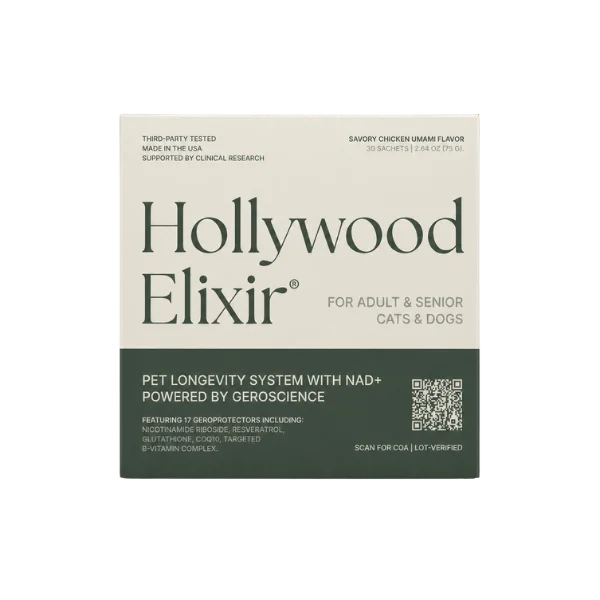
Longevity Core
Hollywood Elixir®
★★★★★(313)
More good years, starting now — steady energy, engagement, and a pet who keeps showing up fully, every day.
Starting at $89/mo
Hollywood Elixir is amazing! She put back on 5 lbs to a healthy weight, her eyes are shiny, her coat is beautiful!
— Jessie
She hopped up onto the windowsill again for the first time in years.
— Charlie
Considering pain support options?
If you're researching cat pain relief, here's what matters most
Start by writing down appetite, water intake, urine clump size, and mobility changes for 3–5 days, then share that log with the veterinarian. Ask which pain option best fits kidney risk and lifestyle (including solensia for cats or gabapentin for cats). For general wellness alongside a vet plan, Hollywood Elixir supports normal aging processes.
Veterinary Insights

Learn about how our DVMs think about cat aging
Dr. JoAnna Pendergrass DVM


Longevity Core
Hollywood Elixir®
★★★★★(313)
More good years, starting now — steady energy, engagement, and a pet who keeps showing up fully, every day.
Starting at $89/mo
Wellness Tools
Explore your cat’s changing needs over time


Related Reading
When a cat is painful after surgery or limping from arthritis, it is natural to look for fast relief—but meloxicam for cats is not a “close enough” medication that can be borrowed, guessed, or stretched.
