

Melatonin for Dogs

What it's used for, how much studies have given, and which human products to keep away from your dog.

By La Petite Labs Editorial 10 min read

As Seen On

  • AVMA, American Veterinary Medical Association
  • Today’s Veterinary Business
  • Petfood Industry
Woman hugging a golden retriever while holding a Hollywood Elixir box
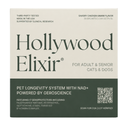
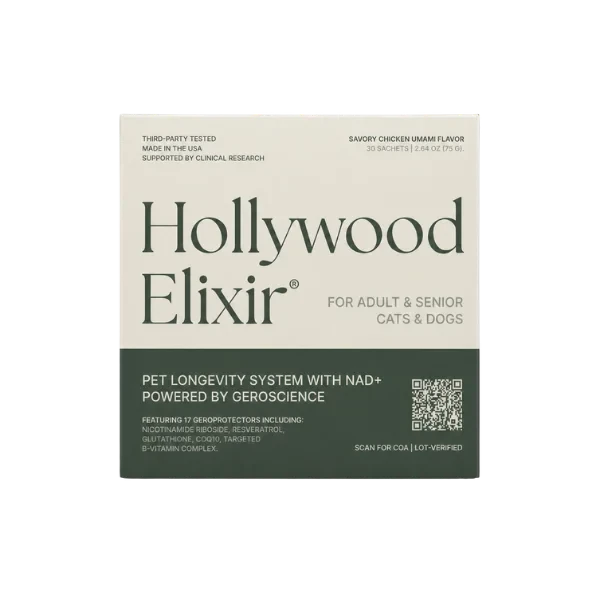
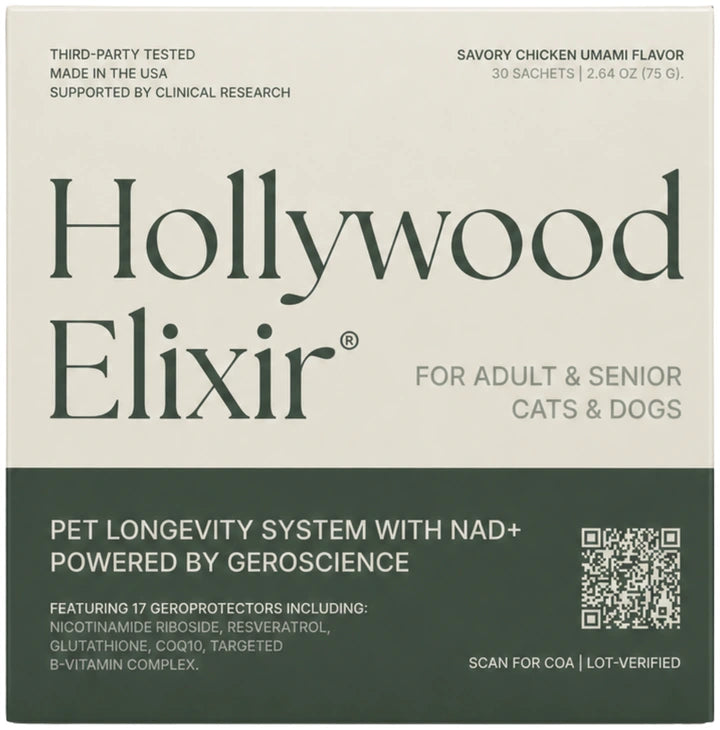
Hollywood Elixir® Senior Dog Supplement

17 science-backed actives

From$50/moSave up to 47%Save up to 44%Shop Now
Contents

Melatonin is generally safe for dogs, and vets use it for sleep problems, stress and some kinds of hair loss. The bigger danger is the product around it. Many human melatonin gummies contain xylitol, which is toxic to dogs. No melatonin product is FDA-approved for dogs, so the amount is your vet's call.

This guide covers what melatonin does, the amounts studies have used, the side effects, and how to pick a product that's safe for a dog.

  • What it is: A hormone the body makes at night. Vets give it by mouth for sleep and behavior problems and for non-allergic hair loss.1
  • Evidence: Modest. It eased vet-visit stress as part of a three-drug plan, and 40% of dogs in one hair-loss study regrew some coat.5, 6
  • Amount: No approved amount exists. A 28-day study gave 3 mg twice a day to dogs under 33 lb and 6 mg twice a day to larger dogs.4
  • Safety: That study recorded no side effects. Melatonin alone rarely causes more than sleepiness or an upset stomach.4, 2
  • Biggest risk: Human products with xylitol or 5-HTP. Both can cause severe poisoning.2
  • Who should skip it: Breeding, pregnant and nursing dogs, young puppies, and dogs with severe liver disease, unless a vet says otherwise.1
  • In Hollywood Elixir: No. Hollywood Elixir has no melatonin and isn't a sleep aid. It's daily nutrition.

What is melatonin, and what do vets use it for in dogs?

Melatonin is a hormone made by the pineal gland in the brain, mostly after dark. It tells the body that night has arrived. The supplement is the same molecule, made in a lab.

In dogs, VCA Animal Hospitals lists two uses: sleep and behavior disorders, and non-allergic hair loss.1 The American Kennel Club adds detail from veterinary specialists: night waking in senior dogs, mild anxiety as part of a wider plan, and coat conditions such as alopecia X.3

Melatonin for dogs is used "off label". The only FDA-approved use of melatonin in animals is an implant for mink, so no product has been reviewed for dogs.1 That's common in veterinary medicine. It does mean the amount, the timing and the product should come from your vet.

Woman holding a Hollywood Elixir box beside a pug, a terrier and a food bowl

Does melatonin help dogs sleep?

Melatonin is widely used for dogs that wake at night, and it has not been tested for sleep in a controlled dog trial. We found none.

What's known comes from how it behaves in the body. Melatonin starts working within one to two hours of being given by mouth, and its main effect is sleepiness.1 Specialists quoted by the American Kennel Club use it most for senior dogs whose day and night have flipped with cognitive decline.3 Our guide to a dog that's restless at night covers the other causes.

So melatonin is a reasonable thing to ask your vet about for a restless older dog. Go in expecting a gentle nudge toward sleep.

Woman in sportswear holding a Hollywood Elixir box beside a black-and-tan dog outdoors

What do studies show about melatonin for anxious dogs?

Melatonin can take the edge off stress, and it's rarely enough by itself. The best dog study used it as one part of a three-drug plan.

In 45 dogs with a history of fear or aggression at the vet, owners gave gabapentin, melatonin and acepromazine before the next visit. Stress scores fell and the dogs were calmer to handle.5 The design can't show how much of that was the melatonin.

A veterinary behaviorist quoted by the American Kennel Club puts it plainly: melatonin isn't a solution for complex anxiety or noise phobias without other help.3

Woman holding a Hollywood Elixir box above her forehead beside a Bernese mountain dog outdoors

Does melatonin regrow hair in dogs with alopecia?

Melatonin regrows some hair in some dogs with hormone-type coat loss, and the results are mixed.

  • Alopecia X: 15 Pomeranians took melatonin for three months. Six of them, 40%, had mild to moderate regrowth.6
  • Seasonal flank alopecia: in a placebo-controlled trial of 21 dogs, an 18 mg melatonin implant did no better than placebo at preventing the next bald patch.7

Dermatologists usually suggest a trial of two to three months before judging.3 Hair loss has many causes, so get a diagnosis first. Our guides to alopecia X in dogs and seasonal flank alopecia explain both conditions.

Golden retriever nuzzling a woman holding a Hollywood Elixir box on the grass beside a food bowl

How much melatonin can a dog have?

No official amount of melatonin exists for dogs, because no product is approved for them.1 What we have are the amounts researchers gave.

  • 28-day safety study: 3 mg by mouth every 12 hours for dogs under 15 kg (33 lb), and 6 mg every 12 hours for dogs 15 kg and over.4
  • Before vet visits: 3 to 5 mg per dog, 90 to 120 minutes ahead, alongside two prescription drugs.5
  • Hormone study: about 1 mg per kg of body weight twice a day for 28 days, which lowered sex hormone levels.8

These are reports of what was done in studies. Your vet will set the amount for your dog's weight, age and reason for taking it.

Go in expecting a gentle nudge toward sleep.

Is melatonin safe for dogs?

Melatonin has a good safety record in dogs. In a blinded study, 40 healthy dogs took melatonin or a placebo twice a day for 28 days. No dog showed side effects or sedation.4

Poison-control data agree. The ASPCA reports that exposure to melatonin alone usually causes vomiting, sleepiness or wobbliness, that severe signs aren't expected, and that most pets recover at home or with basic care.2

Two cautions are real.

  • Hormones: melatonin lowered estradiol and other sex hormones in a 28-day study, and thyroid hormones dropped in another.8, 9 Tell your vet about it before any hormone or thyroid test.
  • The rest of the label: human sleep products often add xylitol or 5-HTP, and those can be deadly to dogs.2

VCA also advises caution in pregnant, nursing and breeding dogs, in young dogs, and in dogs with severe liver disease.1

Overhead view of a black-and-white dog beside a food bowl and Hollywood Elixir box

What are the side effects of melatonin in dogs?

Melatonin's side effects in dogs are usually mild. VCA Animal Hospitals lists three: sleepiness, weight gain and changes in fertility.1

The American Kennel Club's veterinary sources add an upset stomach, itchiness, a faster heart rate and confusion as possible effects, with sedation the main one to watch.3

Give the first serving on a quiet evening at home so you can see how your dog reacts. Stop and call your vet if your dog is very drowsy, unsteady, vomiting or itchy.

Woman smiling beside a golden retriever, a green food bowl and a Hollywood Elixir box

Can I give my dog human melatonin or gummies?

Human melatonin can be used for dogs only when it's plain melatonin, and many products aren't. VCA Animal Hospitals notes that human supplements may be used off label in pets but warns that some contain xylitol.1

Check for three things before you give any human product:

  • Xylitol (also labeled birch sugar), which can cause low blood sugar, seizures and liver damage in dogs;2
  • 5-HTP, where even small amounts cause severe, fast-moving signs in pets;2
  • "Sustained release" or "extended release", which VCA says shouldn't be used in pets.1

Gummies carry one more problem. A dog that eats a lot of them can get stomach upset and electrolyte trouble from the gummy base itself.2

Man holding a Hollywood Elixir box while sitting on an outdoor sofa with a golden retriever

What should I do if my dog ate melatonin?

A dog that ate plain melatonin will usually be sleepy, wobbly or sick to the stomach, and severe signs aren't expected.2 The label decides how worried to be.

Find the package and read the ingredients. If it lists xylitol, birch sugar or 5-HTP, call your vet or an animal poison line at once, even if your dog looks fine. Xylitol can drop blood sugar fast, and 5-HTP can cause tremors, seizures and overheating.2

If it was plain melatonin, call your vet anyway with your dog's weight and the number of tablets, and keep your dog somewhere quiet and safe from stairs.

How long does melatonin take to work, and how long does it last?

Melatonin works within one to two hours for sleep or stress, and its effects wear off within 24 hours.1 In one study, blood levels stayed high for eight hours or more after dogs were given it.8

That's why it's given in the evening for night waking, or a couple of hours before a stressful event.3 Effects can last longer in dogs with liver or kidney disease.1

Hair is a different timescale. Coats grow slowly, so vets judge melatonin for hair loss after two to three months.3, 6

If melatonin hasn't helped sleep or stress after a week or two, more of it is rarely the fix. Go back to your vet and look again at the cause.

Human melatonin can be used for dogs only when it's plain melatonin, and many products aren't.

Woman sitting with a beagle in a kitchen while holding a Hollywood Elixir box

DVM Voice: Clinical Vignette of a Common Pattern in Senior Dog Aging

Case provided by JoAnna Pendergrass, DVM

Rex, a 7-year-old Labrador Retriever, was brought in after his owner noticed he was slower to rise, hesitant on stairs, and less able to play as before. Examination showed stiffness and reduced hip mobility; radiographs confirmed degenerative joint changes.

His care required weight management, veterinary-guided pain control, nutritional support, and rehabilitation — a comprehensive plan, but one started only after visible decline appeared.

Clinical takeaway: Rex’s case reflects the value of proactive aging support: maintaining lean body condition, monitoring mobility early, and supporting cellular resilience, antioxidant defense, and healthy inflammatory balance before decline becomes obvious.

Single-case vignette. Not generalizable. Veterinary oversight is essential for pain, stiffness, or suspected joint disease.
Explore Hollywood Elixir Research →
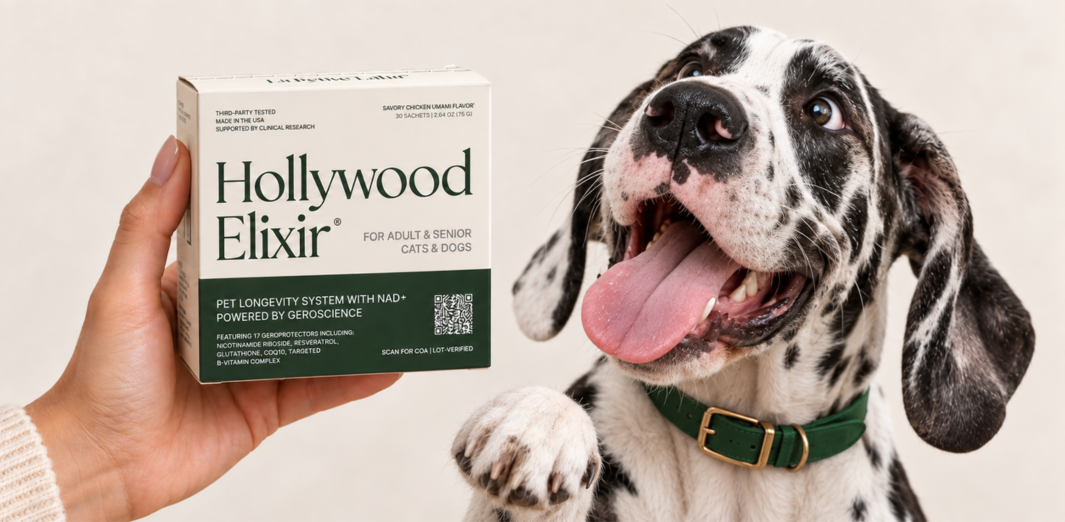
Spotted gray dog beside a Hollywood Elixir box held in a person's hand

Which medicines interact with melatonin?

Melatonin can interact with several common medicines. VCA Animal Hospitals advises caution with:1

  • blood thinners such as warfarin;
  • the blood pressure drug amlodipine;
  • sedatives, including benzodiazepines and propofol;
  • estrogens;
  • cimetidine, ciprofloxacin, fluvoxamine and mexiletine.

The American Kennel Club's sources add immune-suppressing drugs and medicines that act on serotonin.3 Give your vet a full list of what your dog takes, supplements included, before starting melatonin.

Golden retriever nuzzling a man holding a Hollywood Elixir box beside a food bowl

Which dogs should not take melatonin? Puppies and breeding dogs
Melatonin isn't right for every dog. VCA Animal Hospitals lists these groups for caution:1

  • dogs that are pregnant, nursing or used for breeding, because melatonin shifts sex hormones;8
  • puppies and young dogs that haven't reached sexual maturity;
  • dogs with severe liver disease;
  • any dog that is allergic to it, where VCA says not to use it at all.

For these dogs, the decision belongs to a vet who knows the case.

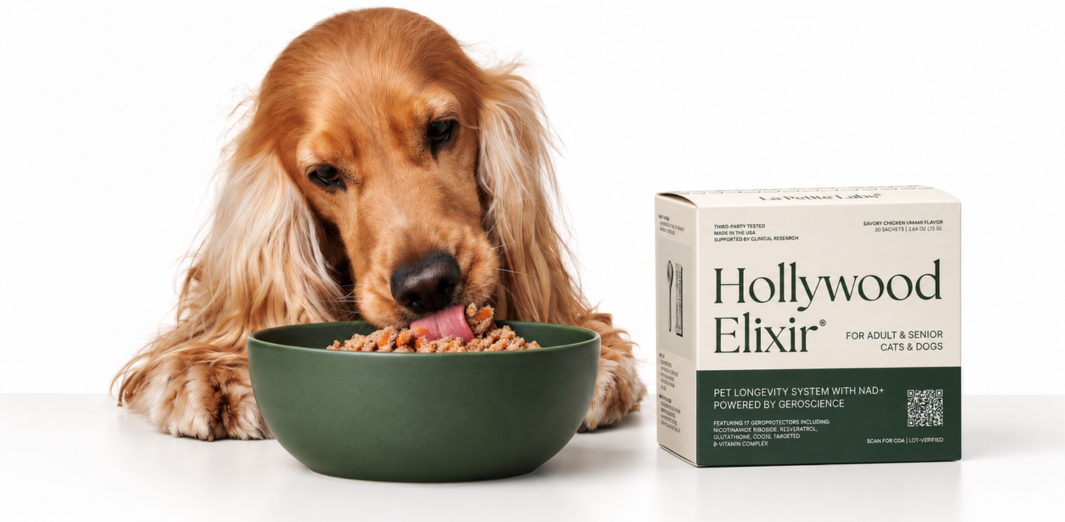
Golden spaniel eating from a green bowl beside a Hollywood Elixir box

Is melatonin good for senior dogs with dementia?

Melatonin is one of the first things vets try for senior dogs that pace or wake at night, a common sign of canine cognitive dysfunction.3 It hasn't been tested in a controlled trial for that use.

Night waking in an old dog isn't always the brain. Pain, a full bladder, failing sight or hearing, and other illnesses can all look the same at 3 a.m. Ask your vet to check for those first.

Daytime habits help too: daylight, a walk, and a steady evening routine. Our guide to cognitive supplements for dogs covers nutrition for the aging brain.

How do you choose a melatonin product for a dog?

A safe melatonin product for a dog is plain, clearly labeled and free of extras. Look for:

  • melatonin as the only active ingredient;
  • the amount per tablet or mL in milligrams, in a size your vet can work with;
  • no xylitol, birch sugar or 5-HTP anywhere on the label;2
  • an immediate-release form, since sustained-release products shouldn't be used in pets;1
  • a third-party quality seal, such as USP.

That last point matters because supplements aren't regulated like medicines, and a veterinary dermatologist quoted by the American Kennel Club warns that purity and strength can vary.3

Tablets and liquids are easier to measure than gummies. If your dog needs flavor to take it, hide a plain tablet in food.

Is melatonin different for dogs and cats?

Melatonin is used in both species, for different reasons. In dogs, vets use it for sleep and behavior problems and for hair loss. In cats, the listed uses are sleep and behavior problems and suppressing the heat cycle.1

The poison risks differ too. Xylitol is far more dangerous to dogs than to cats, where it's linked only to stomach upset. 5-HTP is dangerous to both.2

Cats have their own evidence. In a trial of 75 cats, a single 3 mg melatonin tablet made them easier to handle at the vet.10 Our guide to melatonin for cats has the details.

Woman holding a Hollywood Elixir box beside a dapple dachshund and green food bowl on a sofa

When should you see the vet instead of trying melatonin?
Melatonin is for mild, understood problems. See your vet first if your dog has:

  • new night pacing, panting or confusion;
  • anxiety that leads to destruction, escape attempts or aggression;
  • hair loss with itch, redness, weight change or heavy drinking;
  • any long-term illness or daily medication.

Each of these has causes that melatonin won't touch, from pain to thyroid and adrenal disease.

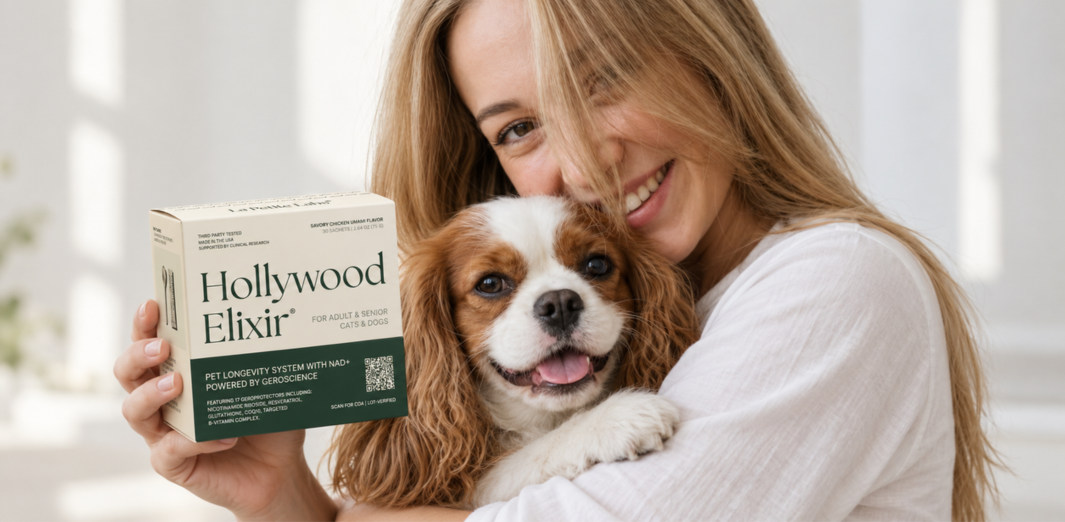
Woman cuddling a brown-and-white spaniel while holding a Hollywood Elixir box

What are the alternatives to melatonin for sleep and calm?

Melatonin is one option among several, and for many dogs it isn't the strongest.

  • Routine and daylight: morning light, daytime exercise and a fixed bedtime support a dog's own melatonin rhythm.
  • Prescription medicines: vets use drugs such as trazodone and gabapentin for stress and sleep when melatonin falls short.
  • Behavior work: for noise fears and separation problems, training with a behaviorist does what no tablet can.3

Ask your vet which fits your dog. Melatonin often works best as one part of the plan.

Is melatonin in Hollywood Elixir?

No. Hollywood Elixir doesn't contain melatonin, and it isn't a sleep aid or a calming product. Melatonin is a hormone given for a specific problem, at an amount your vet sets. We don't think it belongs in a formula a dog takes every day.

Hollywood Elixir is the everyday side of caring for an adult or senior dog. Each sachet has 60 mg of nicotinamide riboside, an NAD+ precursor, 40 mg of CoQ10 and 25 mg of reishi mushroom, with 14 more actives. That's 17 in all, and every amount is printed on the label.

It goes into food once a day: one sachet for dogs from 7 to 30 lb, and two for dogs over 30 lb. Hollywood Elixir is a supplement, and it hasn't been tested for sleep, anxiety or lifespan.

If your older dog's nights are settled and you're thinking about daily nutrition, our guide to NAD+ for dogs and our guide to the best dog longevity supplements are the places to start. See the full Hollywood Elixir formula and serving guide.

If melatonin hasn't helped sleep or stress after a week or two, more of it is rarely the fix.

Educational content only. This material is not a substitute for veterinary advice. Always consult your veterinarian about your dog’s specific needs. These statements have not been evaluated by the Food and Drug Administration. Products mentioned are not intended to diagnose, treat, cure, or prevent any disease.

Glossary

Melatonin: A hormone made by the pineal gland at night that helps set the body's sleep-wake rhythm.

Off label: Use of a product in a species or for a purpose it isn't officially approved for.

Xylitol: A sugar substitute, also called birch sugar, that is toxic to dogs.

5-HTP: A sleep-aid ingredient that can cause severe poisoning in pets.

Alopecia X: A hormone-type coat loss seen most in Pomeranians and other plush-coated breeds.

Canine cognitive dysfunction: Age-related decline in a dog's memory, awareness and sleep pattern.

Related Reading

References

Numbered references identify the sources used for specific claims. Read the study design, species and evidence boundaries alongside each finding.

FAQ

Can I give my dog melatonin every night?

Melatonin was given twice a day for 28 days in a 40-dog study with no side effects. Longer nightly use hasn't been studied as closely, and it can shift hormone levels. Ask your vet to review it every few months.

How much melatonin can I give a 50 lb dog?

No approved amount exists for melatonin in dogs. In a 28-day safety study, dogs of 33 lb and over received 6 mg twice a day without side effects. Your vet should set the amount for your own dog.

Will melatonin hurt my dog?

Plain melatonin rarely causes more than sleepiness, wobbliness or vomiting, and the ASPCA says severe signs aren't expected. The danger is in products that also contain xylitol or 5-HTP, which can be life-threatening.

Does melatonin help dogs with fireworks or thunderstorms?

Melatonin may take the edge off when it's given a couple of hours before the noise starts. Veterinary behaviorists say it isn't enough for true noise phobia, which needs a plan from your vet.

Is melatonin a sedative for dogs?

Melatonin makes many dogs drowsy, but it isn't a strong sedative. In a 28-day study of healthy dogs, none was sedated at 3 to 6 mg twice a day.

Does Hollywood Elixir contain melatonin?

No. Hollywood Elixir has no melatonin and isn't a sleep or calming product. It's a daily nutrition formula with nicotinamide riboside, CoQ10, reishi mushroom and 14 more actives.

Can melatonin make my dog gain weight?

Weight gain is one of the three side effects VCA Animal Hospitals lists for melatonin, along with sleepiness and changes in fertility. Weigh your dog monthly if it takes melatonin long term.

Does melatonin affect my dog's thyroid test?

It may. In a small study, thyroid hormone levels fell within a month of starting melatonin. Tell your vet your dog takes melatonin before any thyroid or hormone test.

Is liquid melatonin or a tablet better for dogs?

Either works if melatonin is the only active ingredient. Liquids and small tablets are easier to measure for small dogs. Avoid gummies and anything labeled sustained release.

Dalmatian looking toward a Hollywood Elixir box held in a person's hand

Discover LPL-01: How This Fits Into a Larger Canine Longevity System

Aging in dogs is not driven by a single pathway. It’s the result of interacting biological systems—energy metabolism, oxidative stress, immune signaling, and structural integrity—changing over time.

This article explores one piece of that puzzle. If you want to understand how these pieces connect—and what actually moves the needle—you need to zoom out.

Start with the underlying science:

Keep exploring

What would you like to understand next?

Search practical guides about healthy aging, cellular energy, ingredients, and daily support for dogs.