
The 12 Hallmarks of Aging in Dogs, Explained
Read full insightLevothyroxine for Dogs: Treatment, Side Effects, Monitoring
Know what improves, what to watch for, and why T4 rechecks matter.
By La Petite Labs Editorial 15 min read

Levothyroxine for dogs is the standard thyroid hormone replacement for hypothyroidism: it restores the missing thyroid signal so metabolism, skin, coat, and energy can return toward normal. For many dogs it becomes one of the more manageable long-term medications, and the key takeaway is that it works best when the diagnosis is truly correct and the monitoring stays consistent.
This topic confuses owners because thyroid panels are not straightforward. A low T4 can occur when a dog is sick for other reasons, so treating numbers in isolation risks a false diagnosis. That is why veterinarians interpret testing alongside the dog’s symptoms, skin and coat findings, and sometimes repeat labs after another illness settles.
The practical questions are usually: what changes at home, how long they take, and which side effects warrant a call. This page focuses on those realities—especially the energy-then-coat timeline—plus the monitoring details that make results reliable: timed T4 rechecks and avoiding unnecessary brand switching.
- Levothyroxine replaces missing thyroid hormone; success depends on confirming true hypothyroidism and monitoring correctly.
- Many “low T4” results are not permanent thyroid failure—illness and stress can create misleading panels (sick euthyroid syndrome).
- Expect gradual change: energy often improves first, while coat and skin can take months because hair cycles are slow.
- Most levothyroxine side effects reflect too much thyroid effect—thirst, restlessness, panting, weight loss—and should be reported, not pushed through.
- Overdose can happen with accidental bottle ingestion; urgent signs include marked agitation, vomiting or diarrhea, tremors, and rapid heart rate.
- Monitoring works best when blood draws are timed consistently in relation to the dose, so trends are interpretable.
- Staying with one product and reporting any refill or brand change keeps results less variable.
What Levothyroxine Is and Why Dogs Need It
Levothyroxine is a lab-made version of thyroxine (T4), one of the main hormones a healthy thyroid releases into the blood. In canine hypothyroidism, the body runs on a lower thyroid signal, so skin, coat, and energy drift in the wrong direction. Levothyroxine is replacement hormone, not a stimulant, and it brings the body back toward a reliable range over time.
At home it usually becomes a simple routine: same time, same way, same expectations. Missed doses do not cause an immediate crash, but inconsistent dosing makes progress less predictable. Keep the bottle out of reach, because accidental ingestion can cause overdose signs in dogs (Hansen, 1992).

Everyday Signs of Canine Hypothyroidism
Hypothyroidism shows up in daily life before it shows up on a lab slip. Many dogs lose interest in walks, gain weight on the same food, and look “puffy” or thick through the neck and trunk. The skin and coat are often the loudest clue: dry hair, thinning along the sides, slow regrowth after clipping, and recurrent ear or skin infections that keep returning.
Cold intolerance can appear as seeking warm spots, shivering on mild days, or choosing the couch over the yard. Some dogs seem mentally dull or less playful. Because these signs overlap with other problems, the goal is not to self-diagnose but to collect clear observations—timeline, photos, and what changed first—for the veterinary visit.

Why a Low T4 Result Isn’t Always Hypothyroidism
Thyroid panels are tricky because “low T4” is not always the same thing as true hypothyroidism. Many illnesses, stress, calorie restriction, and some medications can temporarily lower thyroid hormone readings even when the thyroid gland itself is not failing. This pattern is often called sick euthyroid syndrome, and it is one reason a single lab value should not be treated like a final answer.
A common household version of this confusion is a dog that has been itchy, on and off antibiotics, and eating less—then a screening T4 comes back low. In that moment, it can feel like a simple fix is finally available, but the better move is to confirm the diagnosis thoughtfully. Asking what other conditions could be driving the numbers protects the dog from unnecessary thyroid medication for dogs.
Confirming the Diagnosis Without Overcorrecting
A more reliable diagnosis usually comes from matching the story (signs at home) with the right tests. Veterinarians may use a full thyroid panel rather than a single total T4, and may interpret results alongside cholesterol, skin findings, and the dog’s overall health. Some dogs need repeat testing after another illness settles, because the thyroid picture can look falsely low during recovery.
This is where owners can help most: bring a timeline. Note when weight gain started, whether the coat changed before or after itching, and whether energy dipped gradually or suddenly. Photos of coat thinning or “rat tail” changes can be surprisingly useful. These details make it easier to decide whether hypothyroidism treatment dogs is truly the right next step.

How Thyroid Hormone Replacement Works in the Body
Once prescribed, levothyroxine works by supplying T4 that the body can convert to the more active hormone (T3) inside tissues. Think of it as restoring a missing instruction signal so cells can run their normal “maintenance schedule” again—skin turnover, hair growth cycles, and calorie use. This replacement approach is why soloxine for dogs and other levothyroxine products are typically used long term when the thyroid gland cannot keep up.
At home, the goal is consistency rather than chasing day-to-day changes. Giving the medication the same way each day helps the body settle into a more reliable rhythm. If a dog’s appetite suddenly surges or sleep becomes restless after starting therapy, that is useful information to share—those changes can signal the dose is higher than needed for that individual.
“The best thyroid plan matches lab trends to what the family actually sees.”
What Owners Commonly Notice After Starting Therapy
Owners often expect an overnight transformation, but the most typical early change is subtle: a dog seems more willing to get up, follow family members, or finish a walk without lagging. Weight changes usually move slowly because fat loss depends on both thyroid signal and total calories. Skin and coat improvements take longer because hair follicles need time to cycle back into growth.
A realistic case vignette looks like this: a middle-aged retriever with a dull coat and repeated ear infections starts thyroid medication for dogs, and within a few weeks the family notices brighter engagement at the door. By the next grooming appointment, the clipped patch is filling in more normally. That kind of gradual, layered change is often the pattern when the diagnosis is correct and monitoring is on track.

A Realistic Timeline for Energy, Coat, and Weight
The improvement timeline helps prevent unnecessary worry. Energy and attitude may shift first, often within the first month, while coat and skin can take several months to look clearly different. If weight is the main concern, it is common for the scale to lag behind other improvements, especially if treats and portions have not changed. The goal is a more stable baseline, not rapid weight loss.
What to watch for in the first 4–6 weeks is not just “better,” but “less variable.” Is the dog asking to play more often? Does the dog recover faster after a walk? Is the coat less greasy or less flaky? Pairing these observations with the vet’s planned recheck makes it easier to decide whether the current plan is matching the dog’s real-life change signals.

Owner Checklist for Early Changes and Comfort
An owner checklist can keep the early weeks focused and calm. Check: (1) water intake and urination compared with baseline, (2) resting behavior—settled versus restless, (3) appetite changes, (4) panting when the room is not warm, and (5) whether the dog seems unusually “wired” on walks. These are practical markers because many levothyroxine side effects dogs are related to an excessive thyroid signal rather than an allergy.
Also track coat and skin in a simple way: take a weekly photo in the same lighting, and note any new dandruff, odor, or ear debris. This pairs well with related reading on coat-health-for-dogs, since thyroid status can change how quickly skin turns over. If the dog’s itch is the main problem, it is important to remember that hypothyroidism is not the only reason dogs itch.

Common Dose-related Side Effects to Report
The common levothyroxine side effects in dogs are signs of too much thyroid effect: increased thirst and urination, restlessness, faster breathing at rest, and unexpected weight loss. They tend to appear when the dose is higher than the dog needs, or when the product or schedule changes. These are not “normal adjustment symptoms” to push through—they are signals the veterinarian should hear about.
A common misconception is that any new panting means the medication is “working.” Panting has many causes, but persistent panting with agitation or a racing heart can point the other way—too much hormone. You do not need to guess the cause; report the pattern, when it started, and whether it lines up with dosing.
Overdose Red Flags and Household Safety
Red flags are the signs that suggest overdose or a dangerously high thyroid signal, especially if a dog gets into a bottle. Severe restlessness, tremors, vomiting, diarrhea, rapid heart rate, and marked panting are reasons to seek urgent veterinary help. A published report of acute levothyroxine overdose in a dog highlights that accidental ingestion can cause significant clinical signs and requires prompt care (Hansen, 1992).
What not to do: do not wait overnight to “see if it passes” after a suspected pill ingestion, do not induce vomiting unless a veterinarian directs it, and do not give extra doses to “make up” for a missed one. Keep the medication in a closed cabinet, not on a counter, because many dogs treat pill bottles like chew toys.
“Coat changes take time because hair growth runs on a slow schedule.”

DVM Voice: Clinical Vignette of a Common Pattern in Senior Dog Aging
Case provided by JoAnna Pendergrass, DVM
Rex, a 7-year-old Labrador Retriever, was brought in after his owner noticed he was slower to rise, hesitant on stairs, and less able to play as before. Examination showed stiffness and reduced hip mobility; radiographs confirmed degenerative joint changes.
His care required weight management, veterinary-guided pain control, nutritional support, and rehabilitation — a comprehensive plan, but one started only after visible decline appeared.
Clinical takeaway: Rex’s case reflects the value of proactive aging support: maintaining lean body condition, monitoring mobility early, and supporting cellular resilience, antioxidant defense, and healthy inflammatory balance before decline becomes obvious.
Single-case vignette. Not generalizable. Veterinary oversight is essential for pain, stiffness, or suspected joint disease.

Monitoring T4: Why Timing and Trends Matter
Monitoring is what turns thyroid therapy into a predictable long-term plan. Veterinarians commonly recheck bloodwork after starting or changing a dose, then space checks out once the dog is stable. The key detail is timing: T4 levels rise and fall after a dose, so the blood draw needs to be scheduled in a consistent relationship to when the pill was given. Without that, results can look confusing even when the dog is doing well.
Owners can make monitoring smoother by writing down the exact dosing time and bringing it to the appointment. If the dog takes the pill with food some days and on an empty stomach other days, mention that too. Consistent timing, consistent product, and consistent notes are what create a more reliable trend line over multiple visits.

What to Track over the First 4–6 Weeks
A “what to track” rubric keeps the focus on meaningful outcomes, not just a number. Track: (1) weekly weight, (2) daily water intake changes, (3) resting respiratory rate or new panting, (4) energy on the same walk route, (5) coat shine and shedding, (6) ear debris/odor frequency, and (7) stool quality. These markers connect thyroid hormone physiology to what the family actually sees.
Bring the rubric to rechecks and circle what changed since the last visit. If the dog’s energy improved but thirst also rose, that mixed picture matters. If the coat is improving but weight is not, the conversation can shift toward calories and activity rather than reflexively changing levothyroxine dosage dogs. The goal is a plan with slack—room for normal day-to-day variation without constant adjustments.

Why Brand Consistency Can Affect Results
Brand consistency matters more than many owners expect. Different manufacturers can have small differences in how the tablet dissolves and how much hormone is available to the body, and those differences can show up as a different T4 curve on bloodwork. This is why some veterinarians prefer staying with one product—such as soloxine for dogs—once a dog is stable, rather than switching back and forth based on pharmacy availability.
If a pharmacy substitution happens, it is worth telling the clinic before the next recheck. Save the label or take a photo of the bottle so the exact manufacturer and strength are documented. A dog that suddenly seems thirstier or more restless after a refill may not be “getting worse”; the medication source may have changed, and monitoring can clarify the next step.
Dose Adjustments as Dogs Age and Change
Dose adjustments are a normal part of long-term management. As dogs age, gain or lose weight, develop other illnesses, or start new medications, the amount of thyroid hormone needed to hit the same clinical effect can shift. That does not mean the original diagnosis was wrong; it means the body’s ceiling and rebound capacity change over time, and the plan adapts with it.
Vet visit prep helps these adjustments feel less stressful. Bring: the dosing schedule, any missed doses, the last refill date (and whether the brand changed), and a short list of new signs. Useful questions include: “When should the next blood draw be timed after the pill?”, “Are these changes more consistent with too much or too little hormone?”, and “Do any of my dog’s other medications affect thyroid testing?”
Administration Habits That Keep Results Reliable
Administration details can quietly shape results. Some dogs do best when the medication is given the same way every day—either consistently with food or consistently without—because absorption can vary. Splitting tablets, using pill pockets, or hiding pills in high-fiber foods can also change how the dose behaves in the body. These are not “wrong,” but they should be consistent so monitoring reflects the real routine.
What not to do: do not change the schedule right before a recheck, do not switch brands without noting it, and do not stop the medication abruptly because the coat has not improved yet. If giving pills is hard, ask about practical options rather than improvising. A stable routine makes thyroid panels easier to interpret and keeps the household from feeling like it is constantly troubleshooting.

Living Well with Lifelong Thyroid Treatment
Long-term realities are often reassuring: for many dogs, hypothyroidism is one of the more manageable chronic conditions once the right diagnosis and dose are established. The medication is typically lifelong, but the daily task is small, and the payoff is often a dog that feels more like itself. The main work is periodic monitoring and staying attentive to change signals rather than expecting perfection.
Owners can think of this as a maintenance plan that supports durability—keeping skin, coat, and energy from sliding backward. It also pairs naturally with other supportive goals like senior-dog-energy and coat-health-for-dogs, because thyroid status influences how those issues present. When the plan is working, life usually looks normal: regular walks, normal naps, and fewer “mystery” skin setbacks.

When Other Conditions Complicate Skin and Energy
Some dogs have overlapping problems that can muddy the picture even after thyroid hormone is replaced. Allergies, chronic ear disease, Cushing’s disease, and arthritis can all affect energy and skin, and they may need their own plan. If a dog’s T4 monitoring looks appropriate but the coat remains poor, it may be time to revisit other causes rather than repeatedly escalating thyroid medication for dogs.
This is where a calm recheck conversation helps: what improved, what did not, and what changed in the household (diet, treats, activity, grooming products). Bringing photos and the tracking rubric prevents the visit from relying on memory. It also helps the veterinarian decide whether the next best step is dermatology workup, diet adjustment, or a different timeline expectation.
Putting It Together: Stable Routines, Clear Rechecks
The big picture is that levothyroxine can be a straightforward replacement therapy, but it works best when the diagnosis is solid and the monitoring is consistent. False positives happen, and that is not a failure—it is a reminder that thyroid panels reflect the whole body, not just the thyroid gland. When testing, timing, and clinical signs line up, the plan tends to be reliable and low-drama.
If the household is feeling stuck, the most productive next step is usually not guessing at levothyroxine dosage dogs, but tightening the basics: consistent dosing, consistent brand, and a properly timed recheck. With that foundation, the veterinarian can make small, confident adjustments. Most families find that once the routine settles, hypothyroidism becomes a manageable background detail rather than a daily worry.
“Consistency with timing and product often matters more than tiny dose tweaks.”
Educational content only. This material is not a substitute for veterinary advice. Always consult your veterinarian about your dog’s specific needs. These statements have not been evaluated by the Food and Drug Administration. Products mentioned are not intended to diagnose, treat, cure, or prevent any disease.
Glossary
- Levothyroxine - A synthetic form of the thyroid hormone T4 used as replacement therapy.
- T4 (thyroxine) - A main thyroid hormone measured on blood tests and converted in tissues to T3.
- T3 (triiodothyronine) - A more active thyroid hormone made from T4 inside the body.
- Canine hypothyroidism - A condition where a dog’s thyroid gland does not produce enough hormone for normal function.
- Thyroid panel - A set of blood tests (often including total T4, free T4, and sometimes TSH) used to assess thyroid status.
- TSH (thyroid-stimulating hormone) - A pituitary hormone that can rise when the body is asking for more thyroid hormone.
- Sick euthyroid syndrome - Temporarily low thyroid hormone readings caused by illness or stress rather than true thyroid failure.
- Bioequivalence - The idea that different products deliver the same active drug effect; small differences can matter for some dogs.
- Timed T4 monitoring - Scheduling blood draws at a consistent time relative to dosing so results can be compared across visits.
Related Reading
Aging & Senior Dog Guidance
• Dog Age Calculator
• Dog Dementia
• Lethargy in Dogs
• My Dog Won't Eat
• Dog Pacing At Night
• Dog Licking Paws
• Can Dogs Dehydrate
Healthy Aging Support
• NAD+ for Dogs
• NMN for Dogs
• Antioxidants Supplements for Dogs
• Best Senior Dog Supplements & Vitamins
• Rapamycin for Dogs
References
Hansen. Acute overdose of levothyroxine in a dog. PubMed. 1992. https://pubmed.ncbi.nlm.nih.gov/1612989/
FAQ
What is levothyroxine used for in dogs?
Levothyroxine is used as replacement thyroid hormone for dogs diagnosed with hypothyroidism. It supplies T4, a hormone the thyroid gland normally makes, so the body can run normal skin, coat, and energy processes again.
It is not a general energy pill and should not be started based on symptoms alone. The safest path is veterinarian-guided testing plus a plan for follow-up bloodwork and at-home observation.
How does hypothyroidism usually show up at home?
Many dogs become less active, gain weight without obvious overeating, and develop skin and coat changes like dryness, thinning hair, or slow regrowth after shaving. Some seek warm places or seem unusually tired on mild days.
Because allergies, infections, and other illnesses can look similar, these signs are best treated as clues to bring to the clinic. Photos of coat changes and a simple timeline often help the veterinarian interpret testing.
Why can thyroid tests be misleading in sick dogs?
A dog can have a low T4 on bloodwork even when the thyroid gland is not failing. Illness, stress, calorie restriction, and some medications can temporarily lower thyroid hormone readings, a pattern often called sick euthyroid syndrome.
That is why veterinarians often match lab results to the dog’s story and may repeat or expand testing. This approach protects dogs from being placed on thyroid medication for dogs when the real problem is elsewhere.
How soon should a dog feel better on treatment?
Energy and attitude changes may be noticed within the first few weeks, but coat and skin improvements usually take longer. Hair follicles need time to cycle back into growth, so visible coat changes can take a few months.
Weight changes are often slow and depend on calories and activity as well as thyroid hormone. Tracking a few markers weekly (weight, photos, walk stamina) makes progress easier to see.
What are common levothyroxine side effects in dogs?
Levothyroxine side effects dogs most often look like “too much thyroid effect.” Owners may notice increased thirst and urination, restlessness, panting at rest, increased appetite, or unexpected weight loss.
These signs are worth a call to the clinic, especially if they start after a dose change or a new refill. Do not change the dose at home; the veterinarian can decide whether timing, brand, or monitoring needs adjustment.
What overdose signs mean urgent care is needed?
Urgent signs include severe agitation, tremors, vomiting or diarrhea, marked panting, and a very fast heart rate—especially after a dog may have gotten into a pill bottle. Accidental ingestion can cause significant clinical signs and needs prompt veterinary guidance(Hansen, 1992).
Do not wait overnight or try home remedies. Call an emergency clinic or poison hotline immediately and be ready to share the pill strength, estimated number eaten, and the dog’s weight.
Is levothyroxine considered safe for long-term use?
For many dogs with confirmed hypothyroidism, levothyroxine is a manageable long-term medication when it is monitored properly. Problems usually arise from incorrect diagnosis, inconsistent dosing routines, or a dose that is higher than needed.
Long-term success looks boring: consistent administration, periodic rechecks, and a dog whose energy and coat become more reliable. If new symptoms appear, the plan is typically refined rather than abandoned.
Can a dog stop thyroid medication once the coat improves?
If a dog truly has hypothyroidism, the thyroid gland usually cannot “restart,” so treatment is often lifelong. Stopping medication because the coat looks better can allow signs to return gradually.
If there is doubt about the original diagnosis, that is a separate conversation: the veterinarian may recommend a careful re-evaluation of testing and clinical signs. Dose changes or discontinuation should only happen under veterinary supervision.
How is levothyroxine dosage for dogs decided?
Levothyroxine dosage dogs is individualized by the veterinarian using the dog’s weight, health status, and follow-up lab results. The goal is to match the dose to the dog’s real-world response and bloodwork trends, not to hit a one-size-fits-all number.
Owners can help by keeping dosing consistent and reporting changes like thirst, restlessness, or weight shifts. Those observations help the clinic decide whether the dose is appropriate or needs refinement.
Why does timing matter for T4 blood tests?
T4 levels rise and fall after a dose, so a blood draw taken at different times can look like a different dog. Consistent timing relative to the pill helps the veterinarian compare results across visits and make confident adjustments.
Bring the exact dosing time to appointments and mention any schedule changes. If the dog missed a dose or vomited after dosing, that detail can prevent a misleading interpretation of the lab value.
Does it matter which brand of levothyroxine is used?
It can matter. Different products may not behave identically in every dog, so switching manufacturers can change lab trends or how the dog feels. Many veterinarians prefer brand consistency once a dog is stable.
If soloxine for dogs (or another product) is changed by the pharmacy, tell the clinic before the next recheck. Saving the bottle label or taking a photo helps document the exact product used.
Can levothyroxine interact with other medications or supplements?
Some medications and health conditions can affect thyroid testing or how thyroid hormone is absorbed. That does not always mean levothyroxine cannot be used, but it may change how the veterinarian interprets results and schedules monitoring.
Bring a complete list of pills, flea/tick products, and supplements to rechecks. If a new product was started around the time symptoms changed, that timing detail can be as important as the product name.
What if my dog seems worse after starting the medication?
Worsening restlessness, panting, thirst, or rapid weight loss can signal that the thyroid effect is higher than needed, especially early on or after a refill. It is also possible that another condition is driving the symptoms and was present all along.
Call the clinic with a clear description of what changed and when. Do not stop or double doses without guidance; the veterinarian may adjust the plan, re-time testing, or look for another cause.
How often will monitoring be needed over a dog’s life?
Monitoring is usually more frequent after starting treatment or changing the dose, then becomes less frequent once the dog is stable. Many dogs still need periodic checks because aging, weight change, and other illnesses can shift hormone needs.
Owners can make long-term monitoring easier by keeping routines consistent and tracking a few markers at home. A short log of weight, water intake changes, and coat photos can make rechecks more efficient and less stressful.
Is hypothyroidism treatment different for small versus large dogs?
The overall approach is similar—confirm diagnosis, start veterinarian-prescribed replacement hormone, and monitor response. What differs is the practical side: tablet strengths, how easy it is to give an accurate dose, and how noticeable side effects may be if a dog gets more than intended.
For very small dogs, owners should be especially careful with pill storage and with any splitting of tablets. For very large dogs, consistency with refills and timing helps keep results less variable across months.
Can puppies or young dogs have hypothyroidism?
Most cases are diagnosed in adult dogs, but thyroid-related problems can occur in younger dogs in uncommon situations. Because growth, nutrition, and other diseases can also affect energy and coat, careful veterinary evaluation is especially important in young dogs.
If a young dog is being evaluated, bring details about diet, growth rate, stool quality, and any medications. The clinic may recommend broader testing to avoid labeling a growing dog incorrectly.
Is levothyroxine for dogs the same as human thyroid pills?
The active ingredient can be the same (levothyroxine), but dogs should only receive thyroid medication that a veterinarian prescribes and monitors. Differences in tablet strengths, dosing plans, and monitoring targets make “sharing” medication unsafe.
Using leftover human pills also increases the risk of accidental overdose in the home. If cost or availability is a concern, the safest step is to ask the clinic about options rather than substituting on your own.
Can diet changes replace thyroid medication for dogs?
Diet can support weight management and skin health, but it does not replace missing thyroid hormone in dogs with confirmed hypothyroidism. If the thyroid gland cannot produce enough hormone, replacement therapy is typically needed.
That said, diet is still part of the plan: portion control and appropriate treats can help weight respond once hormone levels are in a better range. Discuss diet changes with the veterinarian so they fit the monitoring plan.
What questions should I bring to a thyroid recheck visit?
Bring questions that connect lab results to real life: “When should the blood draw be timed after the pill?”, “Did the pharmacy brand change matter?”, and “Do these signs suggest too much or too little thyroid effect?” Also share any missed doses, vomiting after dosing, or new medications.
If coat or ear problems are still active, ask whether a separate skin plan is needed. Hypothyroidism treatment dogs often helps skin over time, but it does not erase allergies or chronic infections by itself.
When should I call the vet between scheduled monitoring visits?
Call if there are signs that could indicate excessive thyroid effect: new restlessness, persistent panting at rest, increased thirst and urination, vomiting/diarrhea, or rapid weight loss. Also call if a dog may have eaten extra pills or chewed a bottle.
If the dog seems unchanged after several weeks, that is also worth discussing—especially if the original diagnosis was borderline. The veterinarian may adjust the monitoring plan or look for another cause of the symptoms.
How do supplements fit alongside thyroid treatment in older dogs?
Supplements can be part of a broader aging plan, but they should not be treated as a substitute for levothyroxine when hypothyroidism is confirmed. The safest approach is to add one change at a time and track change signals so the effects are interpretable.
For owners exploring general vitality support, Hollywood Elixir™ supports normal aging-related function as part of a veterinarian-guided plan. Share all supplements with the clinic because they can affect appetite, stools, or medication routines.
What’s a practical decision framework if the diagnosis feels uncertain?
Start with three anchors: (1) do the home signs strongly match hypothyroidism, (2) do the lab results support it beyond a single low T4, and (3) is there another illness that could be lowering thyroid values. This keeps the focus on avoiding false diagnoses without dismissing real disease.
Ask the veterinarian what would change their mind: repeat testing after recovery, a different panel, or a trial with planned monitoring. If general wellness support is being considered at the same time, Hollywood Elixir™ supports normal aging-related vitality, but it should sit beside—not replace—veterinary diagnostics and thyroid monitoring.

Discover LPL-01: How This Fits Into a Larger Canine Longevity System
Aging in dogs is not driven by a single pathway. It’s the result of interacting biological systems—energy metabolism, oxidative stress, immune signaling, and structural integrity—changing over time.
This article explores one piece of that puzzle. If you want to understand how these pieces connect—and what actually moves the needle—you need to zoom out.
Start with the underlying science:
- Canine Geroscience Framework →
A structured view of how aging progresses across cellular energy, inflammation, and resilience systems. - Senior Biological Defense Coverage (BDC) Modeling →
A systems-level map of which biological pathways decline first, and how layered interventions can support them. - 2026 Market Research: Best Dog Longevity Supplements →
A 2026 industry report and review of leading senior-dog and cellular-aging formulas. - LPL-01 Standard →
The formulation system that translates these models into real-world supplementation—covering multiple pathways in a coordinated way.
Essential Summary
Why is levothyroxine therapy in dogs important?
Levothyroxine replaces missing thyroid hormone, but the “win” comes from accurate diagnosis and consistent monitoring. When dosing routines, brand choice, and timed T4 rechecks line up, many dogs become more reliable in energy and coat quality over the following months.
Hollywood Elixir supports normal aging-related vitality as part of a veterinarian-guided wellness plan.
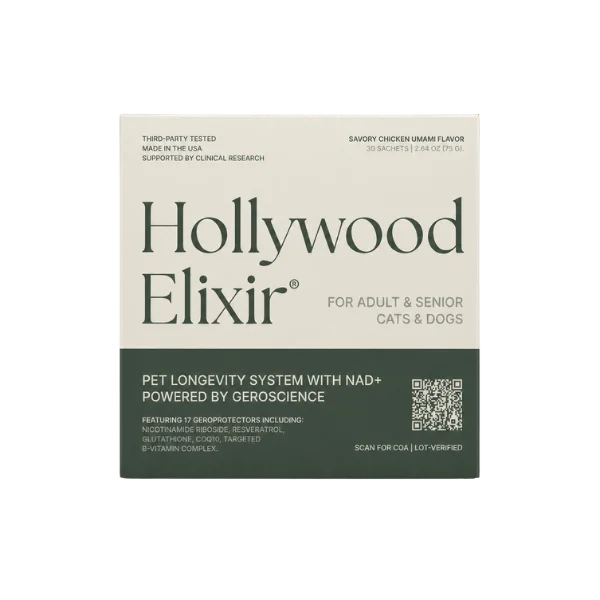
Longevity Core
Hollywood Elixir®
★★★★★(313)
More good years, starting now — steady energy, engagement, and a pet who keeps showing up fully, every day.
Starting at $89/mo
Hollywood Elixir is amazing! She put back on 5 lbs to a healthy weight, her eyes are shiny, her coat is beautiful!
— Jessie
We go on runs. Lately he's been keeping up with no problem!
— Cami
Considering thyroid support?
If you're researching hypothyroidism care, here's what matters most
If a dog is starting or already taking thyroid medication for dogs, focus on consistency: same dosing routine, note any brand changes, and bring a short log of change signals to rechecks. Ask the clinic how to time the T4 blood draw. For general aging support alongside veterinary care, Hollywood Elixir supports normal vitality as part of a plan.
Veterinary Insights

Learn about how our DVMs think about dog aging
Dr. JoAnna Pendergrass DVM


Longevity Core
Hollywood Elixir®
★★★★★(313)
More good years, starting now — steady energy, engagement, and a pet who keeps showing up fully, every day.
Starting at $89/mo
Wellness Tools
Explore your dog’s changing needs over time


Related Reading
When a dog’s thyroid hormone runs low, the changes can look like “just getting older”: weight creeps up, walks get shorter, and the coat loses its shine. Levothyroxine is the standard replacement hormone used to bring that missing thyroid signal back into a normal range, and for many dogs it becomes one of the more manageable long-term medications.
