Inflammation Resolution for Dogs

Learn why inflammation lingers and what shifts it toward healing.

By La Petite Labs Editorial 15 min read

Woman hugging a golden retriever while holding a Hollywood Elixir box
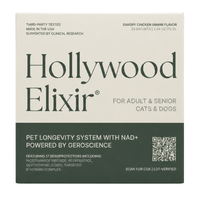
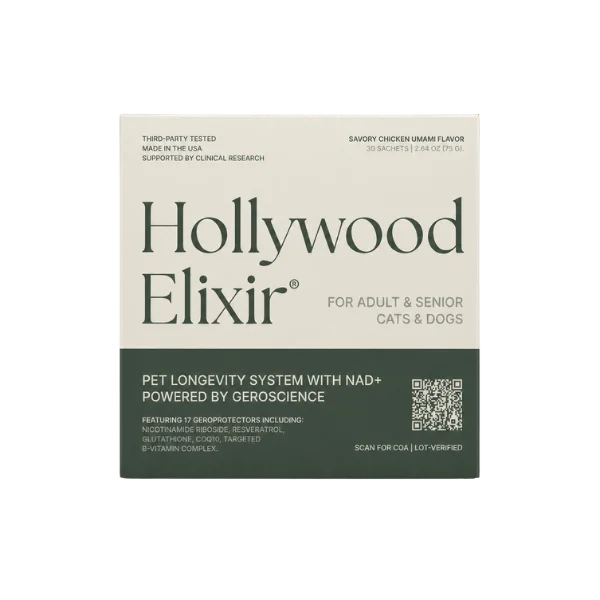
Hollywood Elixir® Daily longevity system · adult & senior dogs Starting at $63/month 

Most owners don't start by searching for inflammation resolution — they start with a dog who seems a little less comfortable than last year: more paw licking, more stiffness after naps, more "off" days after ordinary activity. "Resolution" is the useful word because it means finishing the job. In a healthy cycle, inflammation rises for a reason, then the body clears the signal and returns tissues to normal. When that return runs slow — especially in skin, gut, and joints — the fix isn't a stronger "rescue," it's a steadier baseline. That comes from diet consistency, calmer routines, gentle movement, and daily inputs the body can actually use; functional nutrition can influence immune tone and recovery capacity over time. This page is written for owners who want honesty without nihilism: no promises, no panic, and no false choice between veterinary care and daily support. The goal is fewer "bad weeks" and more good days that feel ordinary.

  • Resolution means returning to baseline: the aim is finishing the inflammatory cycle, not just muting the signal.
  • The best approach is layered: routine, diet stability, movement, and consistent daily support.
  • The gut sets the tone: digestive steadiness often shapes whole-body reactivity.
  • Skin and ears reflect slow recovery: steady support may reduce "sticky" flare patterns.
  • Medication stays with your vet: any supplement should be compatible and monitored, especially alongside NSAIDs.
  • Quality signals matter: transparency, tolerance, and a formula built for daily use beat a single-ingredient bet.

A Calmer Baseline: Understanding Inflammation Resolution in Everyday Dogs

Inflammation is supposed to be temporary: a focused response, then a return to baseline. In real life, many dogs get stuck in the “after” phase—itchy skin that never quite settles, joints that stay touchy, digestion that feels unpredictable. Inflammation resolution for dogs is the idea of supporting the body’s own ability to finish the job: to quiet signals, clear debris, and restore comfortable function without flattening the immune system.

That distinction matters because the goal is not to “turn off” inflammation at all costs. It’s to help the body move through it well, especially as dogs age, recover from stressors, or live with recurring triggers. Functional nutrition can influence immune tone and recovery capacity over time [2]. For many families, the most effective inflammation resolution for dogs looks like steady, system-level support—sleep, movement, diet consistency, and a well-designed daily supplement that respects the whole network.

Woman holding a Hollywood Elixir box beside a pug, a terrier and a food bowl

Resolution Versus Suppression: a More Durable Way to Think

Resolution is not the same as suppression. Suppression can dampen visible signs quickly; resolution is about the body completing a normal cycle and returning tissues to a calmer state. For owners, the difference shows up as durability: a dog who bounces back after a long walk, a grooming session, or a dietary slip without spiraling into days of discomfort.

Nutrition and the microbiome are part of that durability. Research in companion animals suggests dietary strategies can influence immune response and support recovery from inflammatory stressors. Separately, probiotics have been shown to affect intestinal metabolites associated with inflammatory signaling [3]. Together, these ideas support a measured approach: build a baseline that makes flare-ups less sticky, rather than chasing each flare with a new fix.

Woman in sportswear holding a Hollywood Elixir box beside a black-and-tan dog outdoors

Signs Your Dog's Inflammation Isn't Resolving

Owners usually arrive here through pattern recognition, not a diagnosis. The dog who used to recover overnight now needs two days. The itch that used to be seasonal turns constant. The "picky eater" phase becomes a cycle of appetite dips and digestive noise. None of these is a diagnosis on its own, but together they signal that the body's return-to-baseline process is under strain.

That's why resolution is a useful frame: it points you upstream, to the supports that make flares less sticky — sleep quality, consistent feeding, manageable stress load, and steady daily supplementation. Functional nutrition can modulate immune response in ways that help some dogs manage inflammatory conditions more evenly. The aim isn't perfection; it's fewer bad weeks and a calmer baseline you can trust.

Woman holding a Hollywood Elixir box above her forehead beside a Bernese mountain dog outdoors

What Helps a Dog Recover From Chronic Inflammation?

The best inflammation resolution for dogs is rarely a single hero ingredient. It’s a set of supports that work together: a diet your dog tolerates, movement that keeps joints and circulation engaged, and a supplement that’s designed for daily use rather than occasional rescue.

When you evaluate an inflammation resolution supplement for dogs, look for a formula that respects the interconnected nature of skin, gut, and mobility. Research suggests probiotics can influence gut metabolites linked with inflammatory tone [3]. And controlled nutrition interventions have shown potential to improve inflammatory skin signs in dogs under standard care [1]. A product that supports multiple systems can make consistency feel worthwhile.

Golden retriever nuzzling a woman holding a Hollywood Elixir box on the grass beside a food bowl

Natural Options, Real Caution: Safety and Compatibility Come First
“Natural” is a style of decision-making, not a guarantee of safety. Natural inflammation resolution for dogs can include food-first choices, careful supplementation, and environmental management—but it should still be disciplined. Natural compounds can interact with medications, and even gentle products can upset a sensitive stomach.

If your dog is taking an NSAID, be especially conservative. Reviews note that NSAIDs can cause gastrointestinal and renal adverse effects in dogs, and dosing requires careful consideration [4]. A retrospective study also raises concern about gastrointestinal bleeding risk with certain ophthalmic NSAIDs in dogs [5]. In that context, “natural” support should be vetted, introduced slowly, and monitored like any other meaningful change.

“Resolution is the return to baseline—quietly, steadily, and without drama.”

Diet as the Baseline: Reducing Volatility Before Adding More

Food is the daily lever you pull whether you mean to or not. For many dogs, resolution starts with removing volatility: fewer sudden diet switches, fewer high-fat surprises, and a consistent feeding rhythm. Even a complete diet gets used differently depending on the dog's stress, sleep, activity, and environment.

Functional-nutrition research in companion animals supports the idea that dietary components can shape immune response and recovery — which means you don't need a perfect diet, you need a stable one. Once that stability is in place, a daily supplement can be judged fairly, because you're no longer moving the baseline every week. Stability first, additions second: that order is what makes any change interpretable.

Overhead view of a black-and-white dog beside a food bowl and Hollywood Elixir box

Microbiome Support: the Quiet Influence of Digestive Balance

The microbiome is often discussed like a trend, but the practical point is simple: the gut helps set the tone for the rest of the body. When the gut is unsettled, dogs can look “inflamed” in multiple ways—skin, mood, appetite, and stool quality. Research suggests complex probiotics may reduce inflammation by influencing intestinal metabolites.

For owners comparing inflammation resolution supplements for dogs, this can be a deciding factor: does the product support digestive tolerance, or does it gamble with it? A supplement that’s hard on the stomach is rarely sustainable, and sustainability is the hidden requirement for resolution-focused support.

Woman smiling beside a golden retriever, a green food bowl and a Hollywood Elixir box

Comfort Is Whole-body: Sleep, Mood, and the Cost of Reactivity

There is also a behavioral side to chronic inflammation: the dog who sleeps lightly, startles easily, or seems “touchy” about handling. Discomfort changes temperament. When you’re pursuing inflammation resolution for dogs, it helps to treat comfort as a whole-life metric, not just a symptom list.

That’s why a system-level supplement can make sense even for owners who already feed a high-quality diet. The goal is not to replace food; it’s to support the broader recovery network that helps a dog settle after stress. Functional nutrition can influence immune response and may aid resolution of inflammatory states over time.

Man holding a Hollywood Elixir box while sitting on an outdoor sofa with a golden retriever

Fast Relief, Long View: Where Tradeoffs Often Hide

When symptoms are intense, owners understandably look for fast relief. But speed can come with tradeoffs. NSAIDs, for example, are widely used and can be appropriate under veterinary care, yet they are associated with adverse effects that warrant monitoring [6].

A resolution-oriented plan doesn’t compete with veterinary medicine; it complements it. It asks: what can we do daily to reduce the frequency and intensity of flare patterns, so medication decisions are calmer and less frequent? For many households, the best inflammation resolution for dogs is the plan that reduces drama—steady routines, careful observation, and products chosen for long-term tolerance.

When Medications Are Involved: Building Support Without Competing

If your dog already uses an anti-inflammatory medication, the conversation shifts from “either/or” to “how do we support the dog around it.” NSAIDs can be helpful, but they also carry known risks that deserve respect—especially for the gastrointestinal tract and kidneys [4]. A separate review similarly emphasizes monitoring and careful use to reduce adverse outcomes [6].

This is where inflammation resolution products for dogs can be positioned thoughtfully: not as replacements for prescribed care, and not as a promise of symptom control, but as daily support for resilience, appetite, comfort, and recovery capacity. If your dog is on medication, ask your veterinarian to review any inflammation resolution supplement for dogs for compatibility, timing, and what to watch for at home.

“The best products are the ones your dog tolerates daily, not occasionally.”

Woman sitting with a beagle in a kitchen while holding a Hollywood Elixir box

DVM Voice: Clinical Vignette of a Common Pattern in Senior Dog Aging

Case provided by JoAnna Pendergrass, DVM

Rex, a 7-year-old Labrador Retriever, was brought in after his owner noticed he was slower to rise, hesitant on stairs, and less able to play as before. Examination showed stiffness and reduced hip mobility; radiographs confirmed degenerative joint changes.

His care required weight management, veterinary-guided pain control, nutritional support, and rehabilitation — a comprehensive plan, but one started only after visible decline appeared.

Clinical takeaway: Rex’s case reflects the value of proactive aging support: maintaining lean body condition, monitoring mobility early, and supporting cellular resilience, antioxidant defense, and healthy inflammatory balance before decline becomes obvious.

Single-case vignette. Not generalizable. Veterinary oversight is essential for pain, stiffness, or suspected joint disease.

Explore Hollywood Elixir Research →
Spotted gray dog beside a Hollywood Elixir box held in a person's hand

Quality Signals That Separate the Best Inflammation Resolution Supplements

Quality is the quiet differentiator. The best inflammation resolution supplements for dogs are consistent from scoop to scoop, transparent about sourcing, and designed to be used daily without creating new problems. Look for clear labeling, sensible serving guidance, and a brand that treats palatability and tolerance as part of the science—not an afterthought.

Also consider what the product is trying to do. A single-ingredient approach can be appealing, but inflammation resolution for dogs is rarely a one-nutrient story. Functional nutrition can shape immune response and recovery in broader ways than isolated inputs [2]. A multi-system formula may better match the reality of aging, stress, and recurring triggers—where skin, gut, joints, and energy are often linked.

Golden retriever nuzzling a man holding a Hollywood Elixir box beside a food bowl

What to Expect over Time: Tracking Subtle, Meaningful Changes

A practical timeline helps set expectations. Some dogs show small changes quickly—more comfortable movement after rest, less “background” itch, steadier stools. For many, the more meaningful shift is gradual: fewer flare days, easier recovery after activity, and a calmer baseline that holds through ordinary stress.

Because inflammation resolution for dogs is about finishing and restoring, not masking, it often rewards consistency. Think in weeks, not days, and track a few simple markers: sleep quality, willingness to jump or climb, paw licking frequency, and stool regularity. If nothing changes—or if anything worsens—pause and ask your veterinarian to help interpret what you’re seeing.

Golden spaniel eating from a green bowl beside a Hollywood Elixir box

Skin, Ears, and Paws: Where Inflammation Becomes Visible

Skin is where inflammation becomes visible. Redness, recurring ear debris, paw chewing, and seasonal itch can all reflect a system that’s reactive and slow to settle. In a controlled trial, a functional “lymph food” approach was associated with improved skin health and reduced inflammation signs in dogs receiving standard care [1].

For owners seeking natural inflammation resolution for dogs, the most useful mindset is “support the barrier, support the gut, support recovery.” That can include consistent bathing routines, stable diet choices, and carefully chosen inflammation resolution supplements for dogs that prioritize tolerance. Skin rarely improves in isolation; it often follows the dog’s overall steadiness.

The Gut Connection: Why Digestive Steadiness Often Changes Everything

The gut is not a separate project. When digestion is off—soft stool, gas, inconsistent appetite—many dogs also seem more reactive in skin and mood. Research suggests complex probiotics can influence intestinal metabolites in ways that may help reduce inflammatory tone [3].

That doesn’t mean every dog needs the same probiotic, or that more strains are always better. It means the gut is a reasonable place to invest in steadiness. For inflammation resolution for dogs, a supplement strategy that respects digestion—gentle, consistent, and compatible with the dog’s diet—often becomes the difference between “we tried it” and “we stayed with it.”

Mobility and Recovery: Supporting Comfort After Rest and Activity

Joints are where owners notice the cost of slow recovery: stiffness after naps, reluctance on stairs, a shorter fuse for play. While pain management is a veterinary decision, daily support can focus on what the body needs to rebound—stable energy, healthy tissue turnover, and a calmer baseline after exertion.

If your dog uses NSAIDs for comfort, it’s worth remembering that these drugs can have gastrointestinal and renal adverse effects, so monitoring matters [4]. The best inflammation resolution for dogs is often a layered plan: appropriate medical care when needed, plus nutrition and supplementation that support the dog’s overall capacity to recover day after day.

Woman holding a Hollywood Elixir box beside a dapple dachshund and green food bowl on a sofa

Safety First: Who Should Go Slow, Pause, or Ask First

Not every dog is a good candidate for every supplement. Puppies, pregnant or nursing dogs, dogs with chronic kidney or liver disease, and dogs on multiple medications deserve extra caution. NSAID use, in particular, should prompt a careful discussion about side effects and monitoring [6].

A safe approach to inflammation resolution for dogs is simple: introduce one change at a time, keep a short log, and stop if you see vomiting, diarrhea, appetite loss, or unusual lethargy. Your veterinarian can help you decide whether the issue is the product, the dose, the timing, or an unrelated health change that surfaced at the same moment.

Woman cuddling a brown-and-white spaniel while holding a Hollywood Elixir box

Why Supplements Still Matter When Diet Looks “Complete”

A science-minded owner asks the fair question: if diet covers many nutrients, why add a daily supplement at all? Because modern life for dogs includes stress, variable activity, environmental triggers, and aging — all of which strain recovery systems even when the diet is "complete." Functional nutrition is less about filling one gap and more about supporting the broader network that governs resilience [2].

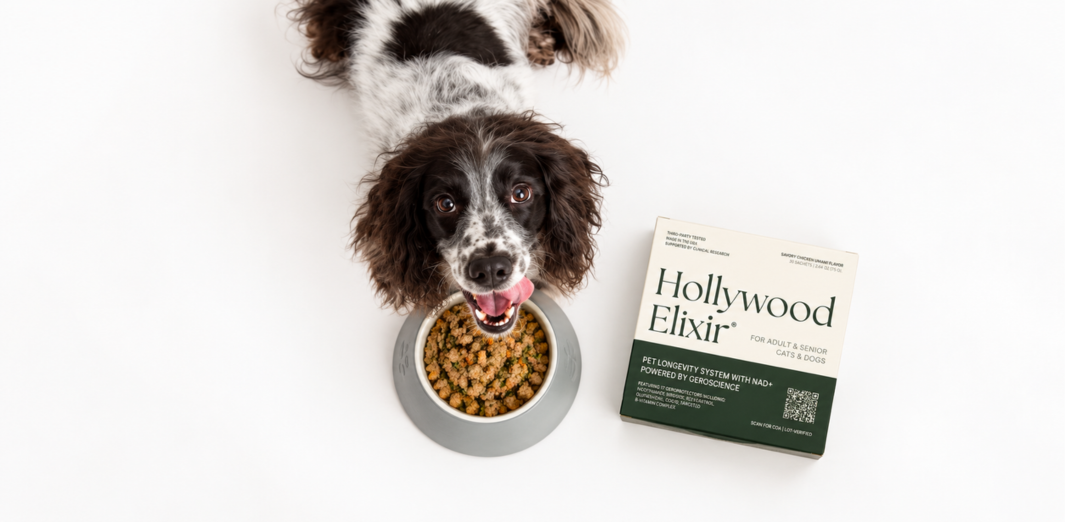
The practical part is being able to read what you're giving. That's the case for a well-formulated daily product like Hollywood Elixir: it lists its inflammation-and-immune actives by amount — quercetin at a disclosed 25 mg, beta glucans at 50 mg, and reishi at 25 mg per serving — to support calm, steady immune balance, and it's food-mixed so it folds into a meal rather than becoming another treat. That repeatable, label-clear support for the whole dog — energy, digestion, and comfort — is what most people mean when they say they want effective resolution: fewer setbacks, steadier days, a dog who feels like themselves more often.

A Simple Decision Framework for Choosing Products You’ll Actually Use

A thoughtful plan is calm and trackable. Pick two or three outcomes that matter in your home—sleep through the night, smoother mornings, fewer itch rituals, more willingness to move—and measure them the same way each week. Avoid stacking multiple new products at once; it makes interpretation impossible.

When you’re comparing inflammation resolution products for dogs, choose the one you can use consistently and comfortably. The “best” option is the one your dog tolerates, your veterinarian is comfortable with, and your routine can sustain. Over time, that steadiness is what turns good intentions into real, observable change.

“A careful plan doesn’t chase flare-ups; it reduces how long they linger.”

Educational content only. This material is not a substitute for veterinary advice. Always consult your veterinarian about your dog’s specific needs. These statements have not been evaluated by the Food and Drug Administration. Products mentioned are not intended to diagnose, treat, cure, or prevent any disease.

Glossary

  • Resolution (of inflammation): The body’s process of settling after an inflammatory response and returning tissues toward baseline comfort.
  • Suppression: Reducing visible inflammatory signs without necessarily supporting the full return-to-baseline process.
  • Baseline: Your dog’s usual, stable state—sleep, appetite, stool quality, skin comfort, and movement when things are going well.
  • Flare: A period when signs intensify (itch, redness, stiffness, digestive upset), often after a trigger.
  • Trigger: A factor that can worsen signs, such as seasonal allergens, diet changes, stress, overexertion, or grooming irritation.
  • Tolerance: How well a dog handles a food or supplement without GI upset, itch changes, or behavior shifts.
  • Microbiome: The community of microbes in the gut that can influence digestion and whole-body immune tone.
  • Metabolites: Small molecules produced during digestion and microbial activity that can affect how the body signals and recovers.
  • NSAIDs: Nonsteroidal anti-inflammatory drugs used for pain and inflammation; they can have GI and kidney risks and require monitoring.

Related Reading

References

Numbered references identify the sources used for specific claims. Read the study design, species and evidence boundaries alongside each finding.

  1. Frizzo-Ramos C, Doulidis PG, Burgener IA, et al. Lymph food to improve canine atopic dermatitis: a randomized, double-blinded, controlled trial in dogs with standard-care treatment. Frontiers in veterinary science · 2025· DOI 10.3389/fvets.2025.1657869Study design/context: randomized trialSpecies/context: dogEvidence boundary: The species/context tag is inferred only from the source title; the actual study population and claim-level relevance still depend on the full methods and outcomes.↩ 1 · ↩ 2
  2. Bobeck EA. NUTRITION AND HEALTH: COMPANION ANIMAL APPLICATIONS: Functional nutrition in livestock and companion animals to modulate the immune response. Journal of animal science · 2020· DOI 10.1093/jas/skaa035Study design/context: not-stated-in-titleSpecies/context: animal-unspecifiedEvidence boundary: The title identifies an animal, pet, or veterinary context but does not establish the species or actual study population; consult the full source before applying it to an individual pet.↩ 1 · ↩ 2 · ↩ 3
  3. Shimin Zhu, Musu Zha, Yanan Xia. Complex Probiotics Suppress Inflammation by Regulating Intestinal Metabolites in Kittens. Animals · 2025· DOI 10.3390/ani15020272Study design/context: not-stated-in-titleSpecies/context: catEvidence boundary: The title names cat context, not dog; application is indirect and the actual study population must be checked in the full source.↩ 1 · ↩ 2 · ↩ 3
  4. Monteiro-Steagall BP, Steagall PV, Lascelles BD. Systematic review of nonsteroidal anti-inflammatory drug-induced adverse effects in dogs. Journal of veterinary internal medicine · 2013· DOI 10.1111/jvim.12127Study design/context: systematic reviewSpecies/context: dogEvidence boundary: The species/context tag is inferred only from the source title; the actual study population and claim-level relevance still depend on the full methods and outcomes.↩ 1 · ↩ 2 · ↩ 3
  5. Van Vertloo LR, Terhaar HM, Viall AK, et al. Retrospective evaluation of the incidence of gastrointestinal bleeding in dogs receiving ophthalmic nonsteroidal anti-inflammatory drugs. Veterinary ophthalmology · 2023· DOI 10.1111/vop.13145Study design/context: retrospective studySpecies/context: dogEvidence boundary: The species/context tag is inferred only from the source title; the actual study population and claim-level relevance still depend on the full methods and outcomes.
  6. Gassner G, Stephan I, Schütt-Mast I. [Observations on the side effects after application of non-steroidal anti-inflammatory agents in dogs]. Tierarztliche Praxis. Ausgabe K, Kleintiere/Heimtiere · 1998· PMID 9587983Study design/context: not-stated-in-titleSpecies/context: dogEvidence boundary: The species/context tag is inferred only from the source title; the actual study population and claim-level relevance still depend on the full methods and outcomes.↩ 1 · ↩ 2 · ↩ 3

Further reading

These sources provide additional context but are not mapped to a numbered claim above.

FAQ

What does inflammation resolution for dogs mean in daily life?

It refers to supporting the body’s ability to settle after a challenge—so discomfort doesn’t linger longer than it needs to. In practice, owners look for steadier sleep, calmer skin, easier movement after rest, and fewer “sticky” flare days. It’s a long-game mindset: consistency and tolerance matter more than dramatic short-term swings.

Why is resolution different from simply reducing inflammation quickly?

Reducing inflammation can be about quieting visible signs; resolution is about returning tissues to a comfortable baseline. The difference shows up in durability—how well your dog rebounds after normal activity, grooming, or seasonal changes. Because nutrition can influence immune tone over time, a steady daily approach often fits better than “rescue-only” strategies.

Is an inflammation resolution supplement for dogs safe for seniors?

Senior dogs can benefit from steady, gentle support, but they also tend to have more medications and more sensitive organs. That makes compatibility and monitoring more important than bold ingredient lists. If your dog uses NSAIDs or has kidney or liver concerns, ask your veterinarian to review the full plan, since NSAIDs can have gastrointestinal and renal adverse effects.

When should I avoid starting new inflammation resolution supplements for dogs?

Avoid starting something new during an acute illness, right before surgery, or when your dog’s symptoms are rapidly changing. It’s also wise to pause if there’s vomiting, diarrhea, appetite loss, or unusual lethargy—those need clarity first. If your dog is on anti-inflammatory medication, be conservative and coordinate changes with your veterinarian because adverse effects can occur and monitoring matters.

How long does it take to see results in most dogs?

Timelines vary, but many owners notice small shifts first: steadier stools, better sleep, or easier mornings. Bigger changes—like fewer flare days or smoother recovery after activity—often take consistent use over several weeks. Track two or three simple markers weekly so you’re not relying on memory.

Are there breed or size differences in supplement tolerance?

Yes. Small dogs can be more sensitive to taste and GI changes, while large dogs may show issues as “subtle” shifts in stool quality or appetite. Some breeds are also more prone to skin and ear reactivity, which can complicate what you’re measuring. Whatever the size, introduce changes slowly and track a few clear outcomes.

What research exists on nutrition approaches for inflammatory skin issues?

There is emerging evidence that targeted nutrition can support comfort in dogs with inflammatory skin patterns. In a randomized, double-blinded controlled trial, a “lymph food” intervention was associated with improved skin health and reduced inflammation signs alongside standard care(Frizzo-Ramos C, 2025). This supports a measured, supportive approach rather than a promise of outcomes.

When should I call the vet about inflammation concerns?

Call if you see sudden swelling, severe pain, limping that persists, breathing changes, black or bloody stool, repeated vomiting, or marked lethargy. Also call if your dog is on NSAIDs and develops GI signs, since adverse effects can be serious(Van Vertloo LR, 2023). Once urgent issues are ruled out, your vet can help you choose a steady support plan.

Dalmatian looking toward a Hollywood Elixir box held in a person's hand

Discover LPL-01: How This Fits Into a Larger Canine Longevity System

Aging in dogs is not driven by a single pathway. It’s the result of interacting biological systems—energy metabolism, oxidative stress, immune signaling, and structural integrity—changing over time.

This article explores one piece of that puzzle. If you want to understand how these pieces connect—and what actually moves the needle—you need to zoom out.

Start with the underlying science:

Keep exploring

What would you like to understand next?

Search practical guides about healthy aging, cellular energy, ingredients, and daily support for dogs.