German Shepherd Dry Skin Remedies

Why GSDs get flaky skin, and the remedies that calm it

By La Petite Labs Editorial 15 min read

German Shepherd dry skin remedies work best when you stop chasing flakes and start rebuilding the skin barrier underneath. Dryness usually shows up as dander on the coat and bedding, a dull feel to the hair, and mild tightness—often worse in winter heating or after frequent baths. Start with a simple home reset: lukewarm water, fewer baths, a gentle dog shampoo, and a leave-on conditioner made for dogs to restore moisture and oils. Support from the inside matters too—steady hydration and omega-3 fatty acids help reinforce barrier function over weeks (Freeman, 2010). It's just as important to separate plain dryness from problems that need different care: significant itch, redness, strong odor, greasy buildup, sores, or hair loss can mean infection, parasites, or allergy. Call your vet if signs are sudden or severe, if there are open or painful areas, or if home steps don't improve flakes within 10–14 days—and bring notes on products, diet, and where the dryness is worst.

  • Dry skin is a barrier problem first—flakes, dullness, and scratchy rest show before bigger skin issues do.
  • Start with surface care that shows fast: brushing to spread oils, gentler baths, and longer rinsing.
  • Treat the home as part of the routine—indoor humidity, fragrance-free laundry, cleaner air all calm skin.
  • What to give: omega-3 fatty acids are the most reliable nutritional lever; pair them with barrier-friendly nutrients.
  • Red flags change the plan—odor, redness, hair loss, or intense itch deserve a vet exam before DIY layering.
  • Consistency beats intensity: keep one routine long enough to read shine, flake level, and scratch frequency.

Dry Skin vs. Something Else: Quick Checks Before You Treat

Before you commit to home care, do a quick, calm check to confirm you’re dealing with simple dryness—not a condition that needs medical treatment.

• Dry vs greasy: Dry skin tends to look powdery with light flakes and a “papery” feel. Greasy skin feels oily, may clump the hair, and can point to seborrhea or a secondary infection.
• Odor: A noticeable “yeasty” or sour smell is not typical of plain dryness and often suggests microbial overgrowth.
Hot spots and pustules: Moist, red, painful patches (hot spots) or small pimples/pustules are red flags for inflammation and secondary infection.
• Flea dirt: Check the tail base and lower back. Black specks that turn reddish-brown when wet can indicate flea dirt; fleas can trigger skin damage that looks like dryness.
• Ears and skin together: Recurrent ear debris, head shaking, or ear odor alongside skin changes can accompany broader skin disease.

Home care is reasonable when the skin is dry (not greasy), there’s no strong odor, no hot spots/pustules, and your dog is otherwise comfortable. If any red flags are present—or if flakes worsen despite gentler bathing—pause at-home treatment and book a vet visit to prevent a secondary infection from escalating.

Targeted Remedy Plan by Body Area (Back, Tail Base, Ears)

Where the dryness shows up can guide your next steps—without guessing.

Back (topline): Flakes along the back commonly follow overbathing, harsh shampoos, or very dry indoor air. Adjust bathing frequency to every 3–6 weeks (or longer if your dog stays clean), use lukewarm water, and apply a leave-on conditioner or moisturizer after towel-drying to support the skin barrier. Add a humidifier in the main sleeping area during heating season to reduce transepidermal water loss.

Tail base: Dryness here can be from friction (harness/seatbelt contact), seborrhea tendency, or parasites. Re-check for flea dirt, keep brushing gentle, and avoid scrubbing this area during baths. If the skin is dry, a light leave-on moisturizer can help; if it’s greasy or odorous, stop topical layering and consult your vet.

Behind the ears: This area is prone to rubbing and product residue. Rinse thoroughly, avoid spraying fragrances, and use a small amount of leave-on conditioner on the coat (not deep in the ear). If there’s ear odor or discharge, treat that as a medical issue.

Across all areas, consider omega-3 (EPA/DHA) support for 8–12 weeks to help improve skin oil balance and barrier resilience (Freeman, 2010).

Why German Shepherds Get Dry, Flaky Skin (Including Hair Loss)

German Shepherd dry skin usually has one of a few culprits—name it before you treat it. The common contributors are low humidity, over-bathing, harsh shampoos, seasonal shedding, parasites, allergies (environmental or food-related), and secondary infections. When dryness comes with patchy hair loss, that's a flag for parasites, allergy, or a hormonal issue—worth a vet visit rather than more bathing. The goal isn't to 'treat dryness' in isolation; it's to restore a calm, comfortable surface that looks clean and feels soft.

Run a quick at-home screen. See fleas or flea dirt? Address that first. Skin red, moist, or smelly? Skip the home experiments and book a vet visit. Mostly flakes and dullness? Start with grooming, gentler bathing, and nutrition support, then reassess in two to four weeks.

Natural Routine Upgrades That Calm Skin Without Heavy Topicals

If you want natural remedies for german shepherd dry skin, begin with the least invasive changes that improve visible comfort. Increase indoor humidity during dry months, brush more often to distribute oils, and rinse thoroughly after any bath. You can also add a simple post-walk wipe-down for paws and belly to remove pollen and dust that can irritate sensitive skin. These steps are “natural” because they reduce friction between your dog and the environment.

Be cautious with kitchen DIYs applied to the coat. Some oils can trap debris, and essential oils can be unsafe for dogs. If you try a topical product, choose one made for canine skin and test a small area first. Natural care should look calm and clean, not greasy or perfumed.

Reading Results: What Improvement Looks Like Week to Week

One of the best dry skin solutions for german shepherds is simply restoring the skin’s “comfortable finish.” That means avoiding anything that leaves the coat brittle, staticky, or overly fragranced. After brushing, the coat should lie flat and feel smooth, not dusty. After bathing, the skin should look calm, not pink. These are small signals, but they’re reliable.

If you’re troubleshooting, change one variable at a time: shampoo, frequency of baths, brush type, or supplement. Keep notes for two weeks. Visible coat changes often lag behind comfort changes, so you may see less scratching before you see more shine. That’s still progress—and it’s worth tracking.

“The coat is the report card: when routines fit, the shine returns.”

What to Give a German Shepherd for Dry, Itchy Skin: Omega Support and Beyond

What can you give a German Shepherd for dry, itchy skin? Start with omega-3 fatty acids—they're the most reliable nutritional lever for a softer, more hydrated coat. Many owners notice the coat goes from 'dry-bristly' to sleek over several weeks. Not every dog tolerates every oil, though; some get loose stool if you introduce it too fast, and some simply do better with a different format or blend.

Add omega support gradually and keep the rest of the routine stable so you can read the result. Watch for visible signals: less dander, more sheen, and less scratching. If digestive upset appears, pause and ask your vet about alternatives. Comfort and appearance should improve together—not trade places.

Protein and Coat Quality: Why the Right Food Fit Matters
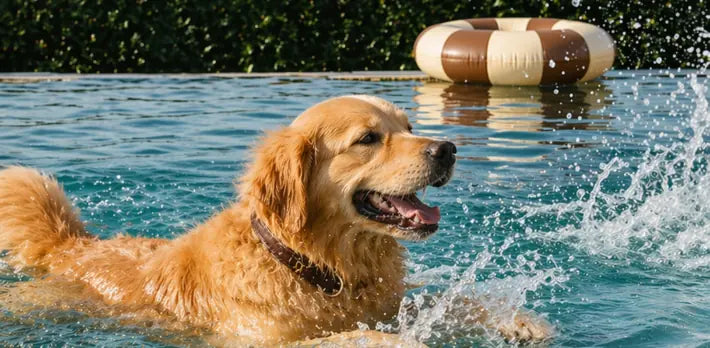
Protein quality matters for coat presentation. A German Shepherd’s coat is a high-output “display surface,” and when the diet doesn’t agree with the dog, the coat often shows it first: dullness, shedding that feels excessive, or persistent flakes. This doesn’t mean you need the most expensive food—it means you need the right fit. If your dog thrives on a formula with steady digestion and good energy, the skin and coat usually follow.

If you’re tempted to switch foods frequently while searching for best remedies for dry skin in german shepherds, slow down. Give any change time to show up in the coat. Pair the diet with consistent grooming so you can actually see whether the baseline is improving.

Topical Comfort Options: Sprays, Wipes, and Light Conditioners

Topical relief can be helpful when dryness is mild and the skin is intact. Dog-safe moisturizing sprays, conditioners, or wipes can reduce the “tight, flaky” look and make brushing more comfortable. For german shepherds with dry skin remedies, topical products work best when they’re light and clean—designed to support the coat without leaving residue that attracts dirt.

Avoid heavy occlusive products unless your veterinarian recommends them. If your dog is itchy, focus on reducing triggers and supporting the skin barrier rather than masking the sensation. The goal is a coat that looks naturally glossy and a dog that can relax, not a temporary slick feel.

Rule out Parasites Early: Fleas, Mites, and Look-alike Dryness

Parasites are a common reason “dry skin” doesn’t improve. Fleas can cause intense itch and flaking, and mites can create scaling that looks like dandruff. If you’re wondering how to treat dry skin in german shepherds and nothing is working, confirm your flea and tick prevention is consistent and appropriate for your region. Even indoor dogs can be exposed through other pets or visitors.

Don’t rely on visible fleas alone—many dogs react to bites without you seeing the insects. Your veterinarian can help rule out parasites quickly. Once that’s addressed, your grooming and nutrition plan has a fair chance to show results in the coat’s shine and comfort.

Seasonal Dryness: Keeping the Coat Polished through Weather Changes

Some german shepherds with dry skin remedies work beautifully until the weather shifts. Winter heating lowers indoor humidity; summer swimming and frequent rinsing can strip oils. If flaking spikes seasonally, treat the home like part of the routine: aim for comfortable humidity, rinse thoroughly after pool or lake time, and use a light leave-on conditioner made for dogs if your vet agrees. These small changes often show up as less “snow” on the coat within a week.

Seasonal care is also where consistency matters more than intensity. A weekly “reset” brush-out, a gentle shampoo schedule, and steady nutrition support tend to look better than occasional heavy interventions. If you’re seeking best dry skin solutions for german shepherds, choose routines you can keep—because the coat reflects what you do repeatedly, not what you do once.

“Gentle, consistent care usually looks better than intense, occasional fixes.”

La Petite Labs

Clinical Vignette of When Skin Changes Point Deeper Than the Surface

Rosey, a 10-year-old Shih Tzu, was brought in after two weeks of paw redness and head shaking. Her owner had also noticed lower energy, thinning abdominal hair, and mild generalized itchiness over the previous few months.

Examination showed inflammation in the ears, skin folds, and paws. Testing confirmed mixed yeast and bacterial infections, while parasites and fungal disease were ruled out. Because Rosey’s skin changes appeared alongside reduced energy and coat thinning, her veterinarian performed a broader workup, which revealed hypothyroidism as a likely underlying contributor.

Her care required a staged approach: treating the infections, addressing the thyroid imbalance, and then restoring the skin barrier through diet, bathing support, paw care, and omega-3 supplementation.

Six months later, Rosey’s owner reported a thicker coat, fewer tangles, less breakage, no itch, and restored energy.

Clinical takeaway: Rosey’s case shows why skin and coat changes should not be treated as cosmetic alone. Healthy skin depends on immune balance, endocrine health, nutrition, barrier integrity, and daily support for resilient coat growth.

Single-case vignette. Not generalizable. Veterinary diagnosis and oversight are essential for itching, redness, ear irritation, hair thinning, recurrent infections, or suspected endocrine disease.

Explore Pet Gala Research →
german shepherd dry skin remedies - 9

When Dryness Isn’t Dry: Redness, Odor, and Greasy Scaling

When dryness is paired with redness, odor, or greasy scaling, it may not be “dry skin” at all. Yeast or bacterial overgrowth can create itch and flaking that mimics dryness, and German Shepherds can be prone to skin sensitivity. In these cases, the best remedies for dry skin in german shepherds start with a vet exam to confirm what you’re treating. Using rich oils or heavy conditioners on an active infection can make the surface feel softer while the underlying issue worsens.

A practical rule: if the skin smells different, looks inflamed, or your dog is uncomfortable at night, pause the DIY stack and get guidance. Once the cause is identified, you can return to visible-care routines—gentle bathing, barrier-friendly nutrition, and supplements that support a polished coat without masking irritation.

german shepherd dry skin remedies - 10

Diet Fit and Digestion: the Quiet Drivers of Coat Finish

Food changes are a common turning point in how to treat dry skin in german shepherds, but they’re easy to overcomplicate. Start by confirming your dog is on a complete and balanced diet appropriate for life stage. Then look at “coat-facing” details: adequate fat, quality protein, and a formula that agrees with digestion. Loose stool, gas, or frequent ear debris can be clues that the skin is reacting to something broader than moisture alone.

If you suspect a food sensitivity, work with your veterinarian on a structured trial rather than rotating foods quickly. Rapid switches can create noise—making it hard to see what actually improved the coat. The goal is a steady baseline where the skin looks calm, the coat lies flat and glossy, and shedding looks normal for the season.

german shepherd dry skin remedies - 11

Brushing as a Remedy: Oil Distribution, Flake Lift, and Shine

Grooming is one of the most underrated german shepherd dry skin remedies because it changes what you see immediately. A German Shepherd’s double coat can trap dead hair and dander close to the skin, especially during seasonal shed. Regular brushing lifts flakes, spreads natural oils, and helps you notice early irritation before it becomes a bigger problem. For many dogs, a few minutes of daily brushing is the difference between a dusty coat and a fresh, well-kept look.

Choose tools that respect the coat: an undercoat rake for shedding periods, a slicker for finishing, and a soft brush for shine. Avoid aggressive de-shedding that scrapes the skin. The best dry skin solutions for german shepherds often look like simple rituals—quiet, consistent, and visibly rewarding.

Bathing Without Stripping: Shampoo Choices and Rinsing Technique

Bathing can either fix dryness or create it. If you’re using a shampoo that leaves the coat squeaky, you’re likely stripping oils that keep skin comfortable. For german shepherd dry skin treatment options, look for dog-specific, fragrance-light formulas designed for sensitive skin, and avoid human shampoos. Keep baths less frequent unless your vet recommends medicated bathing for a diagnosed condition.

Technique matters: rinse longer than you think you need to, because residue can itch. Towel-dry thoroughly, and consider a low-heat dryer if your dog tolerates it—damp undercoat can irritate skin. If you want natural remedies for german shepherd dry skin, a simple “less stripping, more rinsing” bath routine is often the most natural choice of all.

Home Irritants That Show on Skin: Dust, Fragrance, and Lawn Residue

Environmental irritants can show up as dryness: dusty HVAC filters, fragranced cleaners, lawn products, or even a new fabric softener. If your dog’s coat looks worse after floor cleaning or yard time, treat that as useful information. Swap to pet-safer cleaning routines, wipe paws and belly after walks, and wash bedding with fragrance-free detergent. These changes don’t feel dramatic, but they often create a noticeably calmer baseline.

For best remedies for dry skin in german shepherds, think “reduce the load.” The less the skin has to react to, the more your grooming and nutrition efforts show up as shine, softness, and less visible flaking.

Supplement Support: Building a Routine for Softer Skin and Sheen

Supplements can bridge the gap between 'good diet' and 'great-looking coat.' Owners reach for fish oil first, and omega-3s do support a softer feel and a more polished look—but the best support for German Shepherd dry skin works as a blend: fatty acids plus the nutrients that support skin turnover and coat quality. The point isn't to chase one ingredient; it's to support how skin and coat present day to day.

This is the lane Pet Gala is built for: a food-mixed daily powder for skin, coat, nails, and paws with disclosed amounts—an omega 3-6-9 blend at 150 mg per sachet, ceramides at 8 mg and hyaluronic acid at 50 mg for the barrier and hydration that dry GSD skin needs, plus marine collagen at 500 mg. Introduce one change at a time, watch for less dandruff and calmer scratching, and confirm compatibility with your veterinarian if your dog is medicated.

When to Call the Vet: Signs That Need a Closer Look

There’s a point where home care should stop and professional care should start. Call your vet promptly if you see hair loss in patches, open sores, thickened skin, significant redness, head shaking with ear debris, or intense itch that disrupts sleep. These signs can indicate allergies, parasites, infection, or endocrine issues—each with different solutions. The right diagnosis protects your dog’s comfort and prevents you from layering “soothing” products onto the wrong problem.

Once you have clarity, your routine becomes simpler: targeted treatment where needed, plus consistent visible-care support. That’s when grooming, diet, and carefully chosen supplements can make the coat look reliably clean, soft, and well-kept.

A Simple Signal Stack: Choosing Remedies You Can Sustain

A practical way to choose german shepherd dry skin remedies is to build a “signal stack.” Start with what changes the look and feel quickly (brushing, gentler bathing, humidity), then add what improves consistency (diet fit, omega support, barrier-friendly nutrients). Track two or three visible markers weekly: flake level, scratch frequency, and coat shine. If you change everything at once, you lose the ability to see what worked.

The best dry skin solutions for german shepherds are the ones you can keep without stress. When your dog’s coat looks glossy and the skin looks calm, it’s not just cosmetic—it’s the everyday confirmation that your care routine matches your dog’s needs.

“If the skin is red, smelly, or painful, clarity beats experimentation.”

Educational content only. This material is not a substitute for veterinary advice. Always consult your veterinarian about your dog’s specific needs. These statements have not been evaluated by the Food and Drug Administration. Products mentioned are not intended to diagnose, treat, cure, or prevent any disease.

Glossary

  • Dander: Tiny flakes of shed skin that can look like “dust” in the coat.
  • Double Coat: A dense undercoat plus longer guard hairs that can trap flakes close to the skin.
  • Barrier (Skin Barrier): The outer layer that helps skin stay comfortable and look calm rather than irritated.
  • Over-Bathing: Bathing too frequently or with harsh products, often leading to a brittle, flaky coat.
  • Residue Itch: Itchiness caused by shampoo or conditioner left in the coat after rinsing.
  • Hot Spot: A localized, inflamed, sometimes moist area that can start from licking or scratching.
  • Seasonal Shed: Periods when undercoat release increases, often making flakes more visible.
  • Omega Fatty Acids: Dietary fats commonly used to support a softer feel and more polished coat appearance.
  • Food Sensitivity: An adverse response to a diet component that may show up as itch, ear debris, or coat changes.

Related Reading

References

FAQ

What counts as german shepherd dry skin remedies at home?

At-home german shepherd dry skin remedies usually include gentler bathing, more consistent brushing, improving indoor humidity, and diet support that helps the coat look less flaky. The best choices are low-risk changes that make the skin look calmer and the coat feel softer without leaving residue. If you see redness, odor, open sores, or patchy hair loss, skip experimentation and ask your veterinarian what’s driving the change.

Why does dry skin matter for German Shepherd coat appearance?

Dry skin often shows up as dullness, visible flakes after brushing, and a coat that won’t lie flat. Even when a dog seems otherwise fine, that “dusty” look can signal that grooming, bathing frequency, or diet fit isn’t supporting a comfortable finish. When the skin looks calm, the coat reflects light more evenly and shedding looks more normal for the season.

How can I tell dryness from allergies or infection?

Simple dryness is often mild flaking with otherwise normal skin color and a dog that can relax. Allergies or infection are more likely when you see redness, odor, greasy scaling, ear debris, hot spots, or itch that disrupts sleep. Those patterns deserve a vet visit so you’re treating the right problem. Once the cause is clarified, you can build a routine that supports visible comfort—gentle grooming, appropriate bathing, and consistent nutrition.

What are best remedies for dry skin in german shepherds?

The best remedies for dry skin in german shepherds usually start with less stripping baths, longer rinsing, and more frequent brushing to lift flakes and distribute natural oils. Next, confirm the diet is complete and agrees with digestion, since the coat often reflects food fit. If dryness persists, a dog-specific supplement approach can help refine softness and sheen without relying on one ingredient alone.

Which german shepherd dry skin treatment options need a veterinarian?

Veterinary care is important when dryness comes with intense itch, redness, odor, open sores, patchy hair loss, or recurring ear problems. Those signs can point to parasites, allergies, infection, or other conditions that need targeted diagnosis rather than more moisturizing. After treatment is clarified, your home routine can focus on maintaining a calm surface and a glossy coat through grooming and supportive nutrition.

How to treat dry skin in german shepherds during winter?

Winter dryness often reflects indoor heating and lower humidity. Try a humidifier in main sleeping areas, reduce bath frequency, and prioritize brushing to spread natural oils through the coat. If you bathe, choose a gentle dog shampoo and rinse thoroughly to avoid itchy residue. Keep changes simple so you can see what helps: less flaking on the back and a softer feel at the shoulders are good early signals.

Are natural remedies for german shepherd dry skin always safe?

“Natural” isn’t automatically safe for dogs. Essential oils can be risky, and heavy kitchen oils can trap dirt or worsen an underlying infection. Safer natural-leaning choices are environmental and routine-based: humidity, gentle grooming, fragrance-light dog shampoos, and paw/belly wipe-downs after walks. If your dog has redness, odor, or broken skin, get veterinary guidance before applying anything topical.

What shampoo habits worsen dryness in German Shepherds?

Frequent bathing, “squeaky clean” shampoos, heavy fragrance, and incomplete rinsing can all make dryness look worse. Human shampoos are a common culprit because they’re not formulated for canine skin. If the coat feels brittle or staticky after a bath, the routine is likely stripping too much. Aim for dog-specific sensitive-skin formulas, rinse longer than you think, and let brushing do more of the day-to-day work.

Do omega oils help, and how soon will results show?

Omega support can improve the coat’s softness and sheen for some dogs, but it’s not instant. Many owners notice early comfort changes first (less scratching), then a more even shine as new coat growth comes in. Introduce gradually and keep other variables steady so you can read the signals clearly. If loose stool appears, pause and ask your vet about different formats or blends.

What are best supplements for german shepherd dry skin?

The best supplements for german shepherd dry skin are typically those that support overall skin and coat presentation rather than chasing a single nutrient. Many owners look for omega fatty acids plus complementary nutrients that help the coat look glossy and the skin look calm. Quality control and dog-appropriate formulation matter as much as the ingredient list. Add one supplement at a time and reassess visible changes over several weeks.

Can I combine multiple supplements for coat and skin?

You can, but stacking too many products at once makes it hard to know what helped—and increases the chance of digestive upset. A cleaner approach is to choose one well-formulated option, introduce it gradually, and keep grooming and bathing consistent so you can judge the coat’s shine and flake level. If your dog takes medications or has a health condition, confirm combinations with your veterinarian.

What side effects should I watch for with skin supplements?

The most common side effects are digestive: loose stool, gas, or reduced appetite, especially when introducing oils too quickly. Less commonly, a dog may seem itchier if a product doesn’t agree with them. Any swelling, hives, or sudden discomfort warrants stopping the product and contacting your veterinarian. Introduce changes gradually and keep the rest of the routine stable so you can identify the cause if something shifts.

Do german shepherd dry skin remedies differ for puppies and seniors?

Yes. Puppies have sensitive skin and benefit from minimal, gentle routines—light brushing, infrequent baths, and dog-specific products. Seniors may have drier skin and slower coat turnover, so consistency matters even more, and any sudden coat change should be discussed with a veterinarian to rule out underlying issues. In both cases, avoid harsh topicals and focus on calm, repeatable care that keeps the coat looking clean and comfortable.

Are these remedies different for long-coat German Shepherds?

Long-coat German Shepherds can hide flakes and irritation more easily, so brushing and parting the coat to check skin becomes more important. Matting can trap dander and moisture, making the skin look worse. A consistent brush-out routine often improves visible dryness faster than adding more topical products. Keep baths gentle and rinsing thorough, and choose light conditioners that won’t weigh the coat down.

Can cats use the same dry skin supplements as dogs?

No—cats and dogs have different nutritional needs and tolerances, and some ingredients or formats that are fine for dogs aren’t appropriate for cats. If you have both species at home, keep supplements stored separately and ask your veterinarian for a cat-specific plan rather than sharing products. For your dog’s visible skin and coat routine, choose dog-formulated support and introduce it gradually.

How do I give supplements to picky German Shepherds?

For picky eaters, consistency and simplicity work best. Mix supplements into a small “starter bite” of wet food or a favorite topper, then offer the full meal. Avoid changing multiple foods at once, or you won’t know what your dog is refusing. If the product has a scent, serving at room temperature can reduce intensity. If appetite changes persist, pause and check with your veterinarian.

What quality signals should I look for in skin products?

Look for dog-specific labeling, clear ingredient lists, and sensible directions. For topicals, avoid heavy fragrance and choose formulas intended for sensitive skin. For supplements, prefer brands that communicate sourcing and manufacturing standards, and avoid products that promise dramatic results or “cures.”

A quality product should fit into a calm routine and support visible improvements like less flaking and better sheen.

Can I use coconut oil on my German Shepherd’s skin?

Some owners try coconut oil, but it can leave the coat greasy, trap debris, and may not be a good match if there’s underlying infection or significant itch. If you try any topical oil, use a tiny amount, avoid broken skin, and stop if you notice more scratching, odor, or buildup. Often, a better “natural” move is gentler bathing plus consistent brushing, which improves the coat’s finish without heaviness.

When should I expect visible improvement after routine changes?

With grooming and bathing changes, you may see less flaking and a cleaner feel within a week or two. Nutrition and supplement changes often take longer to show in coat shine because you’re waiting on new growth and a steadier baseline. Track a few simple markers weekly: flakes, scratching, and how evenly the coat reflects light. If things worsen or new symptoms appear, pause and consult your veterinarian.

Is there research support for supplements improving coat appearance?

Research suggests certain nutrients, including fatty acids, can influence skin and coat condition, but results vary by dog and by the underlying cause of dryness. The most dependable outcomes come from pairing nutrition support with practical routines—gentle bathing, consistent brushing, and reducing irritants—so the coat has a stable baseline to reflect. If your dog has medical skin disease, supplements should be viewed as supportive rather than primary treatment.

What’s a simple decision framework for choosing remedies?

Start by sorting the presentation: mild flakes with normal skin color versus dryness plus redness, odor, or hair loss. Mild cases usually respond to grooming upgrades, gentler bathing, and steady diet support. If discomfort is prominent or the skin looks inflamed, get a vet diagnosis before adding more products. Then add one supportive layer at a time and track visible changes weekly.

When should I call the vet about persistent dry skin?

Call your vet if dryness lasts more than a few weeks despite routine changes, or if you see intense itch, redness, odor, scabs, hot spots, ear debris, or patchy hair loss. Those signs can indicate parasites, allergies, or infection, and the fastest path to comfort is identifying the cause rather than adding more moisturizers. After medical issues are addressed, supportive care can help maintain a calm, glossy look between visits.

La Petite Labs

Discover LPL-01: How This Fits Into a Complete Canine Integumentary Support System

Skin, coat, and nails aren’t cosmetic features. They’re the visible surface of deeper biological systems—barrier function, hydration balance, structural protein turnover, and lipid integrity—working in concert.

When these systems fall out of sync, it shows: dull coat, shedding, dryness, brittleness, sensitivity.

This article explores one piece of that puzzle. If you want to understand how true coat quality and skin resilience are built—and what actually moves the needle—you need to zoom out.

Start with the underlying science: