


Eggs and Egg Yolk for Dogs

Cooked or raw, yolk or white, how much for each size of dog, and what the biotin and avidin worry really means.

By La Petite Labs Editorial 11 min read

As Seen On

  • AVMA, American Veterinary Medical Association
  • Today’s Veterinary Business
  • Petfood Industry
Woman cuddling a golden retriever and a collie beside a Pet Gala box and a food bowl
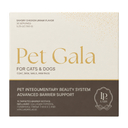
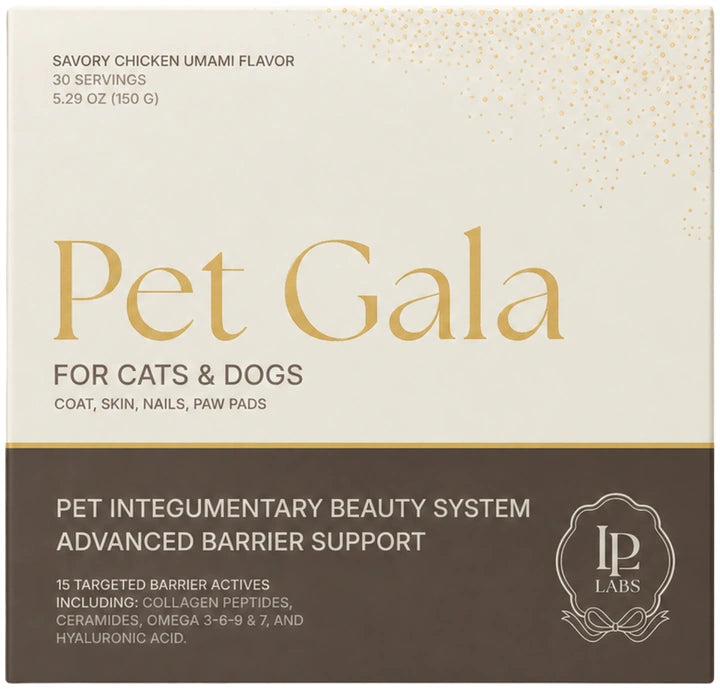
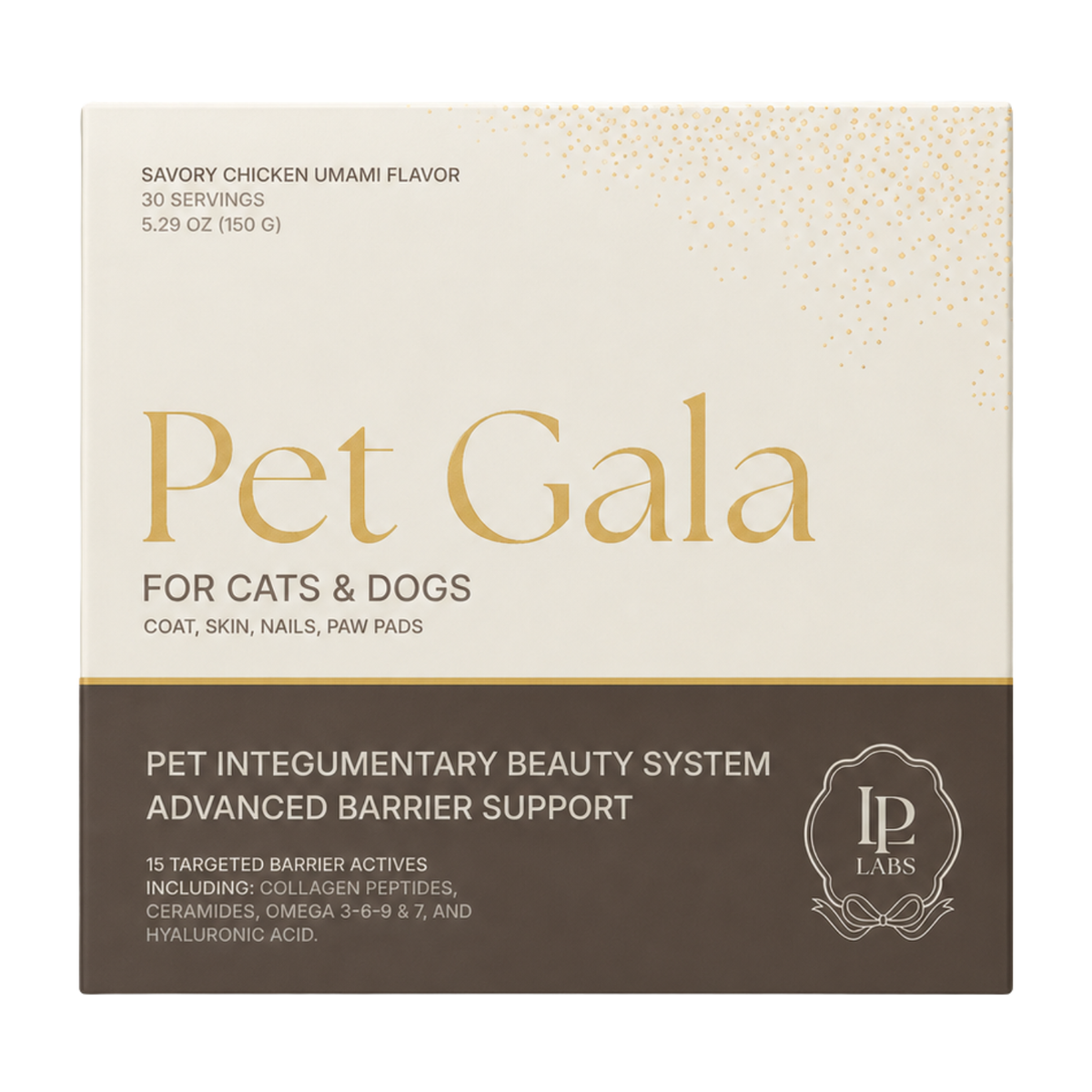
Pet Gala™ Skin & Coat Supplement for Dogs

15 science-backed barrier actives

From$43/moSave up to 47%Save up to 46%Shop Now
Contents

Eggs and Egg Yolk for Dogs

Cooked or raw, yolk or white, how much for each size of dog, and what the biotin and avidin worry really means.

Yes, dogs can eat eggs, as long as the egg is fully cooked and served plain. A cooked egg gives a dog protein that is easy to digest, and the yolk adds fat, vitamins and biotin.1, 2 Raw eggs are the risk. They can carry Salmonella, and raw egg white contains avidin, a protein that blocks biotin.1, 3

This guide covers cooked versus raw, yolk versus white, how much egg suits each size of dog, the biotin and avidin question, egg allergy, and when to call your vet.

  • Can dogs eat eggs: Yes, when the egg is cooked through and plain. Boiled, scrambled and poached all work.2
  • Raw eggs: Skip them. Raw eggs can carry Salmonella, which can sicken dogs and the people who feed them.3, 4
  • Avidin and biotin: Raw egg white holds avidin, which binds biotin. Cooking destroys avidin, and the yolk is a good source of biotin.1
  • How much: One vet-written guide suggests a quarter of an egg for dogs of 2 to 10 pounds and one egg for dogs of 21 to 50 pounds, once or twice a week.2
  • Allergy: Egg was a trigger in 11 of 297 food-allergic dogs, about 4%.11
  • Call the vet if: Your dog vomits, has diarrhea or itches after eating egg. Dogs with a history of pancreatitis do better with the white only, or no egg.2
  • In Pet Gala: No. Pet Gala has no egg in it. It's daily skin, coat and nail nutrition.

What is in an egg, and what does each part give a dog?

An egg has three parts, and each one feeds a dog differently.

  • The white: protein, with less fat and fewer calories than the yolk.2
  • The yolk: the egg's fat, the fat-soluble vitamins A, D, E and K, and biotin.1, 2
  • The shell: rich in calcium and trace minerals. Think of it as a mineral supplement more than a food.2

Egg protein rates as high quality. The Merck Veterinary Manual notes that egg has been given the highest biologic value of any protein. The higher that value, the less protein a dog needs to cover its amino acids.1 Eggs also supply B vitamins, iron, zinc and selenium.2

None of that turns an egg into a meal. A plain egg is an extra on top of a complete dog food, and the rest of this guide treats it that way.

Woman cuddling a golden retriever and a fluffy white dog while holding a Pet Gala box beside a food bowl

Are eggs good for dogs?

Eggs are good for dogs as a small cooked extra. They add high-quality protein, and the yolk carries omega-6 fats, which PetMD's veterinarians link to a shiny coat and healthy skin.2

The limit is what an egg can add to a diet that is already complete. A dog on a balanced commercial food gets its protein, vitamins and minerals from that food. An egg on top is a tasty bonus, and it counts toward the day's calories.2

So think of egg as a treat with good nutrition behind it. Egg earns its place when it is cooked, plain and small.

Woman holding a Pet Gala box beside a curly-coated brown dog outdoors

Cooked or raw eggs for dogs: which is better?

Cooked eggs are better for dogs on every count we could check. PetMD's veterinary guide says raw eggs offer no extra health benefit over cooked ones.2

Cooking helps digestion too. In a study of 5 people, the small intestine digested 90.9% of the protein in cooked egg and 51.3% in raw egg.6 That study was in people, and we found no matching one in dogs.

Heat does two more jobs. It kills bacteria, and it destroys avidin, the protein in raw white that locks up biotin.1, 2

Woman cuddling a Dalmatian while holding a Pet Gala box

Are raw eggs safe for dogs?

Raw eggs are a poor bet for dogs, and the main reason is Salmonella. The US Food and Drug Administration warns that fresh eggs can carry the bacteria even when the shell is clean and uncracked.4 The ASPCA lists raw eggs among the foods to keep away from pets for the same reason.3

A study of 138 pet dogs in Ontario found Salmonella in the stool of 23.2% of them. Feeding raw meat and eggs was one of the risk factors.5

The risk reaches past the dog. Salmonella hits children, older adults, pregnant women and people with weak immune systems hardest.4

Cream-colored dog resting on a person's lap beside a Pet Gala box and a food bowl

Does raw egg white cause biotin deficiency in dogs?

Raw egg white can cause biotin deficiency, but only as a steady part of the diet. The white contains avidin, a protein that binds biotin in the gut and blocks its absorption.1, 2

The Merck Veterinary Manual calls natural biotin deficiency very rare in dogs and cats, and names raw egg whites as one way to cause it.1

The experiments show the scale. Kittens lost hair and grew scaly skin after 12 to 25 weeks on diets built on dried raw egg white.7 In people, it took 28 days of raw egg-white drinks to lower biotin status.8 We found no such experiment in dogs.

One stolen raw egg won't do it. Our guide to biotin for dogs explains the vitamin.

Cooked eggs are better for dogs on every count we could check.

How much egg can a dog have, and how often?

A dog's egg allowance depends on its size. No official body sets one, so the best guide is a veterinary one. PetMD's guide, written and reviewed by veterinarians, suggests these servings, each once or twice a week:2

  • Extra-small dogs (2 to 10 pounds): a quarter of an egg.
  • Small dogs (11 to 20 pounds): half an egg.
  • Medium dogs (21 to 50 pounds): one egg.
  • Large dogs (51 to 90 pounds): one and a half eggs.
  • Extra-large dogs (91 pounds and up): two eggs.

The same guide gives the rule behind the numbers. Egg counts as a treat, and all treats together stay under 10% of a dog's daily calories. The other 90% comes from balanced dog food.2

Start below these amounts the first time. Offer a bite or two, then watch for loose stool, gas or itching before you work up.2

Hand lifting a sachet from an open Pet Gala box beside a dog's long golden coat

Is egg yolk or egg white better for dogs?

Egg yolk and egg white do different jobs, so the better one depends on the dog. The yolk holds the fat, the fat-soluble vitamins and the biotin.1, 2 The white is leaner and lower in calories.2

For most healthy dogs, the whole cooked egg is the simple choice. The fat in yolk matters for some dogs, though. PetMD's veterinarians advise feeding only the white, or skipping eggs, for dogs with a history of pancreatitis, overweight dogs and dogs on a low-fat diet.2

If your dog eats a prescription diet, ask your vet which part of the egg fits it.

Woman leaning toward a golden retriever in a kitchen while holding a Pet Gala box

How should you cook eggs for a dog?

Cook eggs for a dog until the white and the yolk are both firm, and add nothing. Boiling, poaching and dry scrambling all work. Leave out butter, oil, salt and seasoning.2

The US Food and Drug Administration gives people the same test: yolk and white both firm, with no runny scramble.4

Let the egg cool, then chop it into bite-sized pieces.2 Hard-cooked eggs keep in the refrigerator for up to 1 week, and other cooked egg dishes for 3 to 4 days.4

Man cuddling two dogs while holding a Pet Gala box

What have studies of eggs in dogs found?

Studies of eggs in dogs are few, and the clearest one tested dried egg in kibble. Researchers in Brazil fed 8 Beagles diets with 0%, 4%, 8% or 12% spray-dried egg. The diet became easier to digest as the egg share rose, and the egg protein was 91.3% digestible.9

In a taste test, 20 dogs preferred the food with 4% egg over the food with none. Stool quality stayed the same.9

That was a small trial of a processed ingredient, and it measured digestion. We found no trial that fed fresh eggs to pet dogs and tracked skin, coat or any other health result.

Will eggs give a dog a shinier coat?

Eggs supply nutrients a coat is built from, but we found no trial that fed dogs eggs and measured the coat.

The link people draw runs through biotin. Egg yolk is a good source of it, and biotin deficiency shows up in the skin.1 In one older study, vets gave biotin to 119 dogs with dull coats, brittle hair, hair loss or scaly skin for 3 to 5 weeks. All signs cleared in 60% of the dogs and improved in another 31%.10

Two cautions keep that in proportion. The dogs got about 5 mg of biotin per 10 kg of body weight each day as a supplement, and the study summary mentions no comparison group.10

So a cooked egg is a fair way to add good fats and protein, and a small part of the coat picture. Our own skin and coat formula, Pet Gala, supplies biotin as a measured ingredient at 50 mcg per sachet.

If the coat stays dull on a complete diet, the cause needs finding. Our guide to a dull coat in dogs is the place to start, and dog fur growth supplements covers regrowth after hair loss.

So think of egg as a treat with good nutrition behind it.

Woman in a white coat sitting with a pug while holding a Pet Gala box

DVM Voice: Clinical Vignette of When Skin Changes Point Deeper Than the Surface

Case contributed by Sarah Calvin, DVM

Rosey, a 10-year-old Shih Tzu, was brought in after two weeks of paw redness and head shaking. Her owner had also noticed lower energy, thinning abdominal hair, and mild generalized itchiness over the previous few months.

Examination showed inflammation in the ears, skin folds, and paws. Testing confirmed mixed yeast and bacterial infections, while parasites and fungal disease were ruled out. Because Rosey’s skin changes appeared alongside reduced energy and coat thinning, her veterinarian performed a broader workup, which revealed hypothyroidism as a likely underlying contributor.

Her care required a staged approach: treating the infections, addressing the thyroid imbalance, and then restoring the skin barrier through diet, bathing support, paw care, and omega-3 supplementation.

Six months later, Rosey’s owner reported a thicker coat, fewer tangles, less breakage, no itch, and restored energy.

Clinical takeaway: Rosey’s case shows why skin and coat changes should not be treated as cosmetic alone. Healthy skin depends on immune balance, endocrine health, nutrition, barrier integrity, and daily support for resilient coat growth.

Single-case vignette. Not generalizable. Veterinary diagnosis and oversight are essential for itching, redness, ear irritation, hair thinning, recurrent infections, or suspected endocrine disease.

Explore Pet Gala Research →
Woman smiling beside a chocolate-brown dog while holding a Pet Gala box

Can dogs be allergic to eggs?

Dogs can be allergic to eggs, and it is uncommon. A review covering 297 dogs with skin reactions to food found egg was a trigger in 11 of them, about 4%. Beef led the list at 34%.11

The reaction is to proteins in the white. Among 82 food-allergic dogs, 8 carried antibodies to egg white, and most of those reacted to two proteins, ovomucoid and ovalbumin.12

Signs of a food allergy include ear infections that keep coming back, itchy or inflamed skin on the ears, paws or face, and vomiting or diarrhea.2 Our guide to common allergens for dogs covers the other triggers.

Hand petting a brown dog beside a Pet Gala box and a bowl of food

Can a dog with a chicken allergy eat eggs?

Nobody has tested egg in chicken-allergic dogs, as far as we could find. We found no study that fed egg to dogs with a confirmed chicken allergy.

What is known points to caution. A blood-test study of 469 dogs with suspected food reactions found that reactions to related foods tend to travel together. Its authors advise keeping related foods out of an elimination diet.13

Counting chicken and egg as related foods is our inference. The study summary names no specific pairs.

So treat egg as untested for a chicken-allergic dog. Keep it out during a diet trial, and ask your vet about trying a small cooked amount once the skin has settled.

German shepherd raising a paw beside a Pet Gala box on a small table

What are the side effects of eggs for dogs?

Side effects of eggs in dogs are mostly digestive. PetMD's veterinarians list gas, bloating and diarrhea when a dog eats too much egg at once, most often the first time.2

  • Too much fat: yolk is rich, a concern for dogs prone to pancreatitis or weight gain.2
  • Allergy: itching, ear trouble, vomiting or diarrhea after egg.2
  • Raw egg: Salmonella can cause vomiting, diarrhea and dehydration.2

Stop the eggs if any of these appear, and tell your vet what your dog ate and when.

Which dogs should skip eggs? Puppies, seniors and special diets

Most healthy adult dogs can have cooked egg, and a few groups need more care.

  • Dogs with past pancreatitis or on low-fat diets: PetMD's veterinarians advise the white only, or no egg.2
  • Overweight dogs: egg adds calories, so it has to replace another treat.2
  • Dogs on an elimination diet: the diagnosis depends on strict food restriction, so no egg until your vet reintroduces foods.11
  • Puppies: cooked egg in small portions is fine. A complete puppy food stays the main diet.2
  • Seniors: the same size guide applies, with extra care if an older dog eats a fat-restricted diet.

One more group is human. If your home includes young children, older adults, a pregnant woman or anyone with a weak immune system, raw egg in the dog bowl is a risk to them as well.4

Diets made from only a few foods often fall short on nutrients, so egg can't stand in for dog food, however often you feed it.1

Are eggs the same for dogs and cats?

Eggs suit both dogs and cats when cooked, but the two species differ in how much they can have and what they need from food.

Portion is the first difference. The dog servings above run from a quarter of an egg to two eggs.2 For cats, PetMD's veterinary guide suggests about one tablespoon of cooked egg white.14

Nutrition is the second. Unlike dogs, cats must get taurine, vitamin A and arachidonic acid from their diet. Eggs are one food that contains arachidonic acid.1

The raw egg risks are shared. Salmonella and avidin are a problem for both species.1, 3 Our guide to eggs and egg yolk for cats covers the feline details.

Man leaning toward a golden retriever while holding a Pet Gala box beside a food bowl

When should you call the vet after a dog eats egg?

Call the vet if a dog that ate egg, cooked or raw, keeps vomiting, has diarrhea that won't stop, or turns dull and goes off its food. Raw egg raises the stakes, because Salmonella can cause vomiting, diarrhea and dehydration in dogs.2

Also call if:

  • your dog has a history of pancreatitis and ate a fatty egg dish;
  • itching or ear trouble follows egg more than once.

In people, Salmonella illness starts 12 to 72 hours after infection, so signs may lag behind the meal.4 Wash your hands, the bowl and the counter after handling raw egg.

Brown-and-white dog raising a paw beside a Pet Gala box held in a person's hand

What can you feed for a dog's coat instead of eggs?

A complete, balanced dog food does more for the coat than eggs or any other topper, because it covers every nutrient the skin needs. From there, owners usually look at three nutrients:

Pet Gala combines all three in one daily sachet. Our guide to the best dog skin and coat supplement systems compares the options, and brittle nails have their own guide to the best supplements for dog nails.

Is egg in Pet Gala?

No. Pet Gala doesn't contain egg or egg yolk. Nothing on its label comes from eggs.

What the two share is biotin. Egg yolk is a good food source of it.1 Pet Gala supplies biotin as a measured ingredient: 50 mcg per sachet, with 250 mg of hydrolyzed whey protein and 150 mg of omega 3-6-9. Marine collagen, zinc, ceramides and 7 more actives sit beside them, and every amount is printed on the label.

It's a daily skin, coat and nail nutrition powder, stirred into food: half a sachet for dogs under 7 lb, one sachet from 7 to 30 lb, and two sachets above 30 lb. An egg can still be the treat. The sachet is the measured part.

Pet Gala is a supplement. It has not been tested against any skin disease, and a coat that changes suddenly needs a vet. Its inactive ingredients include chicken flavor and chicken liver powder, so check with your vet first if your dog has a chicken allergy.

See the full Pet Gala formula and serving guide.

One stolen raw egg won't do it.

Educational content only. This material is not a substitute for veterinary advice. Always consult your veterinarian about your dog’s specific needs. These statements have not been evaluated by the Food and Drug Administration. Products mentioned are not intended to diagnose, treat, cure, or prevent any disease.

Glossary

Avidin: A protein in raw egg white that binds biotin so the gut can't absorb it. Cooking destroys it.

Biotin: A B vitamin the body uses to process fats, sugars and some amino acids.

Salmonella: Bacteria that raw eggs can carry. They cause vomiting and diarrhea.

Biologic value: A score for how well a protein supplies the amino acids a body needs.

Pancreatitis: Inflammation of the pancreas. Dogs that have had it are usually kept off fatty foods.

Ovomucoid: One of the egg white proteins that allergic dogs react to.

Related Reading

References

Numbered references identify the sources used for specific claims. Read the study design, species and evidence boundaries alongside each finding.

FAQ

Can dogs eat eggs every day?

A daily egg is more than the vet-written guide we cite suggests. PetMD's veterinarians suggest egg once or twice a week, sized to the dog, with all treats kept under 10% of daily calories. A large dog has more room for egg than a small one.

Can dogs eat scrambled eggs?

Yes. Scrambled eggs are fine for dogs when they are cooked through with no butter, oil, salt or other additions. Let the egg cool before you serve it.

Can dogs eat eggshells?

Only when prepared properly. PetMD's veterinarians say to bake or boil the shells, grind them to a fine powder, and add them only under your vet's guidance, because the calcium from an egg has to fit the whole diet.

Can puppies eat eggs?

Yes. Puppies can eat cooked egg in small portions. Keep it an extra, because a growing puppy needs a complete puppy food as its main diet.

Can I crack a raw egg over my dog's food?

It's better to cook it. Raw egg can carry Salmonella, which can sicken dogs and people, and raw white contains avidin, which blocks biotin when fed regularly. Cooking solves both problems.

Does cooking destroy the avidin in egg white?

Yes. The Merck Veterinary Manual lists avidin in raw eggs among the antinutritional factors that cooking destroys. A cooked egg keeps its biotin available to your dog.

Is egg a good ingredient to see on a dog food label?

Yes. Egg has the highest biologic value of any protein, and in one small trial dried egg in kibble was highly digestible for dogs. Judge the whole food, though, since egg is only one line on the label.

Does Pet Gala contain egg or egg yolk?

No. Pet Gala has no egg or egg yolk in it. It supplies 50 mcg of biotin per sachet with hydrolyzed whey protein, omega fatty acids and other skin and coat nutrients, and every amount is printed.

How long does cooked egg keep for a dog?

Hard-cooked eggs keep for up to a week in the refrigerator, and other cooked egg dishes for three to four days, by US Food and Drug Administration guidance for people. Throw out cooked egg that has sat out for more than two hours.

Black-and-white dog between a bowl of food and a Pet Gala box held in a person's hands

Discover LPL-01: How This Fits Into a Complete Canine Integumentary Support System

Skin, coat, and nails aren’t cosmetic features. They’re the visible surface of deeper biological systems—barrier function, hydration balance, structural protein turnover, and lipid integrity—working in concert.

When these systems fall out of sync, it shows: dull coat, shedding, dryness, brittleness, sensitivity.

This article explores one piece of that puzzle. If you want to understand how true coat quality and skin resilience are built—and what actually moves the needle—you need to zoom out.

Start with the underlying science:

Keep exploring

What would you like to understand next?

Search practical guides about skin, coat, barrier health, ingredients, and daily care for dogs.