Cellular Detoxification for Cancer Prevention in Cats

Learn How Toxin Clearance Supports Liver, Kidneys, Immunity, and Tumor Risk Reduction

Essential Summary

Why is cat cancer detox support important?

Because the liver, kidneys, and cellular antioxidant systems are already working continuously, the safest “detox” goal is supporting normal stress handling while protecting appetite, hydration, and comfort. In cancer care, coordination with oncology and careful tracking matter more than dramatic cleanses.

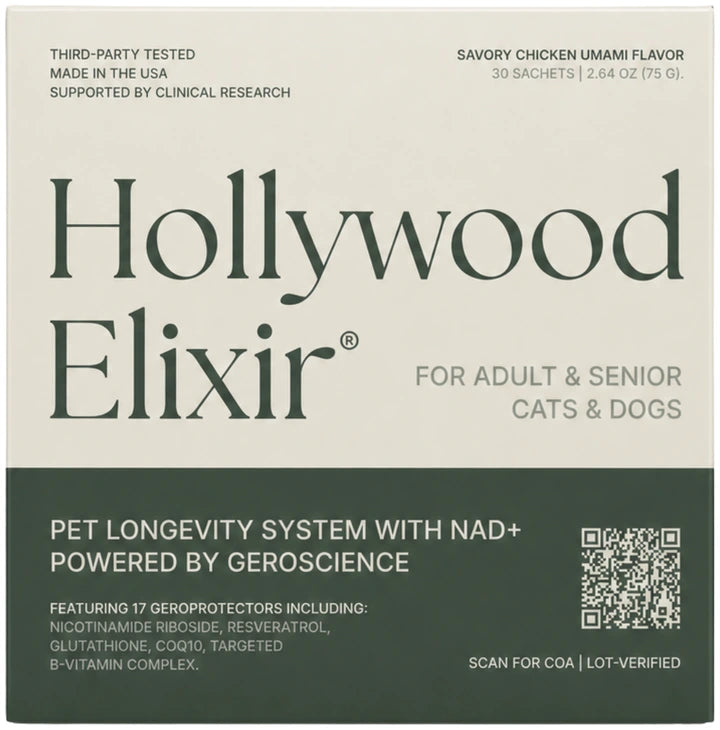
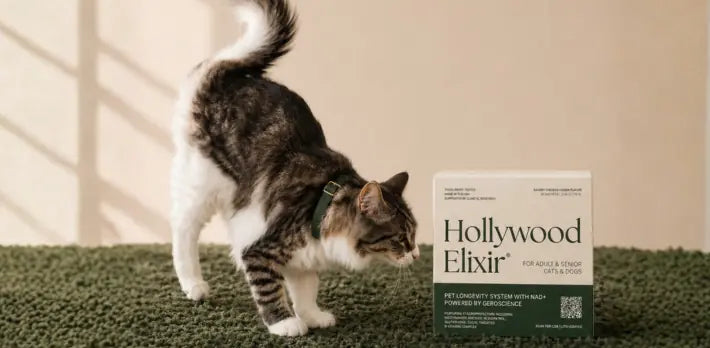
For owners who want a gentle daily layer, Hollywood Elixir™ is designed to support normal antioxidant defense and cellular energy pathways as part of a daily plan. Any supplement should be discussed with the oncology team, especially around chemotherapy timing and appetite changes.

When people talk about “detox” for cats, they often mean flushing out vague “toxins.” In cancer care, the useful idea is different: cells constantly create reactive byproducts, and the liver and kidneys must package and clear them while tissues keep repairing themselves. That everyday handling of cellular stress can shape comfort, appetite, and mending speed during illness or treatment.

Feline cellular detoxification cancer discussions are most accurate when they focus on normal protective pathways—Phase I and Phase II enzymes, glutathione recycling, and redox signaling—rather than extreme diets or “cleanses” (Klein, 2015). These pathways can also process environmental carcinogens into less reactive forms, which is one reason detox enzymes are studied in cancer prevention biology (Hanausek, 2003). At the same time, redox pathways such as Nrf2 are complex: they can protect healthy cells from oxidative injury, yet in some cancer contexts they may also help tumor cells cope with stress, so “more activation” is not automatically better (Wang, 2023).

This page reframes cat cancer detox support as practical, vet-coordinated stress handling: reducing avoidable exposures, feeding a consistent diet, tracking daily readouts, and choosing supplements only with oncology guidance. The goal is not to “detox cancer,” but to support normal clearance and day-to-day quality of life while keeping the care team fully informed.

  • Cellular detoxification for cancer prevention in cats is best understood as normal cellular stress handling—liver/kidney clearance plus antioxidant and glutathione systems—not a cleanse.
  • Detox enzymes can convert reactive compounds into forms that are easier to eliminate, a concept used in carcinogen biology, but it does not mean supplements “prevent cancer” in an individual cat (Hanausek, 2003).
  • NRF2/KEAP1 signaling helps regulate antioxidant defenses; however, the same pathway can be complicated in cancer, so owners should avoid chasing maximal “activation” (Pillai, 2022).
  • The safest household wins are consistency and exposure reduction: stable diet, clean water, smoke avoidance, and careful chemical storage.
  • Track quality-of-life readouts daily: appetite, stool, sleep, pain signals, play interest, mobility, hydration, and good day/bad day patterns.
  • Coordinate every supplement with oncology; evidence quality in veterinary integrative oncology is variable and interactions are a real concern (Amaral, 2025).
  • Avoid “detox diets” and unbalanced home-prepared plans; nutrient and contaminant variability is documented in cat diets and can add avoidable burden (Pedrinelli, 2019).

Detox in Cats Means Clearance, Not Cleansing

In cats, “detoxification” is not a special event—it is continuous chemical handling. Cells generate reactive byproducts during normal energy production, and the body relies on the liver, kidneys, gut, and lungs to transform and remove compounds that could otherwise irritate tissues. This is why cat cancer detox support is most accurate when it focuses on normal clearance and repair rather than dramatic “toxin purges” (Klein, 2015).

At home, the most meaningful “detox” signals are ordinary: steady appetite, predictable stool, and a cat that returns to favorite routines after stress. A sudden change—new litter box odor, a strong floor cleaner, a new supplement—can coincide with nausea or hiding, which owners may misread as “toxins leaving.” In reality, it can be irritation, aversion, or medication side effects that deserve a calmer, more uniform plan.

Scientific view of cellular energy centers tied to dog vitality with feline cellular detoxification cancer.

Phase I and Phase II: the Body’s Sorting System

Detox pathways are often described as Phase I and Phase II. Phase I enzymes modify compounds (sometimes creating more reactive intermediates), while Phase II enzymes “tag” them—often using sulfur- or glutathione-related chemistry—so they can be excreted in bile or urine. In cancer prevention biology, these steps matter because they can reduce the time reactive carcinogens spend near DNA (Hanausek, 2003).

For owners, the practical takeaway is not to chase a single enzyme or ingredient. The goal is to avoid overwhelming the sorting system with abrupt diet changes, concentrated herbal mixes, or multiple new chews at once. A cat with cancer care needs a plan that leaves room to recover after appointments, anesthesia, or appetite dips, with changes introduced one at a time and evaluated over several weeks.

DNA structure visual linked to antioxidant protection mechanisms in cat cancer detox support.

NRF2/KEAP1: a Stress Sensor with Two Sides

A major controller of antioxidant and detox gene expression is the Nrf2/KEAP1 system, which acts like a cellular stress sensor. When oxidative pressure rises, Nrf2 can shift gene activity toward protective enzymes and glutathione-related defenses (Yamamoto, 2018). This is one reason “feline cellular detoxification cancer” content often mentions Nrf2, but the biology is not a simple “turn it on” switch.

In some cancers, Nrf2 signaling can also help tumor cells survive stress, which is why maximal activation is not automatically a goal during treatment (Wang, 2023). Owners can use this nuance to filter marketing claims: if a product promises to “activate detox genes to fight cancer,” it is oversimplifying. The safer framing is supporting normal defenses while the oncology team decides what is appropriate for that specific diagnosis.

Protein visualization highlighting formulation depth and rigor in detox pathways cats cancer care.

Oxidative Byproducts: What “Cellular Waste” Really Is

Cells do not accumulate a single sludge-like “toxin.” They manage many short-lived reactive molecules—often grouped under oxidative byproducts—that can damage membranes and proteins if not neutralized. The body’s antioxidant defenses are a set of reactions that keep damage within a manageable range, supporting mending speed after inflammation, surgery, or chemotherapy stressors.

Owners often notice oxidative strain indirectly: a cat that seems “flat,” sleeps more, or loses interest in grooming after a stressful week. Those observations are valid data, even if they are not specific to cancer. Recording them helps the veterinarian decide whether the issue is pain, nausea, dehydration, anemia, medication effects, or a need to adjust feeding strategies rather than adding another “detox” product.

Pug looking up, symbolizing trust and attentive care supported by cat cancer detox support.

Glutathione: the Workhorse Behind Many Detox Reactions
Glutathione is a small molecule that participates in neutralizing reactive compounds and in Phase II “tagging” reactions. It also cycles between reduced and oxidized forms, acting as a buffer that helps cells keep redox chemistry within a workable range. This is central to detox pathways cats cancer care discussions because glutathione status influences how well tissues handle oxidative pressure during illness.

In the household, glutathione biology translates into a simple rule: avoid stacking stressors. A cat recovering from a procedure, adjusting to a new medication, and eating less has less latitude for sudden diet experiments or multiple new supplements. Keeping meals familiar, hydration accessible, and the environment low-odor and low-chaos can be more protective than any “cleanse” concept.

“In cats, detox is mostly about consistency and clearance.”

Liver and Kidney Clearance: the Parts Owners Can Support Safely

The liver modifies many compounds for elimination, and the kidneys filter and excrete water-soluble metabolites. In cats with cancer, these organs may also be asked to process anesthesia drugs, pain medications, antibiotics, or chemotherapy agents, making “support” a matter of careful coordination rather than aggressive supplementation. Integrative oncology sources emphasize that evidence for many supplements is variable and that interactions are a real risk (Hershey, 2025).

Owners can support normal clearance safely by prioritizing hydration, consistent calories, and a predictable routine that reduces nausea triggers. Fresh water in multiple locations, wet food if tolerated, and litter box access that does not require stairs can make daily elimination more uniform. If urine output drops, vomiting increases, or the cat becomes markedly quiet, that is a reason to call the veterinary team promptly.

Neutral-tone dog photo highlighting attentive expression supported by cat cancer detox support.

Coordination with Oncology: Timing and Interactions Matter

Cancer care often involves drugs that rely on predictable absorption and metabolism. Adding antioxidants, herbal extracts, or “detox” blends can change that predictability, either by affecting liver enzymes, altering gut transit, or changing appetite patterns. Veterinary oncology reviews repeatedly stress that supplement quality and interaction risk must be weighed case by case, not assumed safe because something is “natural” (Amaral, 2025).

A practical household rule is simple: the oncology team should know everything the cat receives, including powders, broths, CBD products, and essential oils used in the home. If a supplement is approved, ask about timing around chemo days and whether it should be paused before anesthesia. This coordination prevents well-meant cat cancer detox support from accidentally creating a less uniform treatment course.

Canine profile image reflecting strength and steadiness supported by detox pathways cats cancer care.

Case Vignette: When “Detox” Is Actually Nausea and Aversion

A 12-year-old cat on oral chemotherapy begins skipping breakfast and licking lips after the owner starts a “detox powder” mixed into food. The owner interprets the drooling and hiding as “toxins leaving,” but the pattern matches nausea and a developing food aversion. Once the powder is stopped and anti-nausea support is adjusted with the oncologist, appetite becomes more sustained over the next week.

This scenario is common because cats learn strong associations between a flavor and how they felt afterward. If a new supplement is introduced during a queasy period, the cat may reject that food long-term, shrinking dietary options right when calories matter. For detox pathways cats cancer care, protecting appetite is often the most actionable “cellular support” an owner can provide.

Product breakdown image highlighting 16 actives and benefits supported by detox pathways cats cancer care.

Owner Checklist: Home Signals That Clearance and Stress Handling Are Off

Owners cannot measure detox enzymes at home, but they can watch for patterns that suggest the body is struggling with stress handling. Useful signals include: new lip-licking or drooling near meals, a sudden preference for only one texture, constipation or very small stools, stronger-than-usual litter box odor, and a new “chemical” breath smell. These are not diagnostic, but they are actionable observations to share with a veterinarian.

Also note behavior shifts that often travel with nausea or discomfort: hiding after medication, reduced grooming, or walking away mid-meal. If these appear after starting a supplement marketed for feline cellular detoxification cancer, treat the timing as meaningful data rather than a sign to “push through.” Pausing the new item and calling the clinic can prevent a longer spiral of poor intake.

What to Track: Daily Readouts That Help the Vet Help Faster

A simple tracking rubric turns worry into usable clinical information. Record: appetite (percent of normal), water intake or wet-food ounces, vomiting or lip-licking episodes, stool frequency and form, urine clumps per day, sleep disruption, pain signals (hunched posture, teeth grinding, hiding), play interest, mobility (jumping changes), and a “good day/bad day” score. These daily readouts help the team separate medication effects from disease progression.

For cat cancer detox support, add two exposure notes: any new scented products in the home and any new foods or supplements. Patterns often emerge only when written down—such as nausea clustering on dosing days or constipation after a diet change. Bring the log to rechecks; it can guide decisions about fluids, anti-nausea plans, pain control, and whether a supplement is adding burden.

“Track daily readouts; they turn worry into clinical signal.”

Branded lab coat reflecting precision and trust supporting cat cancer detox support.

Unique Misconception: “Detox” Is Not a Shortcut Around Cancer Biology

A common misunderstanding is that “detoxing” can flush cancer-causing agents out of the body after the fact, or that a cleanse can meaningfully replace medical care. The evidence base for commercial detox diets is weak, and claims often rely on Hollywood Elixir™ toxins and unvalidated markers (Klein, 2015). Detoxification enzymes are real, but they are part of ongoing exposure handling, not a reset button.

A more accurate frame is risk management and comfort: reduce avoidable exposures, keep nutrition consistent, and support normal organ function under veterinary guidance. Owners can still make meaningful choices—like smoke-free air and safer cleaning habits—without expecting detox pathways cats cancer care to deliver dramatic, immediate changes. This protects decision-making from being pulled toward extreme interventions during a vulnerable time.

Hollywood Elixir surrounded by ingredients, showing antioxidant diversity in detox pathways cats cancer care.

What Not to Do: Common Detox Mistakes That Backfire in Cats

Several “detox” habits are especially risky for cats with cancer. Do not use fasting, juice-style regimens, or very low-protein plans; cats are not built for prolonged calorie gaps. Do not add essential oils to diffusers or bedding, since cats are sensitive to many aromatic compounds. Do not stack multiple supplements at once, because side effects become impossible to attribute and appetite aversion becomes more likely.

Also avoid sudden switches to home-prepared diets without formulation; nutrient imbalances and contaminant variability have been documented in home-prepared cat diets (Pedrinelli, 2019). Finally, do not interpret diarrhea, vomiting, or lethargy as “detox symptoms” that should be endured. Those signs can indicate dehydration, pain, obstruction, or drug intolerance and should trigger a veterinary call.

Lifestyle shot of dog owner and Hollywood Elixir aligned with detox pathways cats cancer care.

Food Consistency: the Most Underestimated Support for Detox Pathways

Nutrition influences detox chemistry because amino acids, minerals, and vitamins are used to build enzymes and conjugation molecules. In veterinary oncology, the strongest day-to-day advantage often comes from a cat reliably eating an appropriate diet, not from chasing a long supplement list (Amaral, 2025). Consistent intake supports more uniform stooling, hydration, and medication tolerance—practical outcomes that matter during cancer care.

Owners can protect consistency by offering a small menu of tolerated foods rather than rotating constantly. Warm food slightly to increase aroma, keep feeding areas quiet, and separate food from litter boxes. If appetite is variable, ask the veterinarian about nausea control before changing diets again. For feline cellular detoxification cancer concerns, stable calories are often the “support” that keeps everything else workable.

Environmental Load: Reduce Exposures Without Turning Home into a Lab

Exposure reduction is the most evidence-aligned version of “detox” because it lowers what the body must process in the first place. Focus on smoke avoidance, careful storage of pesticides and rodenticides, and minimizing strong fragrances that can irritate airways and appetite. This approach fits detox pathways cats cancer care because it supports normal clearance capacity without forcing the body to handle new, concentrated compounds.

Practical steps can stay simple: use unscented litter, ventilate during cleaning, rinse surfaces well, and keep cats away until floors are dry. If a cat is grooming more after a topical product is used in the home, treat that as a clue to reduce contact. Small, consistent changes often create a more sustained comfort level than dramatic “detox” interventions.

When to Call the Vet: Red Flags That Should Not Wait

Cancer and its treatments can change quickly, and some signs should be treated as urgent rather than “part of detox.” Call the veterinary team if the cat stops eating for a day, cannot keep water down, has repeated vomiting, shows marked lethargy, has labored breathing, or seems painful despite prescribed medication. Dark urine, very small urine output, or sudden jaundice-like yellowing also warrant prompt attention.

Owners tracking cat cancer detox support should also call if a new supplement coincides with diarrhea, agitation, or refusal of a previously loved food. Early course-correction can preserve appetite and hydration, which protects the rest of the plan. When in doubt, share the daily readouts; they help the clinic triage whether the cat needs fluids, anti-nausea adjustments, pain control, or an exam.

Visual comparison highlighting no fillers advantage aligned with cat cancer detox support.

Vet Visit Prep: Questions That Make Detox Talk Clinically Useful

Detox conversations go best when they are specific. Bring a list of every product and exposure change, plus the daily readouts. Ask: Which lab values best reflect liver and kidney handling for this cat right now? Are there supplements that should be avoided with this chemotherapy protocol? Should anything be paused before anesthesia or dental work? What appetite and stool changes are expected versus concerning?

Also ask how long to wait before judging a change; many supportive steps need several weeks to show a more uniform pattern. If the goal is feline cellular detoxification cancer support, request a clear “stop list” (what not to add) and a clear “call list” (what symptoms trigger contact). This turns a vague goal into a safer, coordinated plan.

Hollywood Elixir box in open packaging, showing premium presentation for detox pathways cats cancer care.

A Gentle Daily Support Layer During Illness and Treatment

During illness or treatment, cats often face increased oxidative stress, inflammation burden, appetite fluctuations, and energy variability. Some owners choose a gentle, daily nutrition layer designed around antioxidant defense and cellular energy pathways, used alongside veterinary care and adjusted based on tolerance. The key is restraint: fewer variables, clear tracking, and full disclosure to the oncology team.

If a supportive layer is considered, introduce it when the cat is relatively stable, not during an active nausea phase. Keep the rest of the routine unchanged so any effect on stool, appetite, or sleep is easier to interpret. This approach aligns with cat cancer detox support by prioritizing comfort and predictability rather than chasing dramatic “detox” sensations.

Decision Framework: What “Support” Looks Like over 3–4 Weeks

A practical framework is to evaluate changes over 3–4 weeks unless the veterinarian advises otherwise. First, stabilize basics: calories, hydration, nausea control, pain control, and a low-odor environment. Next, reduce exposures that clearly worsen appetite or breathing. Only then consider a single, vet-approved supplement, introduced slowly, with a plan for what success looks like in daily readouts.

Success for detox pathways cats cancer care is usually modest and functional: fewer skipped meals, less irregular stool, better sleep, and more interest in interaction. If the log shows worsening appetite, new vomiting, or a shift toward more bad days, stop the newest change and contact the clinic. This keeps “detox” grounded in measurable comfort rather than hope-driven escalation.

“More antioxidants is not automatically better in cancer contexts.”

Educational content only. This material is not a substitute for veterinary advice. Always consult your veterinarian about your cat’s specific needs. These statements have not been evaluated by the Food and Drug Administration. Products mentioned are not intended to diagnose, treat, cure, or prevent any disease.

Glossary

  • Phase I enzymes - Liver enzymes that modify compounds, sometimes creating reactive intermediates.
  • Phase II conjugation - Tagging reactions that make compounds easier to excrete in bile or urine.
  • Glutathione - A key cellular molecule used to neutralize reactive compounds and support conjugation.
  • Redox balance - The workable range between oxidants and antioxidants that limits cellular damage.
  • Oxidative byproducts - Reactive molecules generated during normal metabolism that can injure tissues if uncontrolled.
  • Nrf2 - A transcription factor that can increase expression of antioxidant and detox-related genes.
  • KEAP1 - A regulatory protein that senses stress signals and controls Nrf2 activity.
  • Food aversion - A learned avoidance of a food after nausea, common in cats during treatment.
  • Quality-of-life readouts - Daily observations (appetite, stool, sleep, pain signals) used to guide care decisions.

Related Reading

References

Klein. Detox diets for toxin elimination and weight management: a critical review of the evidence.. PubMed. 2015. https://pubmed.ncbi.nlm.nih.gov/25522674/

Hanausek. Detoxifying cancer causing agents to prevent cancer.. PubMed. 2003. https://pubmed.ncbi.nlm.nih.gov/15035900/

Amaral. Connection between nutrition and oncology in dogs and cats: perspectives, evidence, and implications—a comprehensive review. 2025. https://www.frontiersin.org/journals/veterinary-science/articles/10.3389/fvets.2024.1490290/full

Hershey. Integrative Veterinary Oncology: Part I-Diet, Herbs, Essential Oils, and Supplements.. PubMed. 2025. https://pubmed.ncbi.nlm.nih.gov/40858470/

Wang. Reactive Oxygen Species and Nrf2 Signaling, Friends or Foes in Cancer?. PubMed. 2023. https://pubmed.ncbi.nlm.nih.gov/36830722/

Pillai. Nrf2: KEAPing Tumors Protected.. PubMed Central. 2022. https://pmc.ncbi.nlm.nih.gov/articles/PMC8904278/

Yamamoto. The KEAP1-Nrf2 System: a Thiol-Based Sensor-Effector Apparatus for Maintaining Redox Homeostasis. 2018. https://www.mdpi.com/2072-6694/14/19/4702

Pedrinelli. Concentrations of macronutrients, minerals and heavy metals in home-prepared diets for adult dogs and cats.. PubMed Central. 2019. https://pmc.ncbi.nlm.nih.gov/articles/PMC6736975/

FAQ

What does “cellular detoxification” mean for cats with cancer?

In cats, cellular detoxification means routine chemical handling: cells neutralize reactive byproducts, and the liver and kidneys transform and excrete compounds. It is not a purge or a cleanse.

For cancer care, the practical goal is supporting normal clearance and comfort while avoiding new burdens that can worsen appetite, stool, or medication tolerance. That is the most useful frame for cat cancer detox support.

Do detox diets prevent cancer in cats?

There is little credible clinical evidence that commercial “detox diets” eliminate unspecified toxins or meaningfully change validated detox markers in a way that would translate to cancer prevention.

For cats, extreme diet changes can create appetite loss, food aversion, or nutrient imbalance—problems that matter immediately. A safer approach is consistent nutrition, exposure reduction, and veterinary-directed screening and treatment decisions.

How do Phase I and Phase II detox pathways work?

Phase I enzymes chemically modify compounds, which can sometimes create more reactive intermediates. Phase II reactions then “tag” compounds (often using glutathione-related chemistry) so they can be excreted.

This matters in carcinogen biology because detoxification can convert reactive agents into less harmful forms, reducing opportunities for DNA damage. In a cat with cancer, the actionable piece is avoiding sudden changes that overload appetite and routine.

Is NRF2 activation always good for cancer prevention?

NRF2 helps regulate antioxidant and detox-related genes, which can protect healthy cells from oxidative injury. But in some cancer contexts, the same pathway can help tumor cells cope with stress, so “more activation” is not automatically better(Pillai, 2022).

That nuance is why feline cellular detoxification cancer plans should be coordinated with oncology. The goal is normal support and comfort, not maximal pathway stimulation based on marketing language.

What home signs suggest my cat is struggling with clearance?

Owners can watch for patterns such as lip-licking or drooling near meals, sudden refusal of a familiar food, constipation or tiny stools, stronger litter box odor, or new hiding after medications.

These signs are not proof of “toxins leaving.” They are useful daily readouts that can point toward nausea, dehydration, pain, or medication intolerance. Write down timing and bring it to the veterinarian for interpretation.

What should I track daily during cancer care?

Track appetite (percent of normal), water intake, vomiting or lip-licking, stool frequency and form, urine clumps, sleep disruption, pain signals, play interest, mobility changes, and a good day/bad day score.

For detox pathways cats cancer care, also record any new foods, supplements, or strong household chemicals. These notes help the clinic adjust nausea control, hydration plans, and medication timing with fewer guesses.

When should I call the vet instead of waiting?

Call promptly if the cat stops eating for a day, cannot keep water down, has repeated vomiting, shows marked lethargy, has labored breathing, or seems painful despite prescribed medication.

Also call if urine output drops, diarrhea is persistent, or a new supplement coincides with sudden food refusal. These are not “detox symptoms” to endure; early support can protect hydration and comfort.

Can supplements interfere with chemotherapy or other cancer drugs?

Yes. Supplements can change appetite, gut transit, or liver enzyme activity, which can make drug exposure less predictable. Veterinary oncology sources emphasize variable evidence quality and real interaction concerns(Hershey, 2025).

Owners should provide a complete list of powders, chews, broths, CBD products, and essential oil exposures. If something is approved, ask about timing around chemo days and whether it should be paused before anesthesia.

Is it safe to use essential oils for “detox” around cats?

Essential oils are a common “detox” trend, but they can be irritating or unsafe for cats, especially when diffused in enclosed spaces or applied to bedding. Strong odors can also suppress appetite, which is a major quality-of-life priority in cancer care.

A safer approach is fragrance reduction: ventilate during cleaning, use unscented litter, and keep cats away from freshly treated surfaces. If any respiratory signs or drooling appear, stop exposure and contact the veterinarian.

Are home-prepared “clean” diets better for detox support?

Not automatically. Home-prepared diets can be appropriate when properly formulated, but studies have found nutrient imbalances and variable heavy metal content in some home-prepared diets for dogs and cats(Pedrinelli, 2019).

For cat cancer detox support, the priority is a diet the cat will reliably eat that meets nutritional needs. If home-prepared feeding is desired, it should be designed with a veterinary nutritionist and monitored over time.

How long does it take to see changes from a support plan?

Most supportive changes should be evaluated over 3–4 weeks, unless side effects appear sooner. Appetite, stool regularity, sleep, and play interest often shift gradually, especially when medications or chemo schedules are involved.

The clearest approach is to change one variable at a time and track daily readouts. If vomiting, diarrhea, or food refusal begins after a new addition, stop the newest item and contact the clinic.

What quality signals matter when choosing a supplement for cats?

Quality signals include clear labeling, consistent manufacturing, and a willingness to share testing practices. Avoid products that promise to “detox cancer,” “pull toxins,” or create dramatic reactions as proof of effectiveness.

For detox pathways cats cancer care, the safest products are those positioned to support normal function and used only with veterinary approval. The oncology team can also advise on timing and whether a product should be paused around treatment days.

How should I introduce a new supplement without causing food aversion?

Introduce new items when the cat is relatively stable and eating well, not during a nausea flare. Start with a tiny amount mixed into a small “test” portion so the main meal is not ruined if the cat refuses it.

If the cat shows lip-licking, drooling, or walks away, stop and try again later with veterinary guidance. Protecting appetite is central to feline cellular detoxification cancer support because calories and hydration keep the whole plan workable.

Can Hollywood Elixir™ replace a cancer treatment plan?

No. Hollywood Elixir™ is not a substitute for diagnosis, oncology care, or prescribed medications.

If used, it should be viewed as a gentle daily layer that supports normal antioxidant defense and cellular energy pathways as part of a broader plan. The oncology team should approve it, especially if chemotherapy, steroids, or pain medications are involved.

How might Hollywood Elixir™ fit into a daily routine?

If the veterinarian agrees a supplement is appropriate, Hollywood Elixir™ can be used as a consistent daily layer that supports normal cellular energy pathways and antioxidant defense.

Introduce it when appetite is stable, keep other variables unchanged, and track stool, appetite, sleep, and “good day/bad day” patterns for several weeks. If nausea or refusal appears, pause and contact the clinic for next steps.

Is “detox” different for cats than for dogs?

Yes in practice. Cats are more prone to food aversion and do poorly with fasting or abrupt diet changes. They also have unique sensitivities to certain aromatic compounds and household exposures, making “cleanses” and essential oil trends particularly risky.

So cat cancer detox support should emphasize stability: consistent calories, hydration, and careful coordination with medications. What looks like a “detox reaction” is more often nausea, dehydration, or stress that needs veterinary attention.

What questions should I bring to the oncologist about detox support?

Bring the full list of foods, supplements, and home exposures, plus a symptom log. Ask which lab values best reflect liver and kidney handling for this cat, and which symptoms should trigger a same-day call.

Also ask about timing: should supplements be paused around chemo or anesthesia, and how long should a change be trialed before judging it? This makes detox pathways cats cancer care discussions concrete and safer.

What are common mistakes owners make with detox products?

Common mistakes include starting multiple products at once, introducing new powders during nausea (triggering food aversion), and interpreting vomiting or diarrhea as proof a product is “working.” Another mistake is using scented cleaners or diffusers that suppress appetite.

A safer pattern is one change at a time, introduced slowly, with daily readouts recorded. If a new addition coincides with worse appetite or stool, stop the newest item and contact the veterinary team.

Does research support nutrition’s role in feline oncology care?

Yes, but with important limits. Reviews in veterinary oncology describe plausible pathways—oxidative stress handling, inflammation, and nutrient adequacy—while emphasizing that evidence quality for many supplements is variable.

That means nutrition is still worth doing well: consistent calories, hydration, and a plan that supports comfort. It also means supplement decisions should be individualized and coordinated with the oncology team.

Can Hollywood Elixir™ be used during chemotherapy days?

Only with oncology approval. Chemo days can be sensitive for appetite and nausea, and the team may want fewer variables to interpret side effects.

If the veterinarian approves it, Hollywood Elixir™ may help support normal antioxidant defense and cellular energy pathways as part of a daily plan. Ask specifically about timing relative to chemo dosing and anti-nausea medications.

How do I decide if detox support is worth trying?

Start with a decision filter: is appetite stable, hydration adequate, and pain/nausea controlled? If not, those basics usually offer the biggest quality-of-life gains. Next, ask whether exposures (smoke, fragrances, harsh cleaners) can be reduced.

If the cat is stable and the oncology team agrees, a single supportive addition can be trialed for 3–4 weeks with daily readouts. This keeps cellular detoxification for cancer prevention in cats grounded in safety and measurable comfort.