Cavalier King Charles Skin Problems

Find the drivers of itching, odor, and flakes, then act on them

By La Petite Labs Editorial 15 min read

Yes, Cavalier King Charles Spaniels are a sensitive-skin breed, and that is why itching, redness, and small bumps tend to persist: a Cavalier's skin barrier is easily disrupted, and once it is, allergy-driven inflammation and secondary yeast or bacterial overgrowth keep the cycle going. The silky feathering and heavy ear fringe trap moisture, pollen, and debris against that fragile skin, so flares show up fast—odor after a walk, flakes on the shoulders, redness in friction zones, saliva staining, or a sudden greasy feel.

Rather than label every spot at home, track patterns by body site. Note where you see redness versus flakes versus odor versus bumps, whether staining is worsening, and where the coat mats. A photo log in the same light and angles reveals trends and gives your veterinarian real context.

Call the vet promptly for spreading hot redness, oozing or crusting, a strong persistent odor, painful ears, expanding hair loss, or any skin change paired with lethargy or appetite changes—those point to infection or inflammation that needs treatment, not just a grooming tweak.

  • Do Cavaliers have sensitive skin? Yes—a fragile skin barrier plus allergy tendency makes this breed prone to itching, redness, and recurring flare-ups.
  • Cavalier skin bumps most often come from bacterial folliculitis or yeast overgrowth on irritated skin—a quick in-clinic cytology tells you which, instead of guessing.
  • Allergy shows up as a pattern: paw licking, face rubbing, ear irritation, and belly redness that stack up once enough triggers cross a threshold.
  • Infections mimic allergies and keep returning—a corn-chip smell, sticky coat, or circular hair loss is the tell.
  • Not all scratching is skin: persistent neck scratching with little redness can be neurologic in this breed—film it for your vet.
  • Gentle, consistent grooming beats frequent product switching; rinse paws and belly after walks to keep allergens off the coat.

Why Cavalier King Charles Skin Problems Show Up Fast (Feathering, Ears, and Skin Barrier)

Cavaliers are built in a way that makes minor skin shifts easy to see—and easy to miss until they’re suddenly “everywhere.” Their long leg and ear feathering can trap moisture, pollen, and fine debris close to the skin, especially after damp weather or swimming. When that trapped moisture sits against a sensitive skin barrier, the coat may start to smell musty, feel greasy, or develop flakes even if the rest of the dog looks clean.

Ears are another breed-specific factor. Many Cavaliers have low airflow in ears due to their ear shape and heavy fringe, which creates a warm, humid microclimate. Yeast/bacteria thrive in warm, moist areas, so ear edges, the skin behind the ears, and the ear canal region can look red or develop odor faster than owners expect.

Everyday gear can also play a role. Friction from a harness/collar on a feathered coat can cause rubbing, breakage, and localized redness on the neck and chest—sometimes mistaken for a “mystery rash.” Finally, seasonality can change flare patterns: spring grasses, summer humidity, and winter indoor dryness can each shift where flakes, odor, or redness show up, even with the same routine.

Cavalier Skin Bumps and Hotspots: What Each Body Area Suggests

Describing Cavalier skin problems by location helps you report them clearly instead of jumping to conclusions. Odor usually points to trapped moisture, flakes to dryness or residue, redness to friction or irritation, and clustered small bumps most often to folliculitis where the barrier has been compromised.

Ears: waxy buildup, a sour or yeasty smell, redness at the opening, or dampness in the fringe. Low airflow makes this area flare repeatedly.

Paws: pinkness between toes, saliva staining, or recurrent debris—signs of licking, environmental exposure, or interdigital irritation.

Belly and groin: thin hair and constant contact with grass or wet ground bring redness, small red bumps, and damp odor quickly; this is the classic site for allergy-driven "skin bumps."

Neck and chest: harness or collar friction causes localized thinning, broken feathering, or a strip of redness.

Tail base: greasy buildup or sudden irritation here has several causes—parasites are one.

For your vet, photograph the exact location and size, and log season, recent products, diet changes, and whether odor, flakes, redness, or bumps leads. The pattern often matters as much as the spot.

Itch Isn’t Always Allergy: Reading Patterns Before Changing Products

Itch is the headline symptom, but it doesn’t always mean “allergy.” In Cavaliers, scratching can come from parasites, infections, contact irritation, dry skin, or even discomfort that originates outside the skin. If your dog scratches mostly at the neck or shoulder area, keep an open mind and document the pattern; syringomyelia can include neck scratching and sensitivity to touch in this breed (Wolfe KC, 2010).

For everyday management, avoid chasing the itch with constant product changes. Pick a gentle baseline routine and let your vet guide targeted treatments when needed. That steadiness is what creates the visible payoff: fewer inflamed patches, less hair breakage, and a coat that looks even from shoulders to tail.

Allergy Signals Owners Notice First in Ears, Paws, and Belly

Cavalier skin allergies announce themselves as a recognizable cluster: paw licking, face rubbing, ear irritation, and recurrent belly redness. The triggers can be environmental, food-related, or both, and many dogs carry several at once. The most useful way to think about it is as a threshold problem—once enough triggers stack up, the skin tips into a reactive, itchy state.

Your vet may pair prescription therapies for comfort with practical steps: rinse after outdoor time and groom consistently to keep the trigger load down.

The goal is not just less scratching. It is a coat that stays smooth between baths, ears that do not look inflamed, and paws that are not stained from constant licking—visible signs the threshold is staying under control.

Yeast and Bacterial Infections That Masquerade as Allergies

Infections mimic allergies and usually ride alongside them. When the skin barrier is irritated, yeast and bacteria overgrow, producing odor, greasiness, and clusters of small bumps or pustules—the folliculitis that owners often call "breakouts." The tells are specific: a corn-chip smell, sticky coat texture, or circular patches of hair loss. Ask your vet for an in-clinic skin cytology—it is fast, inexpensive, and clarifying.

When infections recur quickly, look for an underlying reason rather than re-treating the surface. Some Cavaliers carry an identified immunodeficiency linked to CARMIL2 mutations that raises infection risk (Coffey EL, 2024).

You do not need to assume the worst—just push for answers when the same bumps and odor keep coming back after every course of treatment.

“The goal isn’t perfect skin—it’s a comfortable Cavalier with a coat that looks quietly well-kept.”

Brushing, Bathing, and Product Choices That Respect Sensitive Skin

Grooming choices can either calm the skin or keep it on edge. Cavaliers benefit from gentle detangling and regular brushing to prevent mats, especially behind the ears and in the “pants.” Mats pull on skin, trap moisture, and can make a dog look unkempt even when you’re trying hard. A soft pin brush and a comb for finishing are usually enough for most coats.

If you’re dealing with cavalier king charles skin problems, avoid heavily fragranced sprays and frequent coat “refreshers” that leave residue. Clean, light products used consistently tend to look better than strong products used occasionally. The visible win is a coat that separates cleanly when you part it, with feathering that moves instead of clumps.

Parasites and Prevention: the Unseen Trigger That Changes Everything

Parasites are the unglamorous but important checkbox. Flea allergy dermatitis can cause intense itch from very few bites, and mites can create patchy hair loss or scaling. If your Cavalier isn’t on reliable parasite prevention, your vet may recommend starting there before interpreting other changes. It’s not about blame; it’s about removing a common confounder.

Once parasites are controlled, it’s easier to judge whether you’re dealing with allergies, infection, or irritation. Owners often feel immediate relief simply because the dog stops “checking out” of play to scratch. That calmer behavior is a visible signal that your baseline routine is finally working.

Contact Irritation from Grass, Cleaners, and Fabrics Around Home

Contact irritation is common in small, low-to-the-ground dogs. Lawn treatments, cleaning sprays, scented laundry products, and even a new harness can create localized redness. If you suspect contact triggers, simplify: rinse the belly and paws after walks, switch to fragrance-free laundry detergent for bedding, and rotate to a softer harness style. These changes are low-risk and often visibly reassuring within a couple of weeks.

The best part about addressing contact irritation is how quickly you can see the difference: less pinkness on the belly, fewer scratch breaks, and a coat that looks calmer rather than “busy.” Keep notes so you can connect improvements to specific changes.

Paws and Nails: the Overlooked Part of a Polished, Comfortable Look

Nails and paw pads are part of the skin story. Brittle nails, frequent splitting, or constant paw chewing can make a Cavalier look uncomfortable even when the coat is shiny. Trim nails regularly, keep hair between pads neat, and watch for redness between toes. If licking is persistent, your vet can check for infection or allergy-driven inflammation.

Owners often underestimate how much paw comfort affects “presentation.” When paws feel good, Cavaliers move with more confidence, stand more squarely for brushing, and stop staining their feet with saliva. Supporting nails and pads is a quiet way to make the whole dog look more polished.

When Recurring Infections Suggest a Deeper Pattern Worth Checking

When skin problems in Cavalier King Charles dogs keep returning, it’s worth asking whether the immune system is part of the story. Some Cavaliers have a documented immunodeficiency linked to CARMIL2 mutations, which can increase susceptibility to certain infections (Coffey EL, 2024). That doesn’t mean every rash is “immune-related,” but it does mean recurrent infections deserve a thoughtful workup rather than repeated, short-term fixes.

Visible signals that suggest you should push for deeper answers include: infections that recur quickly after treatment, multiple body sites involved, or skin that never seems to fully settle between flares. Your vet may recommend cytology, culture, or broader screening based on history. Daily support still matters because a well-kept coat and comfortable skin reduce the “background noise” and make true changes easier to notice.

“Consistency makes skin signals easier to read, and progress easier to trust.”

La Petite Labs

DVM Voice: Clinical Vignette of When Skin Changes Point Deeper Than the Surface

Case contributed by Sarah Calvin, DVM

Rosey, a 10-year-old Shih Tzu, was brought in after two weeks of paw redness and head shaking. Her owner had also noticed lower energy, thinning abdominal hair, and mild generalized itchiness over the previous few months.

Examination showed inflammation in the ears, skin folds, and paws. Testing confirmed mixed yeast and bacterial infections, while parasites and fungal disease were ruled out. Because Rosey’s skin changes appeared alongside reduced energy and coat thinning, her veterinarian performed a broader workup, which revealed hypothyroidism as a likely underlying contributor.

Her care required a staged approach: treating the infections, addressing the thyroid imbalance, and then restoring the skin barrier through diet, bathing support, paw care, and omega-3 supplementation.

Six months later, Rosey’s owner reported a thicker coat, fewer tangles, less breakage, no itch, and restored energy.

Clinical takeaway: Rosey’s case shows why skin and coat changes should not be treated as cosmetic alone. Healthy skin depends on immune balance, endocrine health, nutrition, barrier integrity, and daily support for resilient coat growth.

Single-case vignette. Not generalizable. Veterinary diagnosis and oversight are essential for itching, redness, ear irritation, hair thinning, recurrent infections, or suspected endocrine disease.

Explore Pet Gala Research →
cavalier king charles skin problems - 9

Grooming Rituals That Keep the Coat Looking Fresh and Calm

A Cavalier’s coat is a relationship: brushing is bonding, and the shine you see is the receipt of consistent care. For best skin care for Cavalier King Charles routines, aim for gentle consistency rather than occasional “deep cleans.” Over-bathing, harsh fragrances, and aggressive de-shedding tools can leave skin feeling tight and reactive, especially around the ears, chest, and belly.

Build a simple ritual: brush lightly most days, wipe paws after outdoor time, and use a mild dog shampoo only as often as your vet or groomer recommends. If you use medicated products, treat them like prescriptions—follow contact time and frequency exactly. The payoff is visible: fewer flakes on dark furniture, less “static” in the feathering, and a coat that looks polished instead of puffy.

cavalier king charles skin problems - 10

Diet Trials and Food Sensitivities Without Guesswork or Noise

Diet can influence how skin looks, but it’s rarely a single-ingredient story. For cavalier king charles skin allergies, your vet may suggest a strict elimination diet trial or a hydrolyzed diet to clarify whether food is a driver. The key is discipline: no flavored medications, no “just one bite,” and no rotating proteins mid-trial. Otherwise, the results become impossible to interpret (German K, 2025).

Even when a dog eats a complete diet, owners often still want better visible condition—less itch, a smoother lay to the coat, and fewer brittle nails. That’s where a skin-and-coat focused supplement can fit: not as a replacement for food, but as a daily layer of care that supports how wellbeing shows up in the mirror and under your hand.

cavalier king charles skin problems - 11

Choosing Supplements That Support Shine, Softness, and Nail Strength

When you compare the best supplements for a Cavalier's skin, look for thoughtful formulation: clear labeling, consistent dosing, and ingredients chosen for coat feel, skin comfort, and nail strength rather than hype. The most satisfying results are often the visible ones—a softer ear fringe, less dandruff-like dusting, a coat that reflects light evenly.

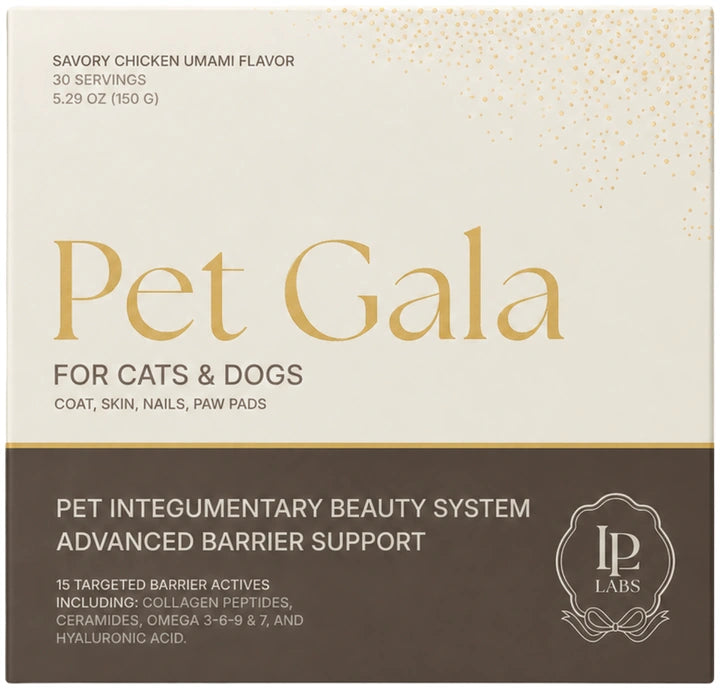
That is the lane Pet Gala™ was built for: a food-mixed daily powder with marine collagen peptides at 500 mg, ceramides at 8 mg, hyaluronic acid at 50 mg, biotin at 50 mcg, and zinc at 1.5 mg per sachet—the barrier lipids, hydration, and keratin inputs a sensitive-skinned breed leans on—every amount disclosed, with lot-level COA lookup. It supports normal skin-barrier and coat condition; it does not treat allergies or infection.

Introduce any new supplement one at a time, keep a weekly photo log in the same light, and if your Cavalier is on medication for allergies or infections—or has a sensitive stomach—ask your veterinarian first. Explore Pet Gala™

When Scratching Is Not Skin: Noticing Neurologic-looking Patterns

Some “skin” behaviors in Cavaliers can be misleading. A dog that scratches the neck, yelps when touched, or seems unusually sensitive during grooming may be signaling discomfort that isn’t primarily dermatologic. Syringomyelia is a known condition in the breed and can include scratching at the neck and touch sensitivity (Wolfe KC, 2010). Older Cavaliers may also experience neurologic conditions such as myoclonus, which can be linked to skin-related signs (Rotter C, 2022).

This matters because the “best shampoo” won’t fix a problem that isn’t on the skin. If the pattern looks odd—intense scratching with minimal redness, or flares that don’t match seasons or products—bring video to your vet. You can still keep the coat comfortable and well-kept, but you’ll be doing it with the right diagnosis in mind.

Ear and Feathering Care That Reduces Itch and Keeps Finish Smooth

Ear feathering and skin folds around the ears can turn small moisture issues into bigger ones. Cavaliers are also prone to ear concerns, and ear discomfort often shows up as face rubbing, head shaking, and “itch” that owners interpret as generalized skin trouble. Keep ears dry after baths, avoid plucking unless your vet recommends it, and ask for an ear cytology when problems repeat (German K, 2025).

For at-home care, think gentle and tidy: wipe the outer ear leather with a vet-approved cleanser, keep feathering brushed to prevent mats, and trim hair that traps moisture if your groomer agrees. When ears feel comfortable, the whole dog looks calmer—eyes softer, posture looser, and the coat sits better because the dog isn’t constantly fussing.

Seasonal Triggers and Simple Routines That Keep Allergens off Coats

Seasonal flares are common in cavalier king charles skin issues, especially when pollen, grasses, and indoor dust shift. You don’t need to eliminate the outdoors; you need a reset routine that keeps triggers from lingering on the coat. A quick rinse of paws and belly after walks, frequent brushing, and laundering bedding can noticeably reduce the “itch load” without turning life into a project (German K, 2025).

If your dog’s skin looks red or feels warm, skip experimenting with multiple new products at once. Choose one change, track it for two weeks, and let your vet guide medication decisions. The most reassuring progress is visible: fewer scratch breaks during play, less chewing at feet, and a coat that stays clean-looking between baths.

Maintenance Versus Flare Care: a Calm Way to Plan Support

A practical way to think about cavalier king charles skin conditions is to separate “maintenance” from “flare care.” Maintenance is what you do when things look good: brushing, gentle bathing cadence, consistent diet, and a supplement that supports coat sheen and skin comfort. Flare care is what you do when things look wrong: vet diagnostics, targeted treatments, and temporarily simplified routines.

Owners often get stuck because they only change things during flares. But the Cavaliers that look the best are usually the ones with steady, low-drama routines. If you want a decision framework, ask: Is this change meant to improve visible condition daily, or is it meant to solve an acute problem? Keeping those lanes separate makes your choices calmer and more effective.

Putting It Together: a Visible, Trustworthy Plan for Daily Comfort

When you’re deciding how to treat skin problems in Cavalier King Charles dogs, the most confidence-building approach is a layered one: confirm what you’re dealing with, reduce obvious irritants, and support the skin-coat-nail system consistently so improvements are easy to see. If infections recur, if itch is intense, or if scratching seems neurologic in pattern, involve your veterinarian early rather than cycling products (Coffey EL, 2024).

The reason a careful, science-minded owner still chooses a daily beauty supplement is simple: it’s the part of the plan that shows up every day. Diagnostics and prescriptions address episodes; daily support helps maintain the polished baseline you want to keep. That baseline—softness, shine, and comfort—is what makes Cavaliers look like themselves.

“Daily support maintains the polished baseline; vet care handles the flare.”

Educational content only. This material is not a substitute for veterinary advice. Always consult your veterinarian about your dog’s specific needs. These statements have not been evaluated by the Food and Drug Administration. Products mentioned are not intended to diagnose, treat, cure, or prevent any disease.

Glossary

  • Atopic Dermatitis: A chronic, allergy-associated skin inflammation that often causes itch, paw licking, and recurrent ear irritation.
  • Skin Barrier: The outer protective layer of skin that helps retain moisture and reduce irritation from allergens and microbes.
  • Cytology: A quick in-clinic test where a vet examines skin or ear debris under a microscope to look for yeast or bacteria.
  • Yeast Overgrowth: Excess yeast on the skin that can cause odor, greasiness, redness, and itch.
  • Hot Spot (Acute Moist Dermatitis): A rapidly developing, moist, painful patch of inflamed skin often triggered by licking or scratching.
  • Elimination Diet Trial: A structured feeding plan used to evaluate whether food triggers contribute to itch or skin flares.
  • Contact Irritation: Localized redness or itch caused by direct exposure to irritants like cleaning sprays, lawn products, or fabrics.
  • Feathering: The longer hair on a Cavalier’s ears, legs, and tail that can trap moisture and debris if not brushed regularly.
  • Syringomyelia-Associated Scratching: Neck or shoulder scratching that may reflect neurologic discomfort rather than a primary skin itch.

Related Reading

References

Wolfe KC. Syringomyelia in the Cavalier King Charles spaniel (CKCS) dog. PubMed Central. 2010. https://pmc.ncbi.nlm.nih.gov/articles/PMC2797361/

Rotter C. Myoclonus in older Cavalier King Charles Spaniels. PubMed Central. 2022. https://pmc.ncbi.nlm.nih.gov/articles/PMC9151451/

Coffey EL. A Novel CARMIL2 Immunodeficiency Identified in a Subset of Cavalier King Charles Spaniels with Pneumocystis and Bordetella Pneumonia. PubMed Central. 2024. https://pmc.ncbi.nlm.nih.gov/articles/PMC10970956/

German K. Exploratory analysis of nutrient composition of adult and senior dog diets. PubMed Central. 2025. https://pmc.ncbi.nlm.nih.gov/articles/PMC12757753/

FAQ

What are the most common Cavalier King Charles skin problems?

Common patterns include itch with paw licking, ear irritation, belly redness, flakes, odor, and recurrent hot spots. Many cases are a mix of allergy triggers and secondary infection, so the look can change week to week. A steady grooming rhythm plus vet checks when symptoms persist helps you keep a comfortable baseline that looks polished.

Why do Cavaliers seem prone to itchy skin and redness?

Their feathered coat can trap moisture and allergens, and many Cavaliers have sensitive skin that reacts visibly to small changes in season, grooming products, or diet. Once the skin is irritated, yeast or bacteria may overgrow and amplify itch. Keeping routines consistent makes triggers easier to spot and helps the coat look calmer between flare-ups.

How can I tell allergies from infection in my Cavalier?

Allergies often look like paw licking, face rubbing, and seasonal belly redness, while infection may add odor, greasiness, pustules, or crusts. The catch is they commonly overlap, so appearance alone can mislead. A quick vet skin cytology can clarify whether yeast or bacteria are present and guide targeted care.

When should I worry about neck scratching that looks like itching?

If your Cavalier scratches at the neck or shoulder with little skin redness, seems sensitive to touch, or yelps during grooming, note it carefully. In this breed, neck scratching can sometimes be associated with syringomyelia-related discomfort rather than a primary skin flare. Bring a short video to your veterinarian so the pattern is evaluated appropriately.

What is the best skin care for Cavalier King Charles daily?

Think gentle consistency: light brushing most days, wiping paws after outdoor time, and bathing only as often as needed with a mild dog shampoo. Avoid heavy fragrance and frequent product switching, which can leave residue and make skin look “busy.”

If your dog has recurring issues, keep notes on seasonality and locations (ears, paws, belly) to share with your vet.

How to treat skin problems in Cavalier King Charles safely?

Start with safe basics: reliable parasite prevention, gentle bathing, and avoiding irritants like scented sprays. If redness, odor, or hair loss persists, your vet can confirm whether infection or allergy is present and choose targeted therapy rather than trial-and-error. At home, introduce only one new product at a time and track visible changes weekly.

Is Pet Gala™ safe for Cavaliers with sensitive stomachs?

Many sensitive dogs do best when any supplement is introduced gradually and given with food. If your Cavalier has a history of vomiting, pancreatitis, or is on prescription medications, it’s wise to ask your veterinarian before starting any new supplement. Watch for appetite changes or loose stool during the first week and pause if anything seems off.

Can supplements replace allergy medication for Cavalier King Charles skin allergies?

Supplements generally support daily skin and coat condition, but they aren’t a substitute for prescription therapy when a dog is truly uncomfortable. If your vet has prescribed allergy medication, keep that plan stable and use supplements as supportive care rather than a swap. The practical goal is a better-looking baseline between flare-ups—less dullness, fewer flakes, and a calmer feel to the coat.

What side effects should I watch for with new skin supplements?

The most common issues are digestive: soft stool, gas, or reduced appetite during the first several days. Less commonly, a dog may seem itchy or uncomfortable if they react to a specific ingredient, especially if they have a history of sensitivities. Introduce one new product at a time, keep other variables steady, and pause if you see persistent GI upset.

Can Pet Gala™ be used with prescription allergy treatments?

In many cases, a skin-and-coat supplement can be paired with prescription allergy care because they serve different roles: medication targets comfort during flares, while daily support focuses on coat feel, shine, and baseline skin condition. Still, your veterinarian should confirm compatibility for your dog’s specific medications. Keep changes simple: add one new item, track visible results, and avoid stacking multiple new products at once.

Do older Cavaliers get different skin issues than younger dogs?

Older dogs may show more dryness, slower coat regrowth, and increased sensitivity to grooming or weather changes. In some older Cavaliers, neurologic conditions such as myoclonus have been noted and may relate to skin-linked signs, so unusual patterns deserve a vet discussion(Rotter C, 2022). A gentle routine with consistent brushing and supportive daily care can keep the coat looking smooth and comfortable.

Are Cavalier King Charles skin problems different in puppies?

Puppies can have sensitive skin from frequent bathing, new environments, or mild parasites, and they may react visibly to grooming products. Because young dogs explore with their mouths and paws, irritation around feet and belly can be common. If a puppy has persistent odor, hair loss, or intense itch, your vet should rule out infection or mites rather than assuming it’s “just puppy skin”.

How long until I see visible results from coat supplements?

Many owners notice early changes like softer feel or less flaking within a few weeks, while fuller coat “finish” often takes longer because hair growth cycles are gradual. The most reliable way to judge is consistent photos in the same lighting and a weekly note on itch and shedding. If your dog is in an active flare, visible progress may depend on vet-directed treatment first.

What quality signals matter when choosing the best skin supplements?

Look for clear ingredient labeling, consistent serving guidance, and a brand that avoids vague “proprietary” descriptions when possible. Practical quality also shows up in how easy it is to give daily and how consistent your dog’s stool and appetite remain after starting. Choose a product that supports visible goals—softness, sheen, and strong nails—rather than promising dramatic medical outcomes.

What is the easiest way to give Pet Gala™ daily?

The easiest routine is the one your dog accepts without negotiation: give it with a meal, at the same time each day, and keep other new items stable for the first week. If your Cavalier is picky, pairing it with a small portion of their regular food can help maintain consistency. Consistency is what makes visible changes easier to trust—coat feel, shine, and reduced flaking are hard to judge when dosing is irregular.

Can I use Pet Gala™ year-round for seasonal skin issues?

Many owners prefer year-round routines because seasonal triggers don’t always arrive on a predictable calendar. A steady baseline—brushing, paw rinses, clean bedding—can reduce buildup on the coat that makes spring and fall feel dramatic. If your dog needs prescription allergy support during peak seasons, keep that plan coordinated with your veterinarian.

Are these skin supplements for dogs only, or cats too?

This page focuses on dogs, and cats have different nutritional sensitivities and grooming behaviors. If you’re considering any skin-and-coat supplement for a cat, confirm the product is labeled for feline use and ask your veterinarian first, especially if your cat has kidney or GI concerns. For Cavaliers specifically, a dog-formulated daily routine is the most straightforward way to support visible coat condition.

What does research say about infections and immune issues in Cavaliers?

There is documented evidence of an immunodeficiency in some Cavalier King Charles Spaniels linked to CARMIL2 mutations, associated with susceptibility to certain infections. While this doesn’t apply to every dog, it supports taking recurrent infections seriously and pursuing clear diagnostics. A strong plan combines vet-led testing with steady daily care that keeps the coat and skin looking calm between episodes.

When should I call the vet for Cavalier King Charles skin issues?

Call your vet if you see open sores, strong odor, pus, rapid hair loss, intense itch that disrupts sleep, or repeated ear infections. Also seek help if scratching seems disproportionate to what you see on the skin, or if your dog is painful when touched. Once acute issues are addressed, a steady daily routine helps maintain the comfortable, well-kept baseline you want.

How do I decide between shampoo changes, diet trials, and supplements?

Use a simple decision rule: if there’s odor, greasiness, pustules, or crusting, prioritize a vet check for infection; if it’s seasonal itch, focus on rinsing routines and allergy management; if the coat is dull or flaky without major inflammation, grooming and daily support may be the most satisfying first step. Change only one variable at a time so you can trust what worked.

La Petite Labs

Discover LPL-01: How This Fits Into a Complete Canine Integumentary Support System

Skin, coat, and nails aren’t cosmetic features. They’re the visible surface of deeper biological systems—barrier function, hydration balance, structural protein turnover, and lipid integrity—working in concert.

When these systems fall out of sync, it shows: dull coat, shedding, dryness, brittleness, sensitivity.

This article explores one piece of that puzzle. If you want to understand how true coat quality and skin resilience are built—and what actually moves the needle—you need to zoom out.

Start with the underlying science: