
The 12 Hallmarks of Aging in Dogs
Read full insightBeta Glucans for Cats
How Beta Glucans Interact with Gut Immunity, Inflammation, and Stool Quality
By La Petite Labs Editorial 15 min read

Most people arrive at beta glucans for cats with a familiar mix of hope and caution. Hope, because the idea of supporting immunity and digestion feels both sensible and humane. Caution, because the supplement aisle is crowded with confident claims and thin specifics. Beta glucans occupy a quieter category: soluble fibers with a long history of use, and a body of research suggesting they can modulate immune responses and support a healthier gut microbial balance.
The nuance is that “beta glucan” isn’t one uniform ingredient. Source and structure matter, and dosing is not interchangeable across products. That’s why the best beta glucans for cats are rarely the loudest ones—they’re the ones that are clearly sourced, consistently made, and easy for your cat to tolerate. In this page, we’ll cover what beta glucans can reasonably support, when to be careful, and how to evaluate a beta glucans supplement for cats without turning your home into a lab.
One more honest question deserves a direct answer: if a careful owner can meet some needs through diet, why choose a product at all? Because resilience isn’t a single-nutrient problem. Many households use targeted fibers like beta glucans, then choose a system-level formula to support the broader metabolic network that helps cats stay steady across stress, aging, and recovery—where the goal is not replacement, but capacity.
- Beta glucans are soluble fibers often used to support immune steadiness and digestive comfort in cats.
- Different sources (yeast, mushroom, grain) can behave differently, so results vary by structure and formulation.
- Gut effects may be gradual, reflecting slow shifts in microbial balance rather than overnight change.
- Safety is generally favorable, with supportive data from broader toxicology work in non-feline models (Delaney B, 2003).
- Dosing is product-specific; introduce slowly and prioritize tolerance over intensity.
- Cats with immune-mediated disease or on immunomodulating drugs should use vet-guided decision-making.
- A system-level formula can stay relevant because resilience depends on more than one ingredient.
Why Beta Glucans Matter When You’re Protecting Everyday Resilience
Beta glucans for cats sit in a useful middle ground: not a drug, not a miracle, but a well-studied class of soluble fibers that can “coach” immune signaling and support a steadier gut environment (Prantil LR, 2016). In practice, that means they’re often considered when a cat’s resilience feels a little thin—seasonal stress, household changes, aging, or a history of digestive sensitivity.
Still, the most practical question isn’t whether beta glucans are “good.” It’s whether a beta glucans supplement for cats fits your cat’s whole picture: diet quality, stool consistency, skin comfort, energy, and how easily they tolerate change. Because beta glucans vary by source and structure, the experience can vary, too (Piecuch A, 2025).

What Beta Glucans Are, and Why Source Shapes the Experience
The phrase “beta glucans” covers a family of fibers found in yeast, fungi (including certain mushrooms), and grains such as oats and barley. What matters is not just the name, but the shape: different linkages and branching patterns can influence how the body recognizes them and what downstream effects are most noticeable (Piecuch A, 2025).
For cats, the most relevant framing is simple: beta glucans are soluble fibers that can interact with immune cells and may help support a healthier gut microbial balance (Prantil LR, 2016). That’s why you’ll see beta glucans supplements for cats positioned for “immune and digestive support” rather than for any single symptom.

Immune Balance: Support Without Overpromising or Oversteering
A cat’s immune system doesn’t live in isolation. It’s shaped by sleep, stress, oral health, parasites, chronic inflammation, and—quietly but powerfully—what happens in the gut. Soluble fibers can act as inputs to that system, influencing the microbial community and the signals it produces (Prantil LR, 2016).
When people talk about beta glucans benefits for cats, they’re usually pointing to this broader “tone-setting” effect: supporting normal immune responsiveness rather than pushing it higher. In other species, β-D-glucans have been associated with improved immune function and gut support, though effects depend on the specific source and structure (Piecuch A, 2025).

Gut Comfort and Stool Quality: the Practical Signals Owners Notice
Gut comfort is often where owners notice changes first: stool consistency, gas, appetite steadiness, and how “touchy” a cat seems after diet shifts. Beta glucans are soluble fibers, and soluble fibers can help shape the gut environment by feeding certain microbes and supporting a more balanced community.
That said, fiber is not automatically gentle. Any new fermentable ingredient can be “too much, too fast” for a sensitive cat. If you’re considering a beta glucans powder for cats, the practical advantage is flexibility: you can start very small, mix thoroughly into wet food, and increase only if stools remain stable.

Safety and Tolerability: What We Know and What to Watch
Owners often ask whether beta glucans are “safe.” In feline nutrition discussions, beta glucans are generally recognized as safe for cats when used appropriately. Broader safety data also exists from non-feline studies: mushroom β-glucan has been evaluated for subchronic toxicity and mutagenicity in rodent models, with findings supporting a favorable safety profile (Chen SN, 2011).
Another 28-day evaluation of concentrated barley beta-glucan in rats reported no significant adverse effects on measured health parameters (Delaney B, 2003). While rodent data can’t be treated as a direct promise for every cat, it helps contextualize why these fibers are widely used in foods and supplements.
“The best supplement choice is the one your cat can take consistently, without drama.”
Dosing and Introduction: Product-specific, Slow, and Vet-guided
The right dose is the one your cat tolerates. Beta-glucan dosing can vary by formulation and intended use, and labels are not interchangeable across sources (yeast vs mushroom vs grain)(Vlassopoulou M, 2021). For that reason, it’s smarter to follow the specific product directions and ask your veterinarian for a cat-specific starting plan—especially if your cat is small, elderly, or medically complex.
A practical approach is to introduce any new beta glucans supplement for cats gradually and watch for stool changes, appetite shifts, or vomiting. If you see persistent GI upset, stop and reassess with your vet. The goal is steady support, not a dramatic “response.”
Side Effects and Contraindications: When to Pause and Ask
Most cats do well with beta glucans, but side effects—when they happen—tend to be gastrointestinal: softer stools, gas, or occasional vomiting after a new addition. Those effects are often about speed of introduction rather than the ingredient itself.
More important are the “should we pause?” situations. If your cat is immunocompromised, undergoing chemotherapy, has an autoimmune condition, or is on immunomodulating medication, discuss beta glucans with your veterinarian first. Because beta glucans can modulate immune responses, they deserve individualized oversight in these cases.

Yeast, Mushroom, and Grain Sources: Why “Beta Glucan” Isn’t One Thing
Not all beta glucans are the same. Yeast-derived beta glucans are often discussed for immune support; mushroom sources are common in “whole-body” blends; oat and barley beta glucans are more often framed around soluble fiber benefits. Across sources, biological effects can differ based on molecular structure and branching.
When comparing the best beta glucans for cats, look for clear sourcing, standardized content where possible, and transparent testing. Avoid products that hide behind proprietary blends without amounts. “Best” is less about hype and more about consistency, tolerability, and quality control.

What Research Suggests in Cats, and What It Doesn’t Promise
There’s a specific pocket of feline research that owners find reassuring: β-1,3-1,6-glucans have been associated with enhanced immune response in cats receiving rabies vaccinations (Byrne, 2020). That doesn’t mean “more is better,” and it doesn’t replace veterinary care, but it does show that certain beta glucan structures can be biologically active in cats.
More broadly, fungal beta-glucans have been shown to enhance immune responses in various studies, with a generally favorable safety profile and relatively few reported adverse effects (Vlassopoulou M, 2021). The key is to keep expectations realistic: support and resilience, not a promise of outcomes.
Life Stage Fit: from Healthy Adults to Seniors with Thinner Margins
If your cat is young and thriving, beta glucans may feel optional. But “optional” isn’t the same as “irrelevant.” Many owners use beta glucans supplements for cats as a low-drama way to support steadiness during predictable stressors: travel, boarding, a new pet, or seasonal shifts.
For senior cats, the conversation often widens. Aging is rarely about one nutrient; it’s about the whole network that keeps appetite, digestion, and immune balance from becoming fragile. That’s why a system-level product can still make sense even if a single ingredient is “already in the diet.”
“Beta glucan is a category, not a guarantee—source and structure shape outcomes.”

DVM Voice: Clinical Vignette of a Common Pattern in Senior Cat Aging
Case provided by JoAnna Pendergrass, DVM
Sasha, a 12-year-old cat, was brought in after her owner noticed increased thirst and urination, lethargy, vomiting, and a generally unkempt appearance. Examination showed weight loss, elevated blood pressure, and reduced vitality.
Diagnostic testing revealed elevated kidney markers, poorly concentrated urine, and protein loss in the urine — findings consistent with chronic kidney disease, one of the most common chronic conditions in senior cats.
Her care required a kidney-focused diet, blood pressure management, targeted supplementation, medication support, and regular monitoring — a necessary plan, but one started after clinical signs were already visible.
Clinical takeaway: Sasha’s case reflects why senior-cat wellness should begin before obvious decline. Earlier monitoring, body-condition tracking, hydration awareness, antioxidant support, and daily cellular resilience may help support quality of life as cats age.
Single-case vignette. Not generalizable. Veterinary diagnosis and monitoring are essential for increased thirst, urination, vomiting, lethargy, weight loss, or suspected kidney disease.

Choosing the Best Beta Glucans Supplement for Cats with Confidence
Choosing the best beta glucans supplement for cats is mostly about avoiding preventable mistakes. First: match the form to the cat. Powders can be easier to titrate; chews can be simpler for households that need routine; capsules can work if your cat reliably takes pills.
Second: look for manufacturing transparency—batch testing, clear labeling, and a source you can identify. Third: consider the full formula. Beta glucans can be a strong supporting actor, but many cats do best when immune and gut support is paired with broader metabolic and cellular support rather than treated as a single-ingredient project.

How to Give It: Mixing, Routine, and Minimizing Food Refusal
Administration is less about technique and more about predictability. Mix thoroughly into a small portion of wet food first, so you can confirm your cat accepts it before adding it to the full meal. If you’re using a beta glucans powder for cats, moisture helps prevent “hot spots” of taste or texture.
Keep a simple log for two weeks: appetite, stool quality, and any vomiting or itchiness. Because dosing can vary by formulation, and because cats can be exquisitely sensitive to change, this small bit of observation is often what separates a smooth experience from a frustrating one (Vlassopoulou M, 2021).

Results Timeline: What’s Reasonable to Expect over Weeks
Timeline expectations should be modest. Some owners notice digestive steadiness within a couple of weeks; immune-related “resilience” is harder to perceive and often shows up as fewer setbacks during stress. Because beta glucans can influence gut microbiota composition, changes may be gradual rather than immediate.
If you’re evaluating results, try to change only one variable at a time. Switching foods, adding probiotics, and starting a new supplement in the same week makes it nearly impossible to know what helped—or what didn’t agree with your cat.
Cats Versus Dogs: Why Feline-specific Decisions Matter Here
Cats are not small dogs. Their digestive physiology, taste preferences, and tolerance for certain fibers can differ. That’s one reason feline-specific guidance matters, even when an ingredient is popular across species. β-D-glucans have shown immune-supporting effects in various species, but outcomes can vary with structure and context.
If you share supplements between pets, pause. A product that’s fine for a dog may be too concentrated, flavored differently, or paired with other ingredients that don’t suit cats. When in doubt, choose a cat-intended product or ask your veterinarian to confirm suitability.
Common Misconceptions That Make Good Supplements Look Ineffective
The most common misconception is that beta glucans “boost” immunity in a simple, linear way. In reality, they’re better described as modulators—inputs that may help the immune system respond more appropriately, depending on the situation. That distinction matters, especially for cats with complex medical histories.
Another misconception is that more is always better. Because dosing varies by formulation and intended benefit, chasing high amounts can create avoidable GI upset without adding value. The best beta glucans for cats are the ones your cat can take consistently, comfortably, and under sensible guidance.

Diet Context: When “Already in Food” Still Isn’t the Whole Story
If your cat eats a complete, balanced diet, they may already consume small amounts of functional fibers. But diet adequacy doesn’t eliminate the appeal of targeted support. Owners often choose a beta glucans supplement for cats when they want a more deliberate, consistent input—especially during aging, stress, or recovery from a rough patch.
It also helps to think beyond a single nutrient. Many cats benefit most when immune and gut support is paired with broader support for cellular energy and oxidative balance—the “background conditions” that make resilience easier to maintain over time.

System-level Support: Keeping the Whole Network Strong over Time
This is where product choice becomes less about chasing the best beta glucans supplements for cats and more about choosing a coherent strategy. If you only add one ingredient, you’re betting that one lever is the limiting factor. In real life, cats—especially older cats—rarely work that way.
A system-level formula can stay relevant because it supports the broader metabolic network that underpins immune steadiness, digestion, and recovery from stress. Beta glucans can be part of that story, but they don’t have to carry the whole load.
A Calm Decision Framework for Owners Who Want Real-world Clarity
If you’re deciding whether to try beta glucans for cats, the most grounded approach is: start with quality, start small, and measure what your cat actually does. Look for comfort signals—stable stools, steady appetite, fewer “off” days—rather than dramatic changes.
And keep the bigger frame in view. Supplements work best when they support a whole system: digestion, immune balance, and the cellular capacity that makes adaptation possible. That’s the lens that helps you choose wisely—and stick with what truly fits your cat.
“Resilience is rarely one lever; it’s a network that holds up under pressure.”
Educational content only. This material is not a substitute for veterinary advice. Always consult your veterinarian about your dog’s specific needs. These statements have not been evaluated by the Food and Drug Administration. Products mentioned are not intended to diagnose, treat, cure, or prevent any disease.
Glossary
- Beta Glucans: A family of soluble fibers found in yeast, fungi, and some grains, used for immune and gut support.
- Soluble Fiber: Fiber that dissolves in water and can be fermented by gut microbes, influencing stool quality and gut environment.
- Microbiota: The community of microorganisms living in the gut that can affect digestion, immune signaling, and comfort.
- Fermentation: The process by which gut microbes break down certain fibers, producing compounds that can affect gut function.
- Immune Modulation: Supporting normal immune responsiveness rather than simply increasing immune activity.
- β-1,3-1,6-Glucans: A structural form of beta glucan often discussed for immune-supporting properties.
- Source Standardization: A manufacturing practice that aims to keep active ingredient content consistent from batch to batch.
- Titration: Gradually increasing a supplement amount to find the best tolerated level for an individual cat.
- Tolerance: How well a cat handles a supplement without unwanted effects like vomiting, gas, or loose stools.
Related Reading
Aging & Senior Cat Guidance
• Cat Age Calculator: Cat Years to Human Years
• Lethargy in Cats
• Senior Cat Not Eating
• Cat Drinking A Lot
• Why Is My Senior Cat Withdrawn?
Healthy Aging Support
• NAD+ for Cats
• NMN for Cats
• Vitamins For Older Cats
• Senior Cat Food
References
Prantil LR. Nutritional analysis and microbiological evaluation of commercially available enteral diets for cats. PubMed. 2016. https://pubmed.ncbi.nlm.nih.gov/26317493/
Luo. Dietary β-glucan supplementation improves growth performance, carcass traits and meat quality of finishing pigs. 2019. https://www.sciencedirect.com/science/article/pii/S2405654518303202
Chen SN. Safety assessment of mushroom β-glucan: subchronic toxicity in rodents and mutagenicity studies. PubMed. 2011. https://pubmed.ncbi.nlm.nih.gov/21856366/
Delaney B. Evaluation of the toxicity of concentrated barley beta-glucan in a 28-day feeding study in Wistar rats. PubMed. 2003. https://pubmed.ncbi.nlm.nih.gov/12615121/
Vlassopoulou M. Effects of fungal beta-glucans on health - a systematic review of randomized controlled trials. PubMed. 2021. https://pubmed.ncbi.nlm.nih.gov/33876798/
Piecuch A. Biological effects of β-D-glucans from natural sources on equine health and performance: A review. PubMed. 2025. https://pubmed.ncbi.nlm.nih.gov/41202658/
Byrne. The Influence of β-1,3-1,6-Glucans on Rabies Vaccination Titers in Cats. 2020. https://www.mdpi.com/2306-7381/7/3/118
Chacon. Prospective Uncontrolled Interventional Study of Itraconazole and β-Glucans (Euglena gracilis) to Assess Safeness and Clinical Effectiveness in Cats with Cutaneous and Mucosal Sporotrichosis. 2025. https://www.mdpi.com/2306-7381/12/9/830
Edo. A critical review on the impacts of β-glucans on gut microbiota and human health. 2025. https://www.sciencedirect.com/science/article/pii/S2950194625001621
Ferreira LG. Oat beta-glucan as a dietary supplement for dogs. PubMed. 2018. https://pubmed.ncbi.nlm.nih.gov/30063762/
Amaral AR. Translating Human and Animal Model Studies to Dogs' and Cats' Veterinary Care: Beta-Glucans Application for Skin Disease, Osteoarthritis, and Inflammatory Bowel Disease Management. PubMed. 2024. https://pubmed.ncbi.nlm.nih.gov/38930453/
Marchi PH. Allergic Reaction to Beta-Glucans in an Obese Dog: A Case Report of Confirmed and Suspected Sources. PubMed. 2025. https://pubmed.ncbi.nlm.nih.gov/40078087/
Ahmed. Bioaccumulation of heavy metals in some commercially important fishes from a tropical river estuary suggests higher potential health risk in children than adults. Nature. 2019. https://www.nature.com/articles/s41598-021-00467-4
Macías-Montes. Risk assessment of the exposure to mycotoxins in dogs and cats through the consumption of commercial dry food. 2020. https://www.sciencedirect.com/science/article/pii/S0048969719345838
FAQ
What are beta glucans, and why are they used?
Beta glucans are soluble fibers found in sources like yeast, fungi, and certain grains. In cats, they’re used to support normal immune responsiveness and to help maintain a healthier gut environment over time.
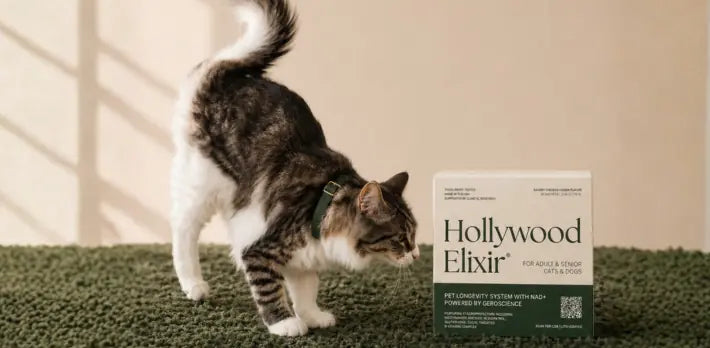
They’re best viewed as a steadying input, not a quick fix. For owners who want broader, system-level support alongside targeted ingredients, Hollywood Elixir™.
Do beta glucans for cats support immune health?
Beta glucans for cats are commonly chosen to support immune balance, meaning they may help the immune system respond appropriately rather than simply “turning it up”. The effect can depend on the beta glucan source and structure.
If your goal is everyday resilience—especially in older cats—pairing immune support with broader metabolic support can be a more complete approach, which is why some owners include Hollywood Elixir™.
Can beta glucans help with a cat’s digestion?
Because beta glucans are soluble fibers, they can support digestive comfort by helping shape the gut environment and microbiota composition. Owners often pay attention to stool consistency and appetite steadiness when evaluating whether a product agrees with their cat.
Digestive support tends to work best when changes are introduced slowly and paired with overall wellness habits; many owners build that broader foundation with Hollywood Elixir™.
Are beta glucans safe for cats to take daily?
In general discussions of feline nutrition, beta glucans are considered safe for cats when used appropriately and introduced gradually. Most issues, when they occur, are mild GI changes like softer stools.
Daily use should still be individualized, especially for seniors or cats on multiple medications. For owners who prefer a broader daily routine that supports resilience beyond one ingredient, consider Hollywood Elixir™.
Which cats should avoid beta glucans without vet guidance?
Cats with immune-mediated disease, those receiving chemotherapy, or cats on immunomodulating medications should only use immune-active supplements with veterinary guidance. Beta glucans can modulate immune responses, so the context matters.
If your cat is medically complex, a vet can help you choose a plan that supports overall stability rather than adding unnecessary variables; that’s also the philosophy behind Hollywood Elixir™.
How do I choose the best beta glucans for cats?
The best beta glucans for cats are usually the ones with clear sourcing, transparent labeling, and quality testing. Because effects can vary by structure and source, “beta glucan” on a label isn’t enough to compare products meaningfully.
Also consider the full formula and your cat’s tolerance. If you want a more comprehensive approach than a single ingredient, many owners pair targeted choices with Hollywood Elixir™.
Is a beta glucans powder for cats easier to use?
A beta glucans powder for cats can be easier because you can start with a very small amount and adjust slowly. That flexibility is helpful for cats with sensitive digestion or picky eating habits.
Mix it thoroughly into wet food and keep the rest of the routine stable so you can judge tolerance. For owners who prefer a consistent daily foundation alongside powders or add-ons, Hollywood Elixir™.
How quickly might I notice changes after starting beta glucans?
Digestive changes, if they happen, are often noticed within a couple of weeks, while “resilience” is subtler and may show up as fewer off-days during stress. Because beta glucans can influence the gut microbiota, shifts may be gradual.
Track appetite and stool quality rather than looking for dramatic signals. If you want support that’s designed around long-term steadiness, many owners also use Hollywood Elixir™.
Can beta glucans cause diarrhea or vomiting in cats?
They can, especially if introduced too quickly or if the cat is sensitive to fermentable fibers. The most common issues are softer stools, gas, or occasional vomiting after a new supplement is added.
If symptoms persist, stop and speak with your veterinarian to rule out other causes. For a steadier baseline that supports overall resilience, consider Hollywood Elixir™.
Do beta glucans interact with vaccines or immune responses?
One feline study noted that β-1,3-1,6-glucans may enhance immune response in cats receiving rabies vaccinations(Byrne, 2020). That’s not a reason to self-prescribe around vaccines, but it does show these fibers can be biologically active in cats.
If your cat has a history of vaccine reactions or immune disease, ask your veterinarian before timing supplements around vaccines. For broader daily support beyond any single event, Hollywood Elixir™.
Are yeast and mushroom beta glucans the same thing?
They’re related, but not identical. Beta glucans differ by source and molecular structure, and those differences can influence how they behave in the body. That’s why two products can both say “beta glucan” yet feel different in real-world use.
If you’re comparing options, prioritize transparency and your cat’s tolerance over trendiness. For owners who want a more complete resilience strategy, Hollywood Elixir™.
What quality signals matter in beta glucans supplements for cats?
Look for clear identification of the beta glucan source, standardized content when available, and evidence of quality testing. Because dosing and effects can vary by formulation, vague labels make it hard to compare products responsibly.
Also consider what else is in the formula—flavors, fillers, and additional actives can matter as much as the beta glucan itself. For a system-level option designed for long-term steadiness, Hollywood Elixir™.
Can kittens take beta glucans, or is it for adults?
Kittens have different nutritional priorities and smaller margins for error, so any supplement should be discussed with a veterinarian first. Even generally well-tolerated fibers can cause GI upset if the dose or timing isn’t right.
For most households, the focus in kittens is complete growth nutrition and parasite prevention, with supplements added only when there’s a clear reason. For broader, age-spanning resilience support, Hollywood Elixir™.
Do senior cats benefit differently from beta glucans?
In seniors, the goal is often steadiness: digestion that doesn’t swing, appetite that stays reliable, and fewer setbacks during stress. Beta glucans are used as one tool to support immune and gut balance, which can feel more relevant as resilience thins with age.
Because aging is multi-factorial, many owners prefer pairing targeted fibers with broader metabolic support rather than relying on one ingredient alone, including Hollywood Elixir™.
Are beta glucans for cats different from dog products?
Sometimes the ingredient is similar, but the product design may not be. Cats can be more sensitive to flavors, textures, and additional ingredients, and they shouldn’t automatically share dosing logic with dogs. Effects of β-D-glucans can also vary by context and structure.
If you’re choosing between pet products, prioritize feline-appropriate formulation and vet guidance when needed. For a cat-centered approach to long-term resilience, Hollywood Elixir™.
Can beta glucans be used alongside probiotics for cats?
They’re often paired, since beta glucans are soluble fibers and probiotics are live microbes; together they may support a gut environment that’s easier to keep stable. The main risk is introducing too many changes at once, which can confuse the picture if stools change.
If you combine them, introduce one product first and wait before adding the second. For owners who want a simpler, system-level daily baseline, Hollywood Elixir™.
What does research say about beta glucans benefits for cats?
Feline-specific evidence includes work suggesting β-1,3-1,6-glucans may enhance immune response in cats receiving rabies vaccinations(Byrne, 2020). Broader literature also supports immune-enhancing effects of fungal beta-glucans, with generally favorable safety observations.
The responsible takeaway is support, not certainty: source, structure, and the individual cat all matter. For a wider resilience framework beyond a single ingredient, Hollywood Elixir™.
How do I decide between single-ingredient and blended formulas?
Single-ingredient products are useful when you’re testing tolerance or targeting one narrow goal. Blends can make sense when you’re supporting an older cat or a cat under chronic stress, where resilience depends on multiple systems working smoothly.
If you’re science-minded, ask: “What’s the limiting factor for my cat right now—one input, or overall capacity?” Many owners choose a system-level option like Hollywood Elixir™.
When should I call my vet about starting beta glucans?
Call your vet if your cat has chronic vomiting or diarrhea, unexplained weight loss, is on immune-affecting medications, or has a diagnosed immune condition. Because beta glucans can modulate immune responses, these situations deserve individualized guidance.
Also check in if your cat is elderly with multiple conditions, where small changes can have outsized effects. For owners seeking a broader daily resilience plan, Hollywood Elixir™.
What makes the best beta glucans supplements for cats worth it?
The best beta glucans supplements for cats are “worth it” when they’re consistent, well-sourced, and tolerated—because benefits depend on steady use, not intensity. Since dosing varies by formulation, a trustworthy label and predictable response matter more than big promises.
Many owners also value products that support the broader conditions for resilience—energy, recovery, and day-to-day steadiness—alongside targeted fibers, such as Hollywood Elixir™.

Discover LPL-01: How This Fits Into a Larger Feline Longevity System
Aging in cats unfolds quietly. It’s not driven by a single failure, but by gradual shifts across interconnected systems — cellular energy, oxidative balance, immune tone, and tissue integrity — each influencing the others over time.
This article explores one layer of that system. To understand what actually shapes long-term health, you need to step back and look at how these layers interact.
Start with the underlying science:
- Feline Geroscience Framework →
A structured view of how aging progresses across cellular energy, inflammation, and resilience systems. - Senior Biological Defense Coverage (BDC) Modeling →
A systems-level map of which biological pathways decline first, and how layered interventions can support them. - Feline Geroscience Evidence Framework →
A breakdown of what is strongly supported in the literature versus what is still emerging. - LPL-01 Standard →
The formulation system that translates these models into real-world supplementation—covering multiple pathways in a coordinated way.
Essential Summary
Why are beta glucans for cats important?
Beta glucans are soluble fibers that can support immune balance and a healthier gut environment in cats when used thoughtfully. Because sources and structures differ, the best choice is the one your cat tolerates consistently. Start slowly, watch stool and appetite, and involve your veterinarian for cats with complex conditions.
If you like the idea of beta glucans but want broader, system-level support for aging cats, Hollywood Elixir is designed to complement diet and single-ingredient supplements by supporting the metabolic network that underpins resilience—energy, recovery, and day-to-day steadiness—rather than focusing on one input alone.
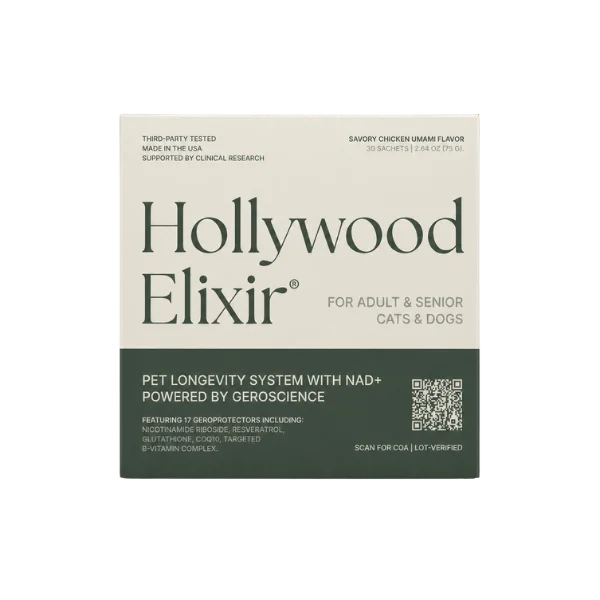
Longevity Core
Hollywood Elixir®
★★★★★(313)
More good years, starting now — steady energy, engagement, and a pet who keeps showing up fully, every day.
Starting at $89/mo
Hollywood Elixir is amazing! She put back on 5 lbs to a healthy weight, her eyes are shiny, her coat is beautiful!
— Jessie
She hopped up onto the windowsill again for the first time in years.
— Charlie
Considering beta glucans for cats?
If you're looking for beta glucans for cats
If you’re considering beta glucans for cats, start by deciding what “success” looks like: steadier stools, fewer digestive upsets during change, or a calmer baseline in an older cat. Choose a product with clear sourcing and directions, introduce it slowly, and keep the rest of the routine stable so you can judge tolerance. If your cat has immune disease or takes immune-affecting medications, involve your veterinarian before adding anything that can modulate immune responses. For owners who want more than a single-ingredient approach, Hollywood Elixir can complement targeted fibers by supporting the broader systems that influence resilience—energy, recovery, and day-to-day steadiness—so your plan doesn’t depend on one input alone.
Veterinary Insights

Learn about how our DVMs think about cat aging
Dr. JoAnna Pendergrass DVM


Longevity Core
Hollywood Elixir®
★★★★★(313)
More good years, starting now — steady energy, engagement, and a pet who keeps showing up fully, every day.
Starting at $89/mo
Wellness Tools
Explore your cat’s changing needs over time


Related Reading
Most people arrive at beta glucans for cats with a familiar mix of hope and caution. Hope, because the idea of supporting immunity and digestion feels both sensible and humane.
