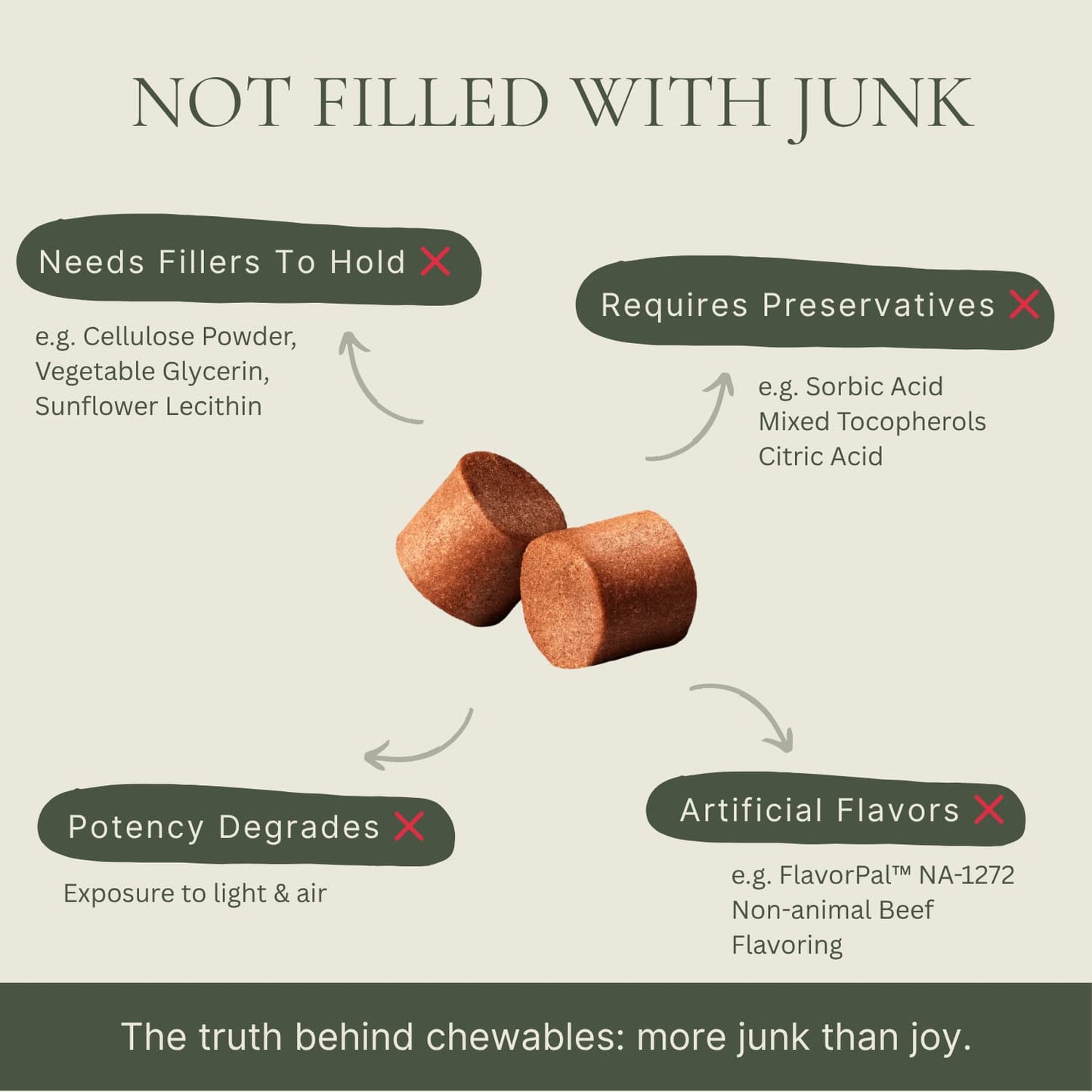
Because feline-specific outcome data are limited, practical risk management becomes the priority when considering NMN. Start with formulation quality: look for clear labeling of the single active (nicotinamide mononucleotide), transparent excipients, and basic quality controls (e.g., third-party testing or lot documentation when available). NMN can be sensitive to heat and moisture, so stability and storage matter—keep products sealed, dry, and away from high temperatures, and avoid using powders that clump, discolor, or develop off-odors.
Tolerance monitoring should be conservative. Discuss NMN with a veterinarian if your cat has kidney disease, liver disease, diabetes, hyperthyroidism, cancer, is pregnant/nursing, or takes chronic medications, since interactions and altered metabolism are plausible even when not well-studied in cats. Practical prompts for a vet conversation include: current diagnoses, medication list, baseline appetite/weight, hydration and litter box patterns, and whether any labwork should be checked before and after introducing a new supplement.
Avoid multi-ingredient “stacks” at first. Single-ingredient NMN makes it easier to attribute any change—good or bad—and reduces the chance of overlapping actives that complicate tolerance and monitoring (Turner, 2021).