Inflammation in Cats

Identify Hidden Inflammation Signs and Use Targeted Nutrition to Protect Aging Tissues

Essential Summary

Why is inflammation in cats important?

Inflammation can be protective in the short term, but lingering inflammation may quietly change a cat’s comfort, appetite, and mobility. The most useful approach is to identify the driver with your veterinarian, then support recovery with consistent routines, thoughtful nutrition, and system-level resilience support—especially as cats age.

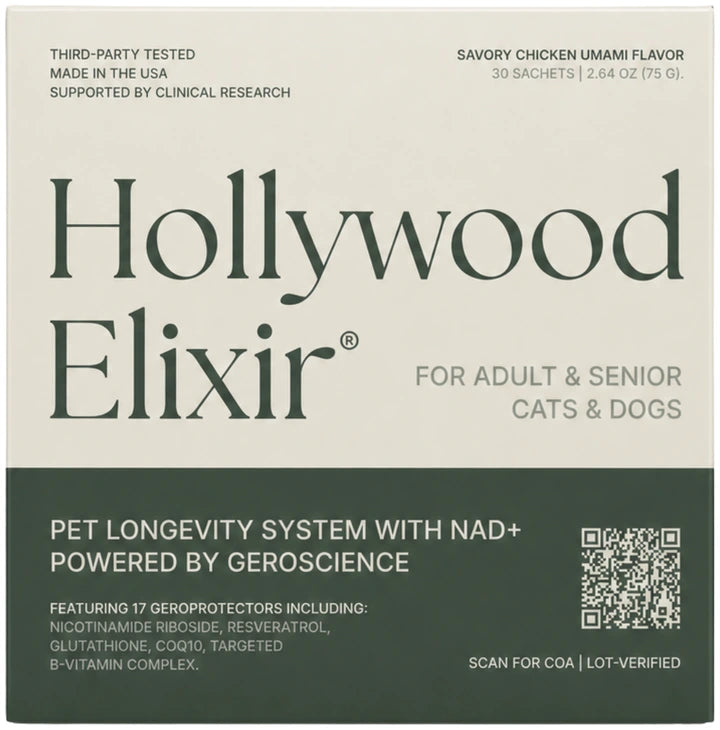
Hollywood Elixir™ is designed for graceful aging support—helping reinforce antioxidant balance and NAD+ related cellular resilience so your cat can better handle everyday stressors that may contribute to inflammatory load over time.

Inflammation in cats rarely announces itself with drama. More often, it arrives as a series of small edits: a favorite jump abandoned, a shorter play session, a coat that looks slightly less cared for. These changes can be easy to dismiss—until you realize they’re connected by a single theme: the body is spending more time in “response mode” than in “recovery mode.”

This page is designed to help you recognize symptoms of inflammation in cats, understand common causes of inflammation in cats, and think clearly about inflammation in cats treatment options without turning your home into a clinic. The most reliable path is still veterinary diagnosis and targeted care. But there is also a quieter, daily layer that matters: reducing the background stressors that keep inflammation from resolving, and supporting the systems that help a cat return to baseline.

That’s where antioxidants and NAD+ related support fit. Even when a cat eats well, aging can change how efficiently cells manage stress and repair. A system-level formula can support the broader network—energy, recovery, and oxidative balance—rather than trying to act like a single “best anti-inflammatory for cats.” Hollywood Elixir™ is positioned for owners who want that steady foundation alongside vet-led care: not a replacement for treatment, but a way to support resilience across the ordinary strains of a long life.

By La Petite Labs Editorial, ~15 min read

Featured Product:

  • Inflammation is a normal repair signal, but it becomes costly when it doesn’t resolve.
  • Symptoms often look like subtle behavior changes: less jumping, less grooming, more hiding.
  • Causes range from arthritis and dental disease to respiratory or systemic infections.
  • Treatment works best when the driver is identified, then comfort is supported thoughtfully.
  • Diet, weight, and home setup can reduce daily friction that keeps inflammation simmering.
  • Supplements are most useful as resilience support, not as replacements for diagnosis or medication.
  • System-level support can matter because many cats face overlapping, age-shaped stressors over time.

A Quiet Force Behind Many Changes You Notice over Time

Inflammation is not automatically the enemy. In a healthy cat, it is a short-lived, tightly managed response that helps the body isolate a problem and begin repair. Trouble starts when the signal doesn’t resolve—when irritation, infection, injury, or chronic disease keeps the immune system “on,” quietly reshaping comfort, appetite, mobility, and mood over time.

Because inflammation in cats can look like “just aging” or “just picky behavior,” it’s often missed until it becomes disruptive. The goal is not to suppress every immune response; it’s to identify what’s driving it, reduce unnecessary triggers, and support the systems that help a cat return to baseline—especially as resilience naturally changes with age (see: Anti-aging Supplements for Cats).

Visualization of mitochondria illustrating cellular support pathways for best supplements for inflammation in cats.

Acute Versus Chronic Inflammation and Why the Difference Matters

The most useful first step is learning the difference between normal, short-term inflammation and the kind that lingers. Acute inflammation may follow a minor injury or a brief infection and then fade. Chronic inflammation tends to persist, sometimes at a low level, and can be associated with long-term conditions such as osteoarthritis or heart disease (Kroficˇ Žel M, 2025).

Cats are masters of adaptation. They may simply move less, jump differently, or sleep more—changes that can be easy to rationalize. But when you notice a cluster of small shifts, it’s worth treating it as information. The earlier you identify a driver, the more options you typically have.

Close-up DNA helix tied to cellular integrity and support from causes of inflammation in cats.

Common Signs and Symptoms Owners Actually See at Home

Inflammation in cats signs and symptoms often show up as “soft” changes: reduced appetite, less grooming, hiding, or a shorter temper. Physical clues can include stiffness after rest, reluctance to climb, sensitivity when touched, or changes in stool quality. None of these prove inflammation on their own, but together they can point toward an underlying process worth investigating.

Keep notes on timing and triggers. Does your cat seem worse after play? After cold mornings? After stressful events? This kind of pattern recognition helps your veterinarian narrow the list of possibilities and choose the right diagnostics, rather than guessing based on a single symptom.

Structural biology image symbolizing ingredient integrity supported by inflammation in cats signs and symptoms.

The Most Common Causes, from Teeth to Airways to Joints

The causes of inflammation in cats are broad: orthopedic wear-and-tear, dental disease, allergies, infections, autoimmune conditions, and organ disease can all be involved. Some causes are obvious (a limp after a fall). Others are quiet (a chronic respiratory issue or low-grade systemic infection). Mycoplasma-associated respiratory disease is one example where infection and inflammation can overlap (Le Boedec K, 2017).

Because the list is long, the goal is not to self-diagnose. It’s to bring your veterinarian a clear description of changes and a timeline. That information often determines whether the next step is bloodwork, imaging, dental evaluation, or a targeted trial of therapy.

Expressive pug face reflecting gentle aging support associated with inflammation in cats.

When Inflammation Is Whole-body, Not Just One Sore Spot

Some inflammatory problems are localized. Others are systemic, affecting multiple organs at once. Leptospiral infection, for example, has been associated with significant inflammatory responses and can present with fever and kidney-related signs (Ricardo T, 2023). While not every cat with lethargy has an infection, systemic inflammation is one reason veterinarians take “not quite right” seriously.

If your cat seems suddenly unwell—especially with fever, dehydration, or reduced urination—seek veterinary care promptly. Systemic inflammation can escalate quickly, and supportive care is most effective when started early and tailored to the underlying cause (related: Immunomodulation for Cats).

Hollywood Elixir™ is amazing and makes my 13 y/o kitty young again!

— Jessie

She hopped up onto the windowsill again—first time in years.

— Charlie

“In cats, inflammation is often less a symptom than a pattern.”

Joint Inflammation and the Cat Who Simply Jumps Less

Joint inflammation is one of the most common “hidden” issues in adult cats. Osteoarthritis can look like a personality change: less play, fewer jumps, more time alone. Reviews of enriched therapeutic diets and nutraceuticals suggest some approaches may reduce osteoarthritis-associated inflammation and improve mobility in cats (Barbeau-Grégoire M, 2022).

A practical home setup matters: low-entry litter boxes, soft landing spots, steps to favorite perches, and gentle daily movement. These changes reduce the day-to-day friction that keeps inflammation simmering. Supplements can be considered as part of a broader plan, not as the plan.

Elegant dog portrait reflecting alertness and natural vitality supported by causes of inflammation in cats.

How to Treat Inflammation with a Vet-led, Layered Plan

How to treat inflammation in cats starts with a simple principle: treat the driver, then support recovery. If the driver is dental disease, the solution may be dental care. If it’s arthritis, it may be weight management, pain control, and environmental changes. If it’s infection, it may be targeted therapy and monitoring.

Supportive strategies are still meaningful because they influence how a cat tolerates stress and how quickly they rebound (see: Beta Glucans for Cats). That includes hydration, high-quality protein, appropriate calories, and ingredients that support antioxidant defenses. This is where owners can contribute daily, without trying to replace medical decision-making.

Close-up profile of a dog symbolizing awareness and vitality via inflammation in cats signs and symptoms.

When Symptoms Suggest Something More Than Routine Soreness

Veterinary evaluation is especially important when inflammation is paired with neurological or breathing changes. Intervertebral disc disease can involve spinal inflammation that affects mobility and comfort, and may contribute to pain and neurological deficits (Ebeling R, 2025). Respiratory inflammation can also be tied to infectious contributors, including Mycoplasma species (Le Boedec K, 2017).

In these cases, home supplementation should be secondary to diagnosis and stabilization. Once your veterinarian has a plan, you can discuss supportive options that fit your cat’s medications and organ function. The best outcomes usually come from alignment, not improvisation.

Visual ingredient map showing formulation transparency connected to inflammation in cats treatment options.

Oxidative Stress, Aging, and the Background Conditions That Matter

Inflammation is closely linked to oxidative stress—an imbalance between reactive molecules and the body’s ability to neutralize them. Over time, this can influence how tissues age and how strongly the immune system reacts. In chronic conditions, the goal is often to reduce the background “noise” so the body can respond more proportionately.

This is one reason antioxidant support is often discussed for older cats (related: Superfoods for Cats). Even when a nutrient is present in food, the broader network—energy production, repair, and stress handling—can still benefit from support as resilience shifts with age. A system-level approach is less about chasing one symptom and more about supporting steadier days.

When the Heart Is Involved, Subtle Signals Matter More

Inflammation in cats is sometimes tied to the heart, even when outward signs are subtle. Chronic inflammation has been observed in cats with cardiomyopathies, and inflammatory markers may be part of the broader picture of cardiac disease (Kroficˇ Žel M, 2025). That doesn’t mean inflammation is the only cause—but it can be a meaningful contributor to how a cat feels day to day.

If your cat has known heart disease, focus on consistency: stable routines, low-stress handling, and vet-guided medication plans. Nutritional support is best framed as “background resilience”—supporting cellular stress handling and recovery capacity rather than chasing a single marker. That’s where antioxidant-forward, system-level support can fit alongside medical care (see: Astaxanthin for Cats).

“The goal isn’t to silence the immune system; it’s to help it resolve.”

Lab coat visual symbolizing disciplined formulation supporting symptoms of inflammation in cats.

Choosing the Best Anti-inflammatory for Cats Starts with Context

When owners search for the best anti-inflammatory for cats, they’re often really asking for the safest way to restore comfort. In practice, the “best” option depends on the suspected cause, the organ systems involved, and the cat’s age and history. Anti-inflammatory medications can be appropriate, but they’re not interchangeable, and they’re not a substitute for diagnosis.

A thoughtful plan usually combines targeted veterinary treatment with supportive measures that reduce overall inflammatory load: weight management, joint-friendly movement, dental care, and nutrition that supports recovery. Supplements can be part of that picture when chosen for quality and tolerability, and when they’re used to support the whole system rather than “override” it (related: The Best Antioxidant Supplements for Cats).

Shop Now
Premium ingredient tableau framing Hollywood Elixir aligned with best anti-inflammatory for cats.

Comparing Inflammation Treatment Options Without Chasing Quick Fixes

If you’re comparing inflammation in cats treatment options, it helps to separate “cause control” from “comfort support.” Cause control might include antibiotics for specific infections, parasite control, dental procedures, or disease-specific medications. Comfort support might include pain management, hydration strategies, diet adjustments, and carefully selected nutraceuticals.

For osteoarthritis, enriched therapeutic diets and certain nutraceutical approaches have been reviewed for their potential to reduce inflammation and improve mobility (Barbeau-Grégoire M, 2022). The key word is potential: response varies, and quality matters. A vet can help you choose options that fit your cat’s medical profile and avoid stacking too many changes at once.

Shop Now
Owner and dog moment highlighting wellness rituals supported by best supplements for inflammation in cats.

What to Look for in the Best Supplements for Inflammation

Owners often ask about the best supplements for inflammation in cats because supplements feel gentler than medications. The most useful way to think about supplements is not as “natural drugs,” but as support for the body’s ability to handle stress, repair tissues, and return to equilibrium. That framing keeps expectations realistic and helps you evaluate products more clearly.

Look for: transparent sourcing, third-party testing where available, cat-appropriate dosing guidance, and a formula that supports multiple parts of the resilience network (oxidative stress handling, cellular energy, and recovery) (see: CoQ10 for Cats). If your cat has kidney, liver, or heart disease, or takes prescription medications, bring the full ingredient list to your veterinarian before starting anything new.

Shop Now

Reading Behavioral Shifts as Possible Inflammation Signals

A common frustration is that symptoms of inflammation in cats can be behavioral: hiding, irritability, reduced play, or changes in grooming. These are not “drama.” They are often a cat’s most honest language. When inflammation is present, cats may conserve energy, avoid touch, or change how they move through the home.

Track small signals over a week: appetite consistency, litter box habits, willingness to jump, and tolerance for being picked up. Patterns matter more than single moments. If you see rapid decline, breathing changes, repeated vomiting, or obvious pain, treat it as urgent. Early evaluation can prevent a slow problem from becoming a crisis.

Respiratory Triggers That Can Keep Inflammation Smoldering

Some causes of inflammation in cats are infectious. Mycoplasma species have been associated with respiratory tract disease in cats, suggesting a potential role in airway inflammation (Le Boedec K, 2017). In these cases, “support” is not a replacement for treatment; it’s a way to help the cat maintain appetite, hydration, and recovery capacity while the primary issue is addressed.

If your cat has sneezing, nasal discharge, coughing, or labored breathing, your veterinarian may recommend diagnostics and targeted therapy. At home, keep stress low, ensure easy access to water, and avoid strong scents. Once the acute phase is controlled, longer-term resilience support can help reduce the impact of future stressors (related: Adaptogens for Cats).

Visual comparison highlighting no fillers advantage aligned with inflammation in cats signs and symptoms.

Systemic Inflammation: When Infection and Organs Intersect

Systemic infections can also drive inflammation. Leptospiral infection has been linked to significant inflammatory responses in domestic cats, and affected cats may show fever and renal dysfunction alongside elevated inflammatory markers (Ricardo T, 2023). While leptospirosis is not the most common explanation for everyday aches, it’s a reminder that inflammation can be whole-body, not just “a sore joint.”

Diagnosis may involve serology and PCR testing, depending on timing and clinical suspicion (Andityas M, 2024). If your veterinarian is investigating systemic inflammation, bring a clear timeline: appetite, water intake, urination, energy, and any exposure risks. Supportive care should be coordinated with medical treatment, especially when kidneys may be involved.

Shop Now
Hollywood Elixir box in open packaging, showing premium presentation for inflammation in cats signs and symptoms.

Spine and Nerve Involvement: When Speed and Caution Matter

Pain and inflammation are often intertwined, but they are not identical. A cat can have inflammation with minimal obvious pain, and a cat can show pain behaviors even when inflammation is not the primary driver. Spinal conditions such as intervertebral disc disease can involve inflammation that affects mobility and comfort, sometimes with neurological changes (Ebeling R, 2025).

If your cat suddenly struggles to jump, drags a limb, cries out, or seems unsteady, treat it as time-sensitive. Home “wait and see” can be risky when nerves are involved. After stabilization and diagnosis, long-term support can focus on maintaining muscle, reducing stress load, and supporting cellular recovery—especially in older cats.

Shop Now

Why System-level Support Still Makes Sense for Many Cats

A science-minded owner may reasonably ask: if inflammation has many causes, why choose a single daily product at all? The answer is that many cats don’t have one isolated issue; they have a shifting mix of age, stress, micro-injuries, and low-grade irritation. System-level support aims to improve the background conditions that influence how strongly a cat reacts—and how well they recover—across many scenarios.

Hollywood Elixir™ is positioned for that role: not as a replacement for veterinary treatment, and not as a single-nutrient fix, but as a way to support antioxidant balance and NAD+ related cellular resilience as part of graceful aging (see: Natural Immune Booster for Cats). For many households, that’s the practical middle ground between “do nothing” and “chase every symptom.”

“System-level support matters when life is made of overlapping, low-grade stressors.”

Educational content only. This material is not a substitute for veterinary advice. Always consult your veterinarian about your cat’s specific needs. These statements have not been evaluated by the Food and Drug Administration. Products mentioned are not intended to diagnose, treat, cure, or prevent any disease.

Glossary

  • Acute Inflammation: A short-term immune response that starts quickly and typically resolves once the trigger is removed.
  • Chronic Inflammation: A longer-lasting inflammatory state that can persist for weeks to months, often linked to ongoing disease or repeated irritation.
  • Inflammatory Load: The combined burden of multiple small triggers (weight, stress, dental disease, joint wear) that can keep inflammation from fully settling.
  • Osteoarthritis: Degenerative joint disease that can cause stiffness, reduced jumping, and chronic discomfort in cats.
  • Oxidative Stress: An imbalance between reactive molecules and protective defenses, often discussed in the context of aging and chronic conditions.
  • Systemic Inflammation: Inflammation affecting the whole body, sometimes associated with infections or organ disease rather than a single sore area.
  • Nutraceutical: A food-derived product used to support health, often positioned between diet and medication.
  • Resilience (Health Context): The body’s capacity to respond to stressors and return toward baseline function over time.
  • Intervertebral Disc Disease (IVDD): A spinal condition that can involve inflammation, pain, and sometimes neurological deficits.

Related Reading

References

Ebeling R. Feline intervertebral disc disease: a systematic review and meta-analysis.. PubMed. 2025. https://pubmed.ncbi.nlm.nih.gov/41006947/

Le Boedec K. A systematic review and meta-analysis of the association between Mycoplasma spp and upper and lower respiratory tract disease in cats.. PubMed. 2017. https://pubmed.ncbi.nlm.nih.gov/28165317/

Ricardo T. Leptospiral infection in domestic cats: Systematic review with meta-analysis.. PubMed. 2023. https://pubmed.ncbi.nlm.nih.gov/36706556/

Kroficˇ Žel M. Evidence for chronic inflammation in cats with cardiomyopathies.. PubMed. 2025. https://pubmed.ncbi.nlm.nih.gov/40999563/

Barbeau-Grégoire M. A 2022 Systematic Review and Meta-Analysis of Enriched Therapeutic Diets and Nutraceuticals in Canine and Feline Osteoarthritis.. PubMed. 2022. https://pubmed.ncbi.nlm.nih.gov/36142319/

Andityas M. Feline leptospirosis prevalence worldwide: A systematic review and meta-analysis of diagnostic approaches.. PubMed. 2024. https://pubmed.ncbi.nlm.nih.gov/38595668/

Hall. The impact of periodontal disease and dental cleaning procedures on serum and urine kidney biomarkers in dogs and cats.. Springer. 2021. https://link.springer.com/article/10.1186/s12917-024-04110-y

Lascelles. Nonsteroidal anti-inflammatory drugs in cats: a review. PubMed. 2007. https://pubmed.ncbi.nlm.nih.gov/17451496/

Frankel G. Five things every community pharmacist should know when dispensing for 4-legged patients.. PubMed Central. 2016. https://pmc.ncbi.nlm.nih.gov/articles/PMC4813516/

Kong. The Pharmacokinetic and Absolute Bioavailability of Cyclosporine (Atopica for Cats®) in Cats. 2023. https://www.mdpi.com/2306-7381/10/6/399

Schuh. Pharmacokinetics of a single orally administered therapeutic dosage of cyclosporine A in healthy cats. 2023. https://www.sciencedirect.com/science/article/abs/pii/S0034528823001571

Summers S. Evaluation of iron, copper and zinc concentrations in commercial foods formulated for healthy cats.. PubMed Central. 2022. https://pmc.ncbi.nlm.nih.gov/articles/PMC10812249/

RVA. Toxic element levels in ingredients and commercial pet foods.. PubMed Central. 2021. https://pmc.ncbi.nlm.nih.gov/articles/PMC8546090/

Peloquin. Presumed Choline Chloride Toxicosis in Cats With Positive Ethylene Glycol Tests After Consuming a Recalled Cat Food. 2021. https://www.sciencedirect.com/science/article/pii/S1938973621000416

FAQ

What is inflammation in cats, in plain everyday terms?

Inflammation is the body’s short-term “repair mode.” It increases immune activity and changes blood flow so tissues can respond to irritation, injury, or infection. In cats, the challenge is that the outward signs can be quiet, so the process may run longer than you’d expect.

When it lingers, the goal is to find the driver and support recovery rather than simply masking discomfort. For system-level resilience support alongside your vet’s plan, consider Hollywood Elixir™.

Why does ongoing inflammation matter for a cat’s quality of life?

Ongoing inflammation can quietly change how a cat moves, rests, and interacts. Instead of obvious limping, you may see fewer jumps, shorter play sessions, or more time spent alone. Over time, that can affect muscle tone, appetite patterns, and overall comfort.

The most helpful approach is to identify the cause with your veterinarian and then reduce the background load with consistent routines and supportive nutrition. For daily system support that fits that philosophy, many owners use Hollywood Elixir™.

What are common symptoms of inflammation in cats at home?

Symptoms of inflammation in cats often look like small behavior shifts: less grooming, hiding, reduced appetite, stiffness after rest, or reluctance to jump. Some cats become touch-sensitive or seem “grumpier,” especially around the back, hips, or shoulders.

Because these signs overlap with many conditions, bring a timeline and any patterns to your vet. For gentle, daily support aimed at overall resilience rather than quick fixes, consider Hollywood Elixir™.

What causes inflammation in cats most often as they age?

In adult and senior cats, common causes include osteoarthritis, dental disease, skin allergies, and chronic organ strain. Infections can also contribute, and some cats have multiple low-grade drivers at once, which is why the picture can feel confusing.

A veterinary exam helps separate “normal aging” from treatable problems. Many owners then add system-level support to help the body handle day-to-day stressors more steadily, including Hollywood Elixir™.

How do vets confirm inflammation in cats and find the cause?

Veterinarians typically combine history, physical exam, and targeted testing. Depending on signs, that may include bloodwork, urinalysis, imaging, dental evaluation, or tests for infectious contributors. The goal is to identify the driver, not just label the response.

Once the cause is clearer, you can build a plan that balances medical treatment with supportive care at home. For daily resilience support that complements a vet-led approach, consider Hollywood Elixir™.

How to treat inflammation in cats without guessing at home?

Start by treating inflammation as a clue, not a DIY diagnosis. If signs persist more than a couple of days, or if your cat seems painful, schedule a veterinary visit. At home, focus on low-risk support: hydration, easy access to litter and resting spots, and minimizing stress.

Avoid giving human pain relievers unless your veterinarian specifically prescribes something. For ongoing, gentle support that fits into daily routines, many owners choose Hollywood Elixir™.

What are inflammation in cats treatment options a vet may discuss?

Inflammation in cats treatment options depend on the driver. A vet may discuss pain control, disease-specific medications, dental treatment, diet changes, weight management, or targeted therapy for infections. Sometimes the plan is staged: stabilize first, then refine once test results return.

Supportive nutrition and carefully chosen supplements can be layered in to help overall resilience, especially for older cats. A system-level option many owners consider is Hollywood Elixir™.

What is the best anti-inflammatory for cats with joint discomfort?

The best anti-inflammatory for cats is the one your veterinarian chooses for your cat’s specific situation, considering kidneys, liver, age, and other medications. For joint discomfort, the plan often includes weight support, environmental changes, and pain management when appropriate.

Many owners also add daily resilience support to help the body handle ongoing wear-and-tear more comfortably over time. One option designed for that broader support is Hollywood Elixir™.

Are supplements safe for inflammation in cats with kidney disease?

They can be, but kidney disease changes the safety calculus. Some ingredients are fine for many cats yet inappropriate for cats with reduced kidney function, and interactions with prescription diets or medications can matter. The safest path is to share the full label with your veterinarian before starting anything new.

If your vet approves supplementation, choose products designed for long-term tolerability and clear quality standards. For system-level support that many owners discuss with their vet, consider Hollywood Elixir™.

Can inflammation in cats be related to respiratory infections?

Yes. Airway irritation and infection can trigger inflammatory responses, and some organisms have been associated with feline respiratory tract disease. If your cat has nasal discharge, coughing, or breathing effort, the priority is veterinary assessment rather than home experimentation.

After the acute issue is addressed, supportive routines—hydration, stress reduction, and nutrition—can help recovery feel smoother. For daily resilience support that fits alongside vet care, consider Hollywood Elixir™.

How quickly should I expect changes after supporting inflammation in cats?

Timelines depend on the cause. If the driver is acute (like a short-lived irritation), you may see improvement within days once it’s addressed. For chronic issues such as arthritis, changes are often gradual—measured in steadier movement, better tolerance for handling, or more consistent appetite over weeks.

Track a few simple markers weekly rather than relying on memory. For long-term, system-level support aimed at resilience over time, consider Hollywood Elixir™.

What side effects should I watch for with new anti-inflammatory support?

With any new medication or supplement, watch for appetite changes, vomiting, diarrhea, unusual lethargy, or behavior that feels “off.” Cats can be sensitive to sudden changes, so introduce only one new item at a time and keep notes for your veterinarian.

If you see facial swelling, trouble breathing, collapse, or repeated vomiting, seek urgent care. For a daily option designed with long-term use in mind, discuss Hollywood Elixir™ with your veterinarian.

Can supplements interact with prescription medications for inflammation in cats?

They can. Even “natural” ingredients may affect absorption, metabolism, or tolerance of prescription medications. This is especially relevant for cats on pain control, heart medications, or therapies for chronic disease. Bring the full ingredient list and dosing directions to your veterinarian before combining products.

A conservative approach—one change at a time—makes it easier to spot what helps and what doesn’t. For system-level support that’s meant to complement vet care, consider Hollywood Elixir™.

Does age change how inflammation in cats should be managed?

Yes. Older cats often have less physiologic “buffer,” and they’re more likely to have overlapping issues like arthritis plus dental disease or organ strain. That means treatment choices may prioritize tolerability, steady routines, and careful monitoring rather than aggressive changes all at once.

This is also where system-level support can feel most relevant: it’s not about chasing a single symptom, but supporting resilience across a life stage. Many owners choose Hollywood Elixir™ for that daily foundation.

Are some breeds more prone to inflammation-related conditions in cats?

Breed can influence risk for certain conditions, but lifestyle and individual history often matter more. Body weight, activity patterns, dental health, and stress exposure can all shape inflammatory load. Rather than assuming risk based on breed alone, focus on your cat’s baseline behavior and what has changed.

A vet can help you prioritize screening based on age and symptoms. For daily support that aims to strengthen overall resilience regardless of breed, consider Hollywood Elixir™.

Is inflammation in cats different from inflammation in dogs?

The biology overlaps, but the practical reality is different: cats often hide discomfort and show fewer obvious signs. They may reduce jumping or grooming rather than limping. Cats also have unique sensitivities to certain medications, which is why dog advice doesn’t translate cleanly.

For cats, the safest approach is vet-guided treatment paired with gentle, consistent support at home. A daily option many cat households use for system-level resilience is Hollywood Elixir™.

What quality signals matter when choosing supplements for inflammation in cats?

Prioritize transparency and consistency: clear ingredient lists, manufacturing standards, and dosing directions intended for cats. Avoid products that promise dramatic results or discourage veterinary care. If third-party testing is available, it’s a meaningful signal for purity and label accuracy.

Also consider “fit”: palatability, ease of daily use, and whether the formula supports broader resilience rather than a single trend ingredient. For that system-level approach, consider Hollywood Elixir™.

How can I give a daily supplement to a picky cat?

Start small and keep the experience neutral. Mix into a tiny portion of a favorite food first, so you don’t risk wasting a full meal if your cat refuses. Some cats do better with a consistent “treat ritual” at the same time each day.

If your cat is medically fragile or has food aversions, ask your vet for administration tips specific to your situation. For a daily option designed to fit into real-life routines, consider Hollywood Elixir™.

Can my cat take anti-inflammatory support every day long-term?

Long-term daily support can be appropriate, but it should match your cat’s health status and be monitored over time. For prescription anti-inflammatories, your veterinarian will consider organ function and may recommend periodic rechecks. For supplements, the same principle applies: choose tolerable formulas and reassess periodically.

The best long-term plans are steady, not aggressive—focused on comfort, mobility, and appetite consistency. For daily system-level resilience support, consider Hollywood Elixir™.

When should I call the vet about inflammation in cats?

Call promptly if your cat stops eating, seems painful, has breathing changes, repeated vomiting, sudden weakness, or any neurological signs like wobbliness. Also call if subtle symptoms persist beyond a few days or keep recurring—patterns often signal an underlying driver that needs attention.

After evaluation, you can ask your vet how to support recovery at home in a steady, low-risk way. Many owners then add daily resilience support such as Hollywood Elixir™.

How do I decide between diet changes, meds, and supplements?

Decide based on the driver and the risk profile. Medications can be essential when pain or disease activity is significant. Diet changes can reduce inflammatory load and support weight, especially for joints. Supplements can be useful when they’re chosen for quality and used to support resilience rather than replace treatment.

A simple framework is: diagnose first, stabilize second, then add one supportive layer at a time. For a system-level daily layer that fits into that sequence, consider Hollywood Elixir™.

What does research suggest about nutrition and inflammation in cats?

Nutrition is not a cure, but it can influence inflammatory load and comfort—especially for chronic joint issues. Reviews of therapeutic diets and nutraceuticals in feline osteoarthritis suggest some dietary interventions may help reduce inflammation and improve mobility(Barbeau-Grégoire M, 2022). The practical takeaway is to choose targeted, cat-appropriate strategies and monitor response.

For broader, daily resilience support beyond a single nutrient, many owners considerHollywood Elixir™.

5K+ Happy Pet Parents

Excellent 4.8

Inflammation in Cats | Why Thousands of Pet Parents Trust Hollywood Elixir™

"My go-to nutrient-dense topper. Packed with 16 powerful anti-aging actives and superfoods!"

Chanelle & Gnocchi

"We go on runs pretty often; he use to get tired halfway through, but lately, he's been keeping up without any problem."

Cami & Clifford

"He seems more happy overall. I've also noticed he has more energy which makes our walks and playtime so much more fun."

Olga & Jordan

"I want her to live forever. She hasn't had an ear infection since!"

Madison & Azula

"My go-to nutrient-dense topper. Packed with 16 powerful anti-aging actives and superfoods!"

Chanelle & Gnocchi

"We go on runs pretty often; he use to get tired halfway through, but lately, he's been keeping up without any problem."

Cami & Clifford

"He seems more happy overall. I've also noticed he has more energy which makes our walks and playtime so much more fun."

Olga & Jordan

"I want her to live forever. She hasn't had an ear infection since!"

Madison & Azula

"My go-to nutrient-dense topper. Packed with 16 powerful anti-aging actives and superfoods!"

Chanelle & Gnocchi

"We go on runs pretty often; he use to get tired halfway through, but lately, he's been keeping up without any problem."

Cami & Clifford

"He seems more happy overall. I've also noticed he has more energy which makes our walks and playtime so much more fun."

Olga & Jordan

"I want her to live forever. She hasn't had an ear infection since!"

Madison & Azula

"My go-to nutrient-dense topper. Packed with 16 powerful anti-aging actives and superfoods!"

Chanelle & Gnocchi

"We go on runs pretty often; he use to get tired halfway through, but lately, he's been keeping up without any problem."

Cami & Clifford

"He seems more happy overall. I've also noticed he has more energy which makes our walks and playtime so much more fun."

Olga & Jordan

"I want her to live forever. She hasn't had an ear infection since!"

Madison & Azula

SHOP NOW