The Missing Link Original Skin & Coat Powder: Powder Pioneers and What Modern Skin Science Has Added

Compare Omega Profiles and Additives for Coat, Gut, Joints, and Immunity

Essential Summary

Why is choosing the right skin and coat powder important?

Skin and coat supplements work best when the omega source and format match the dog’s actual problem—mild coat dryness versus a reactive barrier pattern. A consistent plan, plus simple tracking at home, prevents constant switching and helps the veterinary team make faster, clearer decisions.

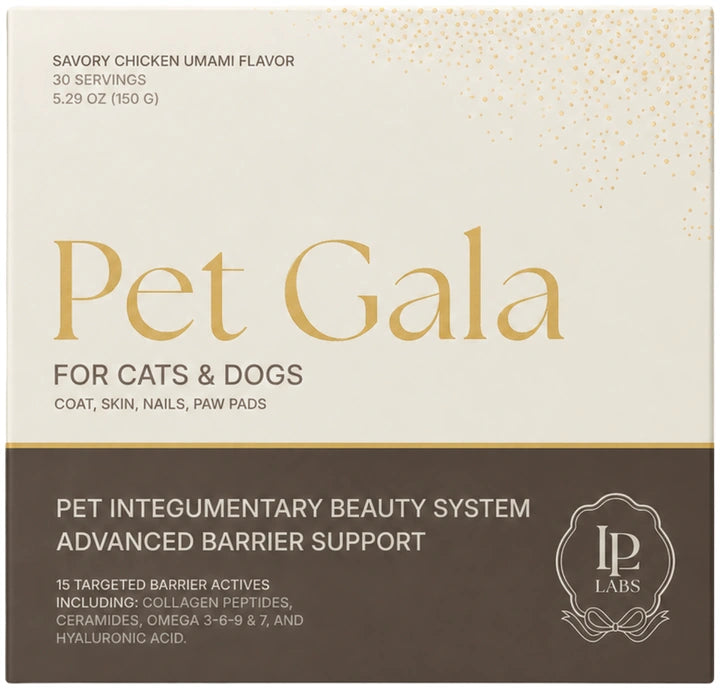
Pet Gala™ is designed to support normal skin and coat function as part of a broader routine.

When a dog’s coat looks dull, sheds in handfuls, or the skin seems dry and reactive, the first question is usually simple: is food missing something, or is the skin barrier struggling? A missing link skin coat review often starts with the same hope—add a classic powder, and watch the coat become smoother over a few weeks. That hope is reasonable, because nutrition can influence what hair shafts are made of and how the skin holds onto moisture.

The Missing Link Original Skin & Coat Powder earned a loyal following by being early to a whole-food, sprinkle-on format: flaxseed-based fats, fiber, and a broad “kitchen-sink” approach that fit easily into daily feeding. Modern skin science hasn’t replaced that legacy so much as added clarity—especially around plant omega-3 (ALA) versus marine omega-3 (EPA/DHA), and around what else the skin barrier needs besides fatty acids. This page walks through what the original powder idea got right, what owners can realistically notice at home, and how to decide whether a traditional powder approach fits a dog’s current skin story or whether a more updated barrier-focused plan is needed.

By La Petite Labs Editorial, ~15 min read

Featured Product:

  • A missing link skin coat review is most accurate when it separates mild coat dryness from true barrier-driven itch patterns.
  • The original powder concept was a pioneer move: flexible dosing, easy mixing, and fewer chew-style extras.
  • Whole-food, flax-forward blends can support normal coat feel and stool consistency, especially with steady use.
  • Modern science adds a key nuance: plant omega-3 (ALA) must convert to EPA/DHA, and that step can limit results.
  • Barrier-focused care often needs more than omegas: parasite control, gentle bathing, and vet checks for infection.
  • Track brushing fallout, flakes on a towel, stool changes, paw licking, and ear debris for 6–8 weeks.
  • Comparisons like missing link vs pet gala are most useful when matched to the dog’s specific skin pattern.

What’s in the Original Powder, in Plain Language

The original skin & coat powder dogs commonly use is built around flaxseed as a primary ingredient, which brings plant fats (including ALA omega-3), natural fiber, and a “whole-food” feel. Many formulas in this category also include small amounts of vitamins, minerals, and other seed-based oils to round out the blend. From a biology standpoint, the goal is straightforward: provide building blocks that support normal skin turnover and hair growth, which can translate into a coat that looks smoother and feels less brittle over time.

At home, this usually shows up as a sprinkle mixed into a meal, which matters because consistency is what gives nutrition a fair test. Owners often notice the “powder” also changes the bowl experience—some dogs accept it easily, while others need a slow introduction to avoid food refusal. If stools soften early on, that can be the fiber and fat load hitting all at once, not necessarily a “bad reaction.”

Coat shine graphic representing skin hydration supported by missing link powder dogs.

Powder Pioneers: Why This Format Became a Classic

Long before skin supplements were mostly chews, powders were a practical solution: easy to portion, easy to blend with food, and less dependent on flavor coatings. That history matters because it shaped how owners think about “skin and coat support” as something that can be added without changing the whole diet. The Missing Link became part of that early wave, and the idea—use a daily sprinkle to support coat quality—still makes sense for many dogs.

In a household routine, powders also let owners adjust the amount gradually, which can be gentler on digestion than jumping straight to a full chew dose. The tradeoff is mess and measuring: powder can cling to wet food, float off kibble, or end up on the floor if a dog eats fast. A simple habit helps: mix with a spoonful of canned food, plain yogurt, or warm water first, then fold into the meal.

Collagen close-up symbolizing beauty at the cellular level via missing link powder dogs.

Powder Versus Chews: What Actually Changes

Powder formats can be appealing because they often rely less on binders, sweeteners, and “treat-like” ingredients used to hold a chew together. That doesn’t automatically mean better results, but it can matter for dogs with sensitive stomachs or dogs who do poorly with rich chew bases. Absorption is also less about the powder itself and more about what’s in it—fats are absorbed differently than minerals, and some nutrients need dietary fat present in the meal to be used well.

What owners notice day-to-day is usually practical: chews are convenient, powders are flexible. If a dog is on a prescription diet for skin-barrier-health-dogs concerns, a powder can sometimes be easier to fit in without adding extra calories from a chew base. On the other hand, a chew can be more reliable for picky eaters who leave “dust” behind in the bowl.

Beauty ingredient image emphasizing scientific formulation standards in missing link skin coat review.

Whole-food Ingredient Philosophy: Strengths and Limits

A whole-food approach—seeds, oils, and broad nutrient blends—can be a reasonable way to support normal skin function when a dog’s baseline diet is adequate but not optimized for coat quality. The strength is coverage: fiber for stool consistency, fats for coat feel, and micronutrients that participate in skin turnover. The limitation is precision: whole-food blends don’t always deliver the specific fatty acid profile modern dermatology targets when the skin barrier is truly struggling.

In real kitchens, “whole-food” also means variability. Powders can clump in humidity, oils can go stale if stored warm, and scoops can be heaped differently each day. Keeping the container tightly closed, away from heat, and using a level scoop helps keep the plan more consistent—because inconsistent dosing is one of the easiest ways to end up thinking “it didn’t work” when it was never tested fairly.

Dog close-up emphasizing coat shine and connection supported by missing link supplement ingredients.

What Owners Typically Notice First (and What They Don’t)

Most coat changes happen slowly because hair grows in cycles; a supplement can’t “polish” hair that already grew out under different conditions. The earliest shifts owners report are often tactile: the coat feels less dry, brushing seems easier, and dandruff-like flakes may look less obvious. Digestive changes can also appear early because fiber and fats affect stool texture and frequency, sometimes before the coat shows any visible difference.

A realistic timeline helps prevent overreacting. If a dog’s itching is intense, ears are inflamed, or there are bald patches, a powder is unlikely to be the main answer—those signs point toward allergy, infection, parasites, or endocrine issues that need veterinary workup. For a mild “winter coat” problem, though, a consistent 6–8 week window is a more reasonable way to judge whether the routine is contributing to a smoother look.

The scratching is completely gone, his coat looks healthy and shiny!

— Lena

He was struggling with itching, now he's glowing.

— Grace

“A powder can be a good tool, but it can’t replace a diagnosis.”

Case Vignette: When a Classic Powder Fits the Moment

A 6-year-old Labrador has a dry, dusty-looking coat every winter, but no hot spots, no ear infections, and normal energy. The family adds a missing link powder dogs often tolerate well, mixes it into dinner, and focuses on brushing twice weekly. Over the next two months, the coat looks glossier and the brush pulls less “snow” from the back end.

This is the kind of scenario where a broad, whole-food powder can make sense: mild coat quality concerns, stable health, and a household willing to be consistent. It also shows why tracking matters—if the dog had started a new shampoo, changed food, and added the powder all in the same week, it would be impossible to know what actually contributed. One change at a time gives the skin a clearer story.

Dog portrait reflecting beauty and wellness support tied to original skin coat powder dogs.

Plant Versus Marine Omega-3: the ALA Conversion Bottleneck

Here is the key modern update: flaxseed provides ALA, a plant omega-3, but dogs must convert ALA into EPA and DHA—the marine omega-3 forms most associated with skin comfort and barrier-focused plans. That conversion is limited and can vary by individual dog, diet composition, and overall health. So a flax-forward powder can support normal nutrition, yet still fall short for dogs who need a more direct EPA/DHA approach discussed in omega-3-for-dogs planning.

At home, this limitation looks like “some improvement, but not enough.” The coat may feel softer, yet the dog still licks paws nightly or gets recurrent ear gunk. That pattern doesn’t mean the powder is low quality; it often means the biology goal is different—supporting general coat condition versus supporting a more reactive skin barrier. This is where owners start comparing missing link vs pet gala or other marine-forward options.

Dog in profile against soft background, showing coat health with missing link supplement ingredients.

A Common Misconception About Flax-based Skin Powders

A frequent misunderstanding is that “omega-3 is omega-3,” so any omega source should act the same for skin. In reality, the form matters: ALA (plant) is not identical in the body to EPA/DHA (marine), and the dog’s conversion step can be a bottleneck. That’s why two dogs can take the same flax-based powder and have very different outcomes—one gets a smoother coat, another sees little change in itch-related behaviors.

This misconception can lead to frustrating routines, like doubling the scoop quickly when results aren’t dramatic. More is not automatically better, especially when extra fat and fiber can upset stools. A better approach is to decide what the primary goal is—coat feel and shedding, or a more reactive skin picture—and then choose an omega source that matches that goal.

Visual ingredient map showing formulation transparency connected to missing link skin coat review.

What Modern Skin-barrier Science Adds Beyond Omegas

Modern dermatology talks about the skin barrier like a brick wall: skin cells are the bricks, and lipids are the mortar that keeps water in and irritants out. Omegas can be part of that story, but they are not the whole story. Barrier-focused plans may also consider targeted fatty acid profiles, careful bathing routines, and addressing triggers like fleas, environmental allergens, or yeast overgrowth—because those can keep the barrier volatile even with good nutrition.

At home, barrier trouble often looks like recurring patterns: paw licking after walks, seasonal ear debris, or belly redness that flares and fades. Owners sometimes expect a supplement to “cover” these cycles, but the more effective strategy is layered: consistent parasite control, gentle shampoos, and a diet plan that matches the dog’s needs. Supplements can contribute, but they rarely replace those basics.

Quality and Sourcing: What Matters for Powders

For any powder, quality is less about marketing words and more about stability: how the fats are protected from oxidation, how the product is stored, and whether the label clearly lists the missing link supplement ingredients in a way that matches the dog’s sensitivities. Seed-based fats can go rancid over time, which can change smell and palatability and may make some dogs refuse meals. A clear lot number and reasonable “use by” date are practical signals that the manufacturer expects the product to be used fresh.

Owners can do a simple kitchen check: open the container and smell it. A sharp, paint-like odor suggests oxidation, and that’s a reason to stop and replace rather than “push through.” Storage habits matter too—keeping the powder near a stove or in direct sun can shorten freshness. A dedicated cool cabinet and a dry scoop help keep the routine more consistent.

“Plant omega-3 and marine omega-3 are not interchangeable in dogs.”

Lab coat with La Petite Labs logo symbolizing science-backed standards for missing link powder dogs.

Owner Checklist: Home Signals That a Powder Is (or Isn’t) a Fit

A practical checklist helps separate normal adjustment from a plan that doesn’t match the dog. Owners can check: (1) stool consistency after 7–10 days, (2) whether the dog leaves food behind because of smell or texture, (3) visible flakes along the back or rump after brushing, (4) paw licking frequency in the evening, and (5) ear debris returning on a predictable schedule. These are household signals that connect directly to digestion, coat feel, and barrier reactivity.

If stools stay loose, the dog refuses meals, or itching escalates, the issue may be dose, sensitivity to an ingredient, or an unrelated skin condition that needs a different plan. If the main change is a slightly softer coat but the dog still has recurrent ear or paw issues, it may be time to revisit omega source and overall barrier strategy rather than assuming “supplements don’t work.”

Shop Now
Pet Gala surrounded by ingredients, showing beauty diversity in missing link supplement ingredients.

What to Track over Days and Weeks (so It’s Not Guesswork)

Skin and coat changes are easy to misread because they’re gradual and seasonal. A simple “what to track” rubric makes the outcome clearer: (1) brushing time needed to clear loose hair, (2) amount of dandruff-like debris on a dark towel after brushing, (3) weekly photo of the same patch of coat in the same light, (4) stool score and frequency, (5) paw-licking episodes per evening, and (6) ear odor or debris days. These markers turn vague impressions into observation signals.

Tracking also protects the dog from constant product switching. If a family tries three supplements in three weeks, the skin never gets a stable window to respond, and the gut may become more volatile. A single change, tracked for 6–8 weeks unless there’s a clear adverse reaction, gives the most useful information to bring to a veterinarian.

Shop Now
Owner and dog moment highlighting beauty rituals supported by missing link powder dogs.

Who Often Benefits from Traditional Powder Supplementation

Traditional powders often fit dogs with mild coat dryness, seasonal shedding, or owners who want a whole-food style add-on without changing the main diet. They can also suit dogs who do better avoiding chew-style extras, or households already focused on consistent grooming and gentle bathing. In these situations, the goal is not a dramatic transformation; it’s a more consistent coat feel and a little more bounce-back after seasonal changes.

This is also where a missing link skin coat review tends to be most positive: the dog’s skin is basically healthy, and the powder becomes part of a steady routine. Owners should still keep expectations grounded—nutrition supports new hair growth, so the best “before and after” is often seen at the ends of the coat or in areas that were previously dull. Brushing and bathing choices can amplify what the diet is already supporting.

Shop Now

Who May Need a More Updated Barrier-focused Plan

Dogs with recurrent ear infections, persistent paw licking, frequent hot spots, or year-round itch patterns often need more than a general powder approach. These signs suggest the skin barrier is being challenged repeatedly—by allergy, microbes, parasites, or underlying disease—and the plan usually needs multiple layers. In that context, the question becomes less “which powder is best” and more “what is driving the flare pattern, and what supports the barrier while the trigger is addressed?”

At home, a clue is the cycle: if symptoms return on a predictable schedule despite consistent feeding, something else is pushing the skin off balance. That’s when owners often compare missing link vs pet gala or other options with different omega sources, but it’s also the right time to discuss parasite control, allergy testing strategies, and skin cytology with the veterinary team. Supplements can contribute to headroom, but they work best inside a clear diagnosis.

Vet Visit Prep: Bring the Right Observations, Not Just a Brand Name

A productive vet visit starts with specific observations rather than a long list of products tried. Useful prep includes: when itching is worst (night, after walks, after baths), where the dog chews or scratches first, whether ears or paws flare together, and what happened to stools after starting a powder. Owners can also bring the exact label photo so the veterinarian can review missing link supplement ingredients for potential sensitivities or overlaps with the current diet.

Good questions to ask include: “Does this pattern look more like allergy, infection, or parasites?”, “Should skin or ear cytology be done today?”, “If omega-3 is part of the plan, should the source be plant-based or marine-based for this dog?”, and “What timeline should be used to judge coat change versus itch change?” These questions keep the appointment focused on decisions that change outcomes.

Comparison graphic showing missing link vs Pet Gala benefits versus typical supplement formulas.

What Not to Do with Skin and Coat Powders

Common mistakes with powders are usually about speed and stacking. Do not add multiple new supplements at once, because any stool change or itch flare becomes impossible to interpret. Do not jump to a full scoop on day one for a dog with a sensitive stomach; gradual introduction is kinder and often prevents early dropout. Do not keep using a product that smells rancid or that the dog consistently refuses, because the plan can’t be consistent if the dog won’t eat.

Another frequent misstep is treating a supplement like a substitute for parasite control or medical care. Fleas, mites, yeast, and bacterial skin infections can all mimic “dry skin,” and they can keep the skin volatile no matter how good the nutrition is. If there are scabs, oozing, strong odor, or sudden hair loss, the safest next step is a veterinary exam rather than another supplement swap.

Shop Now
Supplement box revealed in soft light, reflecting premium missing link powder dogs positioning.

How to Think About Comparisons Without Disrespecting the Legacy

Comparing missing link vs pet gala is most useful when it’s framed as “different tools for different skin stories,” not as a verdict on which brand is “good.” The Missing Link helped normalize the idea that daily nutrition can support coat quality, and that powder delivery can be practical. Modern formulations often reflect newer emphasis on direct EPA/DHA sourcing and barrier-focused targets, which can matter more for dogs with recurring itch patterns.

Owners can make comparisons more fair by holding the rest of the routine steady: same food, same shampoo schedule, same flea prevention, and the same tracking markers. If the goal is mostly coat feel and shedding, a classic powder may fit well. If the goal is a dog whose skin seems reactive and easily tipped into flares, a veterinarian-guided plan that prioritizes barrier support may be the better next step.

Shop Now

A Respectful Bottom Line: Pioneers Plus Modern Clarity

The most helpful way to view the original powder era is as a foundation: it taught owners to look at skin and coat as nutrition-responsive, and it made daily supplementation easy. Modern skin science adds the missing details—especially the ALA-to-EPA/DHA conversion limitation and the idea that the skin barrier may need more than a general omega blend. That’s progress built on a legacy, not a rejection of it.

For households, the decision becomes clearer when the goal is named. If the dog’s main issue is a coat that looks tired, a consistent powder routine can be a reasonable experiment. If the dog’s main issue is recurring itch, ear trouble, or hot spots, the next step is usually diagnosis and a layered plan, with supplements chosen to match the barrier problem rather than the label category.

“Track what you can see at home, not just what you hope for.”

Educational content only. This material is not a substitute for veterinary advice. Always consult your veterinarian about your dog’s specific needs. These statements have not been evaluated by the Food and Drug Administration. Products mentioned are not intended to diagnose, treat, cure, or prevent any disease.

Glossary

  • ALA (alpha-linolenic acid) - A plant omega-3 found in flax that dogs must convert to EPA/DHA.
  • EPA (eicosapentaenoic acid) - A marine omega-3 often used in barrier-focused skin plans.
  • DHA (docosahexaenoic acid) - A marine omega-3 that can be part of skin and coat support strategies.
  • Skin barrier - The outer skin layers that keep moisture in and irritants out.
  • Lipids (skin “mortar”) - Fats in the outer skin that help prevent dryness and irritation.
  • Oxidation (rancidity) - Chemical breakdown of fats that can create a sharp odor and lower freshness.
  • Hair cycle - The natural rhythm of hair growth and shedding that makes coat changes slow.
  • Whole-food supplement - A blend using foods (like seeds/oils) rather than only isolated nutrients.
  • Palatability - How willingly a dog eats a food or supplement based on smell and taste.

Related Reading

References

FAQ

What is the missing link original skin & coat powder?

It’s a sprinkle-on powder supplement built around a whole-food approach, commonly featuring flaxseed (a plant fat source) plus fiber and added nutrients. The intent is to support normal skin turnover and coat quality over time, not to act like a fast-acting itch medication.

In daily life, it’s usually mixed into a meal so the dog gets a consistent amount. Because hair grows in cycles, owners typically judge coat changes over weeks, not days.

How long does a powder take to change a dog’s coat?

Most visible coat changes take several weeks because new hair has to grow in under the new nutrition routine. Many families use a 6–8 week window to judge whether the coat feels smoother or brushing pulls less loose hair.

Digestive changes (like stool firmness) can show up sooner, especially with fiber-containing powders. If itching is severe or there are hot spots, waiting on a supplement alone is not a safe plan—those signs need a veterinary check.

What results do owners usually notice first at home?

The earliest changes are often tactile: the coat may feel less dry, and brushing can seem easier. Some owners also notice less dandruff-like debris on the back or rump after grooming.

Stool texture can shift early because fiber and fats influence digestion. If stools become persistently loose, the dose may be too high for that dog, or the plan may not fit the dog’s digestive sensitivity.

Is plant omega-3 the same as fish oil omega-3?

No. Flax provides ALA (a plant omega-3), while fish oil provides EPA and DHA (marine omega-3). Dogs can convert some ALA into EPA/DHA, but that conversion is limited, so the form of omega-3 can change the outcome.

At home, this can look like partial results: a slightly softer coat, but ongoing paw licking or ear debris. That pattern often points to a need for a different omega strategy rather than “no supplement works.”

What are common missing link supplement ingredients to look for?

Owners usually see flaxseed as a main ingredient, plus other oils or seed components, fiber, and added vitamins/minerals. The most important step is reading the full label for anything a dog has reacted to before (certain oils, flavorings, or added nutrients).

A label photo is helpful at the vet visit, especially if the dog is also on a fortified diet. That prevents accidental “stacking” of similar nutrients from multiple sources.

Can powders upset a dog’s stomach or stools?

Yes. Powders that add fat and fiber can change stool firmness, especially if started at a full amount right away. Soft stool, gassiness, or skipping meals can happen when the gut is adjusting or when the dose is too large for that dog.

A gradual introduction and mixing thoroughly into food often helps. If vomiting, persistent diarrhea, or refusal to eat continues, stop the supplement and contact the veterinary clinic for guidance.

Is a powder better than a chew for skin support?

Neither is automatically better. Powders can be easier to adjust and may avoid some chew-style bases, while chews can be more convenient and more reliably eaten by picky dogs.

The bigger difference is the nutrient profile—especially whether the omega-3 source is plant-based (ALA) or marine-based (EPA/DHA). Format matters for routine, but ingredients matter for biology.

How should a powder be introduced to a picky dog?

Start with a small amount mixed into a strongly preferred food topper, then slowly increase over several days. Mixing the powder with a spoonful of wet food or warm water first can prevent “dust” from being left behind in the bowl.

If the dog refuses meals, don’t keep escalating. Food refusal can create a bigger problem than a dry coat, and it’s a reason to pause and reassess the plan with a veterinarian.

What does “rancid” powder smell like, and why care?

Oxidized fats often smell sharp, paint-like, or unusually bitter compared with a mild seed or nut scent. This matters because rancidity can lower freshness and make dogs refuse food.

Store powders tightly closed, away from heat and sunlight, and use a dry scoop. If the odor changes suddenly or the dog starts avoiding the bowl, it’s reasonable to stop and replace the product.

Can a skin powder replace flea control or allergy care?

No. Fleas, mites, yeast, and bacterial infections can all cause itching and skin damage that won’t resolve with nutrition alone. Supplements can be part of a plan that supports normal skin function, but they don’t remove parasites or treat infections.

If there are scabs, oozing, strong odor, or sudden hair loss, a veterinary exam is the safer next step than adding more supplements.

Is the missing link powder safe for puppies or seniors?

Life stage matters because calorie needs and digestive sensitivity differ. Puppies need balanced growth nutrition first, and seniors may have other conditions or medications that make “extras” more complicated.

Before adding any skin supplement to a puppy, pregnant dog, or a dog with chronic disease, it’s best to ask the veterinarian whether the ingredients overlap with the current diet and whether the added fat/fiber is appropriate.

Do certain breeds respond differently to skin and coat supplements?

Breed tendencies can shape what owners notice. Double-coated breeds may show changes more in shedding patterns and undercoat “dust,” while short-coated breeds may show changes more in shine and feel.

But the biggest driver is the underlying skin story: mild dryness versus allergy-like flares. Tracking brushing fallout, paw licking, and ear debris is often more informative than breed expectations.

Can dogs with food sensitivities use flax-based powders?

Sometimes, but it depends on the dog’s history and the full ingredient list. Dogs with suspected food allergy are often managed with a strict diet trial, and adding any supplement during that trial can confuse the results.

If a veterinarian has recommended a diet trial, ask before adding powders, oils, or toppers. If the trial is complete and stable, a careful, one-change-at-a-time approach is safer.

What side effects mean a supplement should be stopped?

Stop and contact a veterinary clinic if there is vomiting, persistent diarrhea, facial swelling, hives, severe lethargy, or sudden worsening of skin redness. Those signs suggest intolerance, allergy, or another problem that needs medical attention.

Mild stool softening early on can happen with fat/fiber changes, but it should not persist. A gradual introduction and smaller amount may be appropriate only if the dog otherwise feels well.

Can a powder interact with medications or other supplements?

It can, mainly by overlapping nutrients or adding extra fat that changes digestion. Dogs on multiple supplements can end up with redundant ingredients, which makes it harder to know what is helping and what is causing side effects.

Bring a list (or photos) of everything the dog gets—food, treats, supplements, and medications—so the veterinarian can check for duplication and decide what to keep simple.

How do you compare missing link vs pet gala fairly?

A fair comparison keeps the rest of the routine stable: same food, same bathing schedule, and consistent parasite prevention. Then track the same markers (brushing fallout, flakes, paw licking, ear debris, stool) for a set window.

If considering a product like Pet Gala™, the key question is what it supports (for example, normal barrier function) and whether the omega source aligns with the dog’s needs.

What should a missing link skin coat review focus on?

The most useful reviews describe the dog’s starting point: mild dryness and shedding versus recurrent itching, ear trouble, or hot spots. They also mention how long the product was used and whether other changes happened at the same time.

Look for concrete home observations—brush results, flakes on bedding, stool changes—rather than vague “worked great” statements. That kind of detail is more likely to match another dog’s situation.

Are these powders for dogs only, or also for cats?

This page is focused on dogs. Cats have different nutritional needs and different sensitivities, and a product that seems simple for dogs may not be appropriate for cats without veterinary guidance.

If a cat has coat changes or hair loss, it’s especially important to involve a veterinarian because grooming behavior, stress, parasites, and medical causes can look similar at home. Research also shows nutrition details can influence haircoat outcomes in cats(Amundson, 2025).

When should a dog with skin issues see the vet urgently?

Urgent signs include rapidly spreading redness, oozing or bleeding sores, facial swelling, severe ear pain, strong foul odor, or a dog that seems unwell (not eating, very lethargic). These can signal infection, severe inflammation, or an allergic reaction.

For chronic but non-urgent problems—recurrent paw licking, seasonal flares, repeated ear debris—schedule a visit and bring photos plus a short symptom timeline. That preparation helps the clinic choose the right tests and treatments.

What’s the simplest decision framework for choosing a powder?

First, name the primary goal: coat feel/shedding versus a recurring itch pattern. Second, match the omega source to that goal, remembering that plant ALA and marine EPA/DHA are not the same in dogs. Third, choose a format the household can use consistently.

Finally, track a few markers for 6–8 weeks and avoid stacking multiple new products. If the pattern suggests infection, parasites, or allergy, move the focus to diagnosis and barrier care rather than supplement swapping.

5K+ Happy Pet Parents

Excellent 4.8

The Missing Link Original Skin & Coat Powder: Powder Pioneers and What Modern Skin Science Has Added | Why Thousands of Pup Parents Trust Pet Gala™

"It's so good for his coat, and so easy to mix into food."

Alex & Cashew

"Gives him that glow from head to tail!"

Elisabeth & Chai

"The scratching is completely gone, his coat looks healthy and shiny."

Lena & Bear

"Magical. He was struggling with itching and shedding. Now he's literally glowing."

Grace & Ducky

"It's so good for his coat, and so easy to mix into food."

Alex & Cashew

"Gives him that glow from head to tail!"

Elisabeth & Chai

"The scratching is completely gone, his coat looks healthy and shiny."

Lena & Bear

"Magical. He was struggling with itching and shedding. Now he's literally glowing."

Grace & Ducky

"It's so good for his coat, and so easy to mix into food."

Alex & Cashew

"Gives him that glow from head to tail!"

Elisabeth & Chai

"The scratching is completely gone, his coat looks healthy and shiny."

Lena & Bear

"Magical. He was struggling with itching and shedding. Now he's literally glowing."

Grace & Ducky

"It's so good for his coat, and so easy to mix into food."

Alex & Cashew

"Gives him that glow from head to tail!"

Elisabeth & Chai

"The scratching is completely gone, his coat looks healthy and shiny."

Lena & Bear

"Magical. He was struggling with itching and shedding. Now he's literally glowing."

Grace & Ducky

SHOP NOW