Inflammation Resolution for Cancer in Cats

Learn How Resolving Inflammation Supports Tumor Control, Appetite, Gut Health, and Liver Function

Essential Summary

Why is inflammation resolution in cats with cancer important?

Inflammation resolution matters because it influences comfort, appetite, and recuperation speed in cats living with cancer. The practical goal is a more measured day-to-day pattern—less nausea, less pain sensitivity, and more reliable eating—while keeping every change coordinated with the oncology plan.

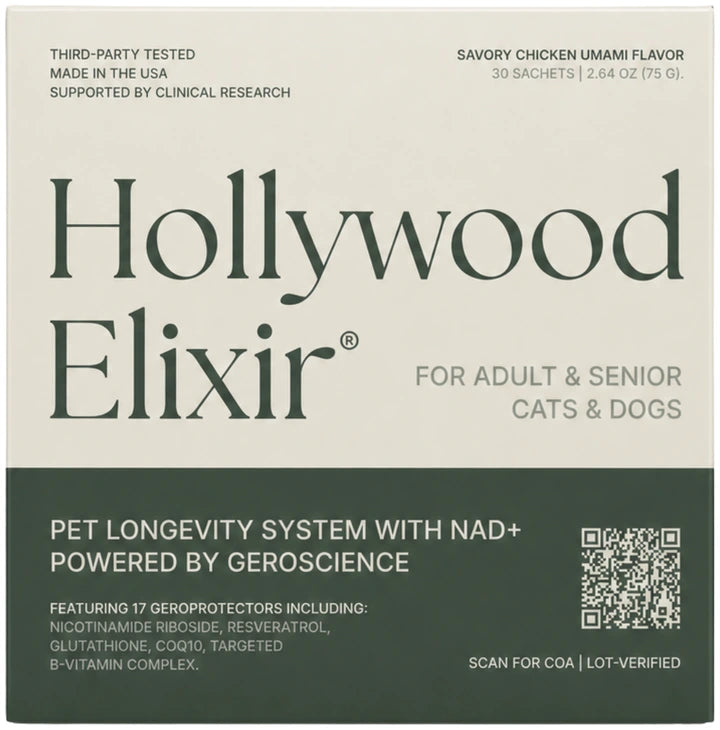
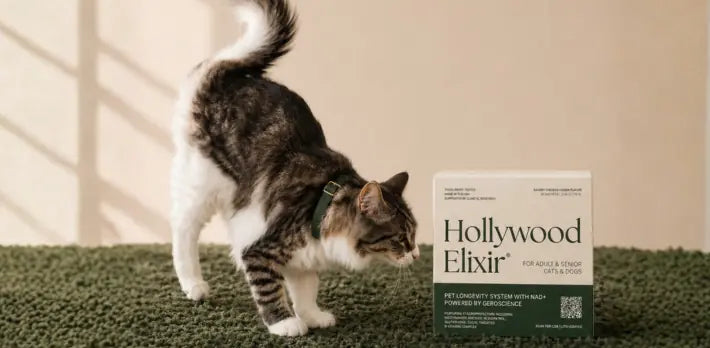
Hollywood Elixir™ is designed to support whole-body stability during aging, including normal inflammatory tone, appetite routines, and daily comfort. It can be part of a daily plan for cats needing cat cancer inflammation support, alongside veterinary-directed pain and nausea care. Ask the oncology team before adding any supplement.

A cat with cancer often shows inflammation through daily-life changes: eating less, grooming less, hiding more, or moving as if touch is unpleasant. In most households, the immediate goal is not to “fix inflammation,” but to get appetite and comfort back into a more measured pattern while staying aligned with the oncology plan. That is where inflammation resolution becomes a useful idea—because it describes how the body is supposed to turn off inflammatory alarm signals and move into cleanup and clearance, rather than staying stuck in a loop.

For owners searching for cat cancer inflammation support, the safest path starts with triage: what exactly is changing, when does it happen, and what else could be causing it besides the tumor? Constipation, dental pain, urinary discomfort, arthritis, and medication side effects can all look like “inflammation and cancer cats” from the outside. The most actionable plan is built from tracking response patterns—especially around meals and treatment days—then asking the veterinary team for targeted adjustments to pain control, nausea control, constipation prevention, and nutrition. Supportive strategies, including diet and carefully chosen supplements, can be considered only after eating and hydration are protected, and only with the oncologist’s guidance.

By La Petite Labs Editorial, ~15 min read

Featured Product:

  • Inflammation resolution for cancer in cats is mainly about supporting comfort and appetite, not controlling tumors.
  • Owners often notice quieter signs first: hiding, reduced grooming, slower eating, or reluctance to jump.
  • Similar symptoms can come from constipation, dental pain, urinary discomfort, arthritis, or medication side effects—so the differential matters.
  • Resolution biology describes the body’s “off switch” for inflammation—shifting from alarm to cleanup and clearance.
  • Track week-over-week markers: food amount, weight, stool/urine output, grooming, mobility, and timing around medications.
  • Avoid common mistakes: human pain relievers, abrupt steroid changes, and multiple new supplements at once.
  • Bring a 7–14 day log to the veterinarian and ask for a coordinated plan for pain, nausea, constipation, and nutrition.

When “off” Behavior Is the First Sign

When a cat with cancer seems “off,” the first clue is often not a lump—it’s a change in appetite, sleep, grooming, or willingness to jump. Those shifts can reflect a more turbulent inflammatory tone, where signals meant to handle injury linger and spill into whole-body discomfort. Inflammation resolution is the body’s built-in “off switch,” using specialized mediators to move from alarm to cleanup and clearance rather than staying stuck in a loop (Fishbein, 2021). This matters because persistent inflammation can amplify pain sensitivity and nausea and can narrow a cat’s leeway for maintaining weight.

At home, the most useful starting point is to treat behavior as data. Note whether the cat approaches food but walks away, hides after eating, or stops grooming the back half—patterns that often track with discomfort. Keep routines predictable: same feeding spot, low-noise rest areas, and easy access to litter. This early observation sets up better decisions about cat cancer inflammation support without assuming every bad day means the cancer is suddenly worse.

Visualization of mitochondria illustrating cellular support pathways for feline cancer anti-inflammatory.

Differentials That Mimic Cancer-related Inflammation

Several different problems can look like “inflammation and cancer cats” from across the room. Tumor-related inflammation is one possibility, but dental disease, constipation, arthritis, urinary pain, pancreatitis, or medication side effects can create the same withdrawn posture and appetite drop. Cancer can also shift immune signaling in ways that change how a cat feels day to day, even when tumor size is stable. The practical goal is not to label every symptom as cancer, but to sort what is most likely and most actionable.

A simple owner checklist helps narrow the picture: (1) Is the cat eating less or just eating slower? (2) Any lip-licking, drooling, or head-turning from the bowl? (3) New hiding, growling when picked up, or reluctance to jump? (4) Stool smaller, drier, or less frequent? (5) Litter box visits more frequent or vocal? These specifics help the veterinary team decide whether feline cancer anti-inflammatory planning should focus on pain control, nausea control, constipation relief, or all three.

Close-up DNA helix tied to cellular integrity and support from feline cancer anti-inflammatory.

The Most Likely Driver: Comfort and Appetite

In many cats with cancer, the most common “inflammation” owners notice is really a comfort-and-appetite problem: low-grade pain, nausea, and fatigue that reduce intake and slow recuperation speed. Inflammatory signals can interact with the nervous system and gut, changing motility and food interest. Separately, some cancers and treatments can affect blood counts or organ function, which can mimic inflammatory malaise. The most helpful frame is: what is driving today’s discomfort, and what can be adjusted safely?

A realistic case vignette: a 12-year-old cat on chemotherapy still greets the family but now sniffs breakfast and leaves, then crouches in a loaf position by mid-morning. The owner assumes the tumor is “growing fast,” but the pattern lines up better with nausea plus constipation after treatment days. When that is addressed, appetite returns and the cat resumes grooming. This is why cat cancer inflammation support often starts with symptom mapping rather than guessing the cause.

Protein fold visualization tied to cellular support mechanisms in feline cancer anti-inflammatory.

Resolution Vs. Suppression: What Changes in the Body

Inflammation resolution is not the same as “blocking inflammation.” The body uses pro-resolving signals to stop recruiting inflammatory cells, clear debris, and return tissues to a more orderly baseline; when resolution fails, inflammation can persist and shape the tumor neighborhood (Fishbein, 2021). Research in cancer biology also links resolution pathways to blood-vessel behavior and tissue remodeling, which is one reason scientists study them in oncology contexts (Kelly, 2023). For pet owners, the takeaway is narrower: resolution biology helps explain why comfort can fluctuate and why supportive care can matter even when the cancer plan is unchanged.

In the home setting, “resolution support” means reducing avoidable triggers and protecting basic functions. Keep hydration easy (multiple bowls, water fountain if tolerated), offer warmed aromatic foods, and minimize household stressors that suppress eating. If appetite dips, avoid cycling through many new foods in a single day; that can create food aversion. Instead, change one variable, watch response patterns for 48–72 hours, and then decide on the next step with the oncology team.

Pug portrait highlighting companionship and steady support from inflammation and cancer cats.

Pro-resolving Mediators and Why They’re Studied
Specialized pro-resolving mediators (SPMs) are lipid-derived signals that help end inflammation and promote clearance. Lipoxin A4 is one example; in human colorectal cancer, lower lipoxin A4 has been associated with disease, supporting the idea that deficient resolution can accompany malignancy (Liu, 2019). Other experimental work shows lipoxin A4 can shift immune signaling in ways that change tumor-related inflammation in models (Wang, 2015). These findings are not a treatment plan for cats, but they provide a biologic rationale for why clinicians pay attention to inflammatory tone when managing comfort and nutrition.

Owners can translate this into practical questions: is the cat’s discomfort predictable after meals, after medications, or after activity? If the pattern is meal-linked, nausea or reflux may be the driver; if it is movement-linked, pain control may need adjustment. Keep notes on timing rather than intensity alone. That timing detail is often what turns a vague request for “feline cancer anti-inflammatory” help into a targeted plan.

Hollywood Elixir™ is amazing and makes my 13 y/o kitty young again!

— Jessie

She hopped up onto the windowsill again—first time in years.

— Charlie

“Comfort changes are often timing problems, not sudden cancer acceleration.”

A Common Misconception About “Anti-inflammatory” Choices

A common misconception is that any anti-inflammatory approach is automatically gentle and safe for cats with cancer. In reality, cats have narrow safety margins for several human pain relievers, and even veterinary anti-inflammatory drugs can be risky when dehydration, kidney disease, or low appetite are present. Some anti-inflammatory pathways are also tied to stomach protection and platelet function, which matters if a cat is prone to bleeding or is undergoing procedures. “More anti-inflammatory” is not the goal; more measured comfort with preserved organ leeway is.

What not to do: (1) do not give aspirin, ibuprofen, naproxen, or acetaminophen unless a veterinarian has explicitly prescribed it; (2) do not combine over-the-counter supplements with prescription pain control without checking interactions; (3) do not stop prescribed steroids abruptly; (4) do not chase appetite with constant food swaps that create aversion. If inflammation and cancer cats are both on the mind, safety and coordination matter more than experimentation.

Portrait of a dog showing thoughtful presence supported by cat cancer inflammation support.

Nutrition Levers That Support Inflammatory Tone

Nutrition is one of the few daily levers owners control, and it can influence inflammatory tone without pretending to control cancer. Omega-3 fatty acids are often discussed because they can shift the balance of lipid mediators and are part of broader feline nutrition considerations around n-6 to n-3 ratios (Burron, 2024). In cats, safety data exist for certain sources such as algal oil containing EPA and DHA across life stages, supporting that these ingredients can be used thoughtfully when a veterinarian agrees (Vuorinen, 2020). The aim is comfort, appetite, and maintaining body condition.

In practice, the best diet is the one the cat reliably eats. For cats losing weight, calorie density and protein adequacy usually outrank “perfect” ingredient lists. Ask the oncology team whether a therapeutic diet is appropriate, and introduce changes gradually to protect gut comfort. If supplements are used, choose products with clear labeling and a plan for monitoring stool quality and appetite, since loose stool can quickly erase any gains.

Canine profile image reflecting strength and steadiness supported by cat cancer inflammation support.

Gut Bottlenecks: Nausea, Constipation, Mouth Pain

The gut is a frequent bottleneck for cat cancer inflammation support because nausea, constipation, and mouth pain can all suppress intake and create secondary inflammation. When food intake drops, the body’s clearance and recuperation speed can slow, and cats can develop hepatic lipidosis risk if they stop eating for even a short period. Cancer therapies may also change taste and smell perception, making familiar foods suddenly unacceptable. These are solvable problems, but they require early action.

Set up a “low-friction eating” environment: shallow bowls, warmed food, and a quiet feeding zone away from other pets. If constipation is suspected, note stool size and frequency and ask about safe stool-softening options rather than using human laxatives. If mouth pain is possible, watch for dropping kibble, pawing at the face, or preferring one side. Addressing these drivers often does more for comfort than searching for a single feline cancer anti-inflammatory supplement.

Ingredient explainer image showing clean formulation principles for feline cancer anti-inflammatory.

What to Track Week over Week

What to track week over week should be concrete enough to show response patterns. Useful markers include: daily food amount (by grams or can fraction), water intake estimate, body weight (same scale weekly), litter box output (urine clumps and stool frequency), grooming time, jump height willingness, and “good hours” per day. Add medication timing and any vomiting, lip-licking, or drooling. This rubric turns “she seems inflamed” into a timeline the veterinarian can act on.

Use a simple notebook or phone note, not memory. Many cats show a predictable dip after treatment days, then a rebound; documenting that helps the team pre-plan nausea control or pain coverage. Bring photos of food labels and supplements to appointments. For inflammation and cancer cats, the best decisions often come from small, repeated measurements rather than a single dramatic observation.

Why Aspirin Biology Doesn’t Equal a Home Plan

Some owners ask whether aspirin “creates lipoxins,” and the biology is real: aspirin can trigger cyclooxygenase-2–dependent synthesis of aspirin-triggered lipoxins in experimental settings (von der Weid, 2004). That does not mean aspirin is an appropriate inflammation-resolution tool for cats with cancer. The gap between mechanism and safe clinical use is wide, especially in a species with unique drug sensitivities and in patients who may be dehydrated or have kidney stress. Mechanism should inform questions, not self-treatment.

If an owner is tempted to try human pain relievers, pause and redirect to safer steps: confirm hydration, confirm eating, and call the oncology team about pain and nausea coverage. Ask whether a veterinary NSAID is appropriate, whether gabapentin timing should change, or whether constipation prevention is needed. Cat cancer inflammation support is often about coordinated symptom control, not a single “resolution” pill.

“Protect eating first; everything else is secondary support.”

Close-up clinical uniform showing research-driven formulation behind feline cancer anti-inflammatory.

Reading Pain Signals Cats Try to Hide

Pain in cats is frequently quiet, and cancer-related discomfort may show up as reduced grooming, a tense belly, or avoiding favorite perches. Inflammation can sensitize nerves, making normal handling feel unpleasant. Because cats mask pain, the household may only notice “grumpiness” or hiding, which can be misread as mood. A more measured approach is to assume pain is possible, document the signs, and ask for a structured pain plan rather than sporadic dosing.

Create easy-access comfort: ramps to beds, low-sided litter boxes, and warm resting spots. Keep handling predictable and avoid forcing cuddling if the cat stiffens or tail-flicks. If the cat suddenly stops jumping or cries when picked up, that is a vet call, not a wait-and-see moment. Comfort-focused feline cancer anti-inflammatory planning should be paired with mobility support and environmental changes.

Shop Now
Curated ingredient scene highlighting bioactive blend supporting feline cancer anti-inflammatory.

Inflammation, Appetite Loss, and Cachexia Risk

Cachexia risk—loss of muscle and weight despite eating attempts—is one of the most important reasons to take inflammation seriously in cats with cancer. Inflammatory signals can change appetite regulation and how the body uses nutrients, narrowing leeway for maintaining muscle. Owners sometimes focus on “clean” diets and accidentally reduce calories, which can accelerate loss. The priority is adequate intake, palatability, and a plan that protects the cat’s day-to-day comfort.

If weight is drifting down, ask the veterinarian about calorie targets, appetite stimulants, and anti-nausea medication rather than relying on willpower at the bowl. Offer small meals more often, and consider texture changes (pâté vs. shreds) based on what the cat accepts. Track weight weekly and muscle over the spine and hips by gentle touch. Cat cancer inflammation support is most effective when it keeps eating reliable.

Shop Now
Lifestyle image showing supplement use in real homes supported by inflammation and cancer cats.

Choosing Supplements Without Disrupting Eating

Supplements can be part of a plan, but quality and fit matter more than long ingredient lists. Omega-3–enriched oral products have been studied in cats in other inflammatory conditions, showing that adjunctive use can be feasible and monitored for tolerance (Sukho, 2025). That does not translate into cancer control, but it supports the idea that targeted nutrition can be used to support comfort and oral intake when a veterinarian agrees. The decision should consider the cat’s GI sensitivity, current medications, and appetite stability.

Start low and observe response patterns: stool quality, appetite, and willingness to eat the base diet. Avoid adding multiple new supplements in the same week; it becomes impossible to tell what helped or harmed. If the cat refuses food after a new addition, remove it and return to the last reliable routine. For inflammation and cancer cats, the best supplement is the one that does not disrupt eating.

Shop Now

Vet Visit Prep That Leads to Better Adjustments

Vet visit prep is most effective when it is specific. Bring a 7–14 day log and ask targeted questions: (1) Which signs suggest pain versus nausea versus constipation in this cat? (2) What is the plan for bad days after treatment—what can be given, and when? (3) Are there lab values that change the safety of anti-inflammatory medications? (4) What weight loss threshold should trigger an urgent call? These questions keep cat cancer inflammation support grounded in the cat’s actual risks.

Also bring practical observations: videos of breathing at rest, posture when lying down, and how the cat approaches food. List every supplement and treat, including flavors, because palatability issues can be ingredient-specific. If the cat is hard to medicate, say so; the team can choose formulations that preserve appetite and reduce conflict. This preparation often shortens the time between “something’s wrong” and a more orderly plan.

An Urgency Ladder for Bad Days

An urgency ladder helps owners decide when to act quickly. Same-day veterinary contact is appropriate if a cat with cancer stops eating for 24 hours, vomits repeatedly, shows open-mouth breathing, has sudden weakness, or seems painful when touched. These can reflect dehydration, medication intolerance, obstruction, anemia, or other complications—not just “inflammation.” Earlier intervention protects clearance and reduces the chance that a small setback becomes a crisis.

For less urgent changes—slower eating, mild hiding, reduced grooming—schedule a check-in and bring the tracking rubric. Ask whether adjustments to nausea control, constipation prevention, or pain medication timing could help. If the cat is on steroids or chemotherapy, never change dosing without guidance. Inflammation and cancer cats require a plan that respects both comfort and treatment safety.

Supplement comparison highlighting clean formulation advantages for inflammation and cancer cats.

Secondary Triggers: Dental and Urinary Pain

Secondary context: infections and dental disease can raise inflammatory tone and worsen appetite in cats already coping with cancer. A sore mouth can look like nausea, and a urinary infection can look like “fatigue.” Because the immune system may be altered by cancer or treatment, small infections can have outsized effects on comfort. The point is not to add fear, but to keep the differential list broad enough that treatable problems are not missed.

At home, check for mouth odor, pawing at the face, or sudden preference for soft foods. Watch litter box behavior for straining or frequent small urinations. If these appear, request an exam rather than waiting for the next oncology recheck. Cat cancer inflammation support often improves when a hidden pain source is found and addressed.

Shop Now
Unboxed supplement reflecting refined experience and trust in inflammation and cancer cats.

A More Orderly Sequence for Daily Decisions

A practical decision framework keeps choices orderly: first protect eating and hydration, second control pain and nausea, third consider nutrition adjustments, and only then add supplements. This sequencing matters because a supplement that disrupts appetite can erase gains in comfort. It also prevents the common trap of chasing “resolution” while constipation or mouth pain remains untreated. The goal is not perfection; it is a more measured day-to-day experience with fewer setbacks.

Owners can use a two-week trial window for any single change, unless side effects appear sooner. Keep the rest of the routine stable so response patterns are visible. If the cat’s good hours increase and eating becomes more reliable, that is meaningful progress even if the cancer itself is unchanged. For feline cancer anti-inflammatory planning, comfort outcomes are the right yardstick.

Shop Now

Putting Inflammation Resolution in Perspective

Inflammation resolution for cancer in cats is best understood as supportive biology, not a promise of tumor control. Resolution pathways help explain why some cats feel unwell even when scans are stable, and why coordinated symptom care can widen leeway for eating, resting, and recuperation speed. Research on pro-resolving mediators shows how the body can shift from alarm to clearance, but translating that into feline oncology requires veterinary oversight and individualized risk assessment (Fishbein, 2021).

The most effective next step is a focused conversation with the oncology team: share the tracking log, describe the worst-hour patterns, and ask what can be adjusted safely. If supplements are considered, choose one change at a time and monitor stool, appetite, and behavior. For cat cancer inflammation support, the safest path is deliberate pacing and asking the oncologist before adding anything new.

“One change at a time makes response patterns visible.”

Educational content only. This material is not a substitute for veterinary advice. Always consult your veterinarian about your cat’s specific needs. These statements have not been evaluated by the Food and Drug Administration. Products mentioned are not intended to diagnose, treat, cure, or prevent any disease.

Glossary

  • Inflammation resolution - The active process of ending inflammation and supporting cleanup and clearance.
  • Inflammatory tone - The overall level and persistence of inflammatory signaling affecting comfort and appetite.
  • Specialized pro-resolving mediators (SPMs) - Lipid-derived signals that help shift inflammation toward resolution and clearance.
  • Lipoxin A4 - An SPM involved in resolution signaling; studied in inflammation and cancer biology.
  • Aspirin-triggered lipoxins - Lipoxin-like mediators generated via aspirin-influenced pathways in experimental settings.
  • Cachexia - Cancer-associated loss of muscle and weight that can occur even when food is offered.
  • Food aversion - Learned refusal of a food after nausea or unpleasant association, common in cats.
  • Response patterns - Repeatable timing relationships between symptoms and triggers such as meals or medications.
  • Leeway - The safety margin a cat has to handle stressors like dehydration, pain, or reduced intake.

Related Reading

References

Liu. Colorectal Cancer Is Associated with a Deficiency of Lipoxin A(4), an Endogenous Anti-inflammatory Mediator.. PubMed. 2019. https://pubmed.ncbi.nlm.nih.gov/31528237/

Wang. Lipid mediator lipoxin A4 inhibits tumor growth by targeting IL-10-producing regulatory B (Breg) cells.. PubMed. 2015. https://pubmed.ncbi.nlm.nih.gov/25979229/

Von der Weid. Aspirin-triggered, cyclooxygenase-2-dependent lipoxin synthesis modulates vascular tone.. PubMed. 2004. https://pubmed.ncbi.nlm.nih.gov/15326064/

Sukho. Efficacy and safety of omega-3-enriched lickable treats as adjunctive therapy for feline chronic gingivostomatitis: A randomized controlled trial.. PubMed Central. 2025. https://pmc.ncbi.nlm.nih.gov/articles/PMC12501575/

Kelly. Targeting Angiogenesis via Resolution of Inflammation.. PubMed Central. 2023. https://pmc.ncbi.nlm.nih.gov/articles/PMC9979849/

Fishbein. Carcinogenesis: Failure of resolution of inflammation?. PubMed Central. 2021. https://pmc.ncbi.nlm.nih.gov/articles/PMC7470770/

Burron. The balance of n-6 and n-3 fatty acids in canine, feline, and equine nutrition: exploring sources and the significance of alpha-linolenic acid.. PubMed Central. 2024. https://pmc.ncbi.nlm.nih.gov/articles/PMC11161904/

Vuorinen. Safety of Algal Oil Containing EPA and DHA in cats during gestation, lactation and growth.. PubMed Central. 2020. https://pmc.ncbi.nlm.nih.gov/articles/PMC7540550/

FAQ

What does inflammation resolution mean for cats with cancer?

Inflammation resolution is the body’s process for ending an inflammatory response and moving into cleanup and clearance. It is different from simply “blocking inflammation,” because it involves signals that help tissues return to a more orderly baseline.

For cats with cancer, this concept is most useful as a comfort lens: persistent inflammation can contribute to malaise, pain sensitivity, and appetite disruption. It does not mean a supplement or diet can control cancer, and it should be discussed with the oncology team.

Why do appetite and grooming changes matter so much?

In cats, appetite and grooming are early indicators of discomfort. A cat may still purr and seek attention while quietly eating less, grooming less, or avoiding jumping—signs that often track with nausea, constipation, or pain rather than mood.

These changes matter because reduced intake can quickly narrow leeway for maintaining weight and hydration. For cat cancer inflammation support, documenting when appetite dips (after meds, after meals, overnight) helps the veterinarian choose targeted symptom control.

Is inflammation always caused by the tumor itself?

No. Inflammation and cancer cats can be linked, but similar signs can come from dental disease, arthritis, urinary discomfort, constipation, pancreatitis, or medication side effects. Treatable problems can sit alongside cancer and still be the main driver of a bad week.

A useful approach is to list the most likely causes based on timing and body-language clues, then confirm with an exam and labs when needed. This prevents missing a fixable pain source while focusing only on the cancer diagnosis.

What are specialized pro-resolving mediators in simple terms?

Specialized pro-resolving mediators (SPMs) are lipid-derived signals the body uses to help end inflammation and support clearance. Lipoxin A4 is one example; lower levels have been associated with certain cancers in human research, suggesting resolution can be disrupted in malignancy(Liu, 2019).

This is biology, not a home treatment plan. In cats, the practical value is understanding why comfort can fluctuate and why coordinated symptom care (pain, nausea, constipation, nutrition) is often more impactful than chasing a single “anti-inflammatory” ingredient.

Can omega-3s be part of a feline cancer anti-inflammatory plan?

Omega-3 fatty acids are often discussed because they can influence inflammatory tone and are part of broader feline nutrition considerations around n-6 and n-3 balance(Burron, 2024). In cats, certain sources such as algal oil containing EPA and DHA have published safety data across life stages(Vuorinen, 2020).

They are not cancer treatment. If used, they should be introduced with veterinary guidance and monitored for stool changes and appetite effects. The best plan protects eating reliability first, then adds nutrition support if the cat tolerates it.

How quickly should an owner expect to see changes?

Symptom changes depend on the driver. Nausea control can change eating within a day, constipation relief may take several days, and nutrition adjustments often need 1–2 weeks to show clearer response patterns. Pain plans may need a few dosing cycles to judge fairly.

Track week over week rather than hour to hour: food amount, weight, litter box output, grooming, and “good hours.” For inflammation and cancer cats, small gains in appetite and comfort are meaningful even if the cancer plan is unchanged.

What should be tracked at home for better vet decisions?

Track concrete markers: daily food amount, weekly weight, vomiting or lip-licking episodes, stool frequency and size, urine clump count, grooming time, and willingness to jump. Add medication timing and note whether symptoms cluster after treatment days.

This turns “she seems inflamed” into a usable timeline. It also helps the veterinarian adjust pain, nausea, or constipation plans more precisely—often the most effective form of cat cancer inflammation support.

When is it urgent to call the veterinarian?

Call the same day if a cat with cancer stops eating for 24 hours, has repeated vomiting, shows open-mouth breathing, collapses, has sudden weakness, or seems painful when touched. These can signal dehydration, obstruction, medication intolerance, anemia, or other complications.

For milder changes (slower eating, mild hiding), schedule a check-in and bring a log. Inflammation and cancer cats require early course-correction to protect hydration and prevent a small setback from becoming a crisis.

Are human anti-inflammatories safe for cats with cancer?

They should not be used unless a veterinarian has explicitly prescribed them. Cats have narrow safety margins for several human pain relievers, and cancer patients may be more vulnerable due to dehydration, appetite loss, or organ stress.

Even when a mechanism sounds appealing—such as aspirin’s ability to trigger certain lipoxin pathways in experimental settings(von der Weid, 2004)—that does not make it an appropriate home option. Ask the oncology team for a coordinated pain and nausea plan instead.

Can steroids affect inflammatory tone and appetite patterns?

Yes. Steroids can change appetite, thirst, and behavior, and they also influence immune signaling. In some cancer plans they are used intentionally, but they can complicate interpretation of “good days” and “bad days,” especially if dosing changes.

Never stop steroids abruptly or adjust dosing without veterinary direction. For cat cancer inflammation support, the key is to track timing and side effects so the veterinarian can balance comfort, safety, and the overall oncology plan.

How can constipation mimic inflammation in cats with cancer?

Constipation can cause abdominal discomfort, nausea, reduced appetite, and hiding—signs owners may label as “inflammation.” It can be triggered by dehydration, reduced movement, pain medications, or changes in food intake during cancer treatment.

Track stool frequency and size, and report straining or small dry stools. Avoid human laxatives unless prescribed. Addressing constipation often creates a more measured appetite pattern, which is a practical win for inflammation and cancer cats.

What quality signals matter when choosing a supplement?

Look for clear ingredient amounts, lot numbers, expiration dates, and manufacturer contact information. Avoid products that promise to treat cancer or replace veterinary care. For cats, palatability and GI tolerance are quality features, not afterthoughts.

Introduce one change at a time and track stool quality and appetite. Cat cancer inflammation support should never come at the cost of eating reliability, because reduced intake can quickly create bigger medical problems.

How might Hollywood Elixir™ fit into daily support?

In a cancer care routine, the most important foundations are veterinary-directed pain control, nausea control, hydration, and a diet the cat reliably eats. A supplement should only be considered after those basics are stable.

If the oncology team agrees, Hollywood Elixir™ can be part of a daily plan that supports normal inflammatory tone and whole-body stability. Monitor appetite, stool, and behavior so response patterns are clear.

Can Hollywood Elixir™ replace pain or nausea medications?

No. Cats with cancer often need prescription support for pain, nausea, constipation, or anxiety, and those medications are chosen based on the cat’s exam, labs, and treatment plan. Supplements are not substitutes for that care.

If used, Hollywood Elixir™ is best framed as supporting normal function and daily stability alongside veterinary treatment. Any medication changes should be made only with the oncology team.

Are there side effects to watch for with new supplements?

Yes. The most common early issues are GI-related: reduced appetite, loose stool, vomiting, or food refusal due to smell or texture changes. In cats with cancer, even mild GI upset can have outsized effects on hydration and calorie intake.

Stop the new product and contact the veterinarian if appetite drops or vomiting appears. For feline cancer anti-inflammatory support, the safest approach is one change at a time with clear tracking, so the cause of any setback is obvious.

How should supplements be introduced to a picky cat?

Introduce small amounts mixed into a familiar, high-value food, and avoid contaminating the cat’s main meal if there is a risk of refusal. Many cats form food aversions quickly when nausea is present, so protecting the “safe” food matters.

If the cat refuses the food, remove the supplement and return to the last reliable routine. For inflammation and cancer cats, maintaining intake is often the most important daily goal, and any support strategy should preserve that.

Do cats and dogs respond the same to anti-inflammatory strategies?

No. Cats differ from dogs in medication sensitivity, feeding behavior, and how quickly reduced intake becomes dangerous. A plan that is routine in dogs may be inappropriate in cats, especially if it risks appetite disruption or dehydration.

This is why cat cancer inflammation support should be cat-specific and veterinarian-guided. When reading research, check whether the study species matches the patient before assuming the same safety or effect.

What does research say about resolution pathways and cancer biology?

Cancer biology literature describes how failure to resolve inflammation can contribute to a persistent inflammatory environment that affects tissues over time. Other work discusses how resolution pathways intersect with processes like angiogenesis and remodeling, which researchers study in oncology contexts(Kelly, 2023).

For cats, this does not translate into a home cancer therapy. It supports a sober clinical focus: reducing avoidable inflammatory triggers, protecting appetite, and coordinating symptom control to keep daily life more measured.

How can Hollywood Elixir™ be used alongside a vet plan?

Use it only as an add-on to a veterinarian’s plan, not as a replacement for pain, nausea, or constipation care. The best timing and whether it fits at all depends on the cat’s appetite stability, GI sensitivity, and current medications.

If approved, Hollywood Elixir™ can be part of a daily plan that supports normal inflammatory tone and whole-body stability. Track stool, appetite, and “good hours” so response patterns are visible to the oncology team.

What is a sensible decision framework for owners?

Start with the basics that protect survival and comfort: hydration, reliable eating, nausea control, constipation prevention, and pain control. Next, adjust the environment (ramps, quiet feeding, low-sided litter) to reduce daily strain.

Only then consider supplements, one at a time, with tracking. This approach keeps feline cancer anti-inflammatory efforts orderly and reduces the chance that a well-meant addition disrupts appetite or complicates the medication plan.

5K+ Happy Pet Parents

Excellent 4.8

Inflammation Resolution for Cancer in Cats | Why Thousands of Pet Parents Trust Hollywood Elixir™

"My go-to nutrient-dense topper. Packed with 16 powerful anti-aging actives and superfoods!"

Chanelle & Gnocchi

"We go on runs pretty often; he use to get tired halfway through, but lately, he's been keeping up without any problem."

Cami & Clifford

"He seems more happy overall. I've also noticed he has more energy which makes our walks and playtime so much more fun."

Olga & Jordan

"I want her to live forever. She hasn't had an ear infection since!"

Madison & Azula

"My go-to nutrient-dense topper. Packed with 16 powerful anti-aging actives and superfoods!"

Chanelle & Gnocchi

"We go on runs pretty often; he use to get tired halfway through, but lately, he's been keeping up without any problem."

Cami & Clifford

"He seems more happy overall. I've also noticed he has more energy which makes our walks and playtime so much more fun."

Olga & Jordan

"I want her to live forever. She hasn't had an ear infection since!"

Madison & Azula

"My go-to nutrient-dense topper. Packed with 16 powerful anti-aging actives and superfoods!"

Chanelle & Gnocchi

"We go on runs pretty often; he use to get tired halfway through, but lately, he's been keeping up without any problem."

Cami & Clifford

"He seems more happy overall. I've also noticed he has more energy which makes our walks and playtime so much more fun."

Olga & Jordan

"I want her to live forever. She hasn't had an ear infection since!"

Madison & Azula

"My go-to nutrient-dense topper. Packed with 16 powerful anti-aging actives and superfoods!"

Chanelle & Gnocchi

"We go on runs pretty often; he use to get tired halfway through, but lately, he's been keeping up without any problem."

Cami & Clifford

"He seems more happy overall. I've also noticed he has more energy which makes our walks and playtime so much more fun."

Olga & Jordan

"I want her to live forever. She hasn't had an ear infection since!"

Madison & Azula

SHOP NOW