The 12 Hallmarks of Aging in Dogs, Explained
Read full insightEnzymatic & Endogenous Antioxidants for Cats
By La Petite Labs Editorial 15 min read
Most cat owners don't set out to learn about antioxidants—they just notice small shifts: less spring in the jump, a pickier appetite, slower recovery after play. That's usually when "endogenous antioxidants" enters the picture—not as a trend, but as a name for your cat's own protective infrastructure. These aren't a single ingredient: they're enzymes (plus helpers like glutathione) the body makes to keep routine oxidative byproducts from building into damage.
Their performance rides on the basics—steady protein, the right amino acids, and balanced minerals that act as enzyme cofactors. In real life those wobble: foods vary, cats rotate diets, and stress or age changes what a cat absorbs. So if diet is central, why supplement? To support the broader system when life isn't perfect—inconsistent appetite, a senior cat whose resilience feels thin, or a steady baseline that complements good nutrition rather than replacing it. The best products don't claim to fix biology; they support the network that keeps a cat steady over time.
- Endogenous antioxidants are internal enzymes (SOD, catalase, glutathione peroxidase) that neutralize routine oxidative byproducts and keep cells steady.
- Diet is the foundation. A cat's carnivore biology means protein quality and consistency shape how well these defenses hold up over time.
- Mineral balance cuts both ways: trace elements support enzyme function, but overlapping fortified products can push intake toward excess.
- Real-world intake varies even more than food labels—picky eating, rotation, stress, and aging all change what a cat actually absorbs.
- The best antioxidant supplement is conservative and feline-appropriate—disclosed amounts, no megadoses, easy to give consistently.
- Expect subtle, not dramatic: steadier energy, a more consistent appetite, fewer "off" days—judged over weeks, not overnight.
- Diet first, supplement second, vet-aligned—especially for senior cats, restricted diets, or cats on medication.
The Quiet Work of Internal Defenses in a Cat’s Daily Life
When people talk about antioxidants for cats, they often picture a single ingredient added to a bowl. But the more faithful picture is internal: a living system that constantly neutralizes everyday oxidative byproducts created by normal metabolism, stress, and aging. In that system, enzymatic endogenous antioxidants for cats are the quiet workhorses—enzymes made by the body that help keep cells and red blood cells stable under routine strain (Hill AS, 2001).
Because cats evolved as obligate carnivores, their baseline nutrient pattern differs from omnivores, including the amino acids that help supply building blocks for internal antioxidant defenses (Sun M, 2024). That doesn’t mean a modern cat automatically has “enough.” It means the system is sensitive to overall diet quality, mineral balance, and life stage. The goal is not to chase a single molecule, but to support the network that lets your cat keep producing and using its own defenses well, year after year.
What “Enzymatic” and “Endogenous” Mean for Real-world Cat Health
“Enzymatic” antioxidants are enzymes—proteins that speed up protective reactions. “Endogenous” means your cat makes them internally. Together, enzymatic endogenous antioxidants for cats describe a set of built-in defenses that help neutralize reactive compounds before they can damage fats, proteins, or DNA. Think of them as maintenance staff: not glamorous, but essential.
This is why the conversation shouldn’t stop at adding a single antioxidant ingredient. Enzymes need raw materials and cofactors, and those come from diet—especially amino acids and minerals. Cats’ natural prey-style nutrition provides a balance that supports these systems, but modern feeding patterns can be more variable (Sun M, 2024). Supporting the system means supporting the inputs and the environment those enzymes rely on.
What Are a Cat's Natural Antioxidant Enzymes?
Three enzyme families do most of the work: superoxide dismutase, catalase, and [glutathione peroxidase](https://lapetitelabs.com/pages/glutathione-for-cats)—and you don't need to memorize them to make good choices. The useful point is that they work in sequence, handing reactive byproducts down the line until each is rendered less harmful. If one link in the chain is under-supported, the whole system runs less efficiently.
That's also why "best" is contextual. The best antioxidant support for a cat is whatever fits their real life: their food, their tolerance, their age, and their medical history. A supplement can reinforce the network and supply antioxidants like glutathione directly—but it can't compensate for a diet that's inconsistent, unbalanced, or poorly tolerated. Get the food right first, then add support.
Diet First, but Not Diet Only: Why Variability Changes the Equation
Diet is the foundation, but it isn't a guarantee. Commercial cat foods vary in trace and macro elements, and that variation can influence the enzyme functions tied to antioxidant defense (Bilgiç B, 2025). Even a "complete" food can fall short in practice if an individual cat eats less than expected, rotates foods often, or has absorption issues that make real intake different from the label.
That's where a supplement earns a role—as a stabilizer that supports the broader system rather than replacing a complete diet. The most credible products complement normal feeding instead of implying food is pointless. Even if your cat's diet is already excellent, gentle system-level support can still matter during aging or stretches of stress.
Protein and Amino Acids: the Building Blocks Behind Internal Protection
Amino acids matter because they’re part of the raw material for many internal protective compounds. Cats have a distinctive amino acid profile shaped by carnivory, and dietary intake of specific amino acids can influence the production of endogenous antioxidants in felids. In plain terms: what your cat eats helps determine what your cat can build.
This is also why “antioxidant support” isn’t only about adding plant extracts. For many cats, the bigger lever is ensuring consistent intake of high-quality protein and a complete nutrient profile. A supplement can be a useful adjunct when appetite is inconsistent, when diets are rotated often, or when you want a steady baseline that supports the whole metabolic network.
“The most useful antioxidant support is the kind that stays in the background—steady, conservative, and easy to sustain.”
Trace Elements and Cofactors: Small Nutrients with Outsized Influence
Minerals are small, but they’re not optional. Trace elements help enzymes function, and the balance of these elements is crucial for maintaining enzymatic activity and antioxidant defense. The catch is that balance is the operative word. Deficiencies can matter, but so can excesses—especially when multiple fortified products overlap.
If you’re shopping for enzymatic endogenous antioxidants for cats supplements, be wary of “kitchen sink” formulas that add many minerals without a clear rationale. Excessive levels of certain minerals can contribute to toxicity risk, which is why careful formulation matters. A veterinarian can help you evaluate whether your cat’s current diet already supplies what an enzyme system needs.
How Long Do Antioxidant Supplements Take to Work in Cats?
Set expectations honestly: antioxidant support is subtle, not dramatic. If your cat was under real strain, you might see steadier energy, a more consistent appetite, and fewer "off" days. Because these defenses are produced inside the body, the goal is to support normal production and use—not to force a visible effect overnight.
Timeline depends on the starting point. Some cats show better day-to-day steadiness within a few weeks; others are simply building a long-term buffer you won't "see" so much as benefit from. And if you change several things at once—food, litter, supplement—you lose the ability to tell what helped. Quiet consistency is the most underrated part of choosing an antioxidant supplement.
Senior Cats and Everyday Wear: Why Background Support Can Matter
Older cats are often the reason this topic comes up. Aging can bring changes in appetite, digestion, and resilience, and those shifts can make internal defenses feel less “automatic.” Enzymatic antioxidants play a meaningful role in preventing oxidative damage, including in sensitive contexts like red blood cell stability. Supporting that background protection is a reasonable part of a senior-care plan.
The best approach is layered: a diet your cat reliably eats, regular veterinary monitoring, and a supplement that supports the broader system—energy, cellular maintenance, and recovery from everyday stressors. This is where best enzymatic endogenous antioxidants for cats supplements can be positioned honestly: not as a cure, but as a steadying influence across time.
Medical Context: When to Slow down and Involve Your Veterinarian
If your cat has a medical condition, supplementation should be slower and more deliberate. Some conditions and medications can change nutrient needs or tolerances, and the safest plan is one your veterinarian can see in full. Nutrient imbalances—especially with minerals—are a common risk when owners combine multiple products without a clear map.
Bring your cat’s food label, supplement labels, and a short symptom timeline to the appointment. Ask specifically whether an enzymatic endogenous antioxidants supplement for cats is appropriate, and whether there are ingredients to avoid. The goal is to support normal physiology without introducing new variables that complicate an already complex health picture.
How to Choose the Best Option Without Overloading Nutrients
If you’re comparing the best enzymatic endogenous antioxidants for cats supplements, look past the label’s buzzwords and ask a calmer question: does this formula respect how antioxidant defenses actually work in a cat? Enzymes require cofactors; cofactors depend on diet; and diet quality varies widely across commercial foods (Bilgiç B, 2025). A product that only “adds antioxidants” can miss the point if it doesn’t support the broader metabolic context that keeps those enzymes active.
Quality signals tend to be boring: clear ingredient sourcing, sensible serving directions, and a formulation philosophy that doesn’t push megadoses. Be cautious with products that stack many minerals “for antioxidant support,” because mineral balance matters and excesses can be harmful (Summers, 2022). The best choice is usually the one that fits your cat’s diet, age, and medical history, and that your veterinarian is comfortable integrating into the bigger plan.
“In cats, best rarely means strongest. It usually means most compatible with real life.”
DVM Voice: Clinical Vignette of a Common Pattern in Senior Cat Aging
Case provided by JoAnna Pendergrass, DVM
Sasha, a 12-year-old cat, was brought in after her owner noticed increased thirst and urination, lethargy, vomiting, and a generally unkempt appearance. Examination showed weight loss, elevated blood pressure, and reduced vitality.
Diagnostic testing revealed elevated kidney markers, poorly concentrated urine, and protein loss in the urine — findings consistent with chronic kidney disease, one of the most common chronic conditions in senior cats.
Her care required a kidney-focused diet, blood pressure management, targeted supplementation, medication support, and regular monitoring — a necessary plan, but one started after clinical signs were already visible.
Clinical takeaway: Sasha’s case reflects why senior-cat wellness should begin before obvious decline. Earlier monitoring, body-condition tracking, hydration awareness, antioxidant support, and daily cellular resilience may help support quality of life as cats age.
Single-case vignette. Not generalizable. Veterinary diagnosis and monitoring are essential for increased thirst, urination, vomiting, lethargy, weight loss, or suspected kidney disease.
Weight Management, Appetite Shifts, and Antioxidant Support Considerations
Cats in weight-loss plans deserve special attention. Energy restriction can unintentionally shift amino acid and vitamin intake away from recommended targets, which is relevant because those nutrients help maintain internal antioxidant capacity (Grant CE, 2020). The issue isn’t that weight management is “bad” for antioxidants; it’s that the margin for error can narrow when calories drop.
In that context, an enzymatic endogenous antioxidants supplement for cats can be a supportive layer—especially when it’s framed as system support rather than a replacement for a complete diet. If your cat is losing weight under veterinary guidance, ask whether the plan includes monitoring of key nutrients and whether a supplement is appropriate. The right fit supports resilience without complicating the calorie math.
Oxidative Pressure: a Background Factor, Not a Standalone Diagnosis
Oxidative stress is not a diagnosis; it’s a pressure. It can rise with inflammation, environmental stressors, and age, and it can show up in sensitive tissues like red blood cells. In cats, oxidative injury has been linked to clinically meaningful problems, underscoring why antioxidant defenses matter as a background system (Hill AS, 2001).
That said, it’s easy to overpromise. Supporting enzymatic endogenous antioxidants for cats is about maintaining normal cellular steadiness, not “detoxing” or treating disease. The most responsible approach is to pair a stable diet with thoughtful, vet-aligned supplementation when needed—especially for older cats, cats under stress, or cats whose diets are limited by preference or medical constraints.
Mineral Balance: the Hidden Variable in Many Supplement Stacks
Minerals are a frequent blind spot in antioxidant conversations. Many enzymatic antioxidants rely on trace elements as cofactors, and commercial foods can vary substantially in mineral content (Summers, 2022). More is not automatically better. A cat can be pushed from “supported” into “overloaded” if multiple products overlap, especially when owners combine a fortified diet with several supplements.
If you’re considering enzymatic endogenous antioxidants supplements for cats, take inventory first: food, treats, toppers, and any existing joint, skin, or calming products. Then ask your veterinarian whether a targeted approach is safer than a broad mineral-heavy blend. A well-designed product should feel like it fits into a diet, not compete with it.
Cats Aren’t Small Dogs: Why Feline Formulation Matters
Cats are not small dogs, and antioxidant support is one place where that matters. Their evolutionary diet pattern influences which amino acids are routinely available and how internal defenses are maintained (Sun M, 2024). That doesn’t mean cats can’t benefit from supplementation; it means the “copy-paste” approach from canine products is often a mismatch in dosing philosophy, ingredient selection, and palatability.
When evaluating the best enzymatic endogenous antioxidants supplement for cats, prioritize feline-appropriate formulation and a conservative, long-term mindset. The ideal product supports normal physiology without forcing extremes. If a label reads like it’s trying to win an argument, it may not be the quiet daily support your cat actually needs.
Consistency over Intensity: Supporting Enzyme Activity over Time
You may see “enzyme activity” discussed as if it were fixed. In reality, enzyme activity can shift with stress and recovery states, and research in other contexts shows endogenous antioxidant enzymes can change in response to physiological conditioning (Danielisová V, 2006). For a cat owner, the practical takeaway is simple: consistency matters. A stable routine—diet, hydration, sleep, and low stress—supports the internal environment where antioxidant enzymes do their best work.
Supplement choices should match that same philosophy. The best enzymatic endogenous antioxidants for cats supplement is rarely the most aggressive one; it’s the one your cat can take steadily, that doesn’t disrupt appetite or digestion, and that fits your veterinarian’s understanding of your cat’s full health picture.
A Simple Decision Framework for Thoughtful, Vet-aligned Supplementation
A sensible decision comes down to three questions. First: is your cat's base diet complete and consistent? Commercial foods vary in trace and macro elements, which can influence enzyme function and antioxidant defense (Bilgiç B, 2025). Second: is there a life-stage reason to add support—senior years, stress, limited appetite, or a restricted diet? Third: can you keep the plan simple enough to actually sustain?
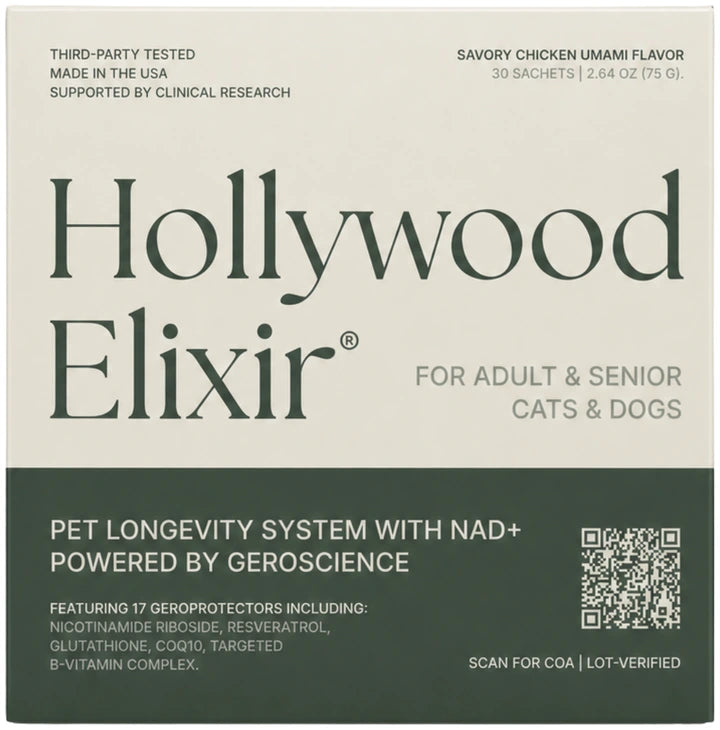
If the answers point toward supplementation, choose something that supports the whole metabolic network instead of chasing a single nutrient. That's the honest case for Hollywood Elixir here: a food-mixed daily formula that supplies antioxidants directly at disclosed amounts—glutathione (50 mg), astaxanthin (2 mg), vitamin E (15 IU), and resveratrol (15 mg)—alongside whey protein (250 mg) for the amino-acid building blocks the body's own defenses draw on. Every active and its amount is printed, so you and your vet can see exactly what your cat gets. It supports normal antioxidant defense and cellular steadiness; it doesn't replace a complete diet or veterinary care. Explore Hollywood Elixir →
Safety and Tolerance: What to Watch When You Start Something New
Safety is mostly about context. Cats with chronic conditions, cats on multiple medications, and cats with a history of sensitivity deserve a slower, more deliberate approach. Avoid stacking multiple products that each claim “antioxidant support,” especially if they include overlapping minerals, because excess mineral intake can become a real risk (Summers, 2022).
Watch for practical signals: appetite changes, vomiting, loose stool, or unusual lethargy after introducing anything new. If those appear, pause and check in with your veterinarian. The best enzymatic endogenous antioxidants for cats supplements should feel uneventful—supportive in the background, not loud in the litter box.
Putting It Together for Long-term Resilience and Graceful Aging
Long-term antioxidant support is less about a dramatic “result” and more about preserving normal function as the years add up. Enzymatic endogenous antioxidants for cats are part of that everyday maintenance, helping the body manage routine oxidative pressure (Hill AS, 2001). If you’re building a plan for graceful aging, aim for consistency, simplicity, and a product that complements—rather than competes with—your cat’s diet.
A thoughtful supplement can be a practical bridge between ideal nutrition and real life: picky eaters, changing appetites, travel, stress, and the subtle shifts that come with age. The right choice supports the whole network—energy, cellular steadiness, and resilience—without turning daily care into a chemistry project.
“Support the network, not the headline ingredient.”
Educational content only. This material is not a substitute for veterinary advice. Always consult your veterinarian about your dog’s specific needs. These statements have not been evaluated by the Food and Drug Administration. Products mentioned are not intended to diagnose, treat, cure, or prevent any disease.
Glossary
- Endogenous Antioxidants: Protective compounds and enzymes produced within a cat’s body, rather than supplied directly by food.
- Enzymatic Antioxidants: Antioxidant defenses that are enzymes (proteins) which speed up reactions that neutralize reactive molecules.
- Oxidative Stress: A state where reactive molecules outpace the body’s ability to keep them in check, increasing cellular “wear.”
- Reactive Oxygen Species (ROS): Highly reactive byproducts of normal metabolism that can damage cells if not neutralized.
- Cofactor: A vitamin or mineral required for an enzyme to function properly (often a trace element).
- Trace Elements: Minerals needed in small amounts (such as copper, zinc, selenium) that can support enzyme activity.
- Glutathione: A major internal antioxidant compound that helps maintain normal cellular balance and supports antioxidant enzyme systems.
- Superoxide Dismutase (SOD): An antioxidant enzyme that helps convert certain reactive molecules into less reactive forms.
- Catalase: An antioxidant enzyme that helps break down hydrogen peroxide into water and oxygen.
- Glutathione Peroxidase: An antioxidant enzyme that uses glutathione to help neutralize peroxides and protect cell membranes.
Related Reading
Aging & Senior Cat Guidance
• Cat Age Calculator: Cat Years to Human Years
• Lethargy in Cats
• Senior Cat Not Eating
• Cat Drinking A Lot
• Why Is My Senior Cat Withdrawn?
Healthy Aging Support
• NAD+ for Cats
• NMN for Cats
• Vitamins For Older Cats
• Senior Cat Food
References
Sun M. Considerations on amino acid patterns in the natural felid diet: a review. PubMed Central. 2024. https://pmc.ncbi.nlm.nih.gov/articles/PMC11603590/
Bilgiç B. Investigation of Trace and Macro Element Contents in Commercial Cat Foods. PubMed Central. 2025. https://pmc.ncbi.nlm.nih.gov/articles/PMC11633335/
Grant CE. Dietary intake of amino acids and vitamins compared to NRC requirements in obese cats undergoing energy restriction for weight loss. PubMed Central. 2020. https://pmc.ncbi.nlm.nih.gov/articles/PMC7648986/
Summers. Evaluation of iron, copper and zinc concentrations in commercial foods formulated for healthy cats. PubMed Central. 2022. https://pmc.ncbi.nlm.nih.gov/articles/PMC10812249/
AIJ. Safety and Pharmacokinetics of a Combined Antioxidant Therapy against Myocardial Reperfusion Injury: A Phase 1 Randomized Clinical Trial in Healthy Humans. PubMed. 2024. https://pubmed.ncbi.nlm.nih.gov/38973337/
Hill AS. Antioxidant prevention of Heinz body formation and oxidative injury in cats. PubMed. 2001. https://pubmed.ncbi.nlm.nih.gov/11277202/
Danielisová V. The changes in endogenous antioxidant enzyme activity after postconditioning. PubMed. 2006. https://pubmed.ncbi.nlm.nih.gov/16741674/
Hydzik P. SERUM ANTIOXIDANT PARAMETERS IN PATIENTS POISONED BY DIFFERENT XENOBIOTICS. PubMed. 2016. https://pubmed.ncbi.nlm.nih.gov/27180426/
Panova IG. Endogenous and Exogenous Antioxidants as Agents Preventing the Negative Effects of Contrast Media (Contrast-Induced Nephropathy). PubMed. 2023. https://pubmed.ncbi.nlm.nih.gov/37630992/
Ismail NA. Antioxidant enzyme activities in hepatic tissue from children with chronic cholestatic liver disease. PubMed. 2010. https://pubmed.ncbi.nlm.nih.gov/20339177/
Olson. Extracellular glutathione peroxidase (Gpx3) binds specifically to basement membranes of mouse renal cortex tubule cells. 2010. https://www.mdpi.com/2306-7381/8/10/220
Poli. Protective effect of Vitamin C and E on enzymatic and antioxidant system in liver and kidney toxicity of Cadmium in rats. 2022. https://www.sciencedirect.com/science/article/pii/S2772502222000580
Fusaroli. The Reporting of a Disproportionality Analysis for Drug Safety Signal Detection Using Individual Case Safety Reports in PharmacoVigilance (READUS-PV): Development and Statement. 2024. https://www.frontiersin.org/journals/pharmacology/articles/10.3389/fphar.2025.1580805/full
Muršec A. Antioxidant Strategies for Age-Related Oxidative Damage in Dogs. PubMed Central. 2025. https://pmc.ncbi.nlm.nih.gov/articles/PMC12567870/
Jewell DE. Effect of dietary antioxidants on free radical damage in dogs and cats. PubMed Central. 2024. https://pmc.ncbi.nlm.nih.gov/articles/PMC11185959/
FAQ
What are enzymatic endogenous antioxidants for cats, in plain terms?
They’re protective enzymes your cat makes inside the body to help neutralize everyday oxidative byproducts. Unlike “antioxidants” sprinkled into food, these are part of normal cellular maintenance and depend on steady nutrition and overall health. If you want support beyond diet alone, choose a formula that complements the whole system rather than chasing a single ingredient.
Why do enzymatic endogenous antioxidants matter for everyday feline aging?
As cats age, the small stresses of daily life can add up—changes in appetite, sleep, and recovery after activity. Internal antioxidant enzymes are part of how the body keeps cells steady under that background pressure.
How do these antioxidants differ from vitamins added to food?
Vitamins and plant antioxidants are dietary inputs; enzymatic endogenous antioxidants are the body’s own tools that use those inputs. The enzymes are made by your cat and work continuously, while dietary antioxidants are more like supporting materials. A well-designed supplement focuses on overall resilience—supporting the conditions that help the body use nutrients effectively.
Is an enzymatic endogenous antioxidants supplement for cats always necessary?
Not always. Many cats do well with a complete, consistent diet and a stable routine. Supplementation becomes more relevant when intake is inconsistent, when a cat is older, or when stress and lifestyle make “perfect nutrition” hard to maintain. If you do supplement, it should complement the diet rather than compete with it.
What makes the best enzymatic endogenous antioxidants for cats supplement?
“Best” usually means feline-appropriate, conservative, and easy to use consistently. Look for clear labeling, sensible serving guidance, and a formulation that supports the broader system instead of stacking extreme amounts of similar ingredients. Your veterinarian can help you match a product to your cat’s diet and medical history.
Are enzymatic endogenous antioxidants for cats safe for daily use?
For many cats, daily use can be appropriate when the product is formulated for long-term support and used as directed. Safety depends on your cat’s overall health, current diet, and whether you’re stacking multiple supplements with overlapping ingredients. If your cat has a chronic condition or takes medication, confirm the plan with your veterinarian before starting.
When should I avoid antioxidant supplements or ask my vet first?
Ask first if your cat has kidney or liver disease, is on long-term medication, has a history of supplement sensitivity, or is eating a therapeutic diet. Also pause if you’re already using multiple fortified products, since overlap can create unnecessary risk. A quick label review with your veterinarian can prevent ingredient duplication and keep the plan simple.
What side effects might occur when starting these supplements?
The most common issues are practical: mild stomach upset, softer stool, or appetite hesitation when a new flavor or texture is introduced. These are often dose- and cat-dependent, and they’re a signal to slow down rather than push through. If vomiting, lethargy, or persistent diarrhea occurs, stop and check in with your veterinarian.
Can antioxidant supplements interact with my cat’s medications?
They can, depending on ingredients and your cat’s condition. Interactions are less about “antioxidants” as a category and more about specific components, added minerals, and how a cat metabolizes or absorbs nutrients alongside medications. Bring your supplement label to your vet or pharmacist for a quick compatibility check.
How long until I notice results from antioxidant support?
It depends on what you mean by “results.” Some owners notice steadier appetite or energy within a few weeks, while others see no obvious change because the benefit is more about maintaining normal function over time. Try to change only one variable at a time so you can judge tolerance and fit.
Do kittens need enzymatic endogenous antioxidants for cats support?
Most kittens thrive on a complete growth diet without extra supplementation. Their needs are specific, and adding unnecessary products can complicate digestion or create nutrient overlap. If a kitten has a medical issue or poor growth, supplementation should be strictly vet-directed.
Are senior cats the best candidates for these supplements?
Often, yes—because aging can bring appetite changes, reduced resilience, and more “background” stress on normal cellular maintenance. The goal isn’t to chase a symptom; it’s to support steadiness and recovery in daily life. Choose a product designed for long-term use and discuss it at routine senior checkups.
Are these supplements different for cats versus dogs?
Yes. Cats have distinct nutritional biology and different tolerances, so canine products aren’t automatically appropriate. Even when ingredients overlap, the formulation philosophy and serving guidance should be feline-specific. If you’re choosing support for a cat, prioritize products built with cats in mind.
What quality signals matter when choosing cats supplements for antioxidants?
Look for transparent labeling, consistent manufacturing, and a formula that doesn’t rely on extreme “kitchen sink” dosing. It should be easy to integrate with a complete diet and not require complicated cycling or frequent changes. When in doubt, pick the option that your veterinarian can comfortably evaluate and monitor.
How should I give an enzymatic endogenous antioxidants supplement for cats?
The best method is the one your cat accepts consistently: mixed into wet food, offered with a small topper, or given at the same time each day. Consistency tends to matter more than the exact hour. If your cat is sensitive, introduce slowly and monitor stool and appetite for a week.
Can I combine antioxidant supplements with a fortified commercial diet?
Sometimes, but it’s worth checking for overlap—especially with minerals and multi-ingredient blends. Fortified diets already provide many nutrients, and stacking can move a cat from “supported” to “too much” without obvious warning signs. A quick review of food plus supplements with your veterinarian keeps the plan safe and streamlined.
Do breeds or body size change antioxidant supplement decisions?
Breed matters less than individual health status, diet, and tolerance. Body size can influence serving guidance, but the bigger issue is whether your cat has conditions that require dietary control or medication monitoring. Use the label directions and confirm any adjustments with your veterinarian, especially for small or medically complex cats.
What does research suggest about oxidative injury in cats?
Research highlights that oxidative injury can be clinically meaningful in cats, including effects on sensitive cells like red blood cells. This supports the idea that internal antioxidant defenses are not just theoretical—they’re part of maintaining normal health. The practical takeaway is steady support, not dramatic claims, paired with regular veterinary care.
When should I call my vet about antioxidant supplementation?
Call if your cat has persistent vomiting or diarrhea, sudden appetite loss, unusual lethargy, or if you’re starting supplements alongside new medications. Also call if your cat is on a therapeutic diet, since those plans are designed with specific nutrient targets. A short, preventive conversation can save you from trial-and-error and ingredient overlap.
How do I decide between the best enzymatic endogenous antioxidants for cats supplements?
Start with your cat’s baseline: diet consistency, age, stress level, and any medical constraints. Then choose the simplest product that supports the broader system and that your cat will reliably take—because consistency is the point.
Discover LPL-01: How This Fits Into a Larger Feline Longevity System
Aging in cats unfolds quietly. It’s not driven by a single failure, but by gradual shifts across interconnected systems — cellular energy, oxidative balance, immune tone, and tissue integrity — each influencing the others over time.
This article explores one layer of that system. To understand what actually shapes long-term health, you need to step back and look at how these layers interact.
Start with the underlying science:
- Feline Geroscience Framework →
A structured view of how aging progresses across cellular energy, inflammation, and resilience systems. - Senior Biological Defense Coverage (BDC) Modeling →
A systems-level map of which biological pathways decline first, and how layered interventions can support them. - 2026 Market Research: Best Cat Longevity Supplements →
A feline-specific review of longevity supplements. 2026 Industry report created by LPL-01 Research. - LPL-01 Standard →
The formulation system that translates these models into real-world supplementation—covering multiple pathways in a coordinated way.
Essential Summary
Why are enzymatic and endogenous antioxidants important for cats?
Enzymatic and endogenous antioxidants are the defenses your cat makes and uses every day to keep cells steady under routine oxidative pressure. Diet quality, mineral balance, and life stage all shape how well this system runs. A thoughtful supplement can support the broader network—especially during aging, stress, or inconsistent intake—without trying to replace a complete diet.
Hollywood Elixir is designed as system-level support for graceful aging—helping reinforce the everyday resilience that sits behind antioxidant balance, energy, and cellular steadiness. Rather than chasing a single “antioxidant,” it’s built to complement a quality diet and support the broader metabolic network that cats rely on over time.
Hollywood Elixir®
Starting at $89/mo
Hollywood Elixir is amazing! She put back on 5 lbs to a healthy weight, her eyes are shiny, her coat is beautiful!
— Jessie
She hopped up onto the windowsill again for the first time in years.
— Charlie
Considering enzymatic and endogenous antioxidants for cats?
If you're searching to understand enzymatic and endogenous antioxidants in cats
If you’re considering enzymatic endogenous antioxidants for cats, start with what’s already working: a complete diet your cat reliably eats, and a routine that keeps stress low. Then look for a supplement that supports the broader metabolic network—cellular steadiness, everyday resilience, and graceful aging—without stacking excessive minerals or forcing aggressive “detox” claims. This is where Hollywood Elixir fits: it’s positioned as system-level support rather than a single-nutrient replacement, making it easier to integrate alongside quality food and veterinary care. If your cat is older, picky, or simply entering a new season of life, it’s a calm way to reinforce the background defenses that matter most.
Learn about how our DVMs think about cat aging
Dr. JoAnna Pendergrass DVM
Hollywood Elixir®
Starting at $89/mo
Explore your cat’s changing needs over time
Related Reading
Most cat owners don’t set out to become fluent in antioxidants. They just notice small changes: a little less spring in the jump, a pickier appetite, a longer recovery after play, a sense that the “easy years” are giving way to something more delicate.