Cavalier King Charles Itchy Skin

Identify the Trigger, Calm Inflammation, and Rebuild a Resilient Skin Barrier

Essential Summary

Why is it important to address itchy skin in Cavalier King Charles dogs?

Itchy skin in Cavaliers is often tied to allergies, parasites, infection, or a weakened skin barrier. The most reassuring progress is visible: less redness, fewer flakes, a softer feel, and a coat that lies smoothly again. Pair veterinary guidance with gentle grooming and skin-support nutrition to keep comfort and appearance steady.

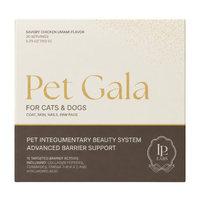
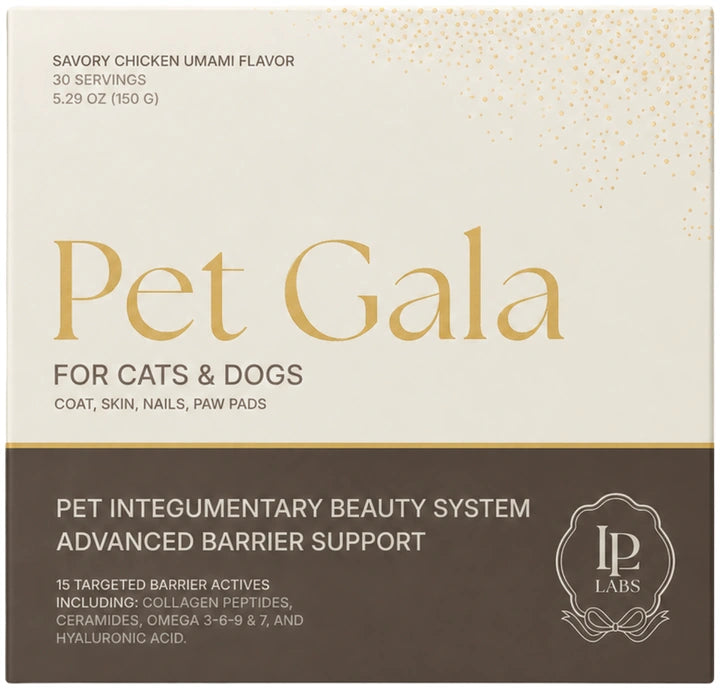
Pet Gala™ is designed for owners who want skin comfort to show as a polished coat, natural softness, and strong, tidy nails. It fits neatly alongside good grooming and vet-recommended care, supporting the everyday “finished look” that makes a Cavalier feel as good to touch as they are to see.

A Cavalier King Charles Spaniel is meant to feel like velvet in your hands—soft feathering, a smooth lay to the coat, and a relaxed ease when they lean into affection. When itching starts, it changes that whole impression. You may notice more paw licking, face rubbing, or belly scratching. You may also notice the coat losing its clean shine, or the skin looking a little pink and “busy,” even if nothing else seems different.

Cavalier King Charles itchy skin is common enough that it can feel like a breed trait, but it’s still worth taking seriously—because itch is rarely just one thing. Allergies, parasites, infection, dryness, and product irritation can overlap, and the visible signs can blur together. The most reassuring approach is to focus on signals you can actually track: where the itch concentrates, whether there’s odor or greasiness, how the coat feels after brushing, and what changes when you simplify your routine.

And if you’re a careful, science-minded owner, here’s why a skin-and-coat product can still make sense even when your dog eats a complete diet: the goal isn’t “more nutrients.” It’s a consistent layer of support that helps everyday care show up on the outside—natural softness, a healthier sheen, and a coat that’s easier to keep polished between baths and vet visits. That visible payoff is what makes routines feel worth it.

By La Petite Labs Editorial, ~15 min read

Featured Product:

  • Itch is a visible signal: watch where it starts, how the coat changes, and what shifted recently.
  • Common causes include environmental sensitivities, food reactions, parasites, infection, and simple barrier dryness.
  • Paws, face, belly, and ears often point toward allergy patterns worth discussing with your vet.
  • Gentle bathing and thorough drying can remove irritants without leaving the coat rough or stripped.
  • Low-friction brushing prevents tugging that can turn mild irritation into constant scratching.
  • Supportive nutrition can enhance visible condition—softness, shine, and fewer flakes—alongside a complete diet.
  • Choose routines you can repeat: consistency is often the most elegant form of relief.

When Itch Shows up, the Coat Tells You First

When a Cavalier starts scratching, the first thing you notice isn’t a diagnosis—it’s the look. A once-silky coat can turn dull, the skin can seem pinker than usual, and your dog may feel less settled during cuddles. Cavalier King Charles itchy skin often comes from a few repeat themes: environmental sensitivities, food reactions, parasites, or a skin barrier that’s simply not holding moisture and comfort the way it should.

The goal is not to “chase itch” with random swaps. It’s to read the visible signals—where the itch shows up, how the coat feels, what changed recently—and then choose calm, consistent care. That’s where the best treatments for Cavalier King Charles itchy skin tend to overlap: gentle cleansing, barrier-friendly grooming, and supportive nutrition that shows up as softness, shine, and a more comfortable dog (see: Best Skin & Coat Supplements for Dogs).

Coat shine graphic representing skin hydration supported by best products for cavalier king charles itchy skin.

The Most Common Triggers Behind Scratching, Licking, and Rubbing

Cavalier King Charles itchy skin causes usually fall into a few buckets: allergies (environmental or food-related), parasites, infections (yeast or bacteria), dryness and barrier disruption, or contact irritation from grooming products and household cleaners (related: Dog Skin Care). Cavaliers also have feathering that can trap moisture and debris, which can make small problems look bigger—especially around the ears, chest, belly, and paws.

A helpful way to narrow it down is to notice patterns. Is the itch seasonal? Is it focused on paws and face (often environmental)? Is it along the back or tail base (often fleas)? Does the skin smell “yeasty” or look greasy? These visible cues don’t replace a vet exam, but they do make your next step more confident and less random.

Beauty structure visual linked to skin and coat support mechanisms in best products for cavalier king charles itchy skin.

Allergies in Cavaliers: Patterns Owners Notice in Real Life

Allergies are a common reason owners search for Cavalier King Charles itchy skin solutions. Environmental allergies often show as paw licking, face rubbing, and belly irritation. Food-related issues can overlap, but they’re less predictable and may come with ear trouble or digestive changes. Either way, the skin’s surface becomes more reactive, and the coat can lose that clean, silky drape Cavaliers are known for.

The most effective approach is usually a blend: reduce exposure where you can, keep the coat clean enough to remove allergens, and support the skin barrier so it looks calmer between flare-ups (see: Collagen for Dogs). Think of it as maintaining a “fresh finish” rather than trying to eliminate every trigger in the world.

Molecular beauty graphic highlighting formulation science reflected in cavalier king charles itchy skin relief.

Dry Skin and a Dull Coat: the Quiet Itch Amplifier

Dryness can look deceptively mild: a little dandruff on the back, a slightly rough feel over the shoulders, or a coat that won’t hold shine. But dryness can make every other trigger feel sharper. Over-bathing with harsh shampoos, hot blow-drying, winter air, and frequent swimming can all pull moisture from the skin and leave it looking tight or flaky.

For Cavalier King Charles itchy skin relief, choose cleansing that’s gentle and consistent rather than aggressive and occasional. A conditioner or leave-on spray designed for dogs can reduce friction when brushing feathering, which helps prevent the “itch-scratch” cycle that starts from simple irritation (related: Hyaluronic Acid for Dogs).

Dog portrait showing healthy coat and skin with beauty support from best treatments for cavalier king charles itchy skin.

Yeast and Bacteria: When Odor and Greasiness Join the Picture

Yeast and bacterial overgrowth can happen when the skin barrier is stressed. Owners often notice a musty odor, greasy patches, redness between toes, or recurrent ear issues. These problems can look like “allergies” at first, but they usually need veterinary confirmation and targeted treatment to truly settle.

While you’re working with your vet, keep grooming calm and supportive: trim hair that traps moisture, dry thoroughly after baths or rain, and avoid heavy fragrances that can irritate. Once the skin looks clearer, maintaining a polished coat becomes easier—and the dog often seems more comfortable in their own skin.

The scratching is completely gone, his coat looks healthy and shiny!

— Lena

He was struggling with itching, now he's glowing.

— Grace

“The most reassuring progress is visible: calmer-looking skin, softer coat feel, and a dog who settles again.”

Grooming Choices That Reduce Tugging and Calm the Surface

Grooming can either soothe or stir up itch. Matted feathering pulls on the skin, and rough brushing can create tiny irritation that looks like “mystery allergies.” On the other hand, a gentle, regular routine removes debris and spreads natural oils so the coat looks smoother and feels softer.

Aim for low-friction care: brush in sections, detangle with a comb, and keep sessions short enough that your Cavalier stays relaxed. If you’re using wipes or sprays, choose formulas made for dogs and stop if you notice increased redness. The best products for Cavalier King Charles itchy skin are the ones your dog tolerates well and that leave the coat visibly clean, not heavy.

Dog headshot symbolizing coat shine and beauty supported by best supplements for cavalier king charles itchy skin.

Nutrition That Shows up as Shine, Softness, and Better Coat Feel

Nutrition shows up on the outside. Even with a complete diet, some dogs benefit from additional support for coat shine, skin comfort, and nail strength—especially during seasonal itch or after a flare. Owners often notice the difference as a softer feel at the shoulders, less “snow” on dark fur, and feathering that looks smoother after brushing.

When evaluating best supplements for Cavalier King Charles itchy skin, look for a balanced approach that supports the whole integumentary system (skin, coat, nails) rather than a single trendy ingredient (see: The Best Coat Growth Supplements for Dogs). The point isn’t to replace food; it’s to enhance visible condition so everyday care looks and feels more rewarding.

Dog portrait from the side highlighting beauty supported by cavalier king charles itchy skin relief.

Bathing Without Stripping: Clean Enough to Soothe, Gentle Enough to Repeat

Bathing frequency is a common worry: too often feels drying, too rarely lets allergens and oils build up. For many Cavaliers with itch, a middle path works best—regular gentle baths that remove irritants without stripping. Your vet can advise if medicated shampoos are appropriate, especially if there’s infection or significant redness.

Focus on technique: lukewarm water, thorough rinse, and complete drying (especially feathering and between toes). A clean, well-rinsed coat tends to tangle less, which reduces tugging and helps Cavalier King Charles itchy skin relief feel more immediate in day-to-day handling.

Ingredient overview graphic showing what's inside and how cavalier king charles skin allergies remedies supports beauty.

Home Irritants That Can Keep Skin Reactive Without You Noticing

Home environment matters more than most people expect. Scented detergents, room sprays, carpet powders, and even certain cleaning wipes can leave residues that irritate sensitive skin. If itching clusters around the belly, armpits, or groin—areas that touch floors and bedding—contact irritation is worth considering.

Try a “quiet home” approach for a few weeks: fragrance-free laundry, frequent bedding washes, and a quick rinse or wipe after outdoor time. These are simple Cavalier King Charles itchy skin solutions that support a calmer look without turning your life into a constant experiment.

Choosing Products That Feel Gentle and Look Clean After Rinsing

If you’re comparing best products for Cavalier King Charles itchy skin, look for items that respect the skin’s surface: fragrance-free or lightly scented, pH-appropriate for dogs, and designed to rinse clean. A good shampoo should leave the coat feeling light and plush, not squeaky or coated. Conditioners and sprays can be helpful when they reduce static and friction—two small things that can make itching feel louder.

For home care, prioritize tools that prevent micro-tugging: a soft slicker for feathering, a comb that glides, and a towel that absorbs without roughing up the skin. If you add a supplement, choose one that supports skin, coat, and nails together—because the most reassuring results are visible across the whole “presentation,” not just in one spot (related: Best Supplement for Dog Nails).

“Gentle, repeatable routines often outperform dramatic product hopping.”

Professional uniform showing commitment to quality in support of cavalier king charles itchy skin.

Seasonal Flare-ups and the Art of Staying Consistent

Seasonal flare-ups can make it feel like you’re starting over every few months. In spring and fall, pollen and indoor dust shifts can amplify scratching, especially on paws, face, and belly. During these windows, keep routines steady: wipe-downs after walks, consistent bathing intervals that don’t strip, and a grooming cadence that keeps feathering clean and airy.

If your Cavalier’s itch tracks with weather changes, think “comfort maintenance,” not dramatic resets. Cavalier King Charles itchy skin solutions often work best when they’re boring in the best way—repeatable, gentle, and easy to keep up with. The visible payoff is a coat that stays brighter through the season and skin that looks calmer between baths.

Shop Now
Premium ingredient tableau framing Pet Gala aligned with best products for cavalier king charles itchy skin.

Food Sensitivities: When Diet Matters and When It Doesn’t

Food can be part of the story, but it’s rarely solved by guessing. True food allergy is less common than people assume, while food sensitivity or intolerance can still show up as itch, ear issues, or inconsistent stool. If you suspect diet is involved, your veterinarian may recommend a structured elimination trial rather than rotating proteins every week.

Even when diet is “good,” the skin can still benefit from targeted support that improves visible condition—softness, sheen, and less flaky look. That’s why best supplements for Cavalier King Charles itchy skin are often framed as skin-barrier and coat-quality support, not as a replacement for a complete diet (see: Omega-3-6-9 for Dogs).

Shop Now
Pet owner presenting supplement, highlighting home beauty support from cavalier king charles skin allergies remedies.

Parasites: the Fastest Thing to Rule out with Confidence

Parasites are the simplest itch cause to rule out—and the easiest to miss if prevention lapses for “just a month.” Fleas can trigger intense scratching even when you don’t see them, and mites can create patchy irritation, crusting, or a suddenly rough coat. If itching is abrupt, intense, or shared with other pets, ask your vet about parasite checks and prevention updates.

Once parasites are addressed, focus on restoring the look and feel of the coat. The best treatments for Cavalier King Charles itchy skin often include a gentle reset: bathing that removes irritants, careful drying, and a supportive routine that helps the skin look less reactive day to day.

Shop Now

Ears and Skin: a Connected Comfort Story in Cavaliers

Ears and skin often travel together in Cavaliers. If itch comes with head shaking, ear odor, or frequent ear scratching, it’s worth treating the ears as part of the same comfort picture. Ear inflammation can make the whole dog feel “itchy,” even when the coat looks fine at first glance.

Avoid home remedies inside the ear canal unless your veterinarian has confirmed what’s going on. A calm plan—proper cleaning, appropriate medication when needed, and supportive coat care—often brings back that relaxed, polished look: bright eyes, softer expression, and less restless pawing.

Stress, Licking, and the Behaviors That Mimic Skin Trouble

Stress and boredom don’t “cause” allergies, but they can amplify scratching and licking. Cavaliers are affectionate, people-centered dogs; when routines change, self-soothing behaviors can look like skin trouble. If the itch is most noticeable during quiet evenings or when you leave the room, consider whether enrichment and predictability are part of the solution.

Pair mental comfort with physical comfort: a gentle brush session, a short walk, and a consistent skin-support routine. Cavalier King Charles itchy skin relief can sometimes be as much about reducing “background agitation” as it is about changing products.

Comparison graphic showing cavalier king charles skin allergies remedies benefits versus typical supplement formulas.

Red Flags That Deserve a Veterinary Visit Sooner

When should you call the vet? If you see open sores, bleeding, a strong odor, sudden hair loss, swelling, or your dog can’t settle, it’s time. Also book a visit if itching persists beyond a couple of weeks despite consistent care, or if it keeps returning in the same pattern. These are clues that testing, prescription options, or a targeted plan may be needed.

Bring photos and a short timeline: where the itch started, what you changed, and what helped. That clarity speeds up decisions and reduces trial-and-error. The best outcomes usually come from pairing veterinary direction with steady at-home routines that keep the coat looking clean, soft, and well-kept.

Shop Now
Pet Gala in protective wrap, emphasizing quality behind best products for cavalier king charles itchy skin.

Practical Home Remedies That Support a Calmer, Softer Look

If you’re looking at Cavalier King Charles skin allergies remedies, think in layers: remove irritants, support the barrier, and keep the coat easy to maintain. That might mean shorter feathering during flare-ups, more frequent gentle baths, and daily paw wipes. It can also mean simplifying your home environment—unscented laundry products, regular vacuuming, and rinsing pollen off after walks.

Remedies that work best are the ones you can repeat without drama. The visible goal is a coat that lies smoothly, skin that looks even-toned, and a dog who can enjoy touch without immediately scratching afterward.

Shop Now

A Polished Routine That Keeps Comfort Visible Every Day

A polished Cavalier look is built from small, consistent choices: gentle cleansing, low-friction grooming, and nutrition that supports skin, coat, and nails as one system. If you’ve felt stuck between “it’s probably allergies” and “nothing seems to change,” focus on what you can see and measure: less redness, fewer flakes, a softer feel, and calmer downtime.

Cavalier King Charles itchy skin causes can be complex, but your routine doesn’t have to be. Keep your plan simple, track what improves the look and comfort, and involve your veterinarian when signs escalate. The most reassuring result is a dog who looks cared-for and feels comfortable being close.

“A polished coat isn’t vanity—it’s a clear sign your dog feels comfortable.”

Educational content only. This material is not a substitute for veterinary advice. Always consult your veterinarian about your dog’s specific needs. These statements have not been evaluated by the Food and Drug Administration. Products mentioned are not intended to diagnose, treat, cure, or prevent any disease.

Glossary

  • Skin Barrier: The outer layer of skin that helps retain moisture and keep irritants out.
  • Pruritus: The medical term for itching, including scratching, licking, and rubbing.
  • Atopy (Environmental Allergy): Sensitivity to airborne or contact allergens like pollen or dust.
  • Contact Irritation: Skin reaction caused by residues from shampoos, detergents, or cleaners.
  • Secondary Infection: Yeast or bacterial overgrowth that develops after skin becomes inflamed.
  • Feathering: Longer hair on ears, chest, legs, and tail that can trap moisture and debris.
  • Hot Spot: A localized, irritated, often moist skin patch from licking or scratching.
  • Elimination Diet Trial: A vet-guided diet change used to evaluate possible food reactions.
  • Allergen Load: The amount of irritants (pollen, dust, saliva) sitting on skin and coat.

Related Reading

References

Van Beeck FL. The effect of long-term feeding of skin barrier-fortified diets on the owner-assessed incidence of atopic dermatitis symptoms in Labrador retrievers.. PubMed Central. 2015. https://pmc.ncbi.nlm.nih.gov/articles/PMC4462758/

FAQ

What does cavalier king charles itchy skin usually look like?

It often shows up as paw licking, face rubbing, belly scratching, or frequent ear scratching, plus a coat that feels less silky than usual. You might also notice mild redness, dandruff-like flakes, or a “restless” look during cuddles.

Because several issues can look similar, your vet can help confirm whether allergies, parasites, or infection are involved while you keep grooming gentle and consistent. For visible coat-and-skin support alongside daily care, consider Pet Gala™.

Why is my Cavalier suddenly scratching more at night?

Nighttime scratching can stand out because the house is quiet and your dog has fewer distractions. Dry indoor air, warm bedding, or residue from outdoor allergens on paws and feathering can also make itch feel more intense after evening walks.

If it’s new or escalating, rule out fleas and ear discomfort with your veterinarian. A steady routine—wipe-downs, gentle brushing, and skin-support nutrition—can help the coat feel calmer and more comfortable. Many owners pair that approach with Pet Gala™ for everyday visible support.

What are the most common cavalier king charles itchy skin causes?

The most common causes include environmental allergies (pollen, dust), fleas or mites, yeast or bacterial skin overgrowth, contact irritation from products, and dryness from over-bathing or winter air. More than one factor can be present at the same time.

A vet exam helps you avoid guessing, especially if there’s odor, hair loss, or persistent redness. Alongside medical guidance, consistent coat care and skin-focused nutrition can improve how your Cavalier looks and feels day to day, including support from Pet Gala™.

When should I call the vet about persistent itching?

Call your vet if you see open sores, bleeding, swelling, strong odor, sudden hair loss, or if your dog can’t settle. Also book a visit if itching lasts more than a couple of weeks despite consistent gentle care.

Bring a short timeline and photos of flare-ups; it helps your vet choose the right next step faster. While you’re working through the cause, many owners keep the “visible comfort” routine steady with grooming and supportive nutrition like Pet Gala™.

Can fleas cause intense itching even if I see none?

Yes. Some dogs react strongly to flea bites, and you may not spot fleas if they’re few, recently groomed off, or hidden in feathering. Itching near the tail base or along the back can be a clue, but patterns aren’t perfect.

Your vet can recommend appropriate prevention and check for other parasites if needed. Once parasites are controlled, focus on restoring a soft, clean coat feel with gentle care and skin-support nutrition, including Pet Gala™.

Are seasonal allergies common in Cavaliers with itchy skin?

Seasonal sensitivities are common, and they often show as paw licking, face rubbing, and belly irritation during spring or fall. Indoor allergens can also flare when heating or cooling cycles change and dust shifts around the home.

A steady routine—wipe-downs after walks, gentle baths, and low-friction brushing—can reduce the “allergen load” sitting on the coat. For additional everyday support that shows up as softness and shine, many owners use Pet Gala™.

What are best treatments for cavalier king charles itchy skin?

The “best” plan depends on the cause, but it usually combines veterinary guidance (to rule out parasites and infection) with gentle, repeatable home care. That includes dog-appropriate bathing, thorough drying, and grooming that avoids tugging on feathering.

Many owners also add skin-and-coat nutritional support to enhance visible condition—softness, sheen, and a calmer look between flare-ups—without treating it like a single-ingredient fix. A common choice for that role is Pet Gala™.

Do cavalier king charles skin allergies remedies work without prescriptions?

Some non-prescription approaches can improve comfort when the issue is mild or primarily irritant-related: fragrance-free home products, regular bathing with gentle shampoo, and consistent grooming to remove debris. However, infections, mites, and significant inflammation often need veterinary diagnosis and prescription treatment.

Think of “remedies” as supportive layers that keep the coat looking clean and the skin less reactive between vet visits. For daily visible support of skin, coat, and nails, many owners include Pet Gala™ in their routine.

Is it safe to bathe an itchy Cavalier more often?

It can be safe if you use a dog-appropriate, gentle formula and rinse thoroughly. Frequent harsh bathing can worsen dryness, but regular gentle bathing can remove allergens and residue that sit on the coat and trigger scratching.

If your vet recommends a medicated shampoo, follow their schedule and drying instructions closely. Between baths, keep the coat easy to brush and comfortable to touch with supportive care, including Pet Gala™ for visible skin-and-coat support.

How quickly should I expect cavalier king charles itchy skin relief?

Timeline depends on the cause. If parasites are involved, you may see improvement quickly once treated. With allergies or barrier dryness, visible changes often come in stages: less redness first, then fewer flakes, then a softer, shinier coat as routines stay consistent.

Track progress weekly with photos and notes rather than judging day to day. For owners who want steady, noticeable coat-and-skin support alongside grooming and vet care, Pet Gala™ fits well into a consistent routine.

What side effects should I watch for with new supplements?

With any new supplement, watch for digestive upset (soft stool, gas, reduced appetite) or new itching that suggests sensitivity to an ingredient. Introduce one new item at a time so you can tell what changed, and pause if you notice a clear negative shift.

If your dog takes medications or has a chronic condition, check with your veterinarian before adding anything new. For a skin-and-coat focused option designed for everyday visible support, many owners choose Pet Gala™.

Can supplements interact with allergy medications or flea preventatives?

They can, depending on ingredients and your dog’s health history. While many skin-and-coat supplements are used alongside common preventatives, it’s smart to confirm with your veterinarian—especially if your dog is on multiple medications or has liver, kidney, or GI concerns.

Bring the label or ingredient list to your appointment so your vet can quickly assess fit. For owners building a consistent, visible-care routine around comfort and coat quality, Pet Gala™ is often considered as part of that plan.

Is cavalier king charles itchy skin different in puppies versus adults?

Puppies can itch from parasites, early sensitivities, or mild infections, and their grooming tolerance is still developing. Adults more often show recurring seasonal patterns, ear involvement, or chronic barrier dryness that changes the coat’s texture over time.

In both cases, avoid experimenting with many products at once; keep routines simple and vet-guided when signs persist. For gentle, everyday support that complements good grooming habits, consider Pet Gala™.

Are Cavaliers more prone to skin sensitivity than other breeds?

Many owners and veterinarians see Cavaliers as a breed that can be sensitive—especially with ears, paws, and feathered areas that trap moisture and debris. That doesn’t mean every Cavalier will struggle, but it does mean small irritations can become very noticeable.

The upside is that consistent, gentle routines often show clear cosmetic payoff: softer coat feel, fewer tangles, and a calmer look. For daily skin-and-coat support that fits this “visible care” approach, many choose Pet Gala™.

Can cats use the same itchy-skin products as my Cavalier?

Not automatically. Cats have different grooming behaviors and ingredient sensitivities, and some dog products (especially topicals and essential oils) can be unsafe for cats. Always check species labeling and ask your veterinarian before sharing shampoos, wipes, or supplements.

If you have both cats and dogs at home, it’s also wise to keep flea prevention species-specific. For dog-focused, coat-and-skin visible support as part of your Cavalier’s routine, consider Pet Gala™.

What quality signals matter when choosing skin and coat products?

Look for clear labeling, dog-appropriate formulas, and products that rinse clean without heavy fragrance. For supplements, prioritize transparent ingredient lists, consistent manufacturing standards, and a purpose that matches your goal: visible coat softness, shine, and comfortable skin.

Avoid stacking multiple new items at once; it makes it hard to know what helped. If you want a single, steady addition that supports skin, coat, and nails together, many owners select Pet Gala™ as part of a consistent routine.

How do I give a daily supplement to a picky Cavalier?

Keep it simple and consistent: offer it at the same time each day, pair it with a small amount of food your dog already loves, and avoid changing multiple variables at once. If your Cavalier is suspicious, start with a smaller portion and build up gradually.

If appetite is reduced or your dog has GI sensitivity, ask your vet for the best approach. For an easy-to-build routine that supports visible coat and skin quality, consider Pet Gala™.

Can I use coconut oil or home remedies for itching?

Some home remedies can backfire by trapping debris, worsening greasiness, or encouraging licking. Oils may make the coat feel slick but can also hold allergens against the skin. If there’s redness, odor, or broken skin, it’s safer to get veterinary guidance before applying anything topical.

A more reliable approach is gentle cleansing, thorough drying, and barrier-friendly grooming. For owners who want nutritional support that shows up as softness and shine without messy topicals, consider Pet Gala™.

What research suggests about allergy itching in companion dogs?

Research suggests allergic skin disease in dogs is common and often multifactorial, with environmental triggers, barrier disruption, and secondary infections influencing how intense itching becomes. That’s why many veterinary plans combine trigger reduction, skin-surface management, and targeted medications when needed.

For owners, the practical takeaway is to focus on repeatable routines that improve visible comfort: cleaner coat, calmer-looking skin, and less restless scratching. Many support that routine with Pet Gala™ alongside veterinary care.

How do I choose between diet change, meds, or grooming?

Start with what’s safest to clarify: confirm parasite prevention, then ask your vet whether infection or ear disease is present. If those are ruled out, your vet may discuss allergy management, a structured diet trial, and supportive grooming to reduce irritants on the coat.

You don’t have to pick only one lane—many dogs do best with a blended plan that keeps the coat visibly polished while medical pieces do their job. For daily skin-and-coat support within that plan, consider Pet Gala™.

5K+ Happy Pet Parents

Excellent 4.8

Cavalier King Charles Itchy Skin | Why Thousands of Pup Parents Trust Pet Gala™

"It's so good for his coat, and so easy to mix into food."

Alex & Cashew

"Gives him that glow from head to tail!"

Elisabeth & Chai

"The scratching is completely gone, his coat looks healthy and shiny."

Lena & Bear

"Magical. He was struggling with itching and shedding. Now he's literally glowing."

Grace & Ducky

"It's so good for his coat, and so easy to mix into food."

Alex & Cashew

"Gives him that glow from head to tail!"

Elisabeth & Chai

"The scratching is completely gone, his coat looks healthy and shiny."

Lena & Bear

"Magical. He was struggling with itching and shedding. Now he's literally glowing."

Grace & Ducky

"It's so good for his coat, and so easy to mix into food."

Alex & Cashew

"Gives him that glow from head to tail!"

Elisabeth & Chai

"The scratching is completely gone, his coat looks healthy and shiny."

Lena & Bear

"Magical. He was struggling with itching and shedding. Now he's literally glowing."

Grace & Ducky

"It's so good for his coat, and so easy to mix into food."

Alex & Cashew

"Gives him that glow from head to tail!"

Elisabeth & Chai

"The scratching is completely gone, his coat looks healthy and shiny."

Lena & Bear

"Magical. He was struggling with itching and shedding. Now he's literally glowing."

Grace & Ducky

SHOP NOW